The Grub Damage Showing Up In Ohio Lawns Right Now That Predicts Next Spring’s Moles
Cracks are spreading across countless Ohio lawns, and you may already be dealing with it without realizing it. Brown patches keep appearing where nothing looks wrong on the surface, and homeowners are running out of guesses.
Underneath the grass, something is feeding, multiplying, and preparing a problem you will watch grow by spring. It severs roots steadily, while this season’s unusually mild weather helps it spread faster than you expect.
Left alone, this quiet damage becomes next year’s real problem when burrowing predators show up looking for an easy meal. Mole activity across Ohio properties rises fast when this goes unchecked, and timing decides how bad it gets.
You are standing on top of a countdown, and the only way to protect what’s yours is to see exactly what’s hiding beneath your feet.
Loose Turf That Lifts Freely From The Soil Beneath It
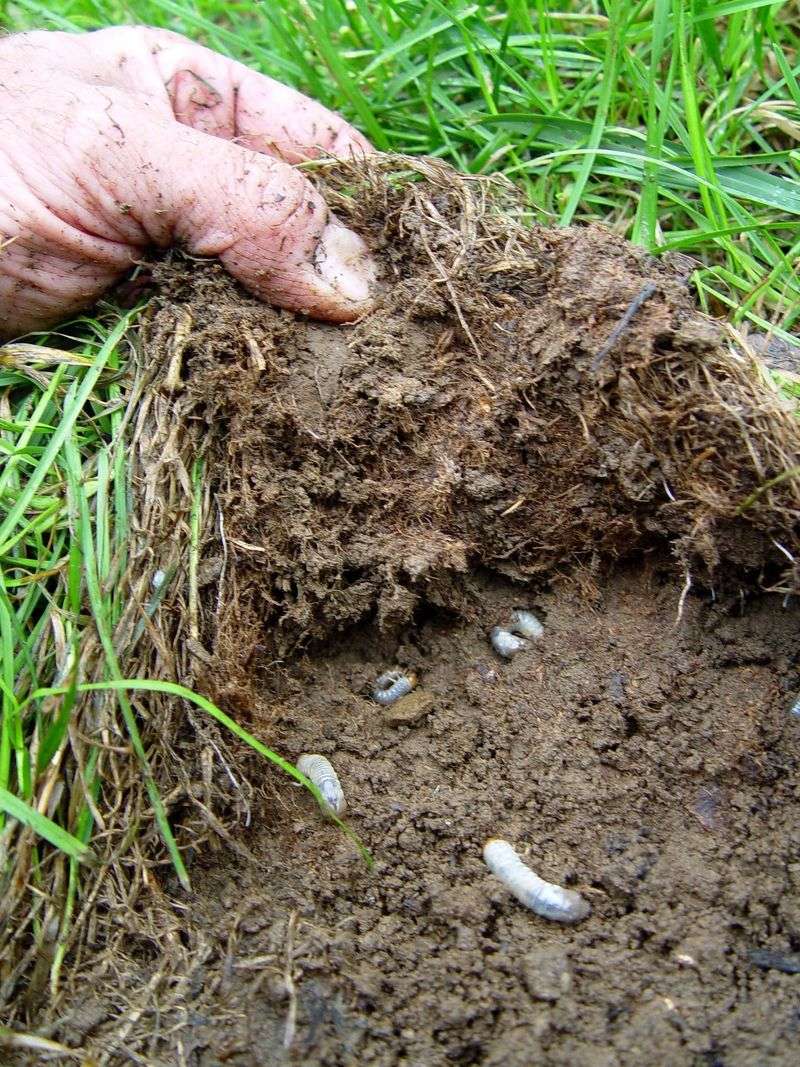
Pull back a corner of your brown grass and feel how easily it lifts. That spongy, carpet-like feeling is one of the clearest warning signs homeowners overlook.
Healthy grass holds firm because roots anchor it deep into the soil. Grubs chew through those roots just below the surface, leaving turf with nothing to hold onto.
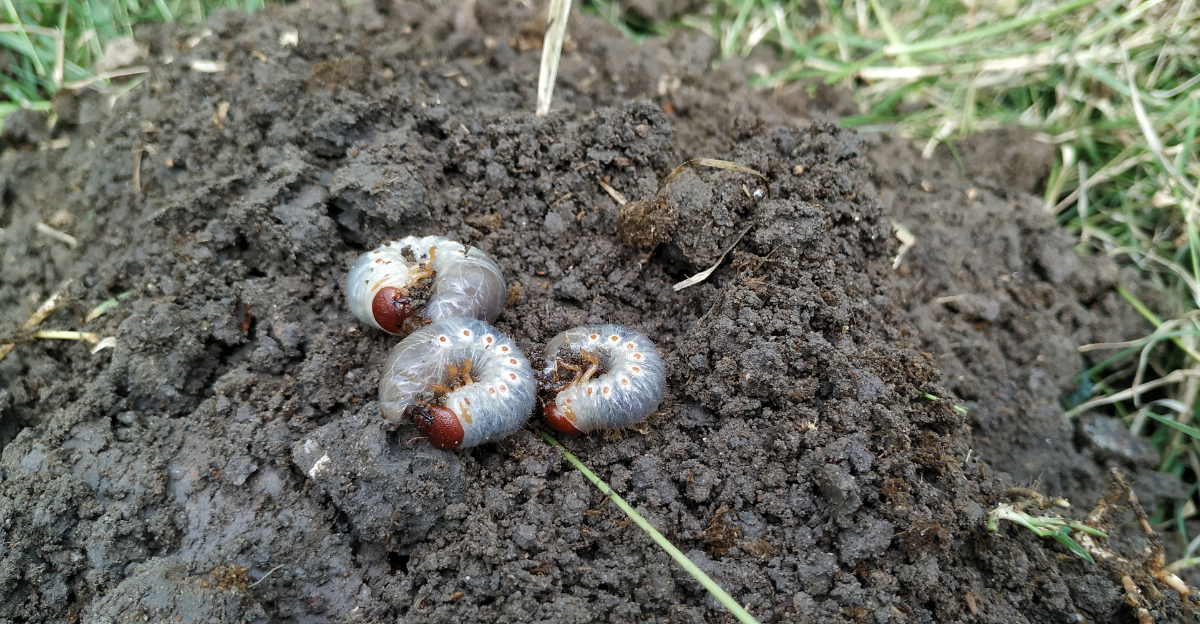
Once the root system is gone, the grass above simply fades and detaches. You can roll it back like a yoga mat, and underneath you will find pale, C-shaped larvae curled in the dirt.
This symptom appears fast, often within a few weeks of heavy feeding. Many homeowners mistake it for drought stress or fungal disease at first glance.
The difference is easy to spot. Drought-stressed grass resists pulling, while grub-damaged turf gives way with almost no effort at all.
Checking your lawn now takes less than two minutes. Press your fingers into a suspect patch and give it a gentle tug.
If it rolls up cleanly, grubs are almost certainly the cause. Catching this early gives you the best chance to stop the cycle before moles move in next season.
Loose turf is not just a cosmetic problem. Patches left untreated tend to invite bigger wildlife trouble come spring.
The Late Summer Feeding Stage Behind Those Thinning Patches
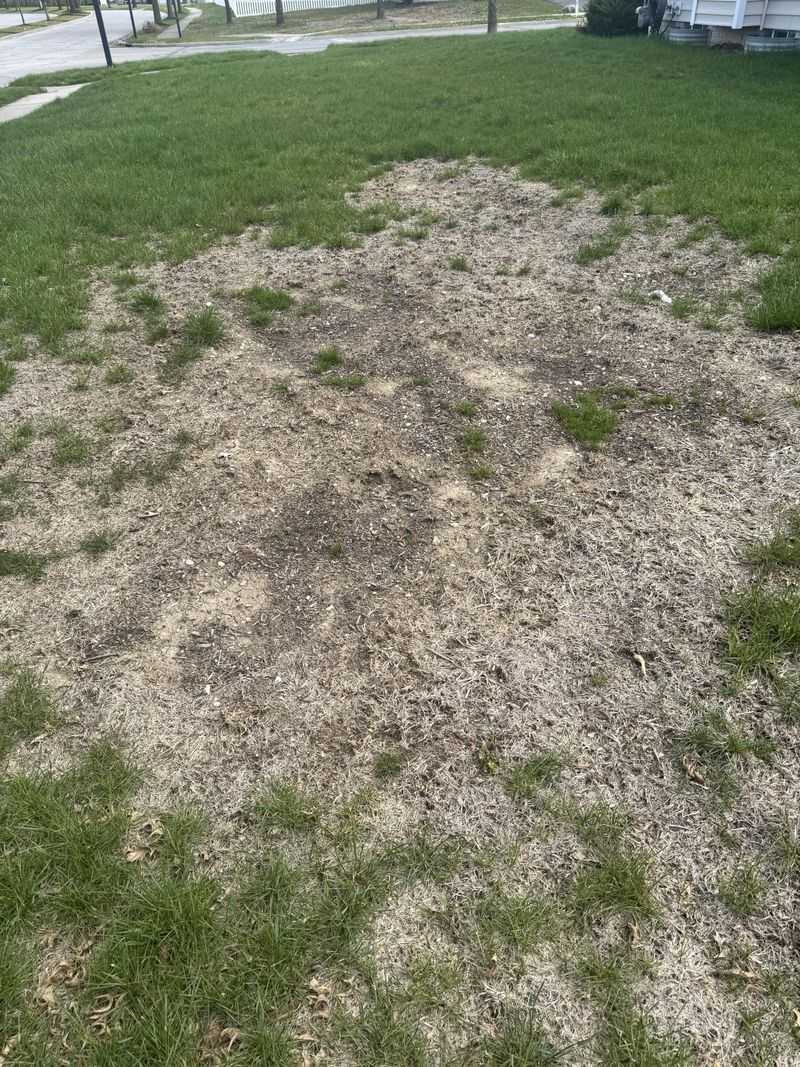
Late summer is feeding season, and grubs are hungry. Right now, young larvae that hatched from beetle eggs in July are growing fast and eating roots around the clock.
Japanese beetle and masked chafer grubs are the most common offenders across Ohio. Both species spend their larval stage underground, targeting the root zone just an inch or two below the grass.
As temperatures stay warm through August and September, grubs feed aggressively. The damage showing up in lawns today is the direct result of that non-stop underground activity.
Thinning patches often start small, maybe the size of a dinner plate. Within weeks, neighboring areas connect and the bare zones spread across a much wider section of yard.
Sunny, well-irrigated lawns actually attract more egg-laying beetles in summer. That means the nicest-looking lawns in the neighborhood are sometimes the most vulnerable to a grub outbreak.
Your Ohio Garden Changes Every Week. Your Plan Should Too.
Gardening in Ohio changes quickly throughout the season. Every Friday you’ll receive a simple weekly plan showing exactly what to plant, prune, fertilize, harvest, and protect so you never miss the right timing.
Understanding this feeding stage helps you time any treatment correctly. Products applied too late in the season lose effectiveness as grubs move deeper into the soil to overwinter.
Acting while grubs are still shallow and actively feeding gives treatments the best contact with the larvae. Missing this window means waiting until next year to try again.
The thinning patches you see today are already on borrowed time. Every warm day that passes is another day grubs grow bigger and harder to manage.
Counting Grubs Per Square Foot To Judge Severity
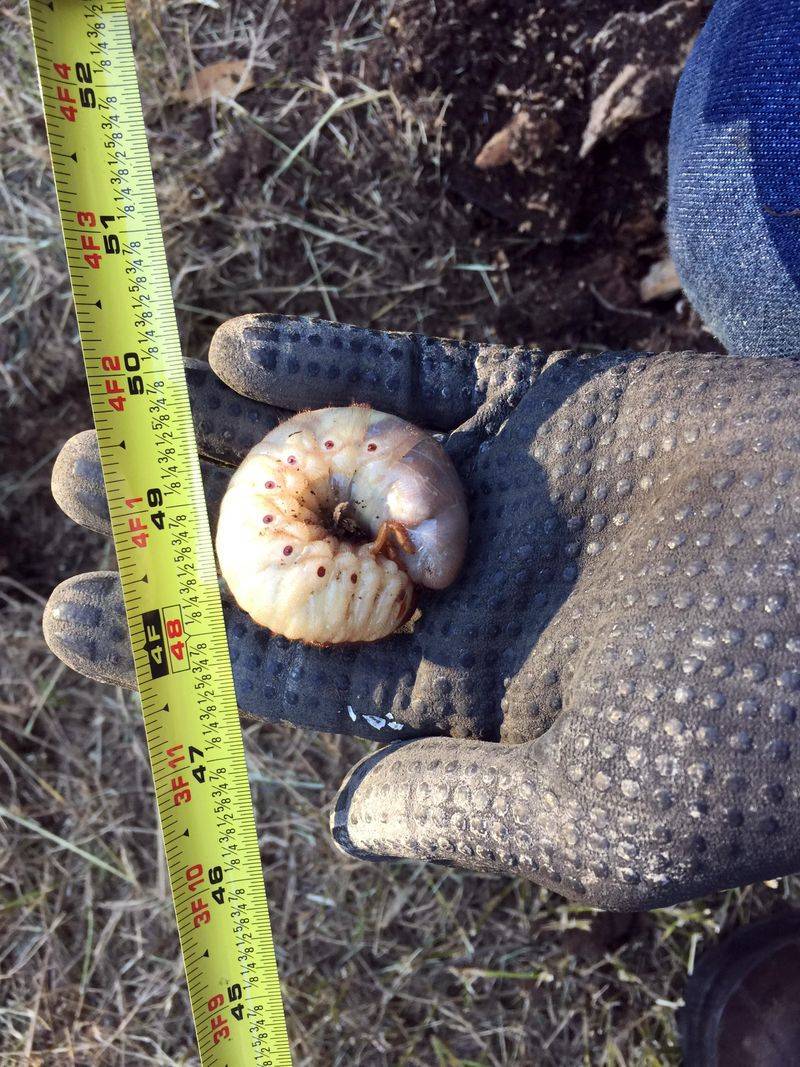
Not every lawn with a grub or two needs emergency treatment. Counting how many grubs are actually present tells you if you have a minor issue or a serious infestation worth acting on.
The standard method is simple and satisfying in a weird way. Cut out a one-square-foot section of turf, dig about three inches deep, and count every white grub you find in that soil sample.
Finding fewer than five grubs per square foot is generally considered low risk. Most healthy lawns can tolerate that level without showing visible damage or attracting heavy mole activity.
Six to nine grubs per square foot puts you in a caution zone. Damage is likely already visible, and the population is high enough to draw in foraging wildlife before long.
Ten or more grubs in a single square foot is a serious problem. At that density, root loss is severe, and moles are highly likely to find and follow that food source come spring.
Sample at least three to five different spots across your yard for an accurate picture. One bad patch might not represent the whole lawn, and one clean patch does not mean you are safe.
Keep a simple tally as you go and average your counts. That number tells you more about your lawn’s future than any visual inspection alone ever could.
Grub counting is the step most homeowners never bother with. Skipping it means guessing, and guessing usually leads to wasted money or missed treatment windows.
The Link Between Grub Populations And Mole Tunneling
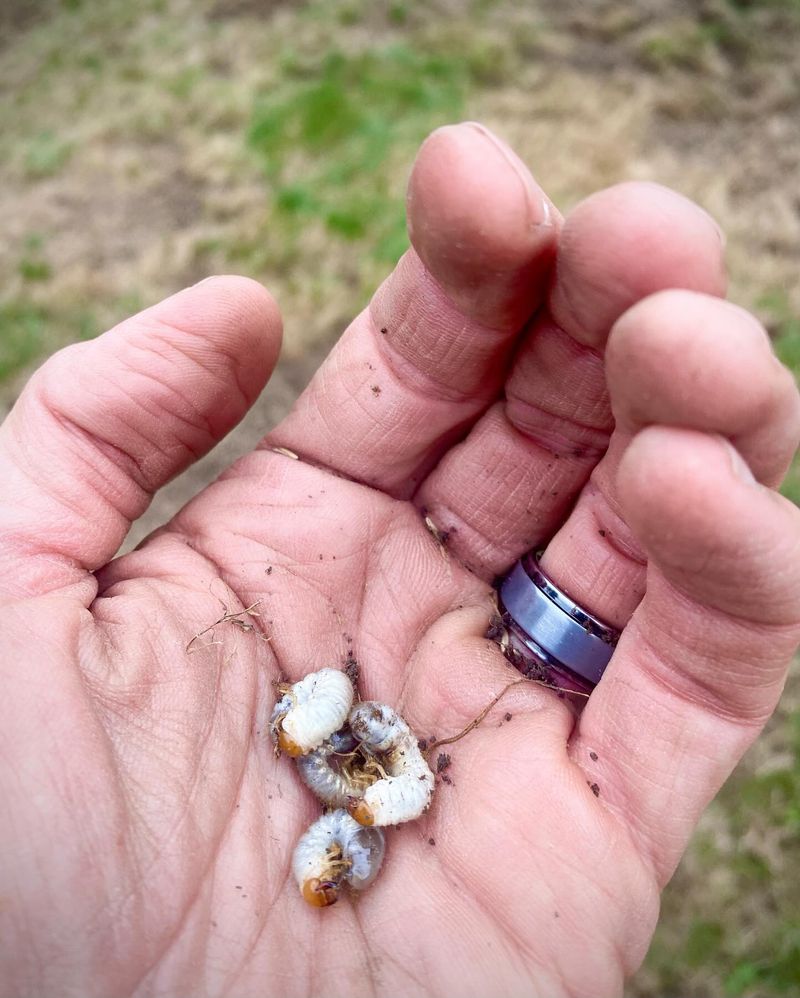
Moles do not move into a yard randomly. They follow food, and their favorite food is earthworms and white grubs packed into soft, moist soil.
A lawn with a high grub count right now is essentially sending a dinner invitation to every mole in the neighborhood. Come spring, those moles will arrive and start tunneling directly toward the richest feeding zones.
Surface tunnels, those raised, winding ridges across the lawn, are the most visible sign of mole activity. Each ridge marks a shallow hunting path the mole dug while searching for its next meal.
The more grubs present in fall, the more tunneling you can expect when the ground warms again in March and April. Grub density and mole activity are directly connected, season after season.
Moles are solitary animals, but even one mole can create an impressive network of tunnels very quickly. A single mole covers up to 100 feet of new tunnel per day when food is plentiful.
Homeowners who reduce grub populations in late summer and fall often see noticeably fewer mole ridges the following spring. The math is straightforward: less food means less reason for moles to move in.
Treating grubs now is one of the most effective forms of mole prevention available. You are not just fixing today’s lawn problem, you are protecting next year’s yard before the tunneling ever starts.
This is your early warning system, and it’s already flashing. Use it wisely and spring might just look a whole lot better.
Skunk And Raccoon Digging As A Secondary Clue
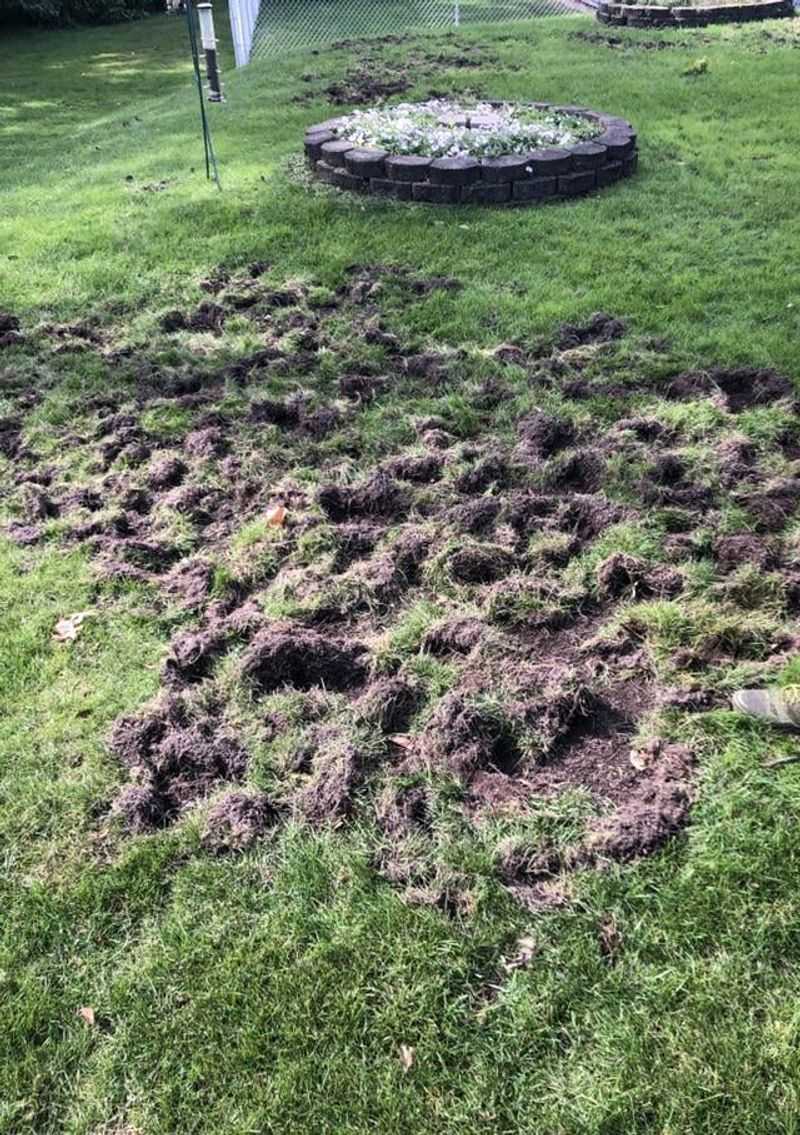
Waking up to a lawn that looks like it hosted a midnight construction crew is alarming. Cone-shaped holes and overturned turf chunks scattered across the yard are a classic sign that skunks or raccoons paid a visit overnight.
Both animals have an exceptional sense of smell and can detect grubs through several inches of soil. When grub populations spike, these foragers zero in on your lawn like it is an all-night buffet.
Skunk damage tends to appear as small, neat digging holes about the size of a golf ball. Raccoon damage is messier, with larger sections of turf flipped back and soil scattered widely.
Seeing either type of digging is a strong secondary signal that your grub count is well above the threshold for damage. Wildlife does not waste energy digging where food is scarce.
This nighttime activity also tears up already-weakened root systems even further. A lawn that might have recovered from moderate grub damage often cannot bounce back after repeated wildlife digging.
Homeowners sometimes try to address the animals directly with repellents or fencing. That approach treats the symptom while leaving the real cause, the grubs, untouched underground.
Eliminating the grub population removes the food source that attracted the animals in the first place. Once the buffet closes, the nightly visitors tend to move on to easier hunting grounds.
Skunk and raccoon digging is not bad luck, it’s a signal. Consider it nature’s way of confirming your grub problem is already serious.
Treatment And Repair Steps That Still Work This Season
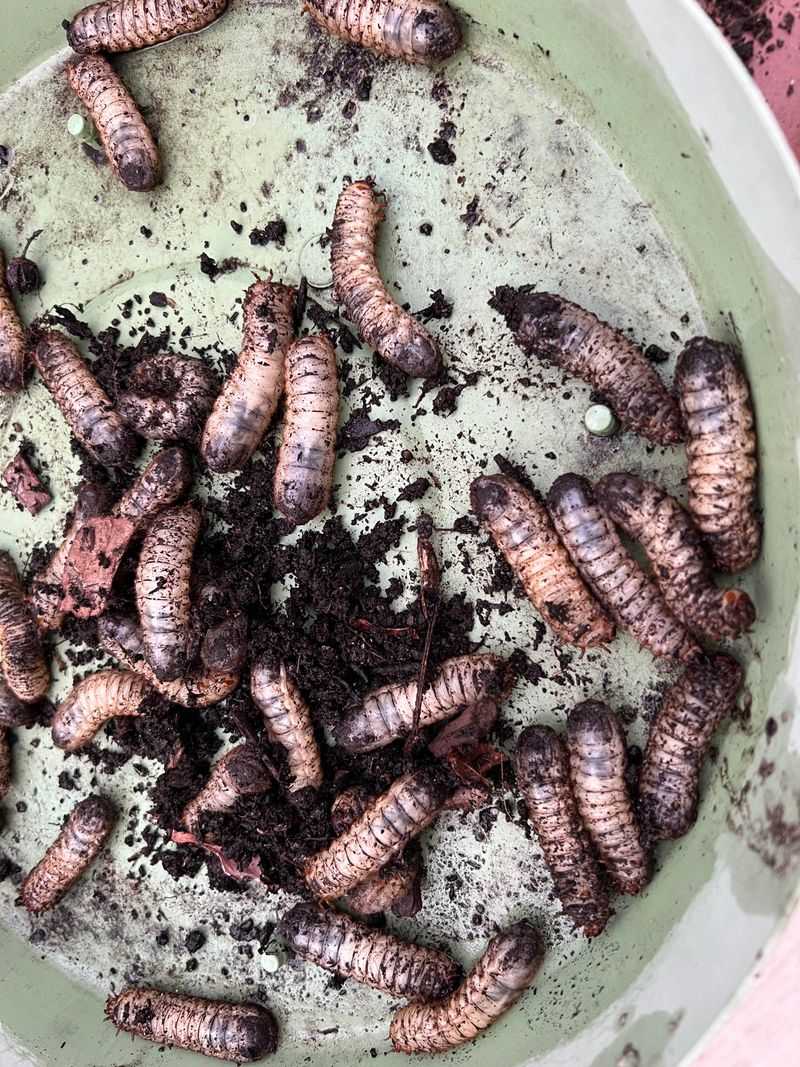
You still have time to act and see real results before the season ends. Late summer treatments targeting active grubs can significantly reduce the population before they move deeper for winter.
Curative insecticides containing trichlorfon or carbaryl are the right choice for this time of year. They work fast against larger, more developed grubs that preventive products applied earlier in summer might have missed.
Water the treatment in thoroughly right after application. Grubs live in the soil, so the active ingredient needs to move down through the turf to reach them effectively.
After treating, give the lawn about two weeks before assessing results. You should notice the turf firming back up and becoming harder to pull as grubs fade off and roots begin recovering.
Reseeding damaged areas is the next step once grub activity slows. Late August through mid-September is actually one of the best windows for overseeding cool-season grasses across Ohio.
Loosen the bare soil lightly with a rake before spreading seed. Good seed-to-soil contact is the single biggest factor in getting new grass to germinate successfully.
Keep the reseeded areas consistently moist for the first three weeks. Thin, patchy coverage after treatment is often just a watering issue, not a sign that the seed failed.
This is fixable, but only if you move before the season closes. A healthy, dense lawn heading into winter is your best defense against next spring’s moles.