This Toxic Ohio Tree Gets Less Attention Than It Deserves (Know It Before It’s In Your Yard)
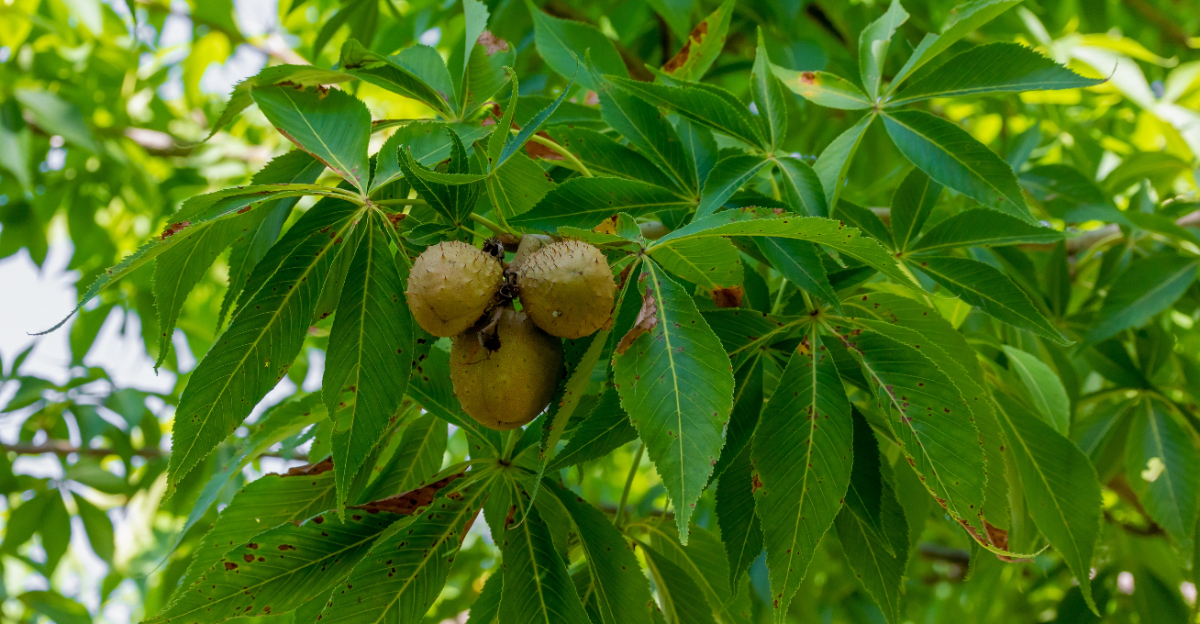
Most Ohio homeowners couldn’t pick this tree out of a lineup in their own yard. That’s a strange gap considering Ohio put it on its license plates and named a football team after it.
A state symbol hiding in plain sight, celebrated everywhere except in the actual conversations homeowners should be having about it. Some of that inattention has consequences.
Seeds, leaves, bark, all of it toxic. Dogs get into trouble with those shiny brown nuts, and children are naturally drawn to them in a way that warrants knowing the facts.
None of that makes this a plant to avoid. It’s a genuinely useful native tree with real ecological value and a rightful place in this landscape.
That tree is the Ohio buckeye, and it deserves to be understood, not just celebrated.
1. Ohio Buckeye Is The State Tree With A Toxic Side Most People Forget
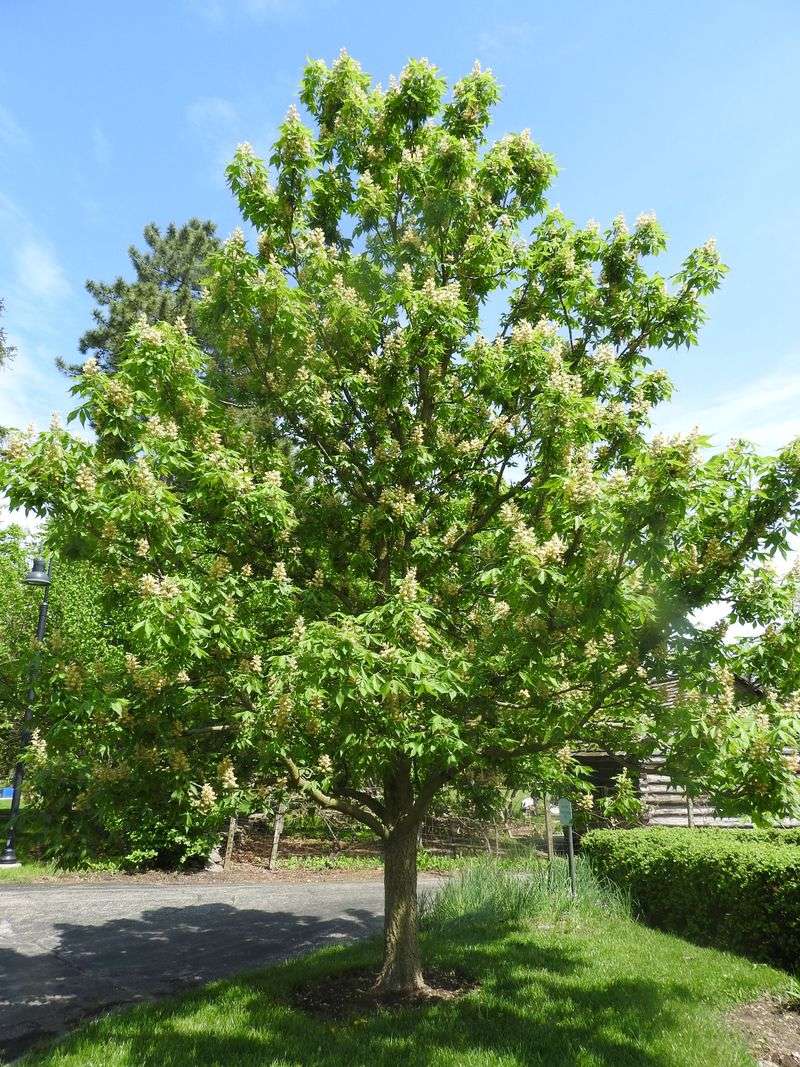
Proudly designated as the state tree back in 1953, the Ohio buckeye carries a lot of symbolic weight in this part of the country. Aesculus glabra grows naturally across woodland edges, river bottoms, and hillsides throughout many parts of the state.
Most people recognize it from its shiny brown seeds, which have been carried as good luck charms for generations.
What does not get nearly as much attention is the tree’s toxic side. Several parts of the plant, including the seeds, young shoots, and leaves, can cause serious problems if eaten by people or animals.
That fact tends to get lost behind all the state pride and nostalgia attached to the buckeye name.
To be clear, this is not a tree that harms people simply by being in the yard. Ordinary contact, like walking beneath it or raking its leaves, is not the concern.
The risk is specifically about ingestion. Children, pets, and livestock that chew or swallow plant parts are the ones who need protection.
Placing this native tree wisely matters far more than avoiding it altogether. It supports local wildlife, offers decent shade, and shows beautiful early spring blooms.
The goal here is not to turn anyone against a beloved native species. It is to make sure homeowners go in with their eyes open before planting one near a high-traffic space.
2. Its Shiny Seeds Are The Part People Notice First
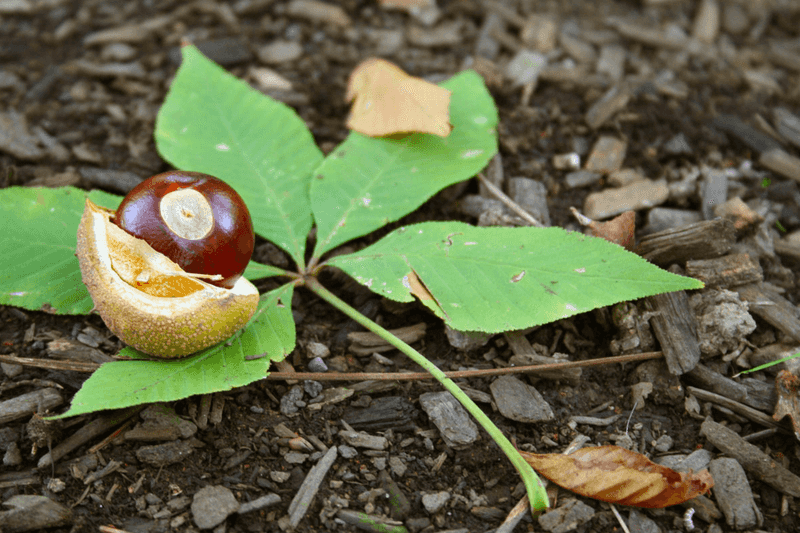
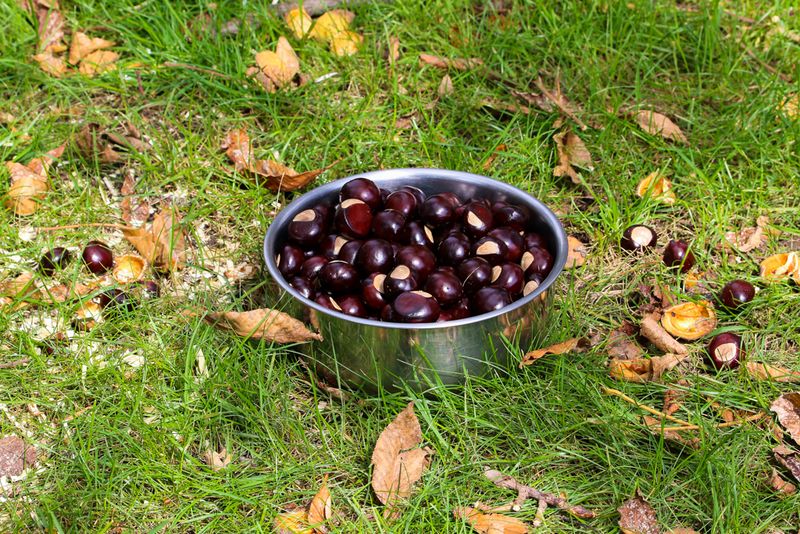
Few things in the autumn yard catch a child’s eye quite like a freshly fallen buckeye seed. The seeds are smooth, round, and a rich chestnut brown with a pale tan spot on one side that gives them a distinctive look.
They feel satisfying to hold, and generations of kids across this state have stuffed their pockets full of them every fall.
That natural appeal is exactly why the seeds deserve some attention from parents and caregivers. A seed that looks polished and interesting is one that curious hands will pick up, squeeze, and sometimes put near a mouth.
Buckeye seeds are not edible nuts. They should not be tasted, cracked open, or chewed, even though they may resemble other nuts at a glance.
Your Ohio Garden Changes Every Week. Your Plan Should Too.
Gardening in Ohio changes quickly throughout the season. Every Friday you’ll receive a simple weekly plan showing exactly what to plant, prune, fertilize, harvest, and protect so you never miss the right timing.
The seeds typically fall from late summer through early autumn. A mature buckeye can drop quite a few in a single season, especially after a windy stretch.
Yards with young children benefit from regular seed cleanup during that window.
Handling the seeds briefly during normal outdoor play is not the primary concern. The worry is a child or pet that decides to chew or swallow one.
Keeping the yard tidy during seed drop season goes a long way toward preventing problems. So does teaching kids early that buckeye seeds stay in the yard and out of mouths.
3. The Real Risk Starts When Someone Tries To Eat Them
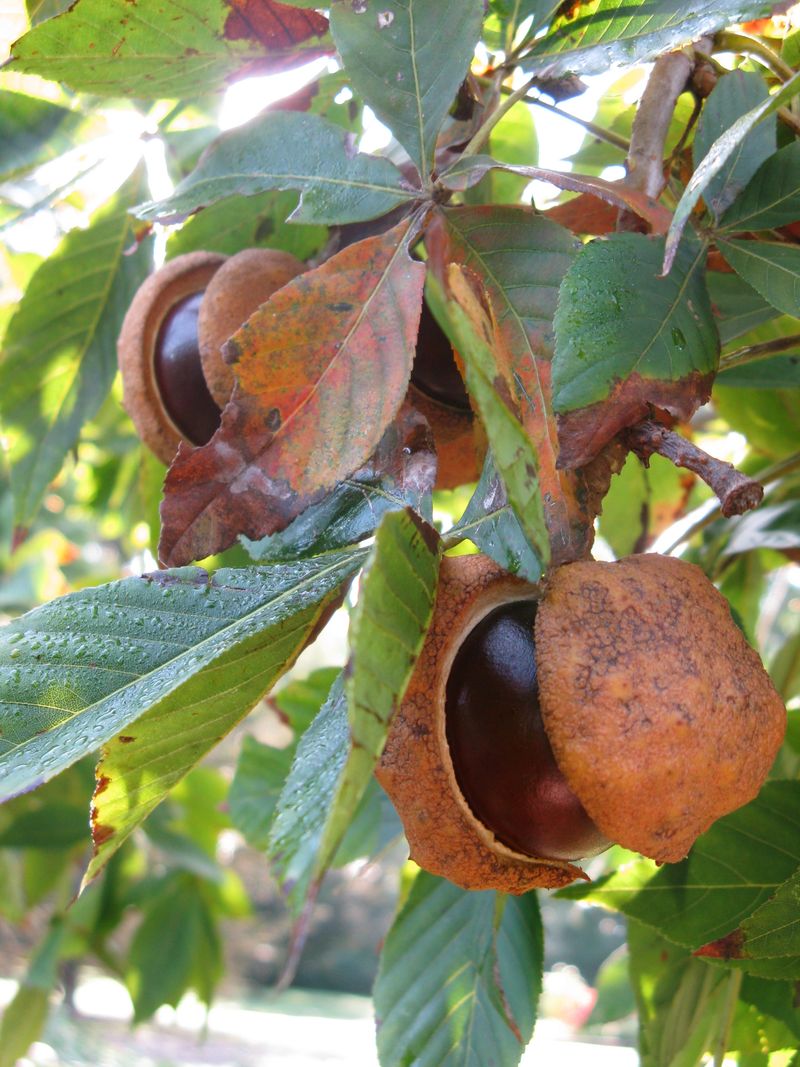
Buckeye seeds contain compounds called aesculin and other related glycosides that make them toxic when eaten. These compounds are found throughout the tree, but the seeds tend to carry a high concentration.
Eating them can cause stomach upset, weakness, muscle twitching, and in more serious cases, more significant reactions depending on how much was consumed and by whom.
Children and smaller animals face higher risk simply because of body size. A small dog or a young child who chews a seed is more vulnerable than a larger adult who might accidentally taste one.
That difference in body size matters when thinking about where to plant this tree or how carefully to manage seed drop.
If a person or pet does eat part of a buckeye, the right move is to act quickly and calmly. For people, contact Poison Control at 1-800-222-1222.
For dogs or cats, call a veterinarian or the ASPCA Animal Poison Control Center. Do not wait for symptoms to appear before making that call.
Symptoms may not show up immediately, and early contact with a professional gives you the best chance of getting the right guidance fast. The tree is not a reason for panic in the yard, but ingestion is a reason to take action.
Keeping that number somewhere easy to find during seed season is a practical habit for any family yard with a buckeye nearby.
4. Fresh Growth And Fallen Leaves Deserve Caution Too
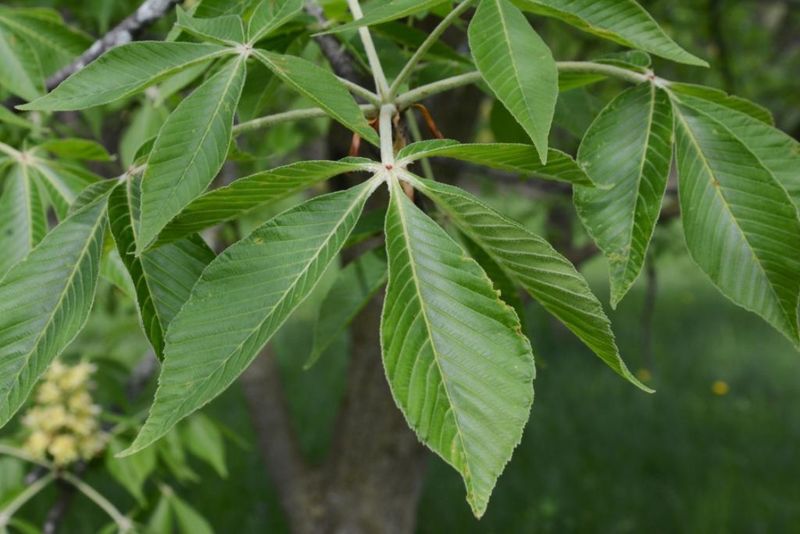
Most of the safety conversation around buckeyes focuses on the seeds, and for good reason. But the seeds are not the only part of the tree that matters.
Young foliage, new spring shoots, and fallen leaves can also pose a risk if eaten, particularly by animals that graze or chew plant material throughout the day.
Horses are especially relevant here. Aesculus species have a documented history of causing problems in horses that consume young growth or fallen plant material.
Goats, cattle, and sheep that have access to buckeye foliage or debris face similar concerns. Even dogs that tend to chew on sticks, leaves, or anything they find on the ground deserve a closer look at what is falling in their space.
Fallen leaves pile up fast in autumn and can linger in corners of the yard, under shrubs, or along fence lines where animals spend time. Pruning debris is another source of risk that sometimes gets overlooked.
Fresh-cut branches with leaves still attached should be removed from areas where animals can reach them.
Regular cleanup after storms, pruning sessions, and heavy leaf drop is one of the most practical things a homeowner can do. The tree itself does not need to be removed in most cases.
Managing what falls and where it lands is usually enough to reduce the risk significantly for both pets and grazing animals nearby.
5. Dogs, Horses, And Livestock Make This Tree More Complicated

For households with no animals, a buckeye in the yard is mostly a matter of managing seed drop around children. Add a dog, a horse, or a goat to the picture, and the calculation changes noticeably.
Animals that chew, graze, or root around in fallen debris are at real risk of consuming buckeye plant material without any prompting from a human.
Dogs are curious by nature. Some breeds are notorious chewers who will mouth anything that hits the ground, from sticks to seeds to leaves.
A dog that spends time in a yard where buckeye seeds fall regularly has consistent access to a toxic plant part. That is a setup worth taking seriously, especially with dogs that are known to chew whatever they find.
Horse owners and livestock managers should be especially cautious. Buckeye trees near pasture fencing, paddocks, or anywhere horses can reach overhanging branches or fallen seeds are a real concern.
The ASPCA and veterinary toxic plant resources list Aesculus species as toxic to horses, dogs, and cats. That is not a minor footnote.
Fenced dog runs, goat yards, and cattle pastures are not ideal spots for a buckeye tree. If the tree is already established near these areas, consistent cleanup and monitoring of animal behavior during seed season can help reduce exposure.
Consulting a veterinarian about your specific animals and their habits is always a reasonable step.
6. A Buckeye Near Play Areas Needs Extra Cleanup
Placement is one of the most underrated parts of choosing any tree for a home landscape. A buckeye growing along a quiet woodland edge far from daily foot traffic is one situation.
A tree planted ten feet from a swing set or backyard patio where kids spend hours every afternoon is very different.
When a buckeye is close to high-traffic areas, seed drop season becomes a regular maintenance job. Seeds can roll under equipment, collect in mulch beds, or land in sandbox areas where small hands are digging.
Fallen leaves pile up quickly and can be overlooked during a busy week. None of this is unmanageable, but it requires consistent attention from late summer through mid-autumn.
Schoolyards, community play areas, and childcare facility grounds are places where a buckeye tree deserves extra thought. Children in group settings are harder to monitor individually, and the odds of a curious child picking up and mouthing a shiny seed go up when supervision is spread thin.
Homeowners who already have a mature buckeye near a play area do not necessarily need to remove it. A regular cleanup routine can make the situation very manageable.
So can a few conversations with kids about not putting seeds in their mouths and some awareness of where seeds collect. The tree can stay.
The seeds just need to go before they become a problem.
7. Wildlife Value Does Not Make It A Perfect Yard Tree
Native trees deserve a lot of credit for what they contribute to local ecosystems. Ohio buckeye is no exception.
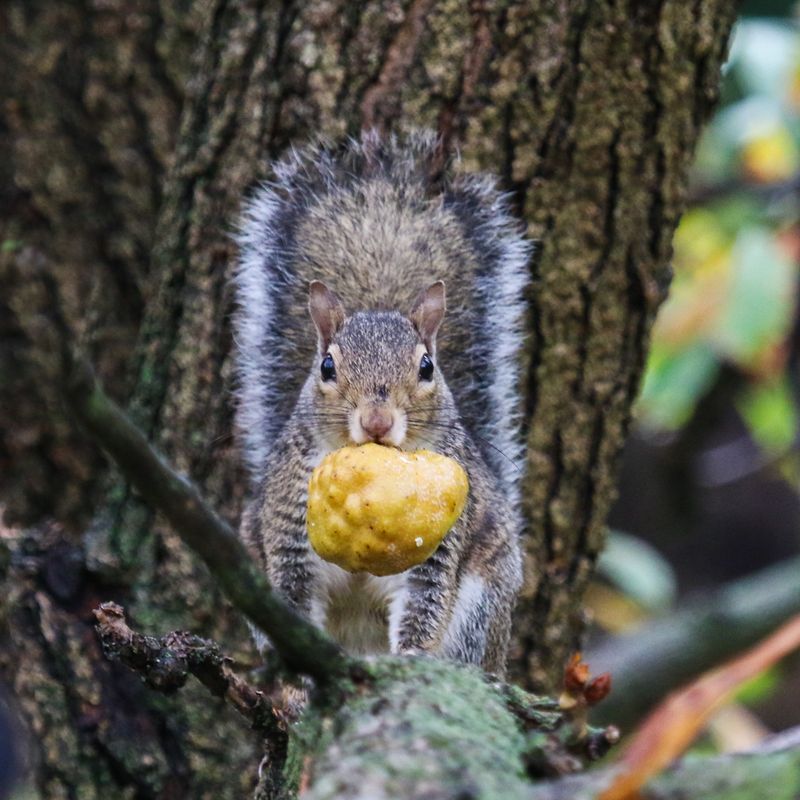
Hummingbirds and long-tongued bees are drawn to its early spring flowers. Squirrels interact with the seeds.
The tree provides canopy, structure, and seasonal interest in naturalized landscapes. That ecological value is real and worth acknowledging.
But native status does not automatically make a tree the right fit for every yard. A plant can be ecologically valuable and still be a poor match for a specific space.
A buckeye in a low-traffic naturalized area along a property edge is doing great work. That same tree squeezed into a small front yard with a dog, a toddler, and a narrow strip of lawn is a different situation entirely.
Gardeners and homeowners sometimes assume that native means safe in all contexts. That is a reasonable instinct, but it is not always accurate.
Plenty of native plants have toxic properties. Knowing which ones those are, and where they work best in a landscape, is part of being a thoughtful steward of your yard.
The buckeye earns its place in many landscapes across this state. Woodland gardens, large naturalized lots, and properties with mature tree canopy are often great fits.
The key is matching the tree to the space and the people and animals who use it, not planting it somewhere simply because it is native and iconic.
8. The Smart Move Is Knowing Where Not To Plant It
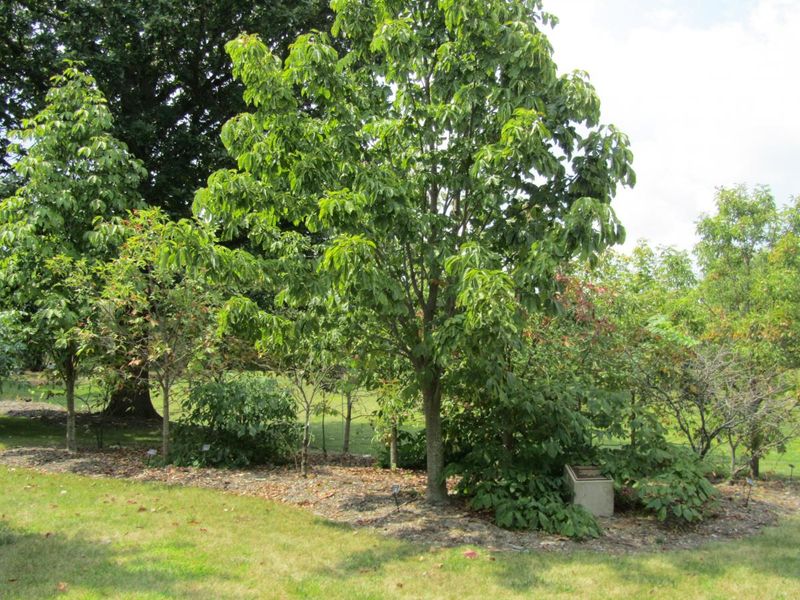
A well-placed buckeye can be a genuinely rewarding tree. It leafs out early in spring, offers a nice canopy through summer, and turns a warm yellow in fall.
The spring flower clusters are showy and attract early pollinators. For the right yard in the right spot, it earns every bit of its status as the state tree.
The wrong spots are easier to name. Small urban lots with dogs, yards that back up to horse pastures, and play areas with heavy child traffic all make buckeye concerns harder to manage.
Properties where regular yard cleanup is not realistic can also make seed drop and toxicity concerns more complicated. That does not mean the tree is off the table in those situations, but it does mean thinking carefully before planting.
If a high-use yard still needs a native shade tree, there are alternatives worth exploring. Native oaks, serviceberry, redbud, and native maples can provide canopy, wildlife value, and seasonal interest without the same ingestion concerns.
A local nursery with native plant knowledge or your county extension office can help match a tree to your specific yard conditions.
At the end of the day, the best protection against any plant-related risk is simple awareness. Knowing what the Ohio buckeye looks like, understanding which parts carry risk, and choosing where it grows in your landscape puts you firmly in control.
That is a much better position than finding out after the fact.