The Heat Damage California Gardeners May Not Notice Until A Week Later
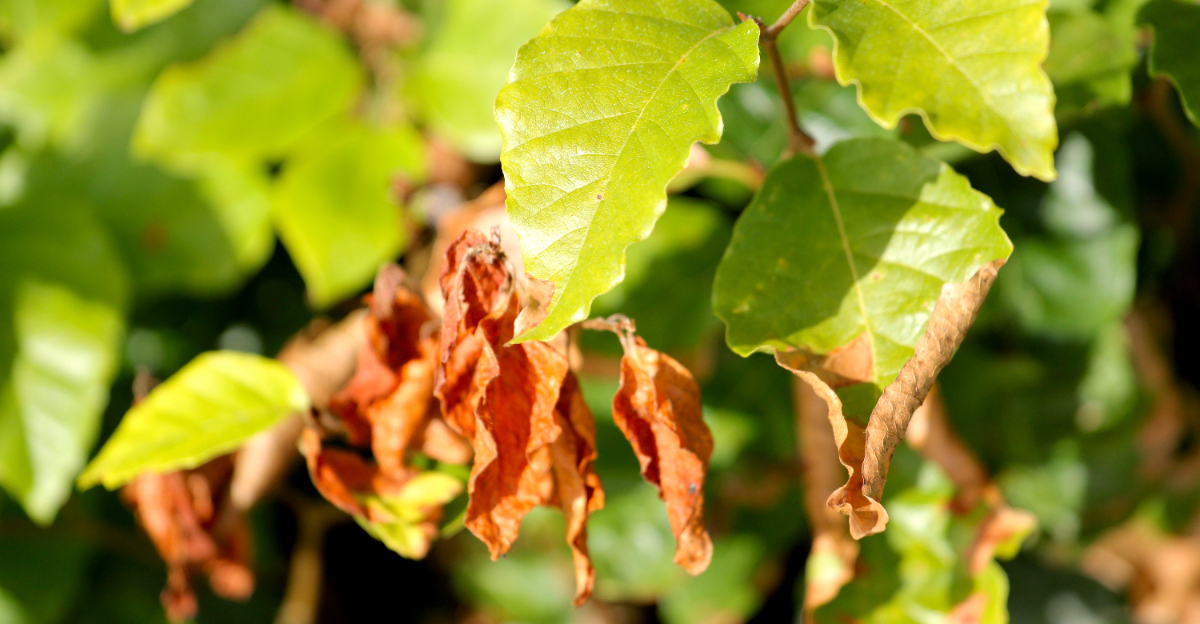
California gardens can look perfectly fine after a scorching afternoon, which is exactly what makes extreme heat so sneaky.
The flowers are still standing, the leaves are still green, and nothing seems dramatic enough to set off alarm bells.
Then several days pass, and suddenly a plant that appeared unfazed starts looking a whole lot less cheerful.
That delayed reaction can leave gardeners scratching their heads. Was it watering? A pest? Something in the soil?
Or did the recent heat wave leave behind effects that simply took their sweet time showing up?
Plants do not always broadcast stress the moment it happens, and California sunshine can be especially good at hiding the aftermath.
By the time visible changes appear, the hottest day may already feel like old news. That is why paying attention after a stretch of intense temperatures matters just as much as watching the garden during it.
Your plants may have made it through the heat looking tough, but their real reaction could still be waiting in the wings. That surprise can catch even experienced gardeners off guard.
1. Scorched Leaves Showing Up After The Heat Is Gone
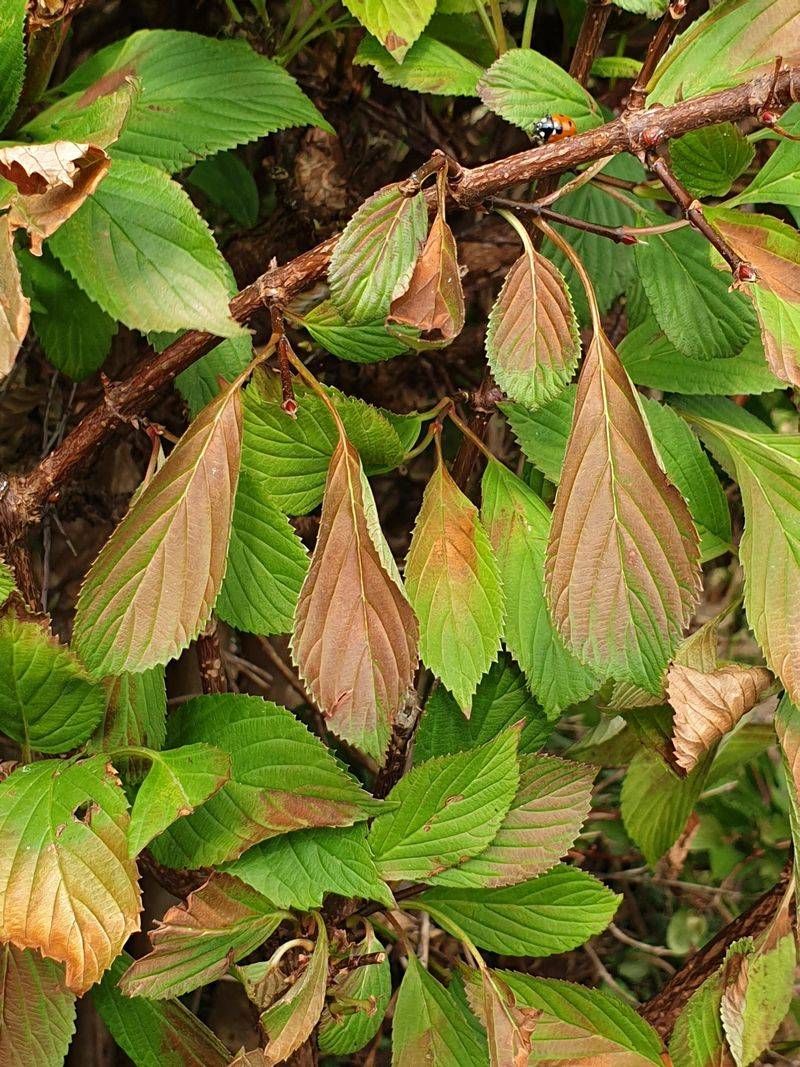
You water your plants, the hot California day passes, and everything looks okay. Then a week later, you start noticing brown patches spreading across the leaves.
Scorched leaves are one of the most common signs of delayed heat damage, and they sneak up on gardeners all the time.
When temperatures spike, the cells inside leaves actually get cooked from the inside out. The damage is done during the heat, but the visible browning takes several days to fully develop.
It happens because the leaf tissue slowly breaks down after the heat stress, not instantly.
Tomatoes, peppers, and many ornamental plants are especially vulnerable to this. You might see pale, papery patches that later turn tan or brown.
The edges and tops of leaves are usually hit first because they get the most direct sun exposure.
Once you spot scorched leaves, remove them carefully. This helps the plant focus its energy on healthy growth instead of holding onto damaged tissue.
Water deeply in the early morning so roots can absorb moisture before the afternoon heat builds up again.
Adding a layer of mulch around the base of your plants can also help. Mulch keeps soil cooler and holds moisture longer.
Going forward, shade cloth during extreme heat warnings can protect your most sensitive plants from this kind of invisible, slow-developing damage.
2. Brown Edges Taking Days To Fully Appear
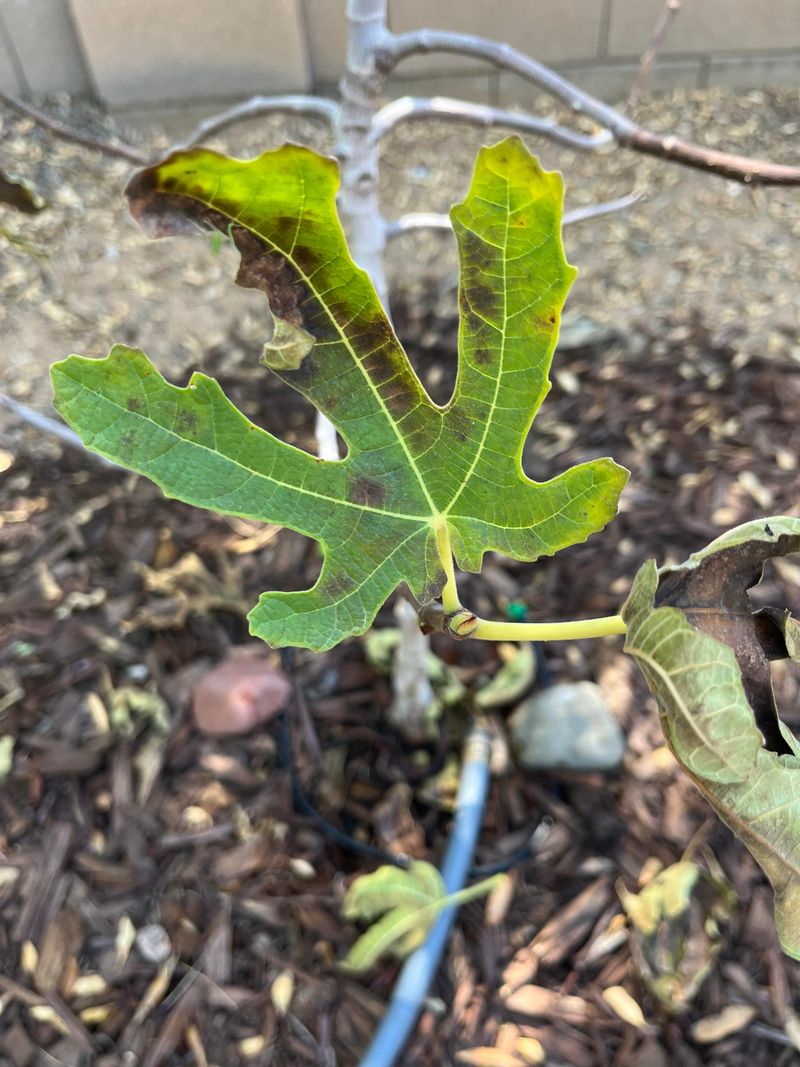
Leaf edges that look perfectly green on a hot day can turn completely brown just four to seven days later.
Many gardeners assume something else caused the problem, like a pest or a disease, because the heat already passed.
But those crispy brown edges are a classic sign of heat stress that developed slowly over time.
When a plant gets too hot, it loses water faster than its roots can replace it. The edges of leaves are the furthest point from the water supply inside the plant, so they are the first to dry out and show damage.
Your California Garden Changes Every Week. Your Plan Should Too.
Gardening in California changes quickly throughout the season. Every Friday you’ll receive a simple weekly plan showing exactly what to plant, prune, fertilize, harvest, and protect so you never miss the right timing.
The process is gradual, which is why the browning seems to appear out of nowhere.
Hydrangeas, ferns, and lettuce are some of the plants most likely to show this kind of edge browning after a heat wave.
Even well-watered plants can show this symptom if the air temperature got high enough to overwhelm the plant’s ability to stay hydrated.
To help your plants recover, water them consistently and avoid fertilizing right after a heat event. Fertilizer pushes new growth, and stressed plants cannot handle that extra demand.
Give them a week or two to stabilize first. Trimming off the brown edges will not reverse the damage, but it can make the plant look healthier and reduce the risk of fungal problems that sometimes follow heat stress.
3. Sunburned Fruit Getting Worse After A Hot Spell
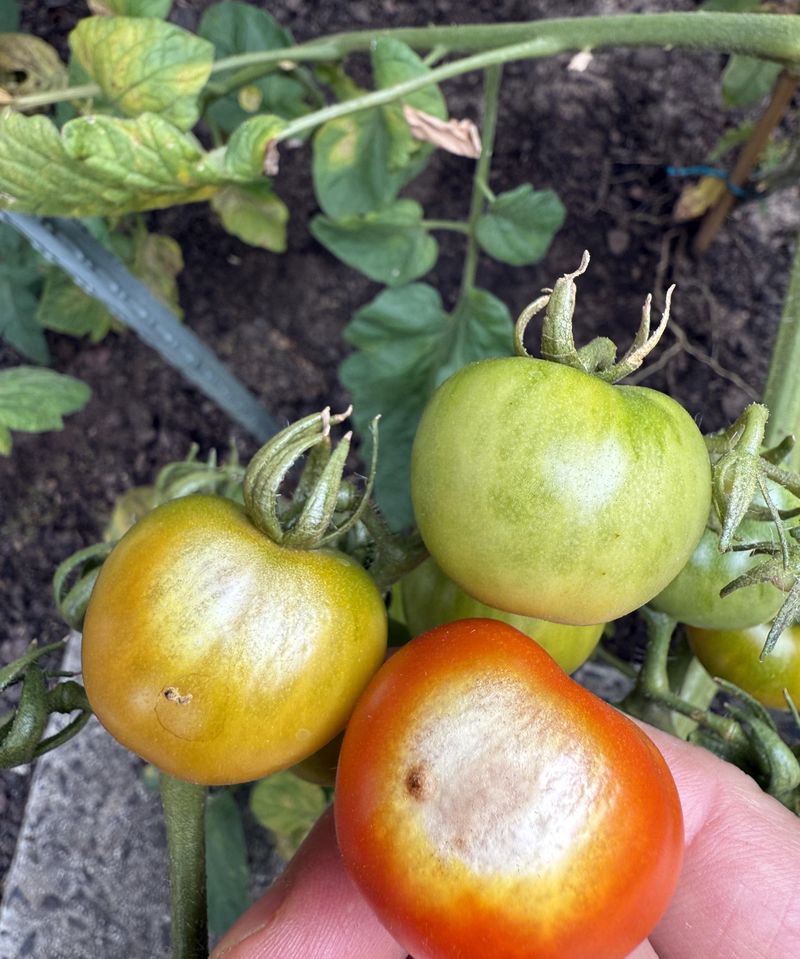
Fruit that looked perfectly fine during a heat wave can start showing sunburn damage several days after temperatures cool down. Pale, white, or leathery patches appear on the side of the fruit that faces the sun.
It is easy to mistake this for a nutrient problem or a disease, but heat is usually the real cause.
Sunburned fruit happens when the skin of the fruit gets too hot and the cells underneath break down.
Just like a person can get a bad sunburn that worsens over the next day or two, fruit damage continues to develop after the heat source is gone.
The affected tissue softens, discolors, and sometimes develops mold on top of the damaged area.
Tomatoes, peppers, apples, and squash are among the most commonly affected crops. The damage is not just cosmetic.
Sunburned spots make fruit more likely to rot quickly and less enjoyable to eat.
Leaving some extra foliage on fruit plants during hot months can help shade the fruit naturally. If you have already pruned heavily, shade cloth is a good backup option.
Pick any fruit that is already showing damage and use the unaffected parts right away before the rot spreads.
Next season, try planting heat-sensitive crops where they get some afternoon shade. That simple adjustment can make a big difference during hot spells.
4. Drooping Plants Looking Fine Until They Suddenly Crash
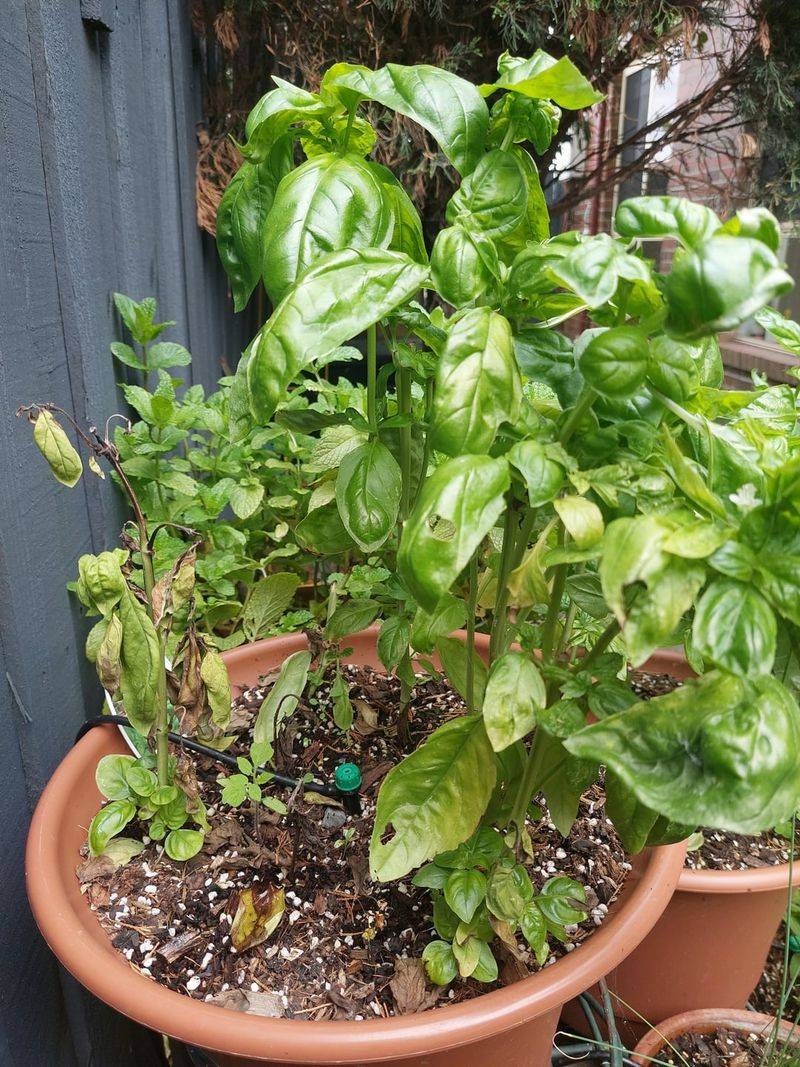
Some plants look completely normal right after a heat wave ends, then suddenly wilt and collapse within the next week.
This dramatic crash catches gardeners off guard every time. The plant seemed fine, so what went wrong?
During extreme heat, plants sometimes shut down certain internal processes to survive. They close their tiny pores, called stomata, to stop losing water.
This works as a short-term survival trick, but it also means the plant stops making food through photosynthesis.
After the heat passes, the plant tries to restart those processes, but if the internal damage is too great, it simply cannot recover.
Basil, impatiens, and young transplants are especially prone to this kind of delayed collapse.
The roots may have been damaged by hot soil temperatures, making it impossible for the plant to absorb enough water even when conditions improve.
Check the soil around any drooping plants. If the soil is moist and the plant is still wilting, root damage is likely the problem.
You can try trimming the plant back by about one-third to reduce the amount of leaf area it needs to support.
Keep watering gently and consistently, and move potted plants to a shaded area if possible. Some plants will bounce back with patience and steady care.
Others may not, but catching the problem early gives you the best possible chance of saving them.
5. Heat-Stressed Roots Causing Delayed Leaf Drop
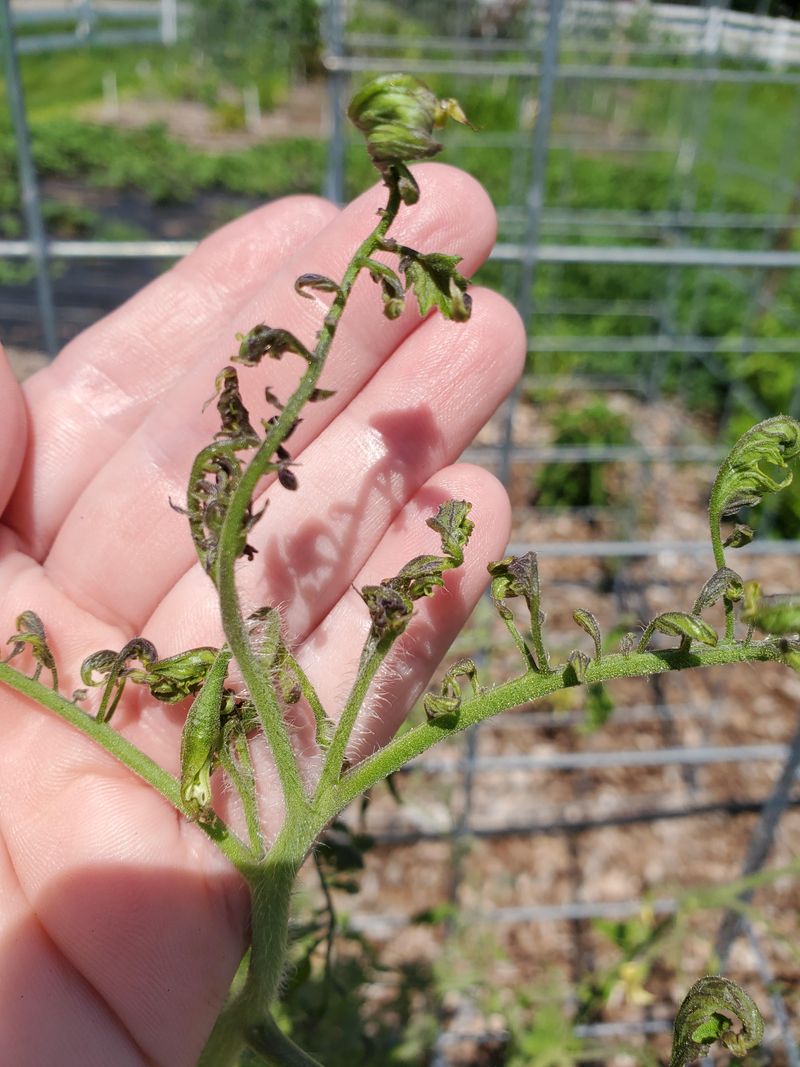
Leaves falling off a plant a week after a heat wave can seem confusing. The weather has cooled, you have been watering, and yet leaves keep dropping to the ground.
Root damage from extreme heat is often the hidden reason behind this delayed leaf drop.
Roots are sensitive to soil temperature. When the ground gets too hot, roots can stop functioning properly or even sustain physical damage.
They lose the ability to absorb water and nutrients efficiently. The plant may look okay for several days while it uses up its stored reserves, but once those run out, leaves start to yellow and fall.
Citrus trees, avocados, and container plants are particularly vulnerable to root heat stress. Pots sitting in direct sun can get extremely hot inside, cooking the roots even when the plant’s leaves look perfectly healthy up top.
Move potted plants into the shade and check whether the root ball is still firm and healthy-looking. Mushy or discolored roots are a sign of serious damage.
For in-ground plants, adding a thick layer of mulch immediately after a heat event can help insulate the soil and protect roots from further stress.
Avoid overwatering stressed plants, as soggy soil makes root recovery harder. Water deeply but less often, and give the plant several weeks to show signs of new growth before drawing any conclusions about its recovery.
6. Flower Buds Drying Up Days After The Worst Heat
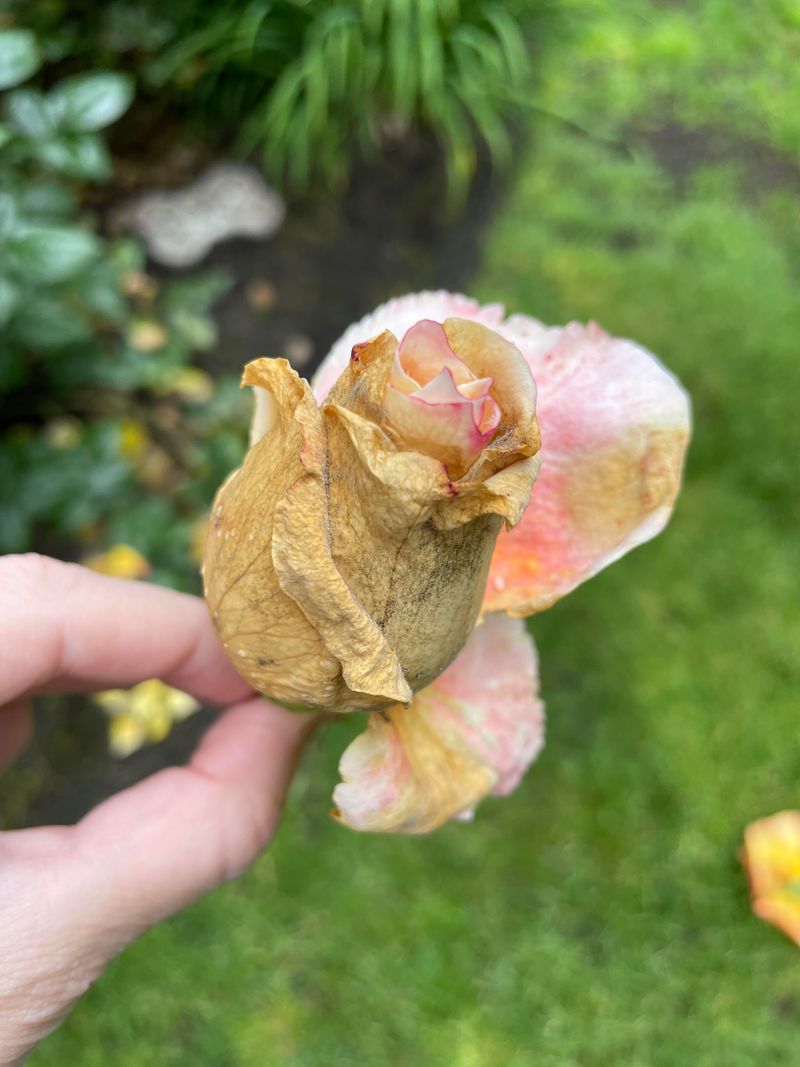
Gardeners who were looking forward to a beautiful bloom season sometimes find their flower buds drying up and falling off days after a heat wave.
The buds were there during the hot spell, looking okay, and then they just shriveled up and dropped.
Heat damage to flower buds is a delayed reaction that is frustrating but very common.
Flower buds are tender and highly sensitive to temperature stress. When heat is extreme, the reproductive cells inside the buds can be damaged even if the bud looks intact on the outside.
As the days pass after the heat wave, those damaged buds cannot continue developing and they dry out and drop.
Roses, gardenias, and fruit trees are among the plants most likely to experience bud drop after heat stress.
For fruit trees, this can mean a significantly reduced harvest even though the tree itself looks healthy.
For flowering ornamentals, it means a season without the blooms you were expecting.
There is not much you can do to save buds that are already damaged, but you can help the plant set new buds under better conditions.
Keep watering consistently and avoid stressing the plant further with heavy pruning or fertilizing right after the heat event.
Shade cloth used during future heat warnings can protect delicate buds before the damage happens. Planning ahead is the most effective strategy for protecting your garden’s blooms from heat stress.
7. New Growth Turning Crispy Long After Temperatures Cool
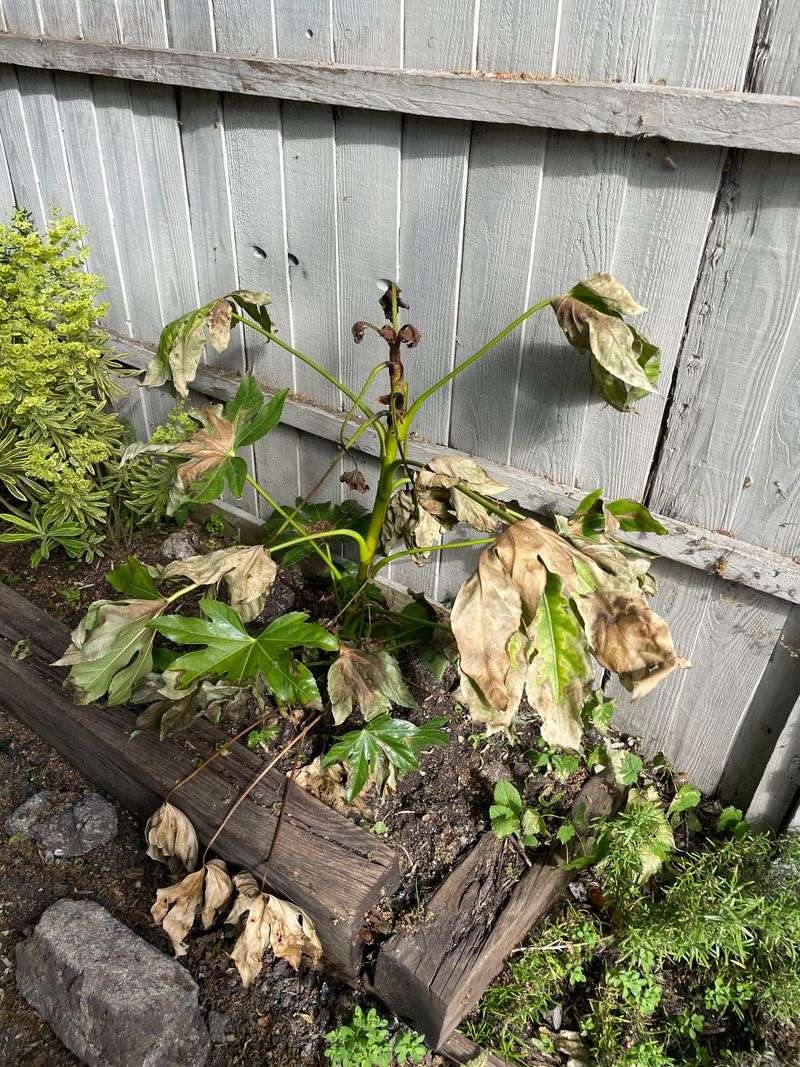
Fresh, tender new growth is the most vulnerable part of any plant. After a heat wave, it is common to see young shoots and new leaves turning brown and crispy even when the weather has already returned to normal.
The timing is confusing, but there is a clear reason behind it. During a heat event, a plant sends water to its older, established leaves to keep them alive. The new growth gets less water and is more exposed to hot, dry air.
Even if the new growth survives the heat itself, the internal cell damage causes it to wilt and crisp up in the days that follow.
Fruit trees, roses, and fast-growing vegetables like cucumbers and beans often show this symptom. The crispy new growth can look alarming, but it does not always mean the whole plant is in serious trouble.
Sometimes the plant just needs time to redirect its energy back to healthy growth.
Gently remove the crispy new growth with clean pruning shears. This helps the plant focus on developing new, healthy shoots.
Avoid the temptation to fertilize right away, since pushing fast new growth on a stressed plant can make things worse.
Water consistently and give the plant some shade during the hottest part of the afternoon. Most healthy, established plants will push out fresh new growth within a few weeks if given the right conditions and a little extra care.
8. Bark Damage Hiding Until The Tree Starts Peeling
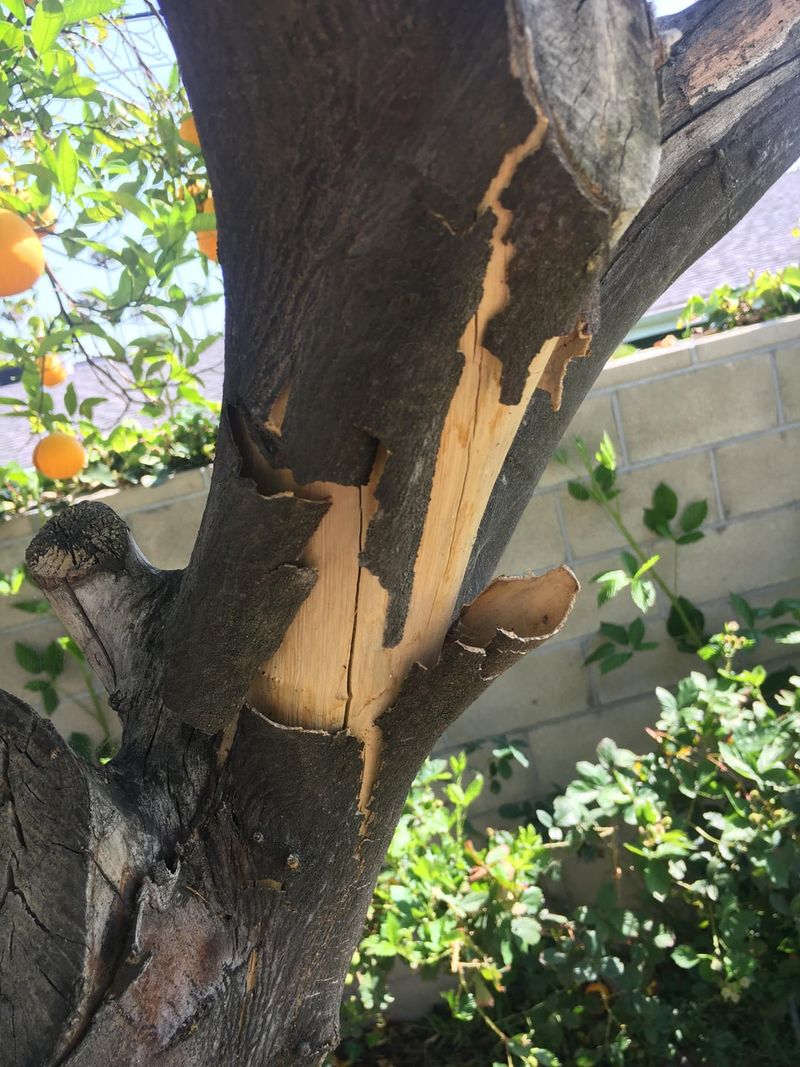
Tree bark damage from heat is one of the most overlooked types of garden injury. Unlike leaf scorch or wilting, bark damage stays hidden for days or even weeks before it becomes obvious.
By the time the bark starts cracking or peeling, the underlying damage is already done and has been sitting there since the heat wave hit.
Young trees and thin-barked species are especially vulnerable to what is called sunscald. When a tree trunk is exposed to intense direct sun and high temperatures, the outer layer of bark can get damaged at the cellular level.
The bark may look normal at first, but as time passes it starts to crack, peel, or develop sunken areas.
Fruit trees like young citrus and stone fruit trees planted in California gardens are common victims of sunscald.
The southwest-facing side of the trunk is usually where the damage shows up first, since that side gets the most intense afternoon sun.
Wrapping young tree trunks with white tree wrap or painting them with diluted white latex paint can reflect sunlight and reduce heat absorption. These are simple, inexpensive steps that can prevent a lot of future bark damage.
If you notice peeling or cracking bark after a heat wave, inspect the area carefully. Keeping the damaged area clean and dry helps prevent pests and pathogens from getting in while the tree works on healing itself over the coming months.