This Is The Texas Heat-Loving Herb That Works In The Kitchen And The Garden
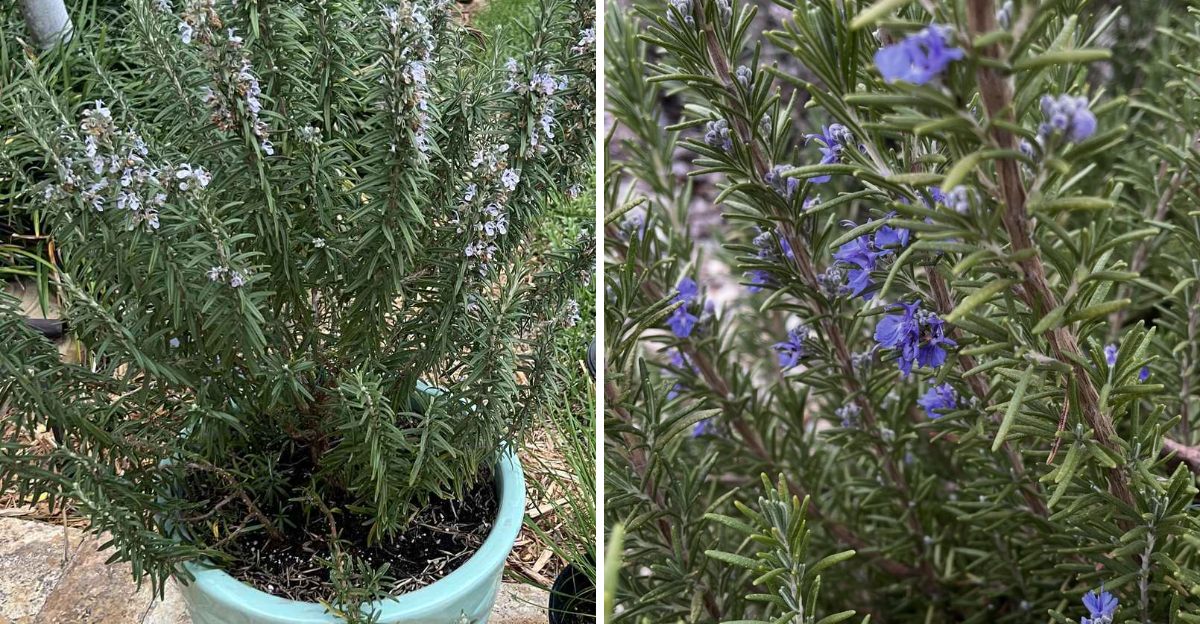
Texas gardens love to test a plant’s confidence.
July arrives, patios glare, soil dries fast, and half the herb bed starts to act personally offended. Then one silver-green shrub keeps its cool, throws off a sharp piney scent, and somehow makes dinner better too. Suspiciously useful, right?
This is the kind of plant that earns a spot before you even know all its tricks.
It can look tidy in a border, charm bees at the right moment, and send you inside with a handful of flavor for roasted potatoes, grilled chicken, or bread that suddenly tastes like you planned ahead. The secret is not extra fuss.
In fact, too much kindness can cause more trouble than the Texas sun. The trick is to give it the dry, bright, no-nonsense life it wants.
What herb can handle the heat, dress up the yard, and still show up in the kitchen like it pays rent? Once you understand its dislikes, the whole plant suddenly makes much more sense in Texas heat too.
Start With Rosemary First
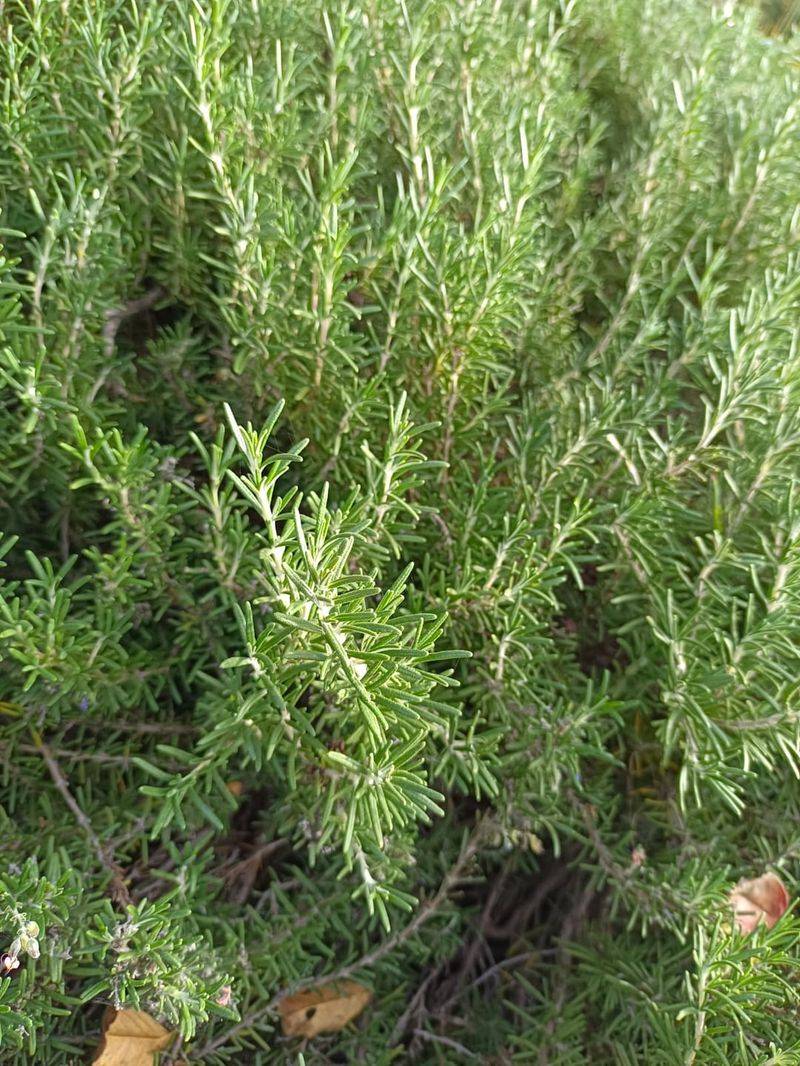
Some herbs act like garnish. This one acts like infrastructure. Rosemary gives a Texas garden shape, scent, flowers, and kitchen value from the same tough shrub. That is a strong résumé for a plant that asks for so little once it settles in.
Native to rocky Mediterranean coasts, rosemary fits many Texas yards because it loves sun, lean soil, and dry air. Long hot seasons do not scare it.
In many parts of the state, it can become a woody perennial shrub about three to five feet tall and wide.
Its modern botanical name is Salvia rosmarinus, which places it in the sage family. That makes sense in the garden. Like sage, it tolerates dry spells, resists many pests, and keeps fragrant leaves ready for a quick kitchen snip.
Variety choice can help, especially where winter throws a cold surprise. Hill Hardy and Arp are popular options for Southern gardens because they handle brief cold snaps better than many standard types.
Compact varieties suit beds and containers, while low forms can spill over walls or pot edges.
This plant plays nicely with lavender, salvia, and ornamental grasses. The needle-like leaves add year-round texture, so the bed does not look empty once softer herbs fade.
Start with rosemary, and the garden gets structure with a side of roasted-potato potential.
Full Sun Keeps Growth Sturdy
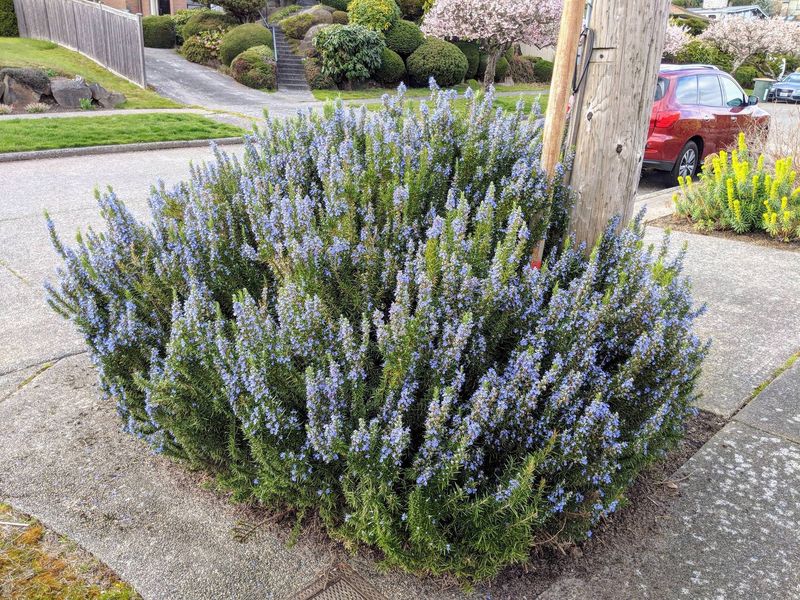
The hottest seat on the patio is not a punishment for this herb. It is the point. Rosemary needs strong sun to stay dense, flavorful, and sturdy. Six to eight hours of direct light often gives the best shape and the boldest scent.
Sun does more than keep the plant upright. It helps concentrate the aromatic oils in the leaves. That is why a full-sun plant can smell sharp and piney after one light brush from your hand.
A shaded plant may stretch, loosen, and taste mild, which is tragic for both the garden and the chicken.
Choose a south or west site with clear light for much of the day. Reflected heat from stone, brick, or concrete can actually suit rosemary because it mimics the warm rocky places this herb came from.
Your Texas Garden Changes Every Week. Your Plan Should Too.
Gardening in Texas changes quickly throughout the season. Every Friday you’ll receive a simple weekly plan showing exactly what to plant, prune, fertilize, harvest, and protect so you never miss the right timing.
Most herbs would file a complaint. Rosemary basically asks for a patio reservation.
Young nursery plants may need a short adjustment period before full exposure. Start them with gentler early light for a few days, then move them into the bright spot.
Once established, the plant usually handles Texas heat with far more confidence than tender herbs.
Watch the stems. Tight growth, strong scent, and firm leaves suggest enough sun. Long weak stems mean the plant wants brighter light. Give rosemary the hot seat, and it tends to act like it owns the place.
Fast Drainage Matters More Than Rich Soil
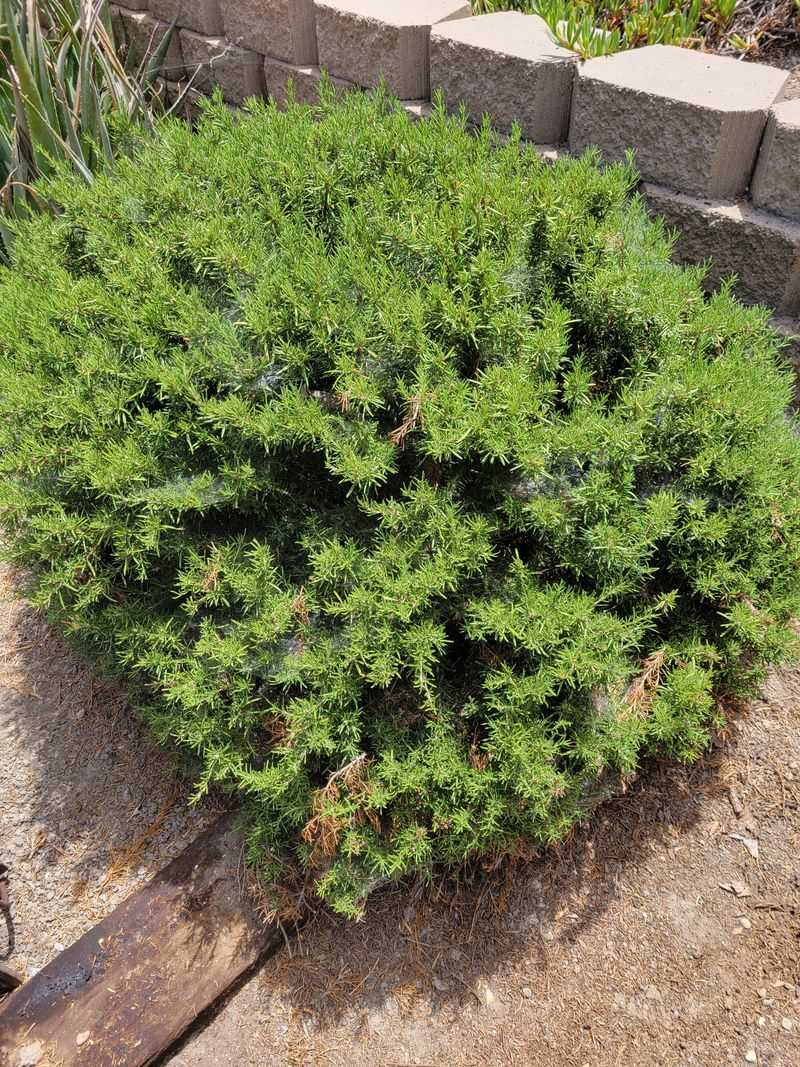
The quickest way to annoy this herb is soggy soil. Rosemary can forgive heat, lean soil, and a little neglect. It has far less patience for wet roots. In many Texas yards, heavy clay is the real challenge, not summer sun.
Fast drainage matters more than rich soil. Roots need oxygen, and soil that stays wet can lead to rot. A plant may look fine for a while, then suddenly slump because the root zone has been too wet for too long.
That is a rude surprise, and rosemary is not known for polite recovery speeches.
Lean, gritty soil suits this herb well. Sandy loam, decomposed granite, or a raised bed mix with coarse material helps water move through instead of sit around the crown.
Too much compost can create soft, lush growth that attracts problems and weakens the tidy shape.
For clay-heavy spots, raise the plant. A mound, slope, or raised bed can move extra water away from the root zone. Even a few inches of height can help after a Texas storm.
Mix in coarse sand, perlite, or crushed granite for better structure.
Do not treat rosemary like a vegetable bed diva. It does not want rich, damp luxury. It wants lean soil, sun, and dry feet. Give it that, and the plant can settle in for years like it signed a lease.
Dry Leaves Help It Stay Healthy
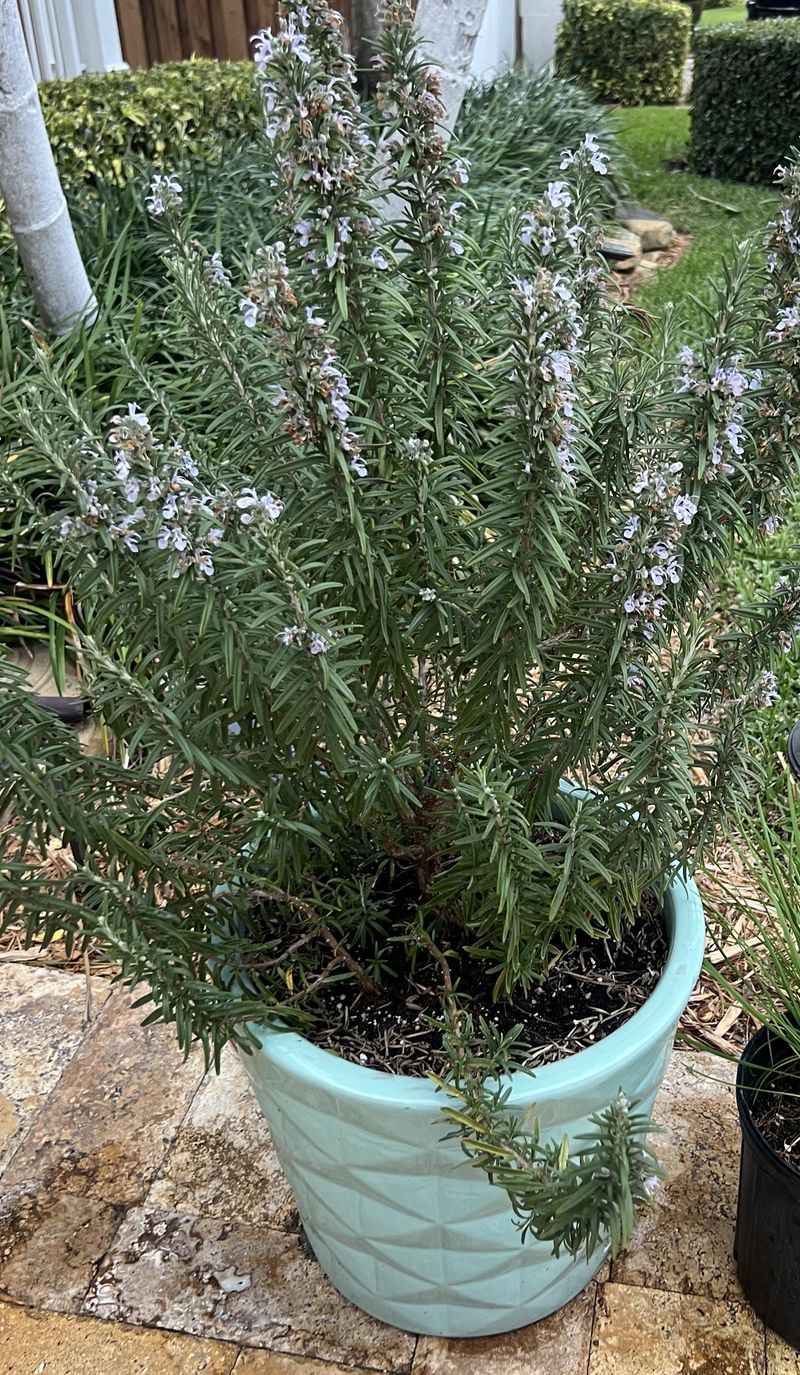
Leaves can smell wonderful and still hate a wet coat. Rosemary foliage is narrow and tough, but constant moisture on the leaves can invite mildew and other leaf problems, especially in humid parts of Texas.
Dry leaves make a healthier shrub.
Water at the base whenever possible. Drip line, a soaker hose, or a gentle hose flow near the soil all keep moisture where roots can use it.
Overhead spray may feel convenient, but it wets the stems and leaves for no good reason. Rosemary does not need a shower scene.
Early-day water helps too. Wet leaves dry faster once sun and air return. Late water can leave foliage damp through cooler night hours, which gives leaf problems a better chance to start. A simple schedule shift can save a lot of trouble.
Air flow matters as much as the hose. Give plants two to three feet of room, or more in humid areas near the Gulf Coast or East Texas. Crowded shrubs dry slowly after rain, and rosemary hates a clingy neighbor almost as much as a soggy pot.
A little dew is not a crisis. It usually dries fast in Texas sun. The real issue is repeated leaf wetness from poor water habits or tight plant space.
Keep the leaves dry, and rosemary stays sharper, cleaner, and less dramatic about summer.
Kitchen Snips Keep Plants Bushy
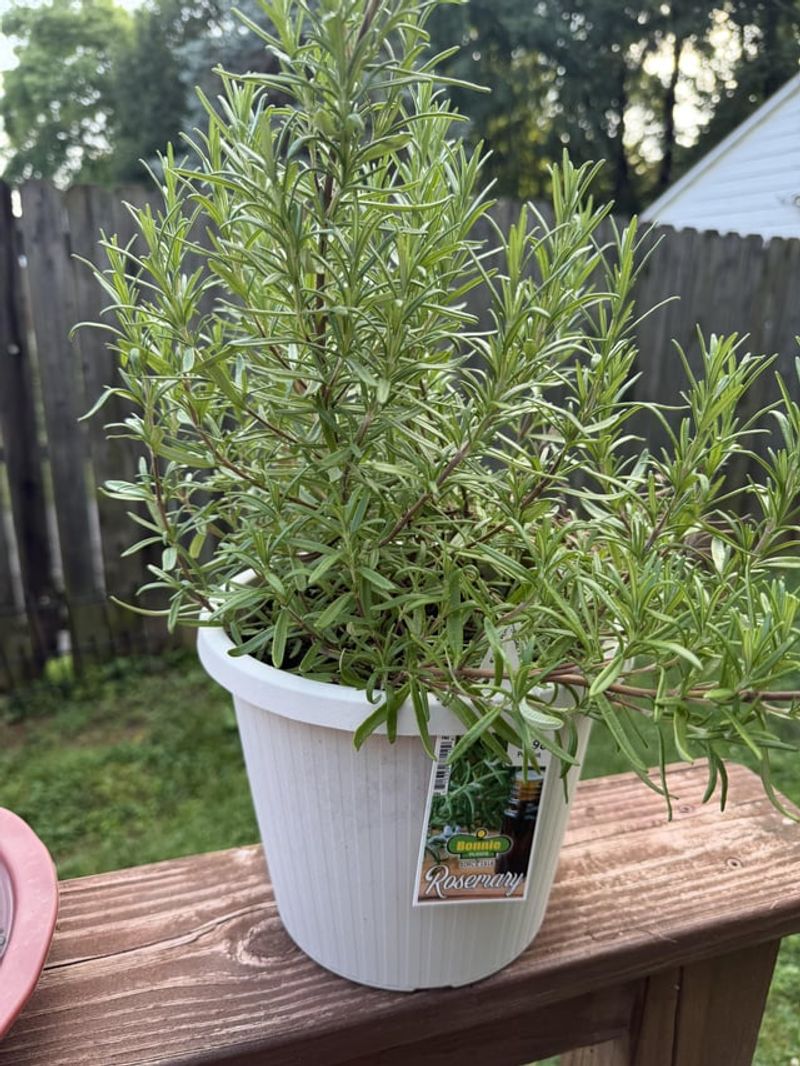
Dinner can double as plant care. A few stems for roasted potatoes or grilled chicken do more than flavor the meal. Light cuts help rosemary stay compact and full, because each cut can encourage side shoots near the leaf nodes.
The trick is restraint. Take small amounts from different parts of the plant instead of one dramatic chop from the front. Try to remove less than one-third of the shrub at a time. Rosemary likes a trim, not a breakup.
For the kitchen, choose soft young tips. They have tender texture and bold flavor, which makes them easier to chop into herb butter, bread dough, roasted vegetables, or marinades.
Older woody stems still have value. They can flavor oils, stews, or even act as skewers for grilled food.
Cut just above a node or side shoot so the plant can branch from that point. This helps prevent a bare base and wild tips. A little regular use is better than one huge cut after months of neglect.
Early-day harvest works well after dew has dried from the leaves. The scent tends to feel strong then, and the stems are fresh without extra moisture.
Your kitchen gets better flavor, and the plant gets a tidy shape. That is herb care with dinner benefits, which feels very Texas-efficient.
Blue Flowers Add Garden Value
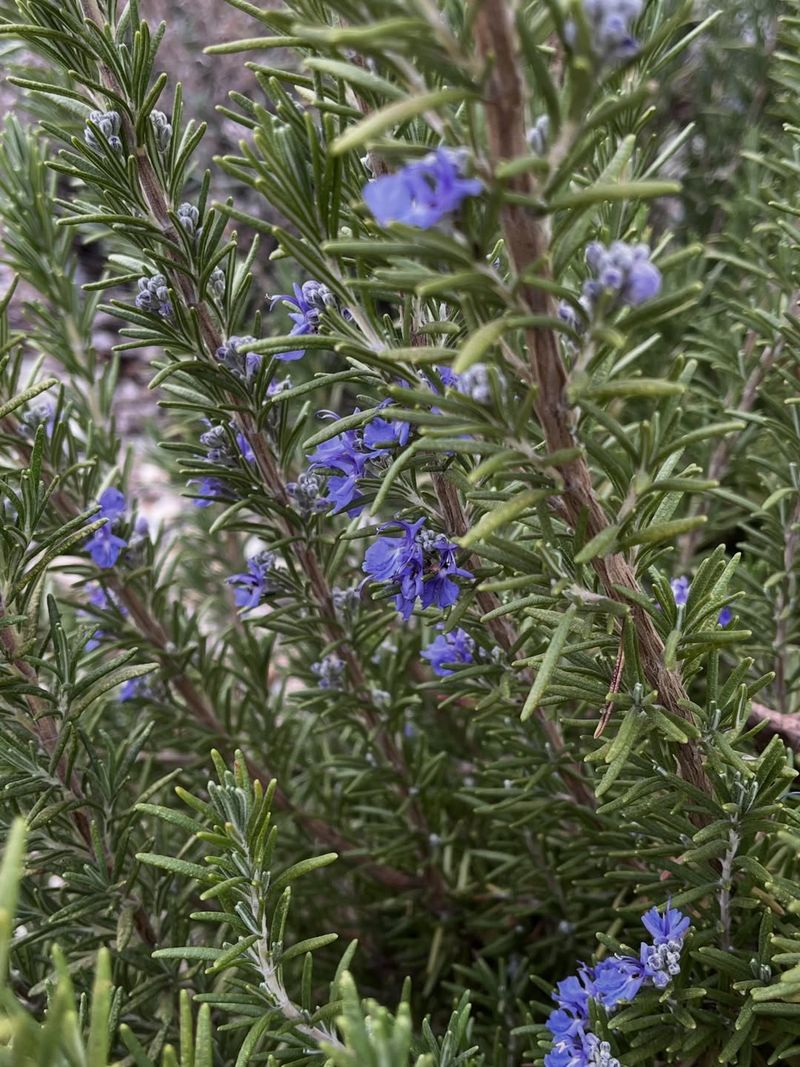
The leaves get the fame, but the flowers sneak in with charm. Rosemary can produce small blue to violet blooms in late winter or early season, often when much of a Texas garden still looks quiet.
That early color feels like a bonus prize on a plant already worth its space.
Bees notice fast. Honeybees, native bees, and butterflies often visit the tubular flowers for nectar. A rosemary shrub near vegetables, fruit trees, or other herbs can help make the whole garden feel more active early in the year.
The plant becomes a tiny café before the rest of the yard opens.
The flowers are useful in the kitchen too. They taste milder and softer than the leaves, with a light herbal note.
Scatter them over salads, press them into bread dough, or use them on a cheese board when you want to look fancy with almost no effort. Very low labor, very high “oh wow” value.
In the garden, the blue-violet color pairs well with silver foliage, yellow flowers, and dry-climate plants. Let the shrub flower before any major trim so pollinators get their share first. After the show slows, shape the plant lightly.
Rosemary flowers prove this herb is not just a kitchen workhorse. It brings color, pollinator value, and garnish potential. That is a lot of talent for one shrub with tiny blue accessories.
Containers Work With Sharp Drainage
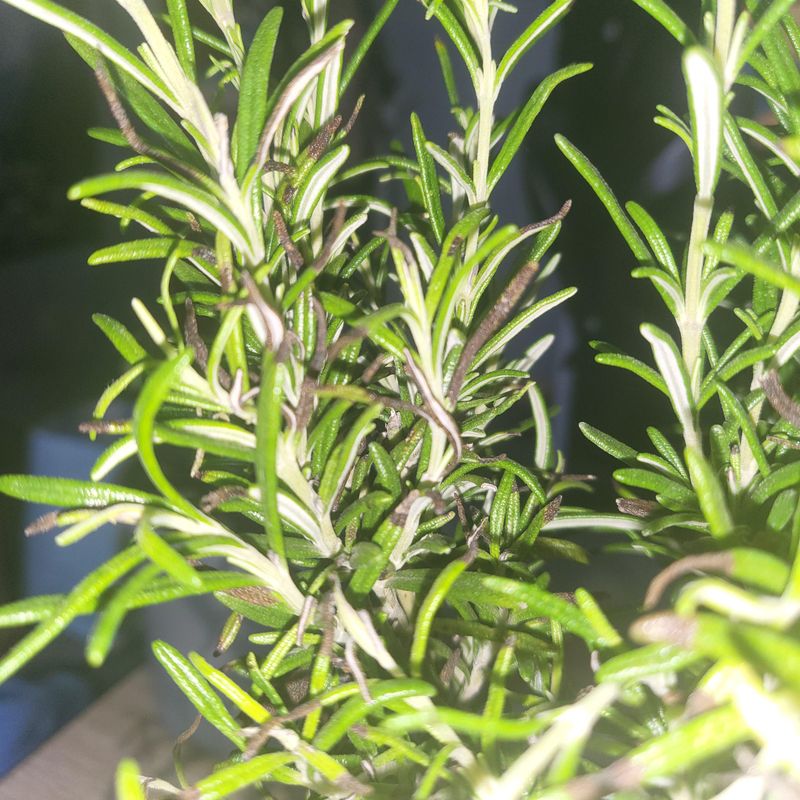
A pot can solve half the rosemary argument. Texas clay can be stubborn, but a container lets you choose the soil, the drain hole, and the sunniest patio spot. For rosemary, that control can make life much easier.
Terracotta is a strong choice because it lets moisture escape through the pot walls. That helps the root zone dry faster than plastic or glazed pots.
The container needs at least one generous drain hole. A pretty pot with no exit for water is just a root troublemaker in disguise.
Use a gritty mix. Standard pot soil cut with coarse perlite, coarse sand, or small gravel can work well. Avoid moisture-heavy mixes that stay wet for days. Rosemary wants a quick drink, then a chance to dry a bit before the next one.
Patio plants dry faster than in-ground shrubs, especially in Texas heat. Check the top couple inches of soil with a finger.
Dry at that depth means water thoroughly, then let the pot drain well. Do not leave the pot in a saucer of water unless you enjoy herb drama.
A container also gives cold-snap flexibility. You can move the plant near a wall, under cover, or into a protected spot when winter acts rude.
Sun, sharp drainage, and a breathable pot turn rosemary into a patio regular with serious kitchen privileges.