The Hellebore Bud Ohio Gardeners Can Spot In December (And How To Protect It)
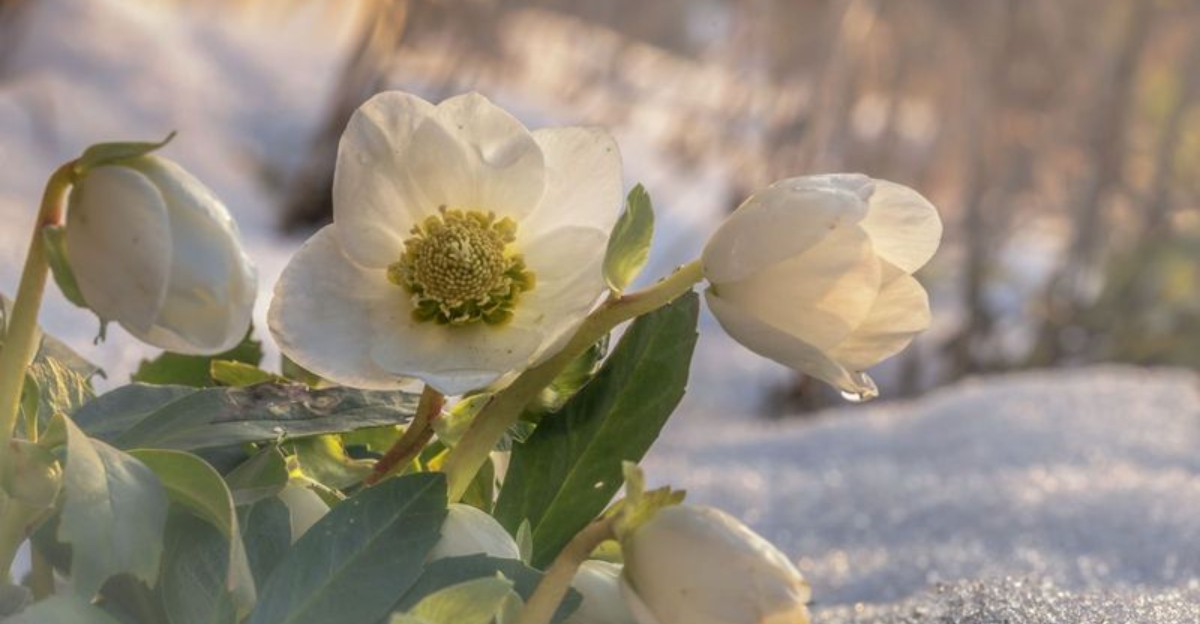
Some flower buds can sit fully formed under snow for weeks and still open on schedule. I find that fact a little thrilling, because most of the garden looks like it gave up in November.
One tough perennial does its planning in the dark. Its plump buds often hide right at soil level, tucked beneath leathery leaves that stay green all winter.
Some types even carry a holiday nickname because they can bloom so close to Christmas.
Here in Ohio, December walks usually mean bare branches and crunchy brown leaves. You need to crouch down to catch this show, though.
A quick peek under the foliage might reveal pale green or blush-pink knobs waiting their turn.
I believe this tiny discovery is one of the best mood boosters of the cold season. What exactly is hiding beneath those evergreen leaves, and how can you protect it until the flowers open?
1. Those Fat Little Knobs Under The Hellebore Leaves Are Worth A Closer Look
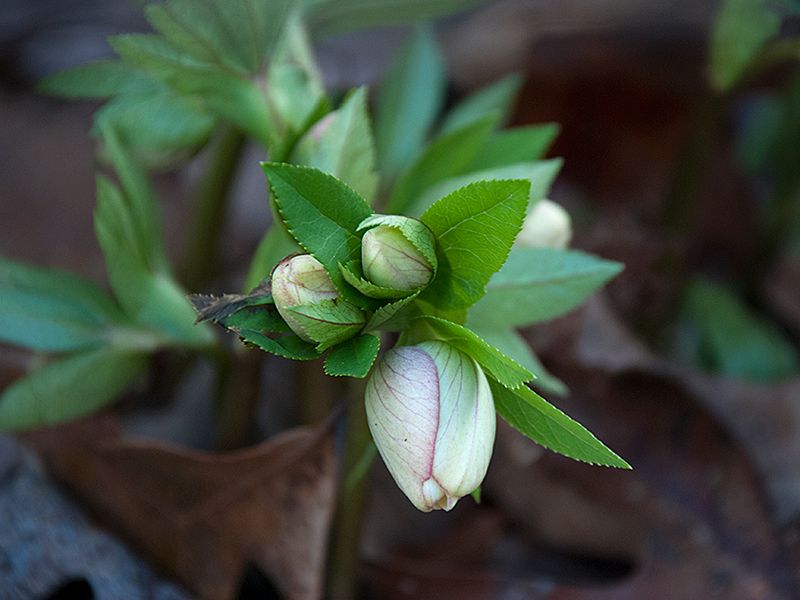
Grab a flashlight on a gray December afternoon and kneel beside your hellebores. Push back a few of the big, leathery leaves near the center of the clump.
What you may find are rounded buds sitting right at the crown, often pale green, cream, or tinged with pink or burgundy. Some look like tiny fists.
Others already show a short stalk lifting them a bit higher.
Ohio State University Extension notes that hellebores, often called Lenten roses, are among the earliest perennials to bloom. Christmas rose, Helleborus niger, can flower anywhere from December to March, depending on weather.
Hybrid Lenten roses, Helleborus x hybridus, usually open later, often from February into April across the state.
The buds form ahead of time, so spotting them in December is normal, not a sign of confusion. Mild spells may nudge them upward, while hard freezes simply pause them.
Fun fact time. The showy parts you admire later are not true petals at all.
They are sepals, which explains why hellebore flowers hold their color for weeks, sometimes months.
Once you know where to look, checking on these buds becomes a sweet winter ritual. It gives you a reason to step outside when everything else feels asleep.
2. Leave Those Leathery Hellebore Leaves Alone For Now
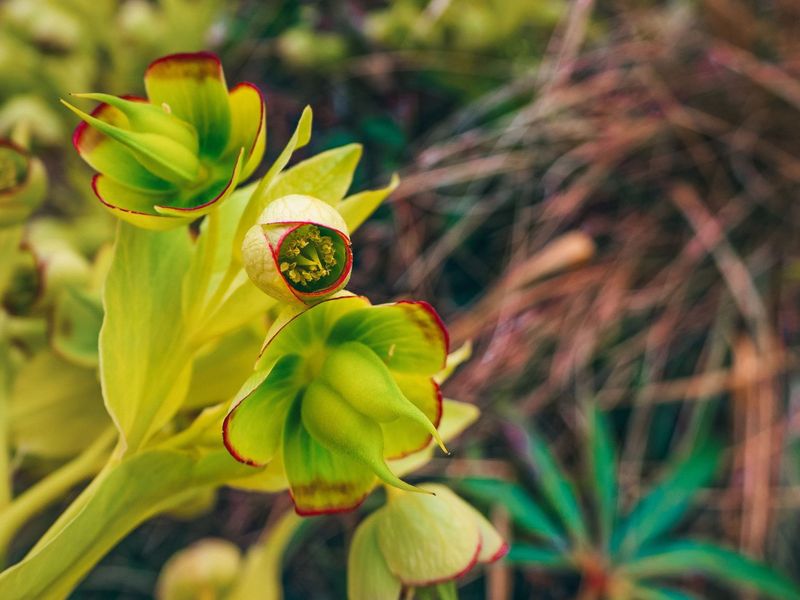
Tidy gardeners, I see you reaching for the pruners. Hold off for a little while.
Those evergreen leaves are working as a built-in winter blanket. They shade the crown, block drying winds, and soften the blow when temperatures swing wildly, which happens a lot in an Ohio winter.
Buds tucked under that canopy stay steadier and less exposed.
Most growers recommend cutting the old foliage in late winter, just as the flower stalks begin to rise. For many Ohio gardens, that means late January through early March.
Snip each old leaf at the base, close to the ground, and be careful not to nick the new buds hiding below.
Timing has a bonus benefit. Removing tattered leaves right before bloom shows off the flowers and reduces leaf spot problems, since old, blotchy foliage can carry fungal spores.
Until then, you can remove only the leaves that look badly torn or heavily spotted. Toss them in the trash rather than the compost pile.
Personally, I like letting the patch look a bit shaggy in December. It feels like the plant knows what it is doing, and honestly, it usually does.
3. A Fluffy Layer Of Shredded Leaf Mulch Keeps Hellebore Crowns Steady
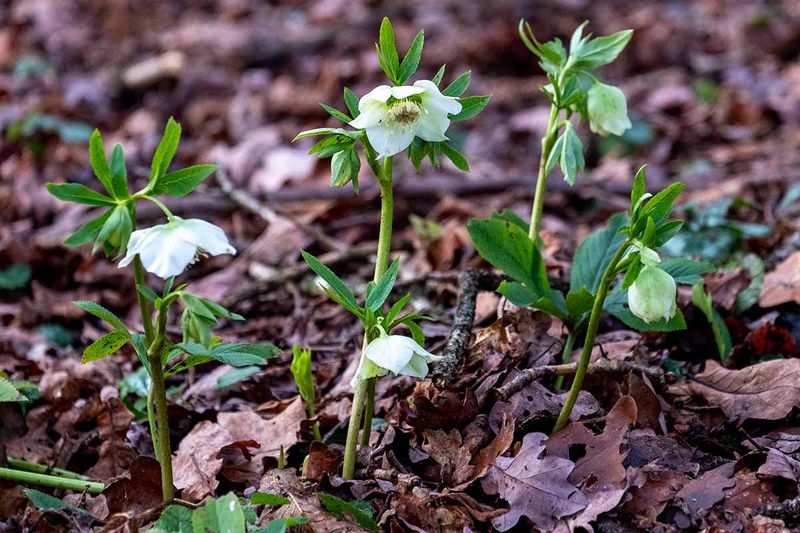
Freeze, thaw, freeze again. That seesaw is rougher on perennials than steady cold, because shifting soil can heave shallow roots right out of the ground.
A 2 to 3 inch layer of organic mulch helps keep soil temperatures more even. Shredded leaves, pine needles, or fine bark all work nicely around hellebores.
Many gardeners apply it once the ground has started to get cold, which is usually late November or December in much of the state.
Keep the mulch a couple of inches back from the center of the plant. Piling it right on the crown traps moisture and can invite rot, which is the opposite of what you want for those buds.
Free mulch is probably sitting in your yard already. Run fallen oak or maple leaves over with the mower, and you have a light, airy layer that will not mat down into a soggy pad.
Newly planted hellebores benefit the most. Their roots have had less time to anchor, so a cozy layer can make a real difference in their first winter.
Spread it, step back, and let the soil do its quiet insulating work.
4. Frost Cloth Over Hellebores Helps During Brutal Cold Snaps
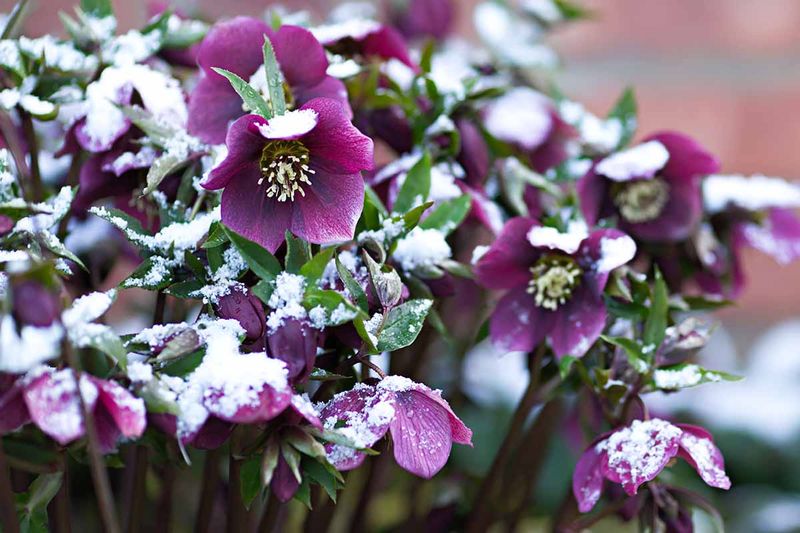
Hellebores are seriously tough. Most hybrids handle USDA zones 4 through 9, and Ohio spans zones 5b through 7a under the 2023 USDA Plant Hardiness Zone Map.
Still, a sudden plunge into single digits after a mild week can brown open flowers and stalks that rose too early. Ice storms and bitter winds add extra stress.
When the forecast looks nasty, cover the plants loosely with frost cloth, burlap, or an old cotton sheet. Let the fabric reach the ground and pin or weigh down the edges.
That traps warmth rising from the soil, which is where the real heat comes from.
Skip plastic sheeting touching the leaves. It offers little insulation and can damage foliage where it presses against it.
Remove the cover once temperatures climb back above freezing. Leaving it on for days in sunny weather can trap too much moisture.
Snow, by the way, is a friend here. A fluffy blanket insulates surprisingly well, so there is no need to brush it off your hellebores.
If a few blooms get nipped, do not panic. Plenty more buds usually wait in reserve, and the plant often keeps sending up fresh ones.
5. Soggy Clay Soil Is Bad News For Hellebore Roots
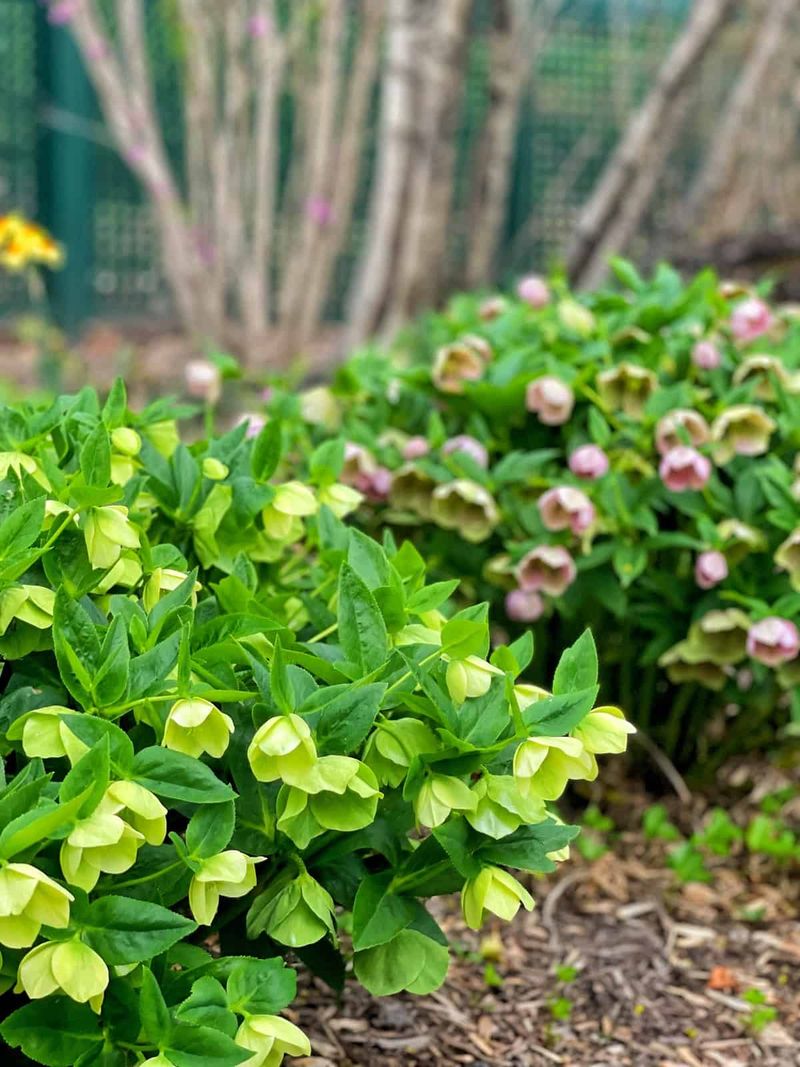
Ohio gardeners know clay. Much of the state has heavy soil that holds water like a sponge, especially during wet winter months.
Hellebores like moisture, but they hate sitting in it. Waterlogged soil can lead to crown and root rot, and cold, wet conditions make the problem worse because roots recover slowly.
Watch your bed after a heavy rain. If puddles hang around for hours, your hellebores may be struggling more than you realize.
The fix starts with organic matter. Working compost into the planting area loosens clay and improves drainage over time.
Planting on a slight mound or in a raised bed also lifts the crown above the wettest zone.
December is not the time to dig and move established plants, though. Make a note now and plan any changes for early spring or early fall, when roots can settle in.
For now, keep downspouts from dumping water near your clumps. A simple splash block or extension can steer runoff elsewhere.
Hellebores also tolerate slightly alkaline soil, which suits many Ohio yards. Good drainage matters far more than chasing a perfect pH number.
6. Hellebores Tucked Under Bare Deciduous Trees Have It Made
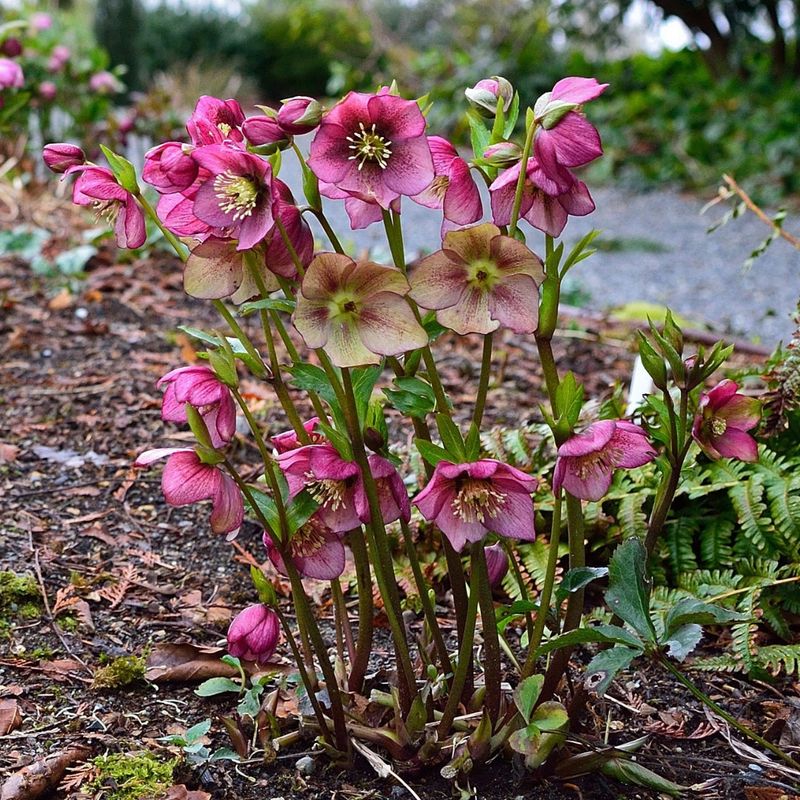
Location is half the protection plan. Put a hellebore in the right spot, and it handles winter with far less fuss.
Under deciduous trees is a sweet spot. Bare branches let winter sun reach the plants when they are budding and blooming.
Then summer leaves fill in and shield them from harsh afternoon heat.
Wind exposure matters too. A spot near a fence, a building, or an evergreen hedge breaks up the drying winter gusts that scorch leaves and buds.
East or north-facing beds near the house often work beautifully.
I also love planting them along walkways or near a window. You will actually see the flowers when it is too cold to linger outside.
Since the blooms nod downward, a gentle slope or raised edge helps you look up into their faces. That little trick makes a big visual difference.
Deer and rabbits usually leave hellebores alone because the plants are toxic if eaten. That makes them a great choice for wooded Ohio yards with hungry visitors.
Keep pets and kids from nibbling, and wear gloves when handling, since the sap can irritate skin.
7. Your December Hellebore Buds Lead To Weeks Of Winter Flowers
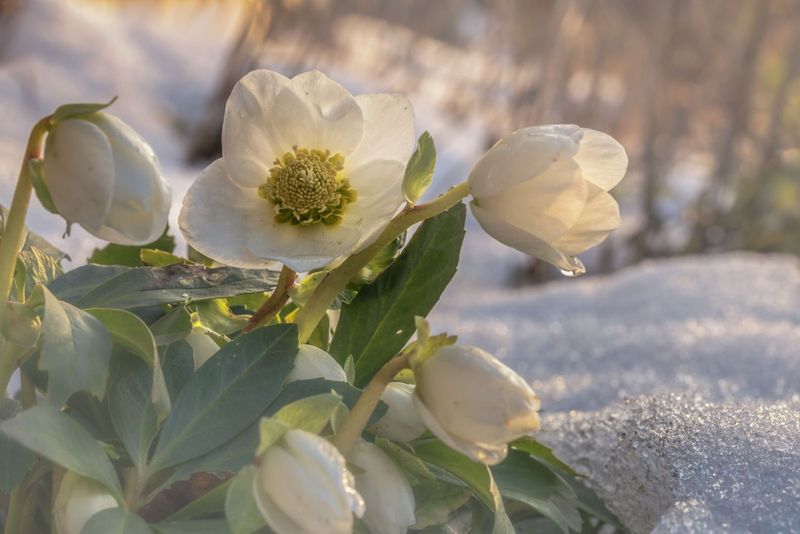
Patience pays off with this plant. Those knobby little buds you found in December can turn into a long-running show that brightens weeks of gray weather.
Christmas rose often opens white blooms first, sometimes as early as the holidays in milder years. Lenten rose hybrids follow with shades of pink, plum, cream, speckled, and even near-black.
Planting both can stretch the season from winter well into spring.
Once flowers fade, the sepals linger and slowly shift color, so the plant still looks attractive. Many hellebores self-sow too, giving you surprise seedlings around the parent clump.
Early bees appreciate the blooms on mild days. Few other flowers offer pollen and nectar that early in the year.
Here is a simple checklist to carry forward. Mulch lightly, keep the old leaves until late winter, cover during harsh freezes, and fix soggy spots in spring.
Want more color next year? Shop for potted hellebores in late winter and early spring, when garden centers carry them in bloom so you can pick favorites.
Honestly, few garden moments beat spotting fresh flowers while snow sits nearby. A little care now sets up that magic.