The Truth About Japanese Beetles In Oregon Gardens And Mistakes That Make Them Worse
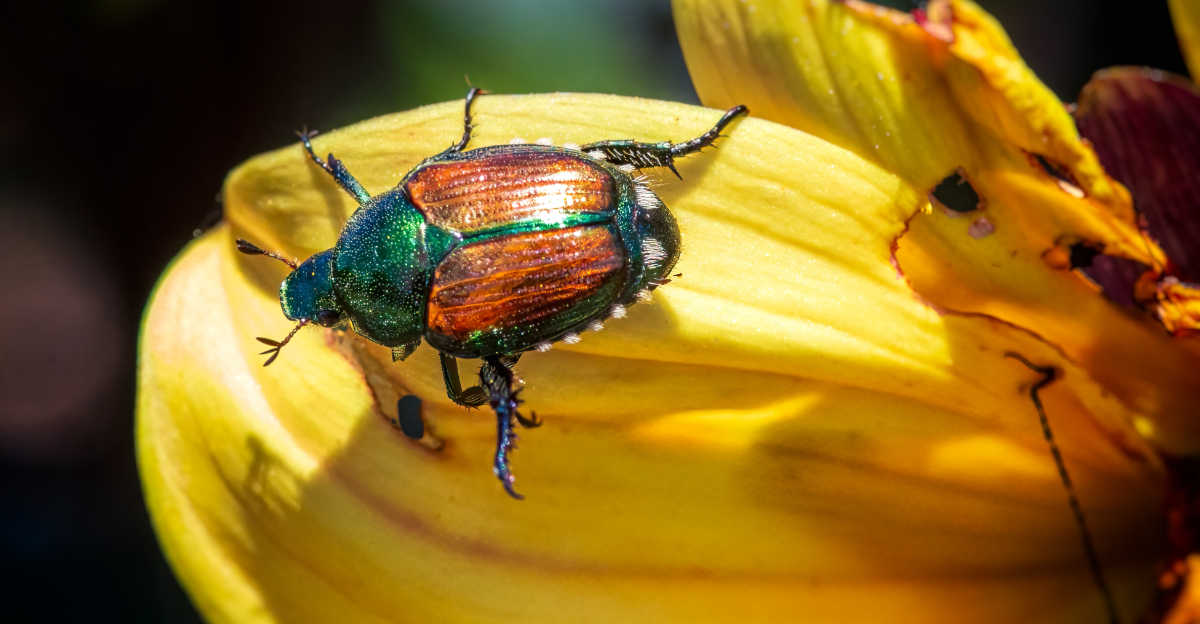
Japanese beetles can turn a calm Oregon garden into a daily inspection zone. One shiny little beetle on a leaf may not seem like a big deal.
Then you notice ragged foliage, chewed flowers, and more beetles gathering where yesterday looked fine.
The frustrating part is that some common reactions can make the problem harder to manage.
Grabbing the wrong trap, waiting too long, or treating every bug the same can create more trouble than relief.
Oregon gardeners also face a tricky balance because not every beetle in the yard is the enemy.
Knowing what you are looking at matters. So does acting before small damage becomes a bigger summer headache.
Once you understand how Japanese beetles behave, it gets much easier to avoid the mistakes that give them the upper hand.
1. Japanese Beetles Are Not Just Another Oregon Garden Pest
Most garden pests are annoying. Japanese beetles are a whole different level of problem.
Native to Japan, these insects were accidentally brought to the United States in the early 1900s. They have been spreading west ever since, and our state is now firmly in their crosshairs.
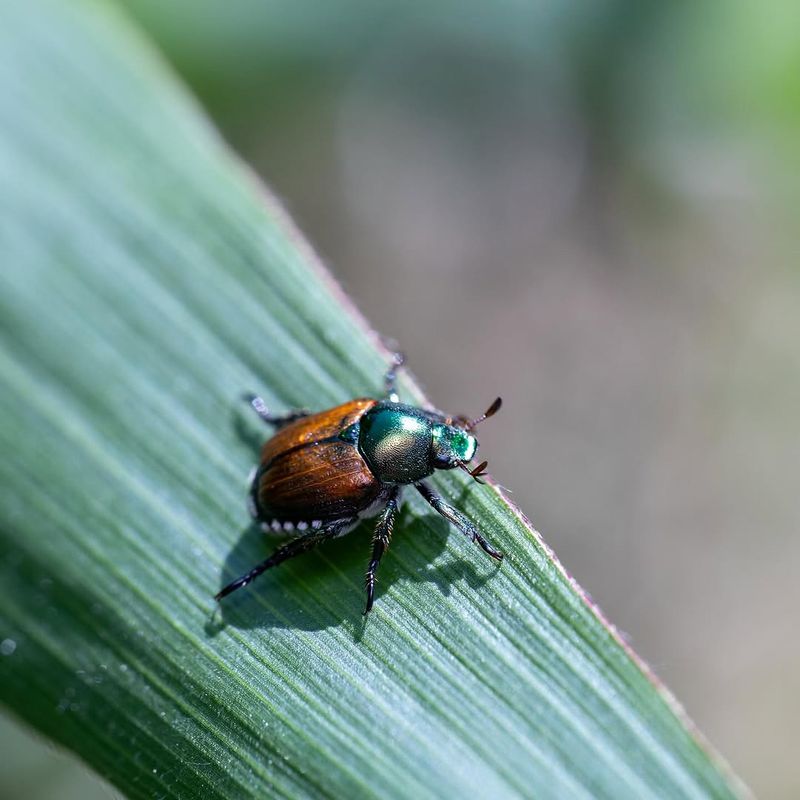
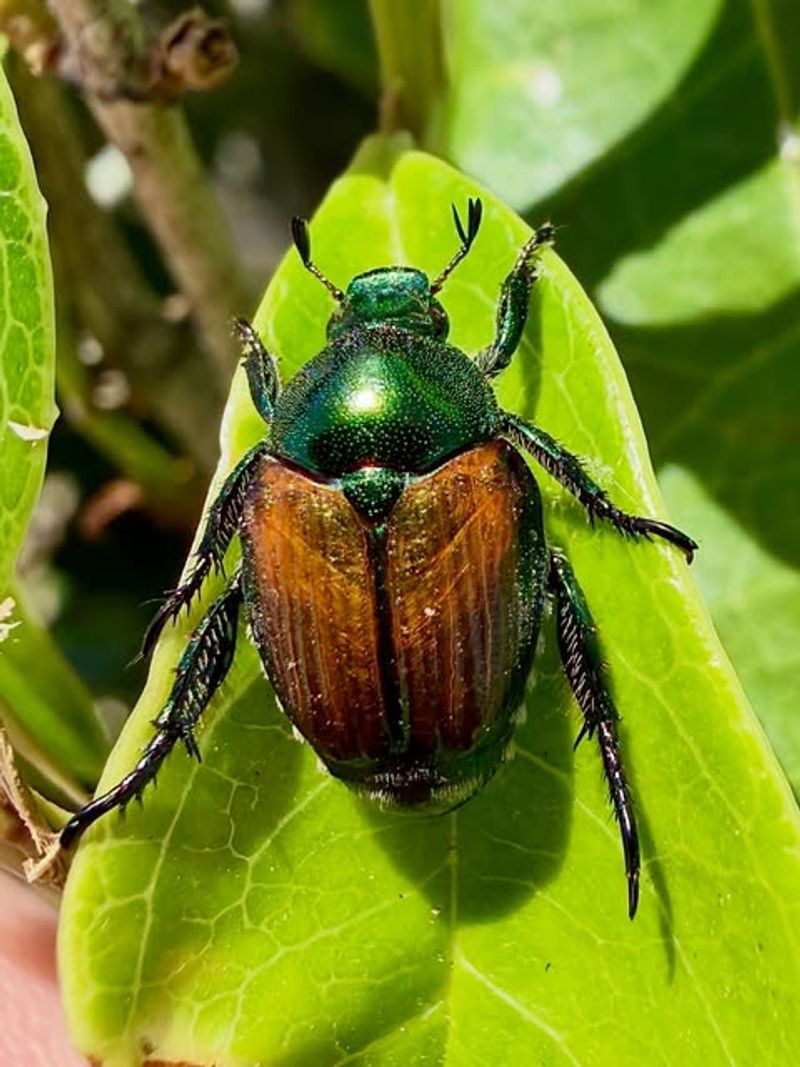
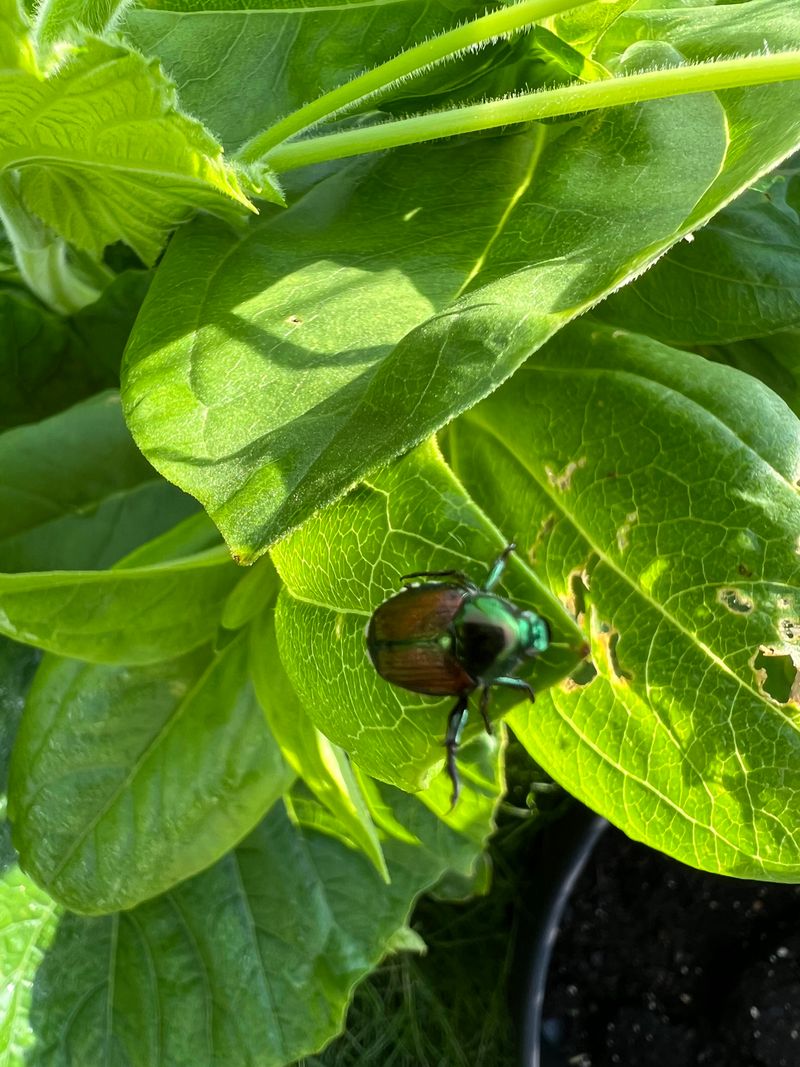
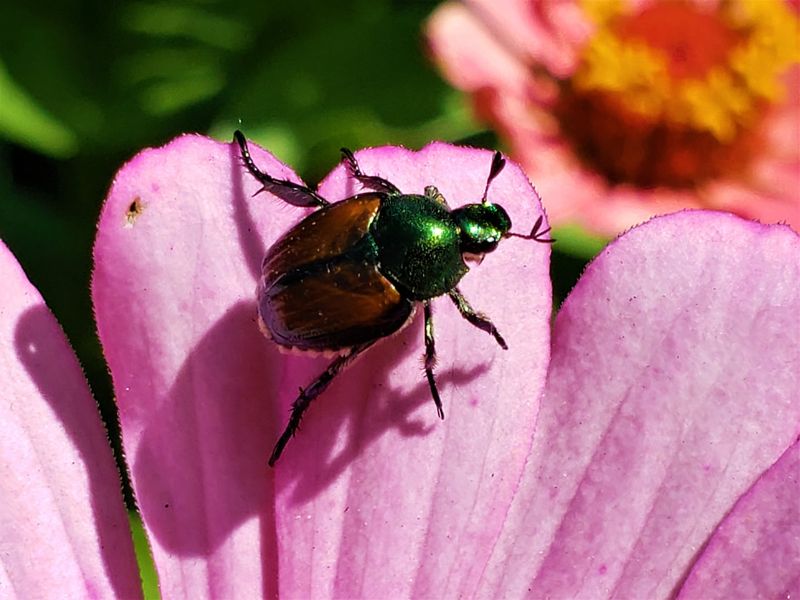
A single Japanese beetle is about half an inch long. It has a bright metallic green head and copper-brown wings.
Five small white tufts of hair line each side of its body. Those markings make it easy to identify, which is helpful because spotting them early is critical.
What sets this pest apart from others is how it feeds. It does not just nibble on one type of plant.
Japanese beetles attack over 300 different plant species. That means your roses, your vegetable garden, your fruit trees, and your lawn are all fair game at the same time.
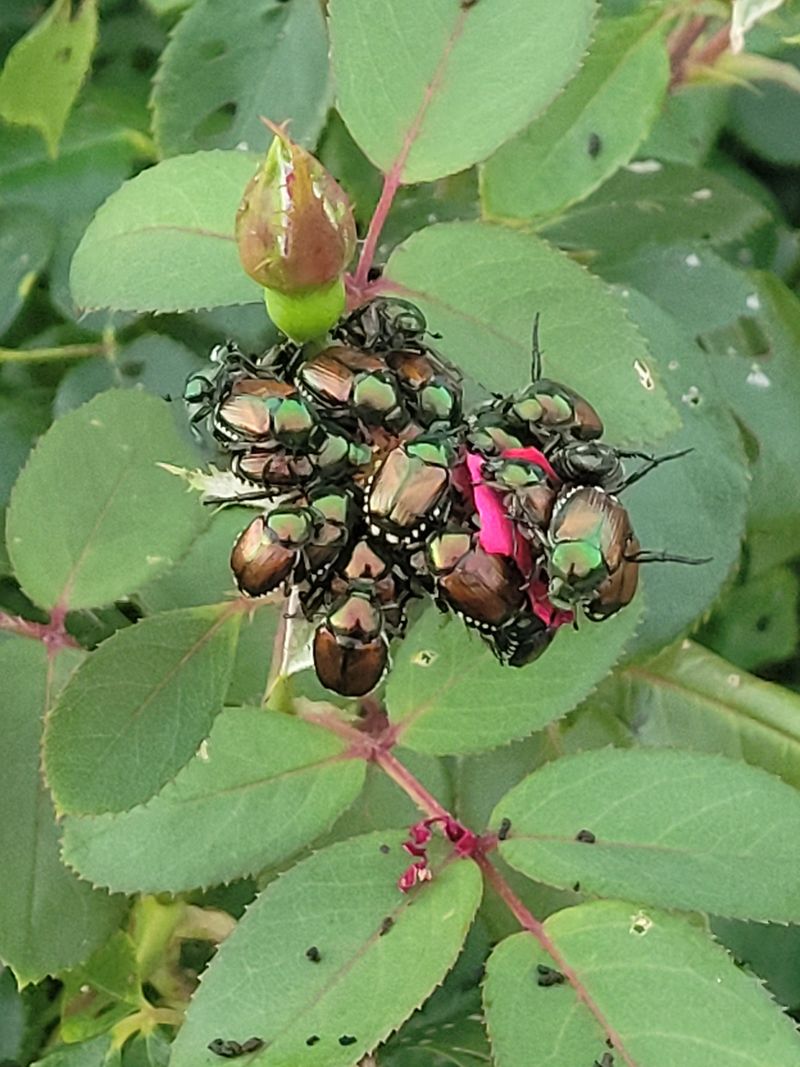
Adult beetles feed in groups, which makes the damage even faster and more severe. They release a scent that attracts more beetles, turning a small problem into a large one within days.
The larvae, called grubs, live underground and chew through grass roots all fall and spring.
Knowing this pest is not ordinary helps gardeners treat it seriously. Brushing it off as just another bug is one of the first mistakes people make.
2. Oregon Is Still Trying To Keep Them From Spreading
The Oregon Department of Agriculture has been fighting this pest for years.
Japanese beetles were first detected in the Portland metro area around 2017, and since then, the state has worked hard to stop them from spreading further.
Quarantine zones have been established in parts of the Willamette Valley and surrounding areas.
Inside those quarantine zones, there are strict rules about what can and cannot be moved. Soil, sod, plants, and yard waste must stay within the zone or be treated before leaving.
These rules exist for a very good reason. Grubs hide in soil and plant roots, making them nearly invisible to the naked eye.
State officials use traps, surveys, and community reports to track where beetles appear. They also work with nurseries, landscapers, and homeowners to make sure plants are inspected before being sold or moved.
Your Oregon Garden Changes Every Week. Your Plan Should Too.
Gardening in Oregon changes quickly throughout the season. Every Friday you’ll receive a simple weekly plan showing exactly what to plant, prune, fertilize, harvest, and protect so you never miss the right timing.
It is a massive effort, and it depends heavily on public cooperation.
Many residents do not realize that a quarantine zone exists near them. Some have never heard of the rules at all.
That lack of awareness is one reason the beetles keep showing up in new areas despite the state’s best efforts.
Staying informed about your local quarantine status is not optional if you care about your garden and your neighbors’ gardens too.
Check the Oregon Department of Agriculture website regularly for updates and zone changes.
3. Adult Beetles Can Skeletonize Roses, Grapes, And Fruit Plants
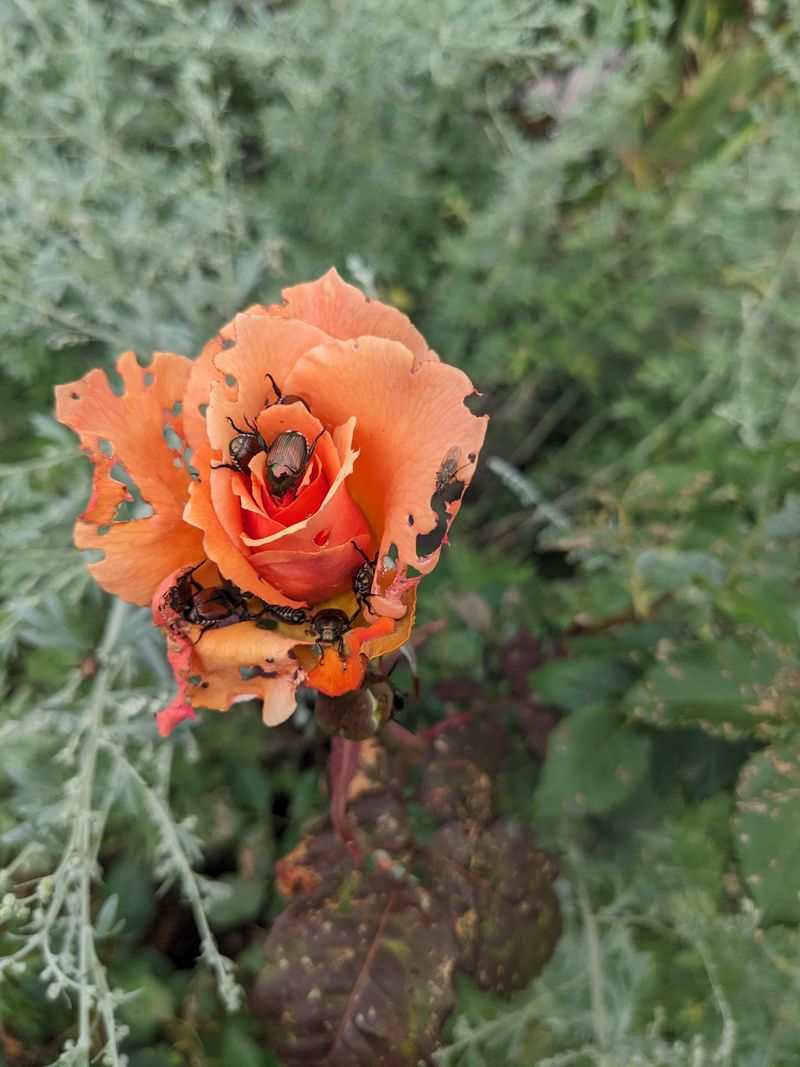
Few sights are more disheartening than walking out to your rose bush and finding the leaves reduced to lacy skeletons. That is exactly what Japanese beetles do.
They eat the soft tissue between leaf veins, leaving only the veins behind. The result looks like the plant has been hit with a tiny but thorough wrecking crew.
Roses are among their favorite targets, but the list goes on. Grapes, raspberries, blueberries, apples, plums, and cherries are all highly attractive to these insects.
Ornamental trees like linden and birch are also commonly attacked. In short, if you grow it and love it, there is a good chance a Japanese beetle wants to eat it.
Adult beetles are most active during the warmest parts of the day, typically between 9 a.m. and 3 p.m. They feed from the top of the plant downward.
Heavy feeding can weaken plants so much that they struggle to recover, especially if the infestation lasts through the full summer season.
Protecting vulnerable plants early in the season is the smartest move. Row covers made of fine mesh can block beetles from reaching plants while still letting in sunlight and water.
Checking plants daily during peak season, usually June through August, lets you catch problems before they grow out of control.
Acting fast when you spot even a few beetles on your plants can prevent the kind of damage that sets a garden back by months.
4. The Grubs Damage Lawns And Plant Roots Underground
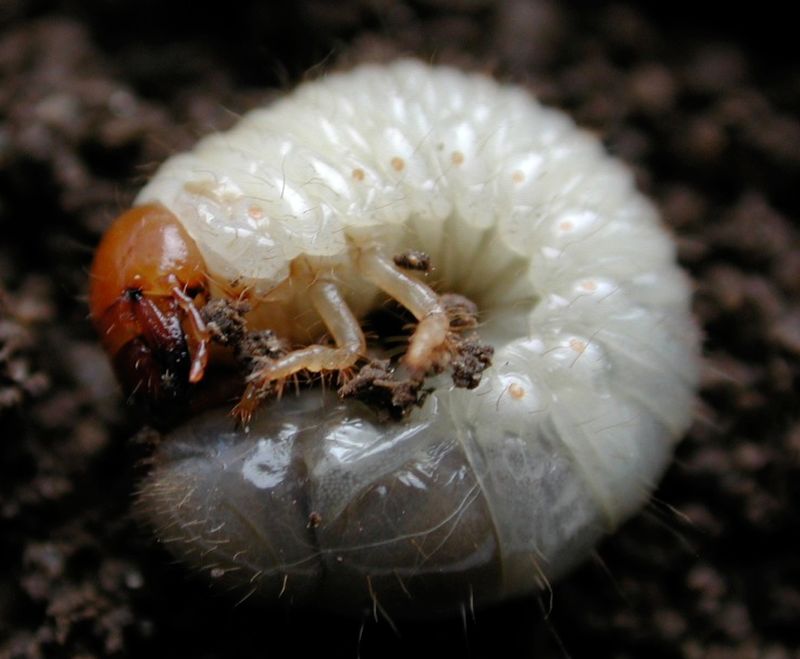
While adult beetles are easy to spot, the larvae doing damage underground are another story entirely. Japanese beetle grubs are white, C-shaped, and about the size of a small paperclip.
They spend most of their lives in the top few inches of soil, chewing through grass roots and plant roots without anyone noticing.
The first sign of grub damage is often a lawn that looks dry and stressed even when it has been watered regularly.
Pull back a section of dead or yellowing turf and you may find it peels away like a loose carpet.
That is because the roots holding it down have been eaten away. Birds, raccoons, and skunks will also dig up lawns searching for grubs, adding even more visible damage.
Grubs are most active in late summer and early fall. They feed heavily before the ground cools, then burrow deeper to survive winter.
In spring, they return to the surface to feed again before transforming into adult beetles in early summer.
Treating grub problems at the right time matters a great deal. Applying grub control products in midsummer, when young grubs are small and close to the surface, is far more effective than treating in fall when they have burrowed deep.
Missing that window means waiting another full year to try again.
Healthy, well-watered lawns can handle some grub pressure, but heavy infestations need attention before the damage spreads across the entire yard.
5. Sharing Plants Can Accidentally Move Grubs In Soil
Gardeners are generous people. Sharing divisions of hostas, passing along extra seedlings, or gifting potted perennials from your yard is a wonderful tradition.
But that generosity can accidentally carry Japanese beetle grubs into gardens that were previously free of them.
Grubs hide in soil. They are small, pale, and easy to miss when digging up a plant to share.
A single pot of divided irises or a clump of ornamental grass can contain several grubs nestled among the roots.
Once that plant goes into a new yard, the grubs go with it, and they start feeding and eventually become adults that lay eggs in the new location.
This is one of the quietest ways Japanese beetles spread into new areas. It does not require crossing a quarantine zone.
It just requires two neighbors who like sharing plants without knowing what might be hiding in the soil.
Before sharing any plants, especially those growing in the ground, inspect the root ball carefully. Look for white, C-shaped larvae.
If you find any, do not share that plant until you have addressed the problem. If you are in a quarantine zone, check local rules before moving any plants or soil at all.
Receiving plants from others carries the same risk. Ask where the plants came from and check the soil before putting them in the ground.
A few minutes of inspection can protect your entire garden from a season of serious trouble.
6. Moving Yard Debris From Quarantine Areas Can Spread The Problem
After a weekend of yard work, the natural instinct is to bag everything up and haul it away or drop it off at a composting facility.
But if you live inside a Japanese beetle quarantine zone, moving that yard debris the wrong way can spread the problem to areas that are currently beetle-free.
Grass clippings, leaf piles, old sod, and garden trimmings can all carry eggs or young grubs. Female beetles lay their eggs in the soil during midsummer.
Those eggs are tiny and nearly impossible to see. A load of old sod or a bag of lawn clippings could easily transport dozens of newly hatched grubs without anyone realizing it.
Quarantine rules in this state are specific about what can leave a regulated area. Soil and plant material are among the most tightly controlled items.
Some composting facilities outside the zone may not accept materials from inside it. Checking the rules before you haul anything away is not just good practice, it is required by law in some cases.
Burning yard debris where permitted, or disposing of it through approved local channels, is the safest approach.
Many counties inside quarantine zones have specific guidance on how to handle lawn and garden waste properly.
Spreading awareness in your neighborhood about these rules matters just as much as following them yourself.
A single uninformed neighbor moving a truckload of sod can undo months of careful management by everyone else on the block.
7. Beetle Traps Can Pull More Beetles Toward Your Yard
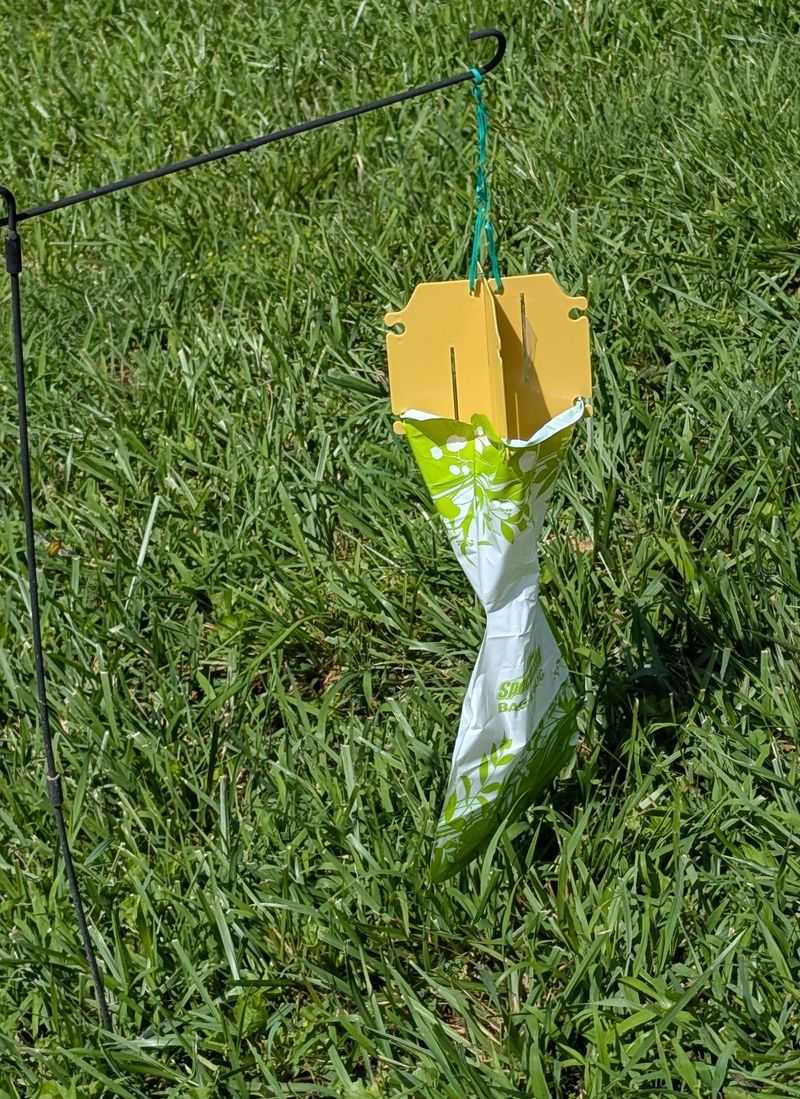
Walk into any garden center during summer and you will likely spot bags of Japanese beetle traps hanging on display. The packaging makes them look like the perfect fix.
They use a combination of floral scent and sex pheromone to attract beetles, and they do attract beetles, sometimes by the thousands.
The problem is that the traps are almost too effective. Research has shown that beetle traps can draw in far more insects than they actually capture.
Beetles come from a wide area, lured by the powerful scent. Many of them land on nearby plants before ever reaching the trap.
Your rose bush or grapevine ends up taking the hit.
Studies from university programs have consistently found that gardens with beetle traps nearby often experience more plant damage than gardens without any traps at all.
The trap becomes a magnet that turns your yard into a beetle hotspot rather than solving the problem.
If you feel you must use a trap, place it as far from your garden as possible, ideally at the edge of your property or beyond. Never hang one near plants you want to protect.
And understand that even a well-placed trap will not eliminate your beetle problem on its own.
Better approaches include hand-picking beetles in morning when they are sluggish, using row covers on vulnerable plants, and applying targeted treatments to soil for grub control.
Simple strategies done consistently tend to outperform the flashy trap hanging by your garden gate.
8. Ignoring Early Reports Makes Eradication Harder
Every year, state agriculture officials rely on residents to report Japanese beetle sightings. Early detection is one of the most powerful tools available for slowing the spread of this pest.
When someone spots a beetle and reports it quickly, inspectors can respond fast, treat the area, and sometimes prevent a full-blown infestation from taking hold.
But many people see an unfamiliar bug and shrug it off. Others assume someone else will report it.
Some people do not even know that reporting is an option or that it matters. That gap in awareness gives beetles time to lay eggs, hatch grubs, and establish themselves before anyone in an official capacity even knows they are there.
By the time visible plant damage appears, the population is already well established. Adult beetles live for about 40 days.
In that time, a single female can lay up to 60 eggs. A handful of overlooked beetles in July can become hundreds of grubs destroying your lawn by September.
Reporting is easy. The Oregon Department of Agriculture has an online reporting tool and a phone line for pest sightings.
Take a photo of the beetle, note the location, and submit the report. That small action can trigger a response that protects your neighborhood for seasons to come.
Staying alert and speaking up when something looks wrong is one of the most powerful things any gardener can do.
Community awareness is the backbone of any successful pest management program in our state.