The Hidden Message Behind Your Yellowing Cucumber Leaves
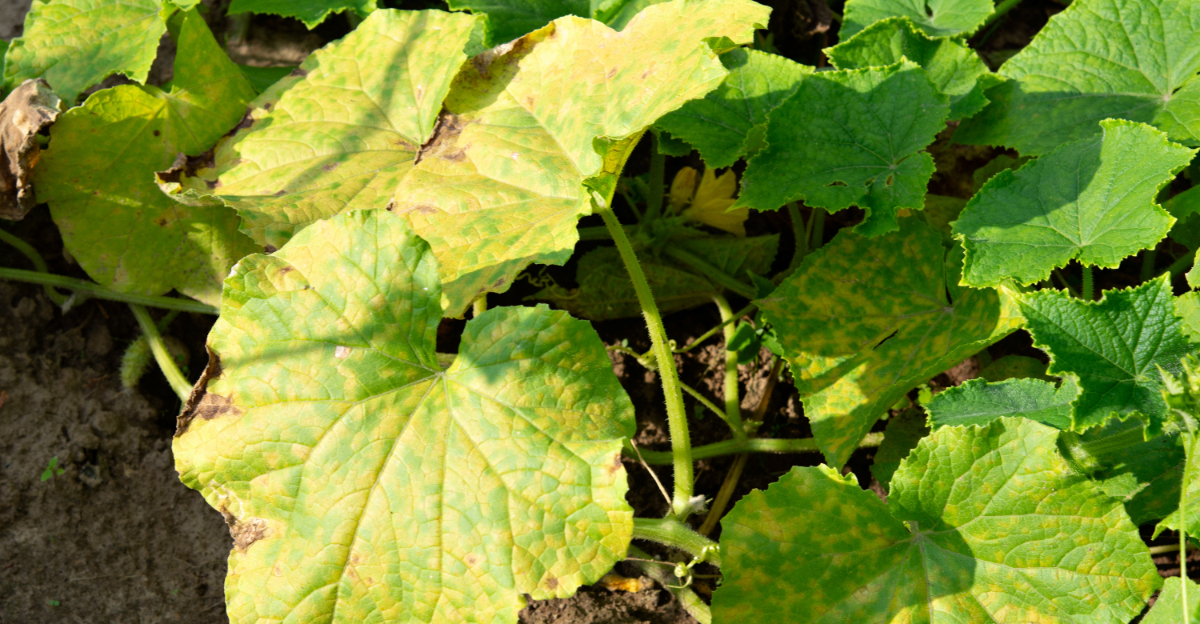
You watch the color drain as green turns dull yellow overnight. Your cucumber vines always reveal what troubles them underneath. Nutrients, water, disease, and pests each leave distinct fingerprints on leaves.
Gardeners everywhere notice this happen to their plants every summer. Confusion hits you fast when every yellow leaf looks similar.
Careful growers like you know subtle differences separate fixable problems from struggling plants.
Timing matters more than you might realize when diagnosing distress. Location on the vine reveals clues that color alone cannot explain. Weather patterns complicate your diagnosis, masking symptoms or amplifying them.
Roots, soil pH, and airflow quietly shape what you eventually see. Patience separates growers who protect their harvest from those who lose it.
Knowledge turns your uncertainty into action, and action turns yellow leaves green again. Ignoring these yellow signals now could quietly cost you your entire cucumber harvest before this season ends.
Nitrogen Deficiency Is The Most Common Culprit
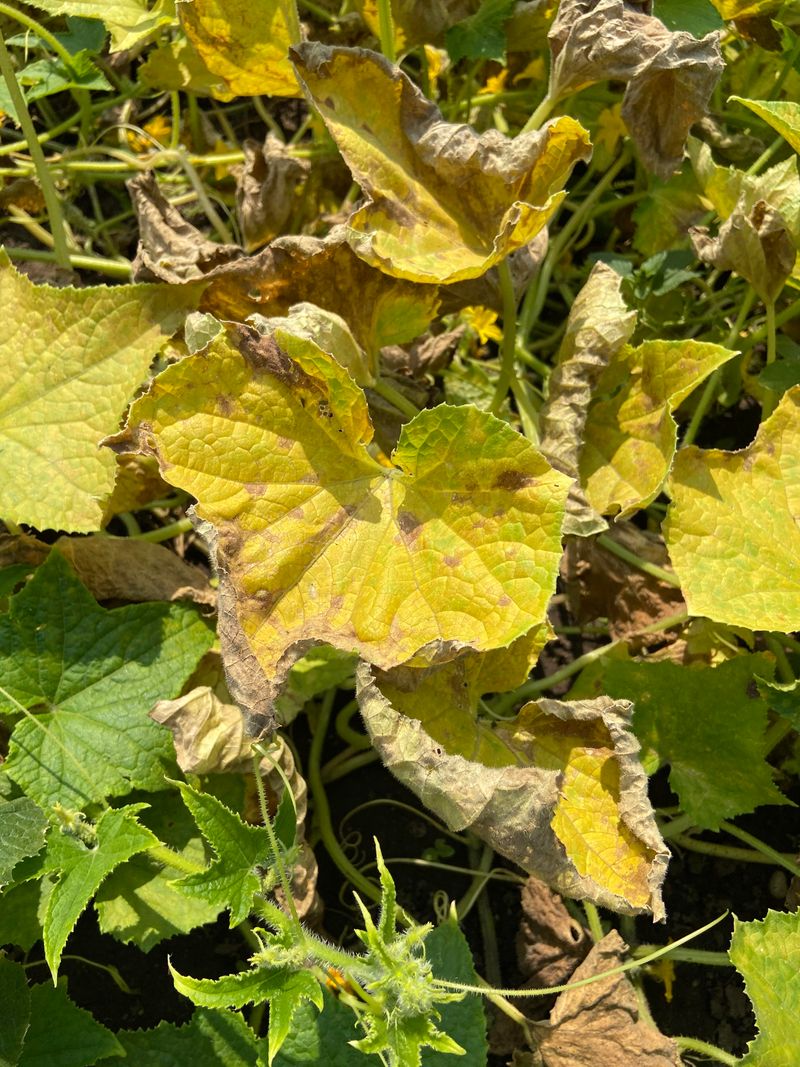
Your soil may be low on nutrients, and your plant is showing signs of stress. Nitrogen deficiency is the single most common reason cucumber leaves turn yellow, and it starts at the bottom of the plant.
The oldest leaves go yellow first, working their way upward over time. This pattern is the biggest clue that nitrogen is the problem, not a disease or pest.
Nitrogen is the nutrient plants use to build green, leafy growth. Without enough of it, your cucumber cannot produce chlorophyll, which is the green pigment that powers photosynthesis.
Soil that has been overworked or never amended tends to run low on nitrogen fast. Container gardens are especially vulnerable because nutrients wash out with every watering session.
A soil test from your local garden center can help confirm the deficiency, though results may take longer depending on the kit. These kits are affordable, simple to use, and can provide quick insight into your soil’s nutrient levels.
The fix is straightforward: feed your plant a balanced fertilizer or one high in nitrogen. Fish emulsion, blood meal, and compost tea are all excellent organic choices that work quickly.
Apply the fertilizer according to the package instructions to avoid overfeeding. Too much nitrogen can burn roots and cause a whole new set of problems for your cucumber plants.
New growth often starts looking greener within a couple of weeks after feeding, though timing can vary. Catching nitrogen deficiency early is the best way to protect your yellowing cucumber leaves from permanent damage.
Overwatering And Poor Drainage Issues
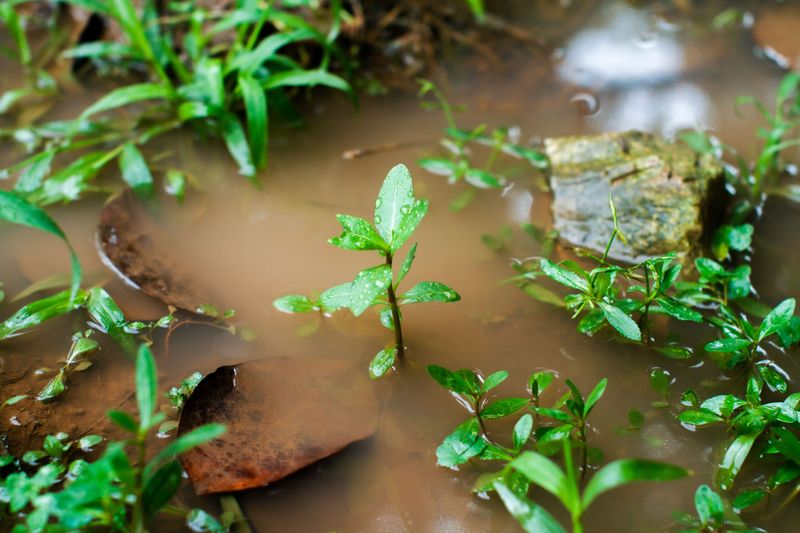
Overwatering, though well-intentioned, can actually hurt your cucumbers. Overwatering is one of the sneakiest causes of yellowing cucumber leaves, and many gardeners never suspect it.
When roots sit in soggy soil for too long, they cannot absorb oxygen. Without oxygen, the roots begin to weaken and lose their ability to pull nutrients up into the plant.
The result looks a lot like nutrient deficiency, which is why so many gardeners misdiagnose this problem. Leaves turn yellow, plants look droopy, and the whole vine seems to be struggling without an obvious reason.
Check your soil before you water each time by sticking your finger two inches deep. If the soil still feels moist at that depth, skip the watering and check again tomorrow.
Poor drainage makes this problem even worse. Raised beds with good drainage mix and in-ground beds amended with compost tend to handle water far better than compacted clay soils.
If your garden sits in a low spot that collects rainwater, consider building up the bed with extra soil. Elevating the planting area even a few inches can make a dramatic difference.
Self-watering containers and drip irrigation systems help deliver water more consistently and prevent the boom-and-bust cycle of hand watering. Consistent moisture is the goal, not constant moisture.
Fixing your watering habits now gives your plant a real chance to bounce back. Healthy roots lead to healthy leaves, and that means fewer yellow surprises waiting for you in the garden.
Fungal Diseases That Cause Yellow Leaves
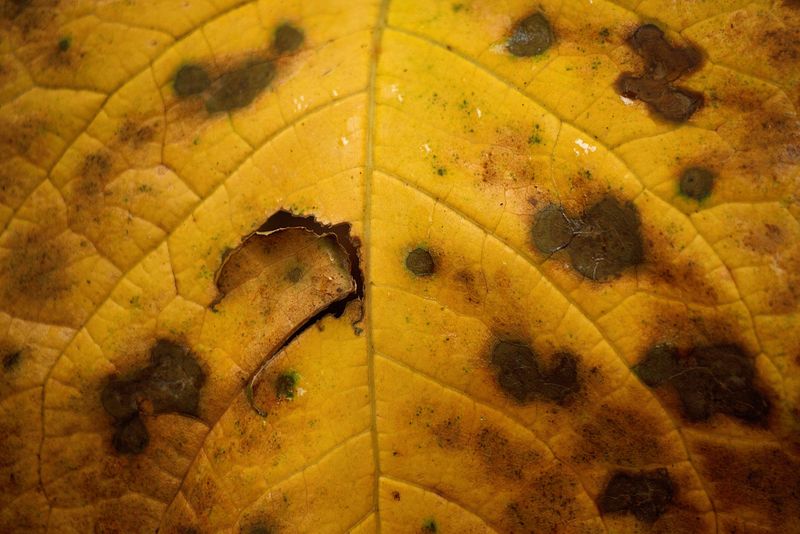
Spotted, patchy, or streaky yellow leaves are often a red flag for fungal trouble. Fungal diseases spread fast in warm, humid conditions, and cucumbers are especially prone to several of them.
Downy mildew is one of the most common offenders, showing up as yellow angular spots on the top of leaves. Flip the leaf over and you might spot a grayish-purple fuzzy coating underneath.
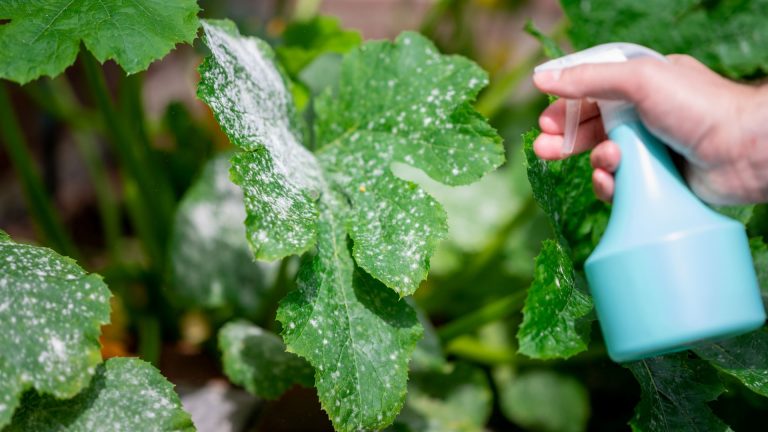
Powdery mildew is another frequent visitor, coating leaves in a white dusty film before the tissue beneath turns yellow. Both diseases spread through airborne spores and love humid, crowded growing conditions.
Fusarium wilt is a soil-borne fungal disease that blocks water movement inside the plant. Leaves wilt and yellow suddenly, often on just one side of the vine first.
Prevention is always easier than treatment when it comes to fungal problems. Space your plants generously to allow good airflow, and always water at the base rather than overhead.
Avoid working in the garden when leaves are wet, since spores transfer easily from plant to plant on hands and tools. Clean your gardening tools with a diluted bleach solution between uses.
Copper-based fungicides and neem oil sprays can slow the spread of many fungal infections. Apply them early in the morning, avoiding direct midday sun, so leaves dry without risk of leaf burn.
Removing and bagging infected leaves immediately helps stop the spread. Staying on top of fungal disease is one of the most powerful ways to protect your cucumber plants all season long.
Pest Infestations Draining Your Plant’s Energy
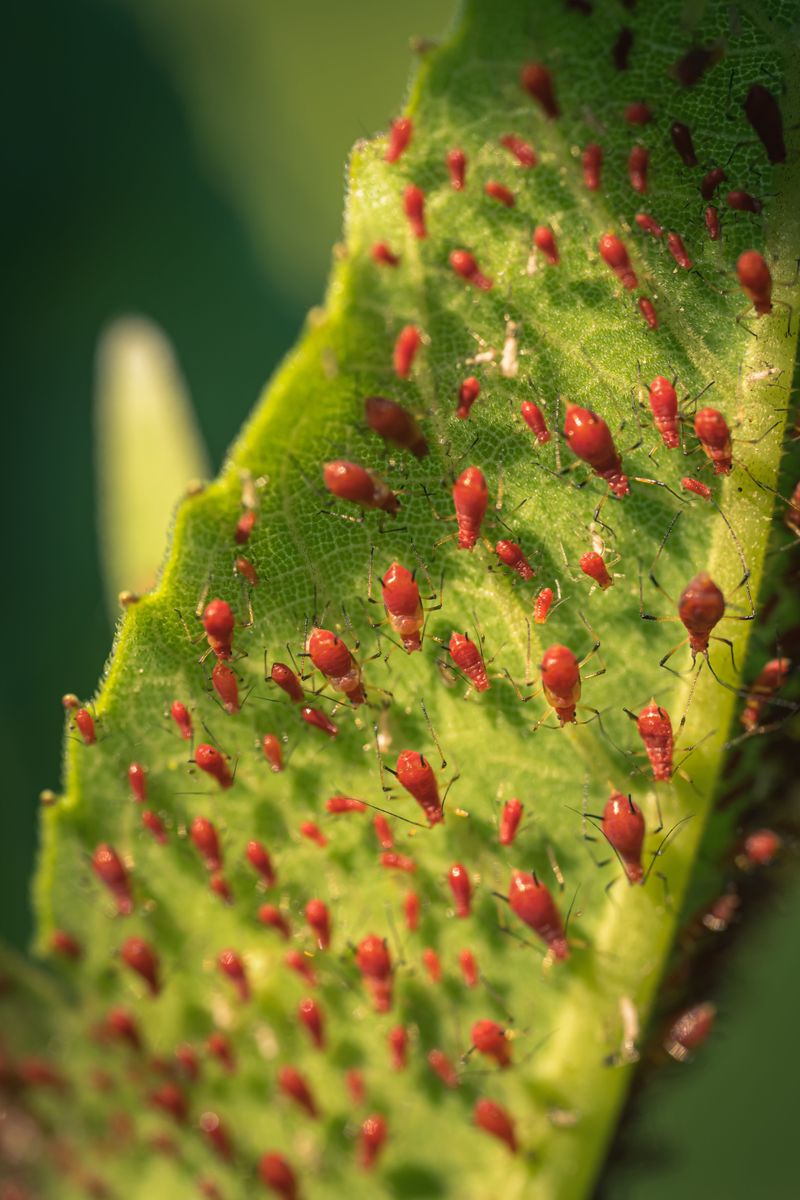
Tiny bugs can cause significant damage before you notice them. Pest infestations are a surprisingly common reason behind yellowing cucumber leaves, and the culprits are often hiding in plain sight.
Spider mites are among the worst offenders, creating tiny yellow speckles across the leaf surface. Look closely and you might spot fine webbing stretched between the leaves and stems.
Aphids cluster on the undersides of leaves and suck out plant sap with surprising efficiency. As they feed, they remove vital fluids that leaves need to stay green and firm.
Cucumber beetles are another pest to watch for, chewing irregular holes and spreading bacterial wilt as they move from plant to plant. Their damage weakens the vine and opens the door for secondary infections.
Whiteflies are small but destructive, and their feeding causes leaves to yellow, curl, and eventually drop. A cloud of tiny white insects rising from disturbed leaves is a sure sign of whitefly trouble.
Check the undersides of leaves at least once a week during the growing season. Early detection makes treatment much simpler and far more effective than waiting until the infestation spreads out of control.
Insecticidal soap spray is a gentle, effective option for soft-bodied pests like aphids and mites. Neem oil works well as both a pesticide and a preventive treatment; follow product label instructions for application frequency.
Encouraging natural predators like ladybugs and lacewings in your garden creates a built-in pest control team. A balanced garden ecosystem is one effective long-term strategy against plant-draining insects.
Natural Aging Or A Serious Problem
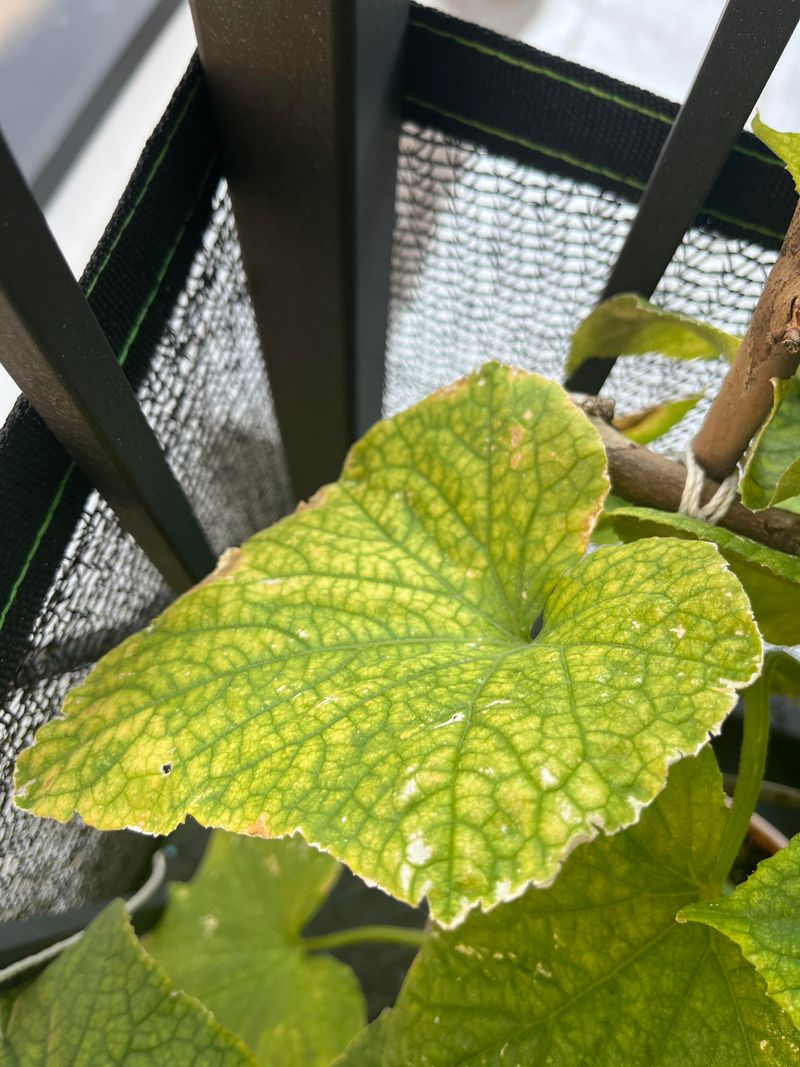
Not every yellow leaf signals a crisis. Sometimes your cucumber plant is simply doing what all plants do, which is letting go of older growth as it focuses energy on new development.
Lower leaves on a healthy cucumber vine will naturally yellow and drop as the season progresses. This is completely normal and not something to panic over when it happens gradually.
The key is learning to tell natural aging from a genuine problem. If yellowing starts at the bottom and moves slowly upward without spots or wilting, aging is the likely explanation.
Diseased or stressed leaves, on the other hand, often show unusual patterns. Spots, blotches, angular patches, or yellowing that jumps to random parts of the plant are all warning signs worth investigating.
Check whether the yellowing is spreading faster than expected. A few yellow leaves over several weeks is normal, but a sudden wave of yellow across the whole plant is a sign that requires prompt attention.
Also pay attention to the texture of the affected leaves. Soft, mushy, or water-soaked spots point to disease, while clean, papery yellowing usually signals natural leaf drop or minor stress.
Removing naturally aging leaves keeps the plant tidy and improves airflow around the lower stems. Use clean scissors or pruners and dispose of the leaves away from the garden bed.
Knowing the difference between aging and illness gives you confidence as a gardener. Trust your observations, stay consistent with care, and your cucumber plants will reward you with a strong harvest.
How To Save Your Cucumber Plants
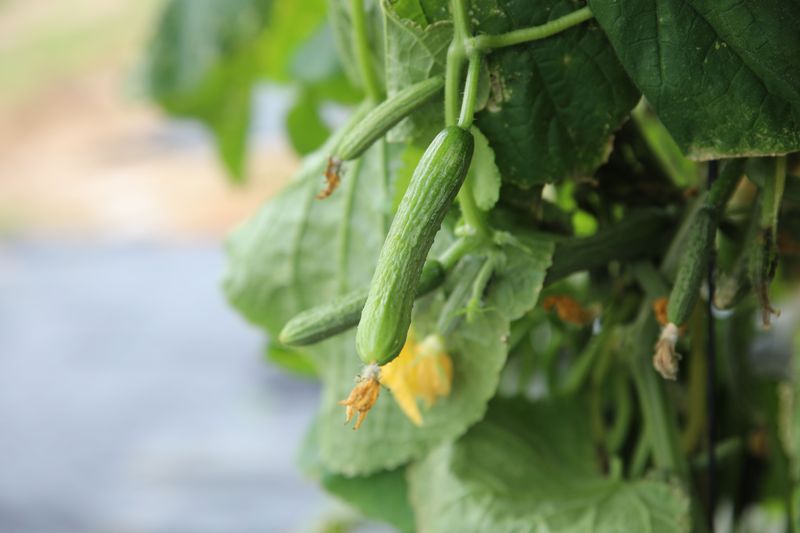
Your plant can often recover with a few targeted adjustments. Saving struggling cucumber plants starts with accurate diagnosis, so review every clue before reaching for any product.
Start by examining the pattern of yellowing carefully. Bottom-up yellowing points to nitrogen loss, random spots suggest disease, and uniform fading across the whole plant often means watering is off.
Once you identify the cause, act quickly but calmly. Plants are resilient, and most cucumber problems respond well to treatment when caught before the damage becomes too widespread.
Adjust your watering schedule first if overwatering is suspected. Let the soil dry slightly between sessions and make sure your containers or beds have adequate drainage holes at the base.
Feed with a balanced fertilizer if nutrient deficiency seems likely. A slow-release granular formula or a liquid feed applied every two weeks keeps nitrogen and other nutrients consistently available.
For fungal issues, remove affected leaves and apply a copper fungicide or neem oil spray right away. Repeat the application as directed on the product label until new growth appears clean and healthy.
Treat pest problems with insecticidal soap or neem oil, targeting the undersides of leaves where bugs hide. Repeat treatments weekly until you no longer see signs of active infestation.
Protecting your yellowing cucumber leaves from further stress means staying proactive all season. Check your plants every two to three days, and small problems are less likely to become bigger ones.