The Hidden Reason Your Illinois Furnace Kicks On Every Few Minutes In November
A healthy furnace in cold weather usually runs at least 10 to 15 minutes per cycle. Mine was clicking off after just three, then roaring back to life before my tea even cooled.
I started timing it like a curious kid with a stopwatch. The pattern was oddly steady, almost like the furnace was flipping itself off on purpose.
Turns out that is exactly what was happening. Modern furnaces carry built-in safety switches that shut the burners down when something feels wrong inside the cabinet, and Illinois winters put those switches to the test.
You might notice the same rhythm in your own Illinois home as the nights turn frosty. Some rooms feel toasty for a moment while the back bedroom stays chilly.
Your gas bill quietly climbs too. Find out what keeps shutting your furnace down, because the fix could cost you less than a pizza.
That Furnace Safety Switch Is Trying to Tell You Something
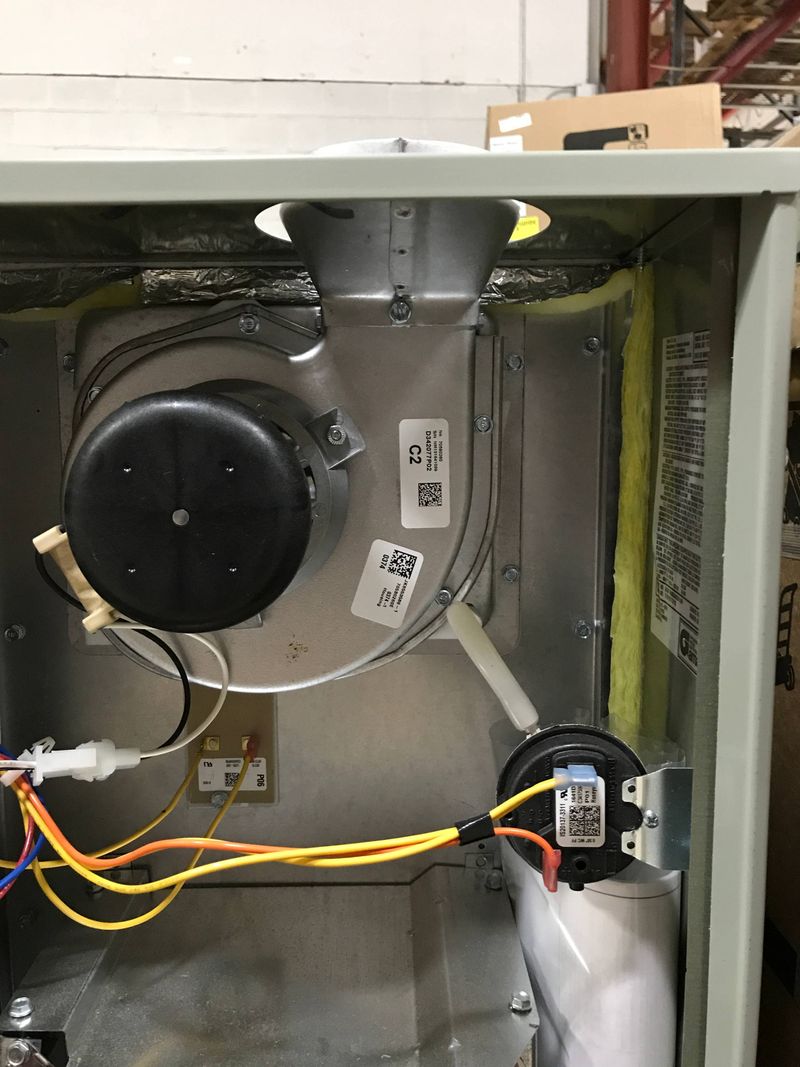
Every gas furnace has a quiet guardian called the high-limit switch. Its whole job is to watch the temperature near the heat exchanger and cut the burners if things get too hot.
Once the air cools a bit, the switch resets and the burners fire up again. That stop-and-start loop is what many people hear as the furnace kicking on every few minutes.
So the real question is not why the furnace turns off. The question is why it overheats in the first place.
In most homes, the answer comes down to airflow. A furnace needs a steady stream of cool return air washing over the hot metal. When that stream weakens, heat builds up fast, and the limit switch steps in.
November makes this pattern easier to spot. Your system suddenly runs many more hours each day than it did in October, so small problems show up quickly.
HVAC pros call this short cycling. It wastes fuel, wears out the igniter and blower, and leaves rooms unevenly heated.
The encouraging part is that the most likely cause sits right inside your furnace door. You can check it yourself in about two minutes, with no tools required.
A Dusty Furnace Filter Is the Usual Suspect
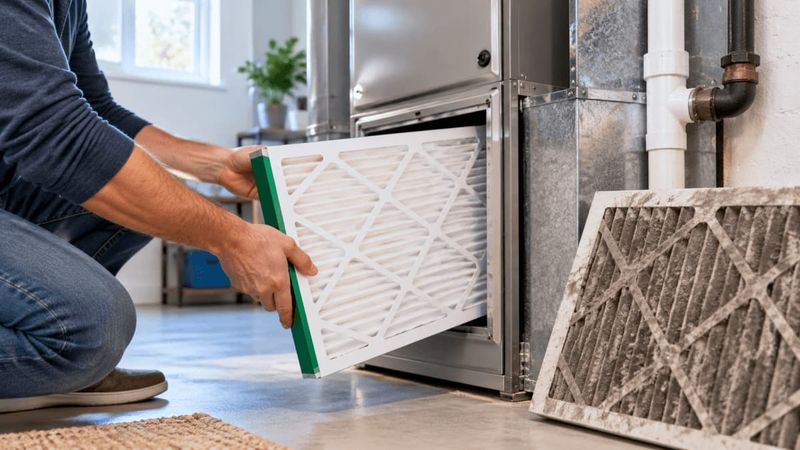
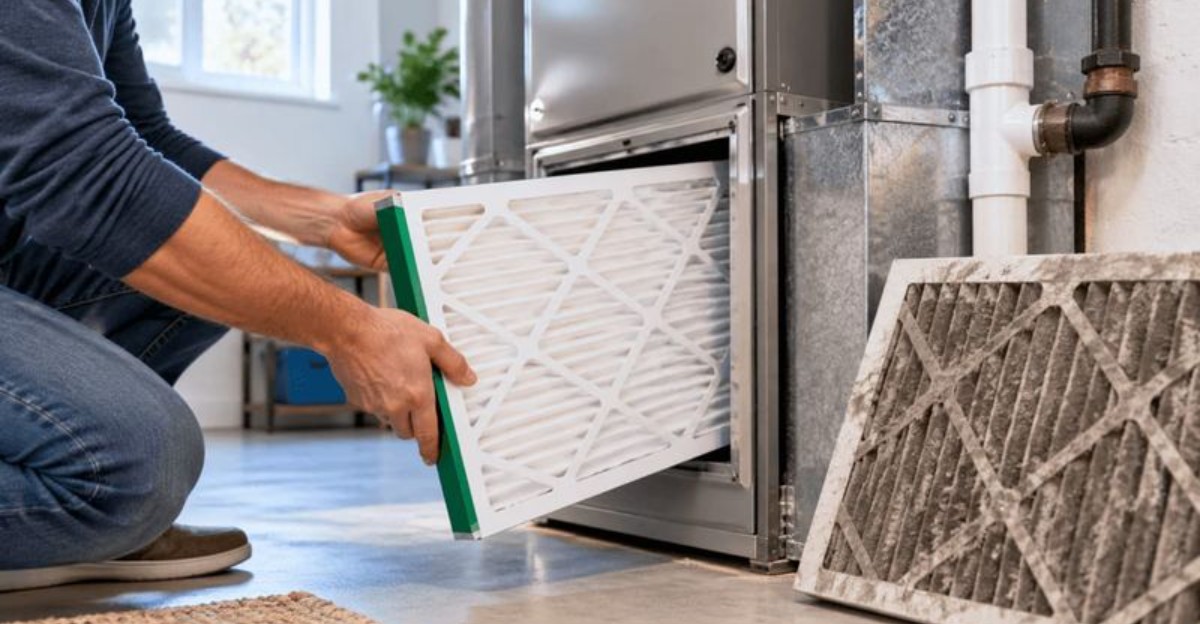
Slide out your furnace filter and hold it up to a lamp. If you cannot see light through it, you probably found your problem.
HVAC manufacturers and industry resources commonly list a clogged filter as one of the most frequent causes of short cycling. Trapped dust chokes the airflow, the heat exchanger runs hot, and that safety switch shuts everything down.
Fall makes filters fill up faster than you might expect. Pet hair, dry indoor air, and long hours of runtime all pile on at once.
Basic one-inch filters often need replacing every one to three months. Homes with pets, allergies, or recent remodeling may need a fresh one monthly during heating season.
Check the arrow printed on the frame before you slide a new filter in. It should point toward the furnace, following the direction the air travels.
Be careful with super-dense filters, too. A very high MERV rating can restrict airflow in some older systems, so check your furnace manual for the recommended range.
I keep a spare filter on a shelf right beside the furnace. When the cold snap hits, I am not stuck driving to the hardware store in a hurry.
Blocked Heat Registers Can Strangle Your Furnace Airflow
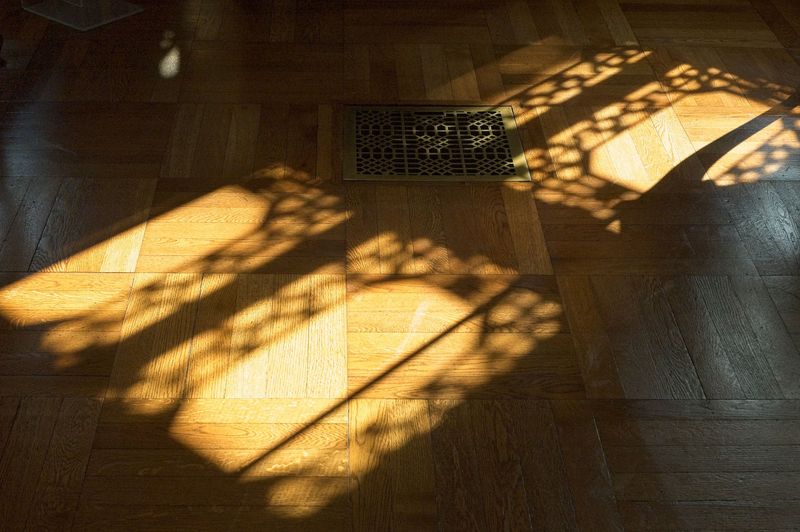
Closing vents in unused rooms sounds like a clever money saver. In practice, it often backfires on forced-air systems.
Your ductwork is sized to move a certain amount of air. Shut too many registers and pressure builds, airflow drops, and the furnace heats up faster than it should.
Furniture causes the same trouble. A new sofa, a holiday storage bin, or a thick area rug can sit right on top of a floor register without anyone noticing.
Return vents matter even more. These larger grilles pull air back to the furnace, and blocking them starves the system of the cool air it needs.
Take a slow walk through your house with a flashlight. Open every supply register, move anything sitting over a vent, and vacuum the dust from the grilles.
Hold your hand near each register while the furnace runs. A weak trickle of air in one room might point to a crushed or disconnected duct in the basement or attic.
This simple walk-through costs nothing. It also helps balance heat between rooms, which can end that annoying cold spot in the back bedroom.
A Thermostat in the Wrong Spot Gets Fooled Easily
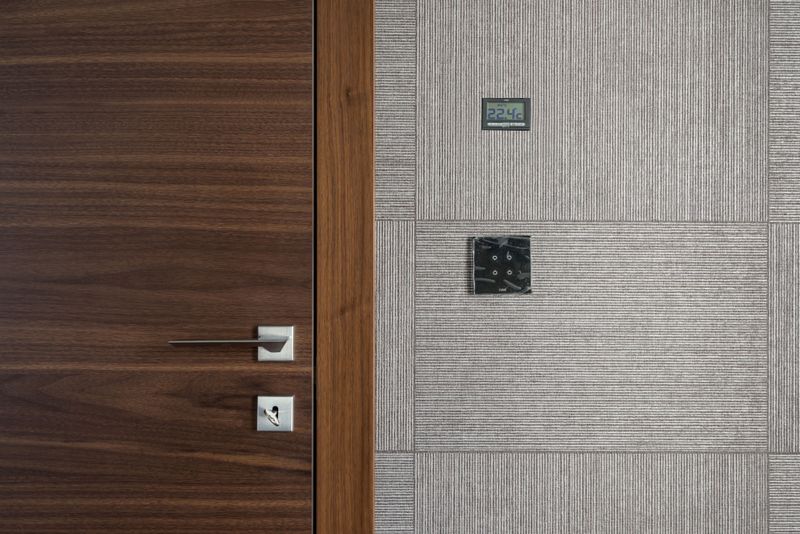
Thermostats are a bit gullible. They only know the temperature right where they hang, and they trust it completely.
Low November sun can stream through a south window and warm the thermostat case. The device thinks the house is cozy and shuts the furnace off early.
Lamps, TVs, kitchen ovens, and even a nearby supply register can trick it in the same way. A drafty spot near an exterior door does the opposite, calling for heat over and over.
Energy experts generally suggest placing a thermostat on an interior wall, away from windows, doors, and appliances. About five feet off the floor works well in most homes.
Wiring and batteries deserve a look too. Weak batteries or a loose wire can send choppy signals to the furnace and mimic a bigger problem.
Some digital thermostats also have a setting called cycle rate or swing. If it is set too tight, the furnace may start and stop more often than needed.
Swap the batteries, check the manual for cycle settings, and notice what sits nearby. A simple move or adjustment can calm the whole system.
A Sooty Flame Sensor Shuts Down the Burners in Seconds
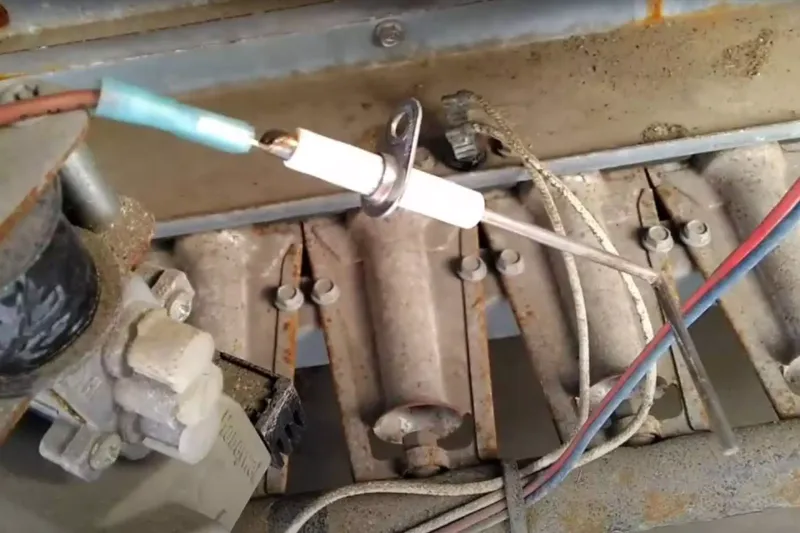
Listen closely when your furnace starts. If the burners light and then go quiet within a few seconds, a tiny metal rod might be the reason.
The flame sensor sits in front of the burners and confirms that fire is actually present. Without that confirmation, the control board closes the gas valve for safety.
Over months of use, the rod picks up a thin coating of residue. That film weakens the signal, so the furnace believes the flame went out even when it did not.
The furnace then tries again, often several times. Many models lock out completely after a few failed attempts, leaving you with no heat at all.
Cleaning the sensor is a common part of a fall tune-up. Technicians usually polish it gently with fine abrasive pads, which takes only minutes.
Some handy homeowners do this job themselves after shutting off power and gas. If you are not comfortable working inside a gas appliance, leave it to a licensed pro.
A furnace that lights, clicks off, and repeats is a strong clue. Mention this pattern when you call, since it helps the technician narrow things down fast.
Leaves and Ice Can Clog Those White PVC Furnace Vent Pipes
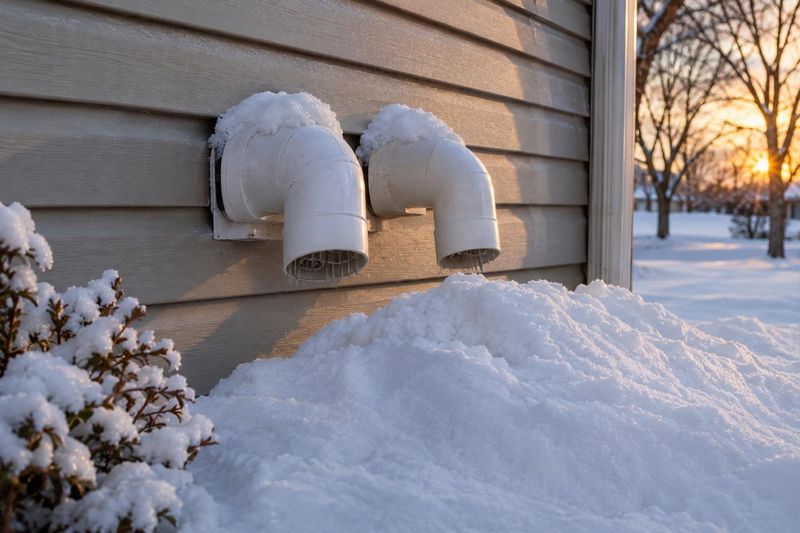
Head outside and look along your house for two white plastic pipes. If you own a high-efficiency furnace, those pipes are its lungs.
One pipe pulls in fresh air and the other pushes exhaust out. A pressure switch watches the flow, and any blockage shuts the burners down right away.
Late fall is prime time for trouble here. Oak and maple leaves pile against foundations, wasps or birds may have built nests, and early frost can form ice around the exhaust opening.
Snow drifts become the next risk once winter arrives in northern Illinois. Keep at least a foot of clear space around the pipes after each storm.
These furnaces also produce water while they run. A small drain line carries it away, and a clog from sludge or a frozen section can trip another safety switch.
Check the drain tubing near the furnace for kinks or standing water. A gurgling sound or a damp floor nearby suggests the line needs cleaning.
Clear debris by hand, never with a tool that could crack the pipe. If ice keeps returning, ask a technician to check the vent slope.
An Oversized Furnace Heats the Thermostat Too Fast
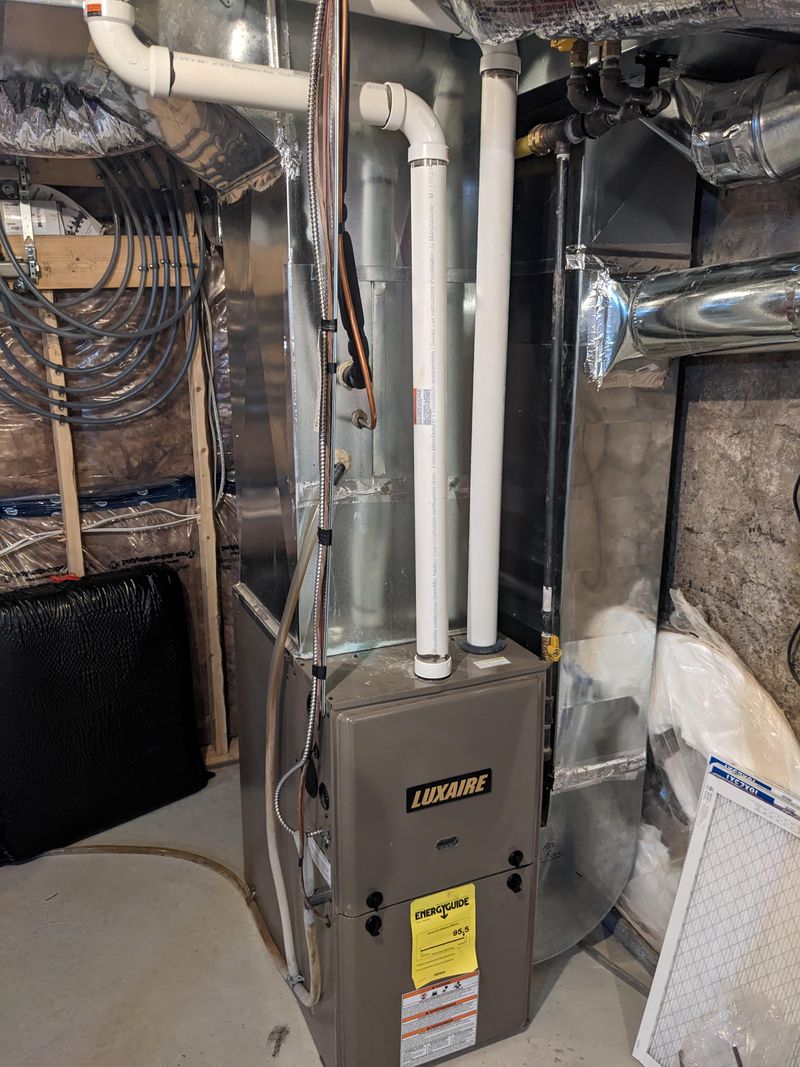
Bigger sounds better when it comes to heat. With furnaces, though, too much power creates its own headache.
An oversized unit blasts warm air so quickly that the thermostat feels satisfied within minutes. The burners shut off before warmth reaches distant rooms, and the cycle repeats soon after.
Mild early November days make this extra obvious. When it is 45 degrees outside, an oversized furnace barely needs to run at all.
Proper sizing comes from a heat load calculation, often called a Manual J. It considers insulation, windows, square footage, and your local climate.
Many older Illinois homes received new windows or extra attic insulation over the years. Those upgrades lower the heating need, so a furnace that once fit well may now be too big.
Replacing a working furnace just for sizing rarely makes sense. A technician may adjust the blower speed or thermostat settings to lengthen cycles instead.
Two-stage and modulating furnaces handle this issue nicely. They run on a low setting most of the time, which keeps cycles long and comfort even.
Keep this in mind when replacement time comes. Ask any contractor for a written load calculation before you sign.
Know When a Short-Cycling Furnace Needs a Pro Visit
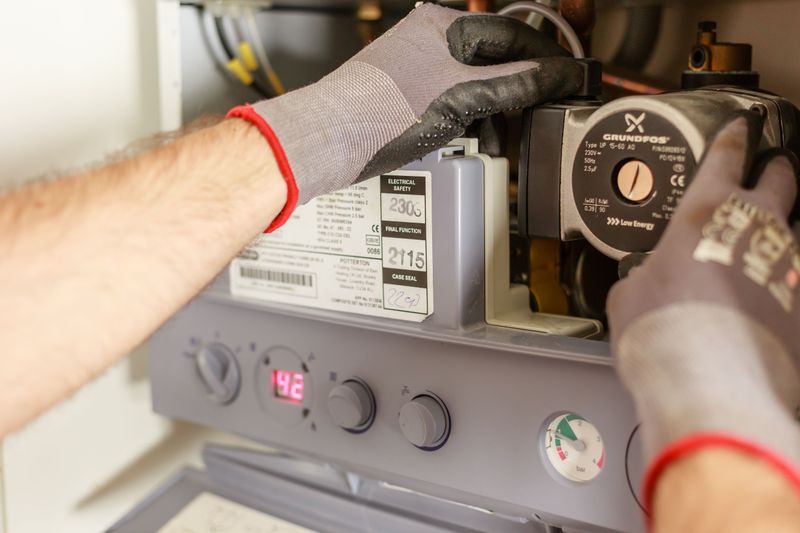
Start with the easy wins this week. Change the filter, open every register, clear the outdoor pipes, and swap the thermostat batteries.
Give the furnace a day to settle and time a few cycles. Runs of ten minutes or more on a cold evening usually mean things are back on track.
If the quick on-off pattern continues, call a licensed HVAC technician. A failing blower motor, weak capacitor, or faulty limit switch needs proper testing tools.
Some warning signs call for faster action. A gas smell, soot around the furnace, yellow flickering flames, or a sounding carbon monoxide alarm all mean you should leave the house and call your gas utility or 911.
Repeated overheating can stress the heat exchanger over time. Cracks are uncommon, but they can let carbon monoxide escape, so an inspection is worth it.
Illinois law requires carbon monoxide alarms within 15 feet of sleeping rooms in most homes. Test yours monthly and replace units based on the date printed on the back.
An annual fall tune-up is your best long-term habit. A steady furnace saves money, lasts longer, and keeps the whole house comfortably warm until spring.