The Hidden Root Problems That Can Make California Lawns Fail After Summer
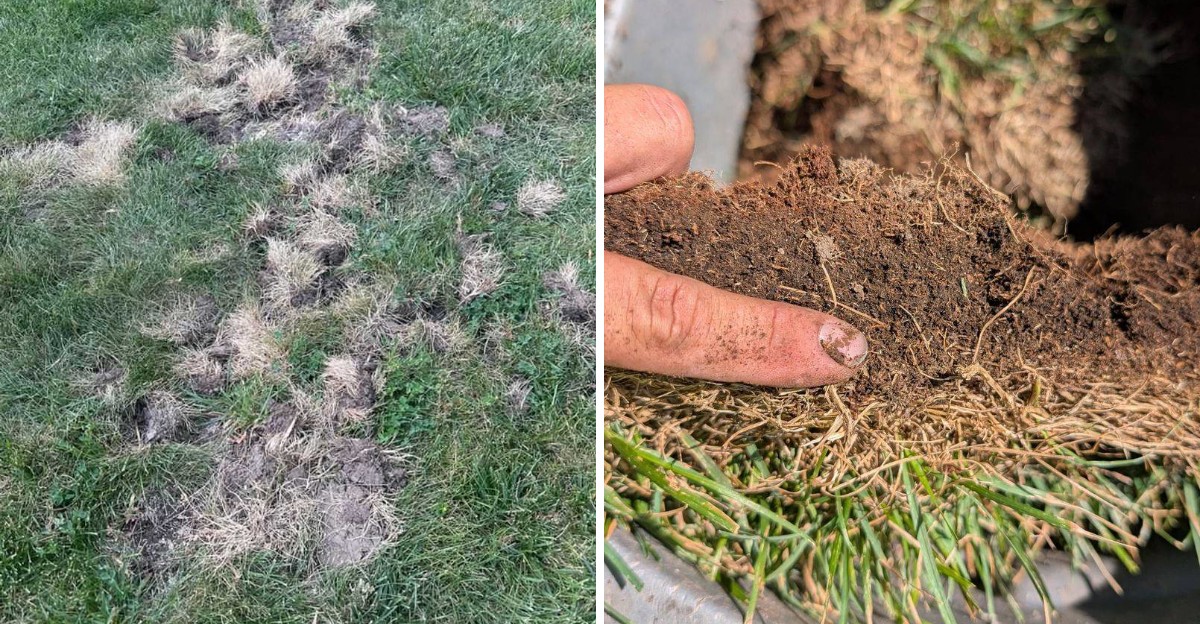
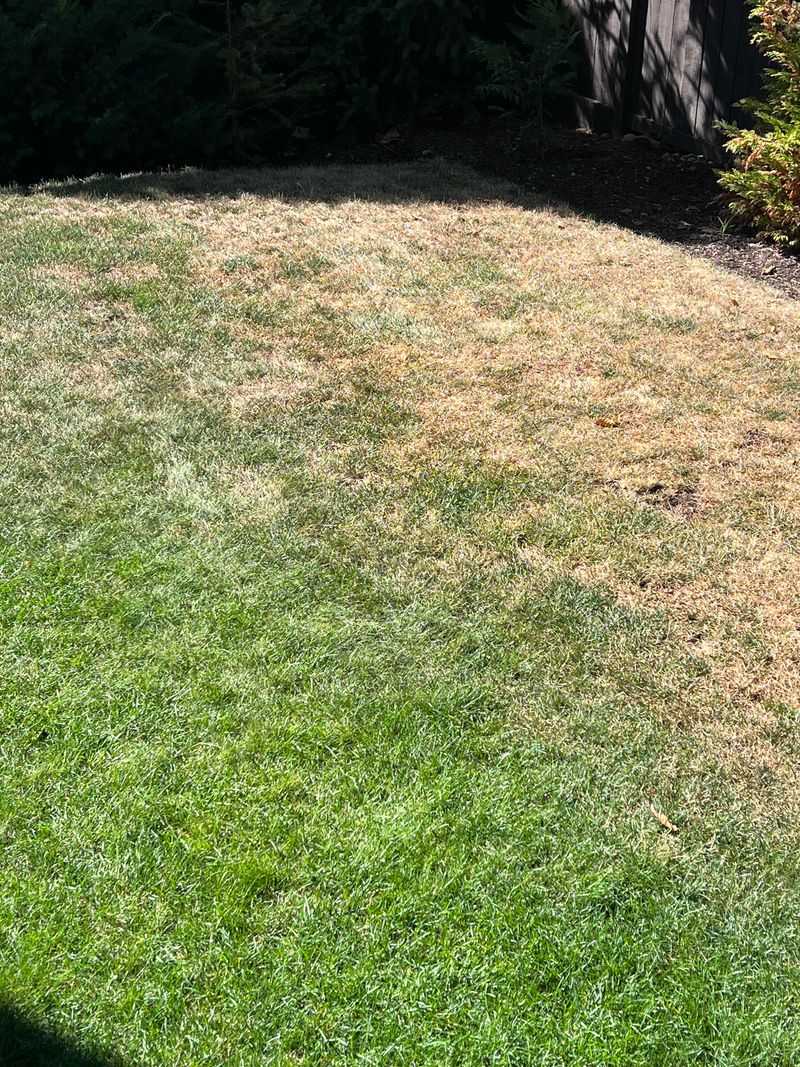
A lawn that looked perfectly healthy in July can surprise its owner by fall. Brown patches spread, thin spots refuse to fill in, and fresh seed seems to make little difference.
The cause often sits out of sight, a few inches beneath the surface.
California’s long dry months, dense clay soils, and scorching afternoons put steady pressure on grass long before any damage shows above ground.
Treating only the visible blades rarely solves the problem when trouble lives lower down.
A simple look beneath the turf usually reveals far more than any amount of guessing from the patio.
The real story of a struggling lawn tends to be written in the soil, waiting for someone willing to dig.
1. Shallow Watering Grows Shallow Roots
Ten minutes of sprinkler time every day feels generous, yet the lawn experiences it differently. Light, frequent watering wets only the top inch or two of soil, so roots stay right there.
Grass roots grow where the water is. When moisture never soaks deeper, roots have little reason to reach down.
All summer the lawn may look green while living paycheck to paycheck. One hot week or a missed watering day, and that thin root zone dries out fast.
UC IPM recommends deep, infrequent watering instead, wetting the soil to the full depth of the root zone, often 6 to 8 inches for many lawns.
Letting the top layer dry a bit before the next watering nudges roots to chase moisture downward.
A long screwdriver or soil probe pushed into the ground an hour after watering shows how deep the water traveled. It slides easily through moist soil and stops at dry ground.
Run times can then be adjusted until the wet zone reaches deep enough.
Clay soil, common across California, absorbs water slowly, so the cycle-and-soak method helps. Sprinklers run briefly, pause for about 30 minutes, then run again.
Water sinks in rather than running down the driveway. Early-morning watering also cuts evaporation and reduces leaf disease.
Fall’s cooler weather makes an ideal time to reset the schedule toward deeper, less frequent cycles.
2. Compacted Soil Blocks Root Growth
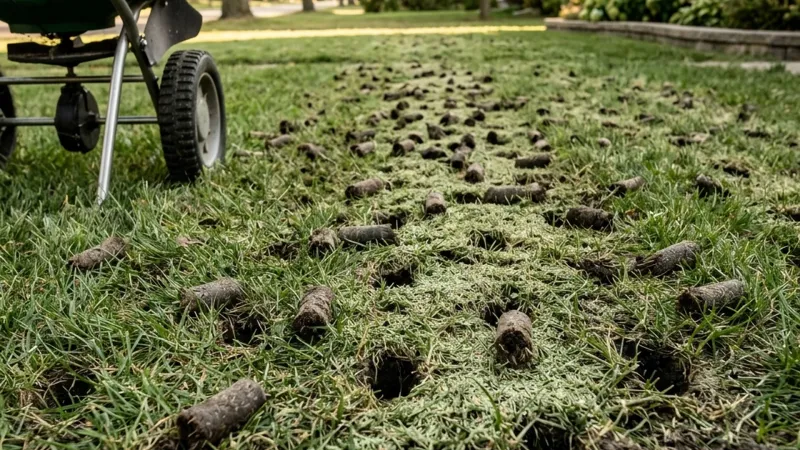
A worn strip of thin grass along a well-used path offers a clear clue. Foot traffic, mowers, and parked cars squeeze soil particles tightly together.
Healthy soil contains tiny open spaces filled with air and water, and compaction crushes them closed.
Roots struggle to push through dense ground, so they spread sideways near the top instead. Water also beads up and runs off rather than soaking in.
California clay soils pack down especially easily, and wet clay compacts even faster. Walking on soggy turf after a deep watering does more harm than most people expect.
Compacted spots often look fine in spring, then fade quickly once summer heat arrives.
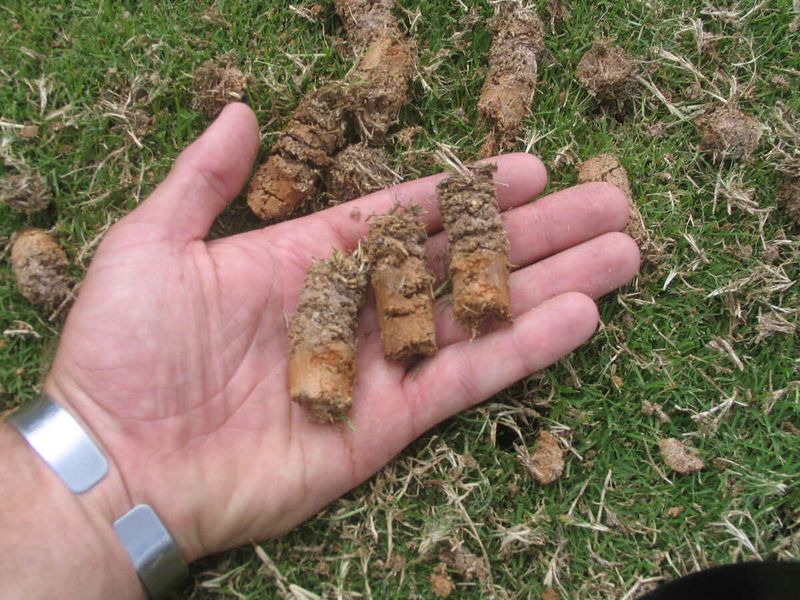
Core aeration offers the main fix UC IPM recommends. An aerator pulls small plugs of soil from the lawn, opening channels for air, water, and roots.
Spike tools that simply poke holes can press soil even tighter, so machines that remove real cores work far better.
Your California Garden Changes Every Week. Your Plan Should Too.
Gardening in California changes quickly throughout the season. Every Friday you’ll receive a simple weekly plan showing exactly what to plant, prune, fertilize, harvest, and protect so you never miss the right timing.
Timing matters. Cool-season grasses such as tall fescue respond best to fall or early spring aeration, while warm-season grasses do best from late spring through summer.
Watering a day or two ahead helps the tines sink in easily. Cores left on the lawn break down naturally within a couple of weeks.
Stepping stones along busy paths reduce future pressure, and October offers a perfect aeration window for cool-season lawns.
3. Thick Thatch Holds Roots Near The Surface
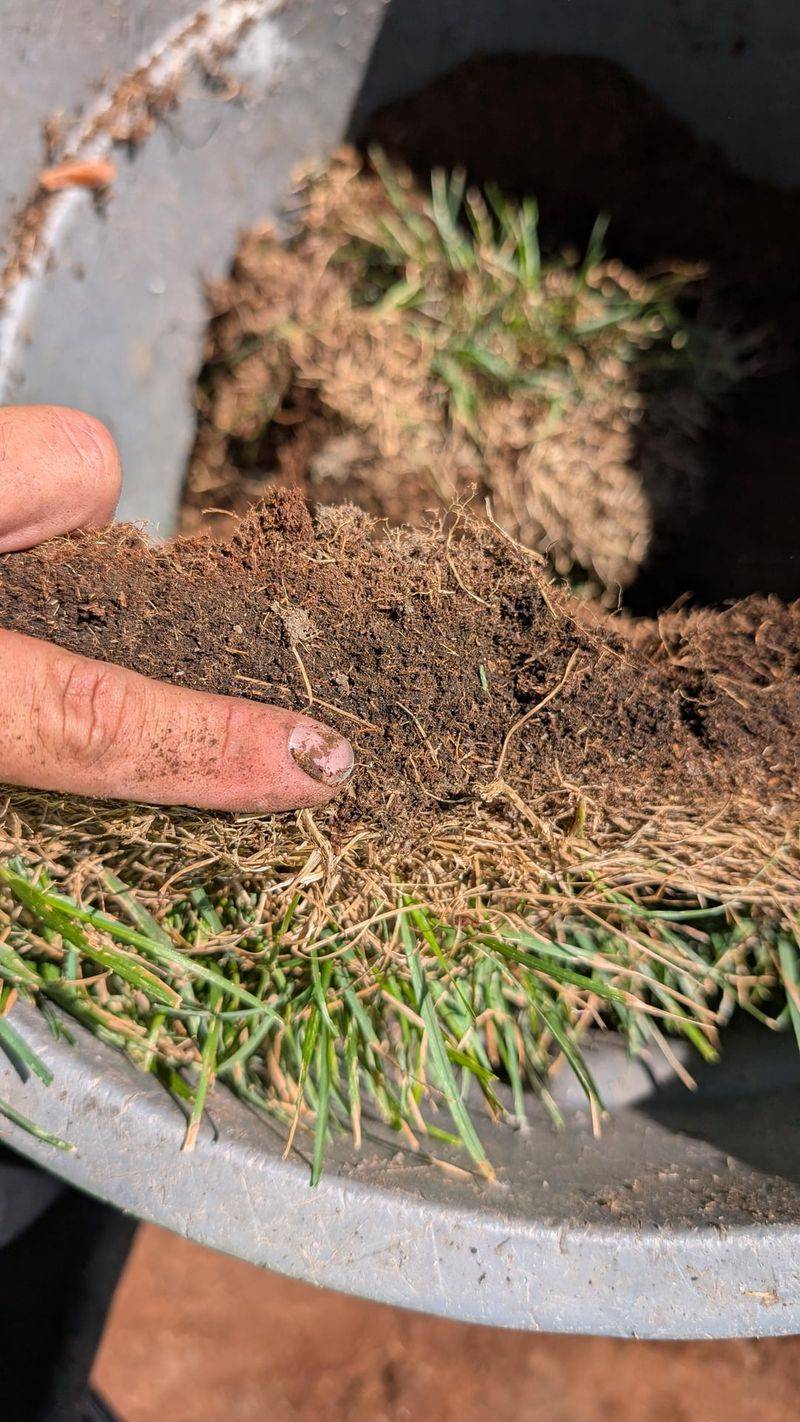
Turf that bounces underfoot like a mattress can seem luxurious, yet that spongy feel often signals a thick thatch layer hiding below the blades.
Thatch is a tangled layer of living and spent stems, roots, and runners between the grass and the soil.
A thin layer, about half an inch or less, actually helps by cushioning feet and shielding soil. Trouble starts when it builds beyond that.
Roots favor thatch for the wrong reasons. Water and fertilizer get caught there, so roots grow up into it rather than down into soil.
Thatch dries quickly in summer heat, leaving those roots stranded, and it can shelter insects and disease.
Vigorous spreading grasses such as bermudagrass, kikuyugrass, and St. Augustinegrass build thatch fastest. Heavy nitrogen feeding and frequent shallow watering make it worse.
Grass clippings aren’t the main cause, so leaving them on the lawn works fine, returning nutrients as they break down.
Measuring is simple. A small wedge cut from the turf shows the layer from the side, and brown, spongy material over half an inch thick calls for action.
A vertical mower, or dethatcher, slices through the layer and lifts it out. Rental shops carry them, and raking up debris and watering well afterward finish the job.
Dethatching works best while grass grows strongly, and core aeration with lighter feeding helps keep thatch from building again.
4. Grubs Feed On Roots From Below
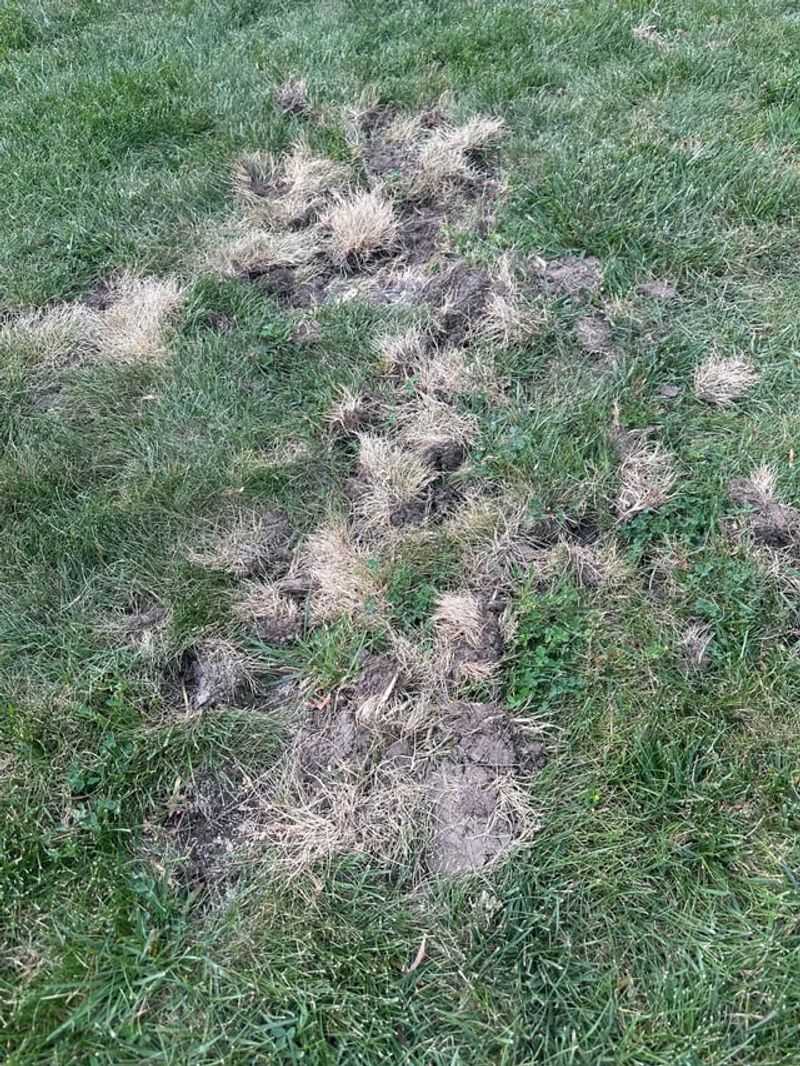
Raccoons tearing up a lawn overnight may actually be pointing to the real problem. They’re often hunting white grubs, and their digging marks the spot.
Grubs are the C-shaped larvae of beetles, and in California, masked chafers and black turfgrass ataenius cause frequent trouble.
They live in the soil and chew through grass roots, so once enough roots are cut, the turf loses its anchor.
Damage appears as irregular brown patches that stay brown despite extra water. A gentle pull offers the real test, since grub-damaged turf rolls back like carpet.
Skunks, birds, and raccoons digging at night provide another strong hint. Flocks of birds pecking at the turf often signal the same thing.
Counting comes before any product. UC IPM suggests cutting several one-square-foot sections of turf on three sides, folding them back, and checking the top few inches of soil.
Healthy, well-watered lawns can often tolerate a handful of grubs per square foot, with thresholds varying by species.
Higher numbers may warrant treatment. Beneficial nematodes can help when applied to moist soil at the right time, and young grubs feeding near the surface are easiest to manage.
Late summer and early fall usually mark that window, so October checks make good sense.
A lawn with deep roots handles grub feeding far better. Proper watering and mowing height give grass enough root reserve to shrug off a light infestation.
5. Root Rot Fungi Thrive In Wet Soil
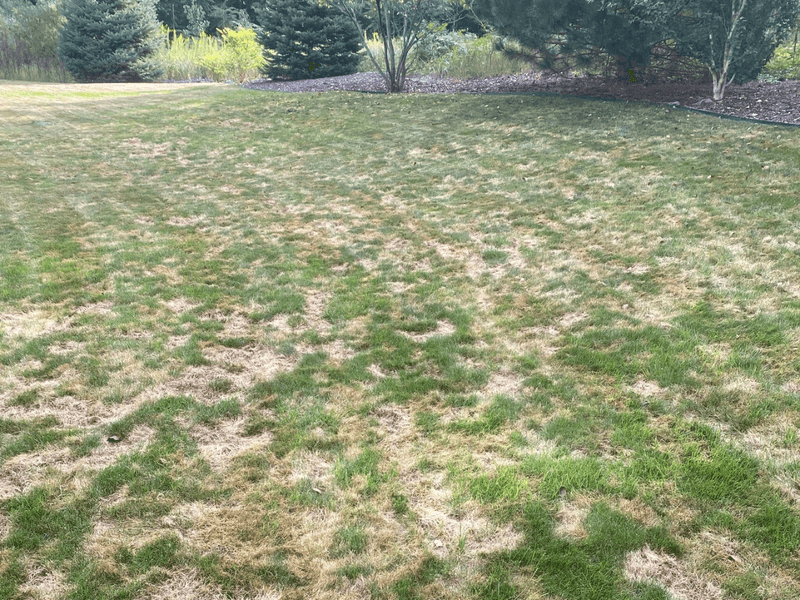
Overwatering can seem like the safest way to protect grass from heat. Ironically, soggy soil invites a different set of problems right at the roots.
Several fungi and fungus-like organisms attack turf roots, including Pythium and the pathogens behind summer patch and take-all patch.
Many thrive when soil stays wet and warm, and infected roots turn brown or black, feel mushy, and stop working.
Above ground, the signs can resemble plain drought stress, with yellowing circles, rings, or irregular patches that keep spreading.
The giveaway is that extra watering makes things worse. Healthy roots look white or tan and feel firm, while rotted ones fall apart easily.
UC IPM stresses that good cultural care makes the best defense. Deep watering only as often as needed, along with repaired sprinklers that overspray or leak, helps considerably.
Evening watering is best avoided, since grass that stays wet overnight gives disease a head start.
Fertilizer plays a role too. Heavy nitrogen in hot weather pushes soft growth that disease attacks easily, so light feeding on the schedule for each grass type works better.
Fungicides work best as a backup, and only after correct identification. UC IPM’s turfgrass disease resources or a plant diagnostic lab can confirm the culprit.
Treating the wrong problem wastes money and leaves the real cause untouched. Improving drainage and aeration often clears mild cases without any product at all.
6. Summer Heat Stunts Root Systems
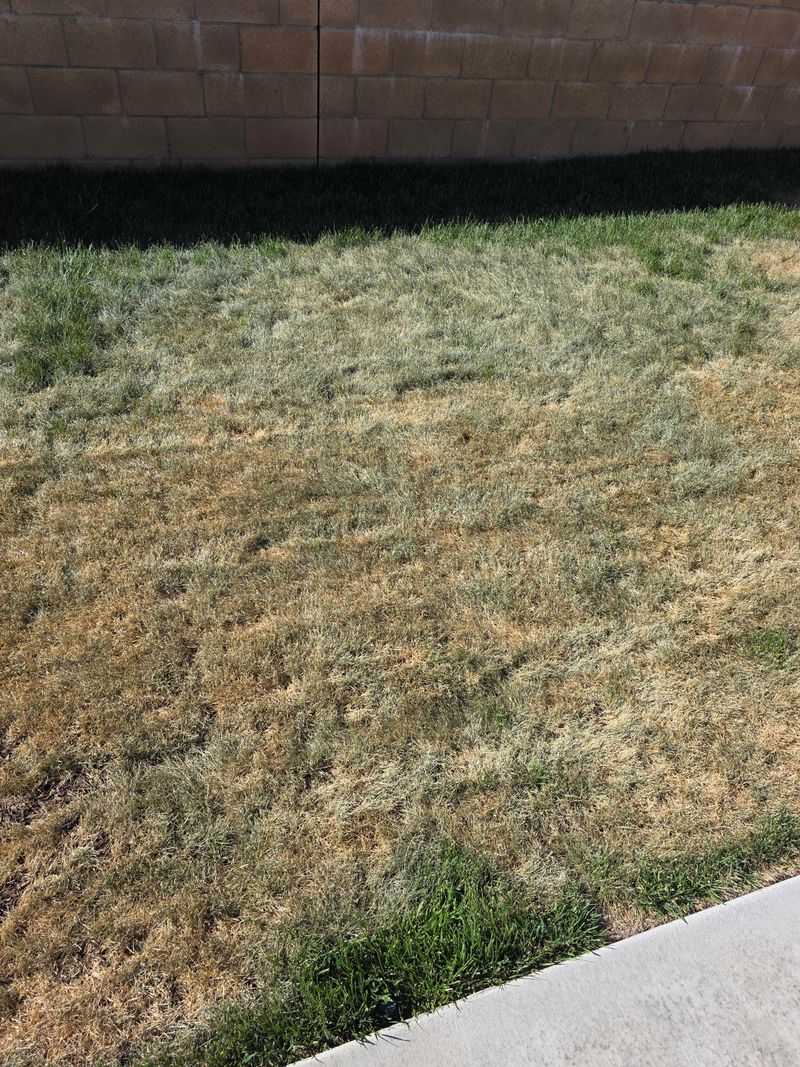
Inland valley summers bake more than patio furniture. When soil heats up, many lawn roots quietly stop growing, and some even shrink back.
Cool-season grasses such as tall fescue, perennial ryegrass, and Kentucky bluegrass grow roots best in mild weather.
Long stretches above 90 degrees push them into survival mode, with less root growth and older roots breaking down.
Warm-season grasses handle heat far better. Bermudagrass, zoysiagrass, and St. Augustinegrass grow strongest in summer, often holding up better in the Central Valley or Inland Empire.
Footprints that stay pressed into the grass, or blades turning bluish gray, offer early signs of heat and drought stress. Prompt deep watering helps.
Mowing higher ranks among the easiest fixes. Taller blades shade the soil and support deeper roots, and many cool-season lawns do well at 2 to 3 inches or more.
A sharp mower blade matters too, since ragged cuts lose more moisture.
Heavy summer fertilizing is best skipped for cool-season grass, since it forces top growth the roots can’t support. Most feeding fits better in fall.
Fall also makes the right time to reseed or overseed cool-season lawns. Roots grow quickly in warm soil and cool air, giving new grass a strong start.
Mid-October through early November offers a prime window across much of California. Warm-season lawns, by contrast, start slowing toward winter dormancy now, so their major renovation work waits until late spring.
7. Poor Drainage Cuts Off Root Oxygen
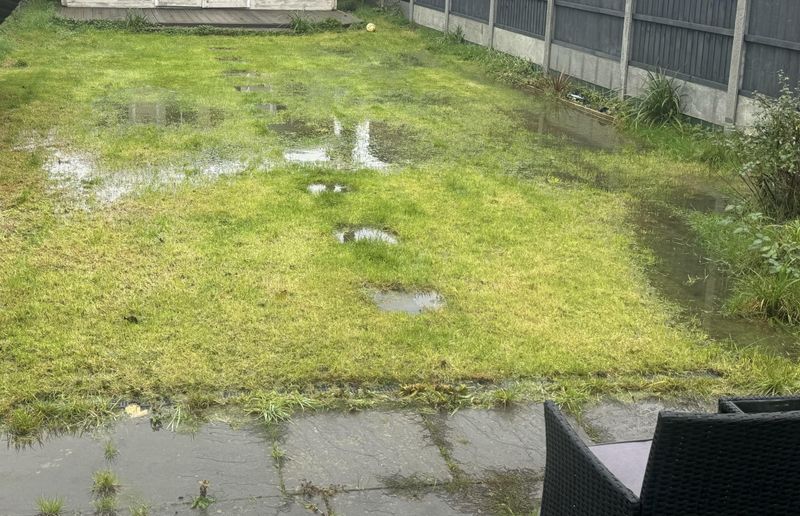
Hours after sprinklers shut off, a low corner of the yard may still squish underfoot. Lingering puddles signal more than a nuisance, since they mean roots are struggling for air.
Roots need oxygen much as leaves need sunlight. In healthy soil, air fills the spaces between particles once excess water drains away.
Waterlogged soil keeps those spaces flooded, so roots stop growing and begin to break down, leaving the lawn shallow-rooted and weak.
Algae, moss, and weeds such as nutsedge often move into soggy spots, and the ground may smell sour or musty when dug.
Finding the source comes first. Downspouts dumping onto the lawn, broken sprinkler heads, and overlapping spray patterns cause many problems, and fixing them may solve the issue alone.
Heavy clay and hardpan prove trickier. Hardpan is a dense layer below the surface that water can’t pass through.
Core aeration helps the top few inches, while deeper hardpan may need breaking up before replanting.
Low areas can be gently regraded so water flows away from the lawn and the house. In stubborn spots, a French drain or dry creek bed carries extra water elsewhere.
A thin layer of compost after aerating also improves soil structure over time.
Sometimes the smartest fix involves changing plants. A rain garden with water-tolerant natives can turn a soggy problem area into a bright spot.
8. Check Roots With A Shovel Before Reseeding
Bags of grass seed look tempting in fall, yet ten minutes with a shovel can reveal what the lawn actually needs.
A plug about 6 inches deep, cut from the edge of a struggling area where brown meets green, makes the best sample.
A second plug from a healthy spot offers a comparison, with both lifted out gently and laid side by side.
Root depth comes first. Healthy roots often reach several inches down, while roots stuck in the top inch or two point to watering, thatch, compaction, or heat stress.
The thatch layer above the soil deserves a measurement too, ideally about half an inch or less.
Root color and texture tell more. White or tan and firm signals good health, while brown, black, or mushy roots suggest rot, especially in soggy soil.
A sour smell from the soil hints at poor drainage.
Grubs often turn up during the dig. A few may be fine, though many C-shaped larvae and roots that snap off easily signal insect trouble.
A screwdriver pushed into nearby ground adds one more check, since strong resistance points to compacted soil.
Each finding links to a fix. Deep watering helps shallow roots, aeration loosens compaction, dethatching clears buildup, and drainage repairs rescue soggy spots.
Targeted treatment handles heavy grub counts. Fixing the cause first, then reseeding, gives new grass a real foundation rather than the same old trouble.