Why Blueberry Leaves Turn Yellow In California And How To Fix It
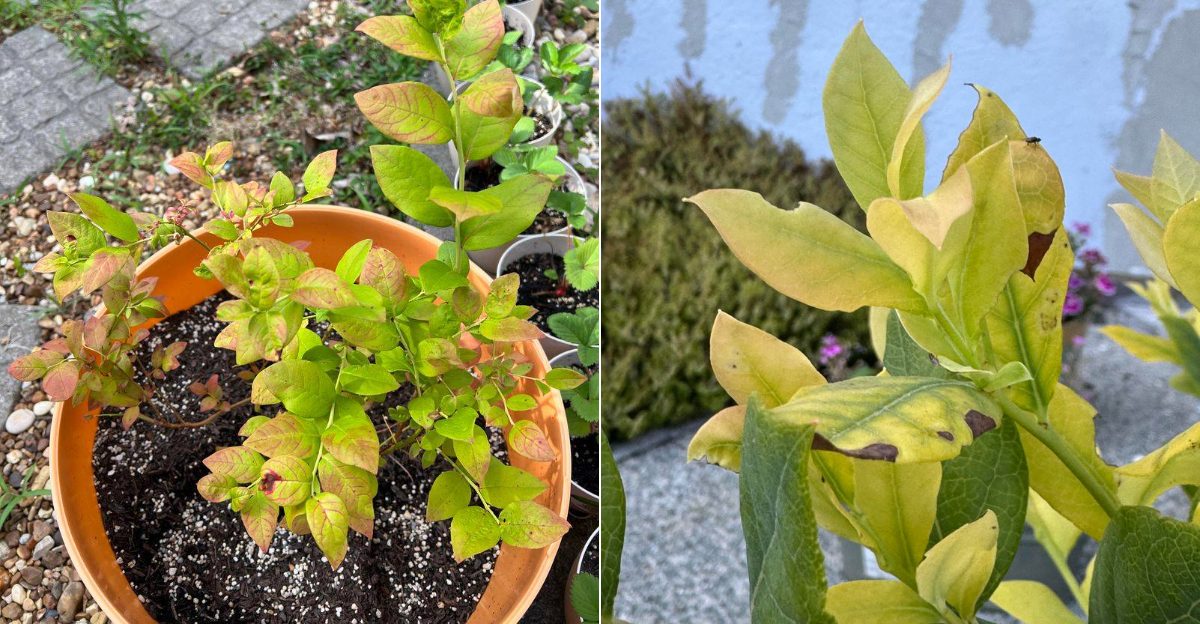
Blueberry bushes have a special way of making yellow leaves feel like an emergency. One day, the plant looks lush and promising.
Soon, the foliage starts fading, and every pale patch seems to whisper that something has gone wrong. Growing conditions in California can make the mystery especially frustrating.
A blueberry may receive regular care and still look unhappy, leaving gardeners to wonder which part of the routine needs attention. These plants are particular little characters, after all.
The color change may begin quietly before spreading across the bush. That makes it tempting to try several fixes at once, but guessing can create even more stress for the plant.
A closer look at the leaf pattern and surrounding soil can point toward the real issue. Once the cause becomes clear, the right correction can help the bush recover and return its attention to producing the berries everyone actually planted it for.
1. Alkaline Soil Is The Biggest Clue
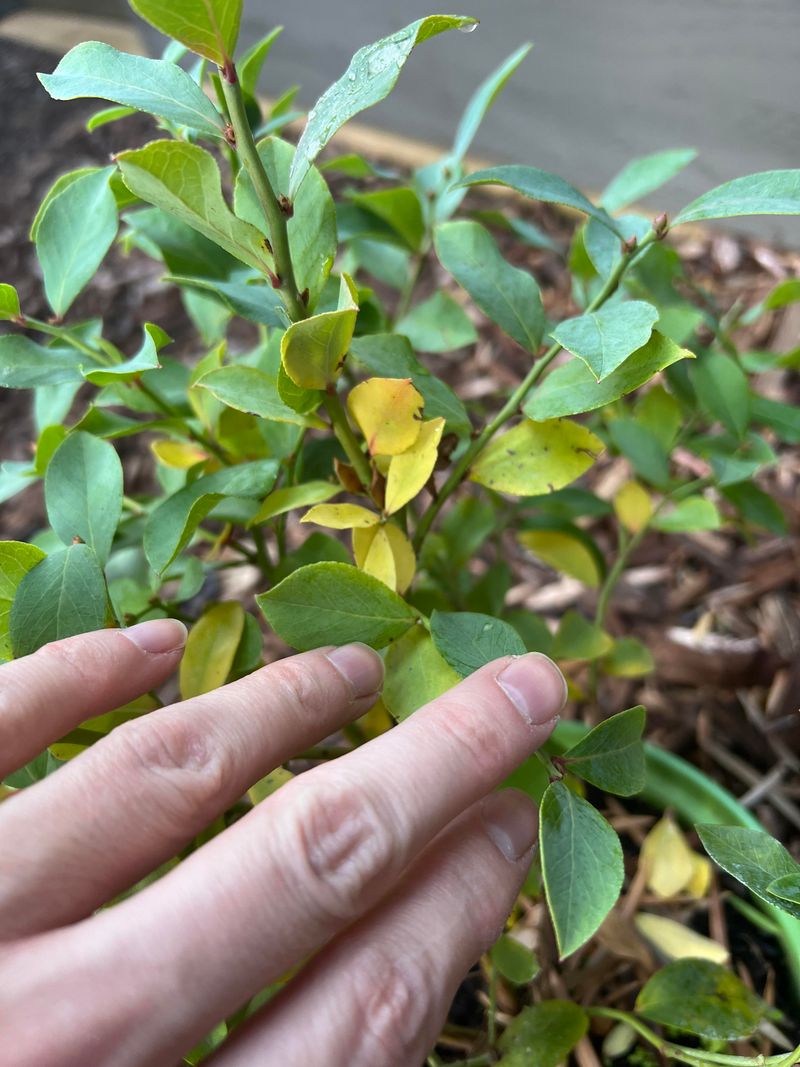
Most people do not realize that soil pH is one of the first things to check when blueberry leaves start turning yellow. Blueberries need soil with a pH between 4.5 and 5.5 to grow well.
When the pH is higher than that, nutrients get locked up in the soil and the roots simply cannot absorb them.
Across much of California, native soil tends to be alkaline, meaning the pH is often above 7.0. That is way too high for blueberries.
Even if you add fertilizer, the plant cannot use those nutrients when the soil pH is wrong. The leaves turn yellow because the plant is essentially starving, even with food all around it.
Testing your soil is easy and affordable. You can buy a simple pH test kit at any garden center or hardware store.
Once you know your soil’s pH, you can start fixing it. Sulfur is one of the best amendments for lowering soil pH over time.
Apply it according to package directions and retest after a few weeks.
For faster results, mix in acidic materials like peat moss or pine bark when planting. Raised beds filled with specially blended acidic soil mixes work great in areas where native soil is tough to change.
Getting the pH right is the foundation of everything else.
2. High-pH Water Can Cause Yellow Leaves
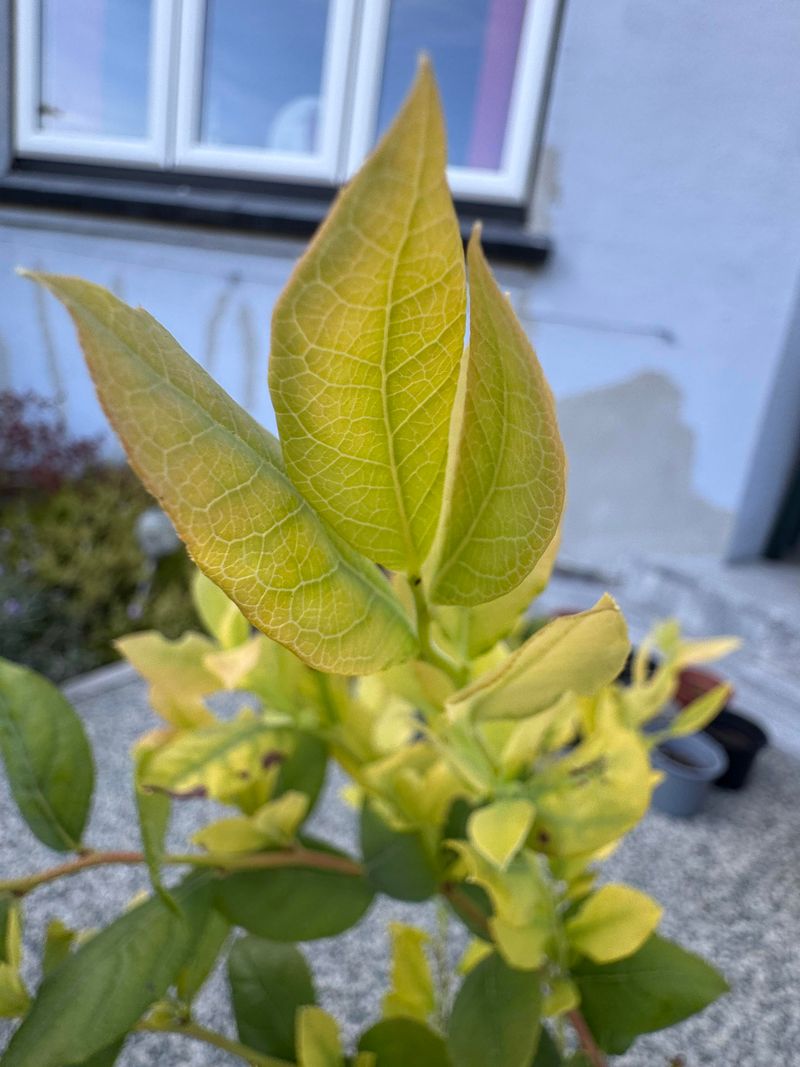
Even if your soil pH is perfect, the water you use can slowly push it back up. Tap water in many parts of our state has a pH between 7.5 and 8.5.
Every time you water your blueberries with high-pH water, you are nudging the soil toward alkaline conditions again.
Over time, this buildup can undo all the work you put into acidifying your soil. The roots start struggling to pull in iron and other nutrients.
The leaves begin to lose their deep green color and fade to a sickly yellow. Many growers spend money on fertilizer and amendments but never think to check their water.
A simple fix is to add a small amount of white vinegar or citric acid to your water. Just a tablespoon of white vinegar per gallon can lower the pH enough to make a real difference.
Your California Garden Changes Every Week. Your Plan Should Too.
Gardening in California changes quickly throughout the season. Every Friday you’ll receive a simple weekly plan showing exactly what to plant, prune, fertilize, harvest, and protect so you never miss the right timing.
You can also buy pH-down solutions made specifically for garden use.
Testing your tap water with a basic pH strip takes about thirty seconds. If your reading is above 7.0, it is worth adjusting before each watering session.
Rainwater is naturally slightly acidic, so collecting it in a barrel is another smart and low-cost solution. Consistent attention to water quality makes a noticeable difference in plant health over just a few weeks.
3. Iron Chlorosis Shows Up Between Veins
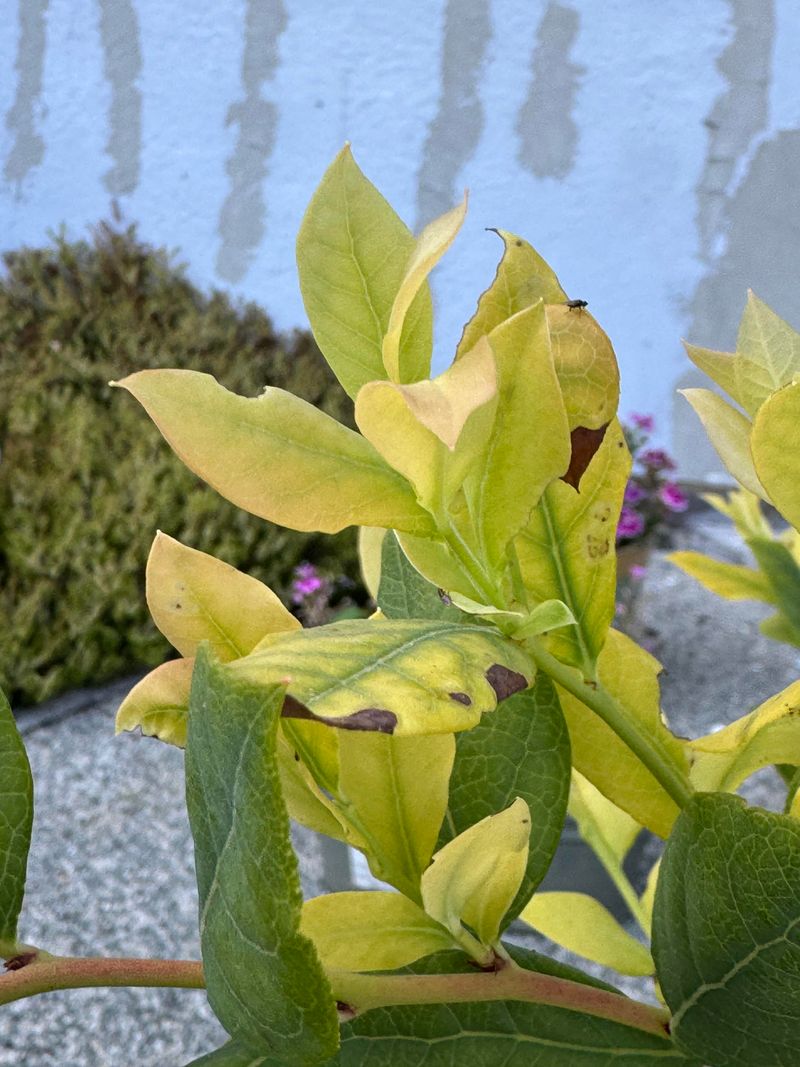
One of the most telling signs of a nutrient problem is when the leaf tissue turns yellow but the veins stay green. This pattern is called interveinal chlorosis, and it almost always points to an iron deficiency.
It looks like someone painted yellow between the green lines of the leaf.
Iron chlorosis is extremely common in California because of the naturally alkaline soils and hard water. Even when iron is present in the soil, a high pH prevents roots from absorbing it properly.
The plant cannot make chlorophyll without iron, and without chlorophyll, leaves cannot stay green.
Chelated iron is one of the fastest ways to fix this problem. Unlike regular iron fertilizers, chelated iron stays available to roots even in higher-pH conditions.
You can find it at most garden centers, and it comes in both granular and liquid forms. Liquid forms tend to work faster because they can also be sprayed directly onto leaves.
Foliar sprays of chelated iron give your plant a quick boost while you work on fixing the underlying soil conditions. Spray the leaves in the early morning so they dry before the heat of the day.
Repeat every two weeks until new growth comes in green. Fixing the pH long-term will prevent the problem from coming back season after season.
4. Mulch Helps Keep Roots Cool And Acidic
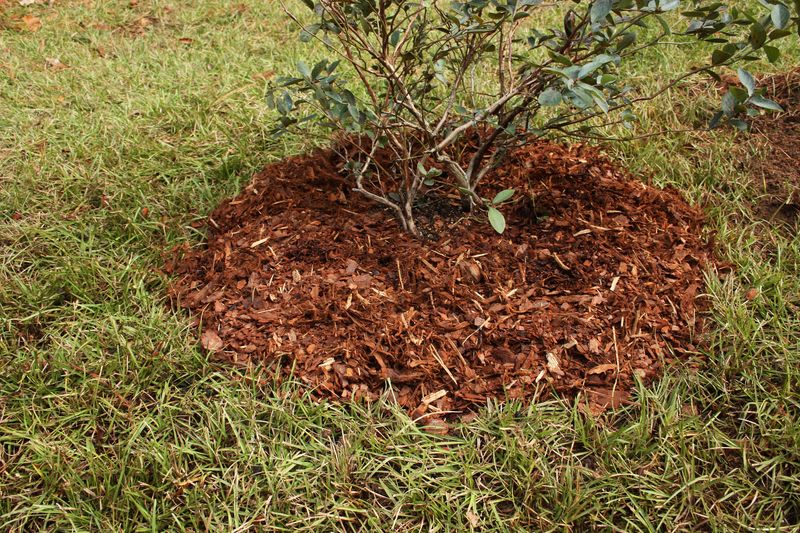
Mulch might seem like a simple garden trick, but for blueberries it does something really powerful.
A thick layer of the right mulch keeps soil temperatures cool, holds in moisture, and slowly releases acids into the soil as it breaks down.
That is a lot of work for something you just spread on the ground.
In the hot, dry summers common across much of California, soil temperatures near the surface can get dangerously high. Blueberry roots are shallow and fine, meaning they sit right in that hot zone.
Without protection, those roots get stressed quickly and the plant starts showing it through yellow leaves and poor growth.
Pine bark, wood chips, and pine needle mulch are the best choices for blueberries. They are slightly acidic and break down slowly over time.
Spread them about three to four inches deep around the base of each plant, keeping the mulch a few inches away from the main stem to prevent rot.
Reapply mulch once or twice a year to keep the layer thick and effective. Over time, the decomposing mulch actually improves the soil structure and adds organic matter.
Gardeners in warmer inland areas of our state especially benefit from mulching, since their summers are more intense. It is one of the easiest long-term investments you can make for blueberry health.
5. Blueberries Hate Dry Root Zones
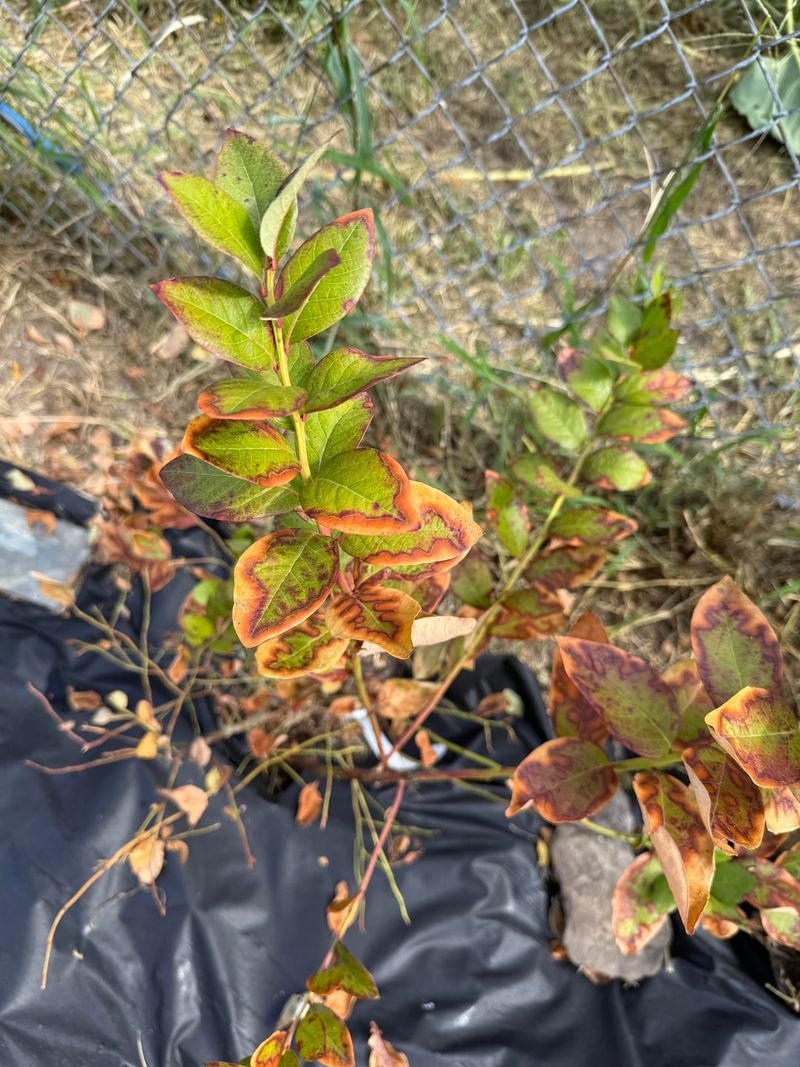
Shallow roots make blueberries more sensitive to drought than most fruit plants. When the top few inches of soil dry out, the plant feels it almost immediately.
Leaves start to droop, then yellow, and eventually the whole plant looks worn out even if it was doing fine just a week before.
Hot, dry summers can quickly drain moisture from the soil, especially in raised beds and containers.
Even if you watered recently, a stretch of high temperatures combined with low humidity can pull moisture out faster than you expect.
Checking soil moisture by sticking your finger two inches into the ground is the simplest and most reliable method.
Blueberries do best with consistent, even moisture throughout the growing season. Drip irrigation is a great tool for keeping roots evenly watered without wasting water on the surface.
It delivers moisture right to the root zone and reduces evaporation significantly.
Water deeply but not too frequently. The goal is to keep the soil moist, not soggy.
Watering every two to three days during peak summer heat is usually enough for most garden beds. In containers, you may need to water more often because pots dry out faster than ground soil.
Pairing good watering habits with a thick layer of mulch is one of the most effective combinations for keeping blueberry roots happy all summer long.
6. Overwatering Can Suffocate Fine Roots
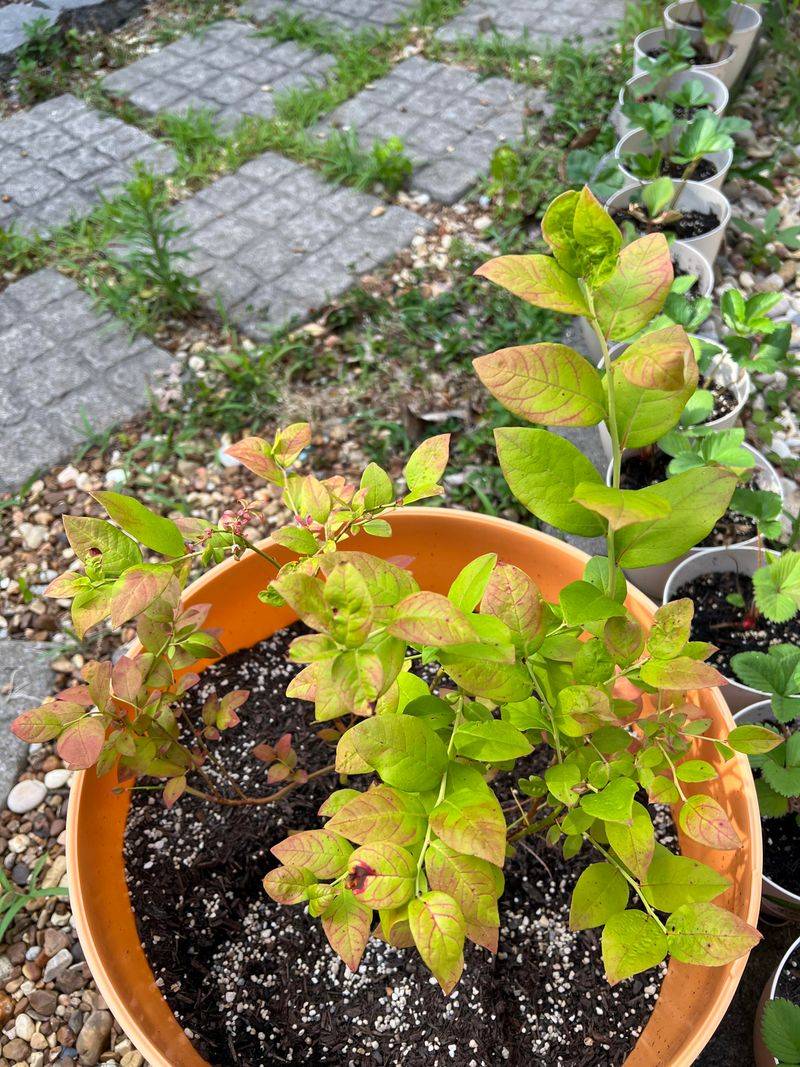
Too much water is just as harmful as too little, and it is a mistake many well-meaning gardeners make. When soil stays waterlogged for too long, oxygen cannot reach the roots.
Without oxygen, roots begin to struggle and the plant cannot take up water or nutrients properly, even though it is sitting in plenty of both.
The tricky part is that overwatered blueberries look a lot like underwatered ones. Leaves turn yellow, the plant looks tired, and growth slows down.
Many people see those yellow leaves and add more water, making the problem worse without knowing it. Checking soil moisture before watering is the best way to avoid this cycle.
Good drainage is essential for blueberries. If your soil holds water for more than a day or two after rain or irrigation, it is too dense.
Adding perlite, coarse sand, or pine bark to the planting mix helps improve drainage significantly. Raised beds naturally drain better than flat ground in heavy clay soils.
In northern parts of California where winter and spring rains are heavy, this problem shows up more often during the cooler months. Watch for yellowing that starts at the bottom of the plant and works upward.
That pattern often points to root stress from excess moisture. Adjusting your watering schedule based on the season and recent rainfall will protect your plants year-round.
7. Hot Containers Stress Blueberries Fast
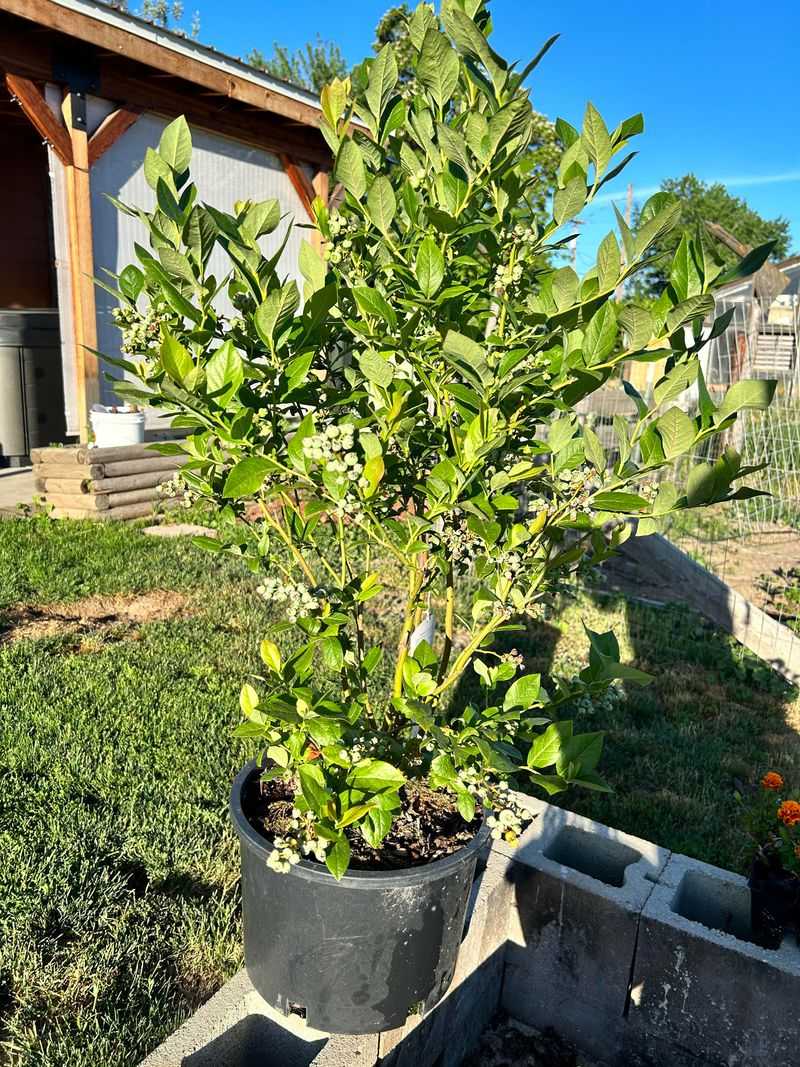
Growing blueberries in containers is popular in urban areas and smaller yards, but pots come with their own set of problems. One of the biggest is heat.
Dark-colored plastic pots sitting in direct sun can heat up to temperatures that are damaging to roots in just a few hours on a hot afternoon.
When root temperatures get too high, the plant shuts down its normal functions. Nutrient uptake slows, water movement through the plant becomes less efficient, and leaves start to yellow from the stress.
Blueberries grown in containers often show signs of heat stress faster than those planted in the ground because there is so much less soil to buffer the temperature swings.
Switching to light-colored containers or wrapping dark pots with burlap or reflective material can make a noticeable difference. Ceramic and fabric grow bags also tend to stay cooler than plastic.
Placing containers on a shaded surface or moving them to a spot with afternoon shade during the hottest months helps a lot.
Container soil also dries out much faster than garden beds, so check moisture levels daily during summer. Use a well-draining, acidic potting mix made for blueberries or azaleas.
Repot your plant every two to three years to refresh the soil and prevent nutrient depletion.
With a few thoughtful adjustments, container-grown blueberries can thrive even in the warmest parts of California.
8. Too Much Fertilizer Can Burn Roots
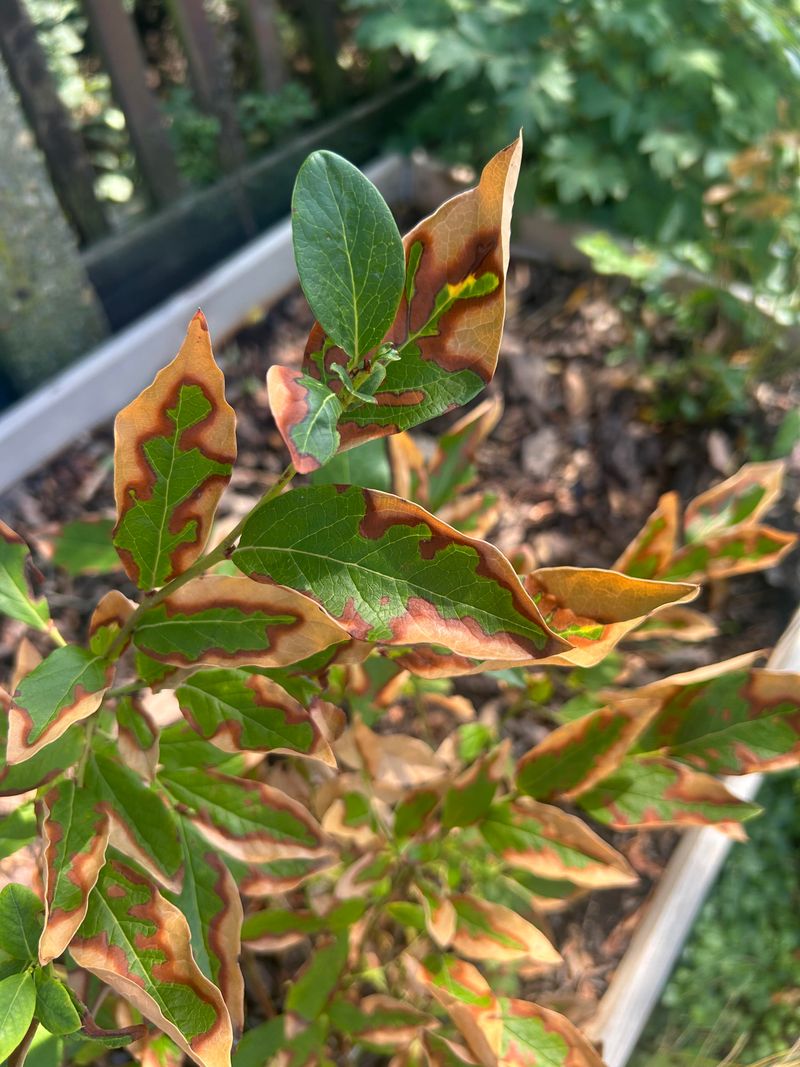
More fertilizer does not always mean a healthier plant. In fact, too much fertilizer can cause real damage to blueberry roots through a process called fertilizer burn.
When there is too much salt from fertilizer in the soil, it pulls water out of the roots instead of letting the roots absorb it. The plant dries out from the inside, and leaves turn yellow or brown at the tips.
This is especially common when gardeners use too much nitrogen or apply fertilizer to dry soil. Blueberries are sensitive to over-fertilization, and their fine, shallow roots are the first to show the damage.
The leaves may yellow quickly, and you might also notice a white crusty buildup on the soil surface near the base of the plant.
Always water your plants thoroughly before applying any granular fertilizer. This helps dilute the concentration and reduces the risk of burning roots.
Follow package directions carefully and do not assume that doubling the dose will speed up results. Less is genuinely more with blueberries.
Choose a fertilizer made for acid-loving plants, like one formulated for azaleas or rhododendrons. These products are gentler and better matched to what blueberries need.
Fertilize in early spring and again in late spring, but skip late summer feeding since it can push new growth that gets damaged by cooler fall temperatures. Keeping a consistent, measured routine protects your plants through every season.