The Hunchbacked Jumpers Crowding Texas Garages This Fall Aren’t Spiders
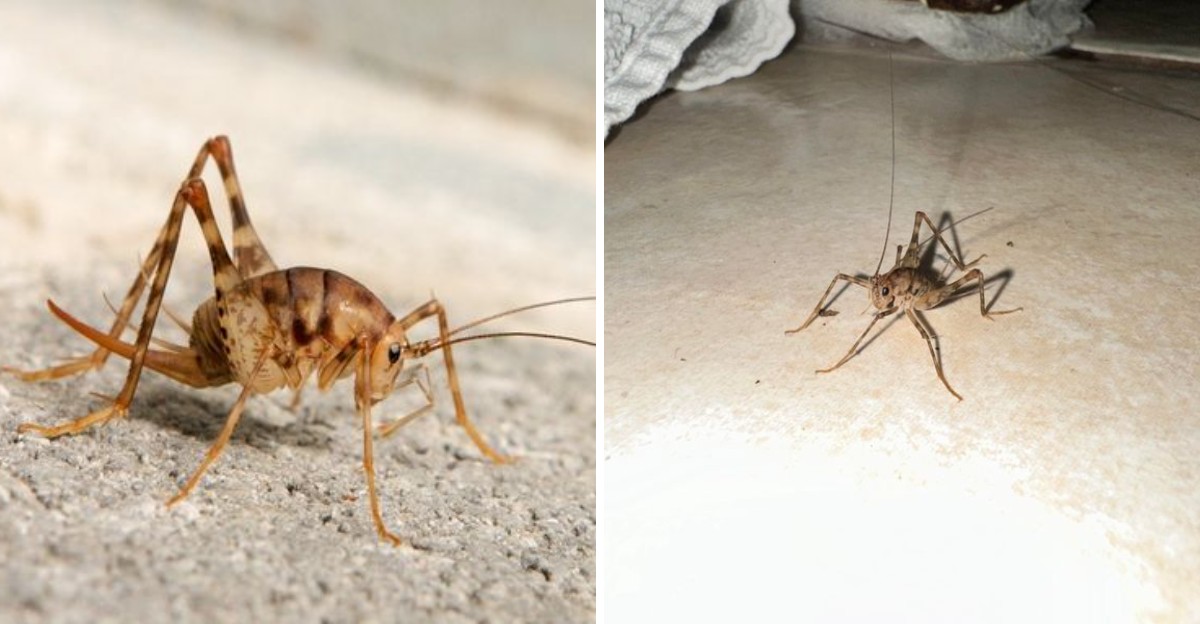
Some garage visitors can leap many times their own body length, yet they never make a single chirp. Nobody warned me that a silent, humpbacked hopper could make a grown gardener shriek over a bag of potting soil.
I used to blame the long, spindly legs on some new kind of spider. To my surprise, a closer look tells a different story. Count the legs and you will find six, not eight, plus antennae that can stretch longer than the body.
Across Texas, these jumpy guests tend to show up when cooler, damp fall weather nudges them toward shelter. Your garage, with its shady corners and stacked boxes, can feel like a five-star cave to them.
Personally, I find them more fascinating than frightening once I understand them. So what are they, why do they pick your garage, and how do you send them packing?
1. Six Legs And Long Antennae Give This Spider Look-Alike Away
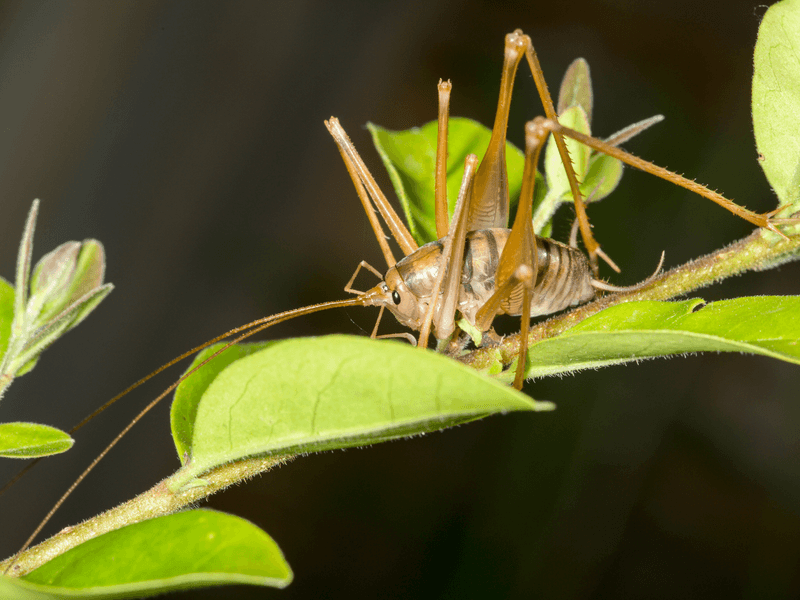
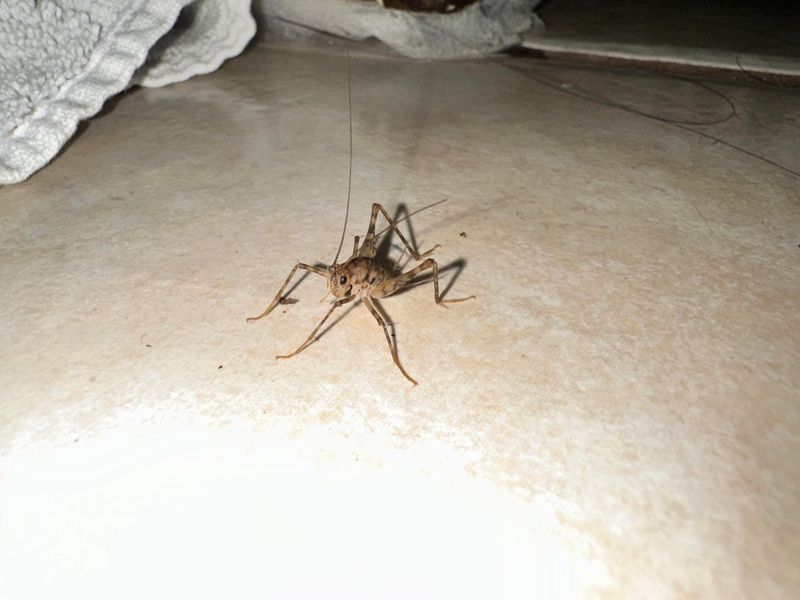
Count the legs before you grab the broom. Spiders carry eight legs and no antennae, while your mystery jumper has six legs and two very long, thread-like antennae.
That one detail tells you it is an insect, not an arachnid. Most garage jumpers in Texas turn out to be camel crickets, also called cave crickets or spider crickets. They belong to a cricket family named Rhaphidophoridae.
The humped back is another clue. Seen from the side, the body arches up like a tiny camel, which is where the common name comes from.
Their colors usually range from light tan to brown, often with darker bands or mottled patches. Adults run roughly half an inch to over an inch long, not counting those dramatic legs and antennae.
The huge back legs look a bit like grasshopper legs. They are built for springing, not running, so the insect tends to launch suddenly instead of scurrying away.
Unlike field crickets, camel crickets have no wings. That means no flying and no chirping, so the garage stays eerily quiet even when several are hiding inside.
Once you spot these features, the panic fades fast. Calling it a cricket instead of a spider changes how you handle it.
2. Cool Damp Fall Nights Push Camel Crickets Toward Your Garage
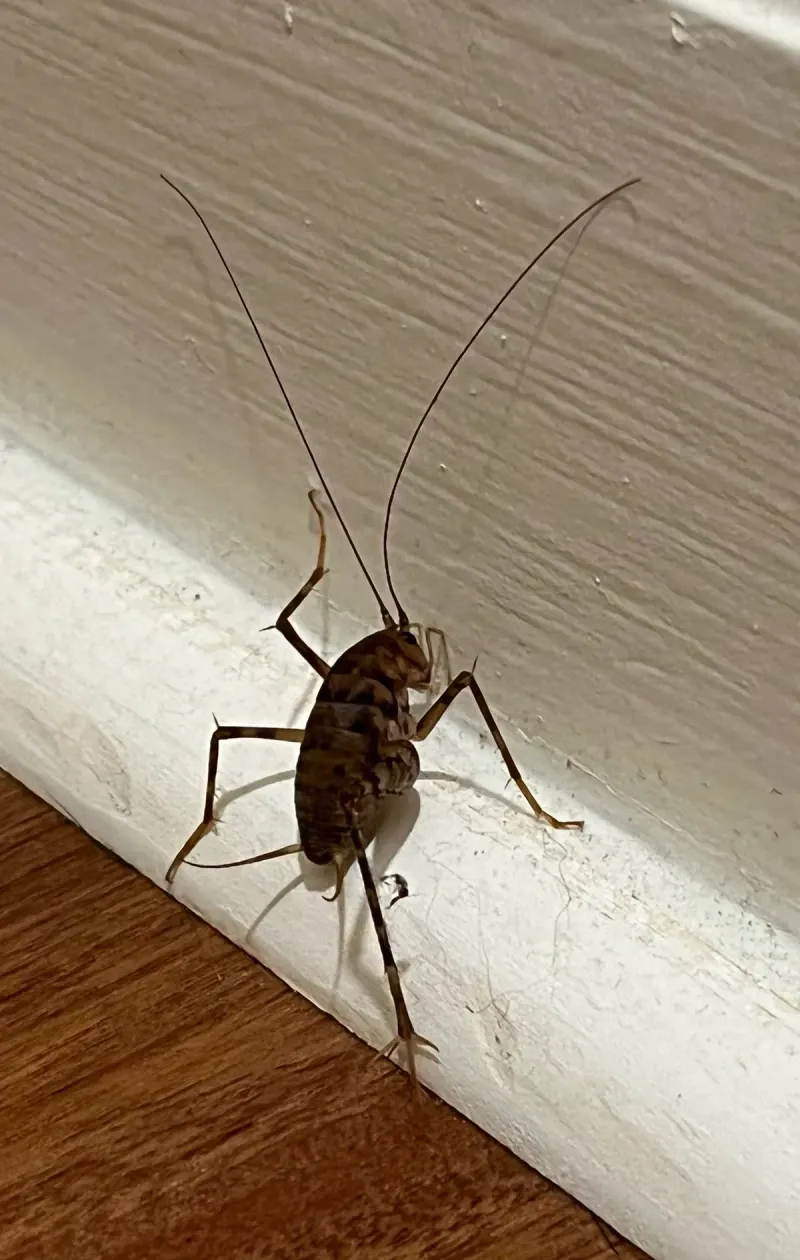
Shelter is the whole story here. Camel crickets naturally live in caves, under logs, beneath rocks, and inside hollow trees where the air stays cool and humid.
When fall weather shifts, outdoor hiding spots can get less comfortable. A garage offers shade, steady temperatures, and plenty of dark corners, so it becomes an easy stand-in for a cave.
Hot, dry spells can push them indoors too. In much of Texas, long dry stretches send these moisture lovers searching for any damp, protected space.
I once found a whole cluster behind a water heater and laughed at how cozy they looked. They had picked the dampest, darkest spot in the room with impressive precision.
Camel crickets are mostly active at night. During the day they tuck into cracks, behind shelves, and under stored items, which is why a late trip to the garage often triggers the jump scare.
Unlike many night insects, they are not strongly drawn to porch lights. Darkness and humidity matter far more to them than a glowing bulb.
So the visit is not personal. Your garage simply happens to check the boxes they care about most when the season turns.
3. That Leaky Garage Pipe Might Be Rolling Out The Welcome Mat
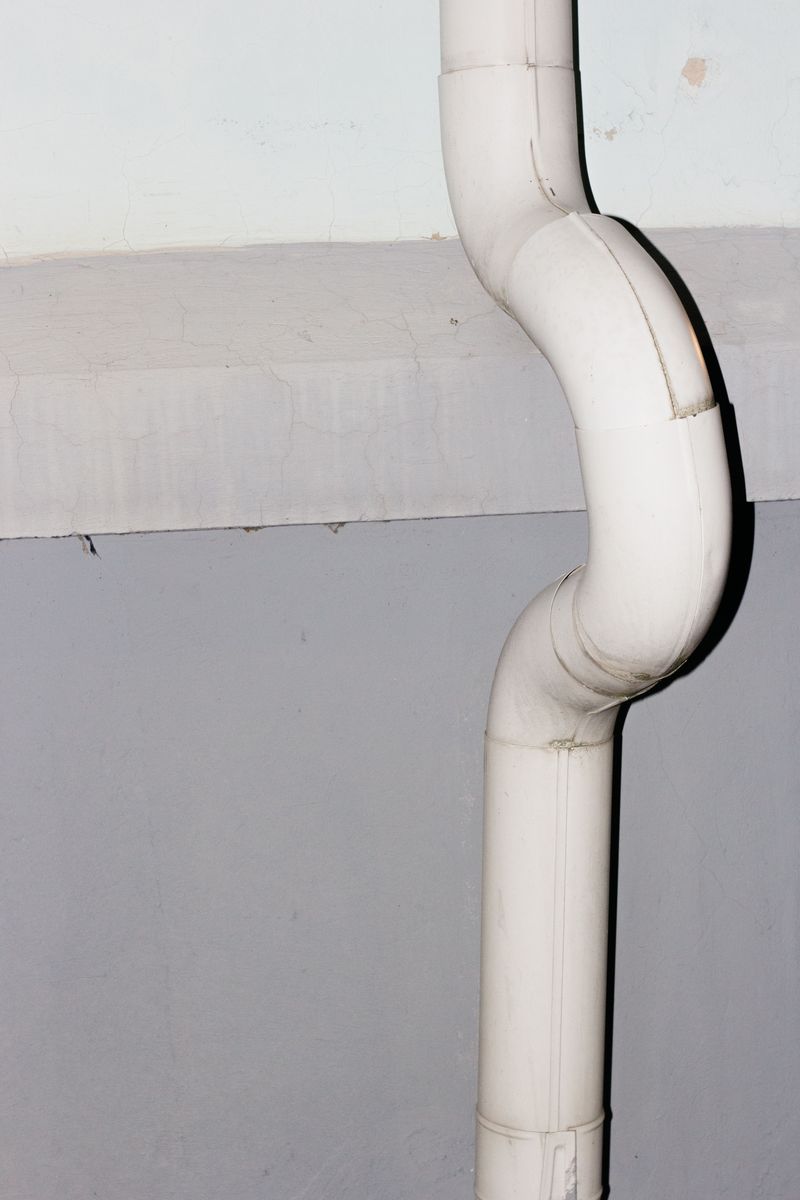
Moisture is the magnet. Camel crickets lose water easily, so they hunt for humid places where they can stay comfortable without drying out.
A small leak under a utility sink can be enough. Condensation around a water heater, a sweaty washing machine hose, or a damp floor drain can all create the soft humidity they love.
Poor airflow makes things worse. A closed-up garage traps moist air, especially after rainy fall days, and that dampness lingers in corners.
Cardboard boxes sitting straight on concrete are a sneaky problem. The concrete can wick moisture up, the cardboard soaks it in, and suddenly you have a damp, dark hideout with food nearby.
Try a quick evening check with a flashlight. Look under shelves, behind appliances, and around drains, then note where the floor feels cool and clammy.
Fixing drips is the best first move. Running a dehumidifier, opening the garage door on dry days, or adding a vent fan can lower humidity noticeably.
You will notice a bonus right away. Lower moisture also helps protect stored seed packets, potting mixes, and garden tools from mildew and rust.
4. Startling Leaps But No Bite From These Silent Crickets
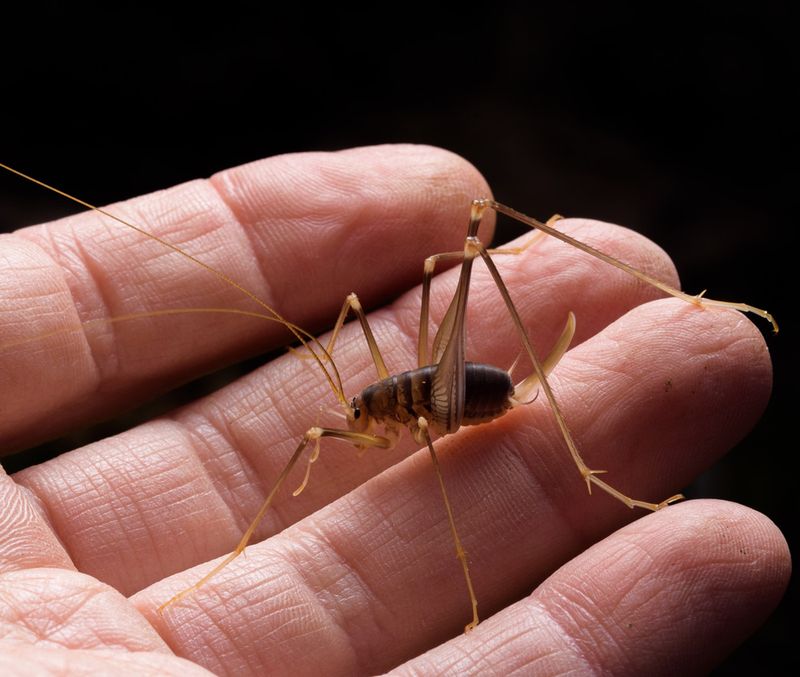
Believe it or not, that sudden leap toward your face is a defense move. When a camel cricket feels threatened, it jumps in any direction to confuse a predator, and sometimes that direction happens to be you.
The good part is that they are harmless to people and pets. Camel crickets do not bite people, do not sting, and carry no venom.
They are not known to spread disease to humans either. Health agencies treat them as nuisance pests rather than a medical concern.
Their quiet nature surprises plenty of folks. With no wings, they cannot rub wings together to chirp like the field crickets singing in your flower beds.
Still, a large group can be annoying. They are scavengers that eat fungi, plant bits, other insects, and organic debris, and indoors they may chew on fabric, paper, or cardboard, especially if it is soiled or damp.
They can also leave small dark droppings or stains on surfaces. A crowded garage might mean a little extra cleaning.
Keep calm and step back when one launches. Give it a second, and it usually hops toward the nearest dark gap.
5. Plastic Bins Beat Cardboard Boxes For Cricket-Proof Storage

Grab your gloves, because decluttering is a powerful pest tool. Fewer hiding places mean fewer cozy daytime retreats for camel crickets.
Start by lifting stored items off the floor. Metal or plastic shelving keeps boxes away from damp concrete and opens up airflow underneath.
Swap cardboard boxes for plastic bins with snug lids. Cardboard holds moisture and gives crickets something to nibble, while sealed plastic keeps holiday decorations, fabric, and paperwork safe.
Think about your gardening gear too. Bags of potting soil, mulch, and compost can stay damp and attract hungry scavengers, so store them in lidded containers or raised off the ground.
Old newspapers, rags, and piles of clothes deserve attention. Toss what you do not need and wash or bag the rest.
Sweep regularly to remove crumbs, dead leaves, and other bits that feed them. A quick vacuum along the walls picks up debris and any lingering crickets.
I truly believe a tidy garage pays off twice. You get fewer surprise jumpers, and you can actually find your pruners when spring planting season rolls around in Texas.
6. Gaps Under The Garage Door Let Camel Crickets Hop Right In
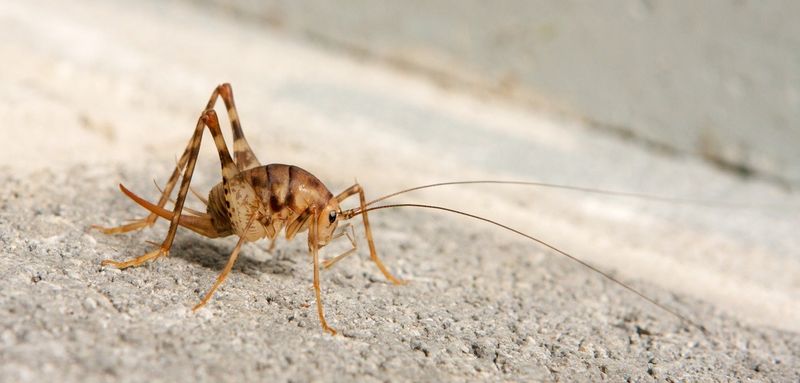
Take a closer look at the bottom of your garage door at night. If you can see light or feel a breeze, crickets can find that gap too.
Worn weatherstripping is a common entry point. Replacing the rubber seal along the bottom and sides of the door is an inexpensive weekend fix.
Walk around the foundation next. Use caulk to close cracks in concrete, gaps around pipes, and openings where cables or vents pass through walls.
Do not forget doors leading into the house. A door sweep on the entry door between the garage and kitchen helps keep wanderers from moving deeper indoors.
Check vents and crawl space openings as well. Fine screens let air move while blocking insects.
Camel crickets slip through spaces that seem far too small for their long legs. Their bodies are surprisingly narrow, so even skinny cracks are worth sealing.
Fall is a smart time for this job. Cooler days make outdoor work pleasant, and sealing gaps now also helps block spiders, roaches, and mice looking for winter shelter.
You will wonder why you waited so long once those dusk visitors start to thin out.
7. Mulch And Firewood Piles Near The Foundation Invite More Jumpers
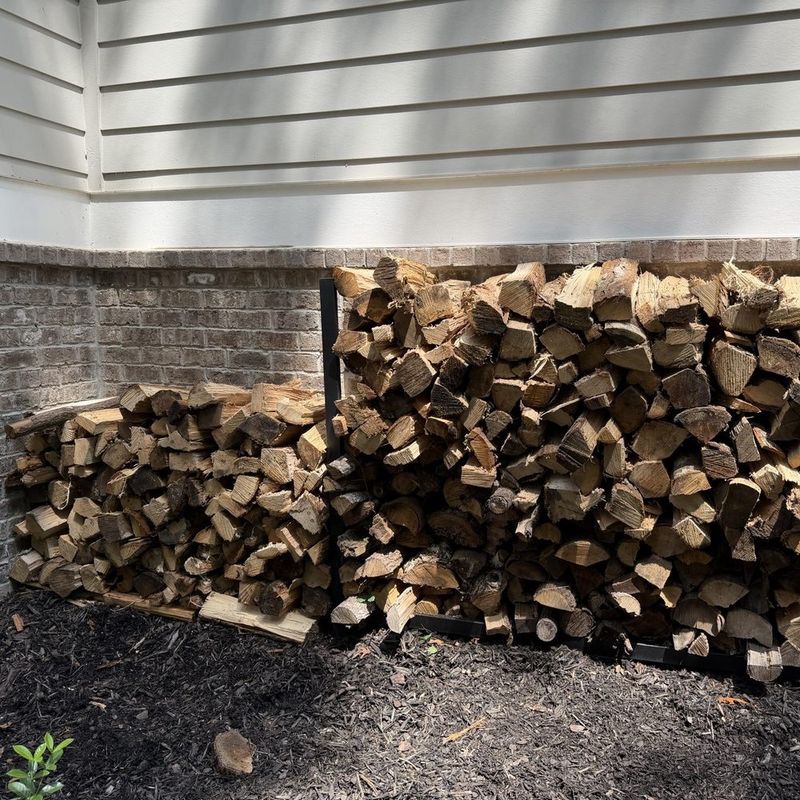
Your landscaping can quietly feed the problem. Outside, camel crickets hide under mulch, leaf litter, stones, logs, and firewood, then wander toward the nearest damp building.
Create a buffer zone along the foundation. Pulling thick mulch back a few inches from the walls, or using a strip of gravel, helps that area dry out faster.
Move firewood stacks away from the house. Many experts suggest keeping woodpiles well off the ground and a good distance from walls, which also discourages termites.
Rake up fallen leaves near the garage. Fall in Texas often brings a steady drop from live oaks, pecans, and other trees, and those soggy piles make perfect cricket hotels.
Check your sprinklers and gutters as well. Water pooling against the foundation keeps the soil damp, so aim sprinkler heads away from walls and make sure downspouts carry water outward.
Thin out dense ground covers that hug the foundation. Trimming them back improves air circulation and lets the sun reach the soil.
You do not have to give up mulch or pretty beds. A little spacing and smart drainage keep your garden healthy while sending fewer jumpers your way.
8. Sticky Traps Behind The Washer Catch Lingering Camel Crickets
Already sharing space with a crowd? Sticky traps are one of the simplest tools for camel crickets, since these jumpers often hop right onto them.
Place glue boards along walls, in corners, and behind appliances like washers, dryers, and water heaters. Those are favorite hiding spots, and the traps also show you where activity is heaviest.
Keep traps away from pets and small children. Tucking them behind or under items helps.
A vacuum works well for crickets you see in the open. It removes them quickly without much contact, and you can empty the canister outdoors.
If you prefer a gentler route, catch one under a cup with a piece of paper. Release it outside in a shady, leafy spot far from the house, where it can return to scavenging.
Insecticide sprays are rarely needed for a few visitors. Without fixing moisture and entry points, new crickets often move right back in anyway.
For a heavy, ongoing problem, a licensed pest professional or your local Texas A&M AgriLife Extension office can offer advice. Dry floors, sealed gaps, and tidy storage remain your best long-term plan.