The Porch Plant Texans Keep By The Door To Keep Flies Away This Summer
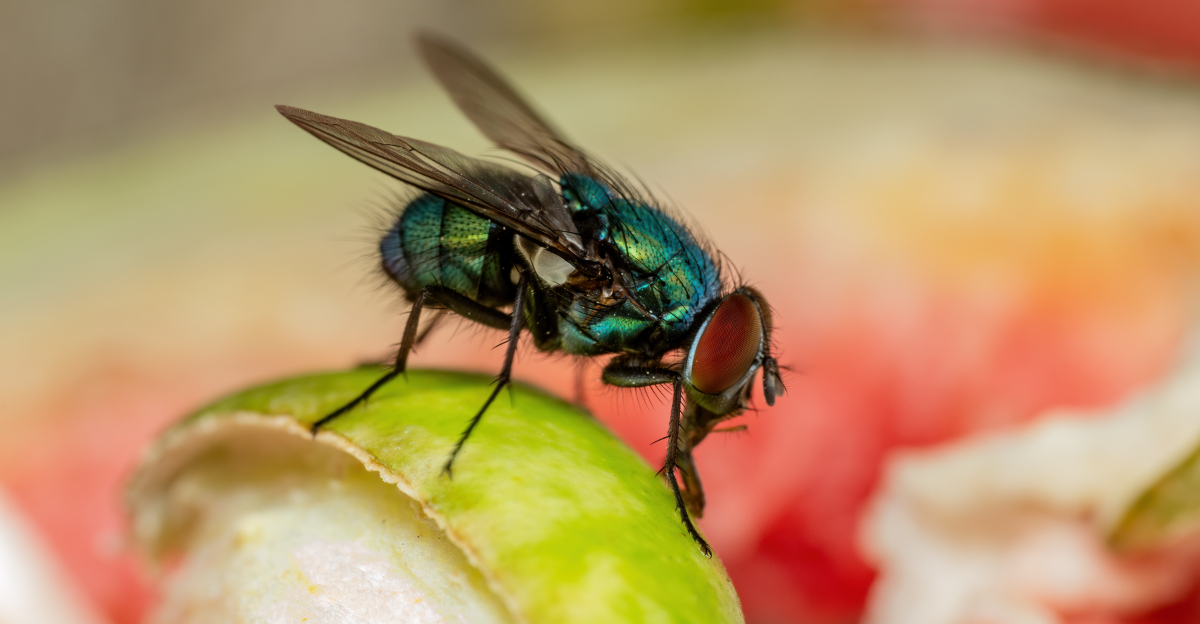
Texas summers do not mess around. Once the mercury climbs past ninety, every open window becomes an invitation, and flies treat your kitchen like their personal clubhouse.
Swatting them one by one gets old fast, especially when three more slip in through the screen door before you finish your coffee.
Here is the twist plenty of Texas homeowners have caught onto: one leafy little plant by the front step can shut that whole party down.
Its scent carries oils flies genuinely cannot stand, even though it smells incredible to us, and folks from San Antonio to Lubbock have started treating it less like a garnish and more like a bouncer.
The Kitchen Herb Making Texas Porches Less Fly-Friendly
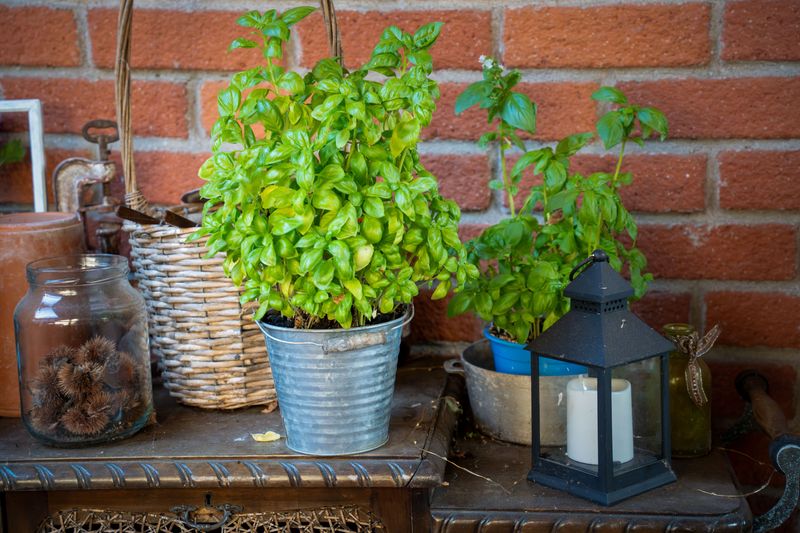
Basil is not flies favourite. That is not an exaggeration or a gardening myth passed down from a well-meaning grandmother.
Basil contains natural compounds called linalool and eugenol. These oils smell amazing to humans but act like a stop sign for flies.
Texans have been catching on to this trick for years. A single potted basil plant near the front door creates an invisible scent barrier that flies simply avoid.
The plant does not need to be crushed or sprayed to work. Just growing and releasing its natural fragrance is enough to send flies looking elsewhere.
What makes basil especially popular in Texas is how easy it is to find. You can grab a starter plant at almost any grocery store or garden center for just a few dollars.
Sweet basil is the most common variety and works beautifully for this purpose. Thai basil and lemon basil also carry strong scents that flies find equally off-putting.
The porch plant Texans keep by the door is low-maintenance and doubles as a cooking ingredient. Snip a few leaves for your pasta sauce and let the rest keep working its fly-repelling magic.
Neighbors will notice your fly-free porch and start asking questions. That is your cue to share the secret and maybe gift them a cutting of your own thriving plant.
These Conditions Bring Flies To Your Door In The First Place
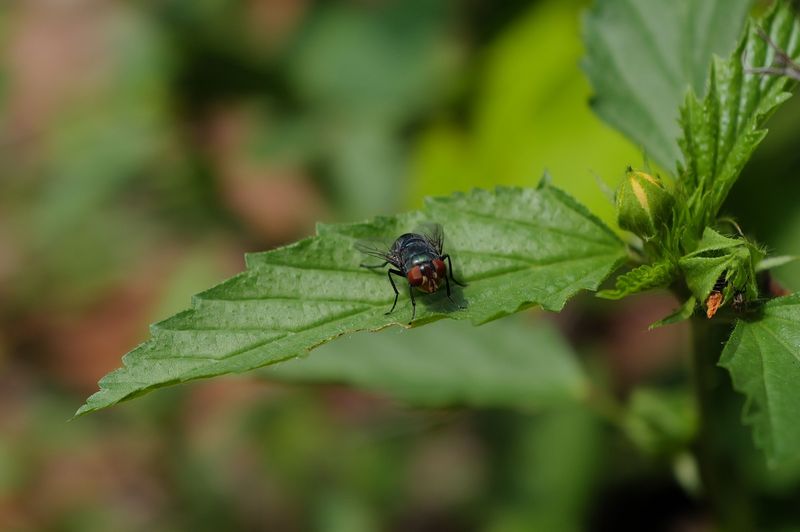
Flies are not random. They show up at your door for very specific reasons, and understanding those reasons makes a real difference.
Heat is the biggest factor. Texas summers create warm, moist conditions that flies thrive in.
Garbage cans placed too close to the entrance are a major magnet. Even a tightly sealed bin can leak odors that draw flies from impressive distances.
Standing water is another culprit. A clogged gutter, a forgotten pet bowl, or even a damp welcome mat can turn your porch into prime fly territory.
Pet waste left in the yard nearby adds serious fuel to the problem. Flies breed in organic matter and can multiply at a shocking rate during hot months.
Food smells drifting from inside the house also play a role. An open window near the kitchen or a grill on the patio sends out signals flies cannot resist.
Your Texas Garden Changes Every Week. Your Plan Should Too.
Gardening in Texas changes quickly throughout the season. Every Friday you’ll receive a simple weekly plan showing exactly what to plant, prune, fertilize, harvest, and protect so you never miss the right timing.
Light from inside your home at night pulls them toward doors and windows like a beacon. Once they find a gap, they squeeze right through.
Knowing what attracts flies helps you tackle the problem from multiple angles. Basil at the door is a great start, but pairing it with cleaner surroundings makes the whole strategy much stronger.
Fix the conditions and let the plant handle the rest. Together, those two steps can transform a buzzing porch into a genuinely peaceful entryway.
The Science Behind Basil’s Fly-Repelling Reputation
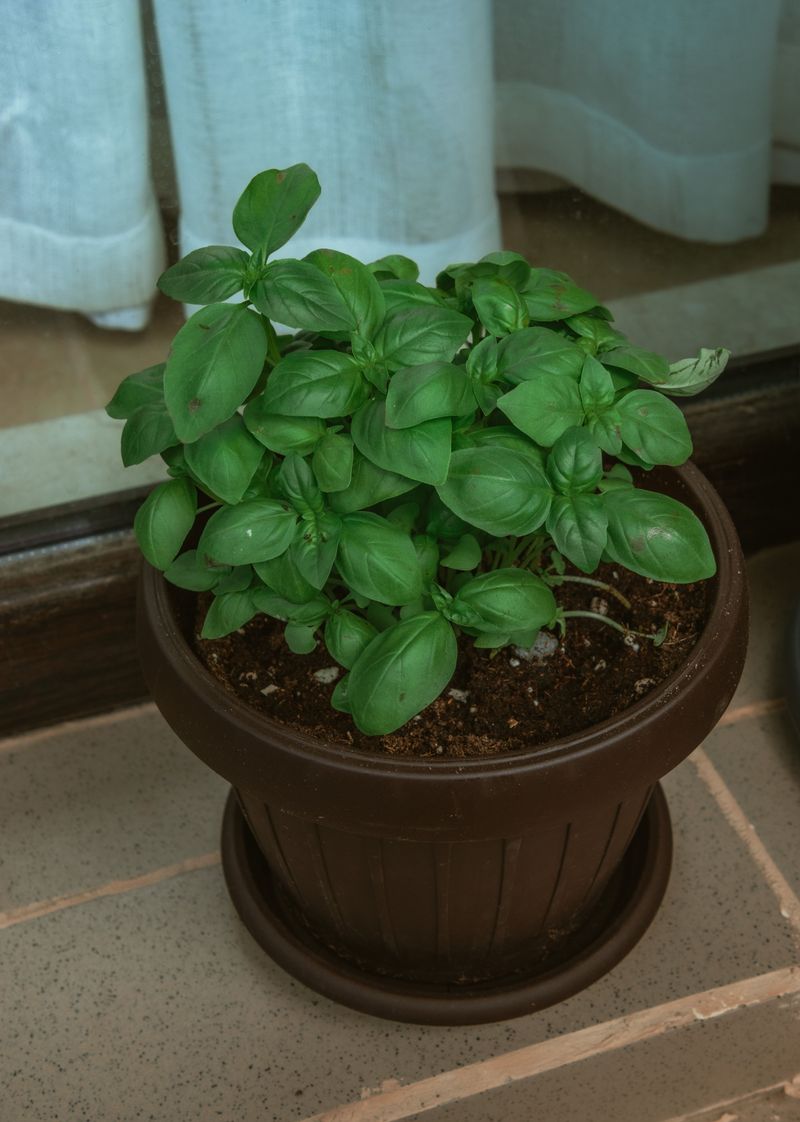
Basil is not just a pretty herb. Inside every leaf are microscopic oil glands packed with aromatic compounds that insects find deeply unpleasant.
Linalool is one of the primary compounds responsible. Studies have shown it repels mosquitoes, flies, and other common insects with measurable effectiveness.
Eugenol is another active player in basil’s chemistry. It is the same compound found in clove oil, which has been used as a natural insect deterrent for centuries.
When the sun warms the leaves, these oils become more volatile. That means hotter days can actually boost basil’s scent near your door.
Researchers studying plant-based repellents have found basil extracts effective at repelling houseflies in lab settings. The results echo what home gardeners had already figured out through trial and error.
Flies rely heavily on smell to navigate toward food and breeding spots. When basil floods the air with its strong signature scent, it throws that navigation system off.
The plant essentially creates olfactory interference. Flies cannot lock onto the smells they are searching for because basil is drowning them out.
This is not a chemical fix or a synthetic spray. It is a living, breathing plant doing what nature designed it to do, right on your front porch.
Science and tradition agree on this one. That is a rare and satisfying combination worth trusting.
Growing A Healthy Basil Pot In Texas Heat
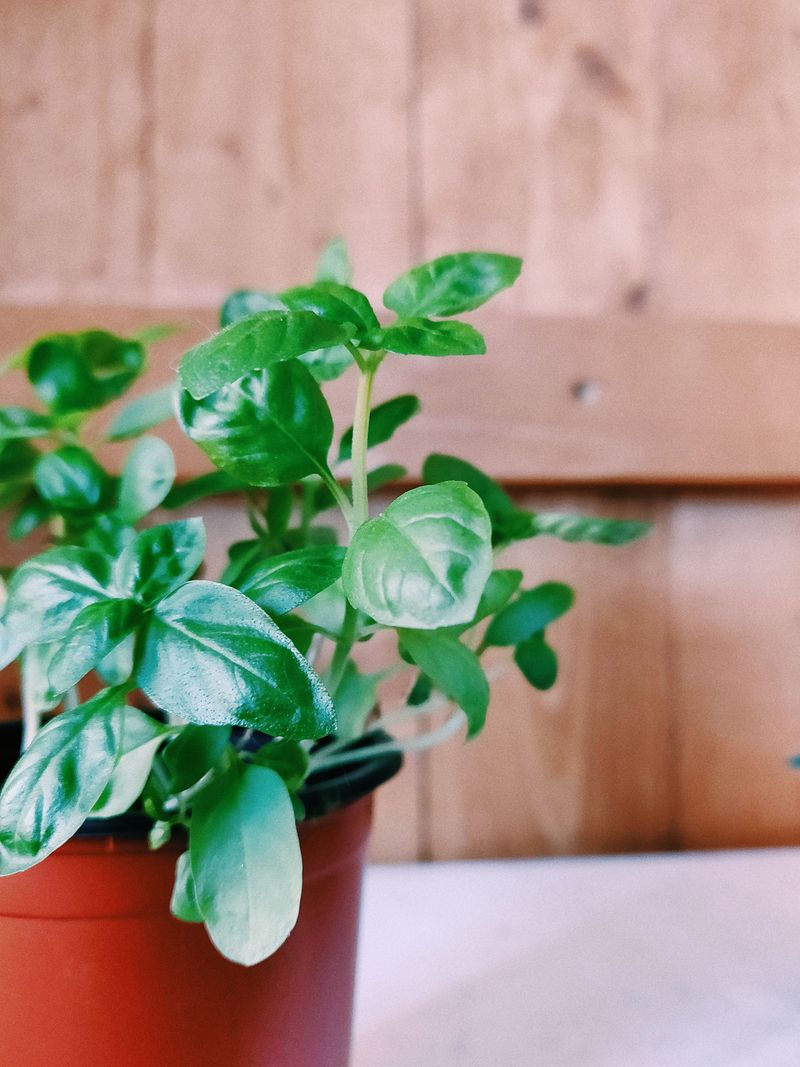
Texas heat can be brutal on plants, but basil actually loves warmth. The trick is managing the fine line between warm and scorching.
Choose a pot that is at least six inches deep with good drainage holes at the bottom. Basil roots need room to breathe, and soggy soil will cause root rot fast.
Water your basil deeply every morning before the hottest part of the day hits. Letting it dry out completely between waterings will stress the plant and reduce its scent output.
Place the pot where it gets morning sun and afternoon shade if possible. Full afternoon sun in a Texas July can push temperatures past what even heat-loving basil can handle.
Use a quality potting mix rather than garden soil. Regular soil compacts in containers and blocks the drainage basil depends on to stay healthy through summer.
Feed the plant with a balanced liquid fertilizer every two to three weeks. Consistent nutrition keeps leaves large, fragrant, and full of those fly-repelling oils.
Pinch off any flower buds the moment you spot them. Once basil flowers, the leaves lose much of their potency and the plant starts focusing energy on seed production instead.
A healthy plant with thick, dark green leaves is a powerful fly deterrent. A struggling, yellowed plant is just decoration, so keep yours thriving with consistent attention.
Your effort will pay off at every backyard gathering this summer.
Placing Your Basil Pot For Maximum Effect Near The Door
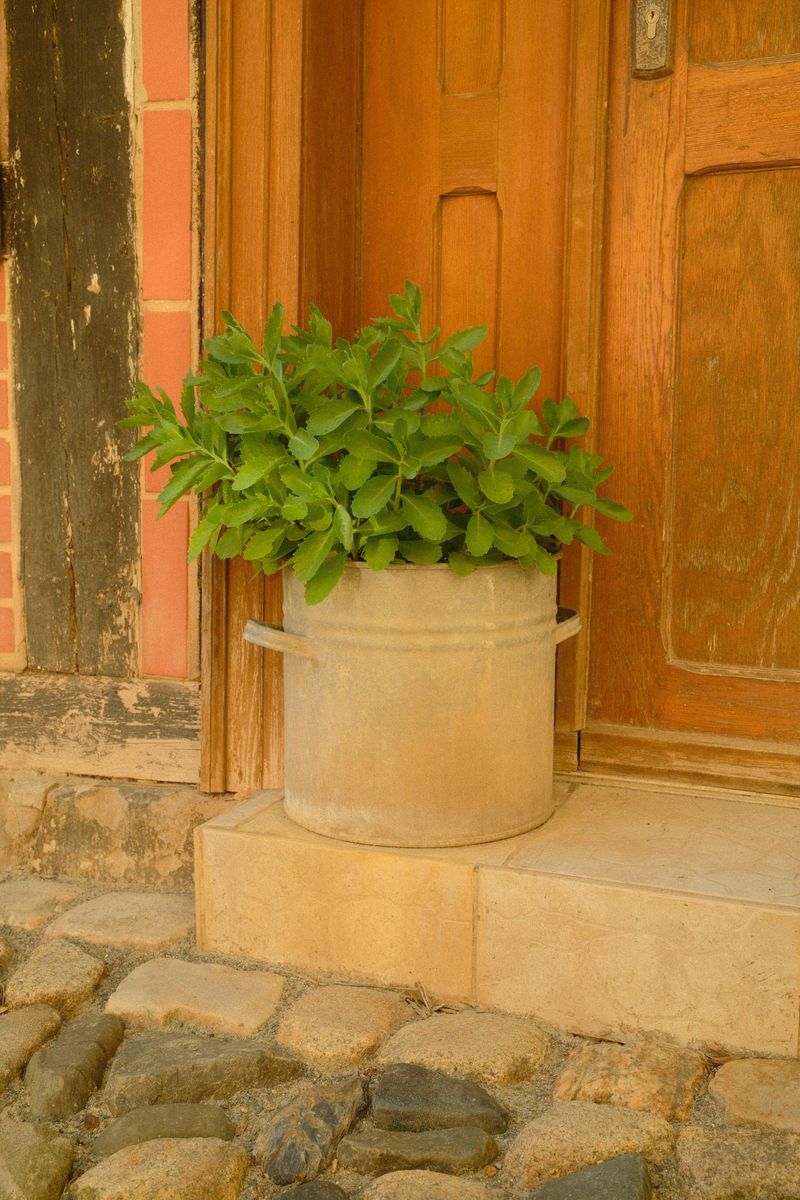
Location matters more than most people realize when using basil as a fly repellent. A pot tucked in the corner of the yard will not do much for your doorway.
The goal is to create a scent zone right at the entry point. Place the basil within two feet of the door on at least one side for the best coverage.
Two pots flanking the door is even more effective. The overlapping fragrance from both sides creates a stronger barrier that flies are less likely to push through.
Avoid placing the pot in a spot with no air movement. A gentle breeze helps carry the basil scent outward, extending its reach and making it more effective at a distance.
If your porch is covered, hang a small basil plant in a ceiling planter near the door frame. Elevated plants release their scent into the air at a different level, improving overall coverage.
Keep the pot away from concrete surfaces that absorb and radiate extreme heat. A wooden stand or elevated shelf can protect the roots from ground-level temperature spikes.
Gently brush the leaves with your hand each time you walk past. This releases a fresh burst of scent and keeps the aromatic oils active throughout the day.
Think of your basil placement like setting up a checkpoint. The closer and more intentional you are with positioning, the harder it becomes for flies to find their way inside.
Other Simple Habits That Keep Flies Away Too
Basil is a strong first step, but pairing it with a few smart habits makes your porch far less inviting for flies this summer.
Start by moving trash cans at least ten feet away from the door. Even a short distance dramatically reduces the fly traffic around your entryway.
Clean your welcome mat weekly during summer months. Organic debris trapped in the fibers creates a small but real breeding environment flies are happy to exploit.
Add a citronella candle or two to your porch seating area. The scent layers well with basil and covers a wider area, especially during evening gatherings when flies stay active.
Install a simple screen door if you do not already have one. It allows airflow without giving flies an open invitation every time someone walks in or out.
Empty any standing water on the porch or nearby every single day. Flies breed quickly in stagnant water, and eliminating it cuts their population near your home significantly.
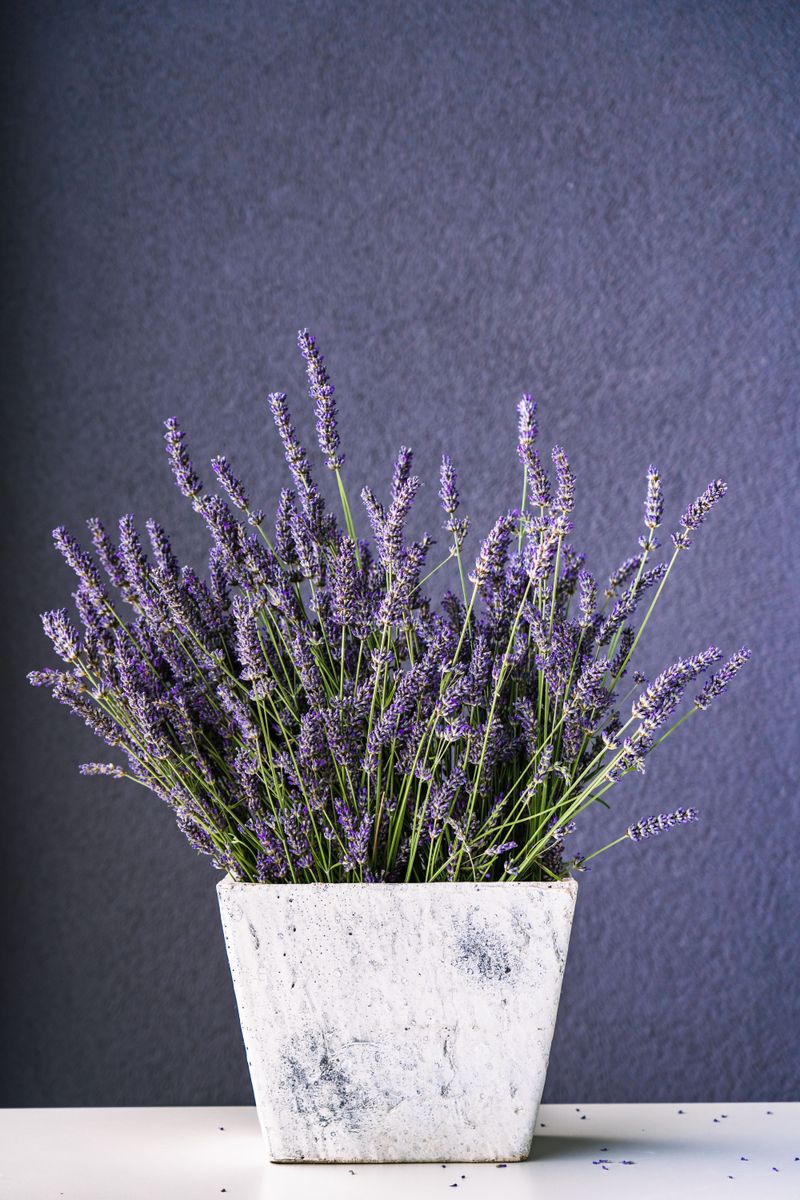
Plant lavender or mint nearby as additional scent barriers. Both herbs carry strong fragrances that complement basil and repel a similar range of insects.
Keep pet food dishes inside rather than on the porch. Exposed food is one of the fastest ways to attract flies regardless of how many plants you have working for you.
The porch plant Texans keep by the door works best as part of a complete strategy. Stack these habits together and enjoy a genuinely fly-free summer.