The Hydrangea Pruning Rule Every Pennsylvania Homeowner Should Know
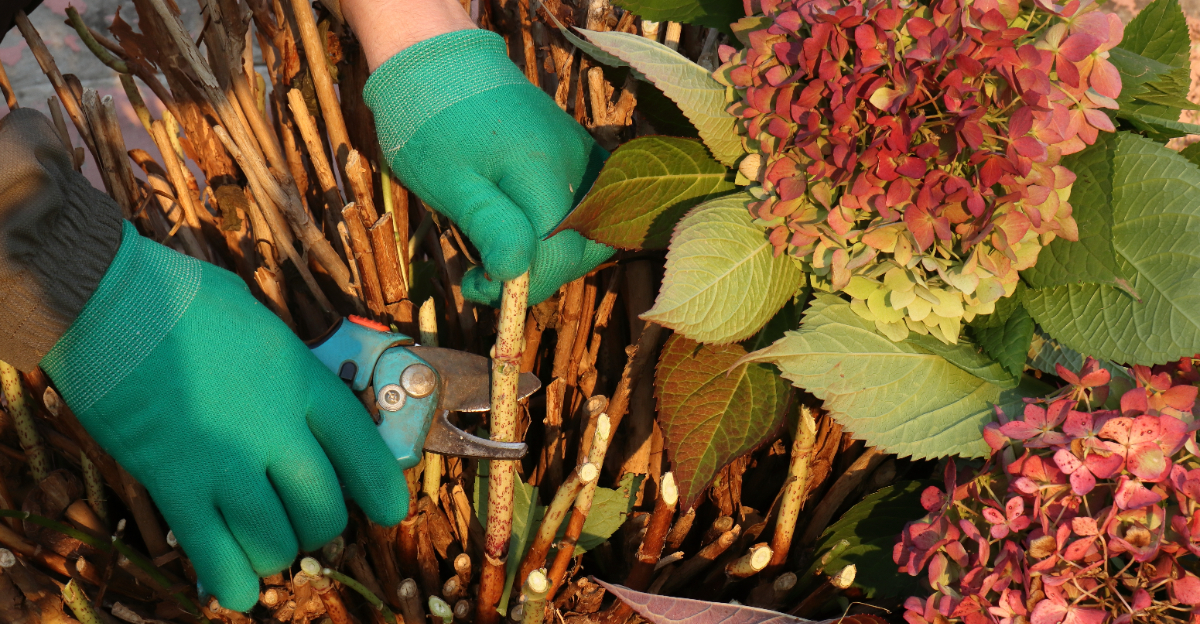
Every spring, someone in Pennsylvania grabs a pair of shears and marches toward a shrub with big plans. By July, that same person is staring at a leafy green blob with zero blooms, wondering what went wrong.
The culprit is rarely bad soil or bad luck. It usually comes down to timing, and one small rule almost nobody explains clearly.
Our state throws a curveball too. Late frosts, humid summers, and clay-heavy ground all change how a shrub responds to a haircut.
Fix is simple when you understand what your plant is doing behind the scenes. Learn the rule, and you can trade a season of leafy disappointment for armfuls of blue, pink, and white blooms.
Here is what every gardener from Erie to Philadelphia should know before the shears come out.
Old Wood Versus New Wood Determines Your Timing
Here is the whole rule in one breath: figure out whether your shrub blooms on old wood or new wood before you cut anything. Old wood means the stems that grew last summer already carry this year’s flower buds. New wood means the plant forms buds on fresh growth each spring.
Bigleaf and oakleaf types fall into the old wood camp, and they are everywhere in Pennsylvania yards. Panicle and smooth types bloom on new wood, which makes them far more forgiving.
Cutting an old wood bloomer in March removes the very buds you were hoping to see in June. The plant recovers with plenty of leaves, but flowers skip the season entirely.
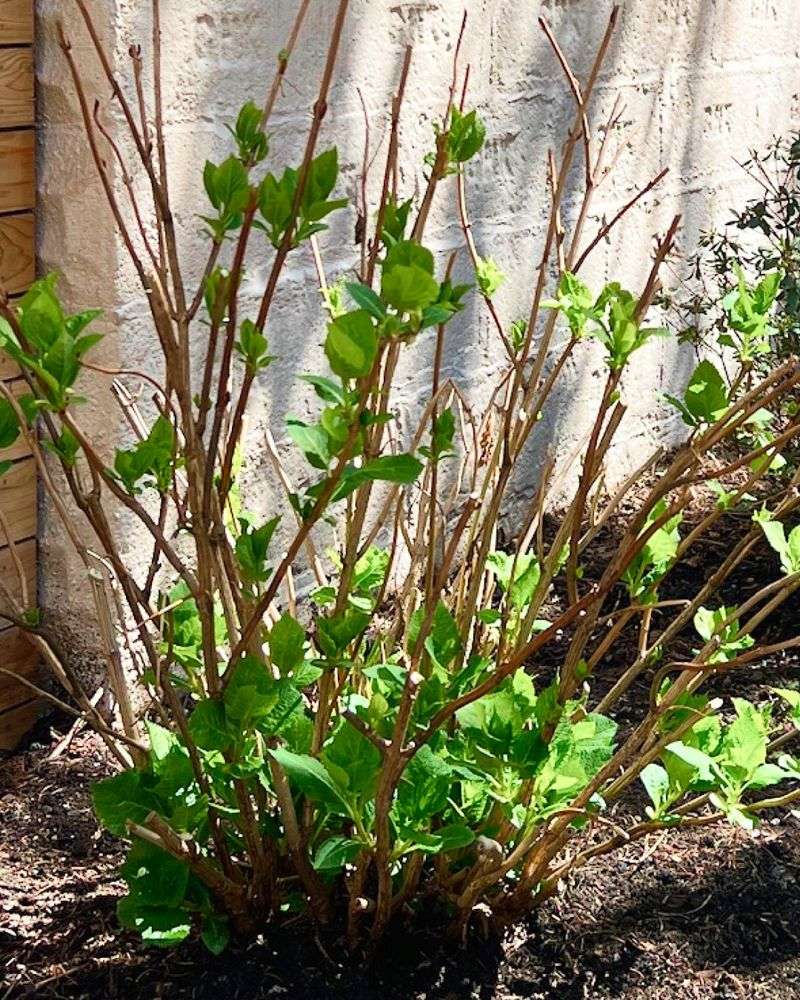
Telling them apart is easier than it sounds. Old wood shrubs have thick, tan, woody canes that stay standing through winter with small bumps along them. New wood shrubs often have thinner stems that look weathered and gray by spring, with fresh shoots pushing from the crown.
If you cannot tell, wait. Let the shrub leaf out in April and watch where growth appears.
Buds swelling along last year’s canes point to old wood. Growth coming mostly from the ground points to new wood.
Write the answer on a plant tag or in your phone notes. One season of observation saves you years of guessing, and it turns pruning from a gamble into a routine chore you can handle with confidence.
Bigleaf Beauties Want Their Trim Right After the Show
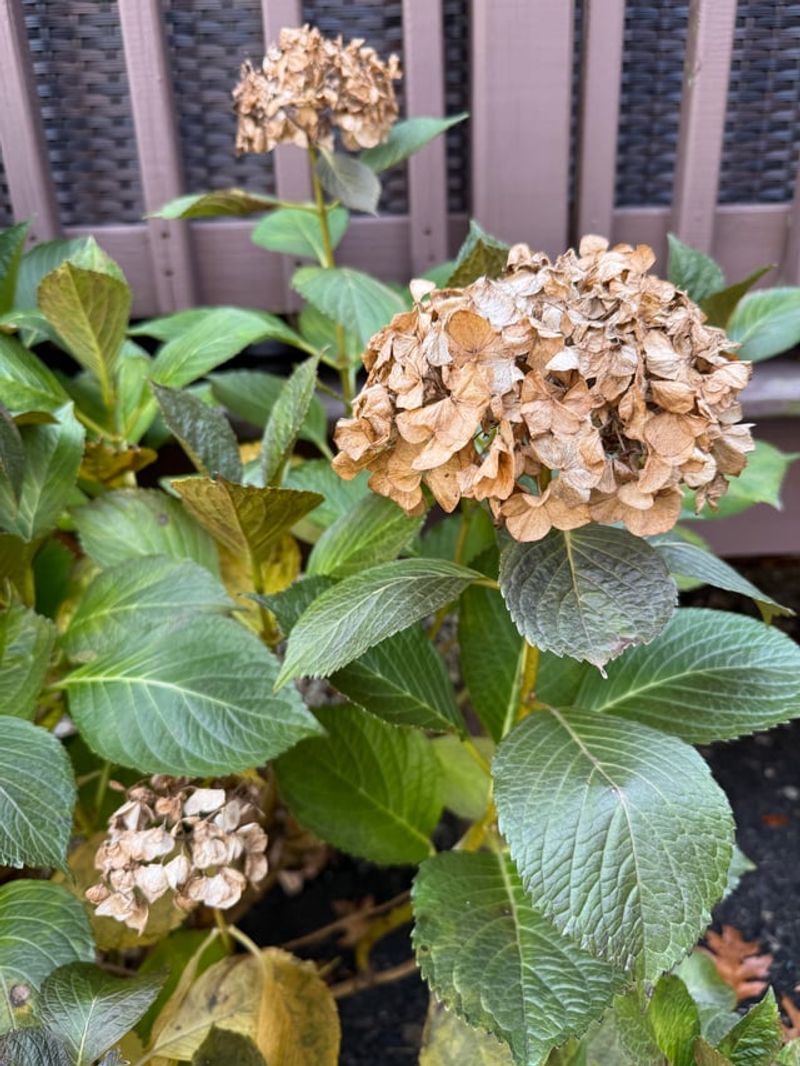
Those mophead and lacecap shrubs with the blue or pink globes are the drama queens of the group. They set next year’s buds in late summer, which means your pruning window is narrow and specific.
Aim for the stretch right after flowering fades, usually late July into early August across most of Pennsylvania. Cut a spent bloom back to the first strong pair of leaves below it, and stop there.
Waiting until September is risky. By then the shrub is quietly building buds for next June, and your shears would remove them without you ever seeing what you lost.
Spring pruning on these is one of the most common mistakes in the state. Homeowners see brown, brittle-looking stems in March, assume they are finished, and cut them to the ground.
Your Pennsylvania Garden Changes Every Week. Your Plan Should Too.
Gardening in Pennsylvania changes quickly throughout the season. Every Friday you’ll receive a simple weekly plan showing exactly what to plant, prune, fertilize, harvest, and protect so you never miss the right timing.
Scratch a stem lightly with your thumbnail instead. Green underneath means the cane is alive and holding buds, so leave it alone.
Light thinning helps older plants that have gotten crowded. Remove one or two of the thickest, oldest canes at the base each summer to let air and light reach the center.
Fun bit of trivia: the flower color on these shifts with soil pH, so the same shrub can turn blue in acidic Pocono soil and lean pink in limestone-rich areas near Lancaster.
Keep the trimming light, keep it early, and these shrubs will reward you with blooms the size of salad plates.
Panicle Types Are The Forgiving Ones
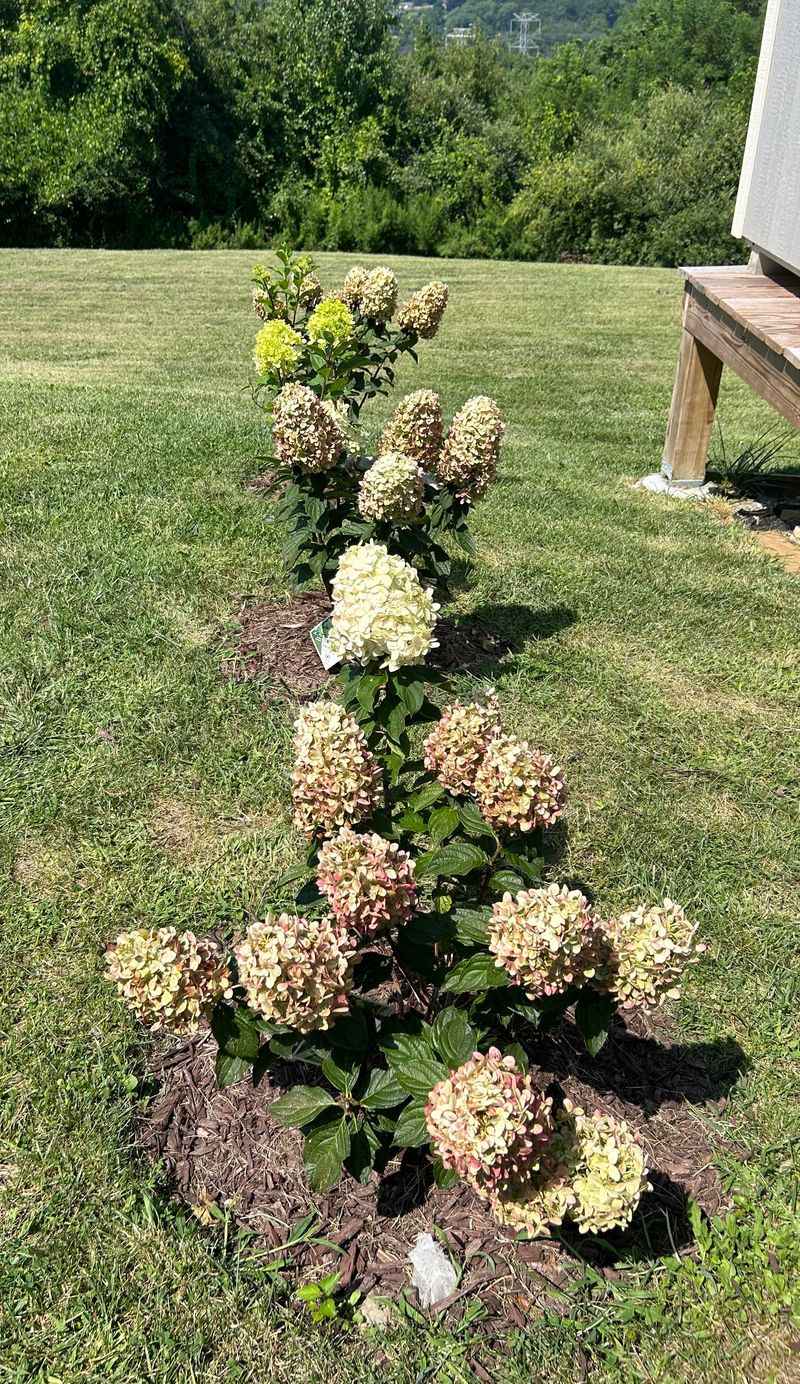
If you have ever wanted a shrub that shrugs off mistakes, meet the panicle group. Limelight, Quick Fire, and Little Lime all belong here, and they bloom on growth made in the current season.
That single trait changes your whole approach. You can prune hard in late winter or very early spring without sacrificing a single flower.
Late March works well in most of Pennsylvania, once the worst cold has passed but before buds break. Cut stems back by about one third, or take them down to a framework of sturdy canes roughly two feet tall.
Harder pruning produces fewer but noticeably larger cone-shaped blooms. Lighter pruning gives you more flowers at a smaller size, so choose based on the look you want.
A trick worth knowing: heavy stems support heavy flowers. If your panicles flop after a summer thunderstorm, prune a bit less next year and let the canes thicken up.
These shrubs handle full sun better than most, which makes them a smart pick for exposed front yards along sunny streets. They also tolerate the clay soil common through central and southeastern parts of the state.
One more perk is the color show. Blooms open creamy white, then blush pink and rust as autumn cools, giving you months of interest from one round of spring pruning.
For anyone nervous with shears, start here and build confidence.
Smooth Hydrangeas Bounce Back From A Buzz Cut

Annabelle and her relatives are the workhorses of shady Pennsylvania borders. Native to eastern woodlands, smooth hydrangeas produce those enormous white snowballs on stems that grow fresh each year.
Because of that habit, you can cut them back hard without worry. Many gardeners take them down to six or eight inches above the soil in late winter.
Timing here is relaxed. Anytime from February through the end of March works, whenever you get a mild afternoon and feel like being outside.
There is a tradeoff to consider. Cutting all the way to the ground gives you tall new stems that sometimes bend under the weight of wet blooms after a summer downpour.
Leaving eighteen to twenty-four inches of old stem creates a natural scaffold. New growth pushes through that framework and gets support built right in, no staking required.
Some folks leave the dried flower heads standing through winter on purpose. Snow settles on them, birds pick at the seed heads, and the garden looks less bare in February.
If deer are a problem in your neighborhood, and in much of Pennsylvania they certainly are, know that smooth hydrangeas are a favorite snack. A simple wire cage or repellent spray in early spring protects that tender new growth.
These shrubs handle part shade beautifully, so tuck them along a north-facing foundation where fussier types would sulk. Reliable blooms, minimal fuss, and a pruning routine you cannot really botch.
Oakleaf Varieties Prefer A Light Touch
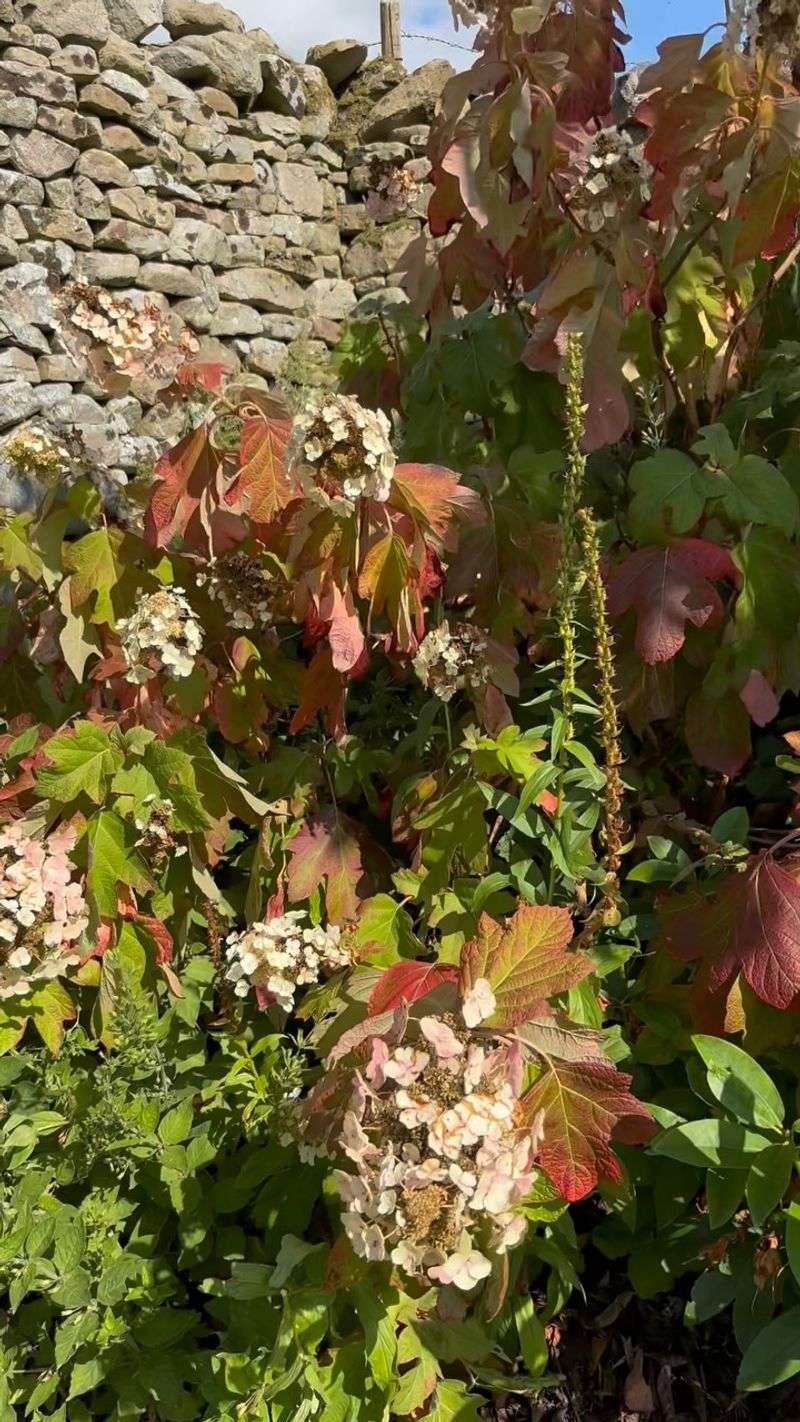
Picture a shrub with leaves shaped like an oak, cinnamon-colored peeling bark, and cone flowers that fade to antique rose. That is the oakleaf, and it earns its keep in every season.
Pruning it is more about restraint than technique. These bloom on old wood, so the summer window right after flowering is your only safe moment.
Honestly, many mature oakleafs need almost nothing. Snip out broken branches, remove anything crossing awkwardly, and step back.
The peeling bark is a winter feature worth protecting. Aggressive cutting removes the older stems that show off that texture once leaves drop in November.
Younger plants sometimes benefit from a little shaping in their first few years. Trim the tips of long shoots after bloom to encourage branching and a fuller silhouette.
Pennsylvania winters can nip the tips of oakleaf stems, especially in the northern tier. Wait until May to assess damage, then remove only the sections that fail to leaf out.
A detail gardeners love: fall color on these runs deep burgundy and bronze, often lasting into December. Prune too hard and you trade that display for bare twigs.
Plant them where they get morning sun and afternoon shade, such as the east side of a house or beneath high tree canopy. Given room to spread and left mostly alone, an oakleaf becomes the kind of shrub neighbors stop to ask about.
Late Frosts Are Pennsylvania’s Sneakiest Problem
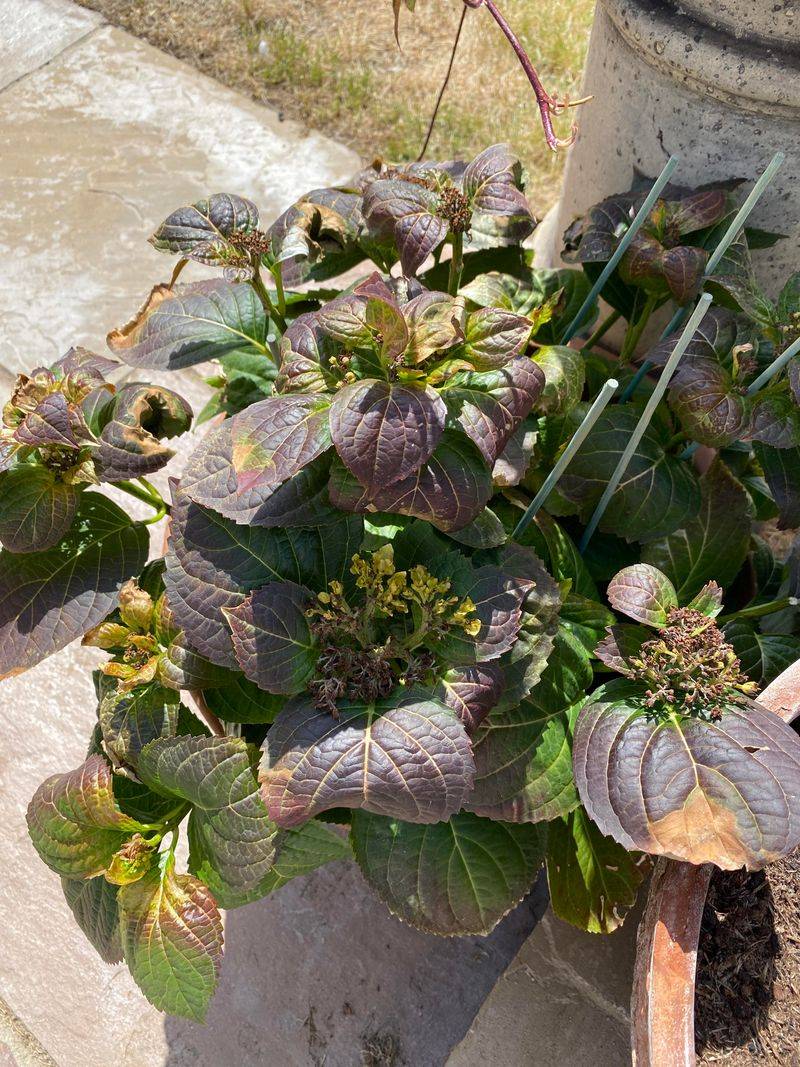
Ask anyone who gardens between Pittsburgh and Allentown about May weather and you will get an eye roll. A stretch of seventy-degree days coaxes buds open, then a frosty night in the low thirties arrives uninvited.
Old wood bloomers suffer most from that temperature swing. Their buds emerge early, and one cold snap can end the season’s flowers even if you pruned perfectly.
Delaying spring cleanup helps more than people expect. Leaving last year’s stems and dried flower heads in place creates a small buffer of protection around emerging buds.
Wait until mid to late April before removing winter debris. By then the frost risk drops, and you can see which buds survived.
Keep a few old bedsheets or frost cloths in the garage. Draping one over a shrub on a cold night takes five minutes and can rescue an entire June display.
Skip plastic as a cover. It traps moisture against foliage and can make cold damage worse rather than better.
Siting matters too. A spot on the east or north side of your home warms up more slowly in spring, which keeps buds dormant a little longer and out of frost’s reach.
Rebloomers like the Endless Summer series were bred partly for this exact headache. They set buds on both old and new wood, so a bad frost costs you the early flush but not the whole summer.