The Illinois Backyard Upgrades That Actually Bring More Birds This Summer
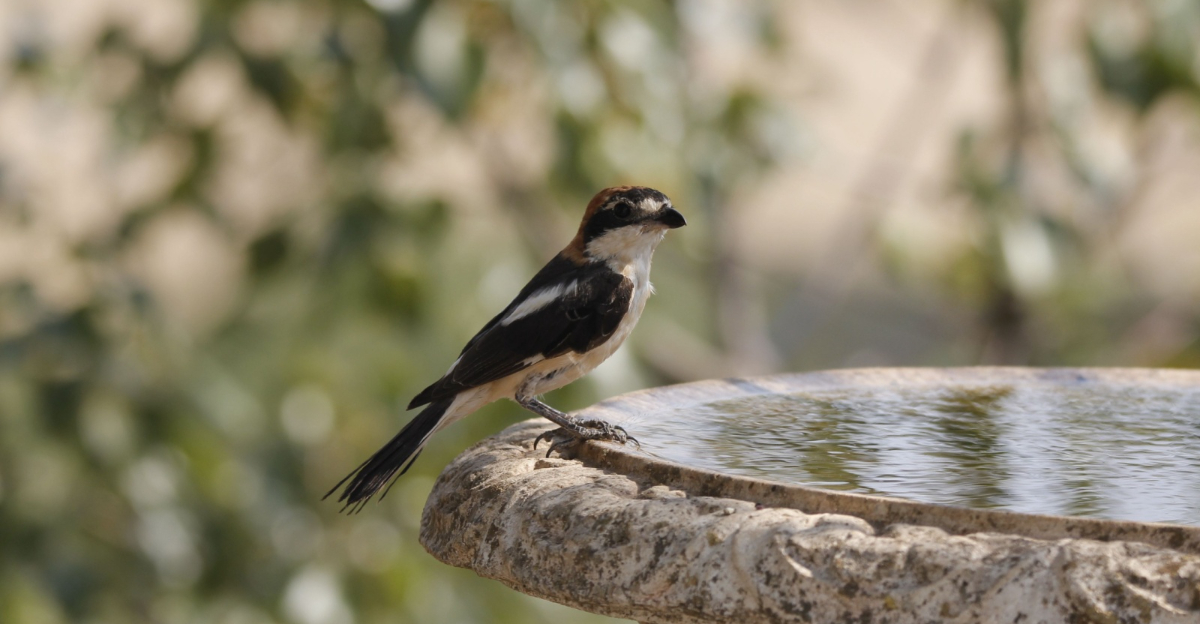
The branches tremble and a flash of flame-orange drifts through the green. A Baltimore Oriole lands six feet away and locks eyes with you.
Your whole world goes quiet and nothing else matters. That bird does not wander into just any yard.
It chooses yards that earn it, and that single idea will reshape how you think about your outdoor space.
Illinois backyards sit on some of the most well-traveled flight paths in North America, yet most homeowners never tap into that incredible advantage.
The right native plant, the right water source, the right feeder placement all send a signal because birds notice every detail.
They remember good yards and they come back with friends. Want to know how little it actually takes to become their favorite stop?
Small upgrades, placed with purpose, turn ordinary Illinois lots into something genuinely alive and buzzing with wings. This summer, your yard gets chosen.
Plant Illinois Natives Like Oaks, Coneflowers, And Serviceberry
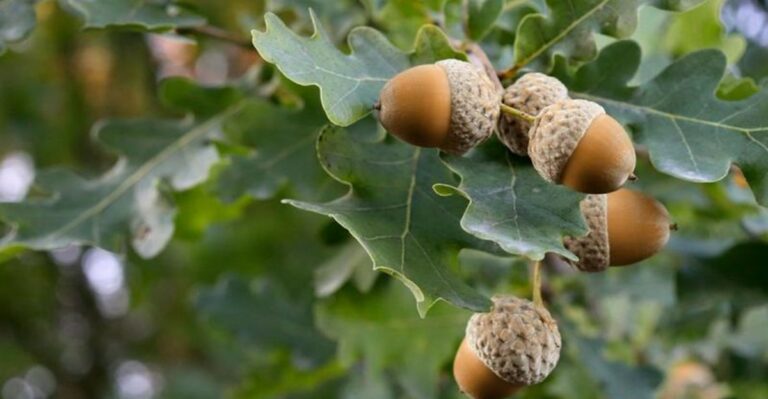
Native plants are the single biggest upgrade you can make for backyard birds. An oak tree alone can support over 500 species of caterpillars and insects that birds feed their young.
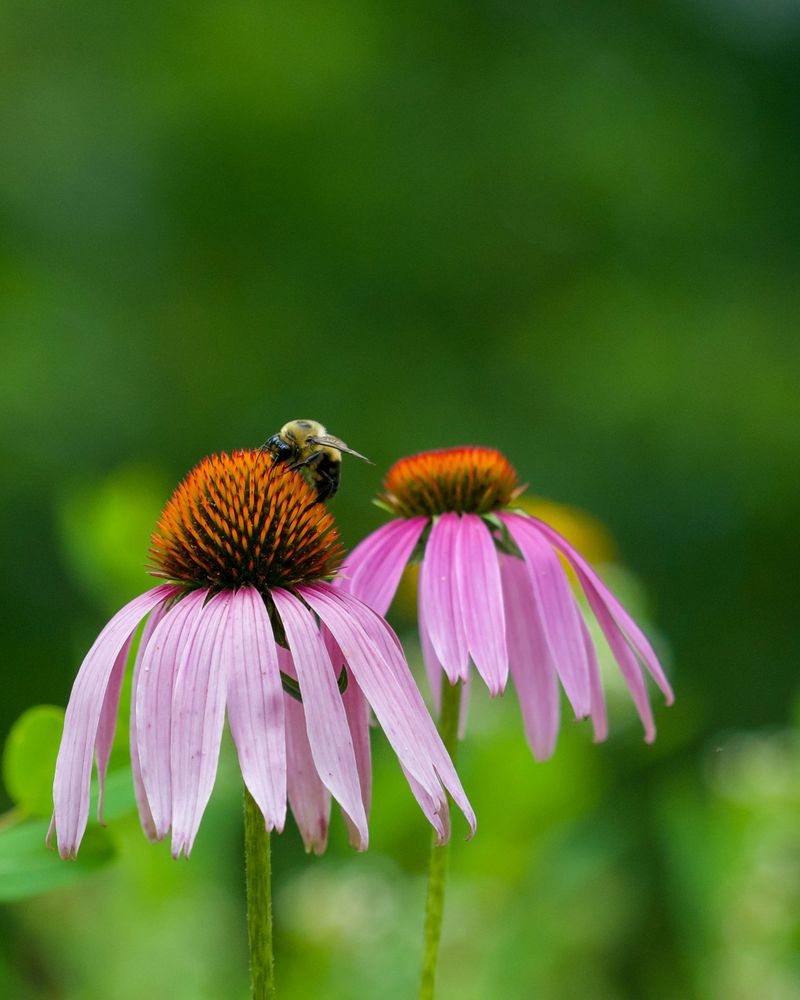
Purple coneflowers are goldfinch magnets in late summer. Their seed heads stay on the stalk well into fall, giving birds a reliable food source long after summer ends.
Serviceberry is one of the best shrubs you can plant in any Illinois yard. It produces small berries in late spring that robins, cedar waxwings, and orioles absolutely cannot resist.
Native plants evolved alongside local wildlife over thousands of years. Non-native ornamentals might look pretty, but they offer almost no food value to the birds and insects that call this region home.
Even a small corner bed of native wildflowers changes things fast. Plant a mix of coneflowers, black-eyed Susans, and wild bergamot to attract warblers, sparrows, and hummingbirds throughout the season.
You do not need a big yard to get started with native planting. A few well-chosen plants in containers or a small garden bed can still draw in birds searching for food during migration.
Local nurseries in Illinois often carry native varieties that are already adapted to your soil and climate.
Starting with healthy, established plants gives you faster results and less guesswork in the garden.
Add A Moving Water Source To Your Yard
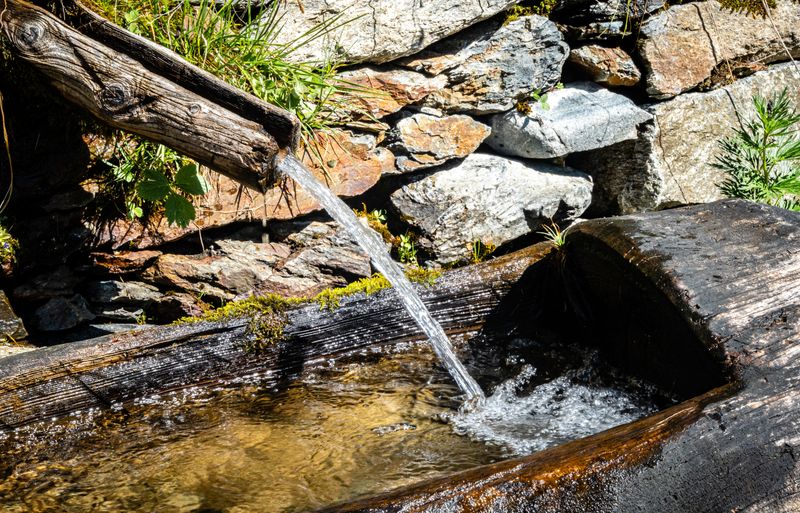
Birds find moving water irresistible, and a simple dripper or fountain can triple your backyard visitors overnight.
Still water works, but the sound and shimmer of moving water pulls birds in from much farther away.
A solar-powered fountain is one of the easiest additions you can make this summer. No wiring, no complicated setup. Just place it in a birdbath with direct sun exposure and let it run.
Robins, warblers, and thrushes are especially drawn to water features during migration. Many of these species do not visit feeders at all, so water may be your only chance to attract them.
Keep your water source shallow, no deeper than two inches at the center. Birds need to feel stable while bathing, and deep water can actually scare them off instead of drawing them in.
Your Illinois Garden Changes Every Week. Your Plan Should Too.
Gardening in Illinois changes quickly throughout the season. Every Friday you’ll receive a simple weekly plan showing exactly what to plant, prune, fertilize, harvest, and protect so you never miss the right timing.
Clean your birdbath at least twice a week during warm months. Algae and bacteria build up fast in summer heat, and dirty water can spread disease among your backyard flock.
Placing your water source near shrubs or trees gives birds a quick escape route if a predator appears. That sense of safety makes them far more likely to linger and return daily.
Adding moving water to your yard is one of those upgrades that pays off almost immediately.
Within days of setting it up, you will likely spot species you have never seen in your yard before, and that feeling never gets old.
Put Up Species-Specific Nest Boxes
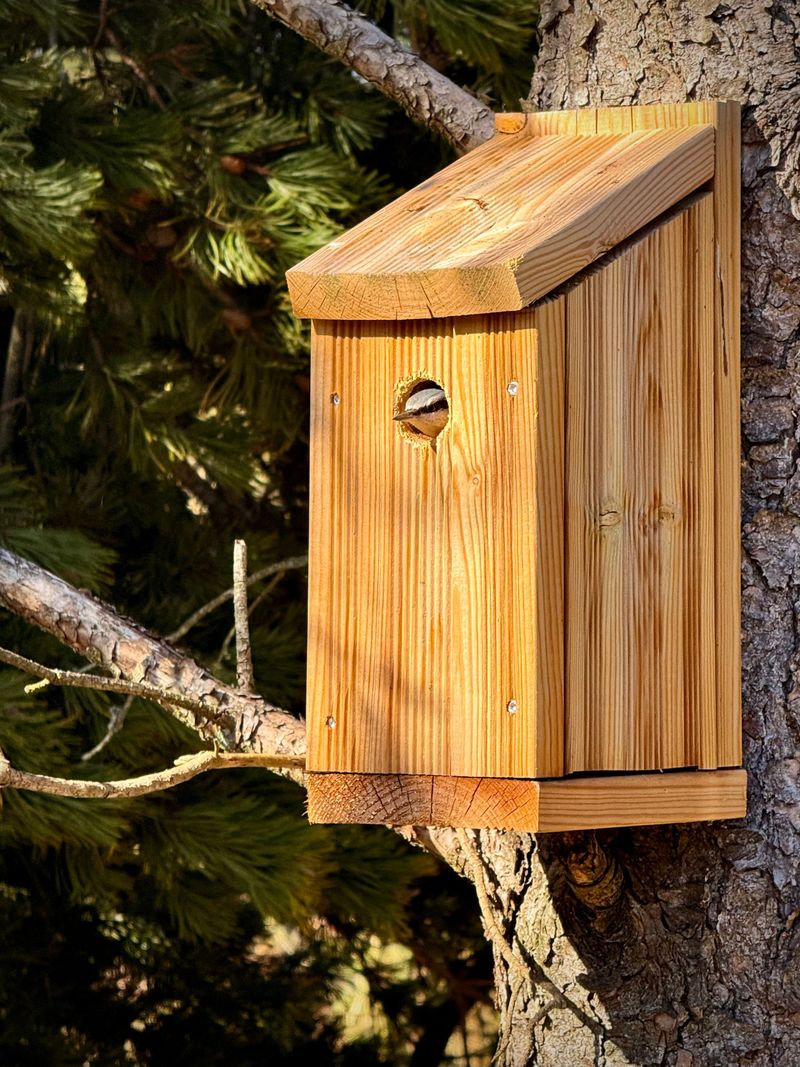
Eastern Bluebirds are one of the great comeback stories in American wildlife. Nest box programs helped bring them back from serious population decline, and your yard could be part of that success.
Generic birdhouses from big-box stores rarely attract the birds you actually want. Species-specific nest boxes are built with exact entrance hole sizes, interior dimensions, and mounting heights that match each bird’s natural preferences.
Bluebirds need a one-and-a-half-inch entrance hole and an open field setting. Mount their box on a metal pole about five feet high, away from dense trees where house sparrows tend to dominate.
Chickadees and nuthatches prefer boxes mounted on tree trunks in wooded areas. A one-and-an-eighth-inch hole keeps out larger birds that would otherwise take over the space.
Wood ducks and screech owls use larger boxes mounted near water or woodland edges. Putting up even one or two well-placed boxes can bring nesting activity that you will watch all season long.
Check your boxes every week or two during nesting season. Remove old nesting material after each brood fledges so the pair can raise a second family in the same box.
Nest boxes work best when paired with native plants nearby. Parent birds need a steady supply of caterpillars and insects close to the nest, so layering your habitat gives every chick a better shot at survival this summer.
Layer Native Shrubs For Shelter And Cover
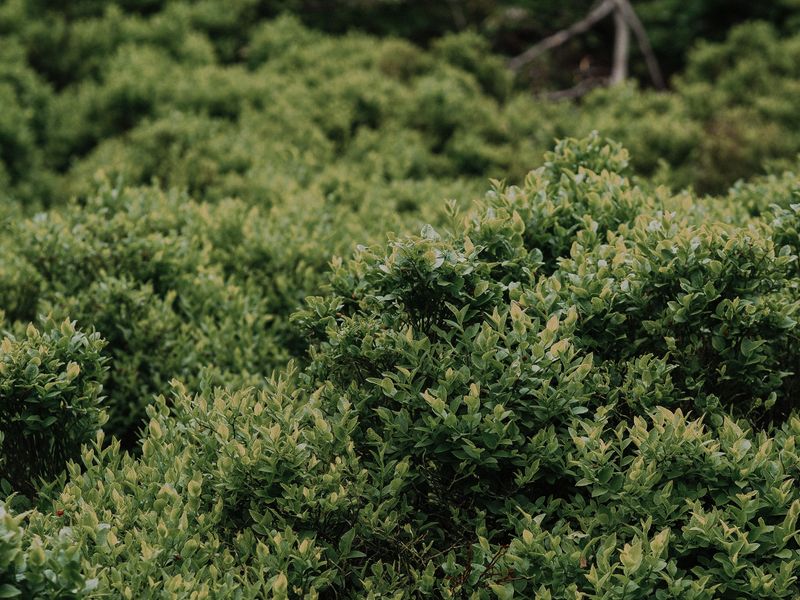
Birds do not just need food and water. They need places to hide, rest, and escape from hawks, cats, and other threats that show up throughout the day.
Layering native shrubs at different heights mimics the natural woodland edge habitat that most Illinois birds evolved to use. Think of it as building a vertical apartment complex for wildlife.
Wild plum and native viburnums are excellent mid-story shrubs for Illinois yards. They produce berries that feed dozens of species while also offering dense branching structure for nesting and shelter.
Buttonbush is a fantastic choice for wetter areas or rain gardens. Its round white flowers attract insects all summer, and those insects bring warblers and vireos that might otherwise pass your yard by entirely.
Plant shrubs in clusters rather than single specimens spread far apart. A dense grouping creates the kind of thicket that sparrows, wrens, and catbirds absolutely love to move through and nest within.
The outer edges of your shrub layer should be lower-growing plants that transition smoothly to your lawn or garden beds. This graduated structure signals safety to birds scanning from above before they decide to land.
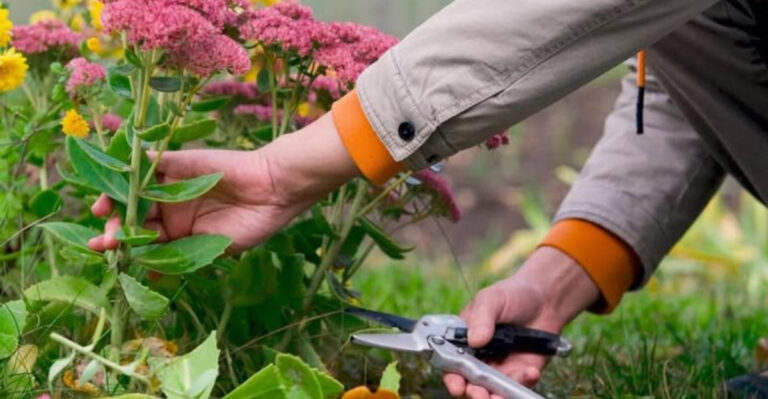
Layering shrubs also cuts down on yard maintenance over time. Once established, native shrubs need little water or care, and the habitat they create keeps improving every single season you let them grow.
Reduce Pesticide Use To Protect Insects
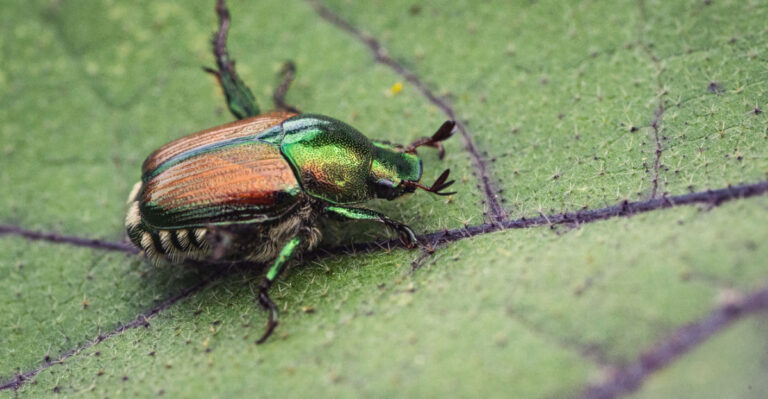
Ninety-six percent of North American songbirds raise their young on insects, not seeds. When you spray pesticides, you are not just targeting pests, you are eliminating the food source that baby birds depend on to survive.
Insect populations have dropped dramatically across the country over the past few decades. Backyard pesticide use is one of the contributing factors that researchers point to again and again.
Switching to pesticide-free gardening does not mean accepting a damaged landscape. Healthy soil, native plants, and natural predators create a balanced system that manages pest pressure on its own over time.
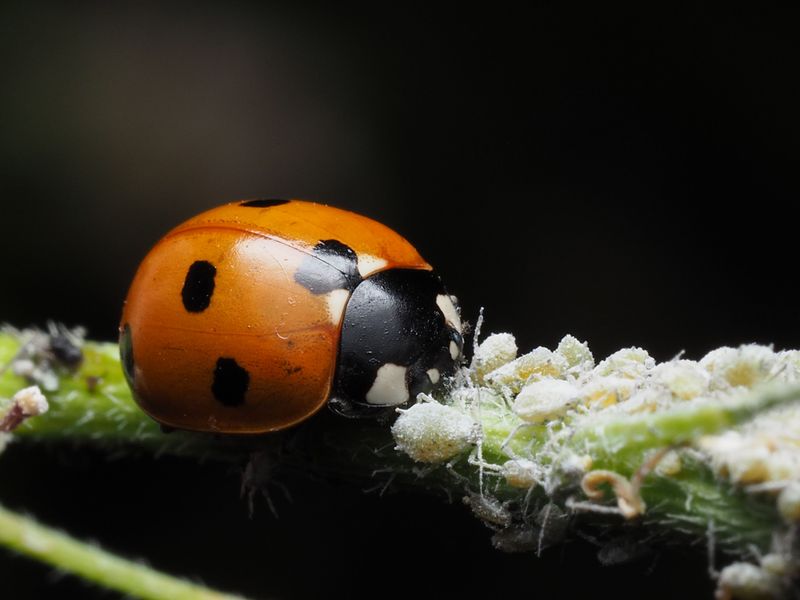
Ladybugs, lacewings, and ground beetles are all natural pest controllers that thrive in chemical-free yards.
Birds also eat enormous numbers of harmful insects, so attracting more birds actually helps your garden stay healthy.
If you have a specific pest problem, try targeted solutions like hand-picking, row covers, or neem oil on affected plants only.
Blanket spraying affects the entire food web, not just the one pest you are trying to address. Caterpillars are the single most important food source for nesting songbirds in summer.
A yard full of native plants and no pesticides can support thousands of caterpillars per acre during peak nesting season.
Going pesticide-free is one of the most powerful choices you can make for local birds. In many yards, results become noticeable within a season or two.
Apply Window Film To Prevent Bird Collisions
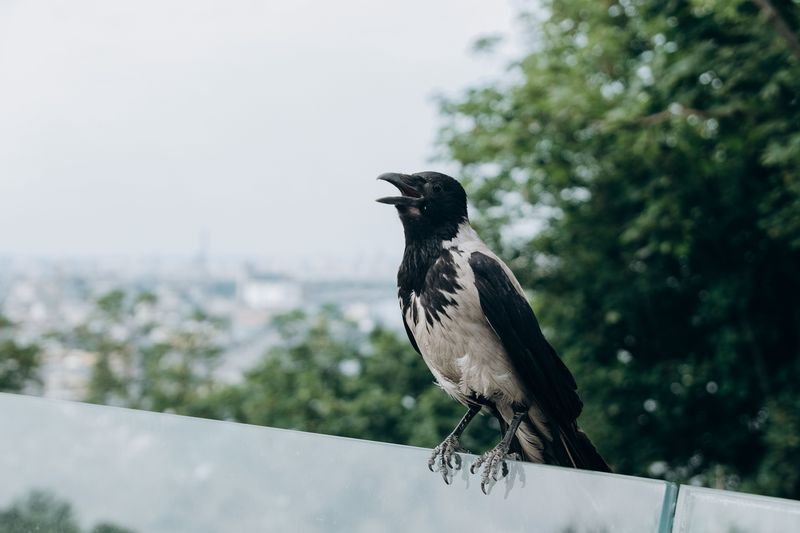
Every year, window strikes claim between 600 million and one billion birds across the United States. That number is not a typo, and most of those strikes happen at ordinary homes just like yours.
Birds cannot see glass the way we do. They see the reflection of trees or sky and fly straight toward what looks like open space, hitting the window at full speed.
Window film with a UV-reflective or frosted pattern breaks up that mirror effect. From a bird’s perspective, the treated glass looks like a solid object rather than a clear path through to the other side.
Acopian BirdSavers, also called zen curtains, are another popular option. These are simple paracord strings spaced about two inches apart and hung outside the window frame to interrupt a bird’s flight path before impact.
You can also apply dot or stripe patterns using a product called CollidEscape or similar window markers.
These products are nearly invisible from inside your home but highly visible to approaching birds outside.
The windows most likely to cause strikes are those that reflect trees or sky, especially large picture windows and corner windows. Start by treating those high-risk panes before working through the rest of the house.
Preventing collisions is one of the fastest ways to protect the birds already visiting your yard. Every strike you prevent is a bird that gets to keep singing in your neighborhood all summer long.
Leave Part Of Your Yard Wild And Unmanicured
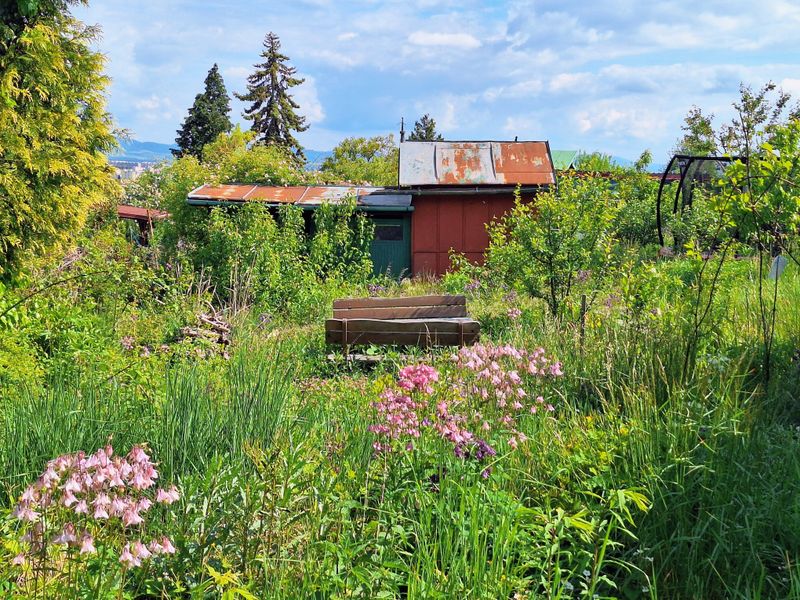
Highly manicured yards with few native plants tend to see less bird activity overall. Birds need messiness, and giving them a wild corner is one of the most effective upgrades you can make this summer.
Leaf litter alone hosts hundreds of insect species that ground-feeding birds depend on. Thrushes, towhees, and song sparrows spend hours flipping through fallen leaves searching for beetles, worms, and other small creatures.
Dried seed stalks left standing through winter and into spring give finches and sparrows a critical food source.
Cutting everything back in fall removes that resource right when migrating birds need it most.
A brush pile in a back corner creates shelter for wrens, sparrows, and rabbits alike. Stack fallen branches loosely so air can circulate and small animals can move through the interior safely.
Native grasses like little bluestem and prairie dropseed add structure and seed production to wild areas.
Their seed heads feed dozens of bird species and their dense clumps provide nesting cover close to the ground.
You do not need to let your entire yard go wild to see results. Even a four-by-eight-foot patch of intentional wildness in a back corner can support a surprising number of creatures through the season.
Letting go of perfect is actually one of the best things you can do for Illinois backyard birds. That wild corner you stop mowing often becomes the most active square footage in your entire yard.