What It Means When California Owls Start Appearing Near Your Home
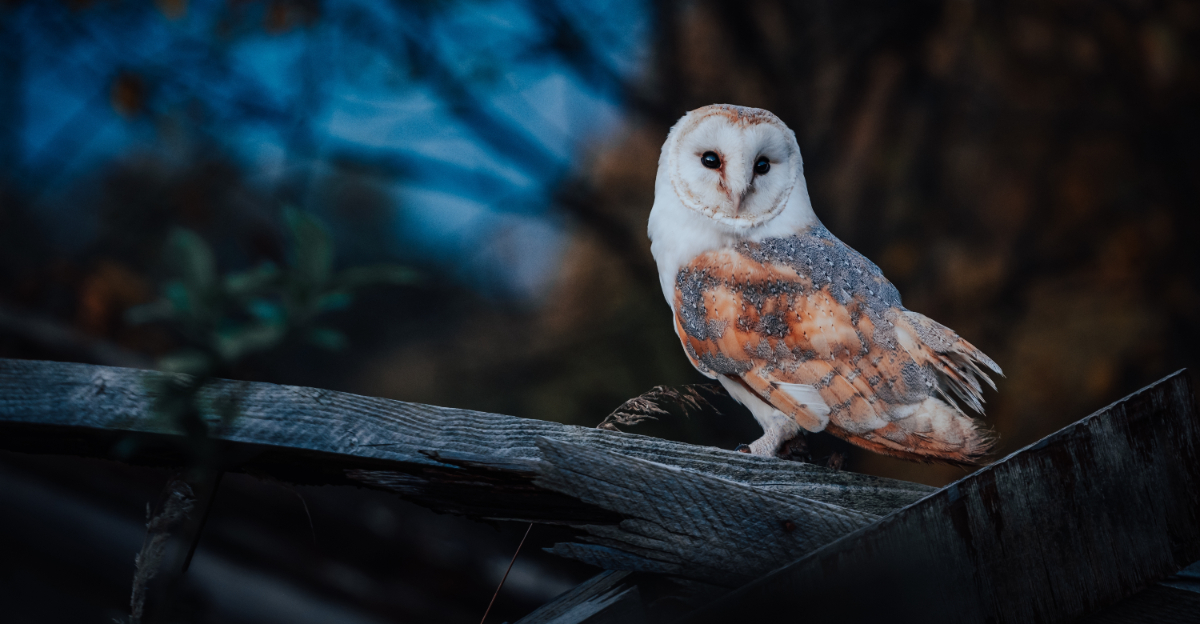
An owl showing up near your California home can feel a little magical the first time. Spot one perched on a fence, hear a call after dark, or catch a shadow gliding over the yard, and suddenly the neighborhood feels much wilder than it did five minutes ago.
Repeated visits can make things even more interesting. The same owl may return to a rooftop, tree, utility pole, or quiet corner night after night, which naturally raises questions about what has caught its attention.
Owls are observant hunters, and they tend to spend time where the surroundings suit them.
Yard layout, nearby vegetation, nighttime activity, and the broader neighborhood can all influence where they choose to linger.
Their presence does not automatically point to one simple explanation, either. A single sighting and a regular pattern of visits can tell very different stories.
If an owl has suddenly added your property to its evening routine, watch where it perches and when it appears.
Those quiet nighttime visits may reveal something interesting about what is happening around your home after sunset.
Your Yard May Have Plenty Of Rodents To Hunt
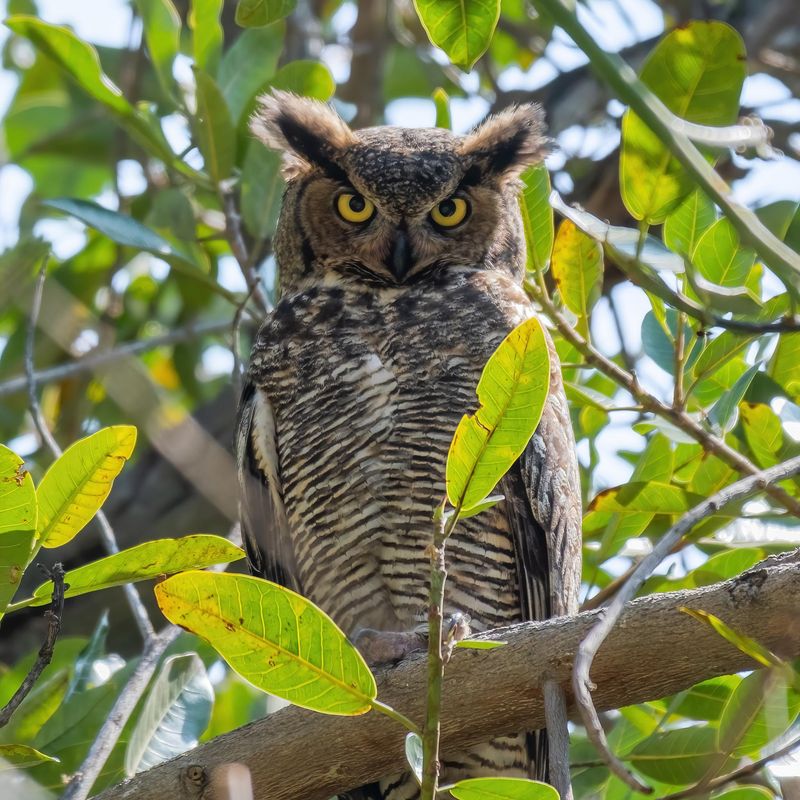
Owls are expert hunters, and they do not show up somewhere without a good reason. If one has been hanging around your California yard, there is a strong chance your property has a healthy supply of mice, voles, or other small rodents.
Owls have incredible hearing and can detect the tiny sounds of a mouse moving under leaves or grass.
Most rodents are most active at night, which is exactly when owls prefer to hunt. Your lawn, garden beds, or compost pile could be attracting these small animals without you even knowing it.
Bird feeders, pet food left outside, and dense groundcover are common things that bring rodents close to homes.
The good news is that having an owl nearby means nature is already working to balance things out. You do not need to rush for traps or chemicals.
Owls can handle a surprising number of rodents each week. One great-horned owl pair can catch enough prey to feed themselves and raise a full brood.
If you want to encourage owls to keep coming back, try reducing clutter in your yard and leaving some open grassy areas where they can easily spot movement below. You are basically setting the table for one of nature’s most efficient pest controllers.
Tall Trees Give Owls Good Hunting Perches
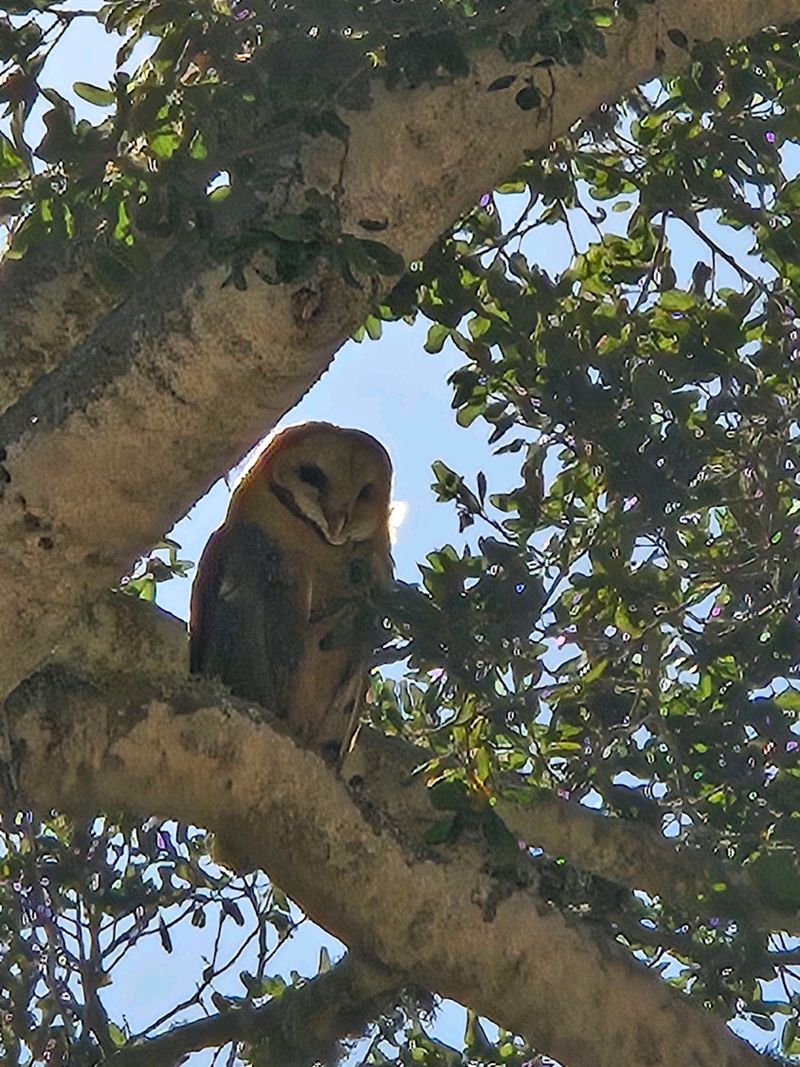
Not every yard gets owl visits, and one big reason some do is the presence of tall, sturdy trees. Owls need a high vantage point to scan the ground below for movement.
A mature oak, pine, or eucalyptus tree gives them exactly that kind of elevated lookout spot.
From up high, an owl can see a surprisingly wide area. Their eyes are designed to pick up motion even in very low light.
Once they spot something moving below, they can swoop down silently and with great accuracy.
Trees with wide, open branches work better than dense, bushy ones because owls need a clear flight path to launch from.
Your California Garden Changes Every Week. Your Plan Should Too.
Gardening in California changes quickly throughout the season. Every Friday you’ll receive a simple weekly plan showing exactly what to plant, prune, fertilize, harvest, and protect so you never miss the right timing.
Withered trees are especially popular perching spots because they have fewer leaves blocking the view. If your yard has one or two tall trees near an open grassy area, you have created nearly perfect owl habitat without even trying.
Some homeowners worry that big old trees are a problem, but for owls, they are like prime real estate. Keeping mature trees on your property is one of the best things you can do to attract and support local owl populations.
If you want to go a step further, putting up a wooden owl nest box near a tall tree can give a nesting pair the extra shelter they need to stay all season long.
Quiet California Yards Can Become Regular Nighttime Stops
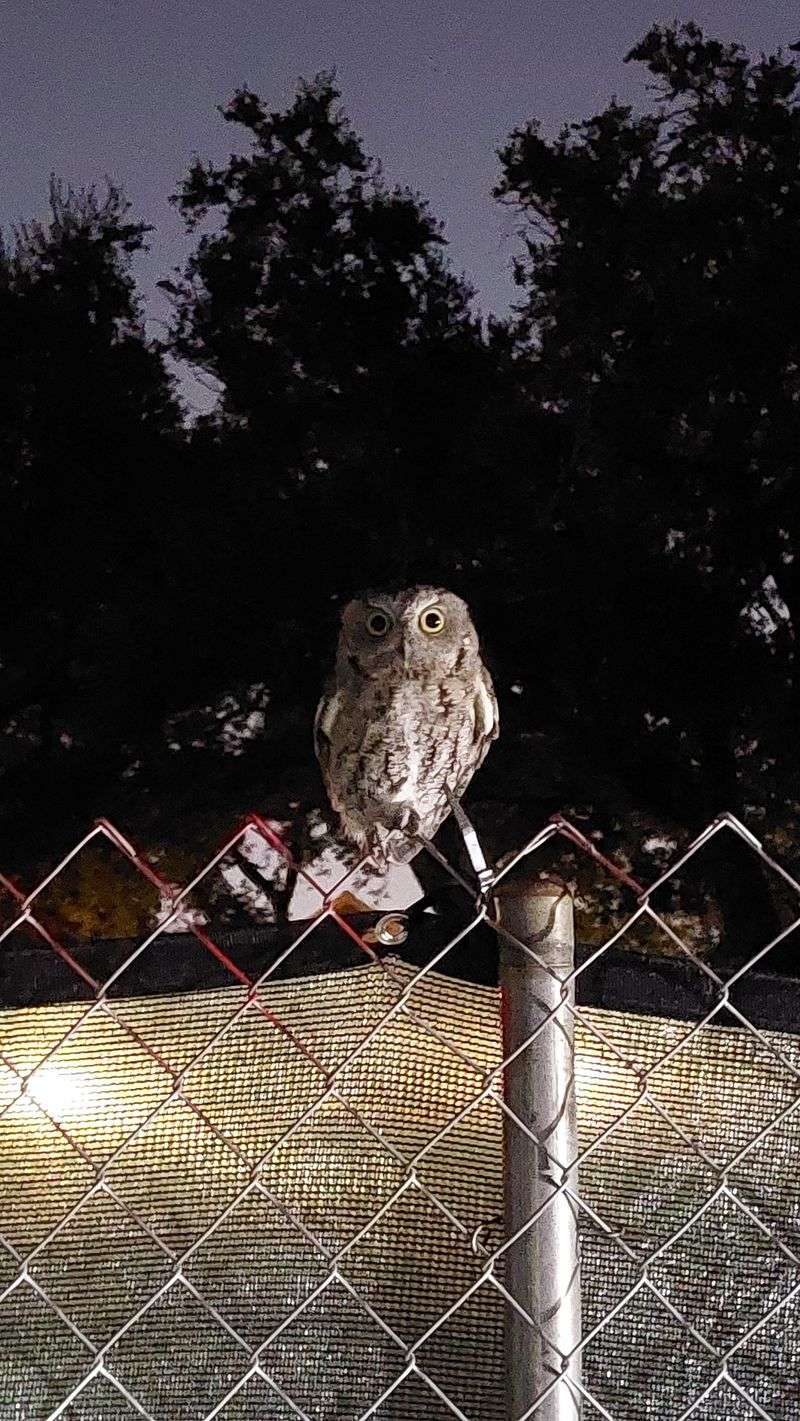
Owls are sensitive to noise and disturbance. Loud neighborhoods with lots of foot traffic, barking dogs, or bright lights can push them away before they even settle in.
A calm, quiet yard is genuinely inviting to a hunting owl looking for a reliable spot.
Think about what your yard feels like after 10 p.m. If it is mostly dark and still, you have already checked one of the most important boxes.
Owls tend to return to places where they felt safe and undisturbed during previous visits. Over time, a quiet yard can become part of a regular nightly hunting route.
Reducing outdoor lighting can make a real difference. Bright floodlights or motion-sensor lights that flash on constantly can startle owls and make them feel exposed.
Soft, low lighting near the ground is much less disruptive to their natural behavior. You do not have to turn everything off, just be thoughtful about where and how bright your lights are.
Letting your grass grow a little longer in certain areas can also help by creating better cover for the small animals owls hunt. A yard that feels quiet and natural is basically an open invitation.
Many people who start paying attention to their outdoor environment at night are surprised to find that owls have been visiting for months without anyone noticing.
Nearby Open Space Makes Homes More Attractive
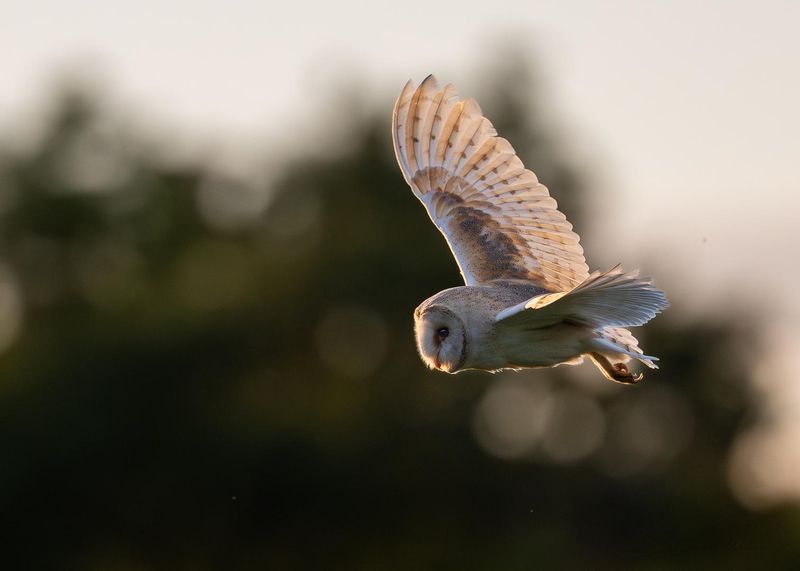
Yards that sit close to parks, fields, or undeveloped land tend to attract more owls than those surrounded entirely by pavement and buildings. Open space gives owls room to hunt and move freely.
It also tends to support larger populations of the small animals they depend on for food.
Owls often use open areas as their primary hunting grounds and then move into residential neighborhoods as they work their way along a regular route.
If your home backs up to a greenbelt, nature trail, or empty lot, you are essentially living on the edge of owl territory. That makes your yard a natural extension of their habitat.
Even a small patch of open space nearby can make a big difference. Owls do not need vast wilderness to thrive.
They are remarkably adaptable birds that have learned to work alongside human communities across many parts of the western United States.
Some species, like the barn owl and the western screech-owl, are actually quite comfortable living near people as long as there is enough food and shelter available.
Protecting open land near your neighborhood is one of the most powerful ways communities can support local wildlife.
If you have a say in local land use decisions, advocating for green spaces and wildlife corridors can help ensure owls and other animals have the room they need to survive and thrive right alongside us.
Owls Often Follow Mice And Rats Into Neighborhoods
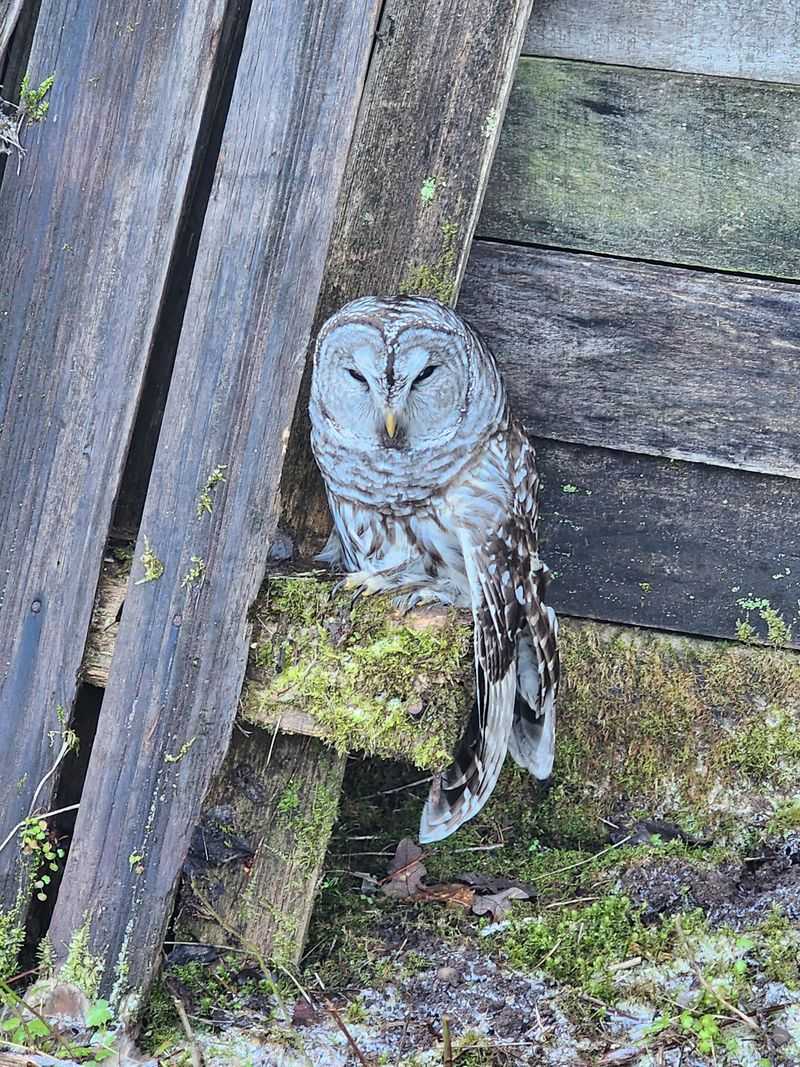
Rodents are opportunistic animals. They go where food is easy to find, and human neighborhoods offer plenty of it.
Fallen fruit, unsecured garbage, garden vegetables, and pet food left outdoors can all draw mice and rats into residential areas. Where rodents go, owls are not far behind.
Owls essentially track their prey. As rodent populations shift or expand into new areas, owls adjust their hunting routes to follow.
This is why you might suddenly start seeing an owl in your yard even if you never noticed one there before. A new food source for rodents nearby can trigger a whole chain of wildlife movement.
You can use this knowledge to your advantage. If you want to attract owls, make your yard a better habitat for the small animals they hunt, but do it thoughtfully.
Letting sections of grass grow wild, adding a brush pile in a corner, or planting native groundcover can all create microhabitats where mice and voles feel comfortable. That, in turn, brings in the owls.
On the flip side, if you would rather not have rodents around at all, sealing up gaps in your home and removing food sources is the smartest move.
Either way, understanding the connection between rodents and owls helps you make smarter choices about how to manage your outdoor space in a way that works for you.
A Favorite Roofline Can Become A Lookout Spot
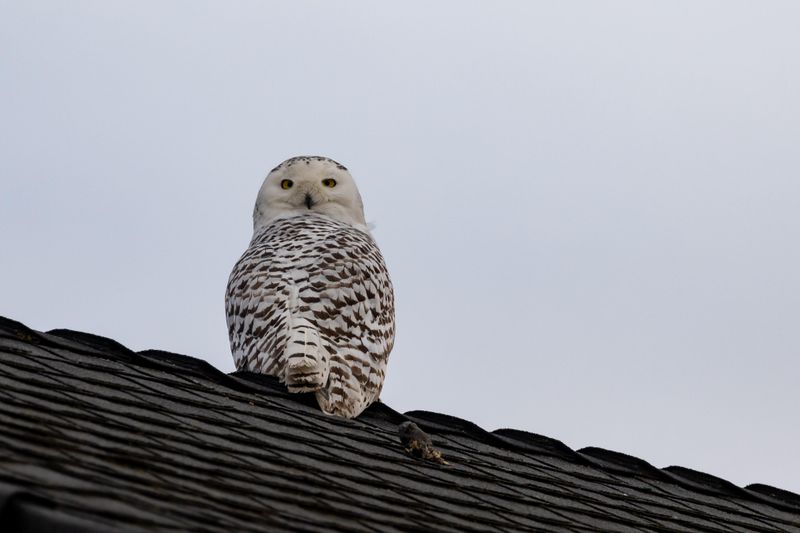
Rooftops are surprisingly popular with owls, and once a bird finds a roofline it likes, it may come back to the same spot again and again. From the peak of a roof, an owl gets a panoramic view of the surrounding area.
That height advantage is hugely useful for spotting prey moving around in the yard or street below.
Homeowners sometimes notice scratch marks, feathers, or droppings near certain spots on their roof. These are signs that an owl has been using that location as a regular perch.
Chimneys, gable ends, and roof ridges are especially popular. The texture and shape of certain rooflines may make landing and gripping easier for large birds with strong talons.
Some people feel uneasy about a large bird sitting on their roof at night. That reaction is completely understandable, especially if you hear the heavy landing or occasional hoot close by.
But owls on rooftops are generally harmless to the structure of the house. They are simply using the highest point available to do what they do best.
If droppings become a concern, placing physical deterrents like bird spikes in specific areas can redirect them without causing harm.
Many homeowners eventually grow fond of their rooftop visitor once they realize the bird is quietly keeping the neighborhood rodent population in check every single night.
Some Owls Return To The Same Area Night After Night
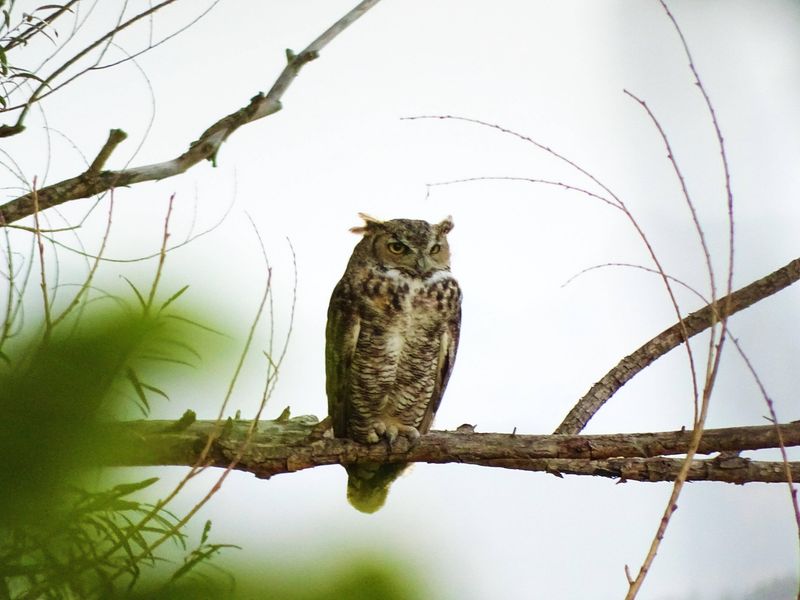
Owls are creatures of habit in a way that surprises many people. Once a bird finds a location with reliable food, good perches, and low disturbance, it tends to return regularly.
Some owls will visit the same yard every night for weeks or even months at a time.
Researchers who study owl behavior have found that many species maintain very consistent home ranges. They patrol the same paths, rest in the same trees, and hunt the same sections of ground on a predictable schedule.
This is especially true for species like the great horned owl and the barn owl, both of which are common across many parts of the western United States.
If you suspect an owl has been visiting your yard regularly, try setting up a simple trail camera near a perch you have noticed it using. You might be amazed at how consistent its schedule is.
Owls often arrive within the same hour each night and follow a similar route through the yard. Knowing this can help you plan a quiet observation session if you want to watch one up close without disturbing it.
Keep lights off, move slowly, and stay back at a comfortable distance. Watching a wild owl hunt in your own backyard is a genuinely memorable experience, and it becomes even more special when you realize the bird has chosen your space as part of its nightly world.
Their Calls Can Mean A Pair Is Nearby
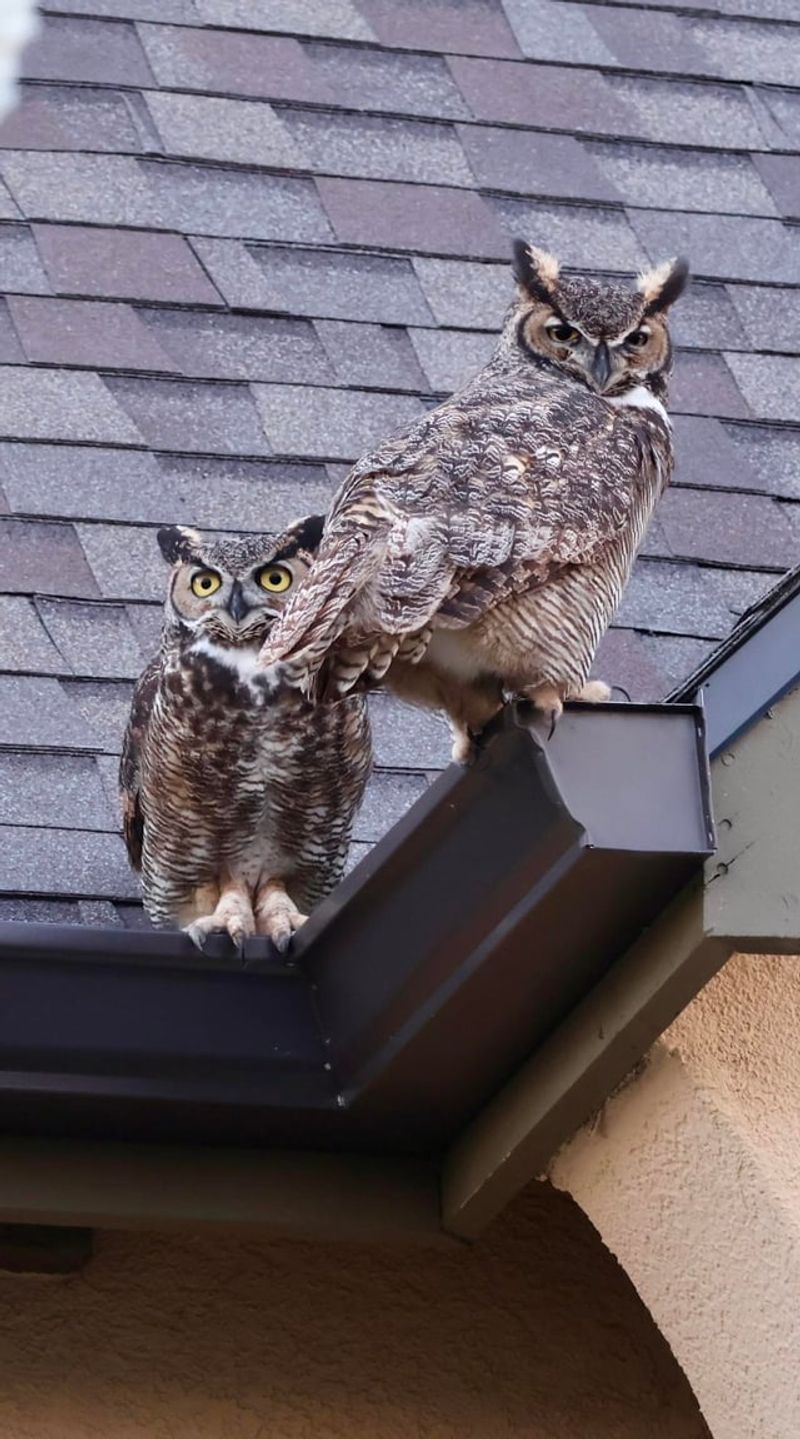
Hearing an owl call near your home is one thing, but hearing two different calls going back and forth is something else entirely. That kind of vocal exchange usually means a pair of owls is in the area.
Owls use calls to communicate with mates, establish territory, and coordinate during the breeding season.
Great horned owls, for example, have a deep hooting call that carries a long distance through the night air. When a male and female are bonded, they often call to each other in a duet pattern.
The male typically has a lower pitch and the female a slightly higher one. Once you learn to tell them apart, you can start to understand what is happening between them just by listening.
Hearing these calls near your home in late fall or winter often means a pair is starting to think about nesting. Owls in many parts of the western United States, including California, begin their breeding cycle earlier than most other birds.
If they are calling near your yard, there is a real chance they are scouting out potential nest sites in the area. Putting up a nest box on a tall tree or structure nearby could give them exactly what they need.
Supporting a nesting pair of owls is one of the most rewarding things a homeowner can do for local wildlife, and the natural pest control benefits are a wonderful bonus that lasts all season long.