8 Cool-Season Vegetables Illinois Gardeners Shouldn’t Miss Planting This September
Most gardeners assume the entire growing season ends by August. Illinois quietly proves that old assumption wrong every passing year.
Warm soil lingers long after the first cool air arrives. You still have real, extra weeks left to plant something new.
Cool nights quietly trigger a hidden shift inside plant cells. Starches convert into sugar, and the flavor changes almost instantly.
Spinach turns silky, radishes turn crisp, greens turn tender fast. Many Illinois gardeners report harvests extending into November, depending on frost timing and location.
Timing this correctly matters far more than luck ever could. Raised beds, containers, traditional plots, all of them still thrive.
Beginners succeed here just as often as more seasoned experts. Nutrition packs tighter into cold-weather harvests than summer ones.
Waiting costs you real, measurable growing days starting right now. Every week you wait narrows your options a little further. Your patience now determines exactly how much you harvest later.
1. Spinach
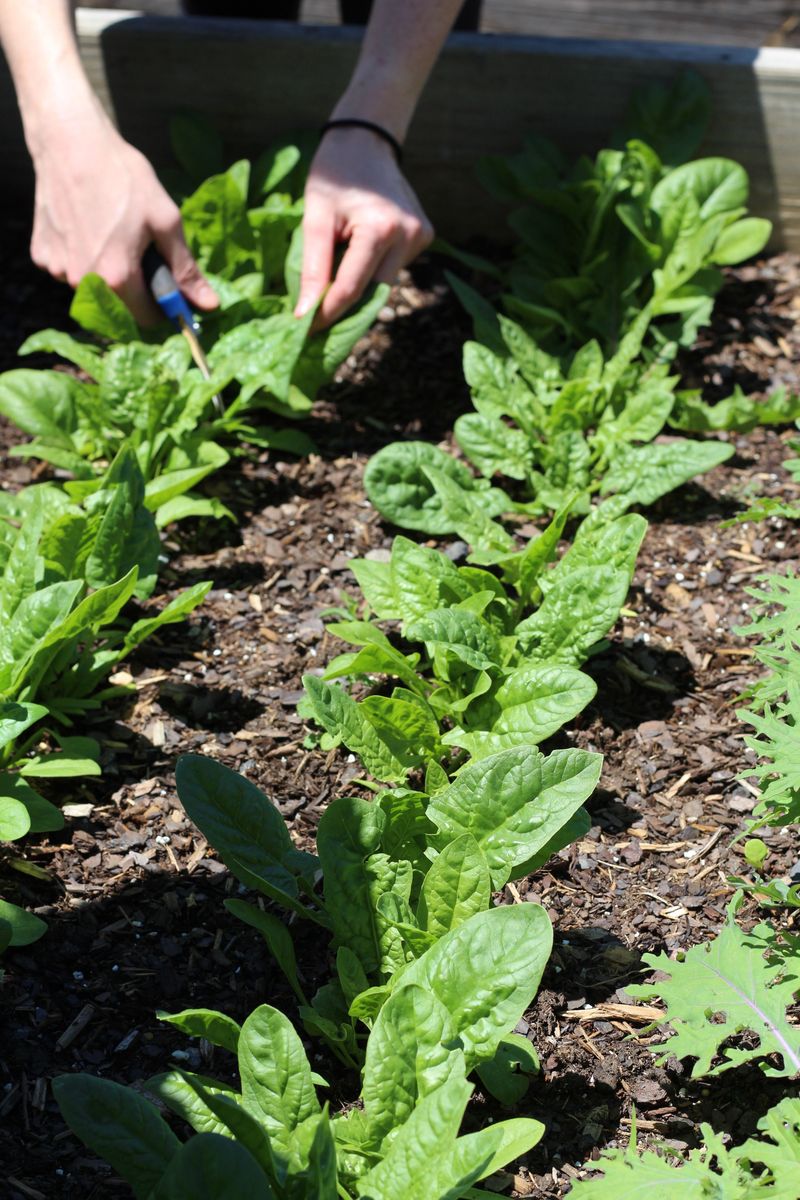
Spinach is one of the most productive crops in the fall garden. It germinates fast, grows quickly, and handles cold better than almost any other leafy green you can plant.
Sow spinach seeds directly into your garden bed about half an inch deep. Space them two to three inches apart for the best airflow and growth.
Cool-season vegetables like spinach actually prefer soil temperatures between 45 and 65 degrees Fahrenheit. September conditions in much of Illinois fall within that range, though exact timing varies by region.
One thing gardeners love about spinach is its flexibility. You can harvest outer leaves while the plant keeps producing, stretching your yield over several weeks.
After a light frost, spinach leaves develop a noticeably sweeter flavor. That natural sugar boost makes fresh salads taste far better than anything from a grocery store bag.
Plant spinach in a sunny spot that gets at least six hours of light daily. If your garden has partial shade, spinach handles it better than most other crops.
Varieties like Bloomsdale Long Standing and Space are both excellent choices for Illinois fall gardens. They mature in 40 to 50 days, giving you plenty of harvest time before hard freezes arrive.
Water spinach consistently but avoid soaking the soil. A simple layer of straw mulch keeps moisture in and helps insulate roots when temperatures drop at night. Growing your own spinach is rewarding, and September is exactly when to start.
2. Lettuce
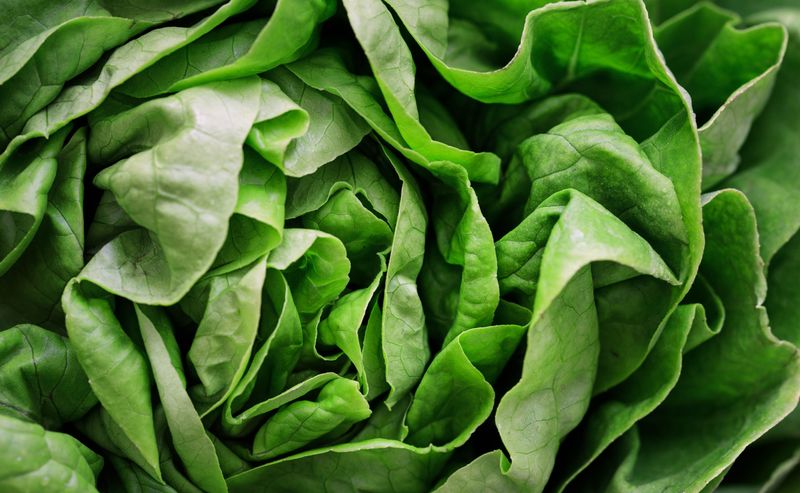
Few vegetables are as rewarding as lettuce when you grow it yourself. The crunch, the freshness, and the color variety are things store-bought bags simply cannot match.
September is the ideal window for planting lettuce in Illinois. Soil is warm enough to speed germination, but the cooling air temperatures keep the plants from bolting prematurely.
Lettuce bolts when heat signals it to go to seed, which ruins the flavor completely. Fall planting solves that problem because temperatures naturally trend cooler as the weeks pass.
Scatter seeds lightly over prepared soil and cover them with about an eighth of an inch of fine compost. Thin seedlings to six inches apart once they reach two inches tall.
Your Illinois Garden Changes Every Week. Your Plan Should Too.
Gardening in Illinois changes quickly throughout the season. Every Friday you’ll receive a simple weekly plan showing exactly what to plant, prune, fertilize, harvest, and protect so you never miss the right timing.
Cool-season vegetables like lettuce respond well to consistent watering. Aim for about one inch of water per week, adjusting based on rainfall to keep the soil evenly moist.
Try planting a mix of varieties for visual appeal and flavor range. Buttercrunch, Red Romaine, and Oak Leaf are all reliable performers for Illinois fall gardens.
Lettuce matures fast, usually in 45 to 60 days depending on the type. That means a mid-September planting could put fresh greens on your table by late October.
Protect young plants from early hard frosts with a lightweight row cover. Even a simple sheet of fabric can extend your harvest by two or three extra weeks. Fresh lettuce in November is a strong reward for the effort.
3. Kale
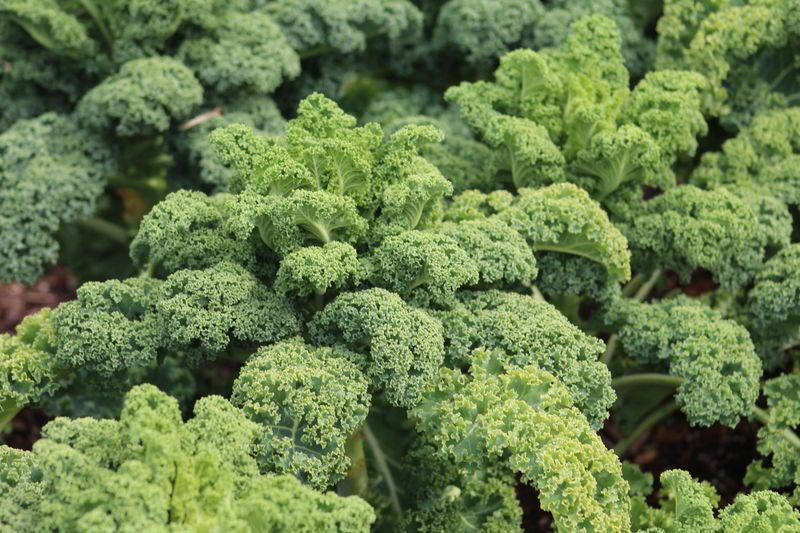
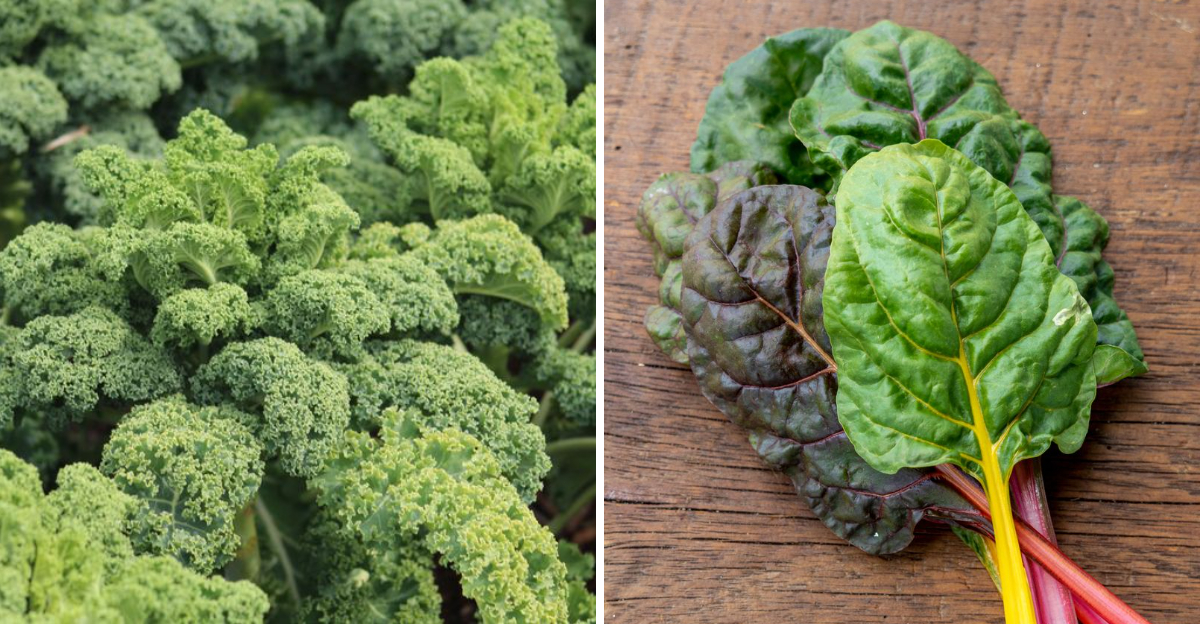
Kale has a reputation for being tough, and honestly, that reputation is earned. This leafy powerhouse shrugs off frost, survives near-freezing nights, and just keeps growing.
Plant kale seeds or transplants in September for a harvest that stretches well into November. In mild years, Illinois gardeners have picked fresh kale leaves through early December.
The secret to great kale is a frost kiss. Once temperatures dip below 32 degrees Fahrenheit, the leaves convert starches to sugar, creating a richer, sweeter flavor than summer-grown kale ever delivers.
Direct sow seeds about a quarter inch deep in rows spaced 18 inches apart. Thin plants to 12 to 18 inches once they establish, giving each one room to spread wide.
Kale thrives in full sun but tolerates partial shade better than most brassicas. It needs consistent moisture, especially during the first few weeks after planting.
Curly kale varieties like Winterbor are popular for their texture and cold tolerance. Lacinato kale, sometimes called dinosaur kale, offers a flatter leaf with a slightly milder taste that many people prefer.
Harvest outer leaves first and let the center continue growing. This cut-and-come-again method gives you multiple harvests from a single plant across many weeks.
Kale is loaded with vitamins K, C, and A, making it one of the most nutritious options in any fall garden. Planting it in September means eating well all the way through autumn. Kale is one of the more reliable choices this month.
4. Radishes
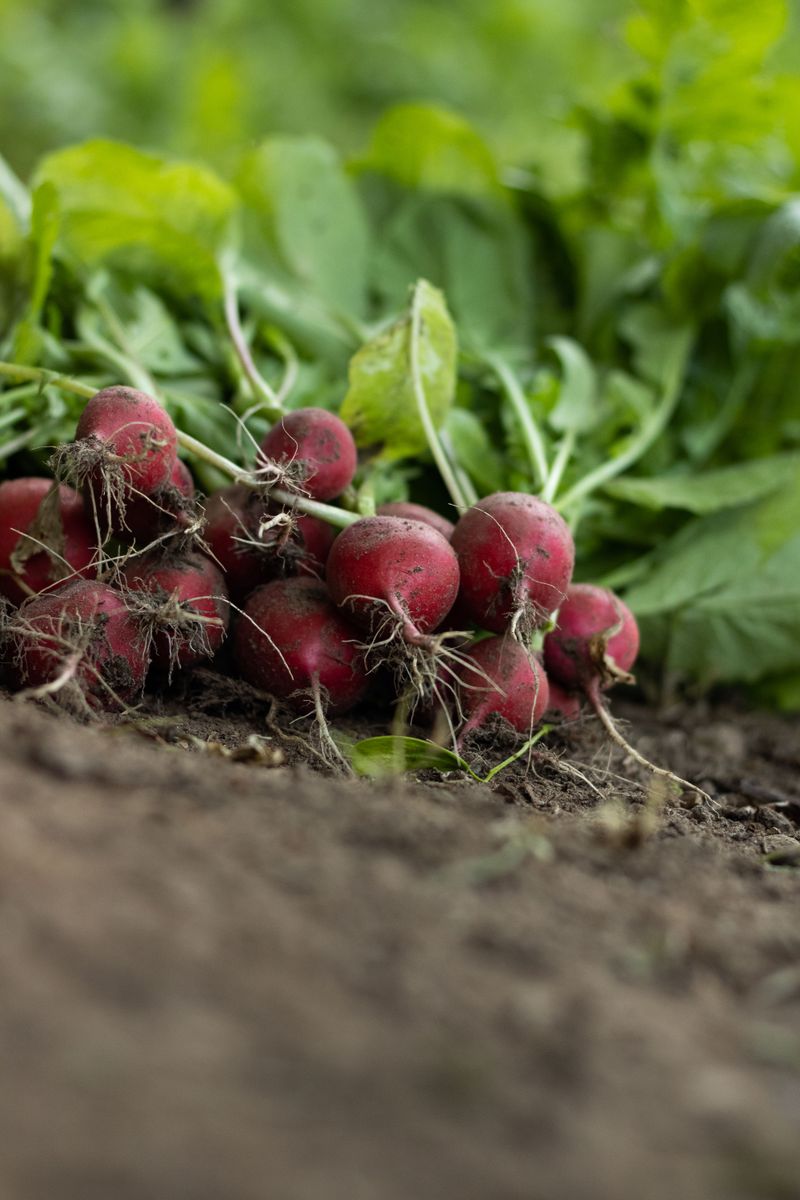
Radishes are one of the fastest-growing vegetables you can plant. Some varieties mature in as few as 22 days, making them the fastest reward a fall gardener can get.
September planting is perfect for radishes in Illinois because cool soil keeps them crisp and mild. Hot summer soil makes radishes pithy and spicy in an unpleasant way.
Sow seeds directly into the ground about half an inch deep and one inch apart. Thin seedlings to two inches apart once they sprout to prevent overcrowding underground.
Cool-season vegetables like radishes need loose, well-draining soil to form round, smooth roots. If your garden soil is heavy clay, mix in some compost before planting to loosen the texture.
Cherry Belle is a classic variety that matures in 22 to 25 days. French Breakfast radishes take slightly longer but offer a milder flavor and an elegant elongated shape.
Water radishes evenly and consistently to avoid cracking. Uneven moisture is the number one reason radishes split before harvest, so keep the soil steadily moist but not waterlogged.
Radishes are also fantastic companion plants. Tuck them between slower-growing crops like kale or lettuce, and they will be ready to pull long before neighboring plants need the space.
Because they mature so quickly, you can plant multiple rounds throughout September and into early October. Staggered planting means a near-continuous supply of fresh, crunchy radishes for weeks. Radishes offer one of the quickest returns in a September garden.
5. Turnips
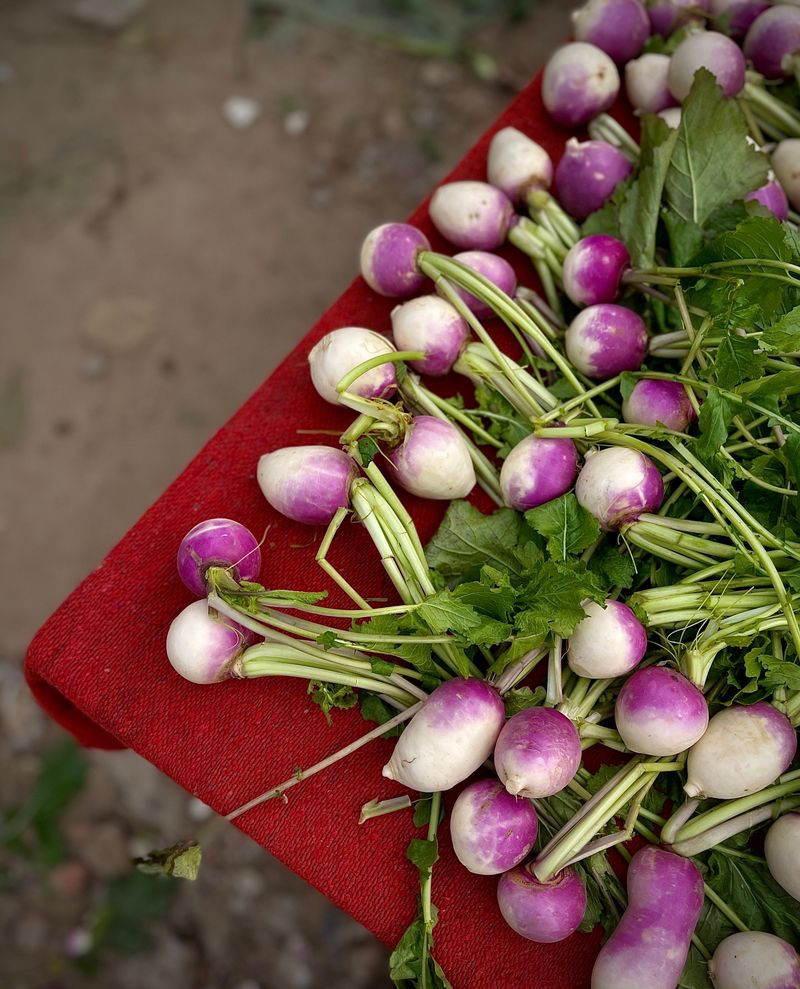
Turnips are one of the most underrated vegetables in the fall garden lineup. They are fast-growing, cold-hardy, and offer two harvests in one: the root and the nutritious greens on top.
Plant turnip seeds directly into the garden in early September, sowing them about a quarter inch deep. Thin seedlings to four to six inches apart once they are a few inches tall.
Turnips prefer cool temperatures between 40 and 60 degrees Fahrenheit to develop their best flavor. September in much of Illinois delivers conditions close to that range as the season transitions toward autumn.
The greens are ready to harvest in as little as 30 days, while the roots take 45 to 60 days to fully mature. That means you get two separate harvests from one planting effort.
Purple Top White Globe is a classic variety well-suited for Illinois fall gardens. Hakurei is a Japanese-style turnip with a sweeter, more tender flavor that works beautifully eaten raw.
Turnip greens are surprisingly nutritious, packed with calcium, iron, and vitamins A and C. Saute them with garlic and olive oil for a simple side dish that tastes rich and hearty.
Water turnips consistently and mulch around the base to retain soil moisture. They do not need heavy fertilization, but a light application of balanced fertilizer at planting helps early growth.
Frost actually improves turnip flavor significantly. Roots harvested after a few cold nights taste noticeably sweeter than those pulled before temperatures dip. Turnips offer a strong yield for relatively low maintenance.
6. Swiss Chard
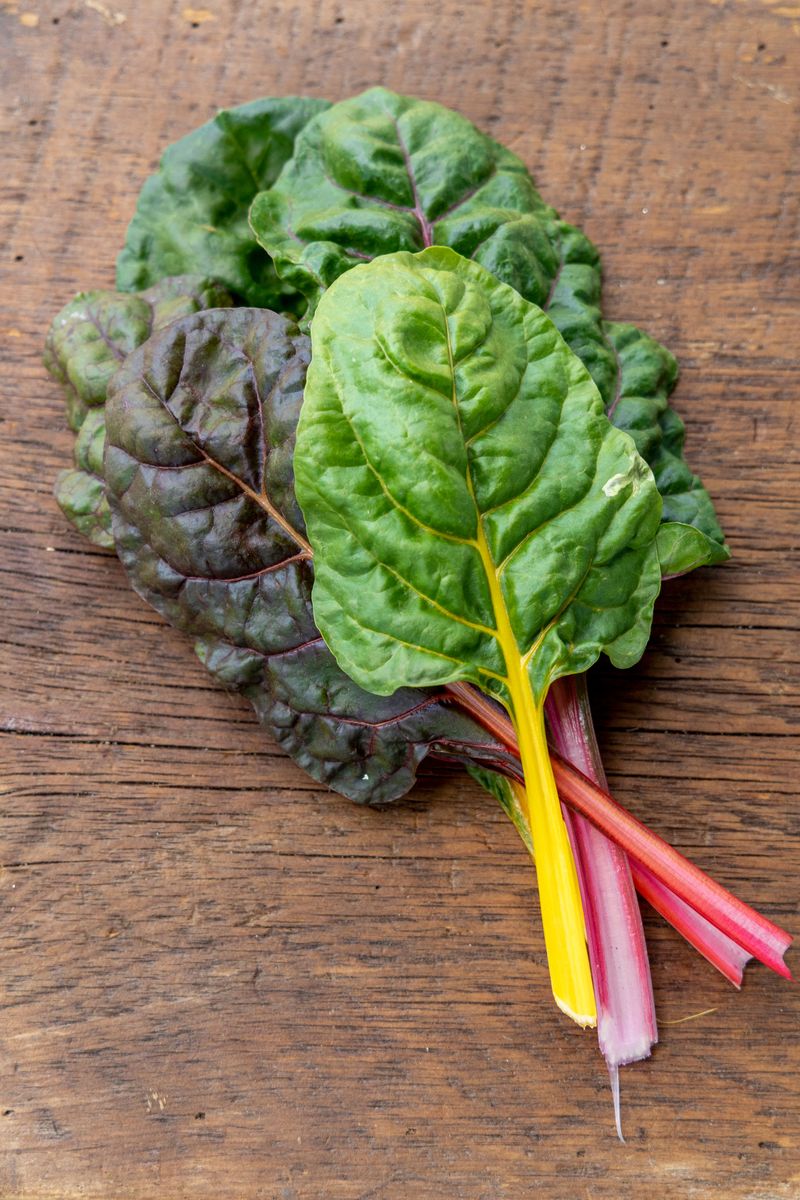
Swiss chard adds bold color to the garden that few other vegetables can match. The stems come in bold shades of red, yellow, orange, and white, turning a simple garden bed into something genuinely beautiful.
Plant Swiss chard seeds about half an inch deep in rows spaced 18 inches apart. Thin plants to six to twelve inches once they reach three to four inches tall.
This vegetable bridges the gap between cool-season and warm-season tolerance better than most greens. It handles mild frosts well but also performs decently in late summer warmth, making September ideal.
Swiss chard grows best with consistent moisture and full sun, though it tolerates partial shade without complaint. Mulching around the base helps regulate soil temperature as fall nights get cooler.
Harvest outer leaves regularly to encourage the plant to keep producing from the center. A single chard plant can supply fresh greens for weeks if you harvest it the right way.
Rainbow Chard is a popular variety that combines multiple stem colors in one seed packet. Fordhook Giant is another reliable option, known for its large, dark green leaves and white stems.
Chard is rich in magnesium, potassium, and vitamins K and A. Adding it to soups, stir-fries, or omelets is an easy way to boost the nutrition of everyday meals.
Because chard tolerates light frost, it often keeps producing after spinach and lettuce have stopped. That extended harvest window makes it a smart investment for any September garden. Swiss chard combines visual appeal with practicality.
7. Arugula
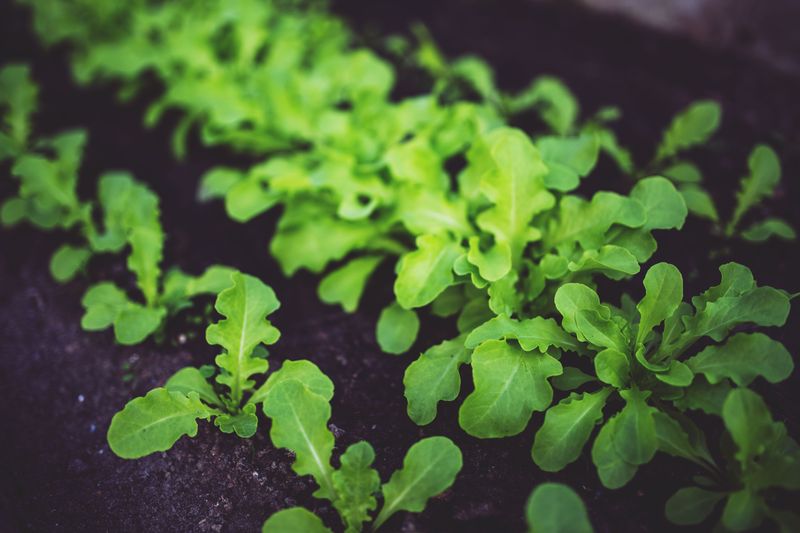
Arugula has a distinctive, strong flavor that demands attention. The peppery, slightly nutty bite of a freshly picked leaf is unlike anything else in the cool-season vegetable garden.
Scatter arugula seeds thinly across prepared soil and rake them lightly to cover with about an eighth of an inch of fine earth. Arugula germinates quickly at shallow depth, though soil temperature and moisture still affect speed.
Germination happens in just five to seven days under September conditions in Illinois. Within four to six weeks, you will have leaves ready to harvest for salads and sandwiches.
Arugula prefers cooler air temperatures, which is exactly why September planting works so well here. Heat causes arugula to bolt and turn intensely bitter, but fall conditions keep the flavor balanced and bright.
Harvest leaves when they reach two to four inches long for the mildest flavor. Larger leaves develop a stronger, spicier kick that some people love and others find overwhelming.
Astro and Rocket are two popular arugula varieties that perform consistently well in fall gardens. Both mature quickly and offer that signature peppery taste that makes arugula so popular in restaurants.
Arugula pairs beautifully with shaved Parmesan, lemon juice, and olive oil for a simple salad. It also works great as a pizza topping added fresh after baking, which is a classic Italian technique.
Because arugula grows so fast, you can stagger plantings every two weeks throughout September. That strategy keeps a steady supply of fresh greens coming right through October and beyond. Arugula offers strong flavor for relatively low effort.
8. Collard Greens
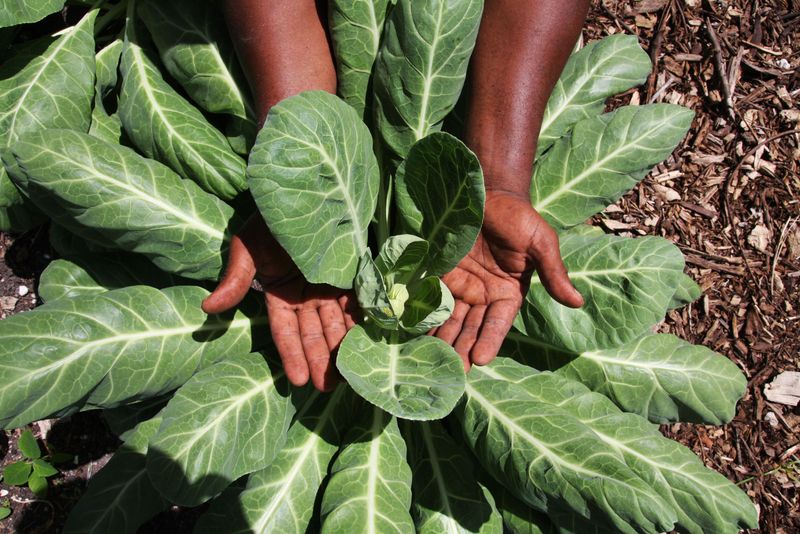
Collard greens are highly cold-tolerant, remaining productive through conditions that would end many other crops. While other vegetables struggle with frost, collards stand firm and just keep growing.
Plant collard transplants or direct-sow seeds in early September for the best results in Illinois. Seeds go in about a quarter inch deep, with plants thinned to 18 inches apart at maturity.
Cool-season vegetables rarely get as cold-hardy as collards. Mature plants can survive temperatures down to 20 degrees Fahrenheit, making them one of the most frost-resistant greens you can grow.
Like kale and turnips, collards get sweeter after a frost. The cold triggers a chemical change in the leaves that converts starch to sugar, improving both flavor and texture significantly.
Georgia Southern and Champion are two excellent varieties for Illinois fall gardens. Both produce large, thick leaves that hold up well whether you are braising, steaming, or sauteing them.
Collard greens need full sun and consistent moisture to reach their full potential. Fertilize lightly with a nitrogen-rich option about three weeks after planting to support healthy leaf development.
Harvest outer leaves as they mature, leaving the inner growth point intact. A healthy plant can produce fresh leaves for two to three months with proper care and regular harvesting.
Collard greens are rich in fiber, calcium, and vitamins C and K. They have been a staple of Southern cooking for centuries, and many gardeners find them a rewarding addition.
Planting collard greens this September can extend your harvest well beyond that of many other fall crops.