The Invasive Beetle Spreading Through Ohio Ash Trees Right Now
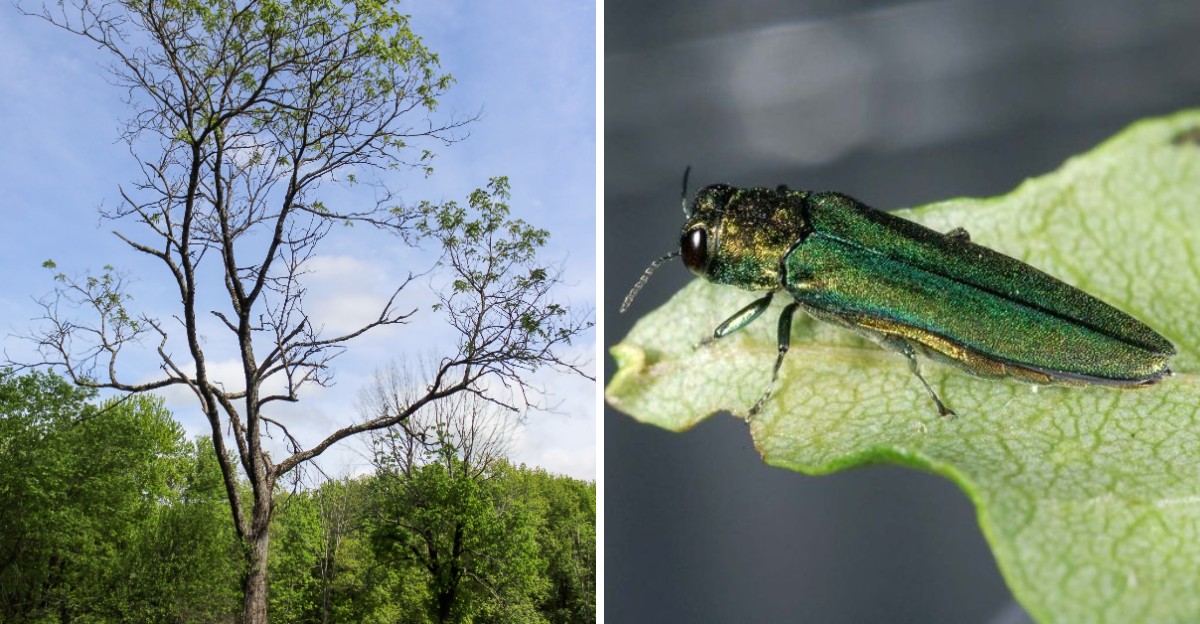
A bug smaller than a penny can bring down an ash tree taller than your house. It does the damage from inside the bark, out of sight.
This pest has now reached all 88 counties in Ohio. Untreated ash trees often decline within three to five years of infestation. I find that timeline hard to believe.
You need sharp eyes to catch the early clues. A thin crown or a strange sprout on the trunk can tell a big story. Woodpeckers sometimes spot the trouble before we do.
So how do you know if your backyard ash is next? I believe the answer starts with a closer look at the bark.
Your Ash Trees Might Be Hiding a Secret Struggle Under the Bark
A healthy ash tree looks full and leafy from bottom to top. Trouble often starts quietly, high in the crown where you rarely look.
The first clue might be a few bare twigs near the very top.
Many Ohio homeowners notice something feels off before they can name it. The leaves seem smaller or sparser.
The tree turns color earlier than the maples nearby. Woodpeckers suddenly visit more often and leave pale, flaky patches on the trunk.
Those woodpecker patches are worth your attention. Birds peel away the outer bark to reach hungry larvae hiding underneath.
Experts call this blonding, because the lighter inner bark shows through like a fresh scrape.
Fall is a smart time for a slow walk around your trees. With fewer leaves on many plants, bark details are easier to see.
Bring binoculars so you can check the upper branches without climbing anything.
Write down what you notice and snap a few photos. Compare them next spring and summer.
Small changes add up, and a written record helps an arborist judge how fast things are moving. Early clues give you the most choices, so a few minutes of looking now can pay off later.
That Tiny Metallic Green Beetle Is the Emerald Ash Borer
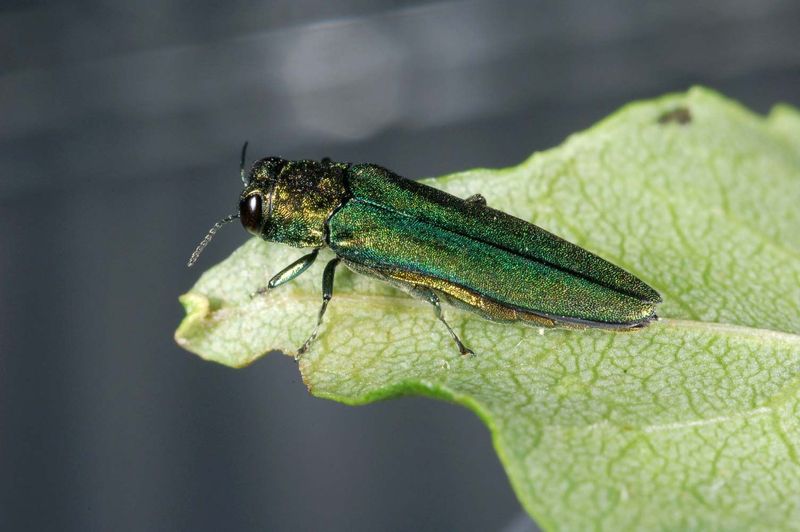
Shiny, slender, and about half an inch long, the emerald ash borer looks almost like jewelry. Its body glows a bright metallic green.
Lift its wings and you will see a coppery purple back underneath.
This beetle came from Asia, likely hiding in wooden shipping material. Scientists first found it near Detroit in 2002.
Ohio confirmed its first infestation in 2003, and the pest has since reached every county in the state.
Spotting the adult is tricky because it lives only a few weeks in late spring and summer. The marks it leaves behind are easier to find.
Look for small exit holes shaped like the letter D, about one eighth of an inch wide.
Those D-shaped holes are a strong sign, since few native insects make that shape. You can check them with a coin for size.
A dime is roughly twice as wide as a typical hole.
Be careful with lookalikes, though. The six-spotted tiger beetle is also green, but it hunts on the ground and is harmless.
If you are unsure, send a clear photo to your county Extension office for help.
Hungry Larvae Carve Winding Tunnels Inside Your Ash Trunk
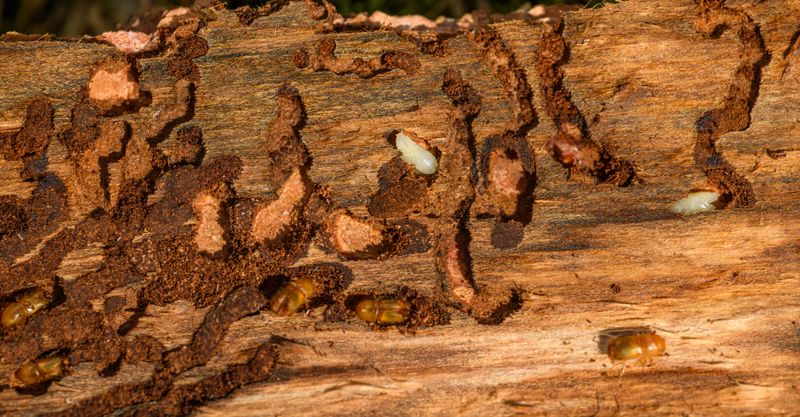
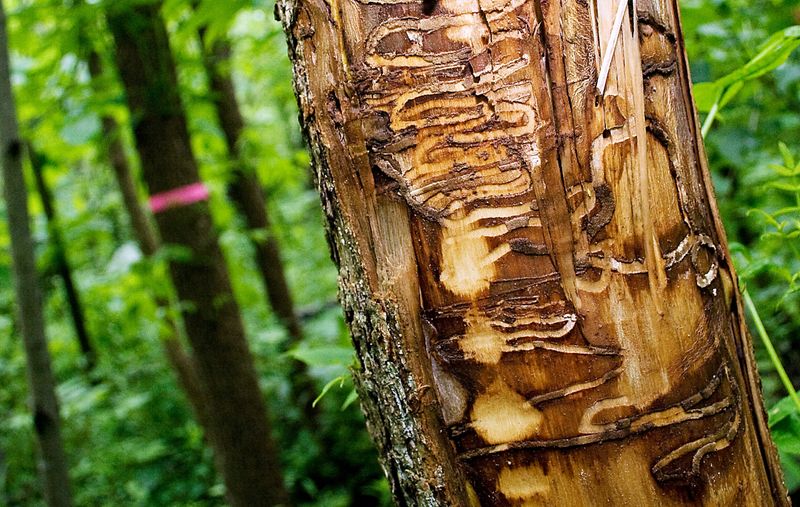
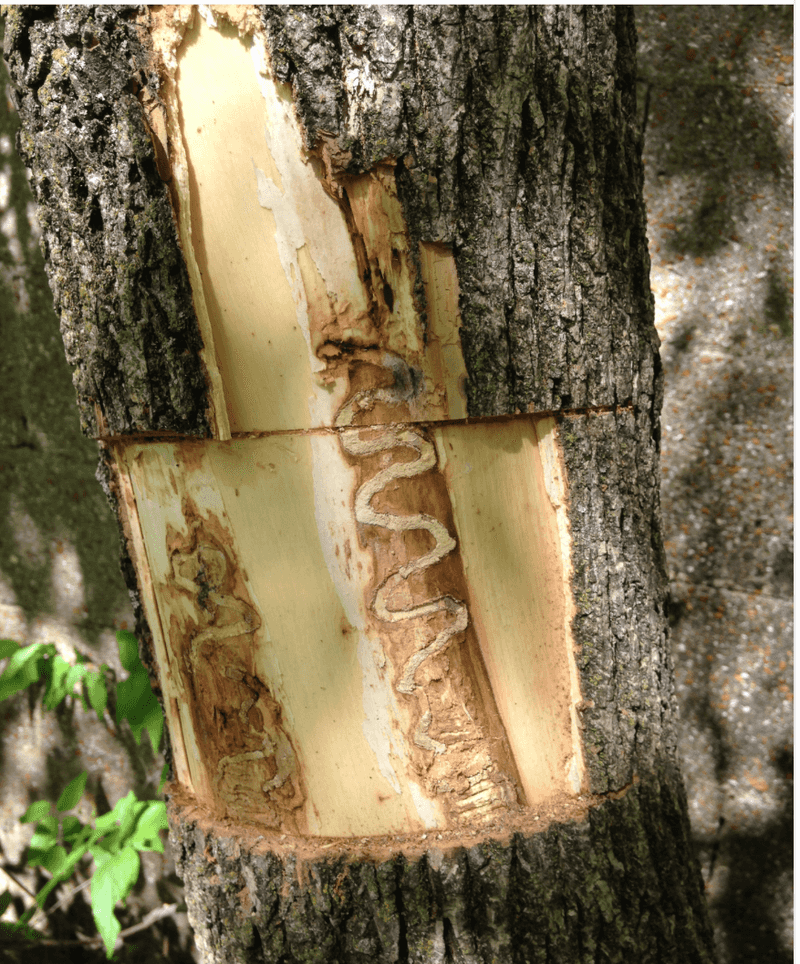
Peel back the bark on an infested ash and you will find something wild. Wavy, S-shaped tunnels twist across the wood like a doodle.
Each one was carved by a single cream-colored larva.
Adult females lay eggs in bark cracks during summer. The eggs hatch in about two weeks, and the flat larvae chew straight into the inner bark.
Right now in fall, those larvae are busy feeding under the surface.
Their tunnels slice through the phloem, the layer that carries sugar and nutrients through the tree. Picture cutting the supply lines in a busy city.
With enough tunnels, water and food struggle to reach the branches.
Larvae spend the winter tucked under the bark. They finish growing, then turn into adults in spring.
Around late May, when black locust trees bloom in Ohio, new beetles chew out through those D-shaped holes.
One life cycle usually takes a year, though it can stretch to two in healthier trees. That hidden timeline explains why damage feels sudden.
By the time you notice a sick crown, the larvae may have been working for a couple of seasons.
Watch for Bare Crowns and Odd Sprouts on Your Ash Trees
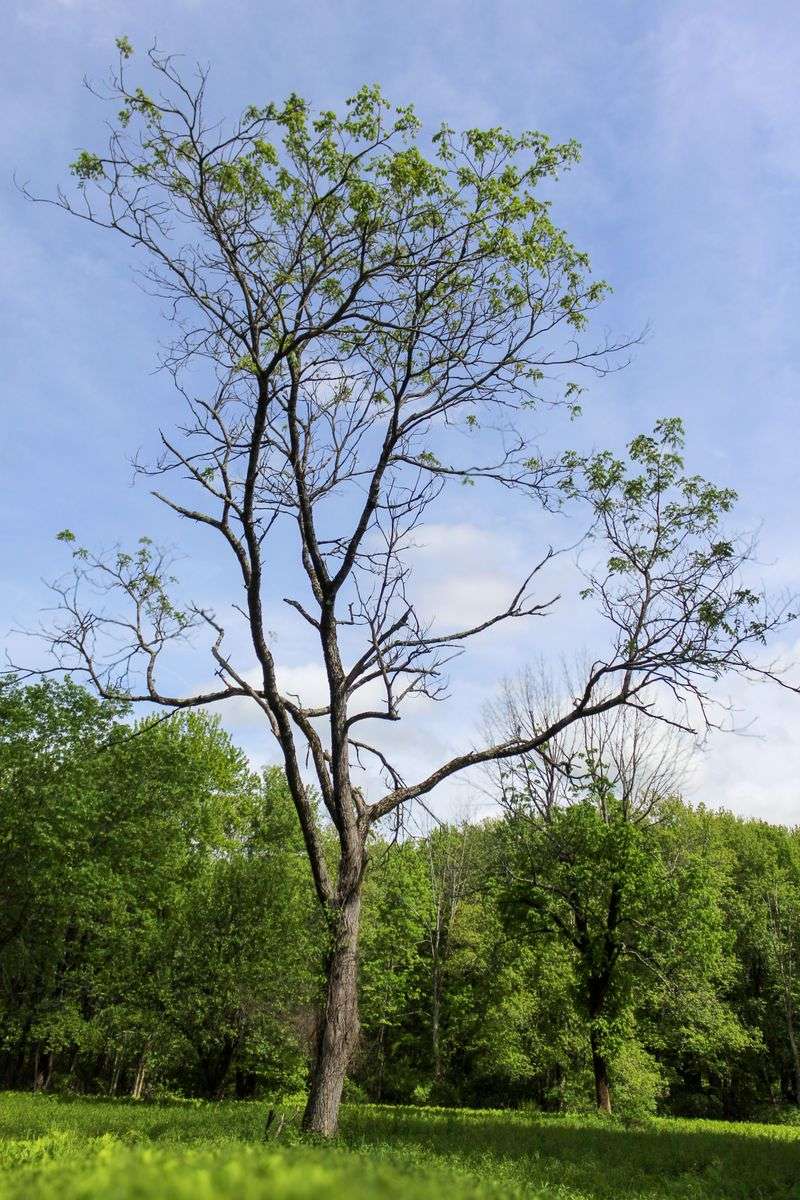
Trees talk, in their own quiet way. An ash under attack sends some very clear signals from the top down.
Learning to read them helps you act sooner.
Crown dieback is the big one. Branches at the top lose leaves first, while the lower canopy still looks fine.
Over a season or two, that bare zone creeps downward.
Next, watch the trunk for epicormic sprouts. These are bunches of leafy shoots popping out low on the trunk or along big limbs.
The tree is basically trying to grow new leaves wherever it still can.
Vertical splits in the bark are another clue. They often form right over the larval tunnels as the tree reacts to the damage.
Add in woodpecker scrapes, and you have a strong case.
Arborists often estimate how much of the canopy has thinned. Trees with less than about 30 percent dieback are usually good candidates for treatment.
Once losses pass about 50 percent, treatment rarely works well.
Struggling ash wood also turns brittle fast. Limbs can snap without warning, so keep kids and cars away from a tree that looks badly thinned.
Treatment Can Still Save a Cherished Ash in Ohio
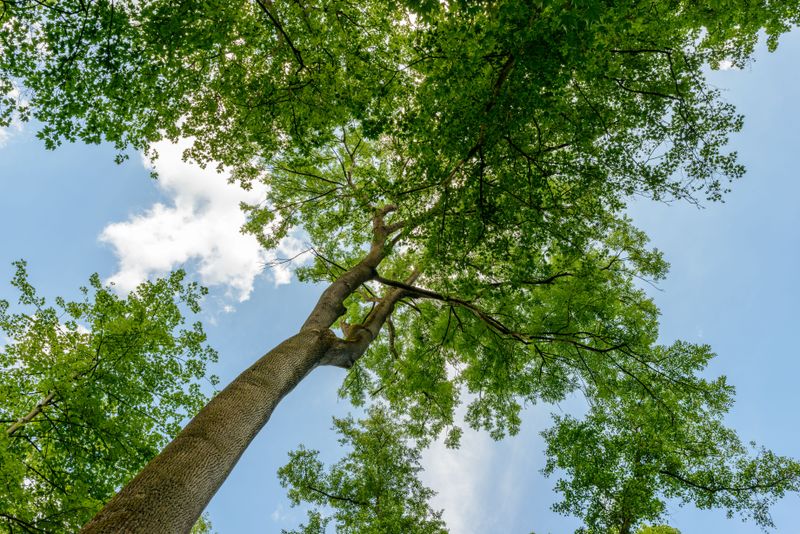
Here is something hopeful. A valuable ash tree with mild symptoms can often be protected for years.
Systemic insecticides move through the tree and reach larvae feeding under the bark.
Homeowners can use soil drenches with imidacloprid on smaller trees. Read the label carefully and follow the trunk size limits.
These products work best when applied in spring, so they have time to spread before larvae hatch.
Bigger trees usually need a professional. Certified arborists can inject emamectin benzoate directly into the trunk.
One treatment can protect a tree for about two to three years, which helps the cost make sense over time.
Ohio State University Extension suggests treating only trees that are healthy enough to respond. A thin, struggling tree may not move the product well.
Ask an arborist to check canopy health before you spend money.
Fall is a fine time to plan, get quotes, and decide which trees matter most. Shade trees near your house can lower cooling bills, so they may be worth the effort.
Trees too far gone are best removed safely by a trained crew before limbs start falling.
Leave That Firewood Behind to Slow the Beetle Down
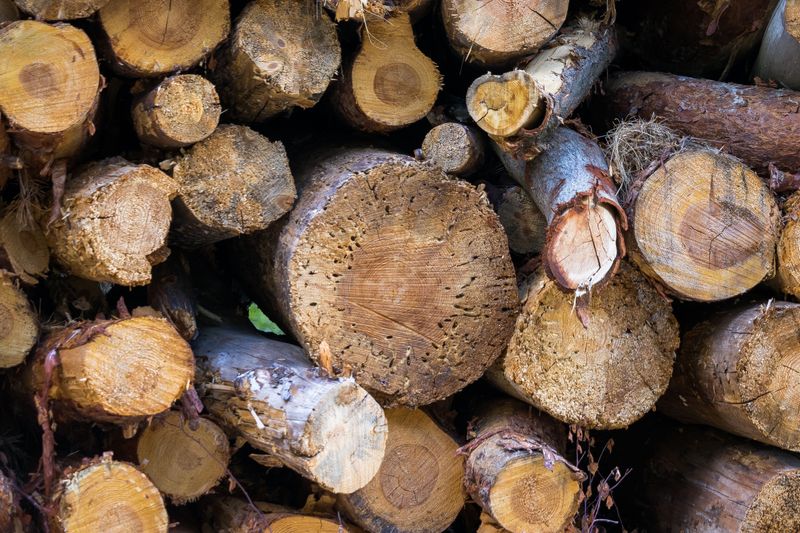
Adult beetles usually fly only a short distance on their own. People carrying wood moved this pest much farther and faster.
One bundle of firewood can hide dozens of larvae under its bark.
That is why the old rule still matters. Buy firewood where you burn it.
Many experts suggest staying within about 10 to 50 miles of your source.
Ohio once had a statewide quarantine on ash wood. Federal quarantine rules for this beetle ended in early 2021, after it had spread so widely.
Even so, Ohio state parks and many campgrounds still ask visitors to bring only certified heat-treated or local firewood.
Heat-treated wood comes with a label showing it was processed to clear out pests. It is easy to find at many stores near popular camping spots.
The small extra cost protects forests you love to visit.
Removed ash trees need careful handling too. Chip the wood, use it on site, or leave it for a local hauler.
Smart choices also help stop other pests, like the Asian longhorned beetle, from getting a free ride to new places.
A Few Lingering Ash Trees Are Giving Scientists Real Hope
Out in the woods, researchers noticed something surprising. A small number of ash trees stayed healthy while neighbors around them declined.
Scientists call these survivors lingering ash.
The USDA Forest Service has studied these trees in Ohio for years, with help from volunteers. They estimate that only about one percent of wild ash shows this toughness.
Some trees seem to fight back by killing off larvae early or by being less tempting to egg-laying females.
Researchers graft and breed these standouts to grow more resistant ash. The work moves slowly, since trees take years to grow.
Still, it is one of the brightest stories in this whole situation.
Tiny parasitic wasps from Asia are also helping. Wildlife officials released them to attack beetle eggs and larvae.
They do not sting people and target this pest closely.
You can join in too. If you spot a large, healthy ash in a hard-hit area, report it to local researchers or your Extension office.
Meanwhile, plant a mix of native trees such as oaks, maples, and Kentucky coffeetree, so your yard stays shady whatever happens next.