The Invasive Bug Spreading Into More Michigan Yards
Nobody sent out invitations, but the spotted lanternfly showed up anyway. This flashy, inch-long planthopper has been quietly spreading into Michigan yards, and it has been making itself very comfortable ever since.
A sticky deck, a sour smell near the maple tree, and small winged insects hopping off the railing when you get too close are the kinds of clues that tend to show up before anyone realizes what they are dealing with.
The spotted lanternfly feeds on more than 70 plant species, travels by hitching rides on cars, trailers, and firewood, and lays egg masses on nearly any surface it can find.
Knowing what to look for is genuinely one of the most useful things a homeowner can do right now.
1. Meet The Colorful Hitchhiker Now Showing Up In Michigan
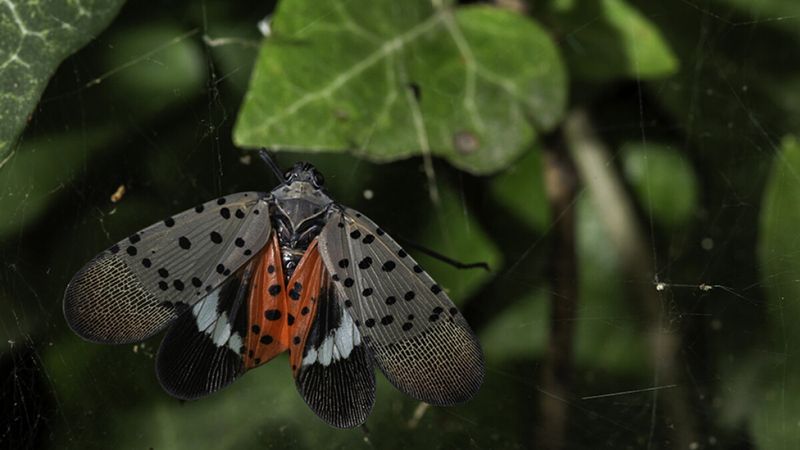
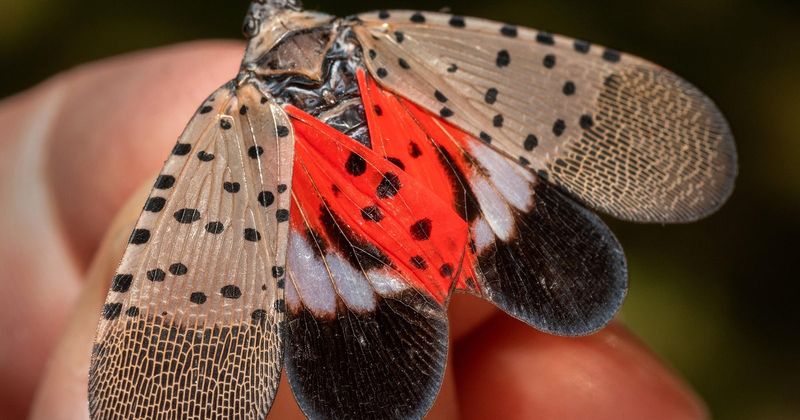
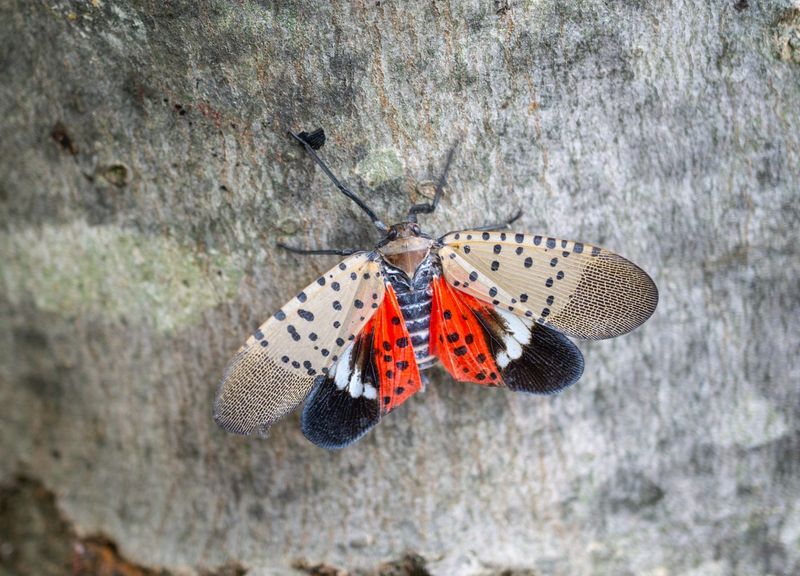
Some bugs blend in, but the spotted lanternfly shows up dressed for a costume party. Adults are about one inch long with gray wings covered in black spots.
When they flick their wings open, you see a flash of bright red underneath. It looks almost too pretty to be a problem, which is part of the trick.
Young lanternflies look different, so it helps to learn every stage. Early nymphs are tiny, black, and speckled with white dots like a spilled salt shaker.
Later nymphs turn red with black and white markings. They hop more than they fly, so you may see them jump away when you get close.
Fun fact: despite the name, the spotted lanternfly is not a fly at all. It is a planthopper, a cousin of cicadas and leafhoppers.
The bug first reached the United States in Pennsylvania in 2014. Since then, it has spread to many states, and Michigan confirmed its first cases in 2022.
Learning its look is your first line of defense. Snap a clear photo whenever you spot an unusual bug on your trees or patio.
Keep that picture handy on your phone for comparison. With a little practice, you will spot this flashy invader faster than your neighbors do, and you can help protect your whole block.
2. How The Pest Sneaks Across Michigan Roads And Rails
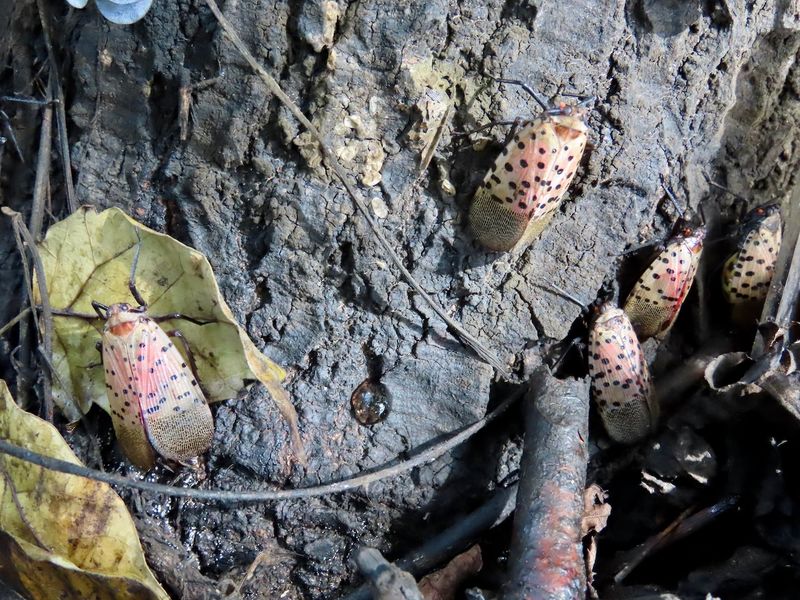
Nobody invited this bug to the party, yet it keeps arriving by car, truck, and train. Spotted lanternflies are expert stowaways that ride along with people.
Adults can hop onto a vehicle and travel for hundreds of miles. That is how they jump from state to state much faster than they could on their own wings.
The biggest danger comes from egg masses. Females lay rows of eggs covered in a gray, mud-like coating that looks like dried putty.
These egg masses stick to almost anything outdoors. You might find them on trailers, firewood, patio furniture, boat covers, or even the underside of a grill.
Because they look so plain, most people pass right by them. One overlooked egg mass can hold 30 to 50 eggs, ready to hatch in spring.
Travelers returning to Michigan from states with big outbreaks should check their gear. Pennsylvania, Ohio, and Indiana all have active populations near the border.
Your Michigan Garden Changes Every Week. Your Plan Should Too.
Gardening in Michigan changes quickly throughout the season. Every Friday you’ll receive a simple weekly plan showing exactly what to plant, prune, fertilize, harvest, and protect so you never miss the right timing.
Before you pull out of a campground, walk around your car and trailer. Peek under bumpers and wheel wells, and inside the truck bed.
Buying firewood where you camp is another smart habit. Moving firewood is one of the easiest ways to carry pests into brand new places, so keep it local and keep your trips clean.
3. Trees And Vines On The Lanternfly Menu
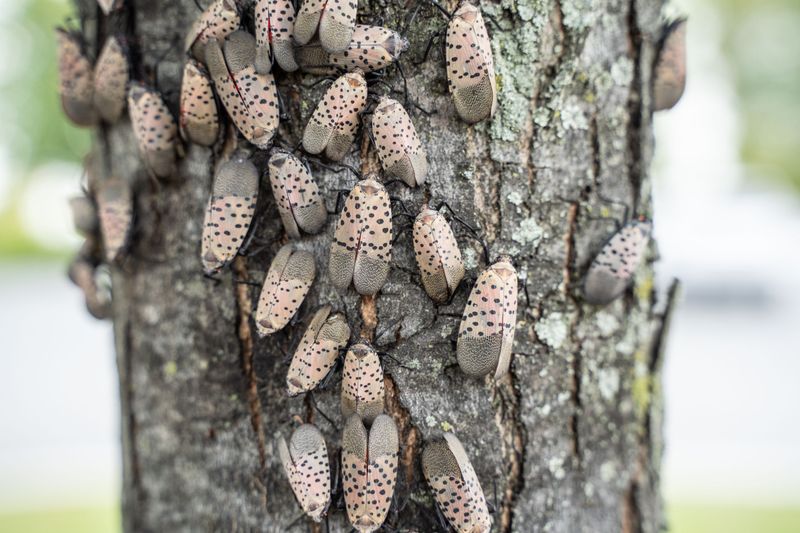
Think of the spotted lanternfly as a picky eater with one favorite meal and a long list of snacks. Its top choice is the tree of heaven, another invader from Asia.
Tree of heaven grows fast along highways, railroads, and empty lots. Wherever it pops up, lanternflies tend to gather in big crowds.
Still, the bug feeds on more than 70 kinds of plants. Maples, black walnut, willow, birch, and hops are all on the list.
Grapevines worry growers the most. Lanternflies suck sap from vines, which leaves plants weak and can lower the next season’s harvest.
That matters a lot in Michigan, home to a growing wine industry. Vineyards along the western shoreline could face serious losses if the bug settles in.
Home gardeners feel it too. A backyard grape arbor or a favorite shade maple can struggle when hundreds of lanternflies feed at once.
Walk your yard and note which of these plants you have. Pay extra attention to them from July through October, when adults feed heavily.
If you spot tree of heaven on your property, consider having it removed. It has leaves shaped like long ladders and a stinky, peanut butter smell when crushed, so it is easy to identify once you know the signs.
4. Sticky Decks And Sooty Mold In Backyards
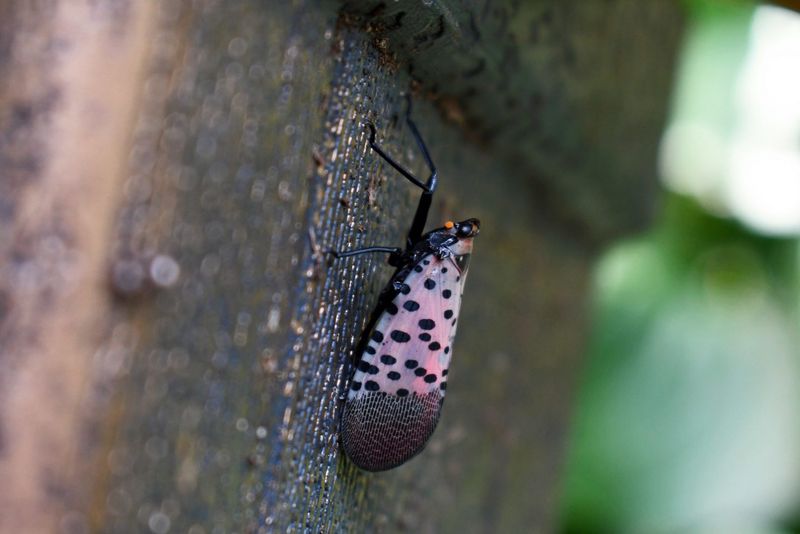
Ever walked barefoot on your deck and felt something tacky underfoot? That sticky mess might be a calling card left behind by lanternflies.
As they feed, these bugs drink far more sap than they need. The extra sugary liquid, called honeydew, drips down onto whatever sits below.
Patio chairs, cars, kid toys, and railings can end up glossy and gross. Bees, wasps, and ants love the sweet coating and may swarm around it.
After a while, a black fungus called sooty mold grows on the honeydew. It looks like someone sprinkled soot or dark paint across your yard.
Sooty mold does not bite or sting, but it blocks sunlight from reaching leaves. Plants underneath may grow slowly and look dull or blotchy.
Honestly, this sticky sign is often the first clue people notice. You may smell a sour, fermented odor near busy trees before you even see the bugs.
Warm, soapy water cleans honeydew off decks and furniture pretty well. A garden hose with a spray nozzle can help rinse away sooty mold from hard surfaces.
Cover outdoor furniture during late summer if lanternflies are nearby. Parking your car away from heavily visited trees will also spare you plenty of scrubbing and keep your paint looking shiny.
5. A Year In The Life Of A Spotted Lanternfly
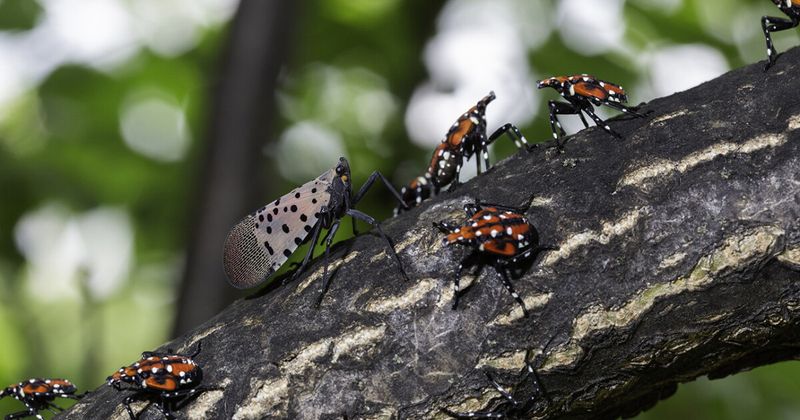
Knowing the calendar is like having a cheat sheet for pest control. Each season brings a different stage, and each stage needs a different approach.
Winter is egg season. Masses sit quietly on bark, stones, and outdoor objects from fall until late spring, waiting for warm days.
Around May and June, tiny black nymphs hatch. They climb plants and trees, feeding on tender stems and leaves.
By July, nymphs turn bright red with white spots. They grow bigger and bolder, and they hop quickly when disturbed.
Adults appear from late July into fall. This is when you will notice the biggest crowds, the sticky honeydew, and the flashy red wings.
Starting in September, females begin laying eggs. They keep going until the first hard frosts of autumn, which ends the adult season.
Here is a helpful way to plan. Scrape egg masses in fall and winter, use sticky circle traps for nymphs in spring, and watch for adults in summer.
Michigan winters may slow the pest, but they do not stop it. Research shows the eggs can handle cold temperatures well, so the chilly Great Lakes climate is not a shield.
Staying alert every season gives you the best shot at keeping numbers low.
6. Smart Ways To Trap Spotted Lanternflies
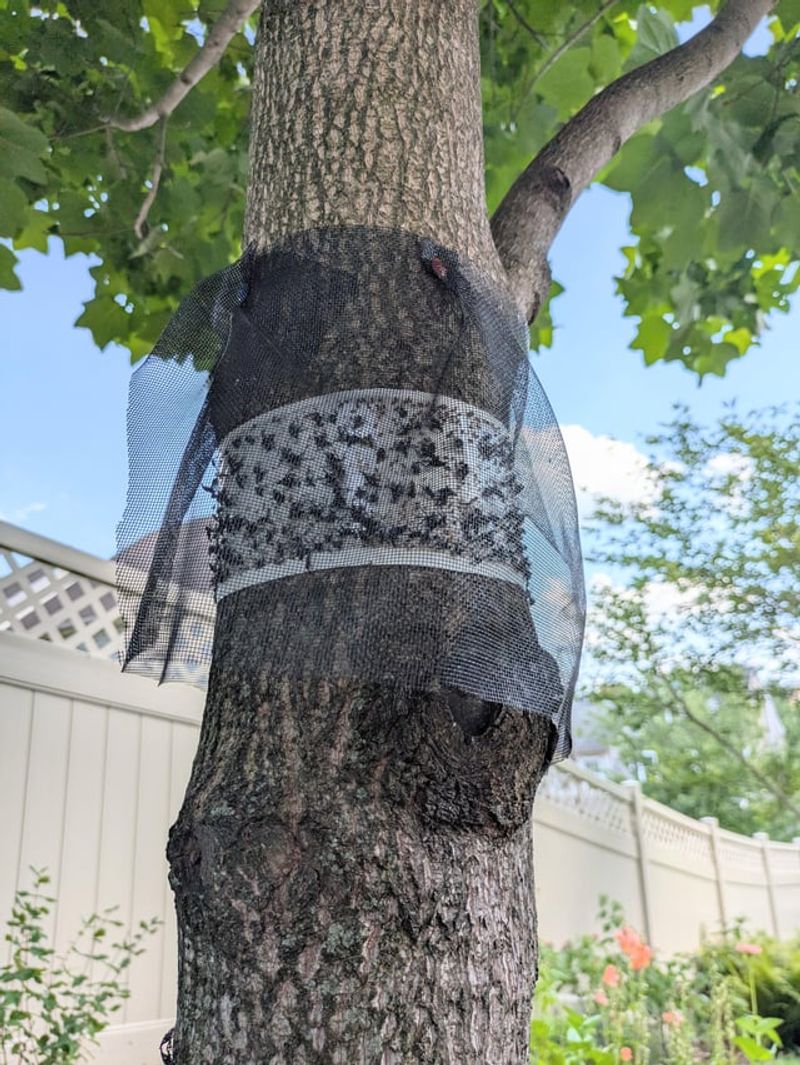
Picture a tiny bug hotel where guests check in but cannot check out. That is basically how a circle trap works, and it is one of the best tools out there.
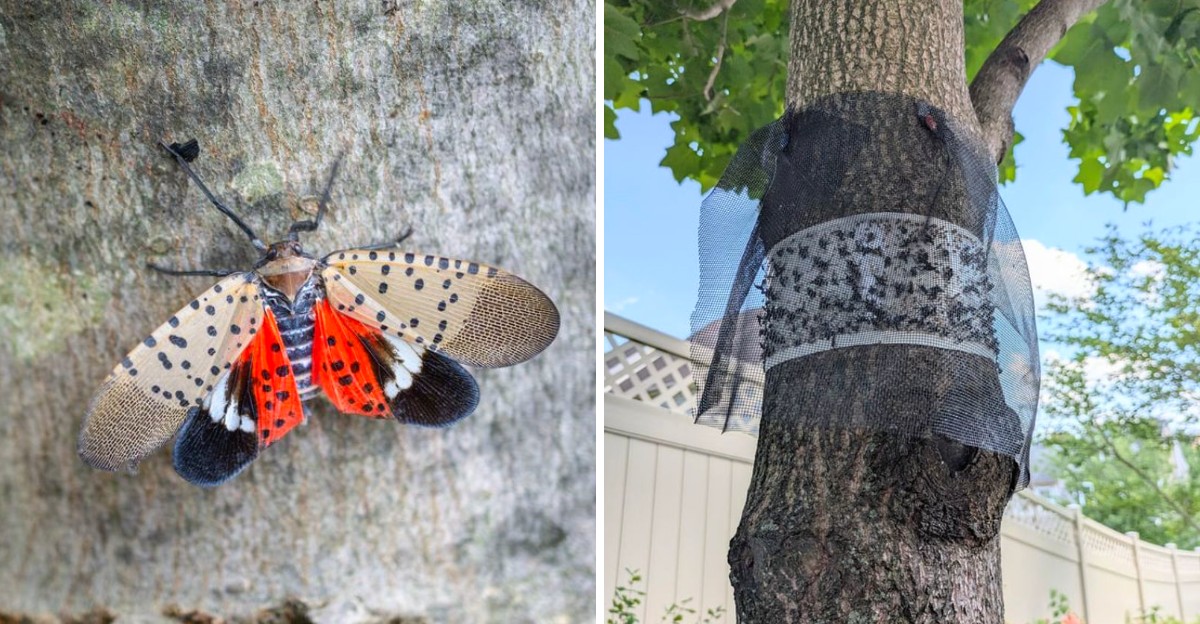
Lanternflies like to crawl up tree trunks. A circle trap wraps around the trunk with a mesh funnel that guides climbing bugs into a collection bag.
Many people first try sticky bands on trees. The problem is that birds, squirrels, and helpful insects can get caught too.
If you do use sticky bands, cover them with chicken wire or window screen. That small step keeps wildlife safe while still catching the pests.
You can build a simple circle trap from window screen, zip ties, and a plastic bag. Plenty of free online guides show step by step directions for families.
Place traps on trees where you have seen the bugs, especially maples, walnuts, and tree of heaven. Check them every few days and empty them into a sealed bag.
Squashing works too if you are quick. Adults are fast jumpers, so sneak up from above and bring your hand or shoe down in one swift move.
Kids often enjoy helping with this chore. Turn it into a friendly contest to see who spots the most, and your yard gets safer while everyone has fun outside.
7. Scraping Egg Masses Before Spring Arrives
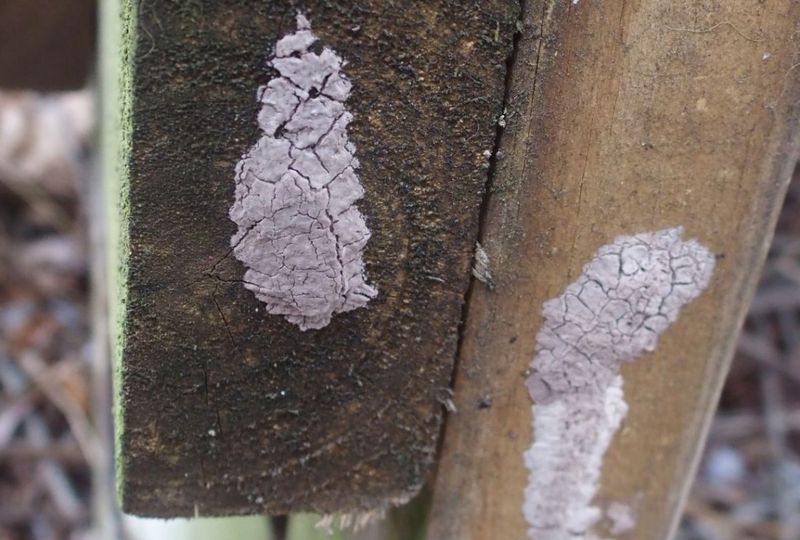
Grab a plastic card and a zip bag, because winter is your secret weapon. Scraping egg masses before they hatch stops dozens of future bugs in one swipe.
Start by learning what you are hunting for. Fresh egg masses look shiny and gray, like wet mud.
Older ones turn cracked and tan, like dried clay.
Search tree trunks, especially the lower few feet. Also check fences, stone walls, outdoor grills, sheds, and anything stored outside.
Once you find one, hold a zip bag underneath. Use an old gift card or a putty knife to scrape the eggs into the bag.
Squish the bag firmly, then add a splash of rubbing alcohol or hand sanitizer before sealing it. That keeps any eggs from hatching later.
Toss the sealed bag in the trash. Avoid scraping eggs onto the ground, because many can still hatch in spring if left behind.
Winter walks make great scouting trips. Bare branches and missing leaves make egg masses much easier to see than in summer.
Bundle up, bring a buddy, and turn it into a weekend routine. Every mass you remove means fewer hungry bugs chomping on your trees when warm weather returns next year.
8. Reporting Sightings To Experts The Right Way
Your phone camera might be the most useful pest tool you own. State scientists rely on regular folks to tell them where lanternflies are popping up.
Michigan tracks this invader through the Michigan Department of Agriculture and Rural Development, often called MDARD. They want to hear about every possible sighting.
Start with a clear photo. Try to capture the wings, spots, or egg mass up close, with something nearby for size, like a coin.
Write down where you found it. A street address, nearby cross streets, or GPS pin from your phone gives experts exactly what they need.
You can report through the Michigan Invasive Species Information Network website, known as MISIN. Emailing MDARD directly is another easy option.
After you take the photo, try to capture or squash the bug. Placing it in a sealed container or bag with rubbing alcohol can help with confirmation.
Why does one report matter so much? Early detection helps crews respond before small groups grow into big outbreaks.
Early reports from places like Pontiac and Oakland County helped officials act fast after the first finds. Think of yourself as a neighborhood detective, because your quick tip could protect vineyards, parks, and backyards for miles around.
9. Protecting Michigan Gardens For The Long Haul
A healthy yard is like a strong immune system for your plants. Trees that get proper care handle pest pressure far better than stressed ones.
Water your trees deeply during dry spells, especially young ones. A layer of mulch around the base keeps roots cool and holds in moisture.
Remove tree of heaven wherever you can. Because it is the lanternfly favorite, clearing it out makes your yard far less inviting.
Be careful, though, since this tree sprouts back from its roots. Cutting it down alone often leads to many new shoots, so ask a local arborist for guidance.
Insecticides can help in heavy outbreaks, but use them wisely. Read labels closely, follow directions, and skip spraying flowering plants where bees visit.
Talk with your neighbors about what you see. Pests do not care about property lines, so a whole street working together gets better results.
Michigan State University Extension offers free tips, fact sheets, and workshops for homeowners. Their experts can answer questions and help you build a smart plan.
Staying calm and consistent matters most. With regular checks, simple traps, and a friendly network of watchful neighbors, you can enjoy your garden while helping slow this unwelcome guest across the Great Lakes State.