The Small Orange Fruit On Missouri Trees That Tastes Bitter Until It Fully Softens
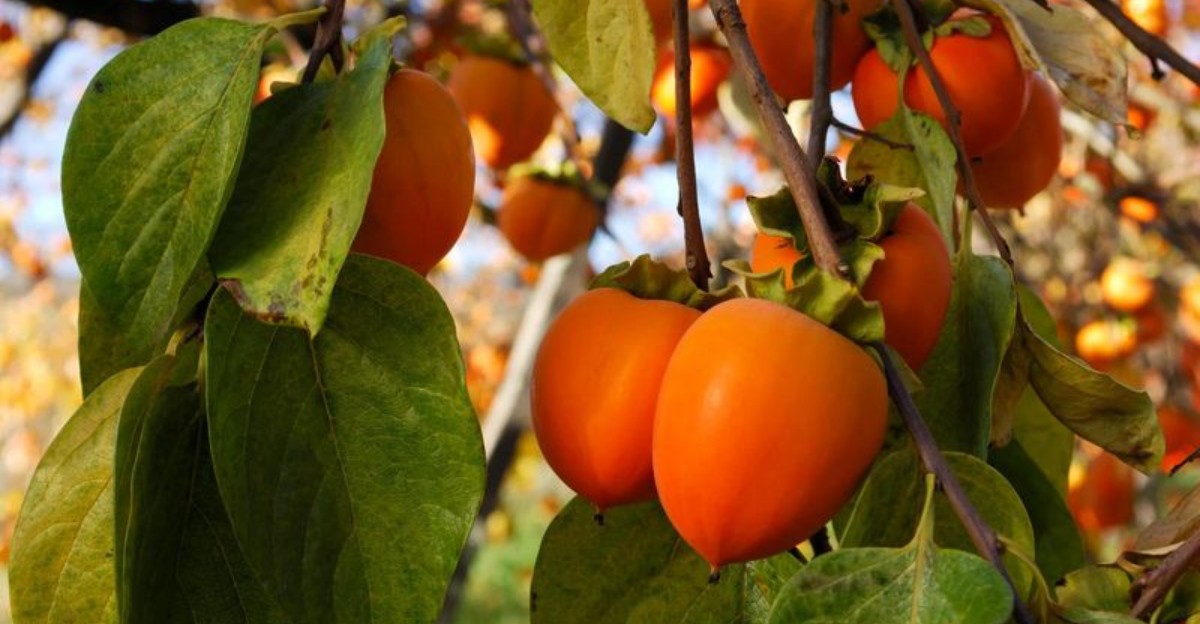
Picture a tiny orange globe dangling from a bare branch, glowing like a porch light in October. You pluck it, take a proud bite, and your whole mouth suddenly feels like a wool sock.
Your lips pucker, your tongue goes fuzzy, and your face does something your friends will mention for years. Many folks across Missouri have learned this lesson the hard way, usually with an audience watching nearby.
The strange part is that the very same fruit can taste like honey and warm spice later. Its color barely changes, so your eyes cannot warn your taste buds about the coming surprise.
Old-timers in Missouri swear the secret shows up with the first chilly nights of fall, though the real story is a little different. Grandparents tell stories, neighbors argue about timing, and squirrels quietly grab the best ones before anybody notices.
Meanwhile, the squirrels seem to have read the instructions ahead of time. The fruit keeps winning against everyone else, and it does not even have the decency to look sorry.
The Native Tree Behind The Pucker
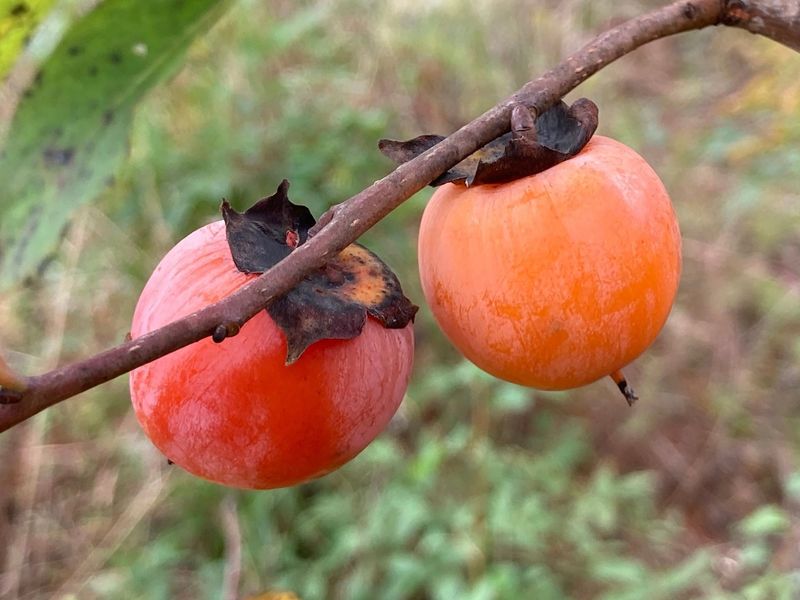
Say hello to the American persimmon, a native tree growing along Missouri fence rows, pastures, and woodland edges. Its fruit is small, about the size of a walnut, with smooth orange skin and a soft blush.
Scientists call it Diospyros virginiana, which roughly means food of the gods, a funny name for something so sour. Ripe fruit lives up to that fancy title, while the early ones mostly earn a lot of grumbling instead.
The bitter, dry taste comes from natural chemicals packed inside the flesh while the fruit is still firm. Once the fruit softens fully, those chemicals calm down, and the sweetness finally gets its turn to shine.
Many people blame frost for the whole change, but the real story is a little more interesting than that. Cold weather often arrives at the same time the fruit is naturally ripening, so the two get linked together.
You can spot these trees easily in early October because their bark looks like tiny, dark alligator scales. Leaves turn yellow or reddish, and the orange fruit hangs on long after many leaves have dropped away.
Most trees reach 30 to 60 feet tall, and old ones in woodland settings can top that. Female trees carry the fruit, while male trees mostly supply pollen and stand around looking handsome.
Fun fact, some Missouri families still split persimmon seeds each fall to predict the coming winter weather. A spoon shape means snow, a knife means icy wind, and a fork suggests a mild season ahead.
Tannins Hiding In Unripe Fruit
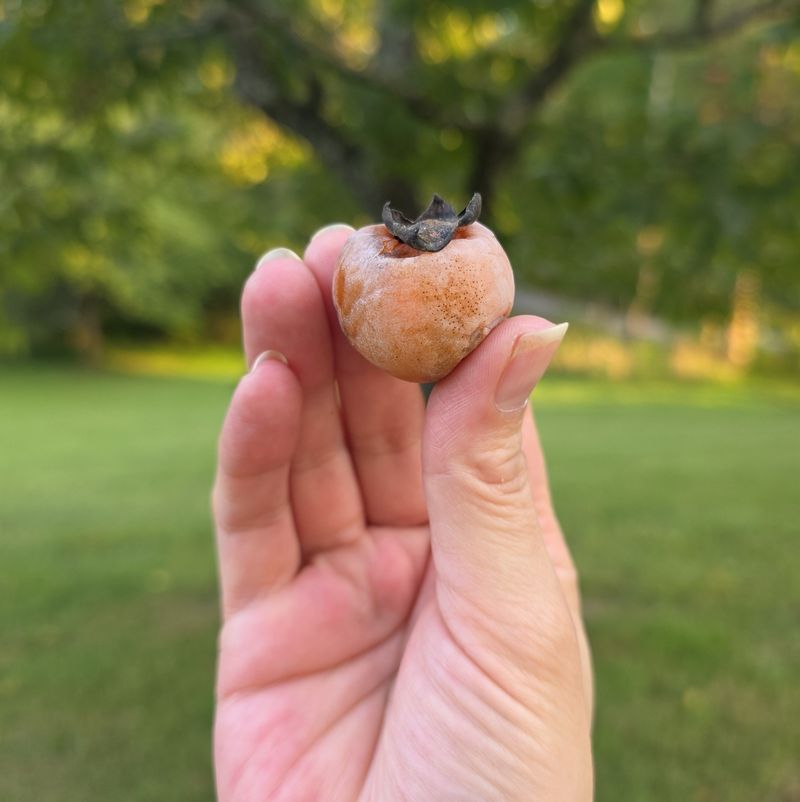
Ever sipped strong black tea that left your mouth feeling dry and scratchy, like you licked a chalkboard? That same drying feeling shows up inside an unripe persimmon, only much stronger and far more dramatic.
The culprit is a group of plant chemicals called tannins, which the fruit stores in special little cells. Tannins grab onto proteins in your saliva, which is why your tongue suddenly feels rough and fuzzy.
Your Missouri Garden Changes Every Week. Your Plan Should Too.
Gardening in Missouri changes quickly throughout the season. Every Friday you’ll receive a simple weekly plan showing exactly what to plant, prune, fertilize, harvest, and protect so you never miss the right timing.
Nature has a clever reason for this sour trick, since it protects the seeds before they are ready. Animals that bite early get a nasty surprise, so they wait until the fruit is soft and sweet.
As the fruit ripens, the tannins change shape and clump together so they can no longer grab your tongue. They are still there, but they stay locked up inside the flesh instead of bothering your taste buds.
At the same time, the fruit builds up natural sugars, turning the pulp sweet, jammy, and full of flavor. Ripe persimmons often taste like a mix of dates, pumpkin, and brown sugar with a hint of spice.
Here is a helpful tip for curious tasters who want to test a fruit without the painful pucker. Gently squeeze it, and if it feels like a water balloon, the tannins have mostly settled down.
Firm fruit still holds plenty of tannins, even when its color looks bright, shiny, and ready to eat. Trust your fingers more than your eyes, and your mouth will thank you for the careful decision.
Frost Timing Across Missouri
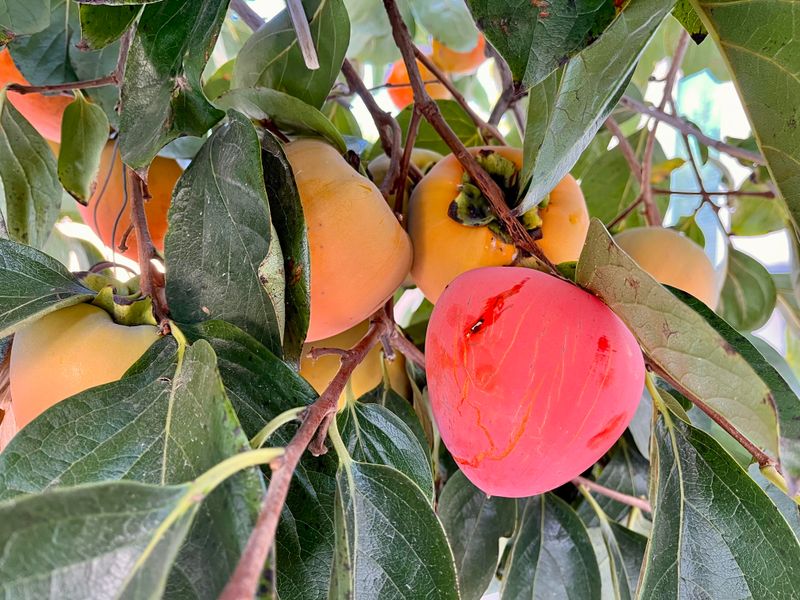
Early October in Missouri brings crisp mornings, crunchy leaves, and the first hints of frost on pumpkin patches. For persimmon lovers, this stretch of the calendar feels like waiting for a favorite holiday to finally arrive.
Northern Missouri usually sees its first light frost in early to mid October, sometimes a little sooner. Southern parts of the state often wait until late October, so ripe fruit may show up later there.
Frost itself is not a magic switch, even though many grandparents will happily argue that point with you. Cold nights mostly line up with natural ripening, and they may help soften fruit that is nearly ready.
Some early varieties ripen in September without any frost, while others hang on until November or even December. Each tree has its own schedule, so two trees on the same farm may ripen weeks apart.
A smart plan is to check your local trees every few days once nights dip into the forties. Look for fruit that has turned a deeper orange with slightly wrinkled, dull skin.
Weather apps can help, because they show when a cold front is heading toward your part of the state. After a chilly night, head out the next afternoon and check the ground beneath the branches for fallen fruit.
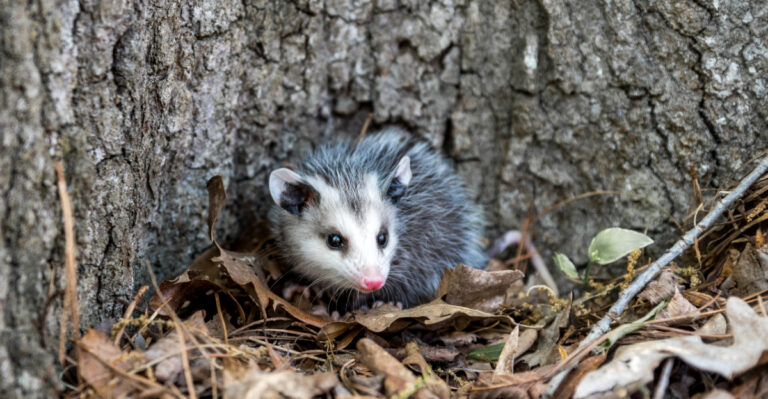
Dropped fruit is often the ripest, since the tree lets go once the pulp turns soft and sweet. Just beat the raccoons, opossums, and deer, who seem to own their own weather apps somehow.
The Early Picking Mistake
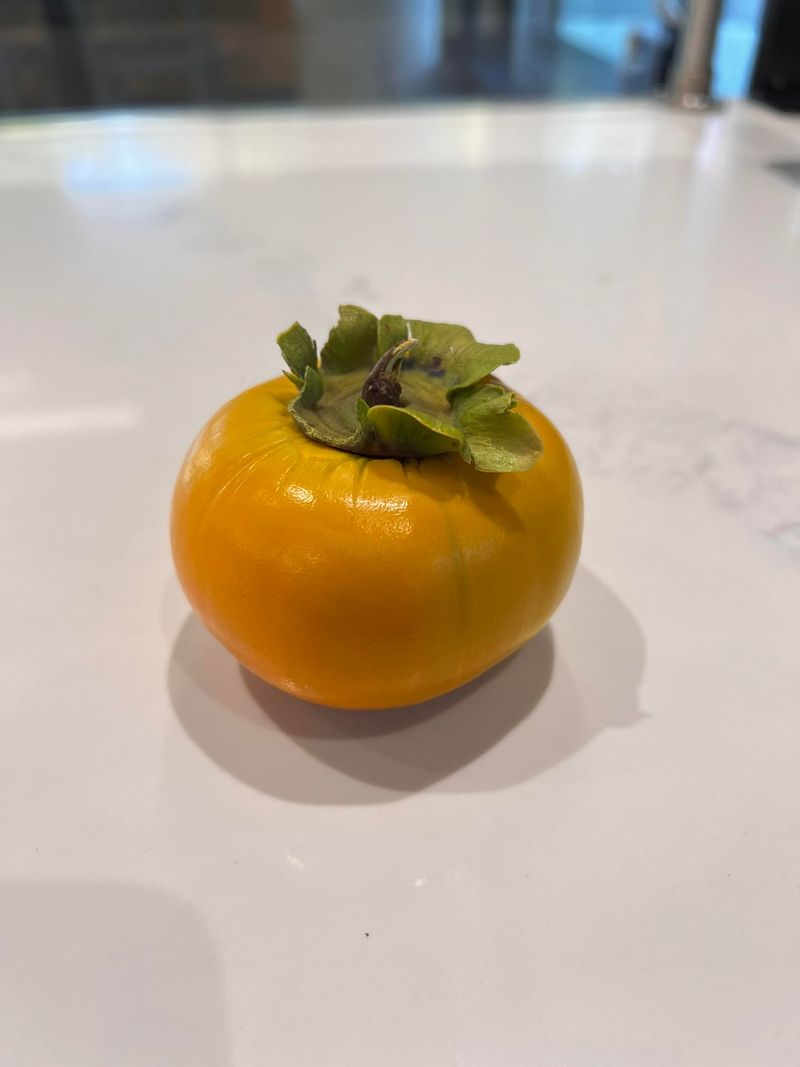
Picture a kid in a Missouri backyard, grabbing the prettiest orange fruit straight off the lowest branch. One bite later, that kid is spitting, coughing, and wondering why anybody would call this thing a treat.
Picking too soon is the most common persimmon mistake, and it happens to beginners and experts alike. Bright color tricks people, because the skin turns orange weeks before the inside is soft and sweet.
Firm fruit may look perfect on the tree, but it still carries a heavy load of puckery tannins. Unlike apples or pears, wild persimmons rarely taste good while crunchy, so firmness is a warning sign here.
Another mistake is shaking the tree too hard, which knocks down unripe fruit along with the ready ones. A gentle shake works better, since mostly the soft fruit will let go and fall to the ground.
Some people also toss out wrinkly, mushy fruit, thinking it has gone bad, when it is actually perfect. Ugly persimmons are usually the sweetest, so do not judge them by their bruised and saggy looks.
If you do pick fruit too early, you do not have to throw your whole haul in the trash. Place the firm fruit in a paper bag with a ripe apple or banana on the kitchen counter.
Those fruits give off a natural gas that helps speed up ripening over several days at room temperature. Check the bag daily, and pull out each persimmon once it feels soft enough to spread like jam.
Soft Fruit Worth The Wait
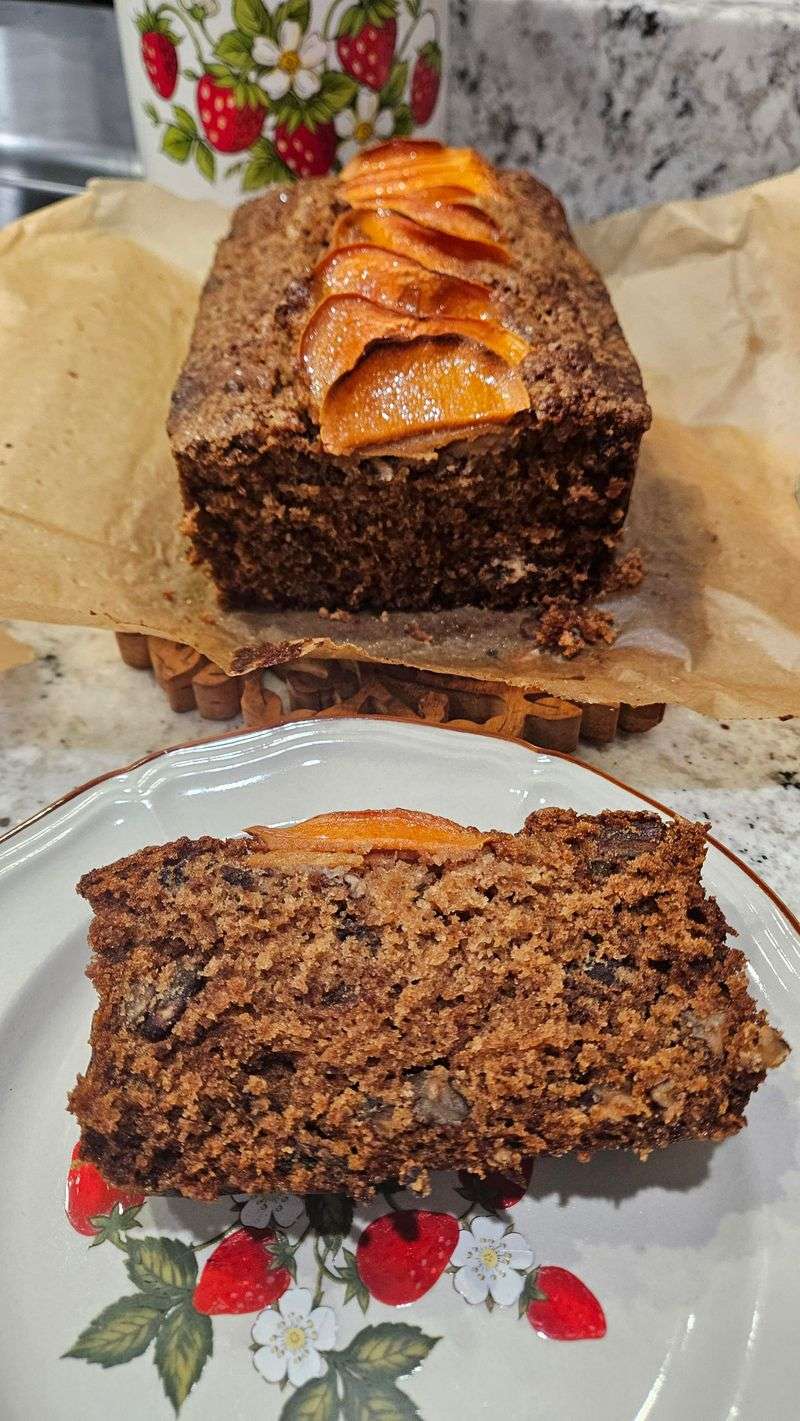
Grandma’s persimmon pudding has a way of making an entire Missouri kitchen smell like cinnamon and pure comfort. That warm, dark treat only works because someone had the patience to wait for fully ripe fruit.
A ripe wild persimmon is soft, squishy, and so sweet it tastes almost like candy straight from nature. The pulp is sticky and rich, with a flavor many people compare to apricots mixed with honey.
Getting the pulp out takes a little work, because each small fruit holds several flat brown seeds. Press the fruit through a colander or food mill, and the smooth orange pulp slides right through the holes.
Fresh pulp works great in pudding, bread, cookies, and pancakes, adding natural sweetness and a lovely orange color. Many families freeze extra pulp in small bags, so they can bake persimmon treats all winter long.
Ripe persimmons also pack vitamin C, fiber, and minerals such as potassium and manganese. Native peoples dried the fruit into cakes that stored well through the colder months.
Mitchell, Indiana, hosts a famous persimmon festival, but Missouri towns share plenty of their own fall recipes too. Farmers markets in October sometimes sell frozen pulp, which is handy if you lack a tree nearby.
Eat ripe fruit soon after gathering, since soft persimmons bruise easily and spoil within a few days. Keep them chilled in the fridge, and handle each one like a tiny water balloon filled with sunshine.
Future Harvests From Native Trees
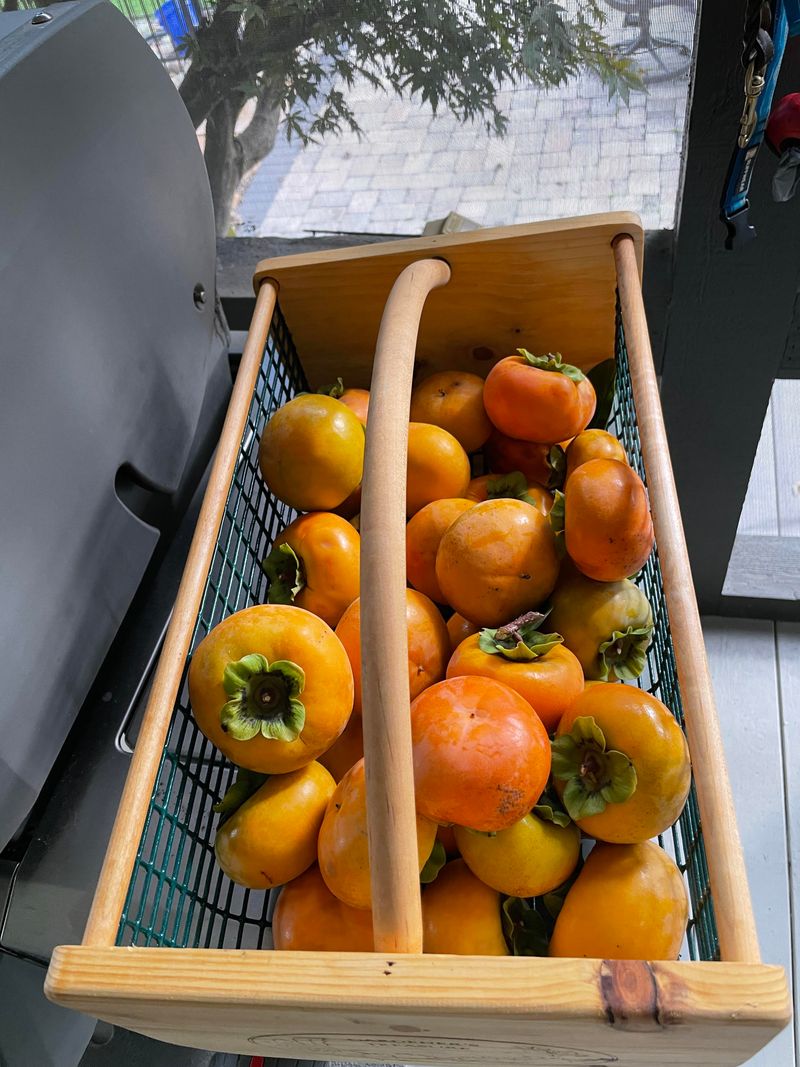
Planting a persimmon tree is a gift to your future self, like hiding a snack for later. Early fall is a great time to plant in Missouri, since cooler air helps young roots settle in.
Choose a sunny spot with soil that drains well, because persimmon roots dislike sitting in soggy ground. These tough natives handle poor soil, dry spells, and cold winters better than many fancy fruit trees.
Remember that most wild persimmons need both a male and female tree nearby to produce plenty of fruit. Some grafted varieties, like Prok or Early Golden, can produce fruit on their own with less fuss.
Picking a named variety also helps with timing, since some ripen earlier with less astringent, puckery flesh. Local Missouri nurseries carry named varieties, and the state conservation department sometimes offers seedlings through its tree program.
Water young trees weekly during dry fall spells, and spread mulch around the base to hold moisture. Keep the mulch a few inches from the trunk so it does not invite mice or rot problems.
Be patient, because young trees usually take about four to seven years before producing their first real harvest. A taproot grows deep early on, so try to plant where the tree can stay for many years.
Once established, a healthy female tree with a pollinator nearby can drop bushels of sweet fruit each fall for decades to come. Your neighbors may tease you now, but they will be knocking on your door for pudding later.