The Invasive Mosquito Idaho Officials Are Still Watching A Year Later
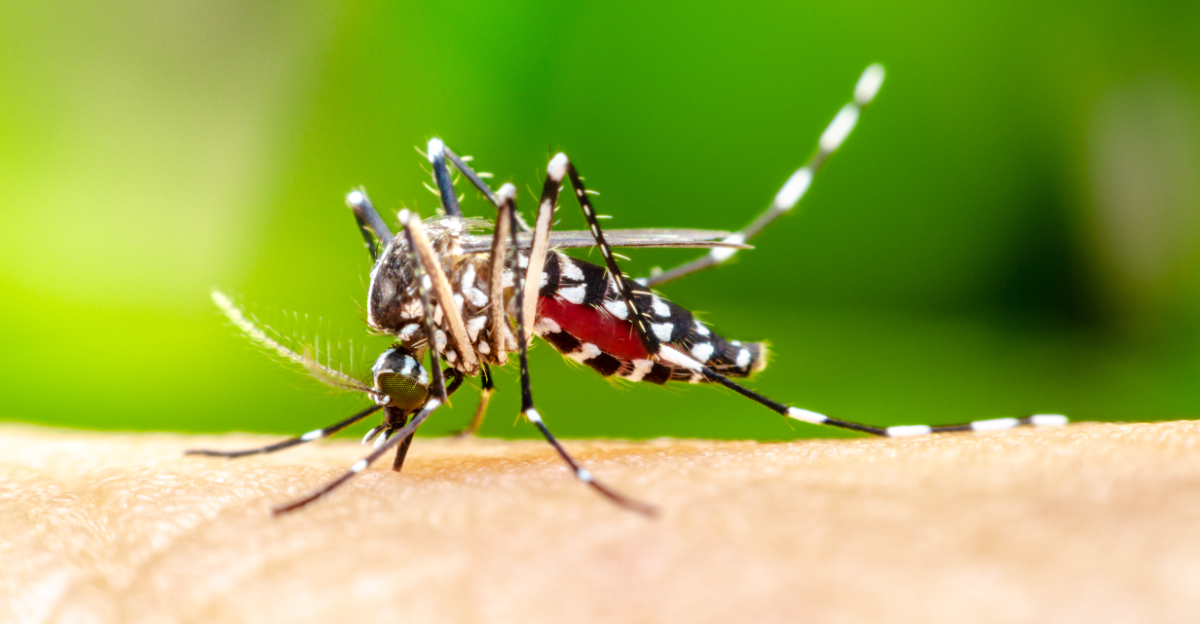
Treasure Valley picked up a new resident, and you would struggle to spot it. This insect bites in daylight, which puts it near you while you work outside.
Officials in Idaho flagged the species over a year ago, and traps keep catching it. Water is all it needs, and a bottle cap holds enough for a full generation.
Eggs survive dry spells for months, waiting for rain to finish the job. Populations build fast, so a quiet property can turn busy within weeks.
Idaho tracks it closely because the species can carry illnesses travelers bring home. Local biters then spread those infections further, which turns a nuisance into a health concern.
Telling this species apart from the harmless ones comes down to details most people miss. Spotting those details early decides whether you handle it or it handles your season.
Aedes Aegypti Landed In Canyon County First
Nobody at the Canyon County Mosquito Abatement District expected a routine trap check to change their season. In August of 2025, staff pulled a single specimen from a gravid trap in Nampa that did not match anything native to the area.
The species was Aedes aegypti, a tropical mosquito known for transmitting dengue, Zika, and chikungunya. Finding it in southwestern Idaho put the sample on a fast track to state health authorities.
Confirmation came through DNA analysis in September of that year, since the specimen was too damaged for a clean visual identification. That level of scrutiny takes time, which is why the first public reports were carefully worded.
This was not an isolated appearance in the region either, since the species had already reached several neighboring states before showing up here. Potted plants and other everyday cargo moving between states are the most likely route it travels.
A second specimen turned up in Nampa in late July of 2026, this time from a carbon dioxide baited trap. District staff identified it visually, and four outside entomologists confirmed the result independently.
Officials have been clear that a single mosquito does not prove a local population exists. Both finds instead point to the species arriving through human activity, often in shipments of potted plants or in containers moved between states.
That distinction shapes everything that followed. Catching an invasive species during its arrival phase gives control crews options that disappear once it settles in.
Identifying Features Of This Particular Mosquito
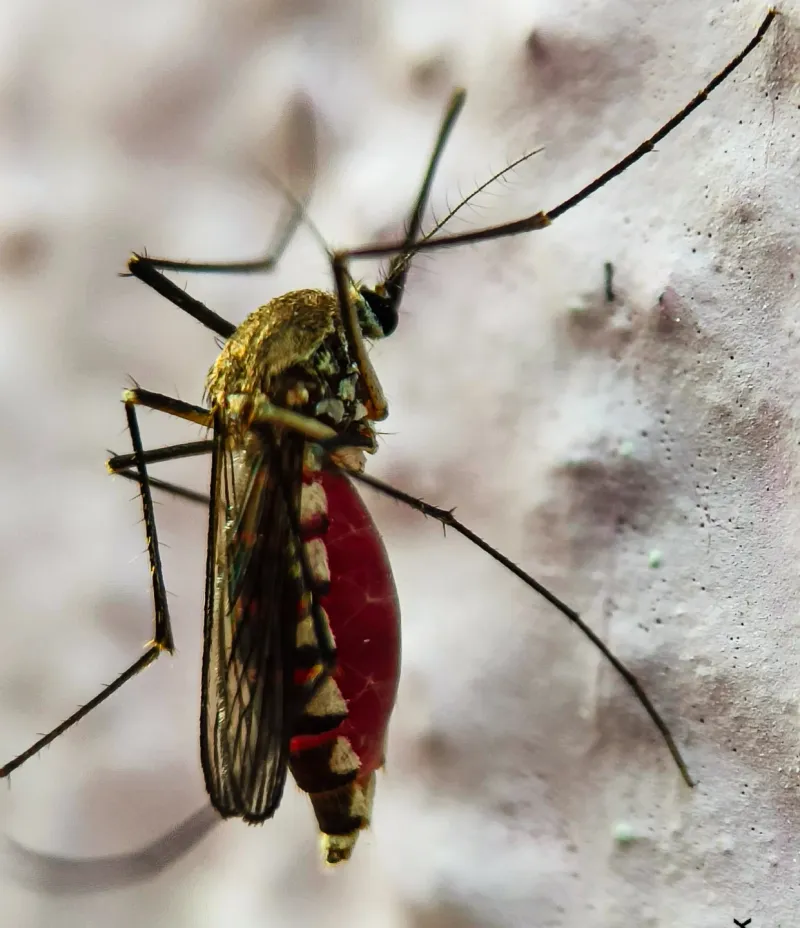
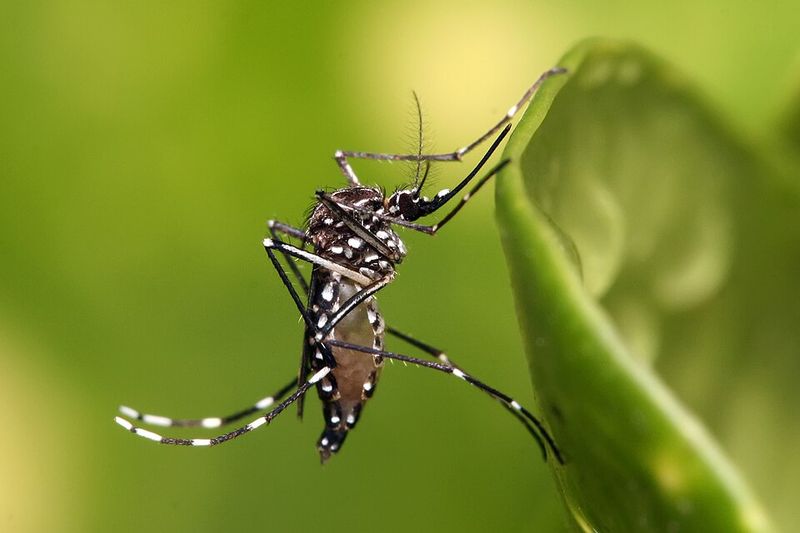
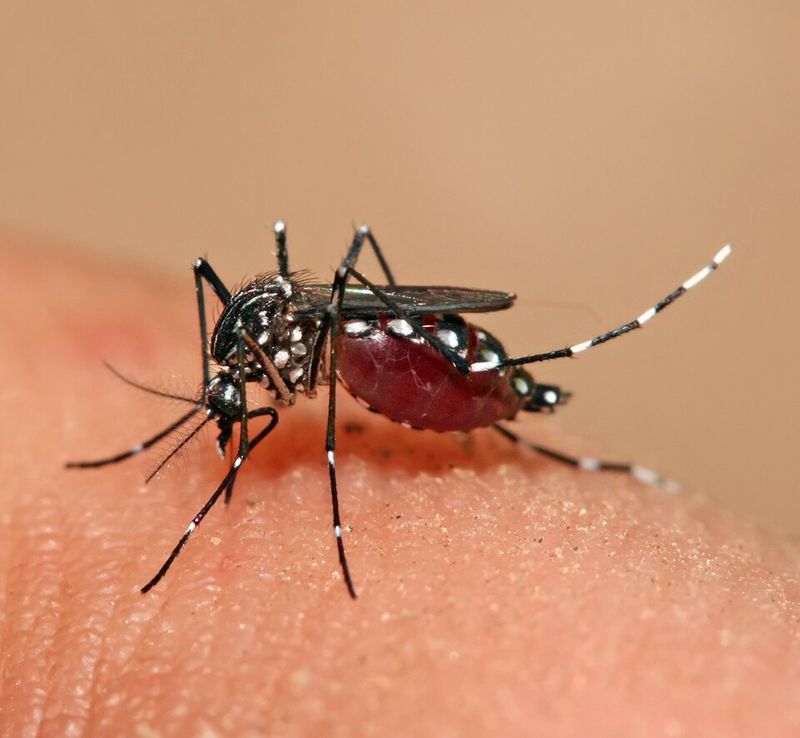
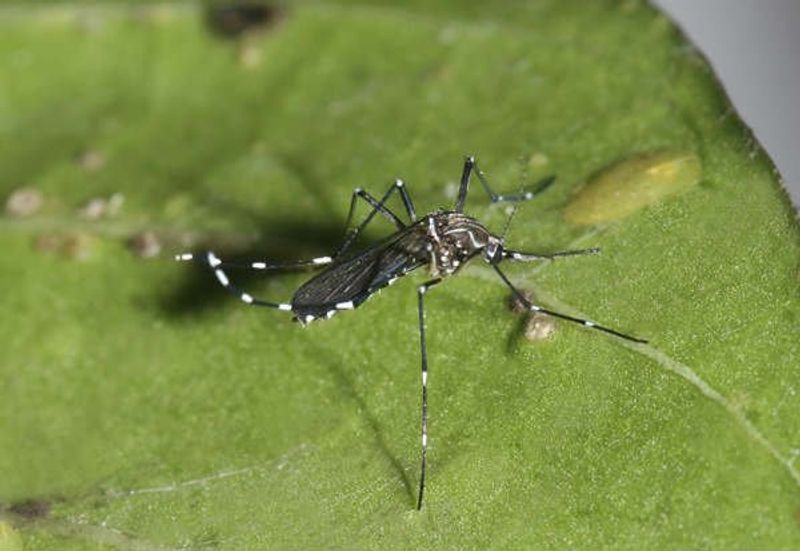
Spotting this species in a swarm is harder than it sounds. Aedes aegypti carries black and white banding down its legs, and that pattern is one of its more reliable field markers.
The thorax, meaning the middle section of the body, shows a silver marking shaped like a lyre. That detail separates it from local species that share a similar dark coloring, though catching it usually requires magnification.
Size works against easy identification too. This mosquito runs smaller than the common house mosquito, measuring roughly four to seven millimeters from end to end.
Your Idaho Garden Changes Every Week. Your Plan Should Too.
Gardening in Idaho changes quickly throughout the season. Every Friday you’ll receive a simple weekly plan showing exactly what to plant, prune, fertilize, harvest, and protect so you never miss the right timing.
The eggs make this species harder to stop than most, since they can sit dry for long stretches without losing viability. A single rainfall or a refilled container is often all it takes to trigger the next generation.
Behavior gives you a better clue than anatomy. Health officials describe this species as one that bites at all hours, day or night, and readily enters homes in search of a host.
It also tends to bite low on the body, favoring ankles and feet. That habit delays the moment you notice anything, because the itch usually arrives after the insect has moved.
Residents who see a small striped mosquito biting in full daylight can photograph it and note the location. That single detail helps abatement crews decide where to place the next round of traps.
Risks That Set This Species Apart From Local Mosquitoes
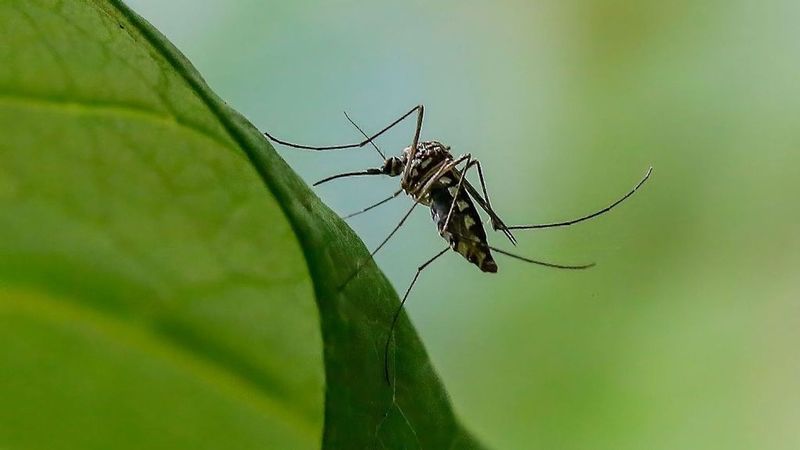
Most mosquitoes in the Gem State are a nuisance, but this one operates differently. Health agencies list Aedes aegypti as a carrier capable of transmitting more than fifty diseases, including dengue and Zika.
Dengue alone accounts for an estimated four hundred million infections worldwide each year. Chikungunya, another illness linked to this species, can leave joint pain that lingers well past the initial illness.
Native species here can carry West Nile virus, which mosquito districts already track every summer. Aedes aegypti brings a separate list of pathogens, and that difference is what changes the planning conversation.
Climate maps from years past rated Idaho a poor fit for this species, which is exactly why its arrival caught attention. A place considered unlikely territory suddenly became one more location worth tracking closely.
Feeding behavior compounds the concern. This species often takes blood from several hosts during a single feeding cycle, which raises the odds of moving an infection between people.
Breeding habits create the second problem. Local species favor ponds, ditches, and marsh edges, while Aedes aegypti reproduces in flower pot saucers, buckets, discarded tires, and clogged gutters.
None of this means illness is circulating in the Treasure Valley right now. Florida and Texas have recorded locally acquired dengue cases tied to this species, which is why abatement districts treat early detections seriously.
Current Monitoring Efforts Across Canyon County
Canyon County has not stood still since the first confirmed find. The abatement district added traps around each detection site to measure how far, if at all, the species has moved.
Crews use BG Sentinel traps baited with carbon dioxide, a design built to attract container breeding mosquitoes like this one. Collections run on a regular schedule through the warm months.
Samples move to identification once they leave the field. Technicians sort specimens by species, and anything resembling Aedes aegypti gets routed for outside confirmation.
Nothing gets called official on a single opinion, since every promising specimen passes through more than one reviewer before results go public. In-house staff make the first call, and outside specialists sign off before any announcement follows.
The district also treated potential breeding sources and adult mosquitoes around the collection areas. Those targeted applications aim to remove any population before it can hold through a season.
Warm urban zones have drawn extra attention, particularly the corridor between Nampa and Caldwell where the second specimen appeared. Irrigated properties, ornamental water features, and shaded container clutter create the conditions this species prefers.
Follow up trapping after the first detection produced no additional specimens. Officials have kept monitoring into the current season anyway, since a mild winter or a wet spring can change the outlook quickly.
Simple Steps To Reduce Breeding Sites At Home
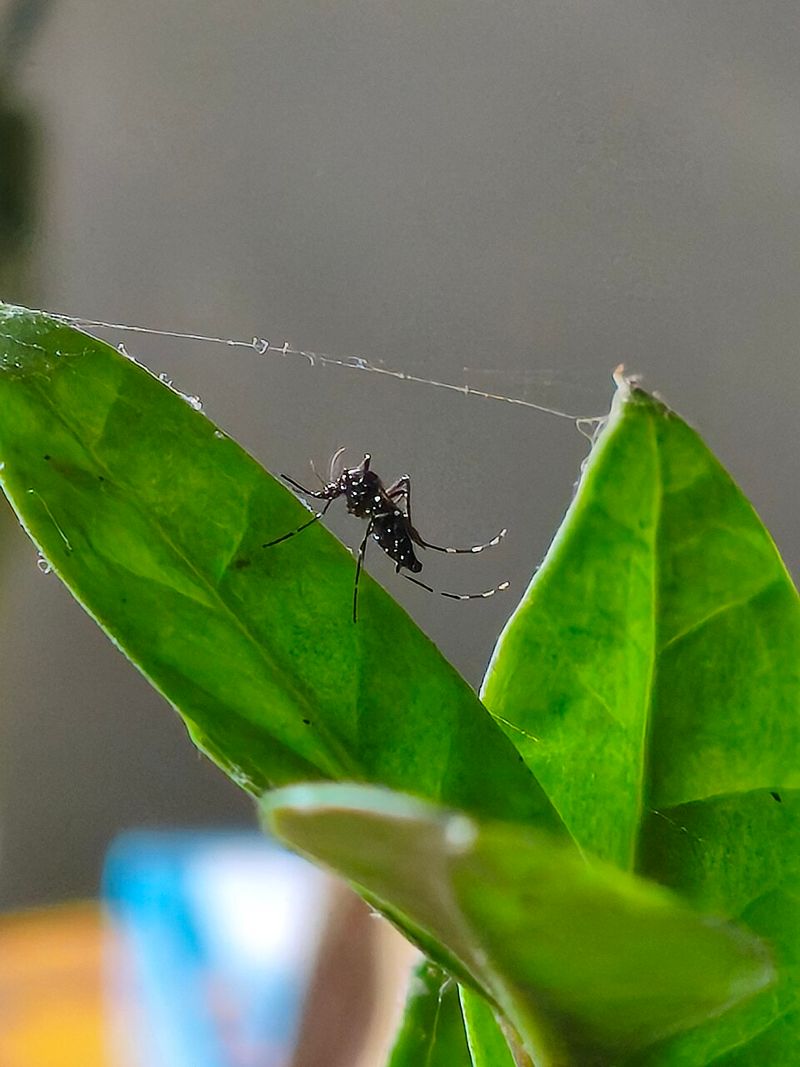
Your property may already hold everything this species needs. Abatement officials point out that something as small as a bottle cap, holding water for a week, can produce mosquitoes.
Start with a slow walk around the perimeter of the house. Look for anything that holds water, including buckets, tarps, toys, plant saucers, and pet bowls.
Empty standing water at least once a week through the warm months. That schedule matters because the cycle from egg to adult can finish in about seven days under summer conditions.
Skin protection closes the gap that yard cleanup alone cannot, particularly with a species that bites well outside the usual dawn and dusk window. Covering exposed skin and applying a repellent suited for daytime use adds a layer that container control simply cannot replace.
Gutters deserve attention because debris traps moisture in pockets nobody sees. A clogged section can hold water for weeks, and clearing it twice a season removes that risk entirely.
For containers you cannot dump, such as rain barrels or ornamental ponds, drop in a mosquito dunk. These tablets carry a naturally occurring bacteria called Bti that targets larvae and leaves pets, birds, and garden plants alone.
Shaded, dense vegetation gives adult mosquitoes somewhere to rest between feeding runs. Trimming overgrown shrubs and thinning ground cover makes the property less useful as a daytime shelter.
Reporting A Sighting To Local Officials
Resident reports fill gaps that a trap network cannot cover on its own. Abatement crews work a fixed route, so a sighting from a private property can send them somewhere they had no reason to look.
If a small striped mosquito bites you in full daylight, photograph it when it is safe to do so. Try to capture the legs and thorax, since those markings carry the identifying detail.
Write down the exact location, including the address or nearest cross street. Add the time of day and whether standing water sat nearby, because that context helps entomologists read the sighting.
The stakes reach beyond any one yard, since an unchecked population can crowd out the native insects competing for the same space and resources. That ripple effect is part of why officials treat every early report as worth following up.
Canyon County residents can reach the Mosquito Abatement District online or by phone at 208-461-8633. Many health districts elsewhere run similar report forms or phone lines for pest sightings.
Skip collecting the specimen yourself unless officials ask for it directly. Rough handling damages the wing scales and body markings that identification depends on.
Each confirmed report adds a point on the map that shapes where crews trap and treat next. Reporting takes a minute, and it remains one of the most direct contributions a resident can make.