The Pennsylvania Native Flower That Explodes Into Color Just When Summer Gardens Start Looking Tired
There’s a predictable moment in every Pennsylvania summer when the garden starts to look like it’s running out of ideas.
The early bloomers are done, the reliable mid-season performers are fading, and the beds that looked full and vibrant in June are starting to feel a little tired and thin.
Most gardeners accept this as an unavoidable part of the season and wait for fall to bring some relief. But one native Pennsylvania flower has a completely different agenda.
It waits through the early and mid-summer, builds up quietly in the background, and then explodes into color right at the moment when most gardens need it most desperately. The timing of its bloom is not an accident.
It evolved to fill exactly this window in the Pennsylvania growing season, and it does it with a generosity and visual impact that consistently surprises gardeners who are experiencing it for the first time.
It’s native, it’s low maintenance, it supports pollinators through a critical late season window, and it’s dramatically underplanted in Pennsylvania residential gardens. Here’s the native flower that saves the late summer garden every single year.
New England Aster Peaks As Summer Flowers Fade
Most gardeners know that feeling all too well. You walk outside in August and suddenly realize your garden looks tired and dull.
The spring bulbs are long gone, the early perennials have finished, and everything just feels flat. New England aster is the plant that fixes that problem in the most colorful way possible.
New England aster, known scientifically as Symphyotrichum novae-angliae, is a native wildflower that blooms from late summer through fall. While other plants are slowing down, this one is just getting started.
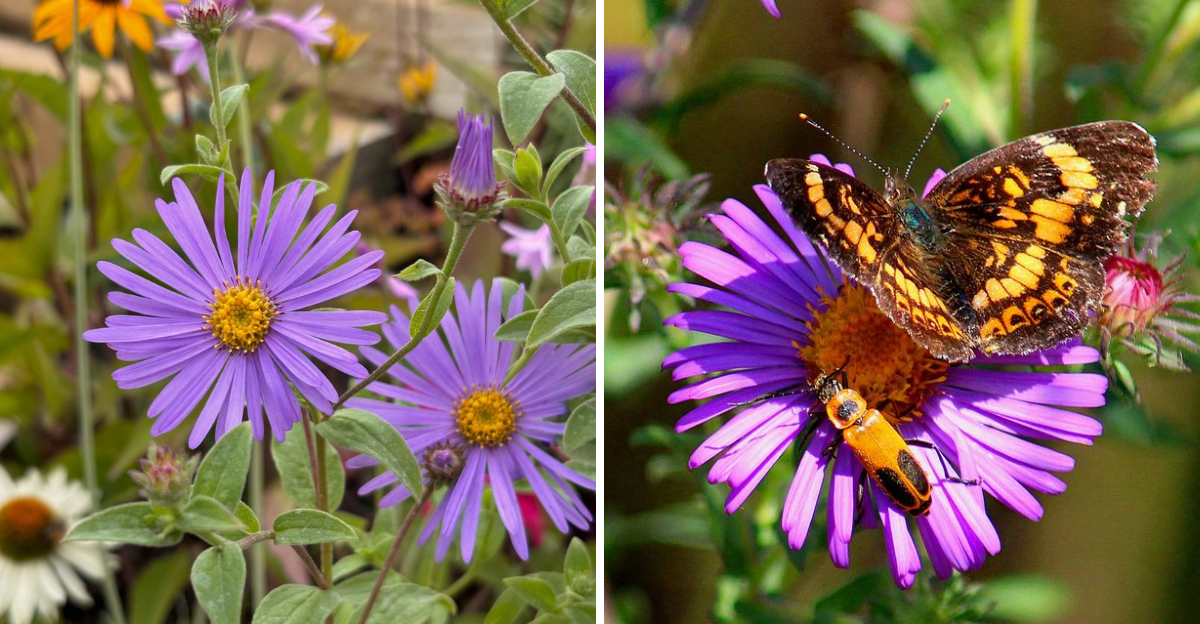
Its flowers open in shades of deep purple, bright pink, and lavender, creating a bold display that can carry your garden from August all the way into October.
What makes this timing so valuable is that very few plants bloom this late in the season. Most perennials peak in early to mid-summer and then fade away.
New England aster fills that gap perfectly. It acts like a second wave of color, refreshing the look of your beds and borders right when you need it most.
In Pennsylvania, this plant grows naturally in meadows, along roadsides, and near stream banks. It is completely at home in the local climate and soil.
Because it evolved here, it does not need a lot of fuss or special care to thrive. You plant it, give it some sun, and it rewards you with weeks of brilliant blooms.
For gardeners who feel the late-summer slump every year, New England aster is honestly one of the best solutions you will ever find.
It Adds Height And Strong Color To Borders
There is something really satisfying about a plant that earns its space in the garden. New England aster does not just show up quietly.
It makes a statement. By the time late summer arrives, mature plants can reach anywhere from three to six feet tall, creating a bold vertical presence that most fall gardens desperately need.
Your Pennsylvania Garden Changes Every Week. Your Plan Should Too.
Gardening in Pennsylvania changes quickly throughout the season. Every Friday you’ll receive a simple weekly plan showing exactly what to plant, prune, fertilize, harvest, and protect so you never miss the right timing.
That height is a huge advantage when you are designing a garden border. Taller plants at the back give your beds a layered, full look.
New England aster fits perfectly in that back row, rising above shorter plants and creating a backdrop that makes everything in front of it look more intentional and polished.
The dense clusters of flowers add so much visual weight that even a few plants can transform an entire bed.
The color payoff is also worth talking about. When New England aster blooms, it does not produce just a few scattered flowers.
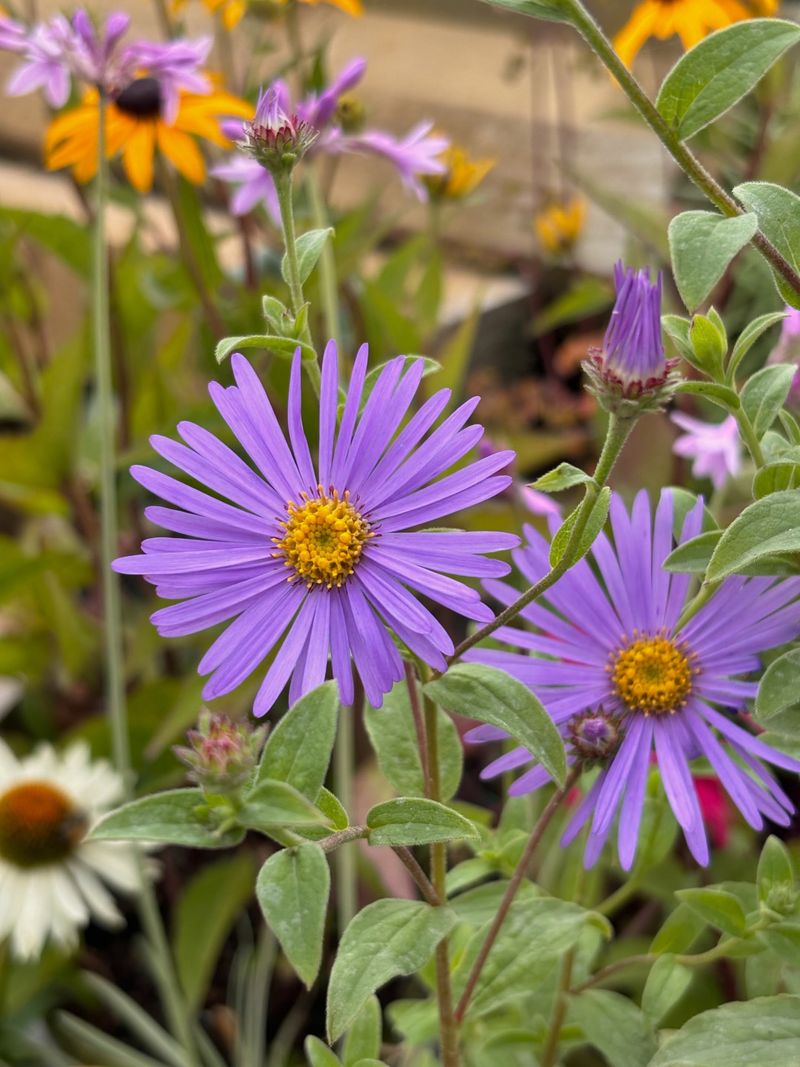
The stems get absolutely covered in small, daisy-like blooms with bright yellow centers. Up close, each flower is delicate and pretty.
From a distance, the whole plant looks like a cloud of color. It is the kind of display that makes neighbors stop and ask what you are growing.
For gardeners working with mixed borders, New England aster pairs beautifully with ornamental grasses, goldenrod, and black-eyed Susans. These combinations create a natural, meadow-inspired look that feels both relaxed and intentional.
The warm yellows of goldenrod next to the cool purples of aster is one of fall’s most classic color pairings. It is simple, striking, and completely achievable in any Pennsylvania backyard.
Pollinators Depend On The Late Blooms
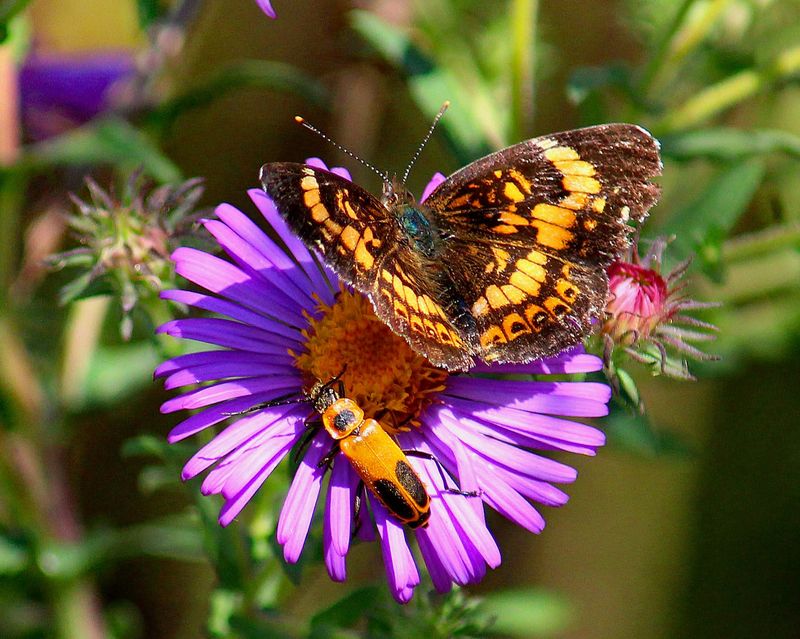
Picture this: it is early October, the air is crisp, and a monarch butterfly lands on a cluster of purple aster flowers in your yard. That moment is not just beautiful.
It is ecologically important. New England aster is one of the most valuable late-season food sources for pollinators in Pennsylvania, and that fact alone makes it worth growing.
By the time fall arrives, most flowering plants have already finished for the year. Bees, butterflies, and other pollinators are still active, but their food options are shrinking fast.
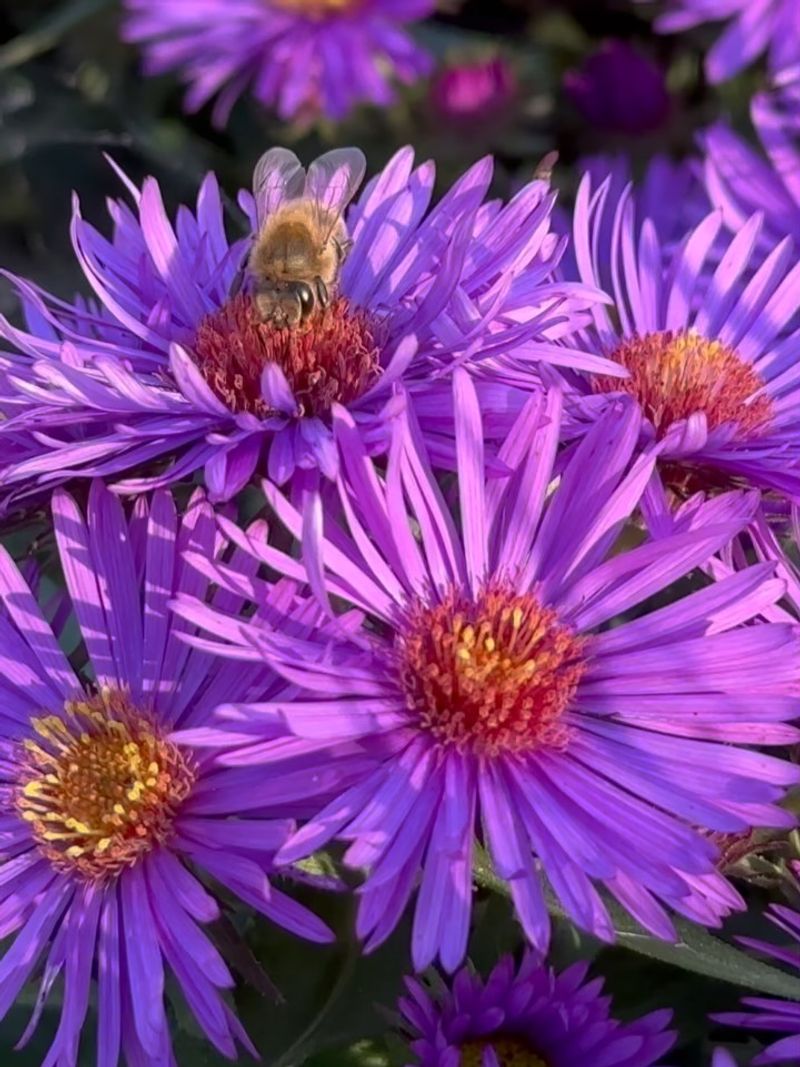
New England aster steps in at exactly the right time, offering abundant nectar and pollen when very little else is available. Bumblebees, honeybees, and native sweat bees are all frequent visitors to aster flowers throughout the fall season.
Monarch butterflies have a special connection to asters. As they travel south on their incredible migration, they need reliable food sources along the way.
New England aster grows throughout their migration route, and Pennsylvania gardens that include asters become important rest stops for these remarkable insects. Growing asters in your yard means you are directly supporting one of nature’s most amazing journeys.
Beyond monarchs, dozens of other butterfly species visit aster flowers in fall. Painted ladies, sulphurs, and various skipper species all take advantage of the late blooms.
If you enjoy watching pollinators in your garden, planting New England aster is one of the most effective things you can do. You are not just adding color to your yard.
You are creating a mini wildlife habitat that supports real ecological needs during one of the most challenging times of year for insects.
It Handles Tough Pennsylvania Garden Conditions
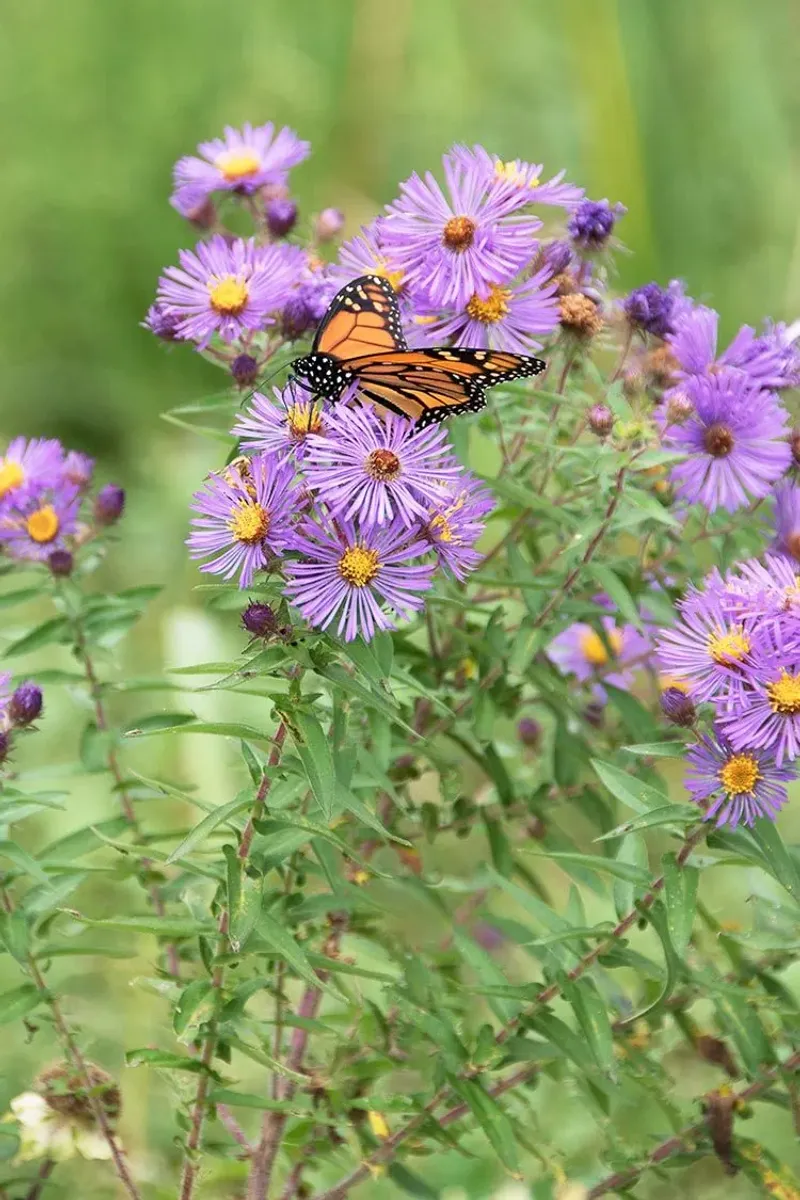
Pennsylvania gardeners know that not every plant can handle what this state throws at it. Clay-heavy soil, humid summers, and unpredictable fall weather can be hard on a lot of plants.
New England aster, though, was literally built for these conditions. It evolved right here, and it shows.
One of the biggest advantages of growing New England aster is its tolerance for clay soil. Many gardeners in Pennsylvania struggle with dense, poorly draining soil that causes root rot in more delicate plants.
New England aster handles clay surprisingly well. It can also manage a range of moisture levels, from moderately dry conditions to occasionally wet spots near drainage areas.
That flexibility makes it useful in garden spots where other plants have consistently struggled.
Full sun is where this plant truly shines. Six or more hours of direct sunlight each day produces the strongest stems, the most flowers, and the best overall plant health.
In shadier spots, New England aster will still grow, but it tends to get a bit floppy and produces fewer blooms. If you have a sunny, open area that needs a reliable late-season performer, this plant is an excellent match.
Heat and humidity during Pennsylvania summers do not set it back either. While some plants look stressed and wilted by August, New England aster is actively preparing for its big bloom.
It spends the whole summer building up energy and then releases it all at once in the form of hundreds of flowers.
For gardeners who want a low-maintenance native plant that can handle real-world garden challenges without constant attention, New England aster is a genuinely solid choice.
Give It Enough Space To Spread Out
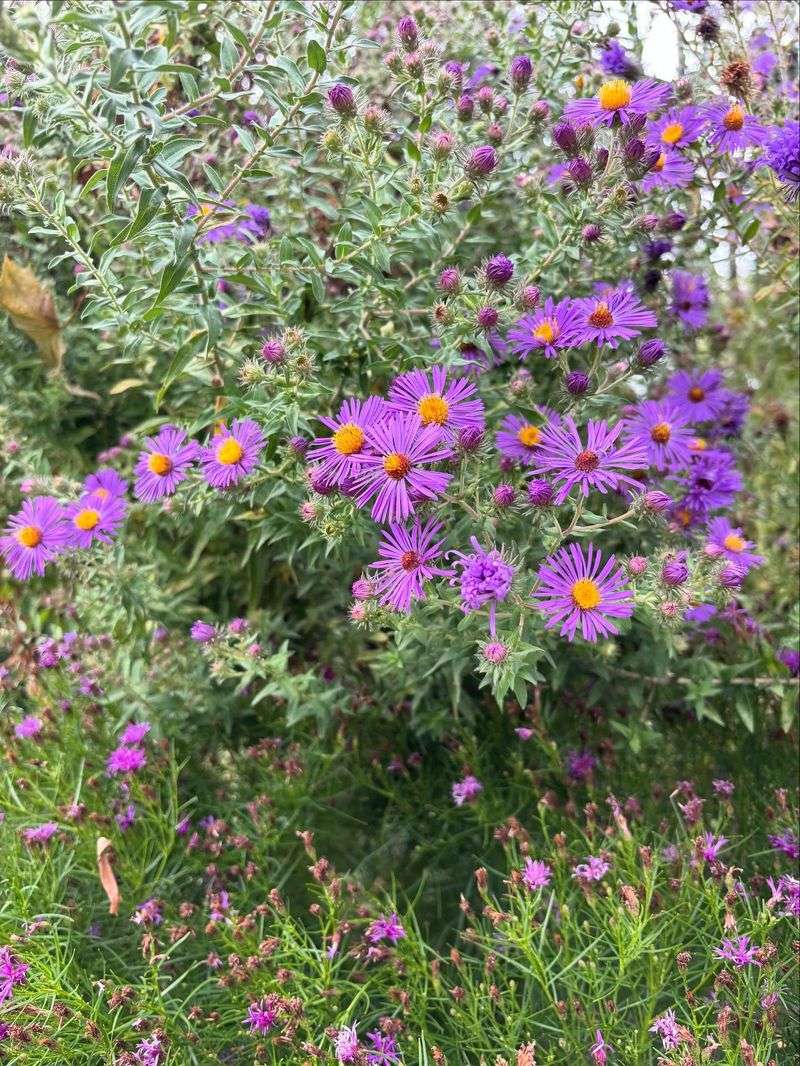
New England aster is generous in every sense of the word. It gives you height, color, and wildlife value.
But it also needs a little generosity in return, specifically when it comes to space. Giving this plant room to spread out is one of the most important things you can do to help it perform at its best.
By late summer, a mature New England aster plant can become quite broad and substantial. Depending on the variety, plants can spread two to four feet wide.
If you plant them too close together or crowd them in with other large perennials, they can get tangled, lose airflow, and become more prone to powdery mildew.
Spacing plants about two to three feet apart gives each one room to grow into its natural shape without competing for light or air circulation.
Placement matters a lot with this plant. Because of its height and spread, New England aster works best toward the back of garden beds or in naturalistic, meadow-style plantings where it has plenty of open space.
Planting it near a fence, along a property edge, or at the edge of a wooded area are all great options. It looks especially natural when planted in loose groupings of three or more, which creates a fuller, more abundant display than a single plant on its own.
One helpful tip many experienced gardeners use is cutting plants back by about half in late June. This is called the Chelsea chop, and it encourages bushier, more compact growth with even more flower stems.
It also helps prevent flopping later in the season. A little planning at planting time and one simple trim in early summer sets New England aster up for a truly spectacular fall show.
Leave Some Stems Standing After Bloom
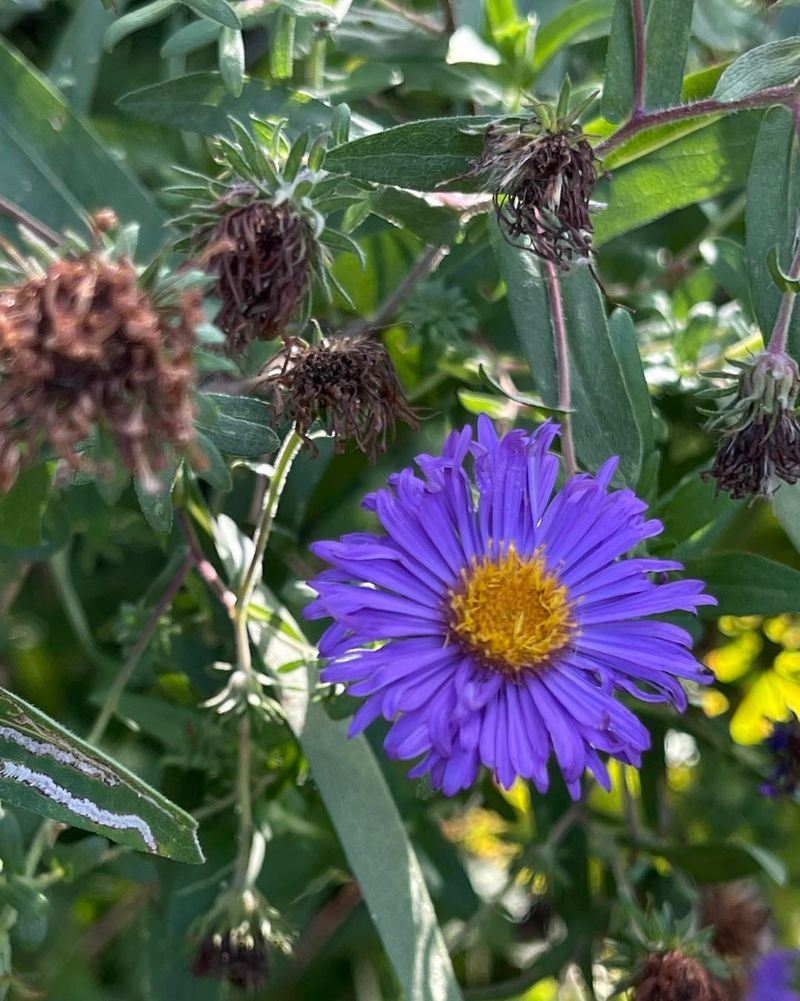
When the last flowers fade in October or November, many gardeners reach for pruners and cut everything down to the ground. With New England aster, though, it is worth pausing before you do that.
Leaving the stems and seedheads standing through fall and winter turns out to be one of the best things you can do for your garden and for local wildlife.
After blooming, New England aster develops fluffy, silvery seedheads that catch the light beautifully on crisp fall mornings. These seedheads add texture and structure to a garden that might otherwise look completely bare.
From a design standpoint, standing stems create visual interest during the months when most other plants have completely disappeared.
Paired with ornamental grasses and other seed-bearing perennials, they help your garden look intentional and layered even in the coldest months.
From an ecological standpoint, the benefits are even more significant. Small birds like goldfinches and sparrows actively search for aster seedheads during fall and winter, eating the seeds as a food source when other options are scarce.
The hollow stems of asters can also provide overwintering habitat for native solitary bees and other beneficial insects that shelter inside plant stems during cold weather.
Come late winter or early spring, you can cut the old stems down close to the ground before new growth starts pushing up. At that point, any insects that were sheltering inside will have already emerged, and the birds will have had months to enjoy the seeds.
Waiting until late winter to do your cleanup is a simple habit that makes a real difference for the small creatures sharing your yard.