Kitchen Cupboard Items That Help Keep Gophers Out of Arizona Gardens
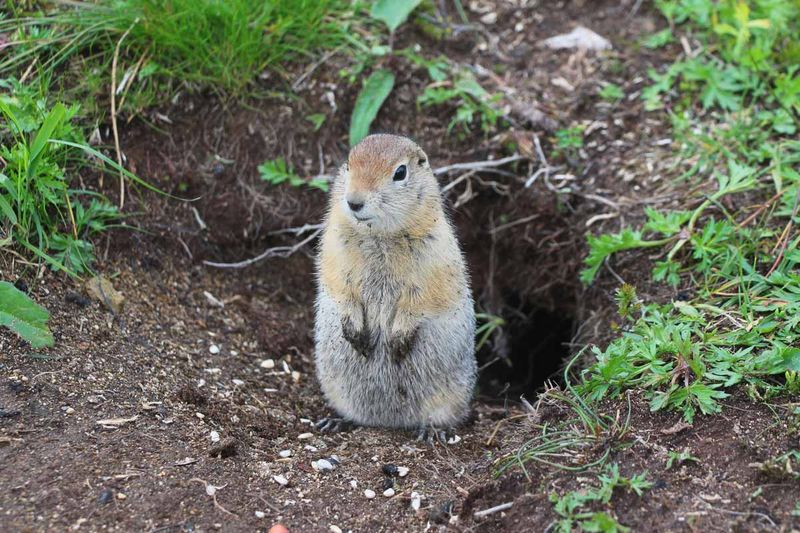
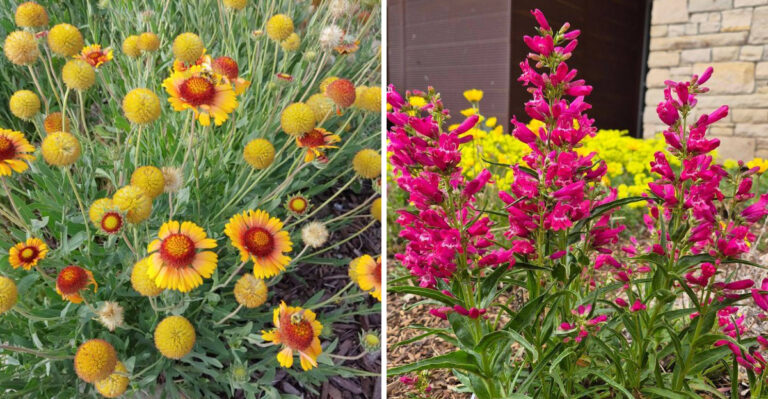
One morning your favorite penstemon is wilting, and a fresh mound of dirt sits right beside it. Gophers love the soft, watered soil in Phoenix and Tucson yards, and they can chew through roots faster than you can replant.
Before you reach for harsh products, take a look inside your pantry. A few everyday items may help make your garden less inviting to these hungry diggers.
1. Castor Oil
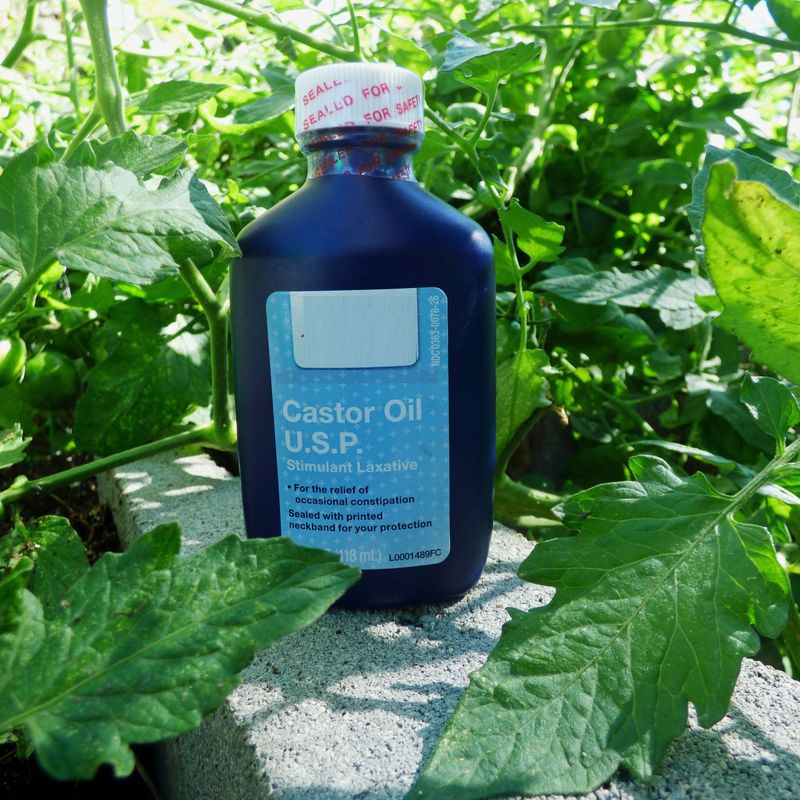
Flip over the label on almost any store-bought gopher repellent and you will likely find castor oil near the top of the list. Gophers seem to dislike its heavy scent and the bitter taste it leaves in the soil, so they may move their digging somewhere else.
To make your own mix, stir about two tablespoons of castor oil with a tablespoon of dish soap, then add a gallon of water. The soap helps the oil blend instead of floating on top.
Pour or spray it over active mounds and along the edges of beds where you see fresh dirt.
Arizona soil adds a twist. Caliche and hard, dry ground can stop the mix from soaking in, so water the area lightly first.
Early morning is the best time to apply, before the summer sun bakes the surface.
Plan to repeat every couple of weeks, and again after monsoon storms wash the scent away. Castor oil can upset pets if they lick it, so keep the bottle stored high and let treated areas dry.
Used steadily, it may help push gophers away from your mesquite roots and vegetable beds without much fuss.
2. Chili Powder
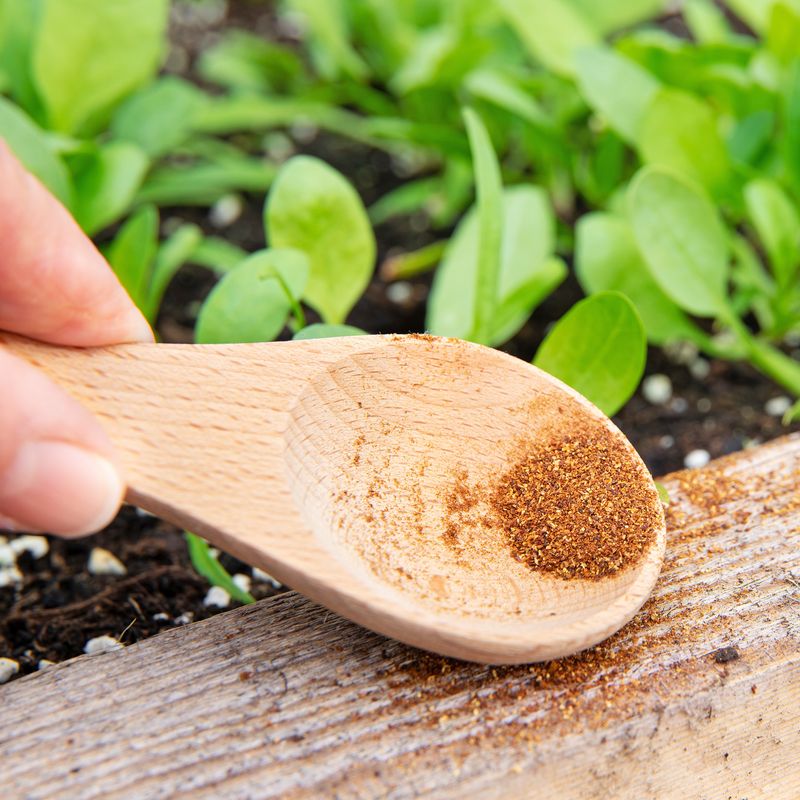
Spicy food lovers in Arizona already know chili powder packs a punch. Gophers, with their sensitive noses, may feel that heat too, which is why many gardeners sprinkle it near tunnel openings.
Start by finding an active hole, usually a fresh fan-shaped mound with a plugged entrance. Clear a little soil away, shake a generous spoonful of chili powder inside, and cover it again.
You can also dust a thin line around raised beds or the base of new plantings.
Cayenne works even better if you have it, since it tends to be hotter. Wear gloves and keep the powder away from your face, especially on breezy afternoons.
A face full of chili dust is no fun at all.
Dry powder holds up fairly well in our low-rainfall climate, which is a nice bonus. Still, irrigation and monsoon downpours will rinse it deeper or wash it off, so check and refresh weekly during wet stretches.
Chili powder will not trap or remove a gopher. Think of it as a spicy warning sign that may encourage the critter to tunnel toward a neighbor’s lawn instead of your tomatoes.
3. Hot Sauce
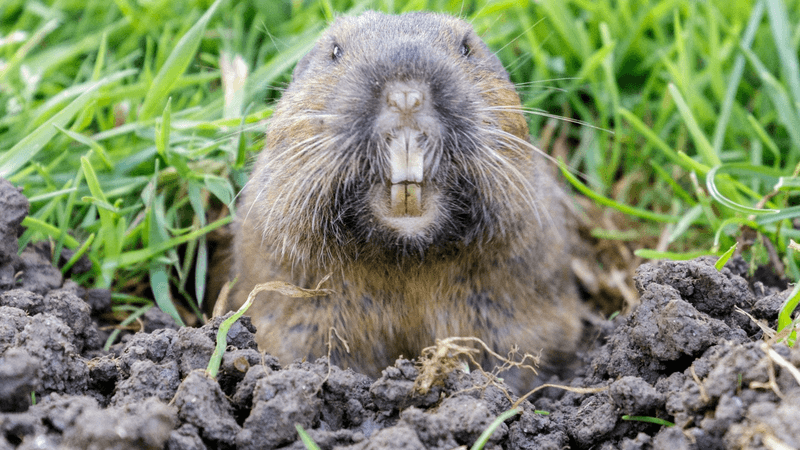
Here is a fun use for that half-empty bottle of Tabasco in the fridge door. Mixed with water, hot sauce turns into a liquid deterrent that can seep right into gopher runways.
A simple recipe works well. Combine about two tablespoons of hot sauce with a teaspoon of chili powder in a gallon of water, then give it a good shake.
Your Arizona Garden Changes Every Week. Your Plan Should Too.
Gardening in Arizona changes quickly throughout the season. Every Friday you’ll receive a simple weekly plan showing exactly what to plant, prune, fertilize, harvest, and protect so you never miss the right timing.
Pour some into an open tunnel or spray it around plants that keep getting nibbled from below.
The liquid form has a real advantage in Arizona. Powder can sit on top of crusty soil, but a hot sauce mix travels down into the cracks and burrows where gophers actually spend their time.
It pairs nicely with drip irrigation zones, since the soil there is already soft.
Keep the spray off leaves of tender plants on hot days, because the mix can leave spots when the sun hits it. Evening or early morning is the smart window.
Reapply after heavy watering or rain. Many folks find it works best as one part of a bigger plan, along with wire baskets for new plantings and regular checks for fresh mounds.
4. Peppermint Oil

Fresh, cool, and a little sharp, peppermint is a smell most people enjoy. Gophers may feel quite differently, which makes peppermint oil one of the more pleasant pantry options on this list.
The easiest method uses cotton balls. Add ten to fifteen drops of peppermint oil to each one, then tuck a few deep inside active tunnels.
Cover the hole lightly so the scent stays trapped underground where it matters most.
Desert heat is both a friend and a foe here. Warm soil helps the oil release its scent, but it also fades faster than it would in cooler places.
Swap out the cotton balls every five to seven days in summer and stretch it a bit longer in winter.
Some gardeners also plant real mint in pots near problem areas. Keep it in containers with some afternoon shade, since mint is thirsty and spreads quickly in the ground.
Peppermint oil is strong stuff, so handle it with gloves and keep it away from cats and dogs. A little goes a long way.
It may not send every gopher packing, but it adds another layer of discouragement.
5. Coffee Grounds
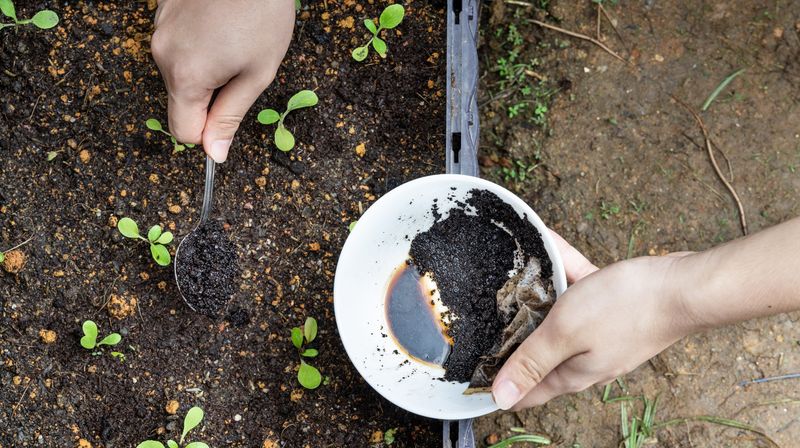
Morning coffee drinkers, rejoice. Those soggy grounds you toss every day might pull double duty in the garden.
Results with coffee grounds are honestly mixed. Some gardeners swear the strong smell helps discourage gophers, while others notice little change.
Still, the grounds cost nothing and offer a bonus that the other items do not.
That bonus is soil improvement. Arizona dirt tends to be alkaline and low in organic matter, and coffee grounds add a bit of texture and nutrients when mixed in.
You get a possible gopher deterrent and a small boost for your plants at the same time.
To use them, let the grounds dry a little so they do not clump or grow mold. Work a thin layer into the top inch or two of soil around beds, or drop a handful into an active tunnel before covering it.
Avoid piling them thickly, since a heavy mat can crust over in the heat.
Save a container by the coffee maker and add to your garden weekly. Combined with other scents on this list, coffee grounds may help build a yard that feels less like home to a gopher.
6. Cinnamon
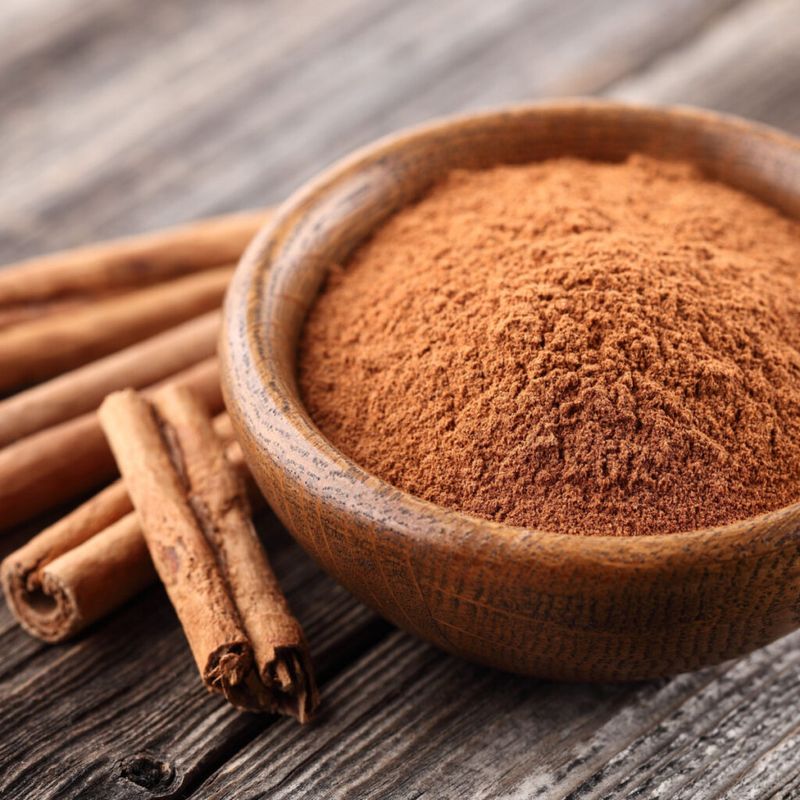
Grandma’s baking spice has a surprising second career. Cinnamon oil shows up in some commercial gopher repellents, which hints that its warm, woody scent may bother these diggers.
Ground cinnamon from the spice rack is easy to try. Sprinkle it inside fresh tunnel openings or dust it around the root zone of newly planted natives like desert marigold or penstemon.
If you have cinnamon oil, add a few drops to cotton balls and use them the same way as peppermint.
Here is a fun fact. Cinnamon is also known for helping keep fungus away from seedlings, so a little dusting around new transplants may give them a healthier start.
That makes it a great pick during fall planting season in October and November, when Arizona gardeners put most of their natives in the ground.
Buy it in bulk from a warehouse store to save money, since grocery jars empty fast. Refresh after watering, because cinnamon washes away easily.
On its own, cinnamon is a gentle approach. Paired with stronger options like castor oil, it adds another layer of scent that may help steer gophers away from your hard work.
7. White Pepper
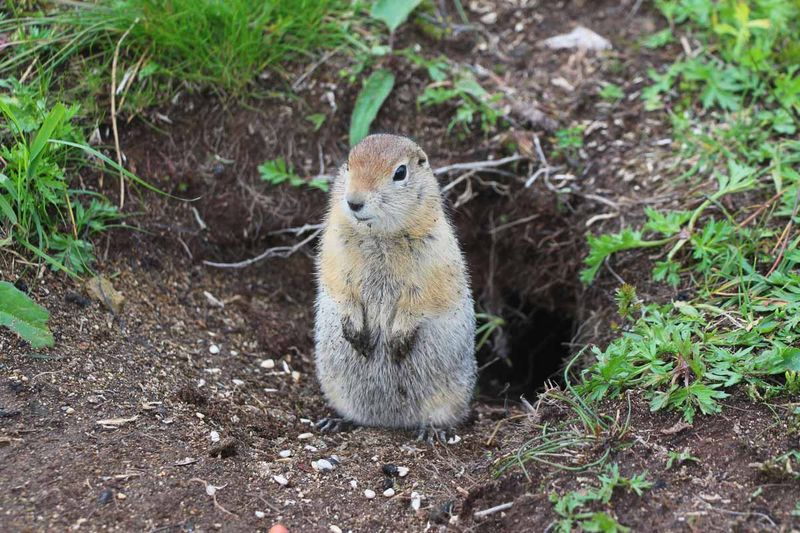
Ever sneezed after a whiff of pepper? Gophers have noses far more sensitive than ours, which may explain why white pepper turns up as an ingredient in some store-bought repellent blends.
White pepper has a sharper, earthier smell than black pepper, and that strength is the point. Mix a couple of tablespoons into your hot sauce spray, or blend it with chili powder for a homemade dusting powder that packs extra punch.
The combo approach matters. Gophers can get used to one smell over time, so rotating or mixing spices keeps them guessing.
Many Arizona gardeners swap between pepper blends and oil mixes every few weeks.
Spread your pepper mix along the edges of raised beds, around fruit tree basins, and into fresh holes. Basins around citrus and young mesquites are worth special attention, since gophers love the moist soil there.
Keep pepper dust away from your eyes and out of reach of curious kids and pets. A quick rinse of your hands afterward saves a lot of discomfort.
Used thoughtfully, white pepper may help make your garden a spicier, less friendly place for underground visitors.
8. Garlic
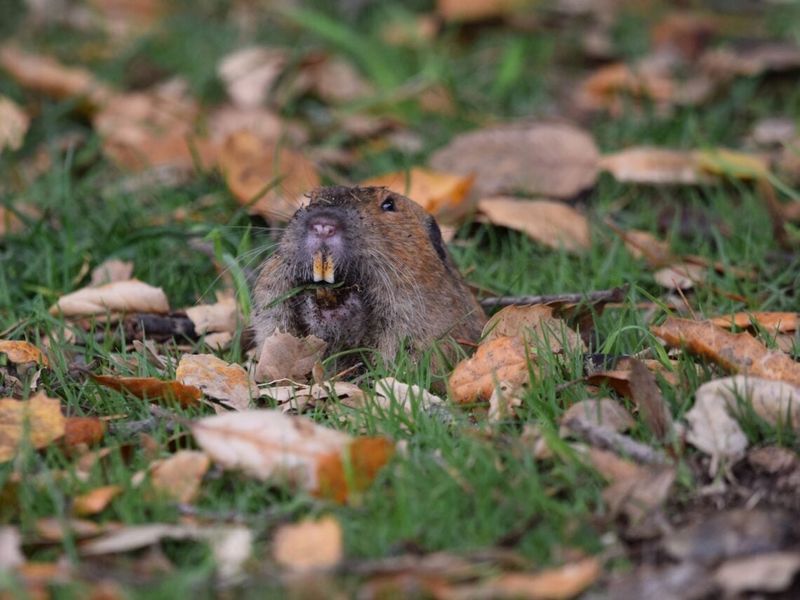
Garlic has been chasing away pests in folk tales for centuries, and it may earn a spot in your gopher plan too. Its strong sulfur smell is hard to miss, even underground.
There are two easy ways to use it. Crush a few fresh cloves and drop them right into active tunnels, then cover the hole.
Or blend a whole bulb with water, strain it, and pour the liquid into runways and around beds.
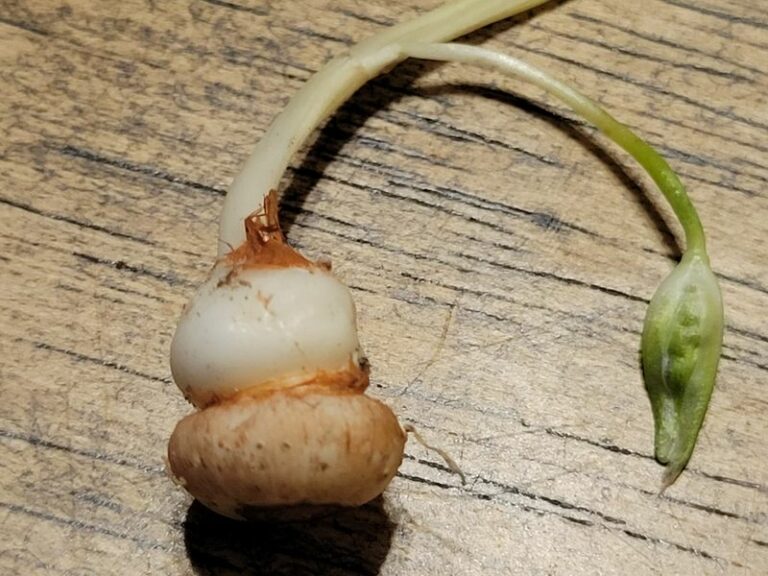
Garlic also grows well in low-desert Arizona. Plant cloves in October or November, and they will grow through the mild winter for a spring harvest.
Some gardeners tuck them along bed borders as a living scent barrier, though results vary and gophers sometimes ignore them.
Water the area lightly before pouring garlic liquid so it soaks in rather than running off hard soil. Repeat every week or two, especially after monsoon rains.
Pantry remedies work best as teammates. Combine garlic and other scents with wire baskets around new roots and quick action when fresh mounds appear.
Together, they may help you keep more of your desert garden growing strong and fewer roots disappearing below.