The July Citrus Tree Tasks Arizona Growers Should Never Skip During Peak Heat
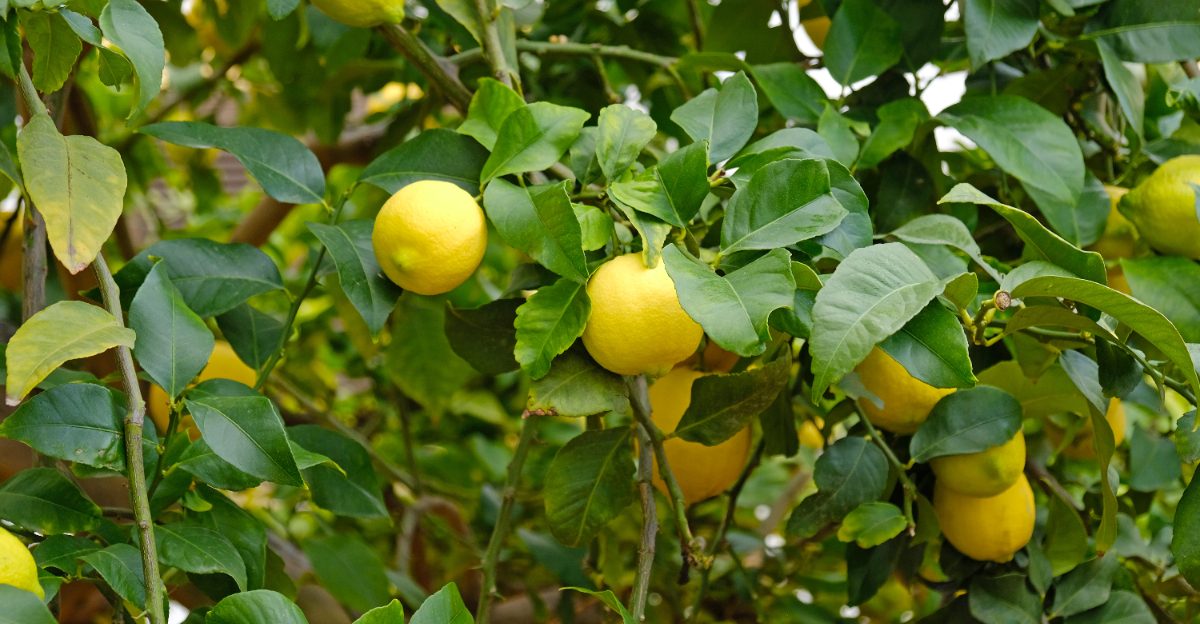
Hot weather has a way of exposing every little mistake in the garden. A citrus tree that looked perfectly healthy a week ago can suddenly seem tired and stressed.
That kind of change often catches people by surprise because it happens so quickly. It is easy to think more water will fix everything, but that is not always the answer.
A few simple jobs become much more important once the hottest part of summer arrives. Skipping them can leave even strong trees struggling through the weeks ahead.
July is when citrus trees need extra attention to handle extreme temperatures. Arizona growers know this part of summer can test even established trees.
A few timely tasks help protect healthy growth, reduce heat stress, and keep trees in better shape until cooler weather finally returns.
1. Water Deeply Before Roots Become Heat Stressed
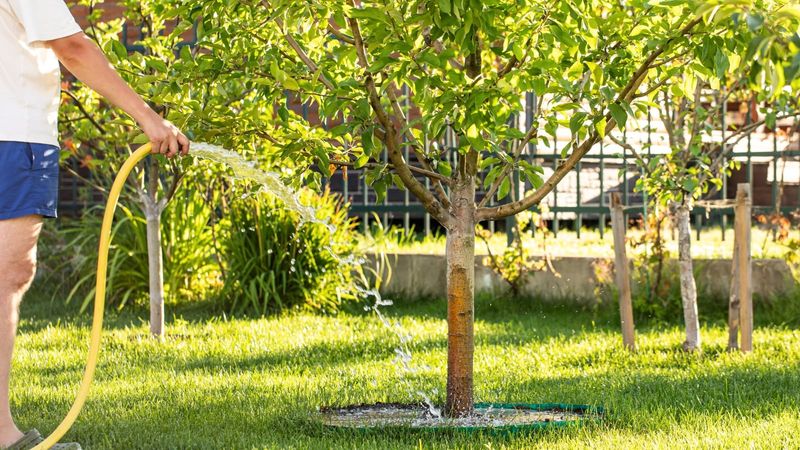
Shallow watering in peak summer heat is one of the fastest ways to weaken a citrus tree. Roots need moisture pushed deep into the soil, not just a quick surface rinse that evaporates before noon.
Deep watering encourages roots to grow downward, where soil stays cooler and holds moisture longer. A slow, steady soak for 30 to 60 minutes works far better than a short burst every day.
Using a drip system or soaker hose placed at the drip line gives water exactly where it needs to go.
In July, most established citrus trees benefit from deep watering every five to seven days, depending on soil type and tree size. Sandy soil drains faster and may need more frequent sessions.
Clay soil holds moisture longer but can get waterlogged if you are not careful.
Early morning is the best time to water. Soil absorbs moisture better before the sun peaks, and leaves dry quickly to reduce fungal risk.
Avoid watering in the evening if possible, since wet soil overnight can sometimes attract root problems.
Check soil moisture by pushing a screwdriver or wooden dowel six inches down. If it slides in with resistance, the soil is dry and needs water.
2. Refresh Mulch Without Covering The Trunk
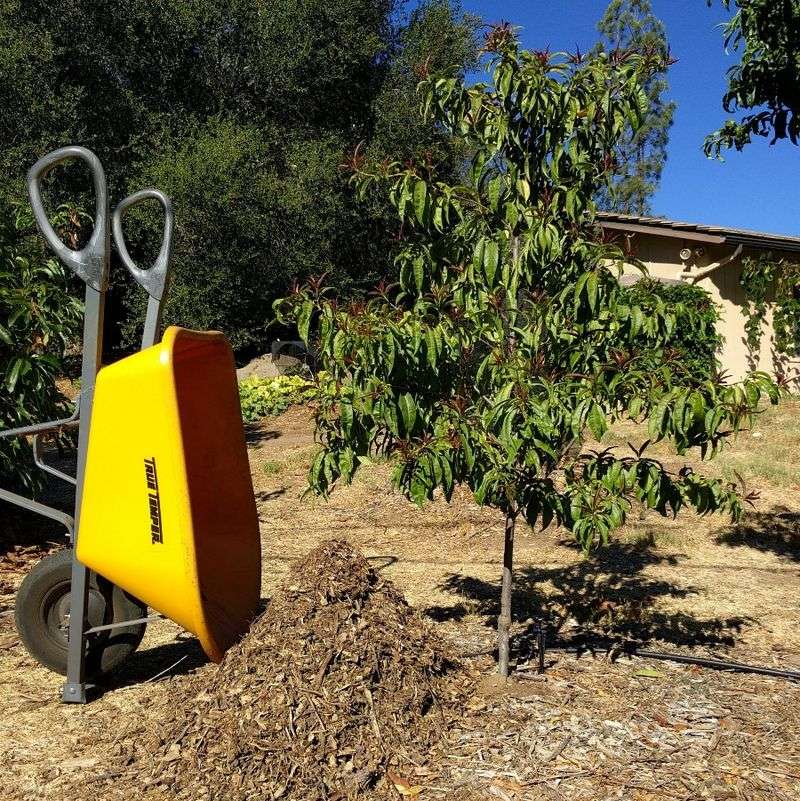
Mulch is one of the most underrated tools for summer citrus care. A fresh layer around the base of a tree can drop soil temperature by 10 to 20 degrees, which makes a real difference when air temps are brutal.
Organic mulch like wood chips or shredded bark works well. Spread it two to four inches thick in a wide ring around the tree, starting several inches away from the trunk.
Keeping mulch off the trunk is important because contact traps moisture against the bark and can lead to rot or pest problems over time.
Pull back old mulch first to check the soil underneath. If it smells sour or feels slimy, let it dry out before adding a new layer.
Old mulch that has broken down can actually be worked lightly into the top inch of soil as a mild organic amendment.
Extend the mulch ring as far out as the drip line if possible. Roots spread wide, and protecting that whole zone helps the tree manage heat stress more effectively.
Your Arizona Garden Changes Every Week. Your Plan Should Too.
Gardening in Arizona changes quickly throughout the season. Every Friday you’ll receive a simple weekly plan showing exactly what to plant, prune, fertilize, harvest, and protect so you never miss the right timing.
A wider ring also slows water runoff during monsoon storms.
Gravel mulch is common in desert landscapes, but it absorbs and radiates heat rather than insulating the soil.
3. Delay Pruning Until Cooler Weather Returns
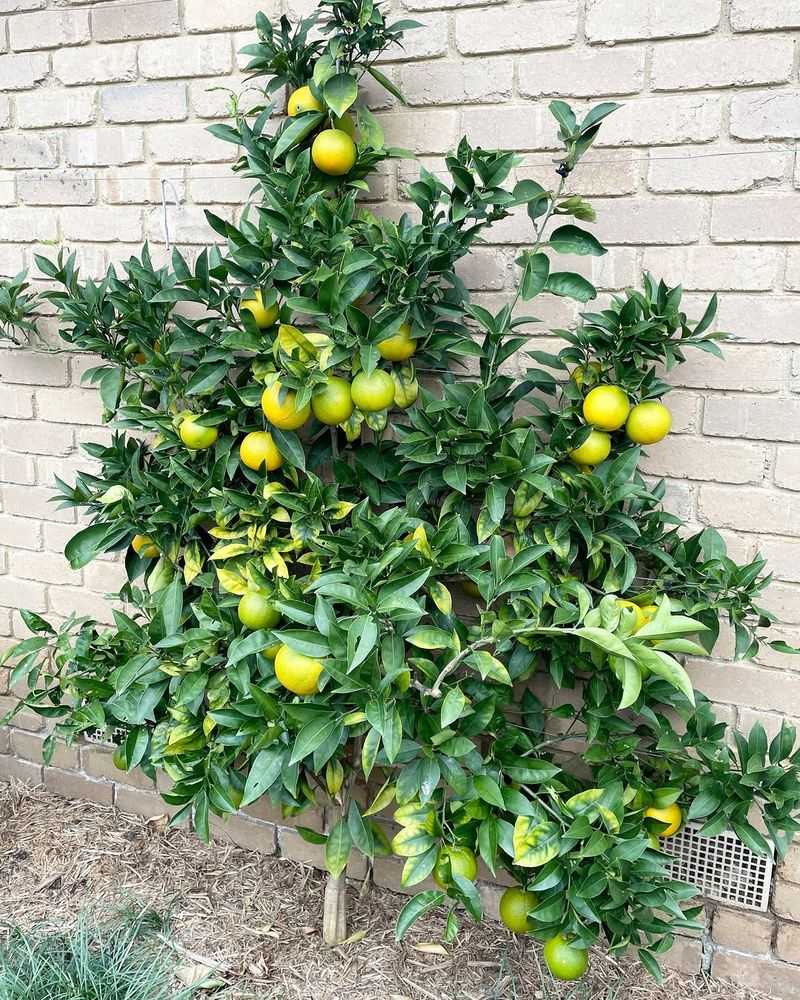
Grabbing the pruning shears in July feels productive, but it can actually set your tree back. Pruning removes canopy cover, and that cover is actively shading branches, fruit, and bark from intense summer sun.
Exposed branches and fruit after a midsummer pruning can suffer from sunscald. Bark that was previously shaded suddenly faces direct rays above 110 degrees.
That kind of damage weakens wood and creates entry points for pests and disease.
Wait until late September or October before doing any significant shaping or trimming. By then, temperatures drop enough that exposed tissue is not immediately stressed.
Fall pruning also sets the tree up for a strong flush of new growth in spring.
If a branch is clearly broken or rubbing another limb, go ahead and remove it now. Safety cuts are fine.
Just keep them minimal and targeted, not a full shaping session.
Skipping summer pruning also preserves the fruit that is currently developing. Cutting into fruiting wood or reducing canopy mid-cycle can cause immature fruit to drop early.
Most citrus is still sizing up in July, and it needs every bit of leaf cover to keep photosynthesis running efficiently.
4. Keep Weeds Away From The Root Zone
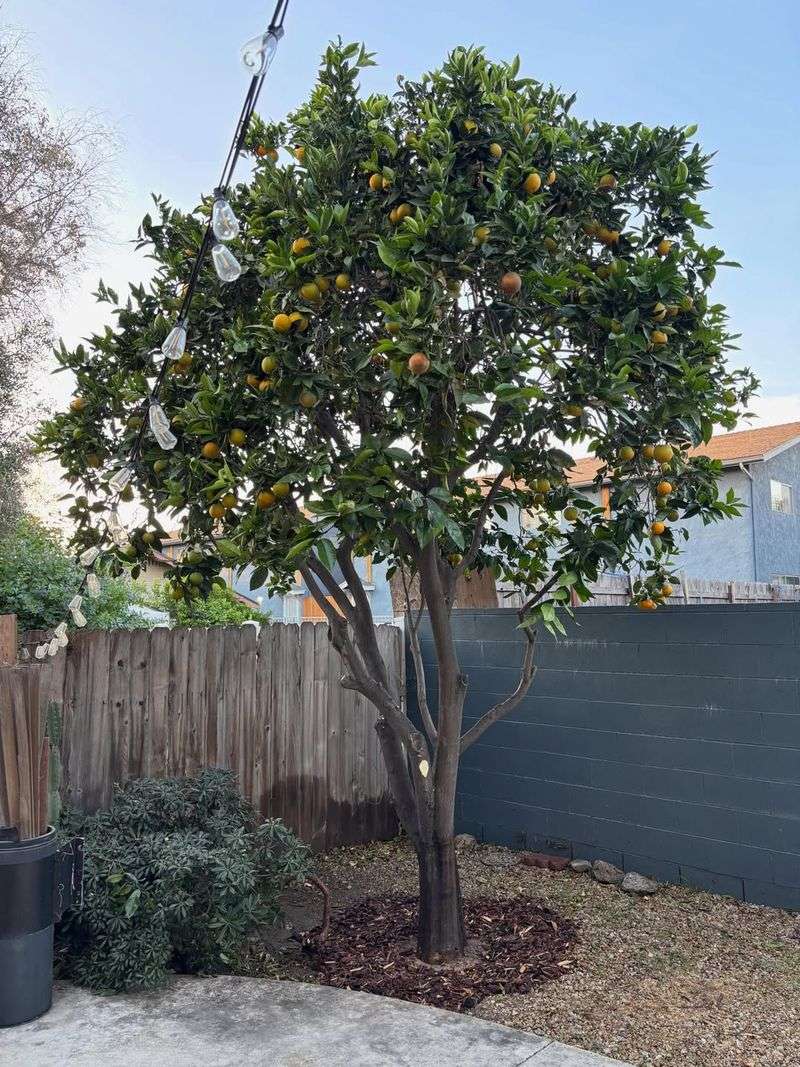
Weeds seem harmless, but they compete hard for the water and nutrients your citrus tree needs most in July. When soil moisture is already limited by extreme heat, weeds can pull a surprising amount away from roots.
Some summer weeds grow fast. Spurge, pigweed, and nutsedge can establish quickly after monsoon rains and become difficult to manage if left unchecked.
Pulling them early, before they set seed, is far easier than dealing with a dense patch later.
Hand-pulling works well for small infestations. Wear gloves and pull after watering or rain when soil is softer.
Getting the root out cleanly matters more than just snapping the stem at ground level.
A thick layer of mulch over the root zone helps suppress weeds naturally. It blocks sunlight from reaching weed seeds in the soil.
Combined with regular checks every week or two, mulch can significantly reduce how much weeding you need to do through the summer.
Avoid hoeing or cultivating too aggressively near the trunk. Citrus has shallow feeder roots close to the surface, and rough soil disturbance can damage them.
Light surface scratching is fine, but deep digging near the base is risky.
5. Remove Damaged Fruit Before It Drains Energy
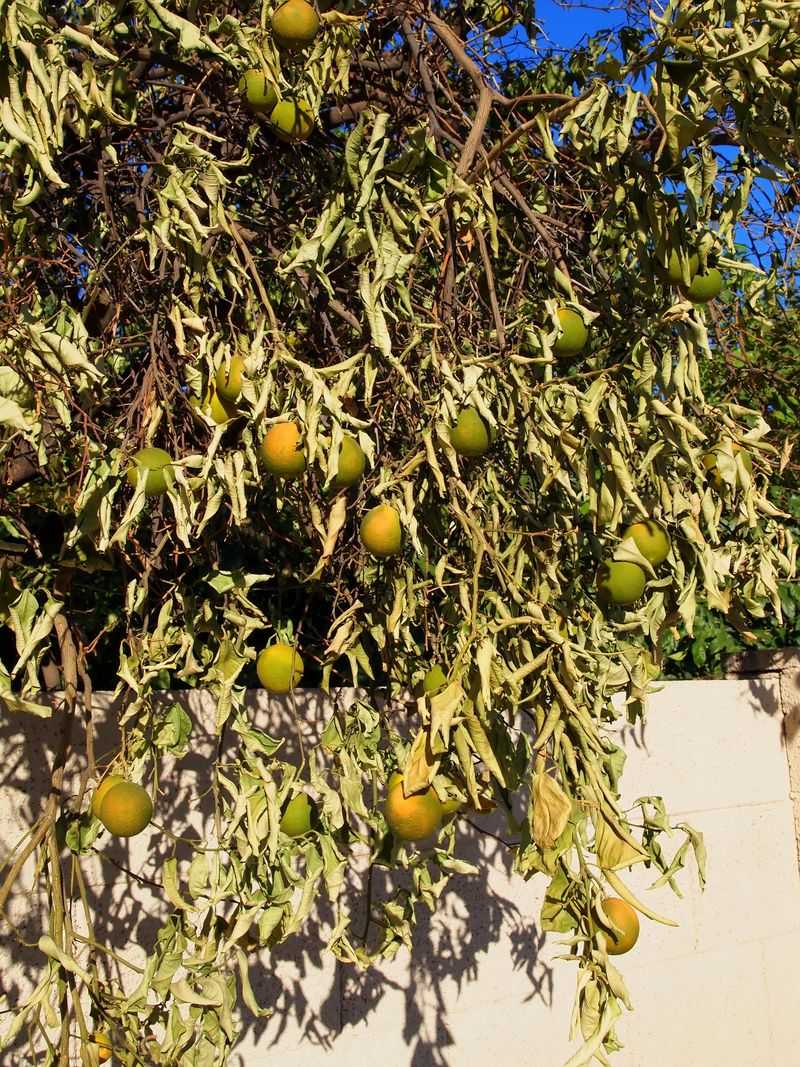
Cracked, shriveled, or sunburned fruit hanging on the tree in July is not doing your tree any favors. A citrus tree will keep pushing energy toward damaged fruit even when that fruit has no chance of developing properly.
Removing it redirects that energy toward healthy fruit still sizing up on the tree. It also reduces the risk of pests and fungal issues that tend to cluster around rotting or stressed fruit.
Walk the tree every week or two in July. Look for fruit that has split, turned soft, or shows signs of sunscald.
Sunscalded fruit often looks bleached or papery on the sun-facing side. It usually will not recover once that damage sets in.
Twist damaged fruit off gently or use clean pruning snips. Dropping fruit directly onto the soil below the tree can attract pests and spread disease spores, so bag it and remove it from the area.
Do not panic if you see some natural fruit drop happening on its own. Citrus trees naturally shed some fruit in early summer as a self-thinning process.
What you are watching for is fruit that is hanging but clearly struggling, not fruit that has already dropped cleanly.
Healthy fruit left on the tree should feel firm and look glossy.
6. Protect Young Trees From Intense Afternoon Sun
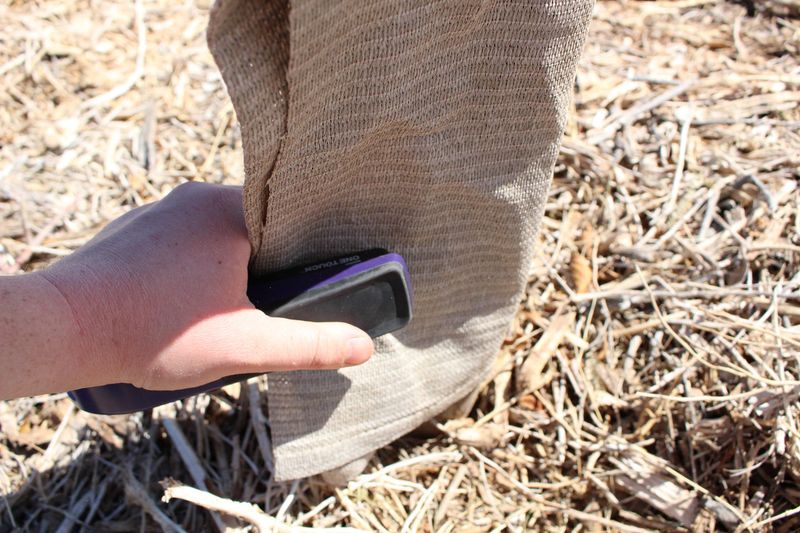
Young citrus trees planted within the last one to two years have not built up the bark thickness or root depth to handle full Arizona summer sun on their own. Afternoon exposure between 1 and 5 p.m. is especially intense.
Shade cloth rated at 30 to 40 percent light reduction works well for temporary summer protection. Drape it over a simple frame or stake system that keeps the cloth off the leaves.
Direct contact between shade cloth and foliage can still cause heat buildup.
Even partial shading on the west-facing side of a young tree helps significantly.
A temporary shade panel or a strategically placed tarp on a frame can block the harshest afternoon rays without blocking morning light, which is gentler and still supports photosynthesis.
Watch for signs that a young tree is struggling. Leaf curl, pale yellowing, or papery bark on the trunk are signals that the tree is under serious stress.
Acting quickly with shade and extra water can help it recover before lasting damage sets in.
Wrapping the trunk of a newly planted tree with white tree wrap or light-colored cloth also helps reflect heat away from the bark. Sunscald on young trunks is common and can create weak spots that affect the tree for years.
7. Watch Leaves For Early Signs Of Heat Stress
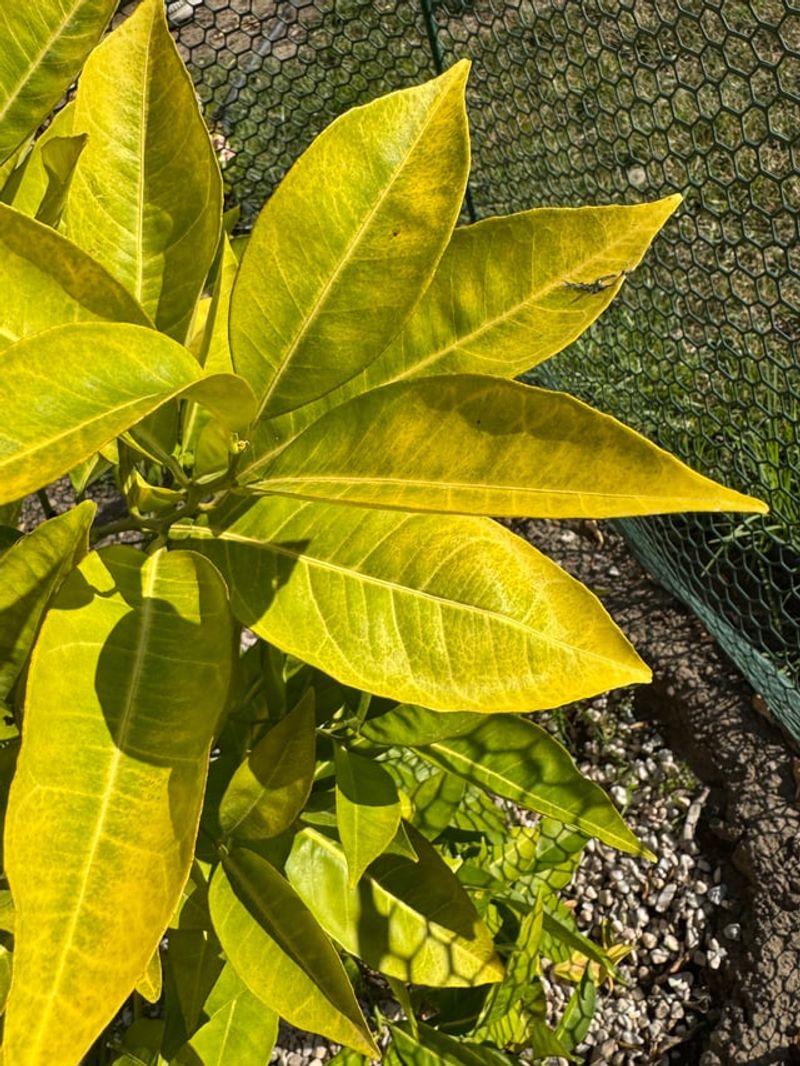
Leaves are the clearest window into how a citrus tree is actually doing in summer heat. Curling, yellowing, or dropping leaves are messages worth paying attention to before small problems become bigger ones.
Leaf curl is often the first visible sign of heat or water stress. Leaves curl inward to reduce surface area exposed to direct sun, which is actually a natural protective response.
If curling happens consistently in the morning before the heat peaks, the tree may need more water.
Yellowing between leaf veins can sometimes point to a nutrient issue rather than heat alone. In hot, fast-draining desert soils, iron and manganese can become less available to roots.
A chelated iron product applied according to label directions may help, but check your watering habits first since overwatering can also cause yellowing.
Leaf drop in July is not unusual. Citrus trees shed older interior leaves as a normal response to stress.
Heavy drop across the whole canopy, though, signals something more serious that needs attention.
Check the underside of leaves regularly. Spider mites love hot, dry conditions and tend to spike in July.
Tiny webbing or a dusty appearance on the leaf underside are early signs. A strong spray of water can knock populations back before they get out of hand.