Why Gravel Isn’t Always The Best Choice For Arizona Yards
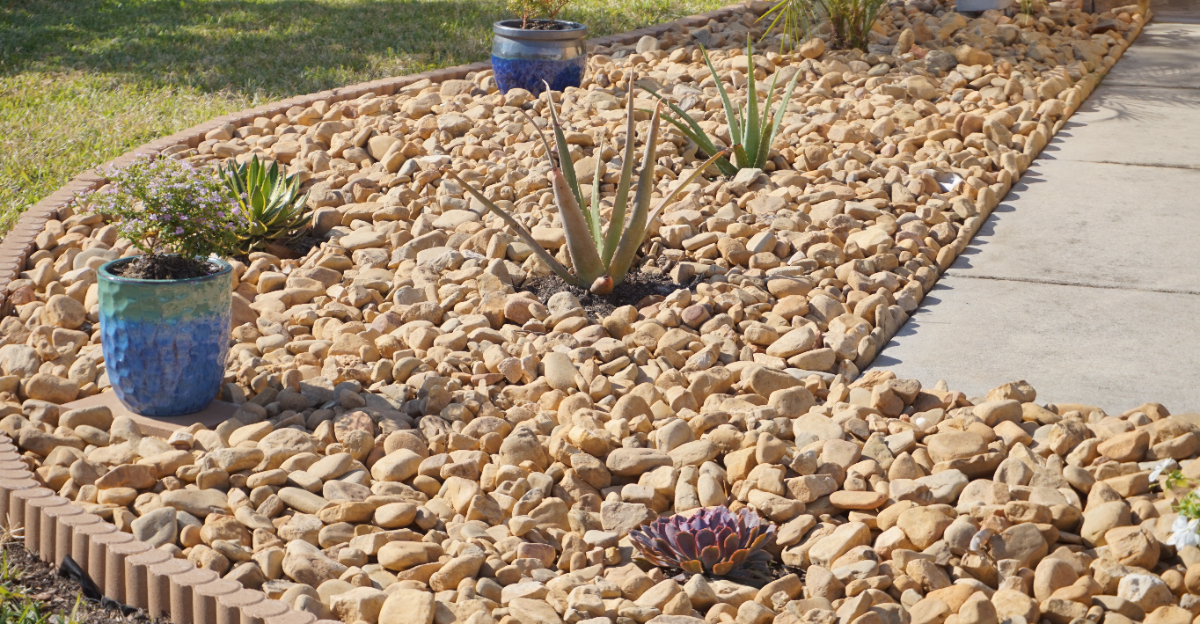
Gravel shows up in many Arizona yards, often seen as the easiest way to create a clean, low effort look. At first, it seems like a simple solution that cuts down on maintenance and handles dry conditions without much trouble.
Over time, though, some issues start to stand out. Heat builds up, certain areas feel harsher than expected, and the space can lose the balance that makes a yard feel comfortable.
What looks practical at the start does not always hold up the same way once the yard gets used day after day. Small drawbacks begin to affect how the space feels and how plants around it perform.
Looking at those tradeoffs can change how gravel fits into the overall design and whether it truly works as well as it first seems.
1. Excess Heat Builds Up In Gravel And Stresses Plants
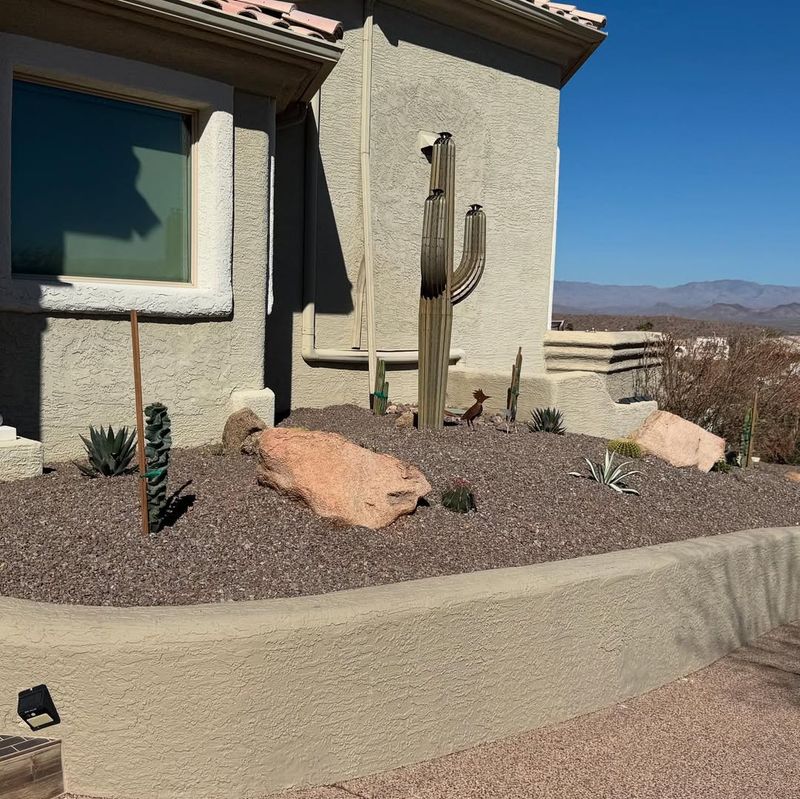
Touch a gravel yard in Phoenix at 2 p.m. in July — it feels like a skillet. Gravel absorbs heat fast and holds onto it long after the sun moves on.
Soil temperatures beneath a gravel layer can reach well above 140 degrees Fahrenheit during peak Arizona summer days, and that kind of heat pushes directly into plant root zones.
Roots sitting close to the surface get cooked rather than cooled. Even heat-tolerant desert plants struggle when ground temperatures stay extreme for hours without relief.
Organic mulch, by contrast, insulates the soil and keeps root zones noticeably cooler during the same conditions.
Gravel also radiates stored heat back upward after sunset, which slows the natural cooling that plants depend on at night. In Arizona, nighttime recovery is critical — it’s when plants repair stress from the day.
When gravel keeps releasing heat into the evening, that recovery window gets cut short.
Yards with heavy gravel coverage also tend to feel hotter to people walking through them. If you’ve noticed your patio or walkway feeling unbearably warm even in the shade, surrounding gravel is often part of the reason.
Replacing gravel in high-traffic zones with decomposed granite, flagstone, or native ground covers can reduce surface temperatures by a meaningful amount.
2. Soil Under Gravel Becomes Dry And Lifeless Over Time
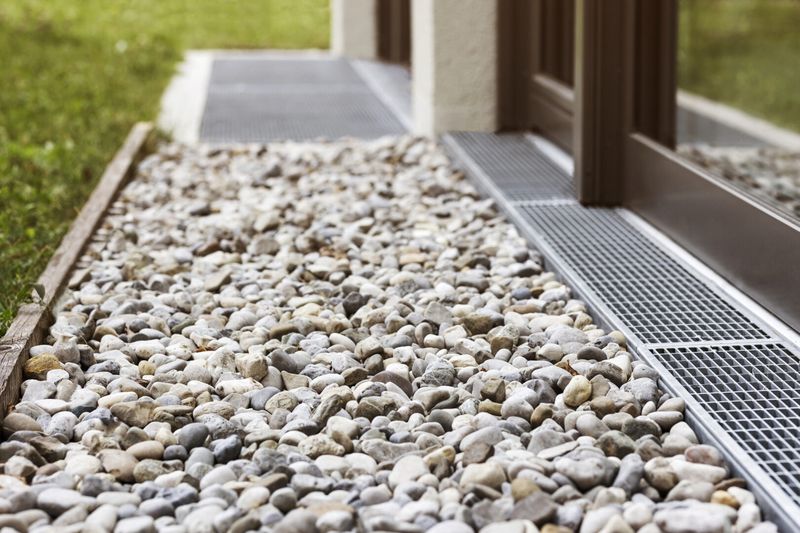
Healthy soil is full of activity — microbes breaking down organic material, worms creating air pockets, fungi connecting plant roots. Cover that soil with a thick gravel layer and you cut off most of what keeps it alive.
Rain can’t carry organic matter down into the ground, and leaf litter that would normally decompose on the surface never gets the chance.
Arizona soil already runs lean. Much of the Valley sits on caliche-heavy or sandy ground that doesn’t hold nutrients or moisture particularly well to begin with.
Gravel makes that situation worse by sealing the surface and blocking any natural amendment process from happening over time.
Without organic input, soil biology slows down significantly. Fewer microbes means fewer nutrients cycling through the root zone.
Plants in gravel-covered beds often show signs of nutrient deficiency even when fertilized regularly, because the soil structure itself has degraded too far to support healthy uptake.
Your Arizona Garden Changes Every Week. Your Plan Should Too.
Gardening in Arizona changes quickly throughout the season. Every Friday you’ll receive a simple weekly plan showing exactly what to plant, prune, fertilize, harvest, and protect so you never miss the right timing.
Pulling up old gravel in an established Arizona yard often reveals pale, powdery soil that crumbles apart rather than clumping. It’s dry several inches down even after watering.
Restoring that kind of soil takes real work — compost, mulch, and time.
3. Compaction Develops Beneath Gravel And Limits Growth
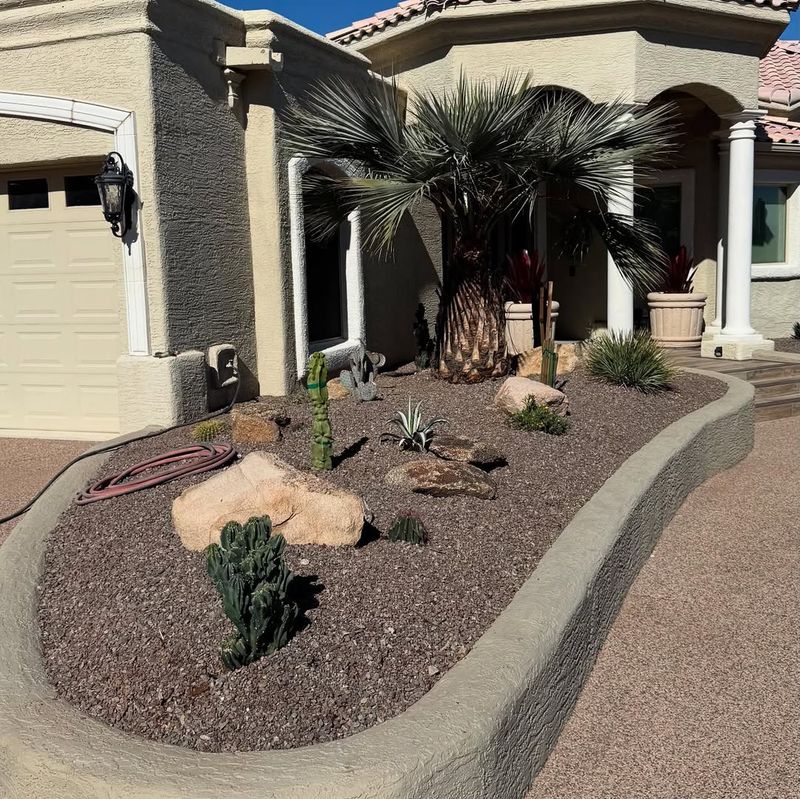
Gravel is heavy, and that weight adds up fast across an entire yard. Over months and years, the constant pressure from a gravel layer presses down on the soil beneath it, squeezing out air pockets and making the ground progressively harder.
Compacted soil doesn’t absorb water the way loose soil does, and roots have a much harder time pushing through it.
Root growth slows dramatically in compacted ground. Young plants that look healthy above the surface can stay stunted for years because their roots can’t expand outward or downward to find water and nutrients.
In Arizona, where root depth matters for surviving dry stretches, that limitation is a real problem.
Compaction also affects drainage. Water that can’t soak in runs sideways across the surface instead.
During Arizona’s monsoon season, that means water pools in low spots or rushes toward foundations rather than soaking into the ground where plants need it. The gravel layer may look dry and draining on top while the soil below stays waterlogged in patches.
Aerating compacted soil helps, but it’s difficult under an established gravel layer. Most homeowners don’t realize the problem exists until they try to plant something new and find the ground almost impossible to work with using a standard trowel.
4. Water Runs Off Instead Of Soaking Into The Soil
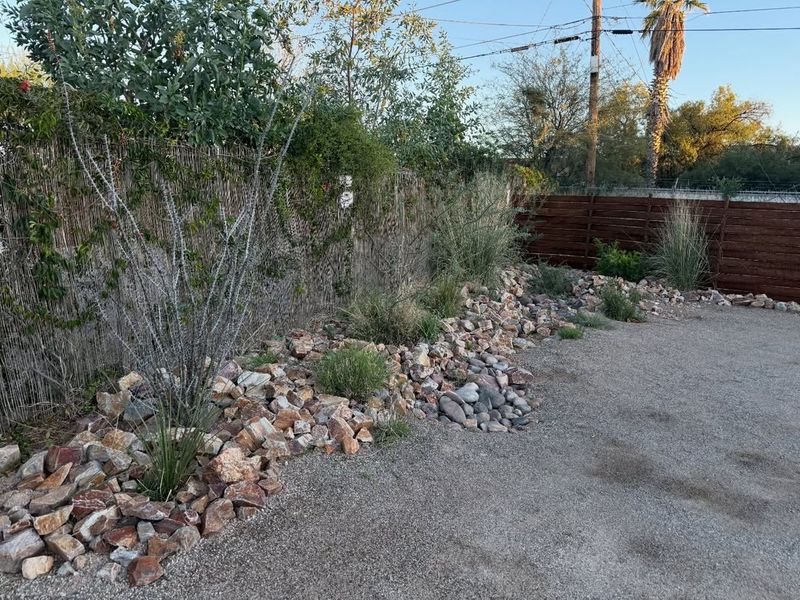
Water behaves differently over gravel than it does over bare soil or mulched beds.
When rain or irrigation hits a gravel surface, a portion of it soaks through — but a surprising amount bounces off the stones and moves laterally across the surface before it ever reaches the root zone.
During Arizona’s monsoon storms, that effect is amplified because the rain often comes fast and heavy.
Runoff from gravel yards can carry sediment, debris, and even gravel itself toward drainage areas or property edges. Over time, this erodes pathways, clogs drip emitters, and deposits material in places it doesn’t belong.
Neighbors with sloped yards often notice this effect most clearly.
Drip irrigation systems placed under gravel also lose efficiency as compaction and surface runoff increase. Water that should be soaking straight down toward roots ends up moving horizontally through the gravel layer instead.
Adjusting emitter placement and output helps, but it doesn’t fully solve the underlying drainage issue caused by the gravel itself.
Permeable alternatives handle water much better in Arizona conditions. Decomposed granite allows more consistent infiltration.
Native plant beds with organic mulch absorb monsoon water efficiently and release it slowly into the soil. Both options reduce runoff and support healthier root systems than traditional gravel does.
5. Gravel Reflects Heat And Increases Plant Stress
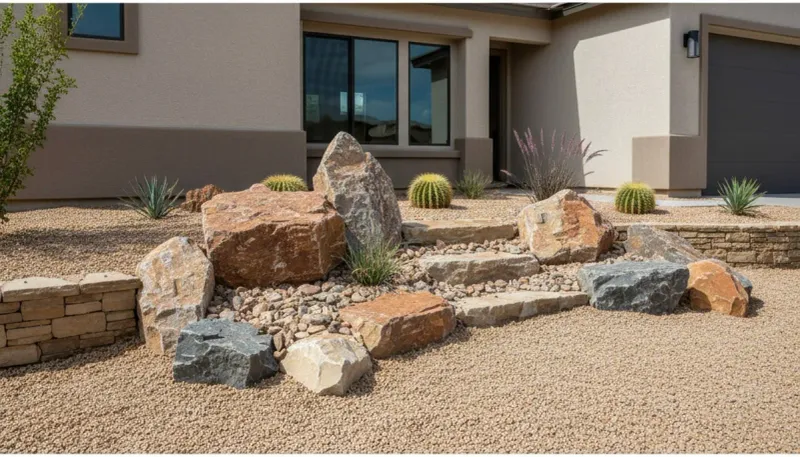
Lighter-colored gravel does something that dark gravel doesn’t — it bounces sunlight sideways and upward, directing it straight at plant stems, lower leaves, and any structures nearby.
In Arizona, where UV intensity is already extreme, that reflected light adds an extra layer of stress that many plants aren’t built to handle even when they’re considered heat-tolerant species.
Reflected heat from gravel surfaces can raise the temperature immediately around plant bases by several degrees compared to mulched or bare soil areas. That difference matters most during June and early July, before monsoon moisture arrives to moderate conditions.
Plants with thin or papery leaves are especially vulnerable to this kind of side-angle heat exposure.
Walls and fences near gravel beds absorb reflected heat too, which can damage paint and cause materials to expand and contract more rapidly over time.
Homeowners sometimes notice fading or cracking on surfaces that face gravel-covered areas, even when those surfaces aren’t in direct sunlight for most of the day.
Switching to darker decomposed granite in areas near plants reduces the reflection issue. Organic mulch eliminates it almost entirely because mulch absorbs rather than bounces light.
Strategic placement of shade cloth during the hottest weeks also helps buffer plants from both direct and reflected sun in Arizona yards.
6. Native Plants Replace Gravel With Natural Coverage
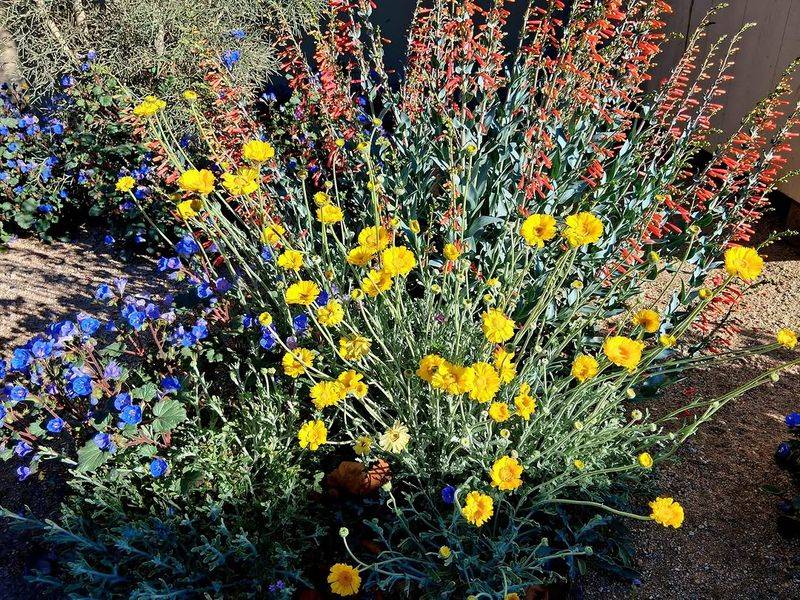
A yard full of native Arizona plants does something gravel simply can’t — it creates a living, breathing landscape that supports insects, birds, and soil health all at once.
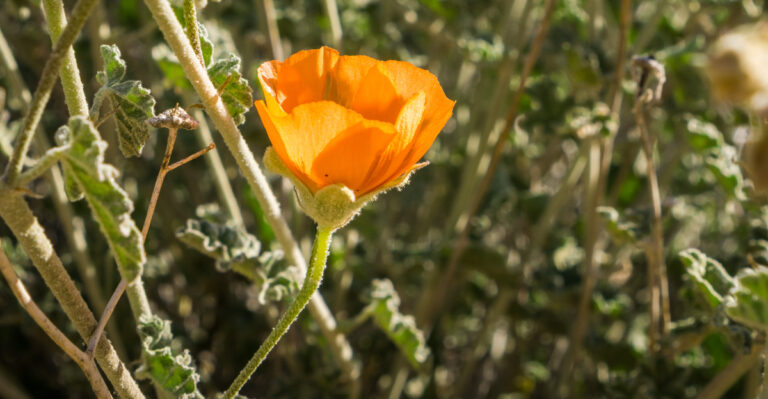
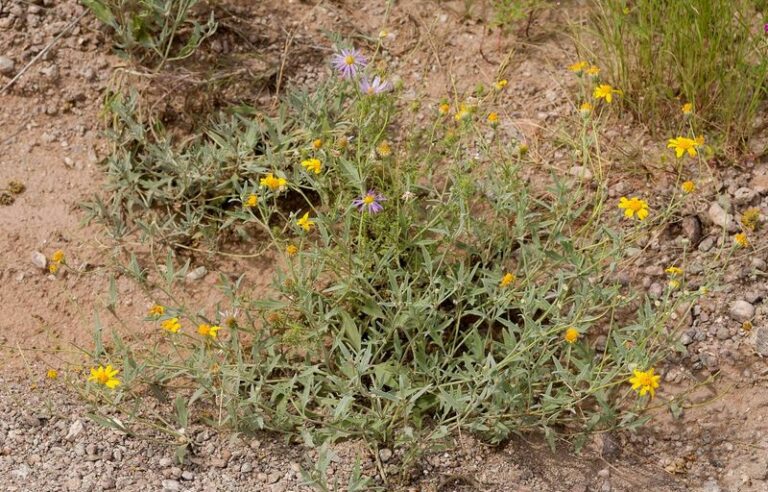
Native plants like brittlebush, desert marigold, and penstemon grow naturally in Arizona conditions without needing much supplemental water once their roots are established in the ground.
Ground-level native plants fill in spaces that gravel typically occupies. Low-growing species like desert zinnia and blackfoot daisy spread across bare soil, shading the ground beneath them and naturally reducing soil temperature.
That shade keeps moisture in the ground longer and reduces the need for frequent irrigation adjustments through the season.
Native ground covers also handle monsoon water better than gravel does. Their root systems hold soil in place during heavy rain, reducing erosion and improving water infiltration at the same time.
Gravel, by contrast, can shift and scatter during strong monsoon flows, requiring cleanup and re-raking after major storms.
Replacing sections of gravel with native plantings doesn’t have to happen all at once.
Many Arizona homeowners start by pulling gravel from one or two beds near the house, amending the soil with compost, and planting a mix of native species that bloom at different times throughout the year.
That approach builds confidence and shows real results before committing to a full yard conversion.
7. Artificial Turf Replaces Gravel With Cooler Low Maintenance Areas
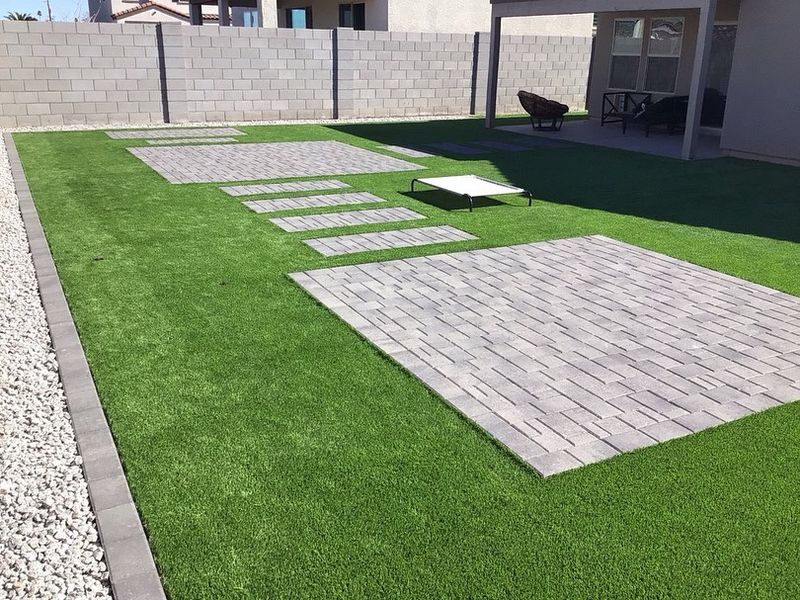
Gravel gets unbearably hot underfoot in Arizona summers, but artificial turf offers a noticeably cooler surface for outdoor spaces used by kids, pets, or anyone who wants to walk barefoot outside without burning their feet.
Quality artificial turf products designed for hot climates use infill materials and backing systems that reduce surface temperatures compared to standard gravel coverage.
Turf also stays in place. Gravel scatters onto driveways, gets tracked into homes, and shifts out of planting beds during heavy rain.
Artificial turf holds its position and stays visually consistent through the monsoon season, through wind, and through regular foot traffic without needing to be raked back into shape.
Maintenance with artificial turf is mostly limited to occasional rinsing and brushing to keep the blades upright. There’s no weeding, no raking, and no need to replace faded sections the way you might need to top off gravel that has scattered or sunk into the soil over time.
For busy Arizona homeowners, that simplicity is a genuine advantage.
Turf works best in areas with moderate shade or in yards where it’s combined with native plant borders rather than installed across an entire property.