Why Texas Scorpion Populations Are Higher In 2026 Than In Recent Years
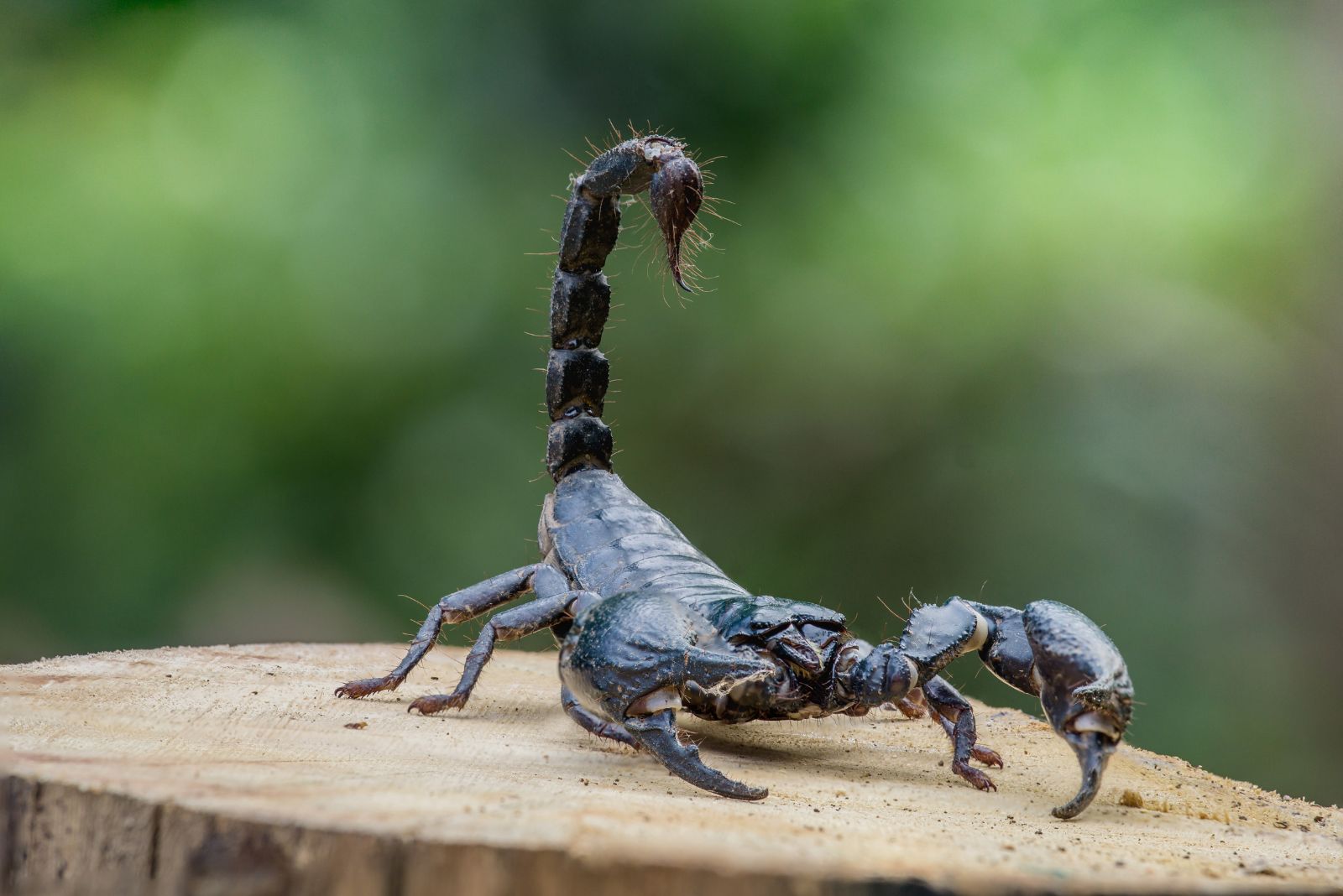
If it feels like you’ve been seeing more scorpions around your Texas property this year, you are not imagining it.
Texans across the state have been reporting higher than usual scorpion activity in 2026, and the reasons behind it are a combination of weather patterns, environmental conditions, and a few factors specific to this particular year that have created near perfect conditions for scorpion populations to surge.
Scorpions have always been part of Texas life. But there’s a noticeable difference between the occasional encounter and finding them regularly inside your home, on your porch, or across your yard in numbers that feel new and unsettling.
Texas hosts 18 documented scorpion species, and extreme weather patterns significantly impact their activity. During drought periods, scorpions venture farther from their usual territories seeking water, increasing the chances of home encounters.
And 2026 has given them plenty of reasons to move. Here’s what’s actually driving the higher scorpion numbers this year and what Texas homeowners can do about it right now.
1. Heat Is Pushing Scorpions Into Cooler Hiding Places
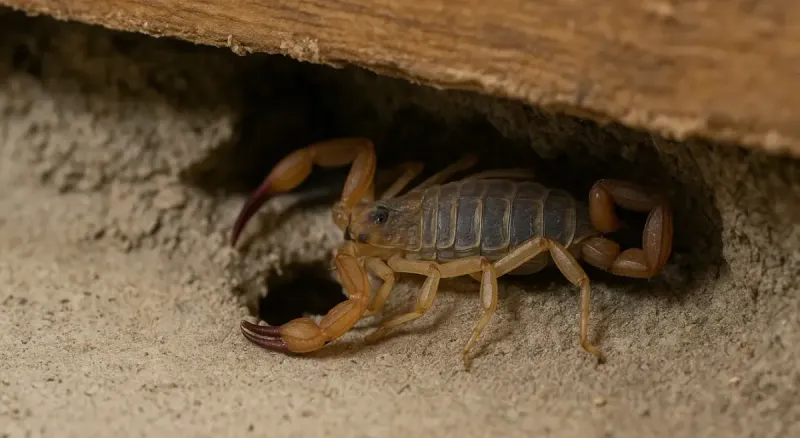
On a blazing Texas afternoon, even a scorpion needs a break from the heat. When outdoor temperatures climb into the triple digits, scorpions start moving away from their usual spots in attics, dry rock piles, and sun-baked walls.
They look for places that stay cool and stable, and that search often leads them right to your doorstep.
Garages, bathrooms, patios, and shaded doorways offer exactly the kind of relief scorpions want. A cool concrete floor or a shaded gap under a door frame can feel like a perfect escape.
This is why so many Texas homeowners spot scorpions near entryways and inside the house during the hottest months of summer.
Scorpions are well-known for moving into human dwellings when outdoor conditions get too harsh. Attics are a classic hiding spot, but extreme heat can drive them down into living spaces.
Wall voids, closets, and even shoes left near the door become attractive options when the temperature outside is punishing.
The good news is that this behavior is predictable. Knowing that heat drives scorpions toward your home means you can take action before they show up uninvited.
Sealing gaps around doors and windows is a smart first step. Checking cool, dark corners regularly during summer can also help you catch a scorpion before it surprises you.
Texas summers are not getting any cooler, so this pattern is likely to continue into the coming years. Staying aware of how heat affects scorpion movement gives you a real advantage in keeping them out of your space.
2. Dry Spells Are Sending Them Toward Water
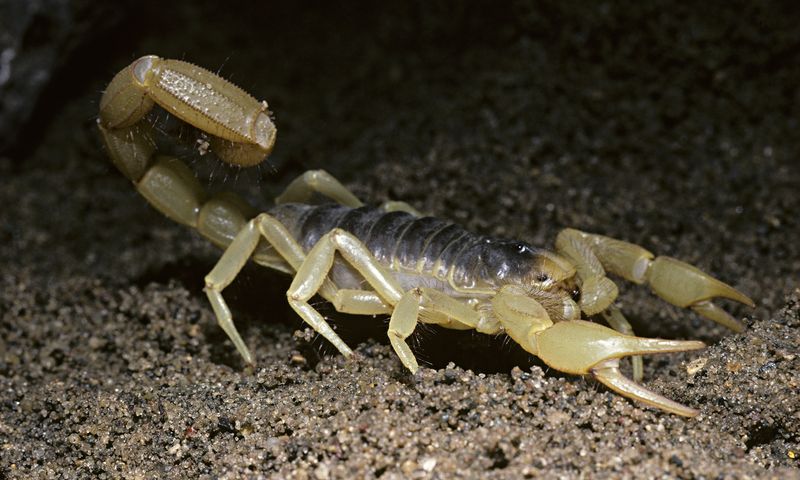
Scorpions are tough survivors, but even they need water to stay alive. When Texas goes through a long dry spell, natural water sources dry up fast.
That forces scorpions to go looking for moisture wherever they can find it, and a well-kept yard often has plenty of it.
Irrigated lawns, leaky garden hoses, pet water bowls, pool surrounds, and damp mulch beds all act like magnets for thirsty scorpions. If you have noticed one near your back patio or around your garden, chances are it found a water source close by.
Your Texas Garden Changes Every Week. Your Plan Should Too.
Gardening in Texas changes quickly throughout the season. Every Friday you’ll receive a simple weekly plan showing exactly what to plant, prune, fertilize, harvest, and protect so you never miss the right timing.
This is not a full-on invasion. The scorpion is simply following its instincts and heading toward what it needs to survive.
Understanding this behavior can change how you think about scorpion prevention. Fixing a dripping hose or moving a pet bowl away from the house wall might seem like a small thing, but it can actually reduce how attractive your yard is to scorpions.
Reducing moisture near the foundation of your home is one of the most effective ways to discourage them from hanging around.
Mulch beds hold moisture for a long time, which makes them a favorite resting spot for scorpions during dry weather. Pulling mulch back a few inches from your home’s foundation can make a real difference.
Emptying standing water containers regularly also helps. Dry conditions are expected to continue affecting large parts of Texas, so managing moisture around your property is a habit worth building.
A few small changes to your outdoor routine can go a long way toward making your yard less welcoming to these nighttime wanderers.
3. Rainy Breaks Can Increase Their Food Supply
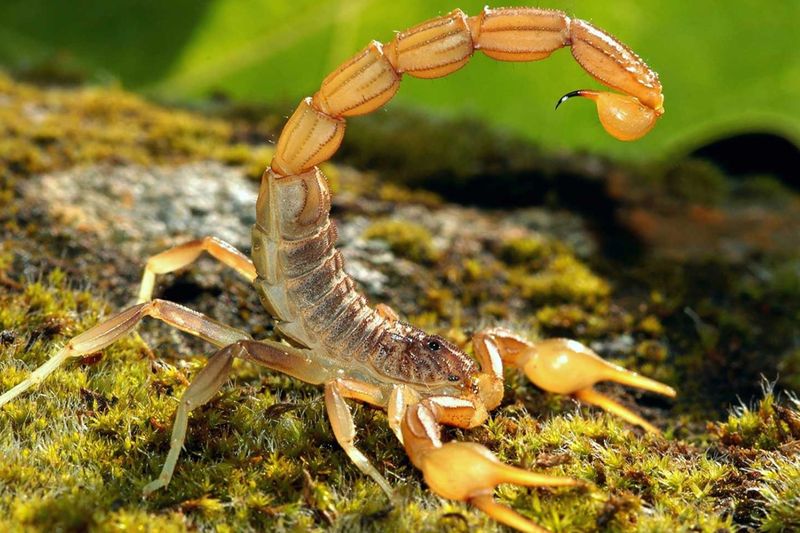
After weeks of dry weather, a few good rainstorms can feel like a relief. But those rainy breaks do more than water your lawn.
They also trigger a surge in insect activity, and that is great news for scorpions. More insects means more food, and more food means scorpion populations can grow and stay active longer than usual.
Scorpions are predators. They feed on crickets, cockroaches, beetles, spiders, and other small arthropods.
When rain returns to a dry area, these insects come out in large numbers. Lights on porches and garages attract flying insects, which in turn attract scorpions looking for an easy meal.
It becomes a chain reaction that starts with rain and ends with a scorpion on your back porch.
This feast-and-famine cycle is part of why scorpion sightings can spike after a stretch of mixed weather. A dry month followed by a rainy week can produce a noticeable jump in scorpion encounters.
Yards with heavy vegetation, mulch, or leaf litter tend to shelter more insects, which keeps scorpions coming back night after night.
Reducing outdoor lighting near doors and windows can help break this chain. Insects gather around bright lights, and scorpions follow.
Switching to yellow bug lights or motion-activated fixtures cuts down on the insect buffet near your home. Keeping your yard tidy by clearing leaf piles, raking up debris, and trimming overgrown plants also reduces the insect population.
When there is less food available near your house, scorpions have fewer reasons to stick around. Managing your yard with this food-chain connection in mind is one of the smartest prevention strategies you can use.
4. Texas Landscaping Gives Them Perfect Shelter
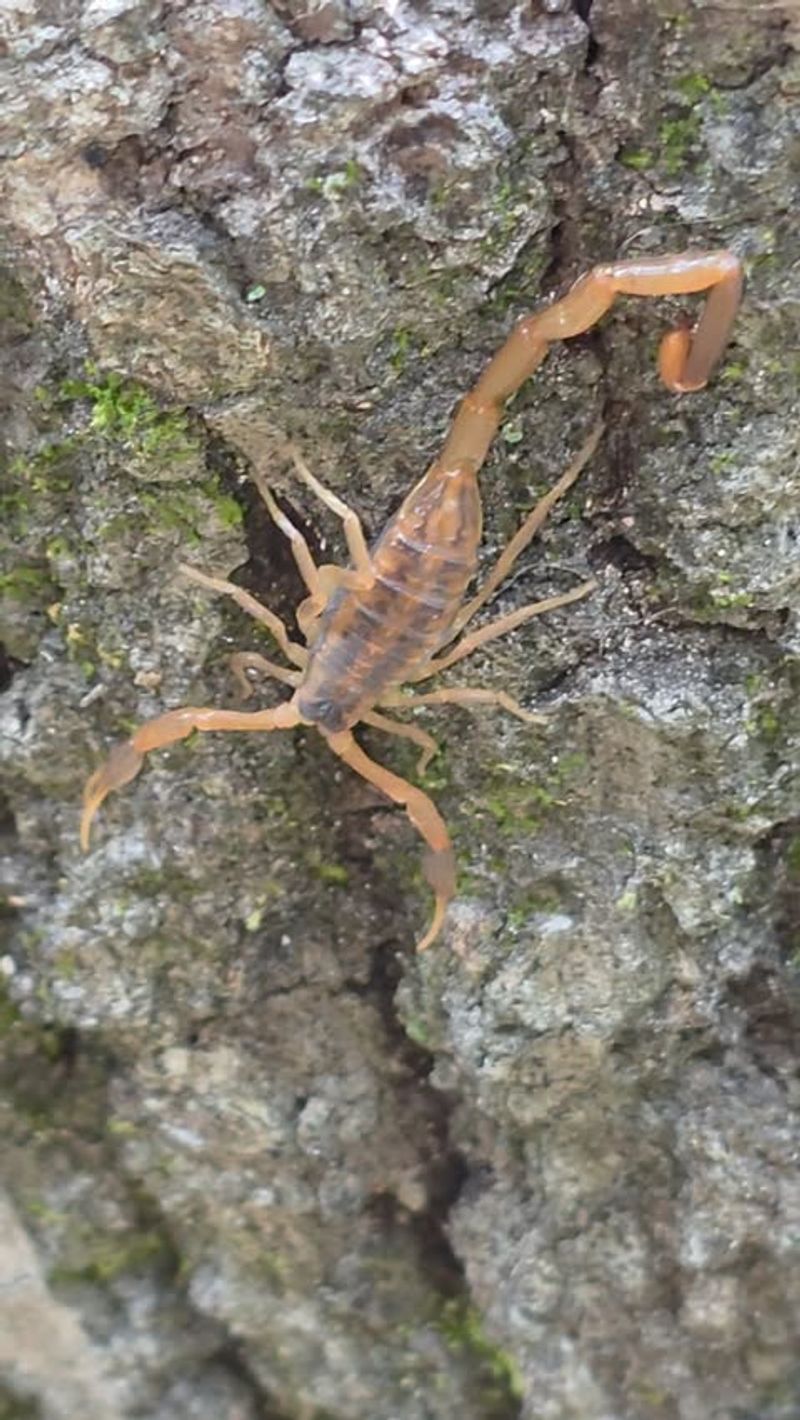
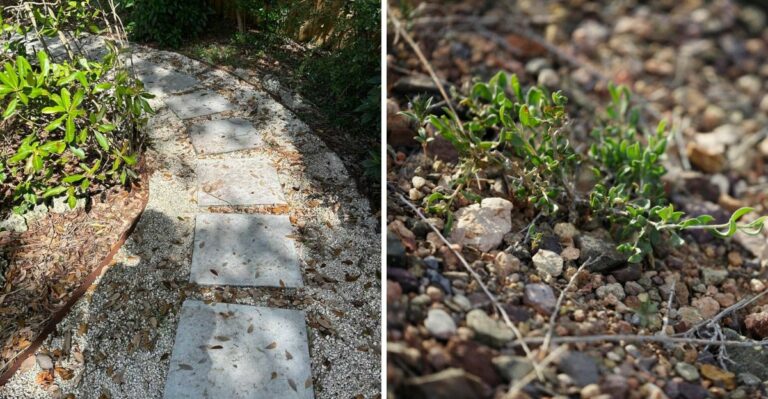
Texas yards are known for their character. Stone borders, decorative rock gardens, wooden pavers, stacked firewood, and lush mulch beds give outdoor spaces a beautiful, natural look.
But those same features also create ideal hiding spots for scorpions. If your yard has any of these elements, you may be unknowingly rolling out the welcome mat for them.
Scorpions love to tuck themselves under flat objects that stay cool and dark during the day. Rocks, pavers, boards, logs, and piles of yard debris are all prime real estate for a resting scorpion.
Firewood stacks are especially popular because they offer layers of tight, dark spaces that stay protected from the sun. Many Texas homeowners store firewood right next to the house, which puts scorpions just a short crawl away from the interior.
Cluttered patios are another hotspot. Old pots, garden tools, tarps, and stored materials create a maze of hiding places that scorpions use throughout the day.
At night, they come out to hunt and may wander through open doors or gaps in the foundation.
Making a few changes to how you organize your yard can reduce these encounters significantly. Move firewood stacks at least 20 feet away from the house and store them off the ground on a rack.
Clear out patio clutter and stack items neatly in sealed containers when possible. Pull rock borders and mulch beds a few inches back from your home’s foundation.
These adjustments make your yard less attractive as a daytime hideout. When scorpions have fewer places to rest near your home, they are more likely to stay out in the open landscape where they belong.
5. Warm Nights Keep Them Active Longer
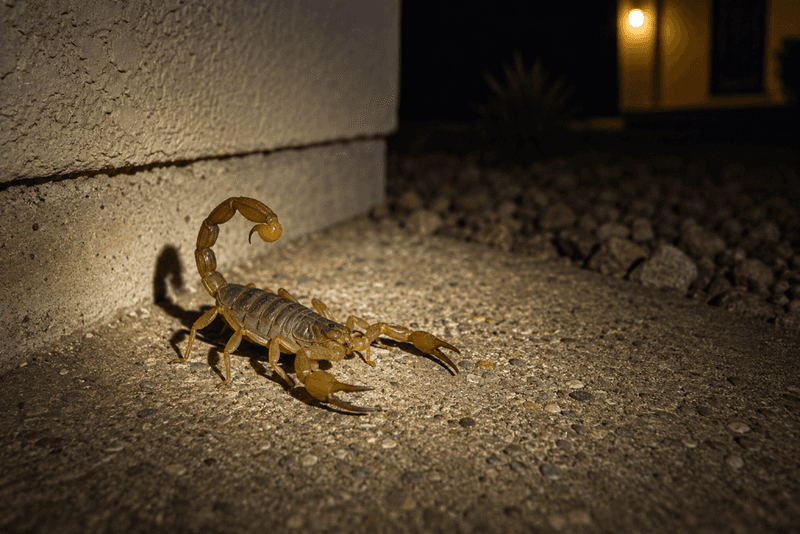
Most people know scorpions come out at night, but fewer realize just how much the temperature of those nights matters. Scorpions are cold-blooded, which means their activity level is directly tied to the warmth of their environment.
Warm summer nights in Texas give scorpions more energy, more time to move, and more opportunities to hunt and find shelter.
When nights stay above 80 degrees, scorpions stay active for much longer stretches. They have more hours to travel greater distances, which increases the chances of one crossing your patio or slipping under your door.
In cooler years, nights that drop into the 60s can slow scorpions down and send them back into hiding earlier. But in 2026, Texas nights have been staying warm well into the late evening and even overnight.
Scorpions spend the day sheltered and still. Once the sun goes down and temperatures are right, they get moving.
They hunt, search for mates, and look for new shelter spots. A warm night is essentially extra time on the clock for them. This is why barefoot trips to the backyard after dark are risky during summer in Texas.
Wearing shoes or sandals outside at night is a simple habit that makes a big difference. Checking outdoor furniture cushions, doormats, and potted plants before moving them at night is also a smart routine.
If you let pets out after dark, give the yard a quick scan with a UV blacklight flashlight, since scorpions glow bright blue-green under ultraviolet light.
That small tool can reveal scorpions you would never spot with a regular flashlight. Warm nights are not going away, so building these habits now pays off all season long.
6. Homeowners Are Noticing Them Because They Are Closer To The House
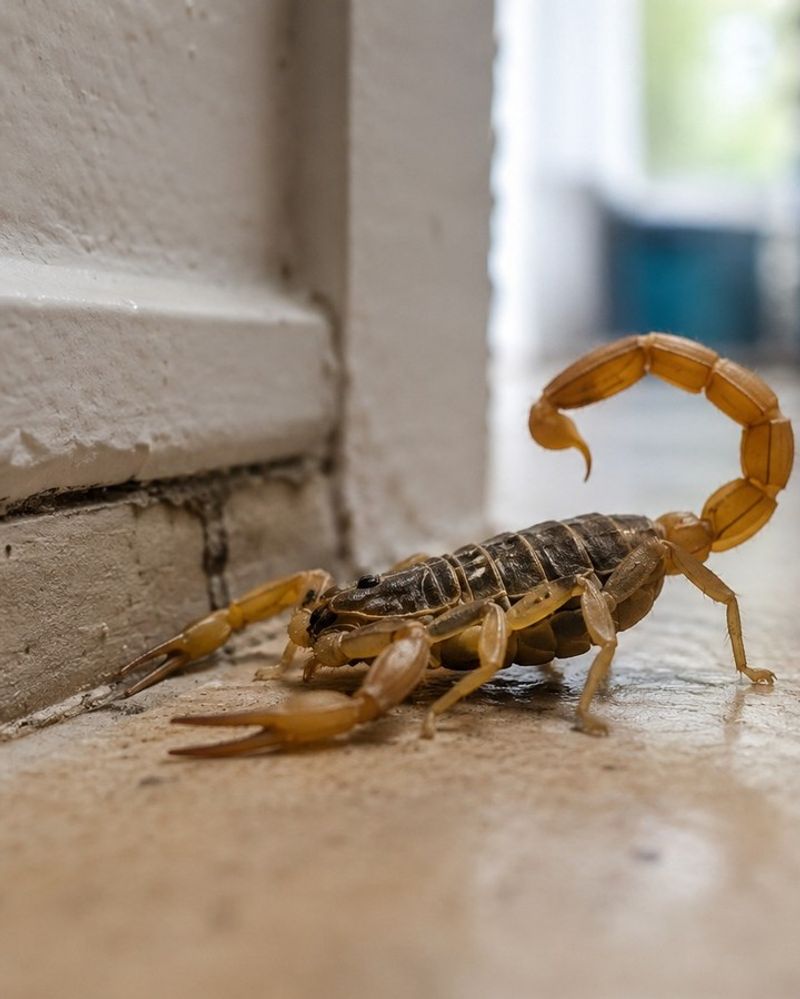
Sometimes the real story is not that there are more scorpions in the world, but that they are showing up in places where people actually notice them. When heat, drought, insects, moisture, and shelter all line up near a home, scorpions naturally move closer.
And when scorpions move closer, homeowners start seeing them more often. That increased visibility can feel alarming, but it also points directly to what you can do about it.
Sealing your home is one of the most effective steps you can take. Scorpions can squeeze through incredibly small gaps, sometimes as thin as a credit card.
Check around doors, windows, plumbing pipes, utility lines, and foundation cracks. Use weatherstripping on doors and apply caulk to any visible gaps. A well-sealed home is much harder for scorpions to enter.
Clearing debris from around your foundation removes their daytime hiding spots. Moving firewood far from the house, trimming back shrubs and vegetation that touch the walls, and fixing any leaky outdoor faucets all reduce the factors that draw scorpions in close.
These steps address the root causes rather than just reacting after a scorpion has already come inside.
One habit that experts consistently recommend is shaking out shoes, gloves, and towels before using them. Scorpions can crawl into these items overnight and stay hidden until they are disturbed.
This is especially true for items stored in garages, sheds, or near exterior walls. Building this quick check into your daily routine takes only seconds but can prevent a painful surprise.
Tackling scorpion activity starts with understanding why they are near your home in the first place, and then removing the conditions that invited them there.