The July Step That Saves Missouri Hostas From Slugs
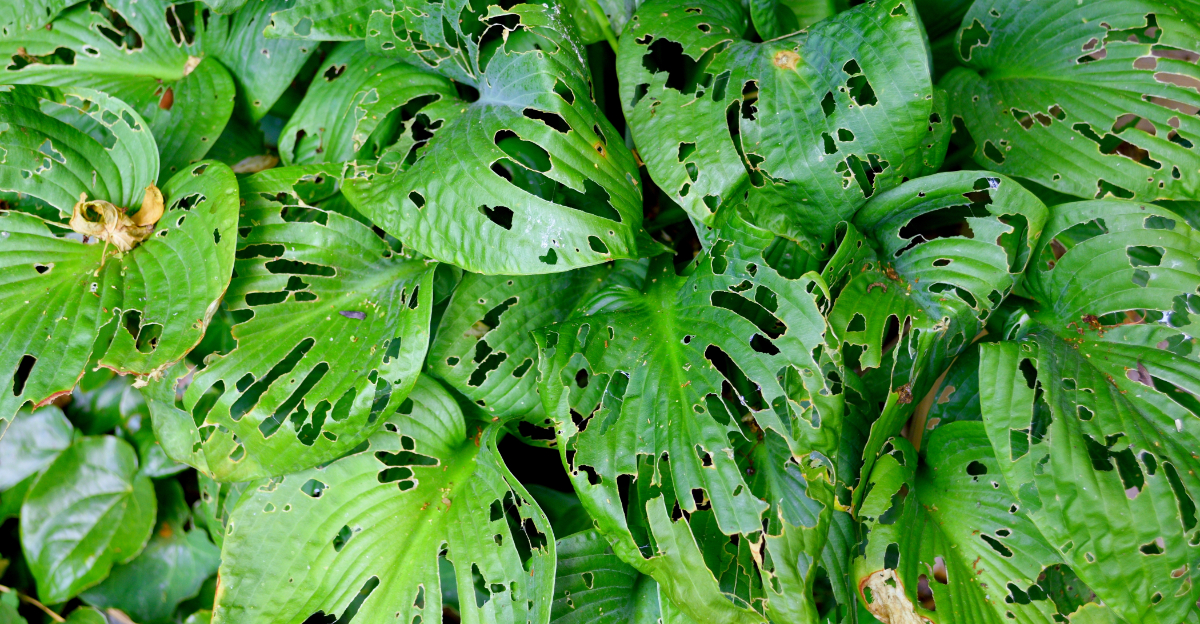
Your hostas were the star of the June garden, thick leaves catching the morning light without a mark on them. Then July arrived, and something started chewing through the show overnight.
Ragged holes spread across the leaves, and silvery trails crisscross the mulch by morning, proof that slugs have moved into your Missouri garden bed and settled in for a long summer.
One small habit, done consistently through July, can change the outcome for the rest of the season. It costs almost nothing and takes just a few minutes, but it makes a real difference by fall.
Skip it, and the holes keep multiplying. Add it to your routine, and your hostas have a real shot at bouncing back before fall.
Clearing Hiding Spots Is The July Step Your Hostas Need
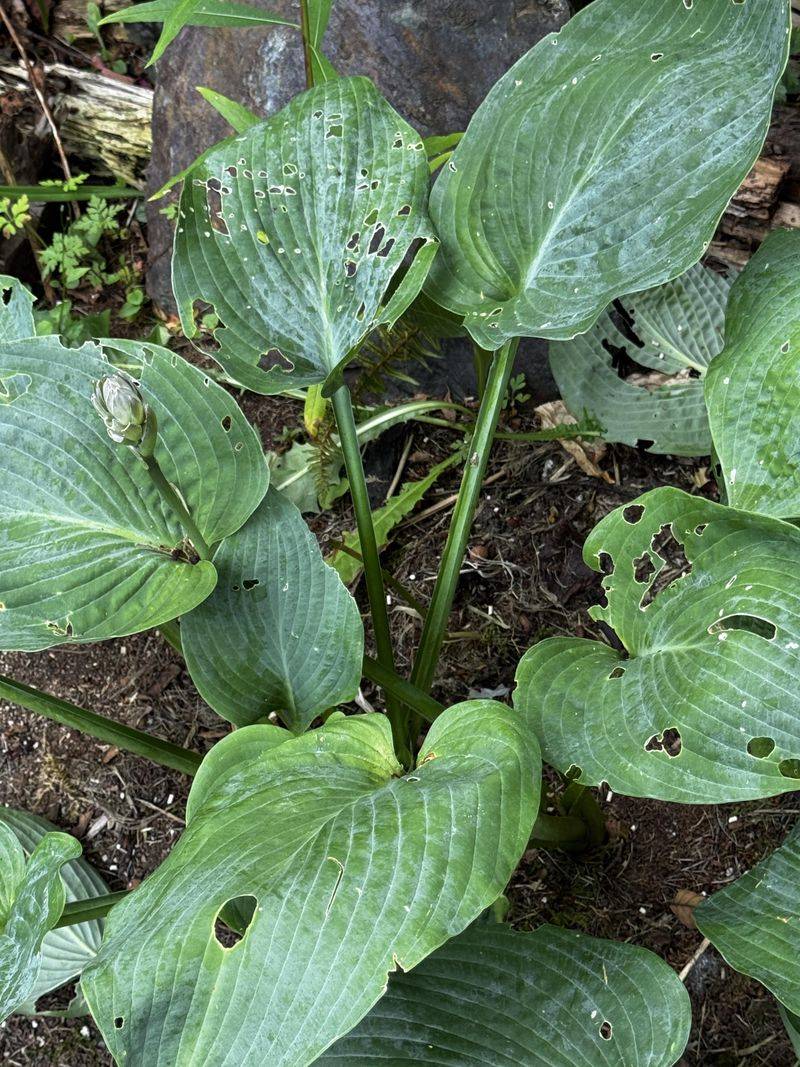
Slugs don’t like exposure. They struggle to survive long without a cool, damp hiding spot.
Old mulch piled thick against hosta stems gives slugs an easy place to hide. Pull it back at least six inches from the base of each plant.
Brown leaves tucked under hosta foliage are another favorite shelter. Grab a gloved hand and clear them out before sunset tonight.
Flat rocks, fallen sticks, and soggy cardboard all work as slug hideouts too. Walk your bed and remove anything a slug could sleep under during the day.
Thinning crowded hostas also helps a lot. When leaves overlap and trap moisture underneath, you have built a slug nursery without knowing it.
Trim any leaves touching the soil directly. That leaf-to-ground contact gives slugs an easy path straight to the plant.
Spacing matters more in July than any other month. Missouri summers bring humidity that makes every damp corner feel like paradise to a slug.
Once hiding spots disappear, slugs have no safe place to rest. They move on, dry out, or become easy targets for birds at dawn.
Clearing is free, fast, and genuinely effective. Do it once in early July, then do a quick weekly check to keep the bed clean and open.
Your hostas will reward you with clean, full leaves through August. That is a payoff worth fifteen minutes of weekend work.
July Heat And Humidity Turn Missouri Hostas Into A Slug Target
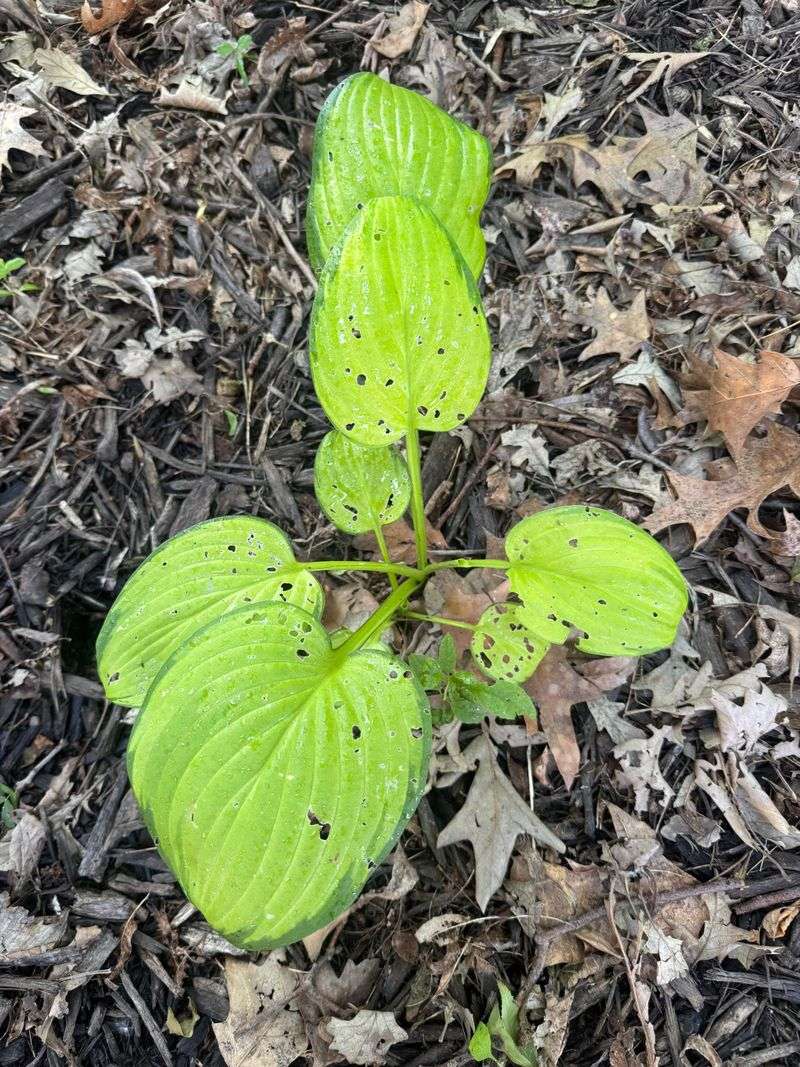
Missouri summers are brutal and wet. That sticky July air creates the damp conditions slugs need to stay active overnight.
Slugs rely on constant moisture to breathe and move, drawing in air through a small opening on their side. High humidity means they can travel farther and feed longer each night.
Hostas are already slug favorites because their broad leaves hold water beautifully. In July, those same leaves become a buffet table that stays open all night.
High daytime heat pushes slugs into hiding, and they only emerge once the air cools and moisture returns after dark.
That cycle repeats most nights through July and August in Missouri. Your hostas are taking hits while you sleep, and the damage adds up fast.
Recognizing this pattern is half the battle. Once you know slugs peak in warm, humid nights, you can time your control steps perfectly.
Your Missouri Garden Changes Every Week. Your Plan Should Too.
Gardening in Missouri changes quickly throughout the season. Every Friday you’ll receive a simple weekly plan showing exactly what to plant, prune, fertilize, harvest, and protect so you never miss the right timing.
Acting before peak humidity hits works best. Early July treatment beats mid-July panic every time.
Watch the weather forecast for warm, humid nights. Those are the nights your garden needs attention beforehand.
A dry, open garden bed is far less attractive to slugs than a dense, moist one. Adjust your setup before the worst July nights arrive.
Understanding why July is so dangerous puts you in control. Knowledge turns frustration into a plan that actually protects your plants.
Slug Damage Has A Signature Of Its Own
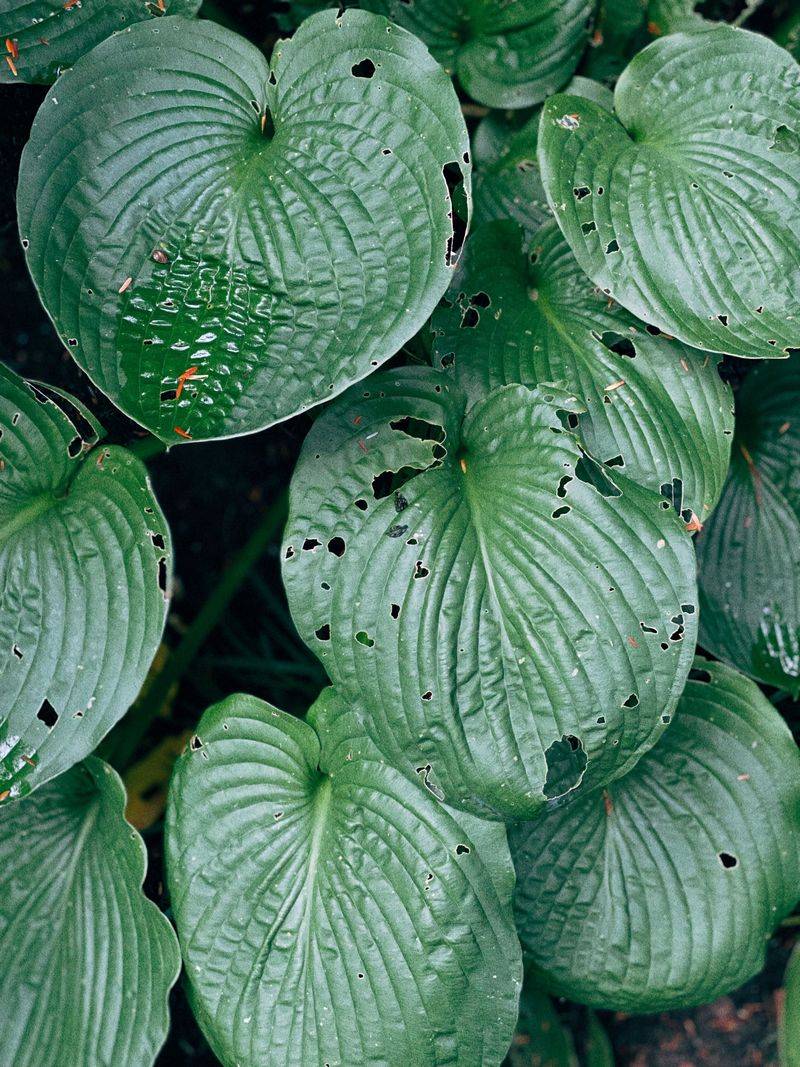
Not every hole in a hosta leaf means slugs. Misreading the damage leads to the wrong fix, and your plants keep suffering.
Slug damage looks ragged and irregular, like someone chewed through the middle of a leaf randomly. You will also spot a dried silvery slime trail nearby.
Deer damage is completely different. Deer tear leaves from the edges and often remove entire sections cleanly, leaving a blunt or shredded margin.
Rabbit damage tends to happen lower on the plant. Rabbits clip leaves close to the ground and leave smooth, angled cuts like scissor snips.
Slugs, on the other hand, work from anywhere on the leaf. They favor the soft inner tissue and leave holes surrounded by intact leaf edges.
Check for slime trails first thing in the morning before the sun dries them. A flashlight at night will catch slugs in the act within seconds.
If you see trails but no slugs, check under nearby rocks or dense mulch. They retreat fast when light hits them.
Knowing the culprit saves you money on the wrong product. Deer repellent won’t affect slugs, and slug bait won’t deter rabbits.
Take a photo of the damage pattern before treating anything. That picture helps you compare notes if the problem returns later in the season.
Correct identification is the smartest first move you can make. Treat the right pest and your hostas stand a real chance of bouncing back.
The Hiding Spots Slugs Actually Use In Your Garden Bed
Slugs are expert hiders. They spend daylight hours tucked into spots most gardeners never think to check.
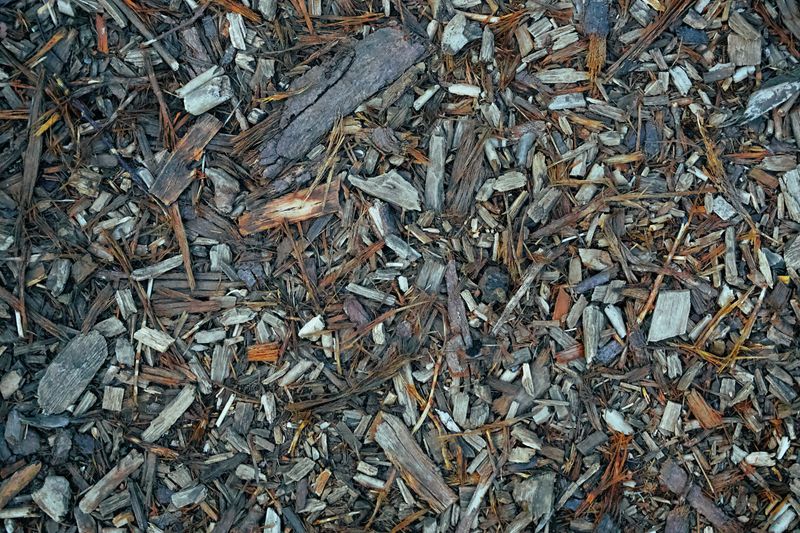
Thick mulch is the number one hiding spot in any hosta bed. A two-inch layer sounds harmless, but slugs burrow right into it by sunrise.
Boards, stepping stones, and decorative logs placed inside the bed are also prime real estate for slugs. Flip one over on a warm morning and you may find a crowd underneath.
Dense ground covers planted near hostas create a shaded, moist tunnel system slugs love. Ajuga, pachysandra, and creeping Jenny are beautiful but slug-friendly neighbors.
Broken pots and garden debris piled near the bed edge act as daytime shelters too. A quick cleanup of that clutter reduces slug habitat by a surprising amount.
The soil itself hides slugs when it stays consistently moist. Overwatered beds give slugs a cool underground retreat all day long.
Hosta leaves that flop flat onto the soil create a perfect dark, damp ceiling for slugs below. Lift them and check the underside regularly through July.
Compost bins placed close to garden beds can also be a source. Slugs breed inside moist compost and migrate outward at night.
Understanding where slugs sleep tells you exactly where to focus your clearing efforts. Remove one hiding spot and you disrupt an entire slug routine.
Work through your bed methodically, spot by spot. Each hiding place you eliminate is one fewer slug feeding on your hostas tonight.
Watering Habits That Work With This Step, Not Against It
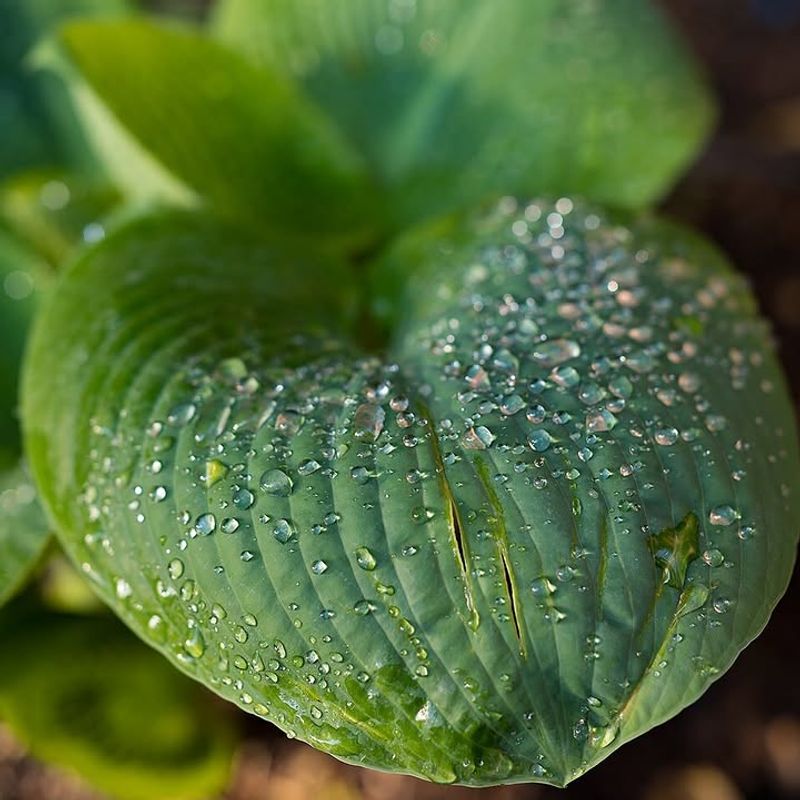
How you water your hostas in July matters as much as what you put in the soil. Watering at the wrong time undoes every slug-control step you take.
Evening watering is one of the most common mistakes hosta growers make in summer. Wet soil at dusk is an open invitation for slugs to come out and feast all night.
Switch to morning watering instead. The soil surface dries out by afternoon, making the bed far less hospitable when slugs become active after dark.
Drip irrigation is even better than overhead watering. It delivers moisture directly to roots while keeping the soil surface and leaf bases relatively dry.
Overhead sprinklers wet the entire leaf canopy and surrounding soil. That widespread moisture is exactly what slugs need to move freely across your garden bed.
Water deeply but less often rather than lightly every day. Deep watering encourages roots to grow down while allowing the top layer of soil to dry between sessions.
A dry soil surface is a real barrier for slugs. Their soft bodies lose moisture quickly when crossing dry ground, which slows and discourages movement.
Check your soil before watering each time. If the top inch is still damp, skip that day and check again tomorrow morning.
Pairing smart watering with the clearing step creates a one-two punch slugs struggle to overcome. Less moisture plus fewer hiding spots equals far less damage on your hostas.
Your watering schedule is a tool. Use it wisely and it becomes part of your best defense all season long.
Traps And Bait For When Clearing Isn’t Enough
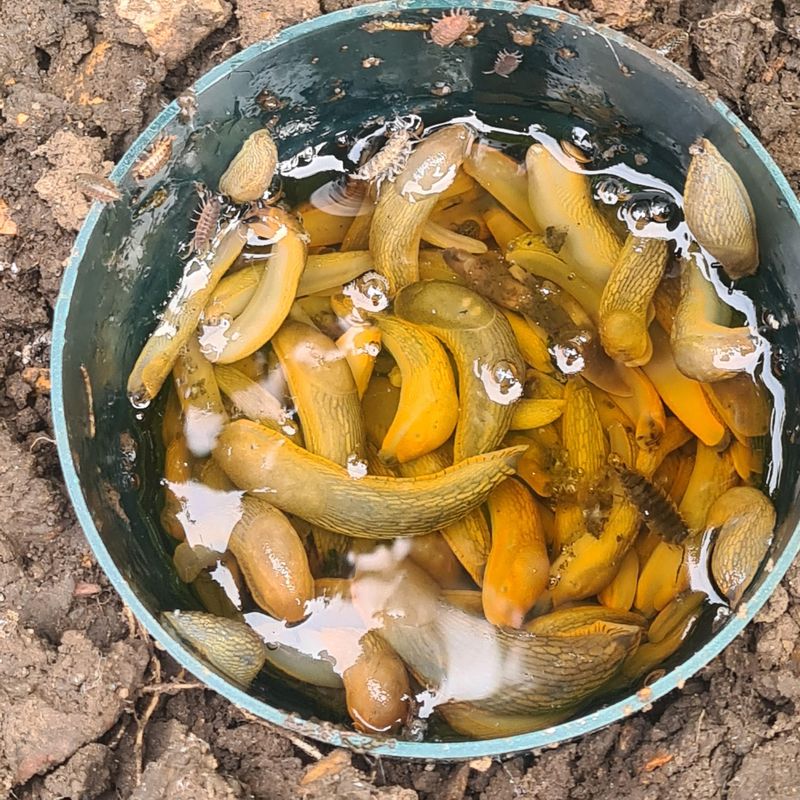
Sometimes clearing the bed and fixing your watering schedule still leaves a slug problem. That is when traps and bait become your next move.
Shallow dish traps filled with soapy water are a simple, low-cost option. Bury a container level with the soil, fill it partway, and check it each morning.
Slugs are drawn to the moisture and can’t climb back out. Empty the trap daily and refill it for best results through peak July nights.
Iron phosphate bait is the safest granular option available to home gardeners. Scatter it around hosta bases at dusk and it breaks down into harmless soil nutrients after use.
Avoid metaldehyde-based baits if you have pets or wildlife visiting your yard. Iron phosphate products like Sluggo are widely available and just as effective without the risk.
Copper tape placed around individual pots or raised beds creates a mild deterrent. Slugs dislike crossing it, though it works better as a barrier than as a cure.
Diatomaceous earth sprinkled around hosta stems cuts slugs as they cross it. Reapply after every rain because moisture makes it lose its sharp, drying effect quickly.
Combine traps with bait for the fastest reduction in slug numbers. Using both together gives you coverage from multiple angles at once.
Check your traps every single morning during the first two weeks of treatment. Consistency is what turns a slug infestation into a manageable and minor nuisance.
Clearing works best when it leads and bait finishes the job. Start simple, add tools as needed, and your hostas will thrive.