These 8 Tips Helps Eggplant Survive Missouri’s Brutal Summer
Growing eggplant in Missouri is a little like arm-wrestling the weather, and the weather does not play fair. Summers here are not just hot.
They are humid, relentless, and the kind of exhausting that makes even heat-loving plants tap out. Eggplant wants warmth.
But there is a meaningful gap between warm and scorched, and Missouri spends a good chunk of July and August firmly on the wrong side of that line. The good news?
This plant can absolutely produce well here.
Most gardeners run into trouble not because Missouri is impossible, but because a few key things go sideways, planting too late, watering the wrong way, skipping the small steps that actually matter.
Here is everything you need to know, broken down and ready to use. Variety selection, timing, watering, soil temperature, feeding, and harvest.
Practical and specific, built for Missouri conditions. Consider it advice from someone who has already made the mistakes.
1. Start With A Variety Built For The Heat
Not all eggplants are created equal when summer turns brutal. Choosing a heat-tolerant variety before you plant is one of the smartest decisions you can make for a productive season.
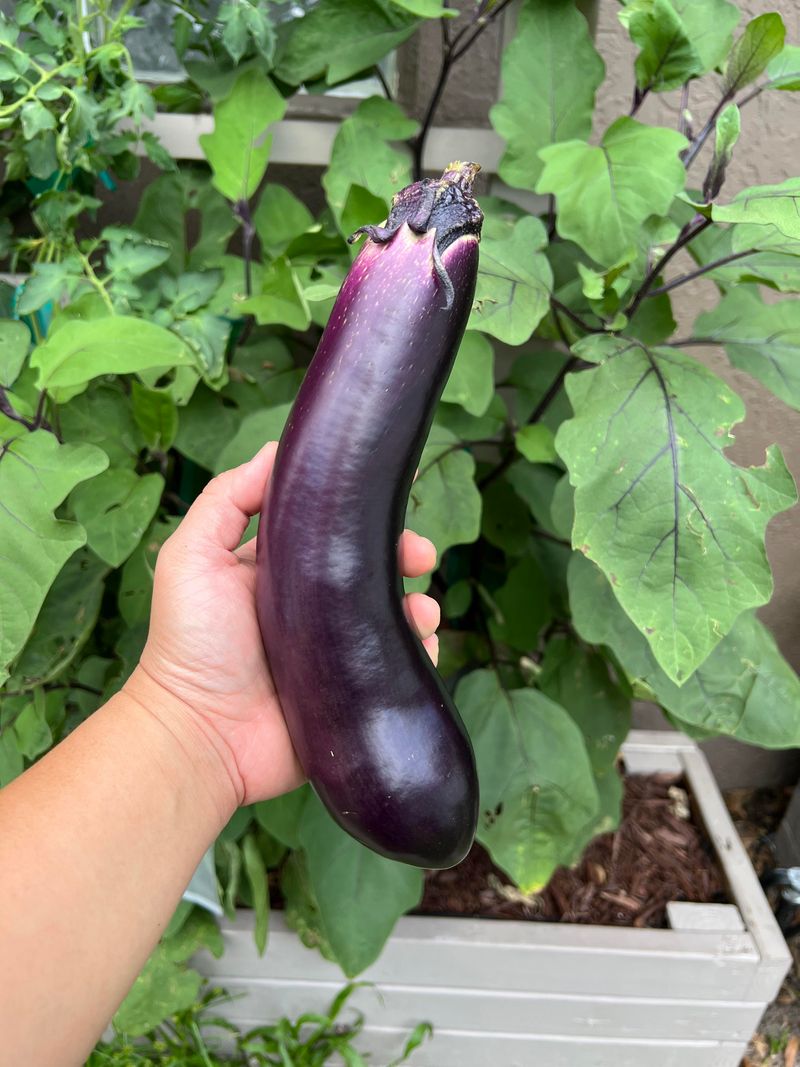
Ichiban is a long, slender Japanese variety that handles heat exceptionally well. It sets fruit faster than many other types, which means you get a harvest before the most intense weeks of summer even arrive.
Black Beauty and Millionaire are two other varieties that hold up well in heat and humidity. Both are widely available and tend to stay productive through Missouri’s toughest summer weeks.
Fairy Tale is a smaller variety with a faster maturity rate. Its compact size makes it easier to shade or protect during heat waves, and it tends to bounce back quickly after a rough stretch of weather.
Avoid varieties labeled as needing cool summers or short growing seasons. Those plants will struggle here and often disappoint even experienced gardeners who do everything else right.
Seed catalogs and local nurseries are your best resources for region-specific recommendations. Ask what grows well in your zip code, not just what looks appealing on the package.
Starting with the right genetics makes every other step in the process significantly easier and more rewarding.
2. Plant At The Right Time And You Are Already Ahead
Timing is everything with eggplant, and getting it wrong by even two weeks can cost you most of your harvest. Plant too early and cold soil stunts the roots.
Plant too late and the plant hits peak heat before it is established enough to handle it.
In Missouri, the sweet spot for transplanting eggplant outdoors falls between mid-May and early June. Soil temperatures should be at least 60 degrees before seedlings go in the ground.
Anything cooler and the plant sits still, wasting precious growing time.
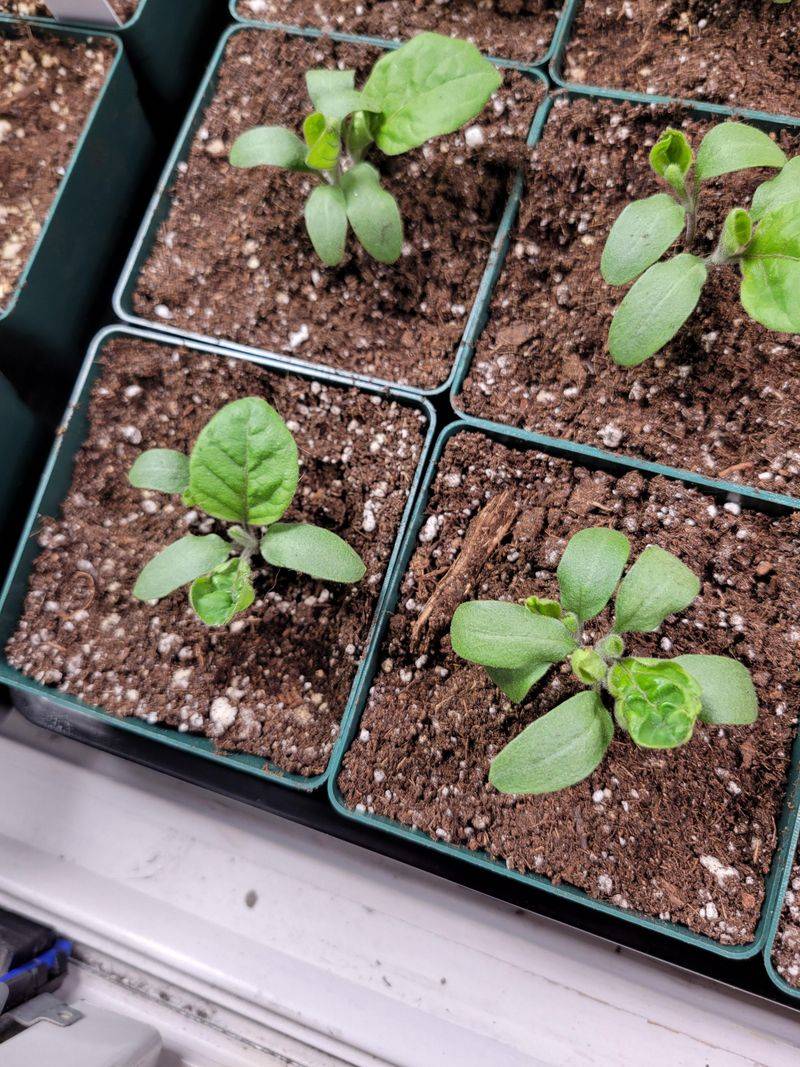
Starting seeds indoors eight to ten weeks before your transplant date gives plants a head start. By the time they go outside, they should already have a strong root system and several sets of true leaves.
Hardening off seedlings is a step that many gardeners skip and later regret. Spend one to two weeks gradually exposing indoor-grown plants to outdoor conditions before planting them permanently.
Your Missouri Garden Changes Every Week. Your Plan Should Too.
Gardening in Missouri changes quickly throughout the season. Every Friday you’ll receive a simple weekly plan showing exactly what to plant, prune, fertilize, harvest, and protect so you never miss the right timing.
This reduces transplant shock dramatically.
Planting on a cloudy day or in the early evening also helps. Avoiding direct afternoon sun during transplanting gives roots a gentler first day in the ground and reduces wilting stress on young plants.
A well-timed plant is already running ahead of the heat. Every day of establishment before the brutal weeks arrive is a day that pays off in bigger, longer harvests later in the season.
3. Water Deeply When The Heat Will Not Let Up
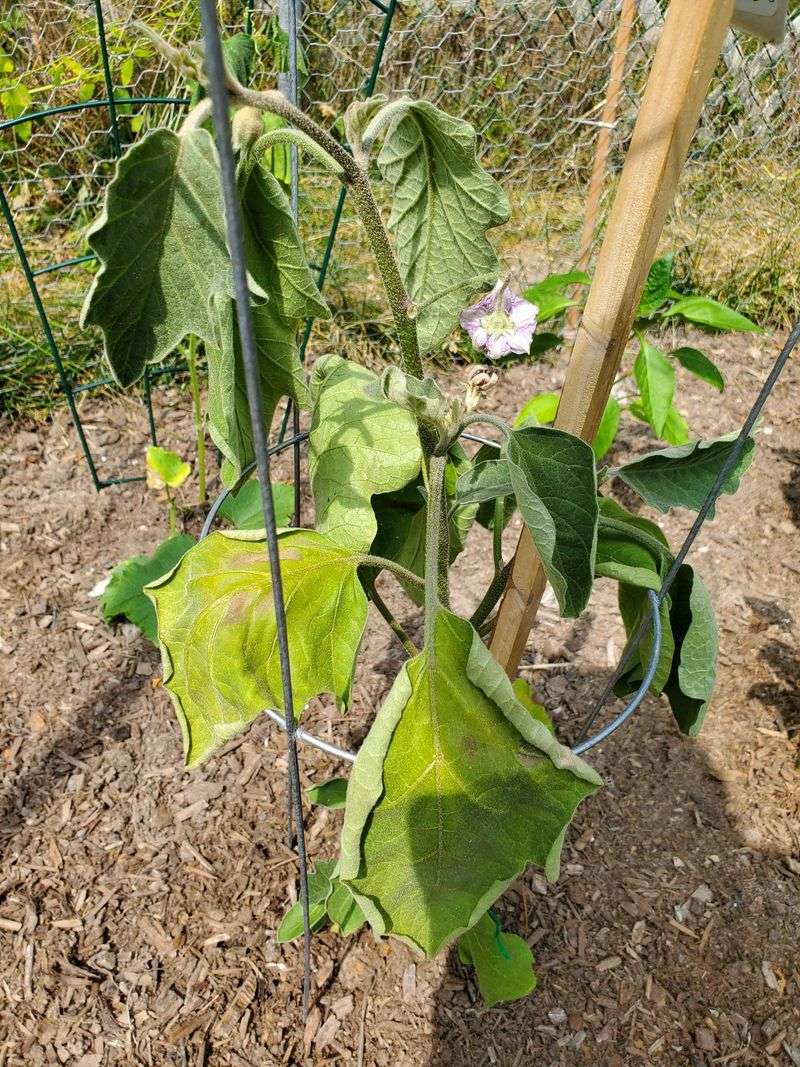
Shallow watering is one of the most common mistakes gardeners make during a heat wave. Sprinkling the surface might look helpful, but it does almost nothing for roots that are working hard several inches below ground.
Deep watering once or twice a week encourages roots to grow downward toward cooler, moister soil. That deeper root system makes the plant far more resilient when temperatures spike and surface soil dries out fast.
Drip irrigation is the most efficient method for eggplant during summer. Water goes directly to the root zone without wetting the leaves, which reduces the risk of fungal problems that thrive in humid conditions.
Watering in the early morning is generally the better choice over midday or evening. Morning moisture gives plants what they need before the heat peaks, and leaves dry out before nightfall, cutting down on disease pressure.
Check soil moisture before watering by pushing a finger two inches into the ground. If it feels dry at that depth, water thoroughly.
If it still feels damp, hold off another day to avoid overwatering the roots.
Consistent moisture is more important than frequent moisture. Eggplant handles a dry day or two far better than it handles constantly soggy soil.
Keep the watering schedule steady, and the plant will stay productive even through the toughest stretches of summer.
4. Fertilize Before The Heat Takes Over
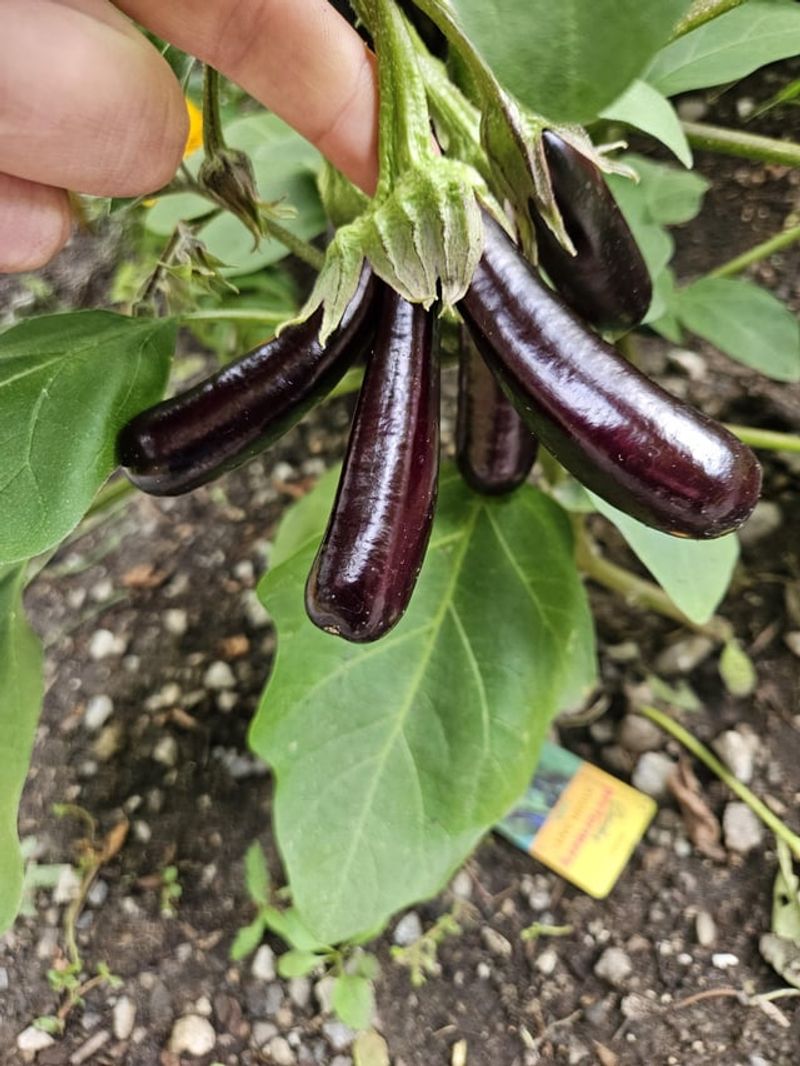
Eggplant is a heavy feeder, and summer is not the time to let it run on empty. A plant that is well-fed going into the hottest weeks handles stress better, holds its flowers longer, and keeps producing fruit when neighboring plants have already given up.
Start fertilizing at transplant time with a balanced fertilizer, something like a 10-10-10 or similar. This gives roots the phosphorus they need to establish quickly and the nitrogen to push early growth before temperatures climb.
Once the plant is established and flowering, shift to a fertilizer lower in nitrogen and higher in phosphorus and potassium. Too much nitrogen during peak summer encourages leafy growth at the expense of fruit.
The plant looks lush but produces very little.
A liquid fertilizer applied every two to three weeks is easier for the plant to absorb during hot weather than granular options. Drought stress can slow soil activity, which means slow-release granules may not break down as reliably during dry stretches.
Compost is also worth adding mid-season as a light top dressing around the base of each plant. It feeds slowly, improves soil structure, and helps retain moisture at the same time.
Avoid fertilizing during the absolute peak of a heat wave. When a plant is already under stress, pushing new growth can do more harm than good.
Wait for a slightly cooler stretch, then feed and water deeply so nutrients reach the roots where they are needed most.
A steady, consistent feeding schedule keeps eggplant productive from early summer well into the later weeks of the season.
5. Mulch Is The Unsung Hero Of Hot Weather Gardening
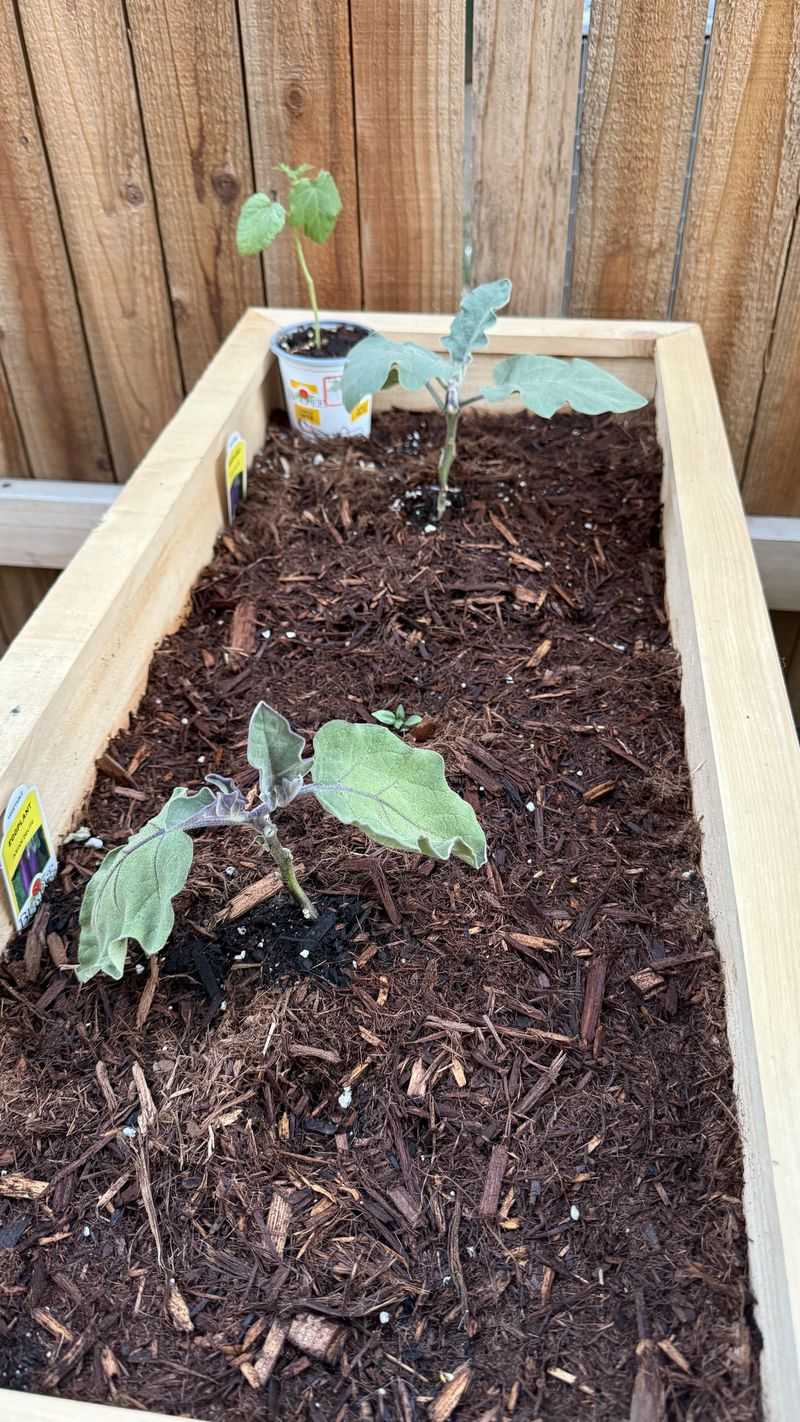
A thick layer of mulch does more for eggplant in summer than almost anything else in the garden. It is cheap, easy to apply, and its benefits last through the entire season without much extra effort.
Mulch insulates the soil, keeping root-zone temperatures significantly cooler than bare ground. On a 100-degree day, mulched soil can stay noticeably cooler than exposed soil just a few feet away.
Straw, shredded leaves, or wood chips all work well around eggplant. Apply a layer three to four inches thick, keeping it pulled back an inch or two from the main stem to prevent rot at the base of the plant.
Moisture retention is the other major benefit. Mulched beds hold water much longer than bare beds, which means less frequent watering and more consistent moisture for roots between irrigation sessions.
Mulch also suppresses weeds, which compete with eggplant for both water and nutrients. Fewer weeds mean less competition and more resources for the plant to direct toward fruit production.
Refreshing the mulch layer mid-season keeps it effective as it breaks down over time. Adding a fresh inch or two in late July ensures the soil stays protected through the most grueling stretch of the growing season.
6. Shade Cloth Gives Plants A Fighting Chance
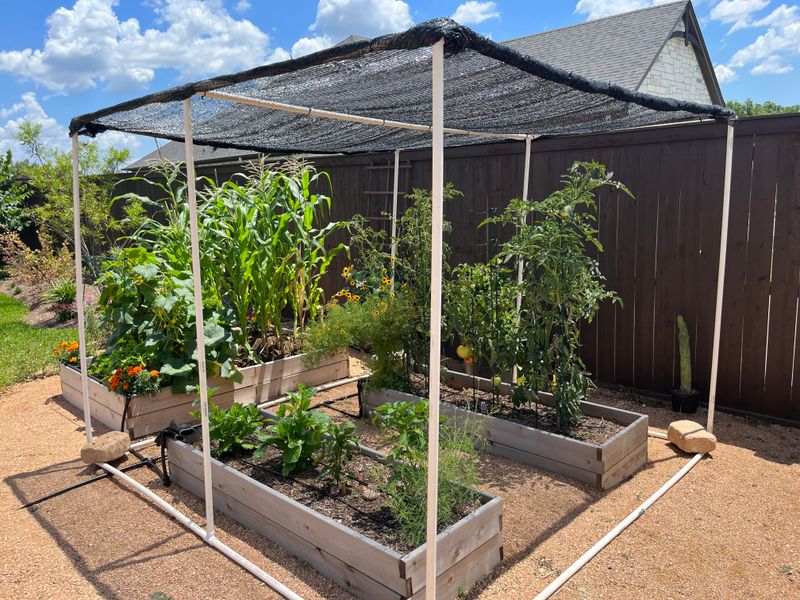
Shade cloth sounds like admitting defeat, but experienced gardeners know it is actually a smart offensive move. Blocking a portion of intense afternoon sun keeps leaf temperature down and reduces the stress that causes flower drop.
A 30 to 40 percent shade cloth is usually enough for eggplant. Too much shade reduces the light the plant needs for photosynthesis, so balance is important.
The goal is to cut the harshest rays without darkening the garden too much.
Install cloth on the west and southwest side of the bed to block the brutal late-afternoon sun. Morning light from the east is gentler and far less damaging, so leaving that side open is generally the right call.
Portable shade structures made from PVC pipe and fabric are easy to build and move as needed. On cooler days or overcast weeks, simply removing the cloth gives plants full sun exposure without any extra work.
Some gardeners use tall companion plants like sunflowers or trellised cucumbers as natural shade providers. Planting them strategically to the west of eggplant creates a living windbreak and partial shade without any additional materials.
A little afternoon shade during peak heat weeks can be the single factor that keeps flowers on the plant and fruit developing steadily. Do not overlook this simple tool when the forecast turns brutal.
7. Harvest Before The Plant Runs Out Of Steam
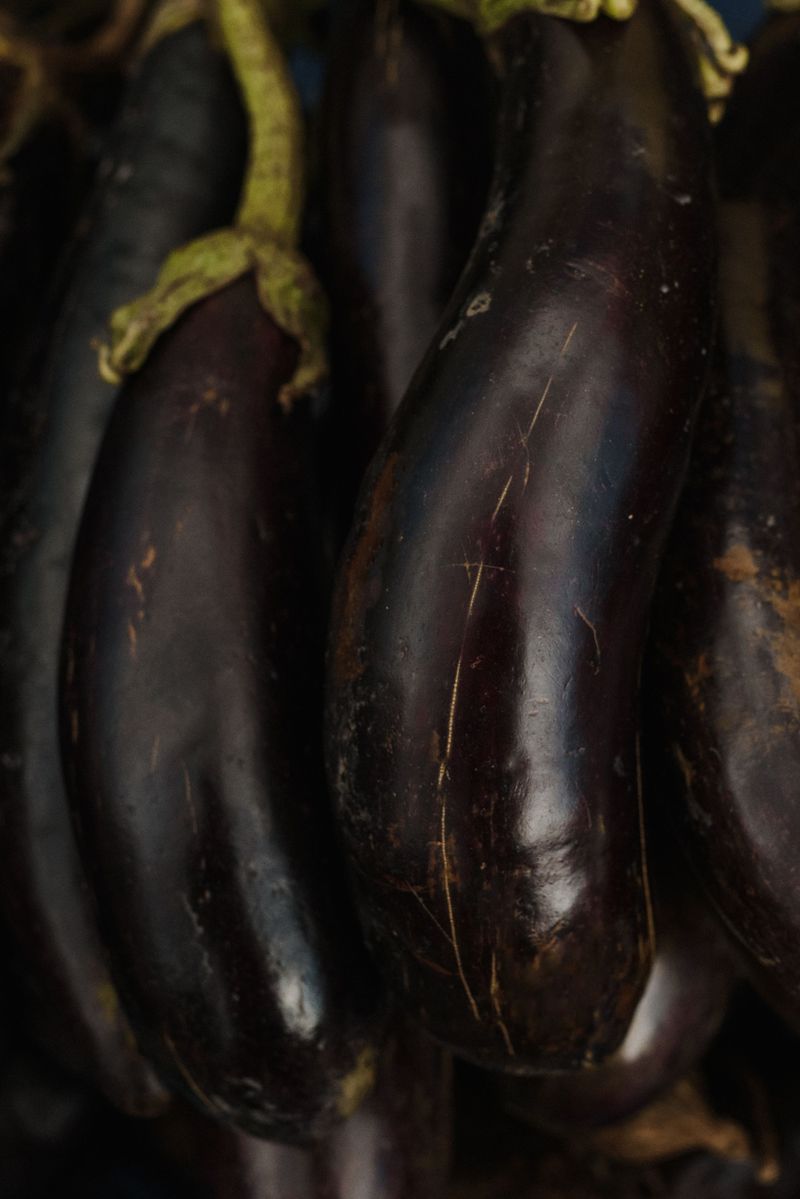
Leaving eggplant on the vine too long is a trap that slows the whole plant down. Once a fruit matures fully and starts to seed, the plant reads that as a signal to stop producing new growth.
Harvest eggplant when the skin is still glossy and firm. A dull, soft skin means the fruit is past its prime, and the seeds inside have already started developing.
At that point, flavor drops off and the plant’s energy is being wasted.
Picking frequently, every two to three days during peak season, keeps the plant in a productive cycle. The more you harvest, the more the plant pushes out new flowers and new fruit to replace what was taken.
Use clean, sharp pruning shears instead of pulling or twisting fruit off the stem. A clean cut prevents damage to the branch and reduces the chance of introducing disease into an open wound on the plant.
By late August, the plant may start slowing down naturally as days shorten and temperatures finally begin to ease. That is a good time to let one or two fruits fully mature if you want to save seeds for next season.
Eggplant rewards attentive gardeners. Keep up with harvesting through the hottest weeks, and the plant keeps rewarding you with a steady supply of fresh, firm fruit all the way to the first frost.
8. Know When To Give Your Plant A Break
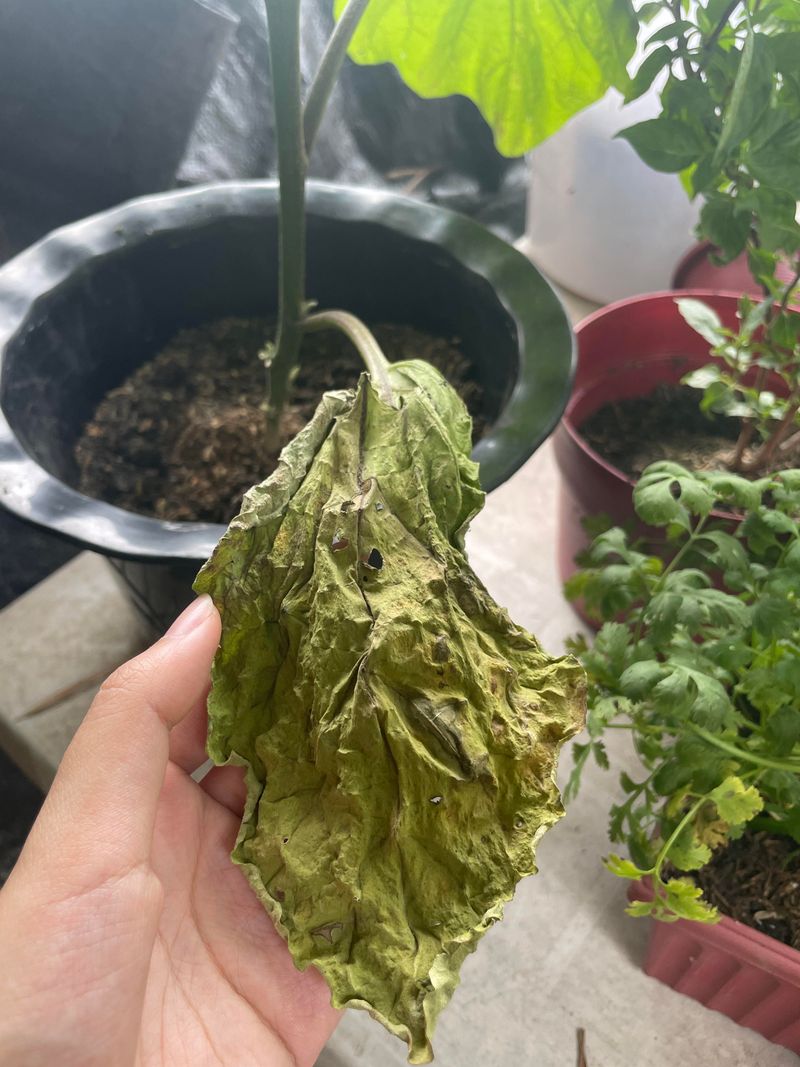
Not every gardening decision is about pushing harder. Sometimes the smartest move is to ease off and let the plant recover on its own terms.
During the worst heat waves, eggplant will often drop flowers and stall on fruit production. That is not failure.
That is the plant protecting itself.
Fighting that response with more fertilizer or more water rarely helps. It can actually add stress to a plant that is already struggling.
If temperatures have been above 95 degrees for several days in a row, scale back. Skip the fertilizer, reduce watering slightly, and hold off on any pruning.
Removing flowers during an extreme heat stretch can also help. A plant carrying too many developing fruits in brutal heat spreads its energy too thin.
Pinching off a few flowers may help the plant focus its energy on the fruits already forming.
Yellowing lower leaves are another signal worth paying attention to. Rather than a sign of disease, they often indicate the plant is shedding what it no longer needs to conserve energy.
Remove them cleanly and let the plant focus on what matters. A little maintenance goes a long way during a rough stretch.
Once temperatures drop back to a more manageable range, eggplant tends to bounce back faster than most gardeners expect. New flowers appear, growth picks up, and the plant gets back to work.
Knowing when to step back is just as valuable as knowing when to intervene. Trust the plant, read the signs, and give it room to reset when it needs to.