The Kentucky Wildflower That Grows Only In A Handful Of The State’s Limestone Glades
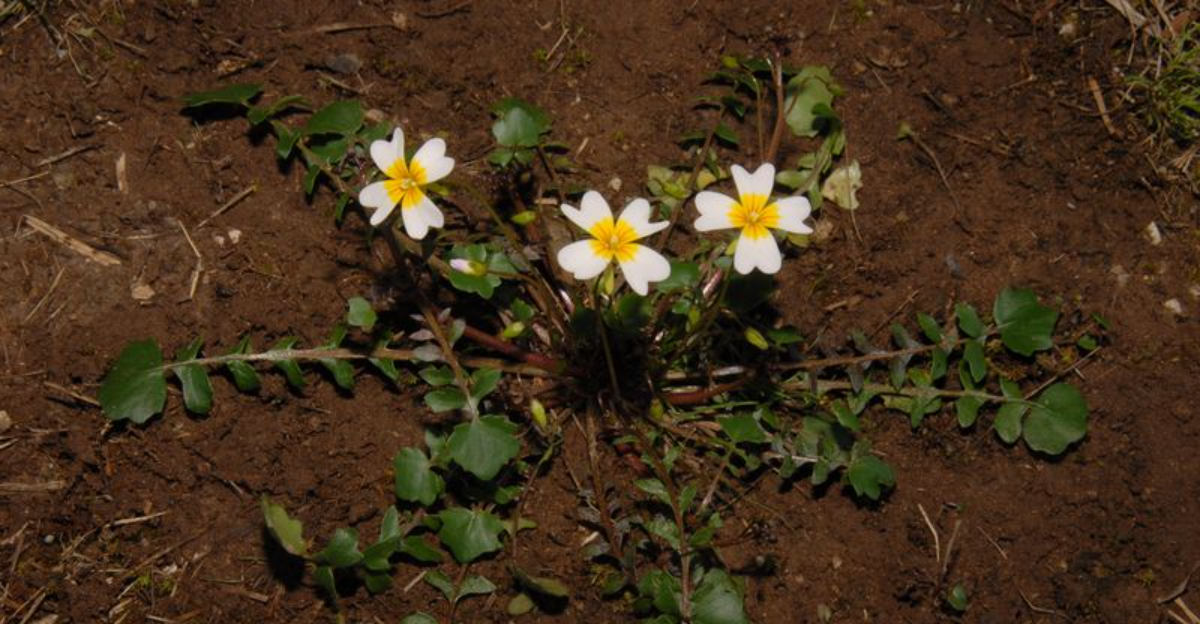
Curiosity waits where you would never think to search. Kentucky hides a flower most people you know have missed.
Limestone shelters it in spots you would easily overlook. Nowhere else gives you this same narrow blend of light. You could walk past it and still miss it. Its roots hold tight to stone, not soft soil you expect.
Sunlight strikes these clearings at angles you rarely notice. Few realize how demanding this bloom truly is to you.
Only Kentucky offers you this exact blend of stone and shade. Botanists track its coordinates the way you would track treasure.
Every population endures conditions that would challenge you completely. Timing decides whether you find it or walk away empty. Your eyes will need to work harder than you think.
That kind of patience rewards only the determined among you. Once you see where this flower actually grows, you will not stop searching.
What Is Kentucky Glade Cress And Why Does It Matter
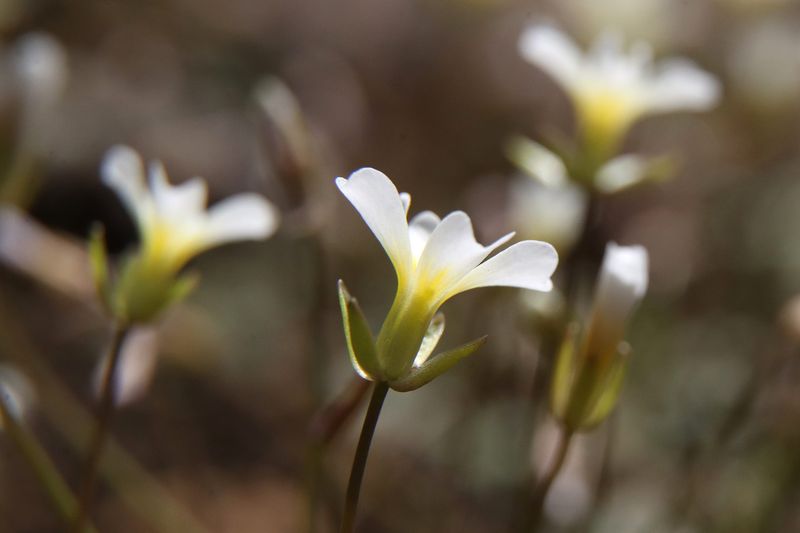
Picture a flower so rare that scientists gave it its own special name tied directly to the state it calls home. Kentucky Glade Cress, generally identified in botanical literature as Leavenworthia exigua var. laciniata, is a small but resilient member of the mustard family.
This classification should be confirmed against current taxonomic sources before publication. What makes this plant so remarkable is not just its appearance but its story.
It has been considered for federal protection as a threatened species, a status that should be confirmed with the U.S. Fish and Wildlife Service before it is stated as final.
Only a small number of populations are believed to exist in the world, with most concentrated in a narrow region of central Kentucky, according to available conservation data.
Botanists and conservationists have spent decades studying this flower to understand what it needs to survive. Their work has helped shape land management decisions in the areas where it grows. Without that research, the plant could disappear largely unnoticed.
For plant lovers, hikers, and curious students alike, Kentucky Glade Cress represents something bigger than itself. It shows how a tiny organism can anchor an entire conservation effort.
Protecting one small flower means protecting the wider ecosystem that surrounds it, from the insects that pollinate it to the limestone soil it depends on.
The Limestone Glades That Make This Flower Possible
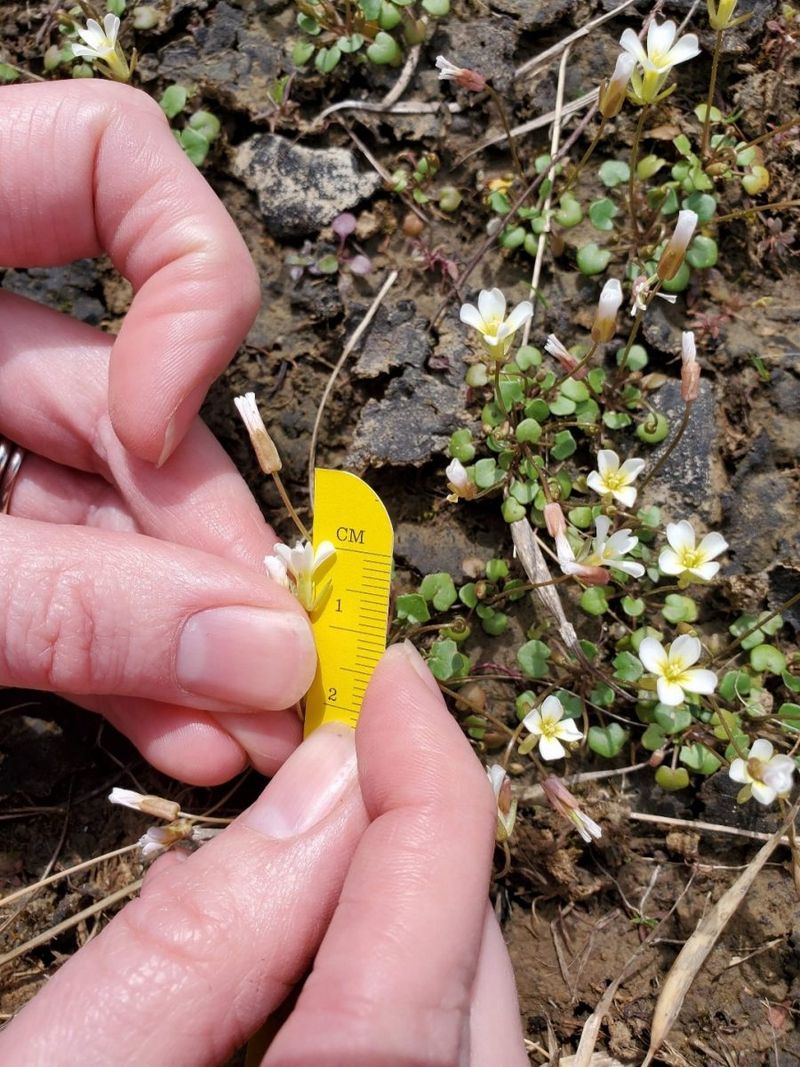
Not every patch of rocky ground qualifies as a limestone glade, and Kentucky Glade Cress is extremely picky about where it sets up shop. A limestone glade is a naturally open, rocky area where thin soil sits directly over bedrock.
These spots receive full sun, drain quickly after rain, and swing between extreme heat in summer and cold snaps in late winter.
Most plants struggle in these harsh conditions, but Kentucky Glade Cress thrives precisely because of them. The thin, calcium-rich soil created by weathering limestone provides the exact chemistry this plant needs.
Competing plants that prefer deeper, richer soil simply cannot get a foothold in these rocky clearings, which gives the glade cress room to flourish without being crowded out.
Your Kentucky Garden Changes Every Week. Your Plan Should Too.
Gardening in Kentucky changes quickly throughout the season. Every Friday you’ll receive a simple weekly plan showing exactly what to plant, prune, fertilize, harvest, and protect so you never miss the right timing.
Kentucky’s limestone glades are concentrated in a few counties in the central part of the state, particularly around the Inner Bluegrass region.
This geological zone is understood to have formed over a very long geological timescale, as ancient seas deposited layers of limestone that erosion later exposed.
The result is a patchwork of rare microhabitats scattered across a landscape that looks ordinary from a distance.
Visiting a limestone glade feels like stepping into a different world. The ground crunches underfoot, the air feels drier than in surrounding forests, and the plant life looks completely different from what grows just a few yards away.
These small clearings are ecological islands, each one hosting a unique community of organisms found nowhere else nearby.
How Kentucky Glade Cress Blooms Before Almost Everything Else
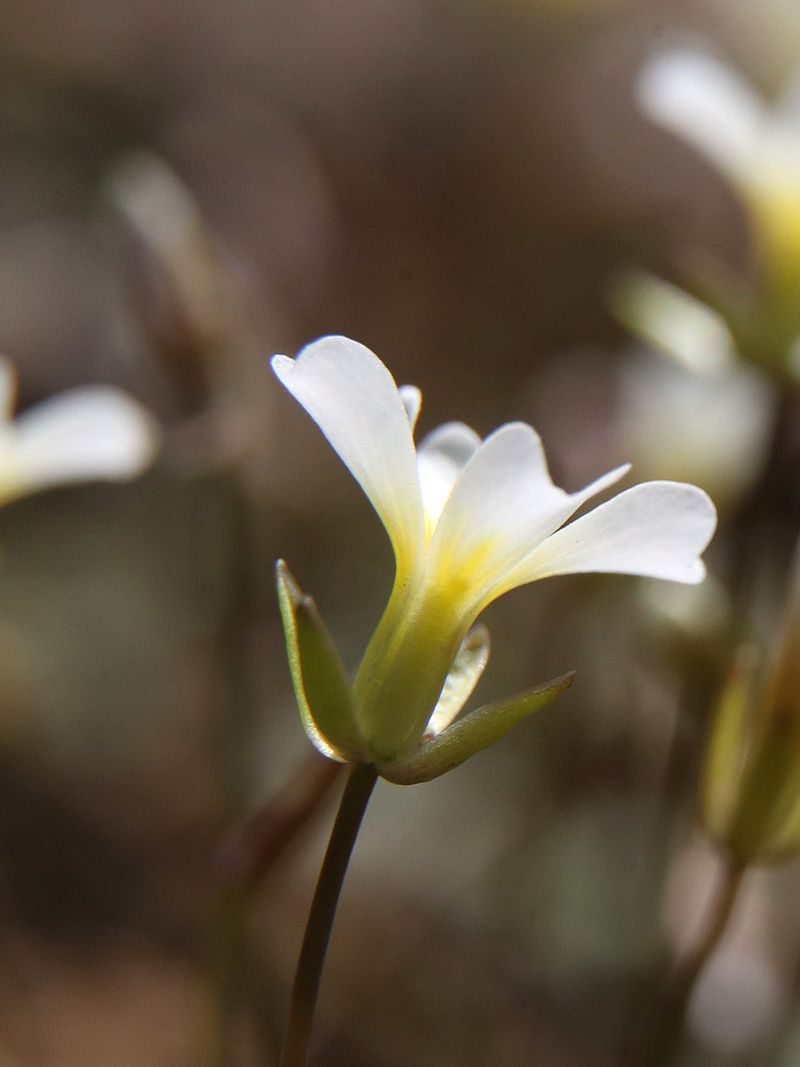
Timing is one of this plant’s most impressive tricks. Kentucky Glade Cress blooms in February and March, sometimes even in late January during mild winters.
While most wildflowers wait for warmer temperatures to arrive, glade cress takes advantage of the quiet season when competition for pollinators is low and the limestone glades are bathed in unfiltered sunlight.
Early blooming is a clever survival strategy. By flowering before the tree canopy fills in and before other plants grow tall enough to block sunlight, Kentucky Glade Cress can attract the few early-season pollinators that venture out on warm days.
Small native bees and flies are its primary visitors, drawn in by the bright white petals against the otherwise drab late-winter landscape.
After blooming, the plant sets seed quickly and then fades back into the rocky soil as temperatures rise. By late spring, it is practically invisible, which makes it easy to miss during warmer-season visits to the glades.
Botanists call this life strategy being a winter annual, meaning the plant germinates in fall, survives the cold months as a small rosette, and then flowers and seeds out before summer heat arrives.
This rapid life cycle is perfectly matched to the glade environment. The limestone surface heats up fast in spring sun, and a plant that lingers too long risks drying out entirely.
Kentucky Glade Cress is closely adapted to the seasonal rhythm of its rocky habitat, a result of evolutionary pressure rather than intent.
The Very Small Number Of Places Where It Actually Grows
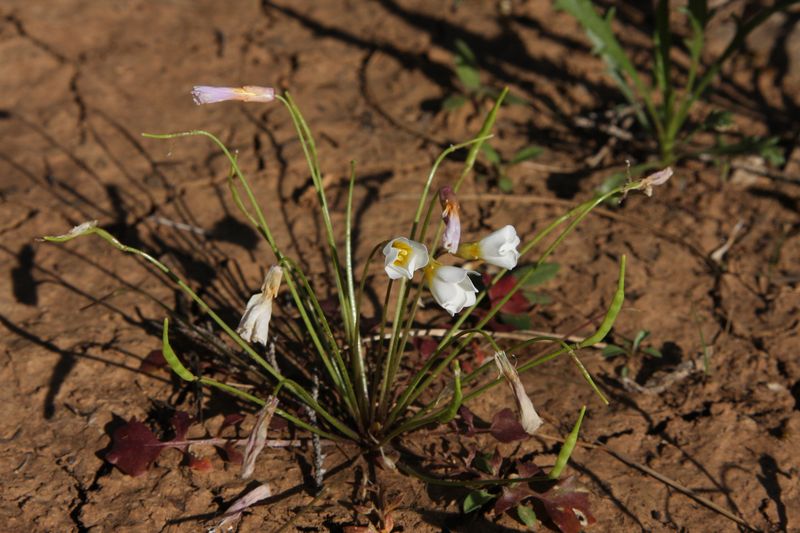
Here is a number that puts things in perspective: only a small number of known populations of Kentucky Glade Cress exist in the entire world, according to the Kentucky Natural Heritage Program’s most recent survey data.
Most of those populations are believed to be clustered in a few counties in central Kentucky, though exact county-level distribution should be verified against current range maps.
Kentucky is believed to hold the vast majority of this plant’s known range, though its full geographic extent should be confirmed with current botanical surveys.
Each population is typically small, often covering just a fraction of an acre. Population sizes vary considerably from site to site, based on available survey data.
These numbers sound small because they are, and that is exactly why conservation efforts focus so heavily on protecting every known site from disturbance.
The limited range of Kentucky Glade Cress is not a recent development caused by human activity alone. The plant’s dependence on limestone glades means it was likely always restricted to these scattered habitats.
However, human land use is understood to have reduced and fragmented glade habitats over an extended period through agriculture, urban development, and the natural spread of woody vegetation into open glades.
Researchers use GPS technology and careful plant counts to monitor each population from year to year. Tracking these numbers helps scientists understand whether populations are stable, growing, or shrinking.
When a population shows signs of stress, land managers can step in with targeted interventions like removing encroaching shrubs or controlling invasive species.
Every individual plant counts when your entire global population fits within a handful of rocky clearings in one small region of the country.
Threats Facing This Rare Wildflower And Its Vulnerable Habitat
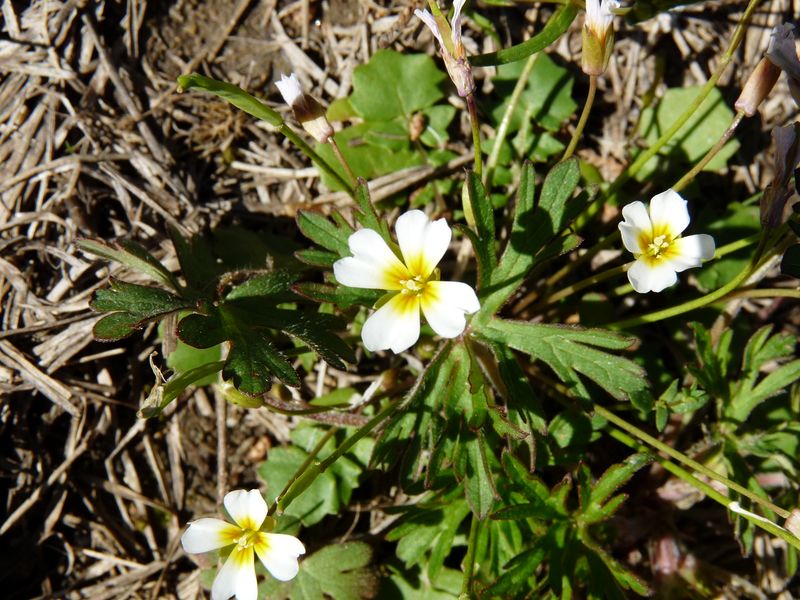
Cedar trees are one of the least obvious threats to limestone glades in Kentucky. Eastern red cedar grows naturally in the region, but without periodic fire or other disturbance, it creeps into open glades and shades out the sun-loving plants that live there.
As cedar cover increases, the glade ecosystem slowly transforms into a closed woodland where Kentucky Glade Cress cannot survive.
Invasive plant species add another layer of pressure. Non-native plants like garlic mustard and Japanese honeysuckle can move into glade edges and outcompete native species for space and resources.
Because glade cress populations are already so small, even a modest invasion by non-native plants can put additional pressure on the species.
Development is a long-term concern as well. The Inner Bluegrass region of Kentucky is home to growing cities and expanding suburbs.
As land gets converted to housing, roads, and commercial use, glade habitats that were once surrounded by farmland now face pressure from nearby construction and altered drainage patterns.
Protecting glades in private ownership is a particular challenge because conservation programs depend on willing landowner participation.
Climate shifts also introduce uncertainty. Changes in temperature and rainfall patterns could alter the timing of blooming, affect pollinator availability, or change soil moisture levels in ways that make glade conditions less hospitable.
Researchers are watching these trends carefully, knowing that a species with such a narrow range and small population size has limited ability to adapt quickly to shifting environmental conditions. Awareness is the first step toward meaningful action.
Conservation Efforts Working To Protect Kentucky Glade Cress
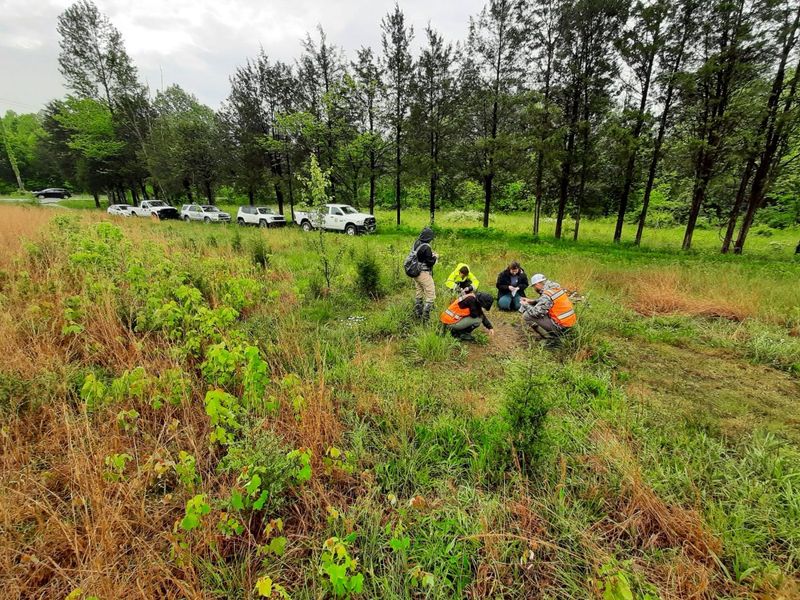
Conservation efforts offer some reassurance, driven by people who have made it their mission to protect this tiny flower.
Kentucky Glade Cress has been considered for protection as a threatened species under the Endangered Species Act, which would trigger formal recovery planning if confirmed. Current listing status should be verified directly with the U.S. Fish and Wildlife Service.
Land trusts and conservation organizations in Kentucky have worked to acquire or place conservation easements on properties that contain glade habitats. A conservation easement is a legal agreement where a landowner agrees to protect natural features on their property in exchange for certain benefits.
These agreements help ensure that glade sites remain intact even as surrounding land changes hands over time.
Active habitat management plays a huge role in recovery efforts. Volunteers and land managers regularly visit glade sites to cut back encroaching cedar trees and remove invasive plants.
Some sites have been restored to more open conditions through carefully managed prescribed burns, which mimic the natural fire cycles that historically kept glades open and free of woody vegetation.
Seed banking is another important tool. Scientists collect seeds from Kentucky Glade Cress populations and store them in controlled conditions as a backup in case a wild population experiences a severe setback.
Botanical gardens have also grown the plant in cultivation, which helps researchers learn more about its biology. Each conservation tool adds one more layer of protection around a species with little margin for further habitat loss.