The Last Lawn Mow Of The Year In Georgia And Why Height Matters More Than You Think
Grass blades are tiny solar panels, and the last cut of fall decides how much stored energy your lawn carries into winter. That half inch on your mower deck matters more than most of us realize.
In Georgia, most yards slow down when soil temperatures slip below about 55 degrees. Bermuda and zoysia turn a soft tan, while fescue lawns up north keep their green.
Same state, two very different winter stories.
I used to treat the final mow like a quick chore before putting the mower away. Then I watched a neighbor’s scalped yard struggle with weeds and bare patches all spring.
I learned more from that patchy lawn than from any bag label.
You get one last chance each fall to set your grass up well. The height you choose for that final cut could make all the difference when your lawn starts growing again in spring.
1. That Final Pass With The Mower Shapes Your Spring Lawn
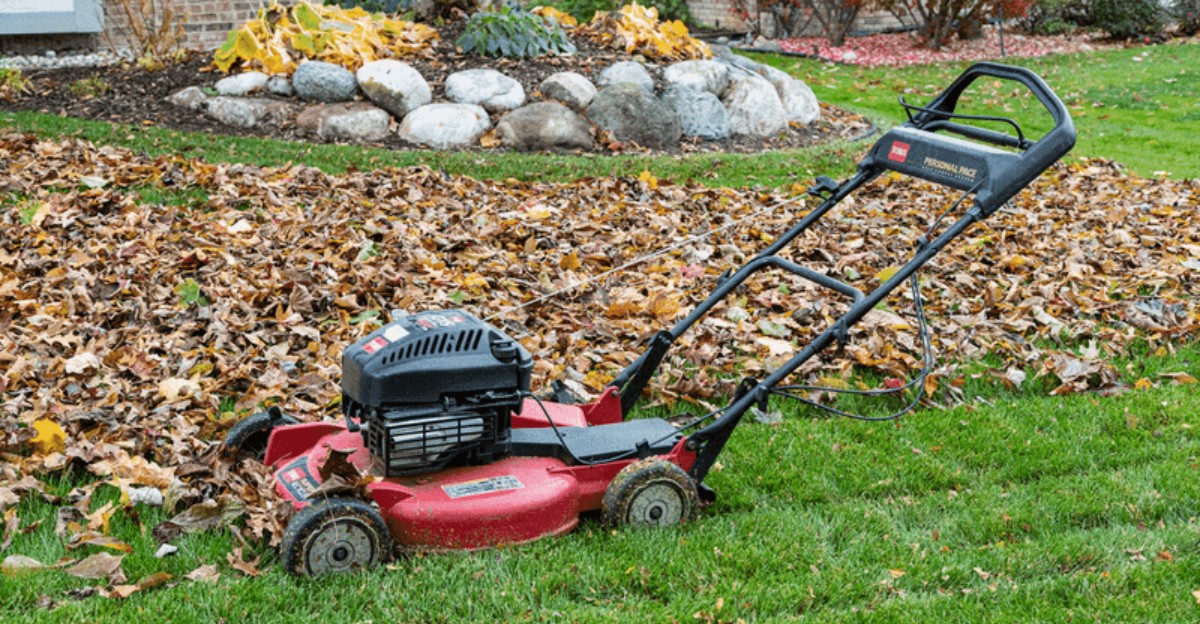
Your lawn mower might be the most underrated tool in winter prep. The last cut of the season sets the height your grass keeps for months, often until spring green-up.
Warm-season grasses stop growing once cool nights settle in. Whatever blade length you leave is what protects the crown, the low growing point where new shoots start.
Cut too low, and that crown sits exposed to cold winds and sudden freezes.
Too tall can cause trouble, too. Long, floppy blades can mat down under fallen leaves and hold moisture against the soil.
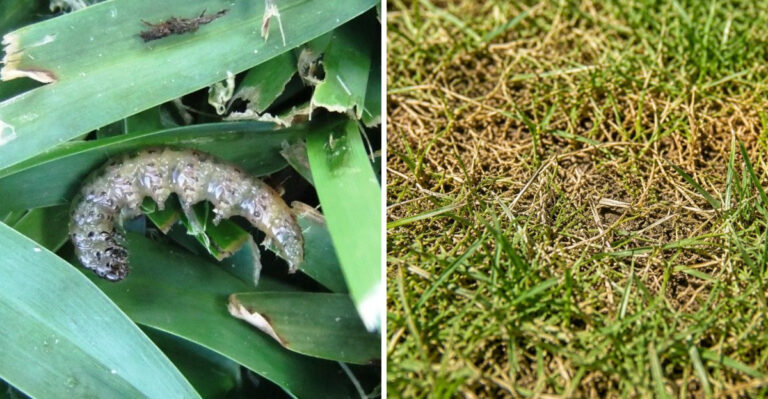
That damp layer is a favorite hangout for fungal problems like large patch, which shows up as tan rings in cool, wet weather.
So the goal is a smart middle ground. University of Georgia Extension guidance points to mowing within each grass type’s recommended range and avoiding big, sudden drops in height.
I like to think of it as tucking the lawn in for the night. A sensible blade length helps the grass hold energy in its roots and runners.
That stored energy fuels a quicker, thicker comeback when warm weather returns in spring.
2. Bermuda And Zoysia Lawns Like A Slightly Lower Final Trim
Bermudagrass and zoysiagrass cover a huge share of Georgia lawns, and both handle a modest final trim well.
Keep Bermudagrass and zoysiagrass within their recommended mowing heights through fall rather than automatically lowering the mower deck for the final cut.
For common and hybrid Bermuda, a final height around 1.5 to 2 inches works well for most home mowers. Zoysia often lands in a similar range, around 1.5 to 2 inches, depending on the variety.
Fine-bladed zoysias can sit a little lower, while coarser types prefer the upper end.
Why drop it a bit? A tidier canopy lets leaves blow across the surface instead of piling up.
Better airflow means fewer soggy spots where disease can settle in during damp winter stretches.
Take that drop gradually, though. Lowering the deck in one big jump can leave brown stubble and stressed grass.
Two mows a week or so apart give the turf time to adjust.
Once these grasses go fully dormant, they mostly stop growing. You can park the mower until spring, aside from an occasional pass to mulch leaves or pick up debris on a dry day.
3. Centipede And St. Augustine Grass Want A Taller Winter Height
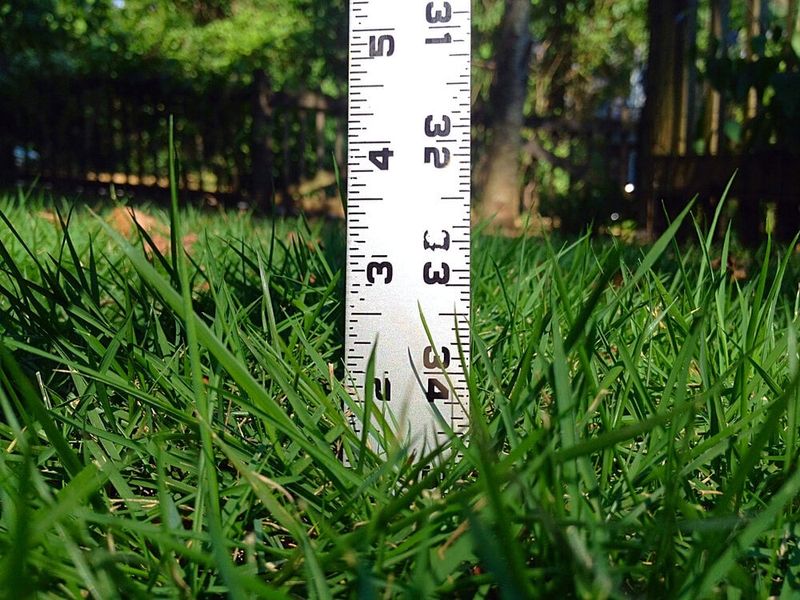
Southern Georgia homeowners often grow centipedegrass and St. Augustinegrass, and these two play by gentler rules. Both are touchy about low mowing, especially heading into cold weather.
Centipede, sometimes called the lazy man’s grass, does best around 1.5 to 2 inches. Going much lower can thin it out quickly.
UGA turf experts note that centipede rarely bounces back well from repeated scalping, so a cautious approach pays off.
St. Augustine has wide, coarse blades and spreads by thick above-ground runners called stolons. Those runners need cover, so a winter height of about 2.5 to 3.5 inches is a safer bet.
It is also the least cold-hardy of Georgia’s common lawn grasses.
That cold sensitivity matters most in north and central parts of the state, where hard freezes come more often. Keeping extra blade length over the stolons offers a little insulation on frosty mornings.
Fun fact for trivia night: centipedegrass arrived from China in the early 1900s. It became a Southern favorite because it tolerates acidic, low-fertility soils that many other turf grasses dislike.
Just remember it prefers light fertilizing and a gentle mower.
4. Tall Fescue Stays Green And Keeps Asking For The Mower
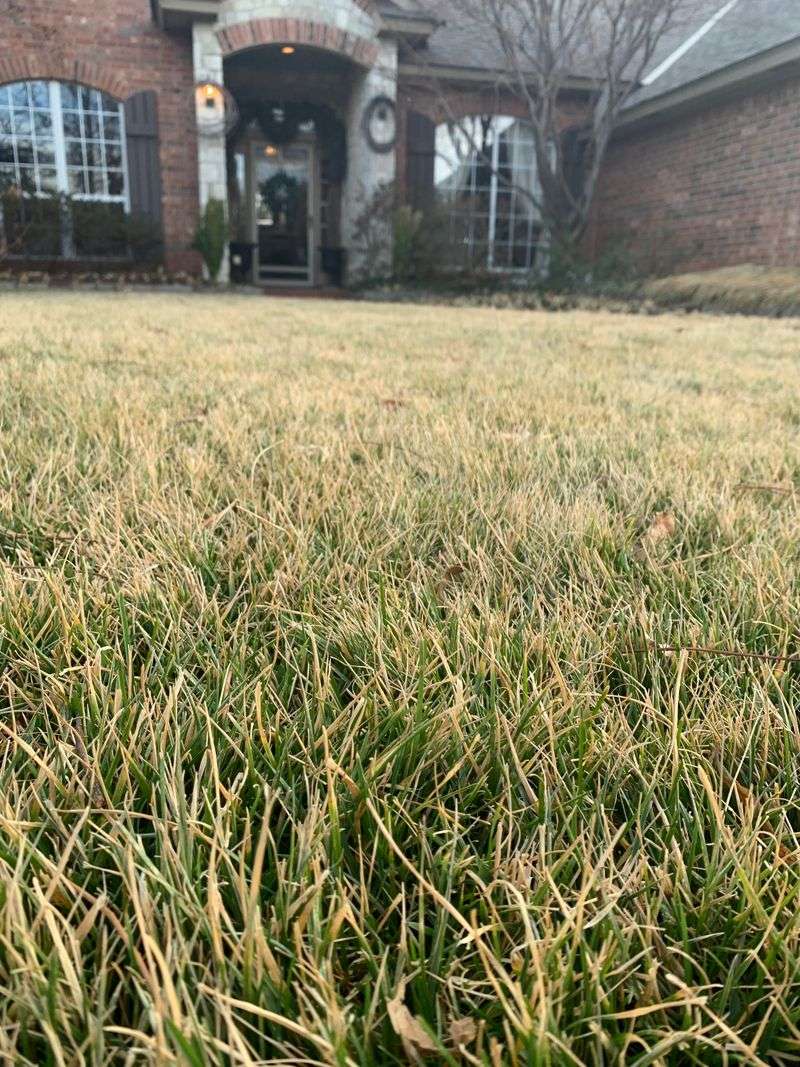
Fescue folks, your story runs differently. Tall fescue is a cool-season grass common in the Atlanta area and north Georgia, and fall is actually its happy season.
Instead of going tan, fescue stays green through much of winter and keeps growing slowly. That means there is no true last mow of the year for many fescue lawns.
You simply mow less often as days get shorter and cooler.
Keep the blades taller, roughly 3 to 4 inches. Fescue roots are shallower than Bermuda’s, so leaf length helps shade the soil and hold in moisture.
Taller turf also crowds out sneaky winter weeds like henbit and chickweed.
Many fescue lawns get overseeded in early fall, usually September into October. If you seeded recently, wait until new seedlings reach about 4 inches before mowing them.
Cut gently with a sharp blade so you do not yank tender grass out of the soil.
I find fescue strangely satisfying in December. While neighboring yards rest in shades of straw, a well-kept fescue lawn looks fresh and green.
Just do not lower the deck to match the warm-season crowd.
5. Scalped Grass Opens The Door To Weeds And Cold Damage
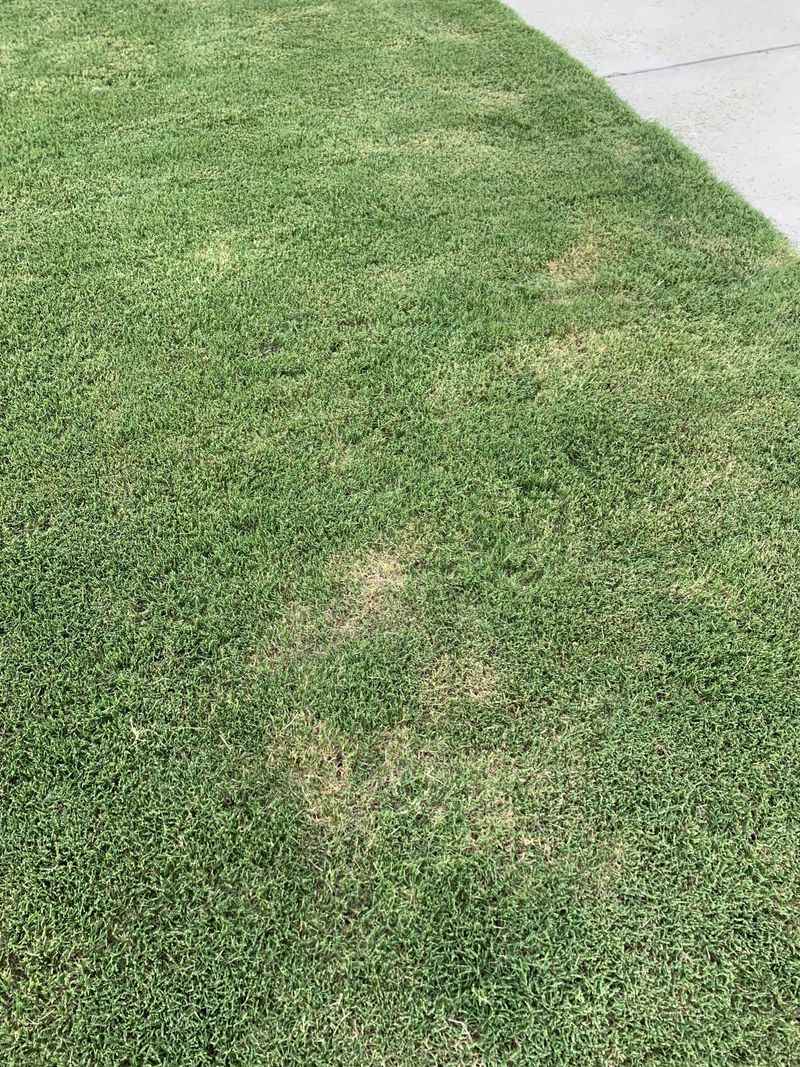
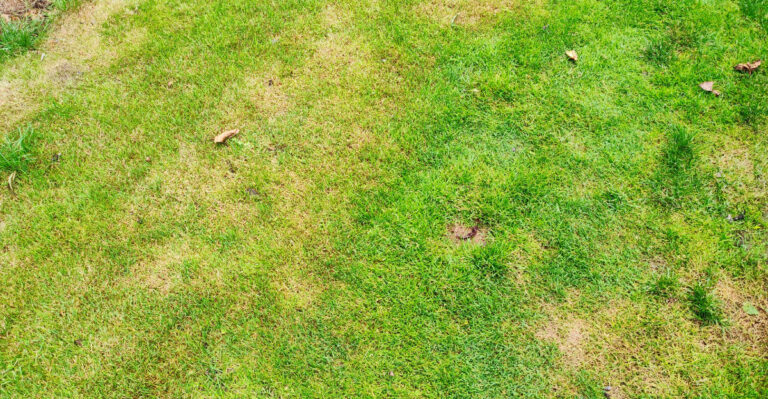
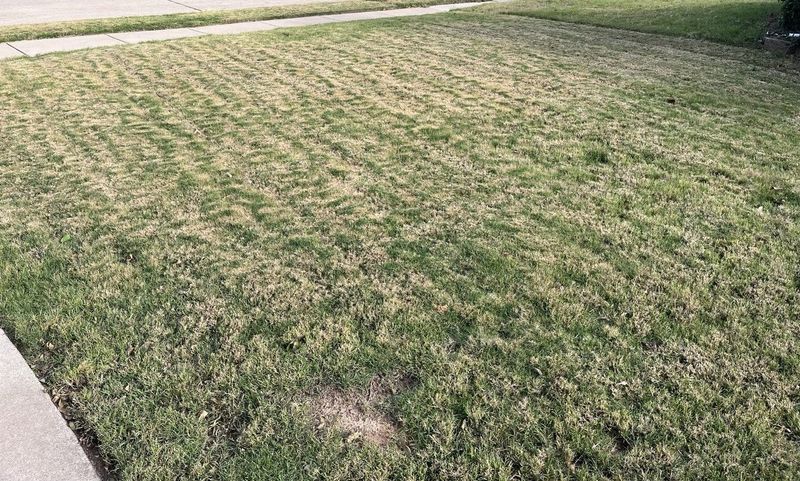
Scalping happens faster than you might expect. One pass with the deck set too low, or a bumpy spot in the yard, and suddenly you see brown stubble and bare soil.
That exposed ground is an open invitation. Winter annual weeds such as annual bluegrass, henbit, and chickweed sprout in fall and love sunlight hitting bare soil.
By February, they can fill in the gaps your grass left behind.
Scalping also robs the plant of leaf tissue it needs to make food. Less food means weaker roots and less energy stored for spring.
On warm-season grasses, the crowns and runners lose their protective cover against frost.
Watch for these warning signs after mowing:
Yellow or brown stems showing instead of green leaves. Mower tracks gouging high spots in the yard.
Patches that stay thin weeks after the cut.
Fixing it takes patience more than products. Raise the deck, skip fertilizing dormant warm-season turf, and let spring growth heal the area.
If weeds were a problem last year, a fall pre-emergent applied on label timing can help keep those winter invaders in check.
6. Soil Temperature Tells You When To Park The Lawn Mower
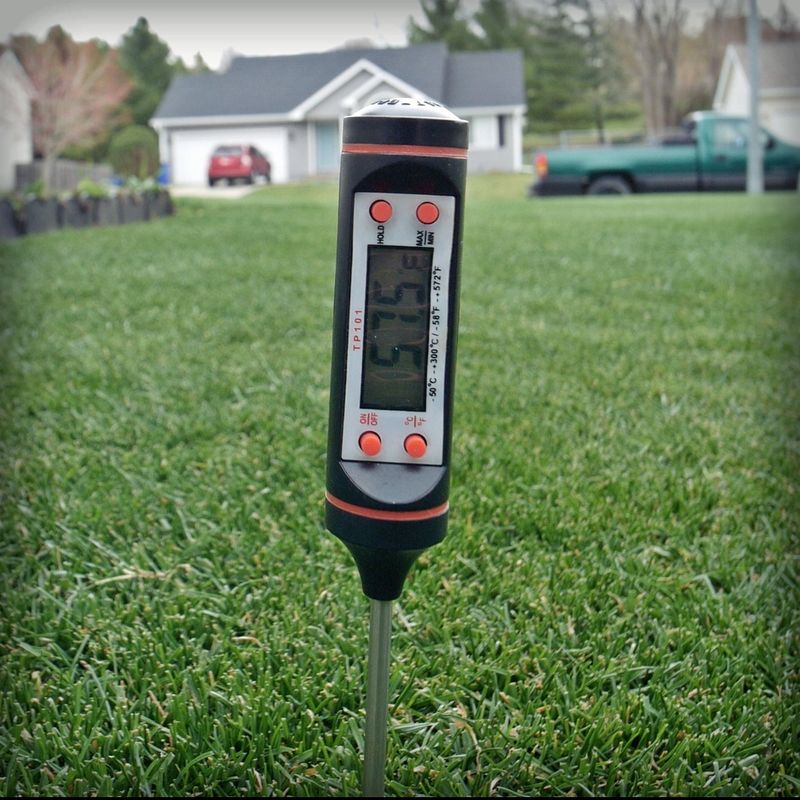
Calendars can fool you, but the soil rarely does. Warm-season grasses slow down sharply once soil temperatures drop below roughly 55 degrees and nights settle into the 40s and low 50s.
Across much of Georgia, that shift tends to arrive between late October and late November. North Georgia mountain counties usually get there first.
Coastal and south Georgia yards may keep growing a few weeks longer in a mild fall.
A cheap soil thermometer takes the guesswork out. Push it about 4 inches deep in the morning and check for a few days in a row.
The UGA Weather Network also posts soil temperature readings online for many locations.
Watch the grass itself, too. When clippings shrink to almost nothing between mows and the color starts fading to tan, growth is winding down.
That is your cue for the final cut at the right height.
One personal habit helps me here. I keep the mower ready for a couple of extra weeks, because a warm spell can trigger a little late growth.
A quick tidy-up pass at the same height keeps things neat without stressing the turf.
7. Sharp Mower Blades And The One-Third Rule Save Your Turf
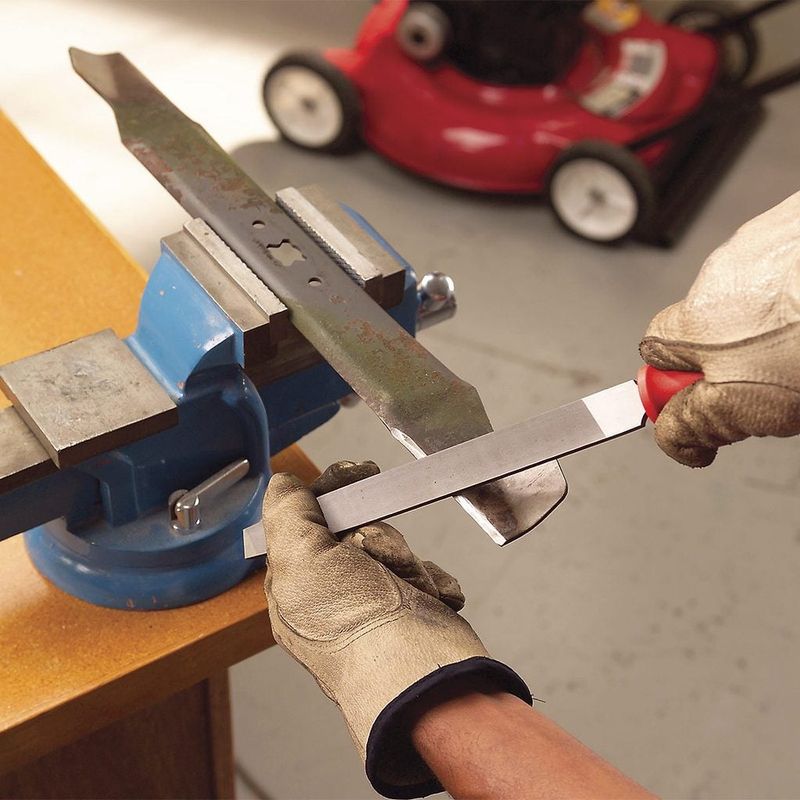
A dull blade does not cut grass so much as rip it. Torn tips turn ragged and brown, lose moisture faster, and give disease organisms an easy way in.
Before your final mow, take a look at the blade. Sharpen or replace it if the edge is nicked or rounded.
Most homeowners benefit from sharpening at least once or twice a season, and late fall is a smart time to check.
Next comes the one-third rule. Remove no more than a third of the blade height in a single mow.
If your Bermuda stands at 3 inches, cutting to 2 inches is the limit for that pass.
Weather plays a role, too. Skip mowing when grass is wet with dew, rain, or frost.
Wet clippings clump and smother turf, and frosted blades bruise and darken under wheels and feet.
A few quick habits make the last mow cleaner:
Mow in the afternoon once grass is dry. Mulch light leaf layers instead of bagging everything.
Change your mowing direction to avoid ruts. Your grass will reward these small efforts with fewer brown streaks and a healthier recovery.
8. A Smart Leaf Cleanup Finishes What Your Final Mow Started
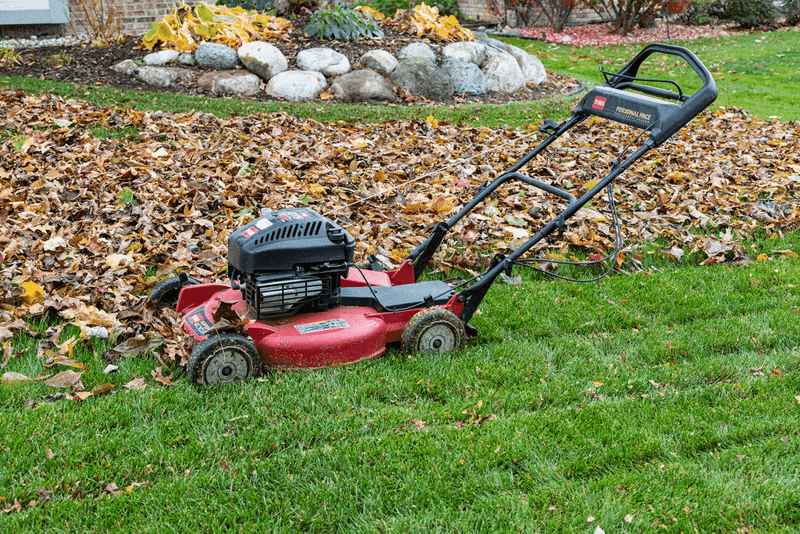
Getting the height right is only half the job. Georgia oaks, maples, and sweetgums keep dropping leaves well after the last real mow, and a thick blanket can undo your careful work.
Heavy, wet leaf piles block light from fescue and trap moisture on dormant warm-season turf. A light layer is fine, though.
Running the mower over thin leaves chops them into small bits that feed the soil as they break down.
For heavier drops, rake or bag the extra and toss it in a compost pile or garden beds. Shredded leaves make a wonderful mulch around shrubs and perennials.
Here is a simple winter checklist to wrap things up:
Keep foot traffic light on frosty mornings. Avoid nitrogen fertilizer on dormant Bermuda, zoysia, centipede, and St. Augustine.
Get a soil test through your county Extension office so you can plan spring feeding.
I love how one thoughtful mow and a few tidy habits can carry a lawn all the way to April. You do the work now, and spring brings fewer weeds, healthier roots, and a much faster green-up.
That trade feels worth it every single year.