Smells That Keep Mice Out of Arizona Homes This Winter
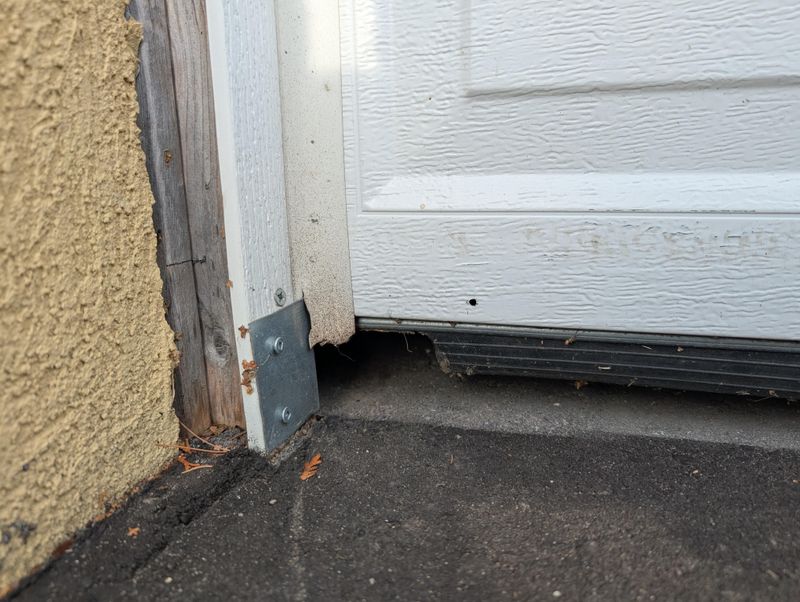
House mice can squeeze through a gap about the width of a pencil, so a tiny crack becomes a front door. That surprising fact changed how I look at every weathered door sweep around my house.
As desert nights cool down in Arizona, deer mice and house mice start hunting for warm, sheltered spots indoors. Their noses guide nearly every move, from finding crumbs to following scent trails left by other mice.
I have to admit, I love solutions that smell good to me while annoying a tiny intruder. You might notice your pantry, garage, or patio storage already offers the cozy hideouts these little visitors crave.
Some scents may help make your home less inviting, though research shows they work best alongside sealing and cleaning. Which aromas earn a spot, and which ones deserve a little healthy doubt before winter arrives in Arizona?
1. Peppermint Oil Cotton Balls
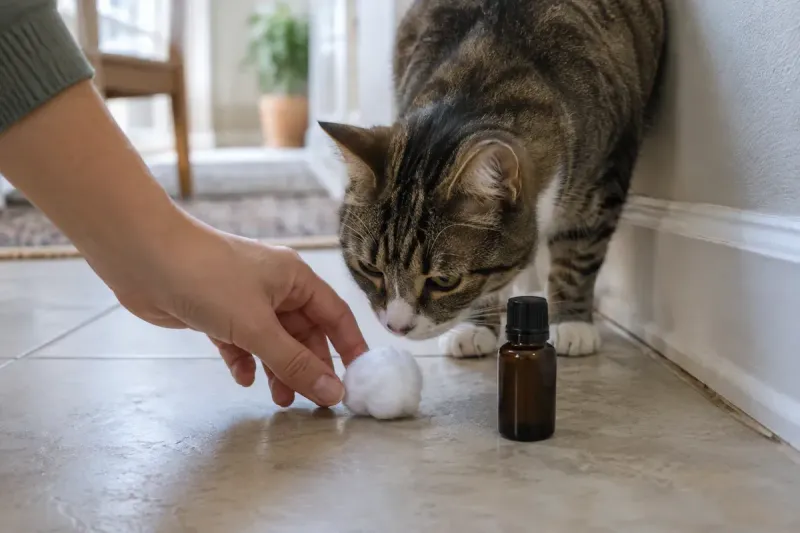
Peppermint oil smells like a candy cane to us, yet that sharp menthol punch can feel overwhelming to a sensitive mouse nose. Many homeowners reach for it first, and I understand why after sniffing a freshly opened bottle.
Research on peppermint oil and rodents is mixed, so I treat it as a gentle discouragement rather than a guaranteed fix. It seems most useful before mice settle in, which makes October a smart month to start your routine.
You can add ten to fifteen drops onto cotton balls and tuck them near baseboards or under sinks. Another option is mixing about twenty drops into a cup of water for a quick spray along likely entry points.
The scent fades fast, especially in dry desert air, so plan on refreshing cotton balls every few days. I set a phone reminder, because a faded cotton ball quietly loses most of its usefulness within a week.
Peppermint oil can bother cats and dogs, so keep treated spots well away from curious paws and noses. Good airflow also helps, since concentrated oils can irritate eyes and skin for some people in closed rooms.
2. Warm Clove Oil And Whole Cloves
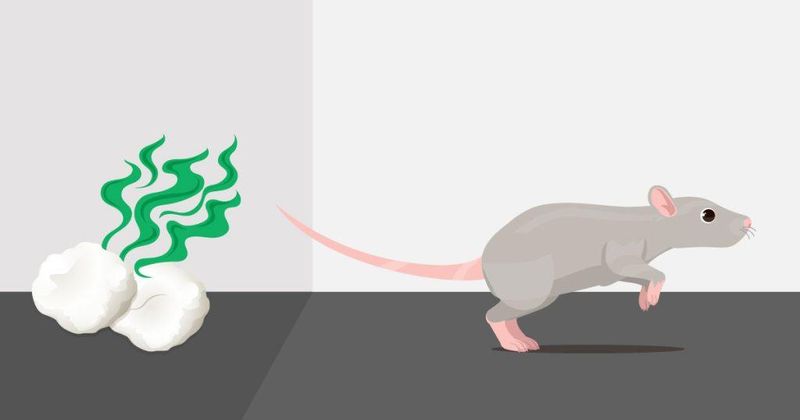
Clove oil smells like a holiday kitchen to me, but its main compound, eugenol, carries a strong bite. That warm spicy note is one reason pest guides often list clove among aromas mice seem to dislike.
Evidence for clove as a mouse repellent is limited, so think of it as a supporting player in your plan. I like pairing it with peppermint, since layering scents may make a doorway feel less welcoming overall.
Soak a few cotton balls with ten to fifteen drops and tuck them behind appliances or inside cabinet corners. Whole cloves also work in small cloth bags near doors, and they look charming in a pantry basket.
Personally, I enjoy refilling clove sachets because the kitchen smells cozy for hours afterward with very little effort. Swap oil-soaked cotton every few days, while whole cloves usually hold their fragrance a bit longer between refreshes.
Concentrated clove oil can irritate skin, so wear gloves if your hands react to strong essential oils easily. Keep sachets and bottles out of reach of pets and kids, because clove oil can upset their systems quickly.
3. Cinnamon Sticks In Pantry Corners
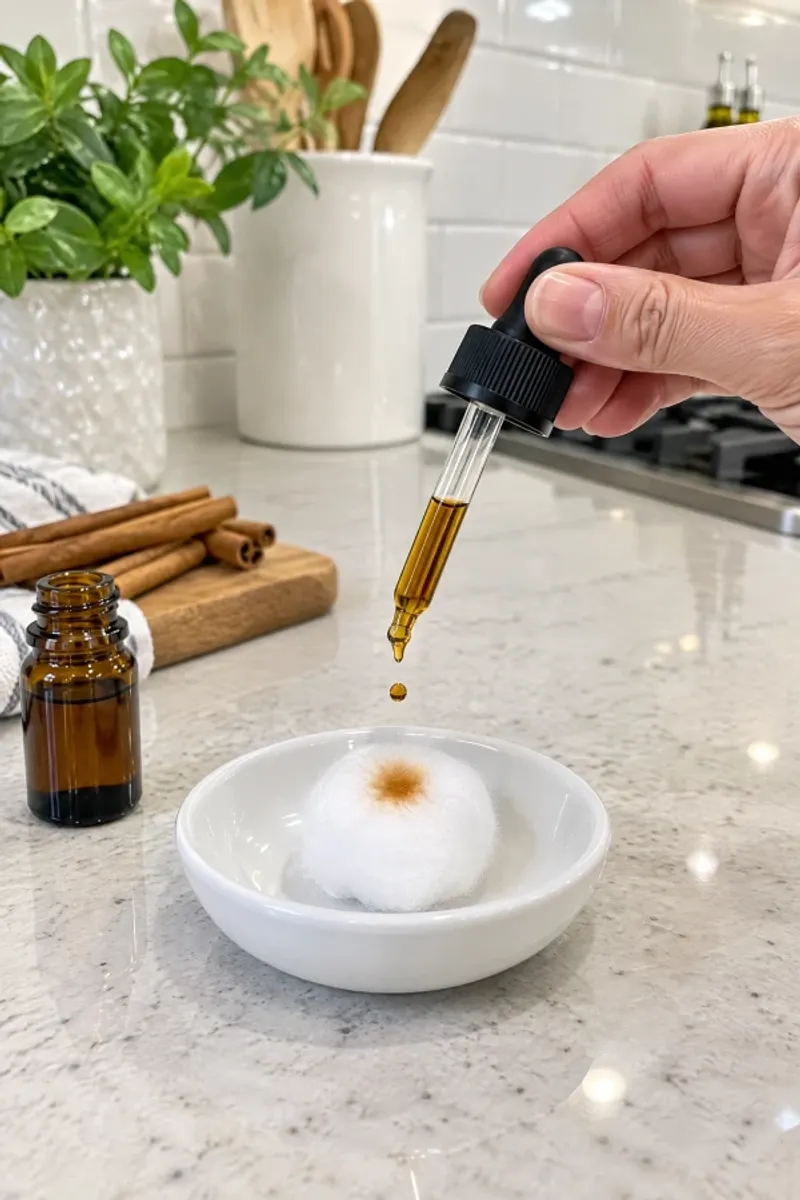
Cinnamon gets its signature aroma from cinnamaldehyde, a compound that can irritate small airways when concentrated. I love how a few sticks in a pantry make the whole room smell like warm baking.
Studies backing cinnamon against house mice are thin, so I use it mostly as a pleasant extra layer. Pairing cinnamon with sealed food bins makes far more difference than scent alone, at least in my experience.
You can mix about twenty drops of cinnamon oil with a cup of water for a light spray. Cinnamon sticks tucked into drawers or cupboard corners work nicely too, and they rarely make a mess on shelves.
Ground cinnamon loses its punch quickly, so skip sprinkling powder that turns stale and dusty within days. Sticks and oil hold up better, though you should still replace them every couple of weeks for steady fragrance.
Cinnamon oil can sting skin and eyes, so dilute it well and spray away from food prep surfaces. Store the bottle somewhere high, since pets sometimes investigate interesting smells with their tongues before their noses finish.
4. Eucalyptus Oil Along Baseboards
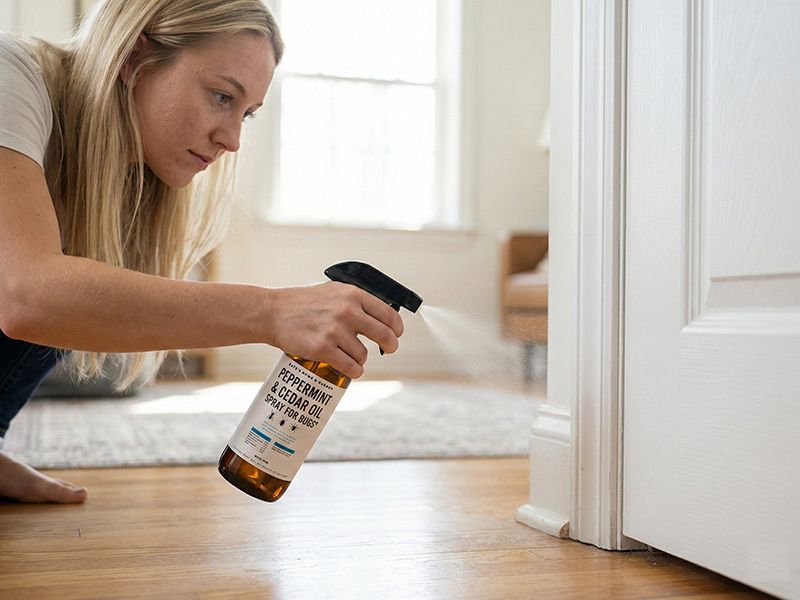
Eucalyptus oil smells like a clean spa, thanks largely to a compound called cineole, also known as eucalyptol. That medicinal sharpness is why it shows up on so many lists of natural rodent deterrents.
Some lab work suggests eucalyptus compounds can reduce feeding in rats, though home results with mice vary widely. I believe it fits best as one piece of prevention, not a stand-alone answer to existing activity.
Soak cotton balls with a few drops and place them in storage areas, closets, or behind the washer. A diluted spray along baseboards works too, just test a hidden spot first to protect finishes and grout.
Like other oils, eucalyptus fades faster than you might expect during dry fall and winter weather in Arizona. Refresh applications every several days so the aroma stays noticeable in the spots mice would travel.
Eucalyptus oil can be harmful if swallowed and may bother cats especially, so placement really matters here. Strong concentrations can also cause headaches or nausea for some people, so keep rooms aired out after spraying.
5. Cayenne Pepper Near Garage Gaps
Cayenne pepper owes its heat to capsaicin, the same compound that makes your eyes water while chopping chiles. Mice have sensitive noses and mouths, so a peppery dusting may encourage them to explore somewhere else.
Results are often temporary, and I would not count on cayenne to handle mice already living inside. Its real strength seems to be discouraging first visits around garages, sheds, and other spaces people rarely use.
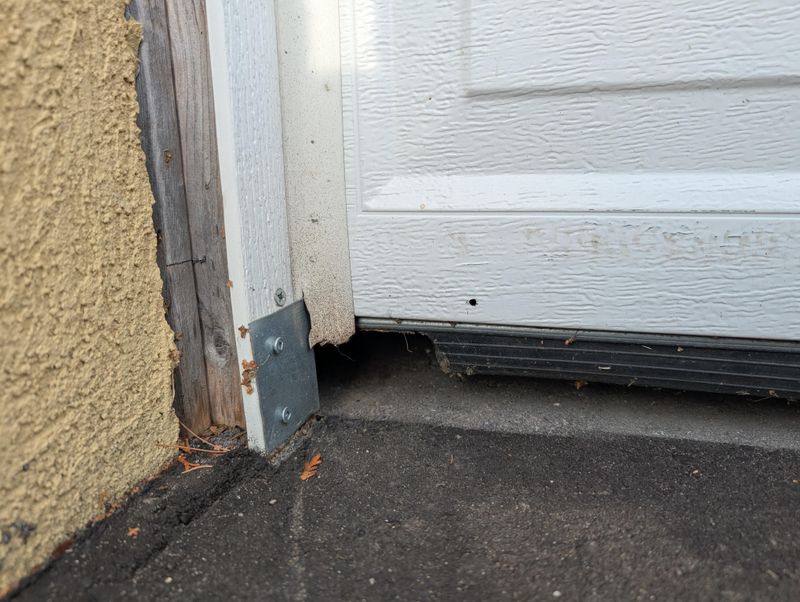
You can sprinkle a thin line of powder near gaps under garage doors or along shed walls. Some folks mix powder with water and a drop of dish soap, then spray it where mice seem to travel.
Wind, sweeping, and monsoon dust leftovers can scatter cayenne quickly, so check those lines every few days. A fresh pinch costs very little, which makes frequent touch-ups an easy habit for busy weekends.
Please use real caution with pets and kids, since capsaicin can burn eyes, skin, and paws on contact. I keep cayenne only in garages or attics, well away from sleeping areas and play spaces.
6. White Vinegar Wipe Down

White vinegar smells sharp enough to make most of us wrinkle our noses, and mice may feel the same way. I like it most as a cleaning step, because it helps scrub away the trails mice leave behind.
Mice mark paths with urine and scent cues that guide other mice toward food and nesting spots. Cleaning those surfaces carefully may make your kitchen feel less familiar, though vinegar alone rarely solves a real problem.
Mix equal parts white vinegar and water in a spray bottle for wiping shelves, counters, and cabinet floors. If you find droppings, wet them with disinfectant first and wear gloves, rather than sweeping dry dust into the air.
Vinegar evaporates quickly, so its smell fades within a day or two after you finish cleaning. You can soak cotton balls near entry points for a short boost, though frequent refreshing becomes part of the deal.
Vinegar is generally safe around the house, but its odor can feel strong in small, closed rooms. Open a window when possible, and keep it away from natural stone counters that acid can slowly etch.
7. Cedar Blocks In Storage Closets

Cedar chests have protected wool blankets from moths for generations, and that woody fragrance still feels wonderfully old-fashioned. Many people wonder whether the same aroma bothers mice, and honestly the evidence is fairly modest.
Cedar works better against fabric pests than rodents, so I think of it as a pleasant bonus layer. Still, a fresh-smelling closet with sealed bins seems less inviting than a quiet pile of old cardboard boxes.
You can tuck cedar blocks or rings into linen closets, garage cabinets, and holiday decoration bins. Cedarwood oil on cotton balls gives a stronger scent, though it fades faster than solid wood pieces sitting nearby.
Lightly sanding cedar blocks every few months brings the aroma back, which feels oddly satisfying to me. I keep a small square of sandpaper right in the closet, so refreshing takes less than one minute.
Solid cedar is a mild option for most homes, but concentrated cedarwood oil still deserves careful handling. Store bottles high, and skip cedar shavings as bedding near small pets, since the oils can irritate them.
8. Sealing Cracks With Steel Wool And Caulk
No scent on this list matters much if mice can stroll through a gap the size of a dime. Health agencies like the CDC rank sealing entry points as the most reliable way to keep rodents outdoors.
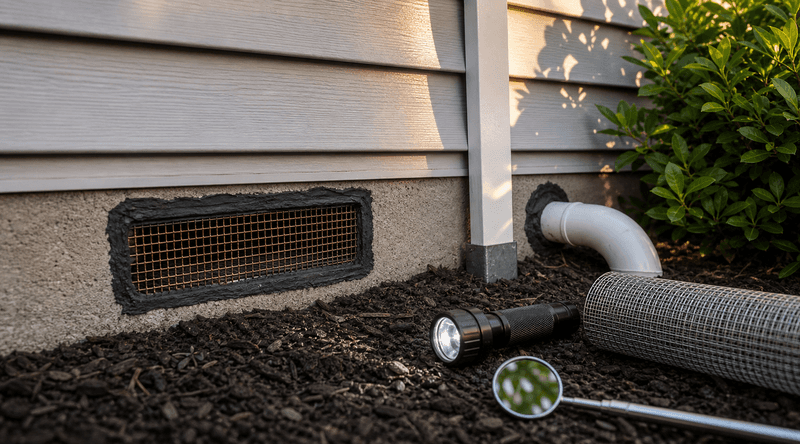
Walk around your home in October and check where pipes, cables, and vents pass through stucco walls. Garage door seals, weep holes, and gaps under exterior doors also deserve a slow, careful look with a flashlight.
Stuff small holes with steel wool or copper mesh, then cover them with caulk so mice cannot pull it free. Larger openings need hardware cloth, metal flashing, or cement, since mice can gnaw through foam and soft plastic.
I have to admit, this step feels less fun than shopping for essential oils in pretty bottles. Yet one afternoon with a caulk gun often helps more than months of refreshing cotton balls around the house.
Leave vents open with metal screening, because airflow matters for attics and crawlspaces during warm months. If a gap looks tricky, a licensed pest professional can find hidden openings you might easily overlook.
9. Airtight Containers For Pet Food And Birdseed
A forgotten bag of birdseed in the garage can smell like a buffet invitation to every mouse nearby. Their noses easily find food, which explains why pantry and garage storage matter so much in winter.
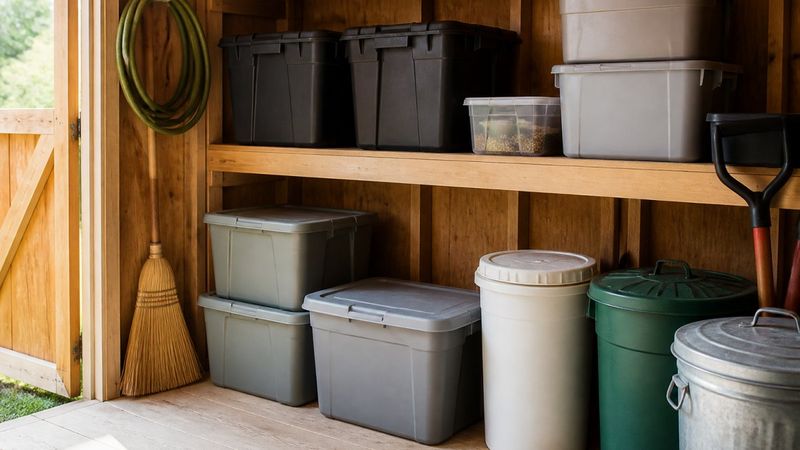
Move pet food, birdseed, and grass seed into sturdy containers with tight lids, ideally metal or thick plastic. Mice gnaw through paper and thin bags quickly, so original packaging rarely holds up for very long.
Inside, keep cereal, flour, and snacks in sealed jars instead of open boxes on low pantry shelves. Wipe crumbs nightly, and avoid leaving pet bowls full overnight, because mice are mostly active after dark.
Outdoors, pick up fallen citrus and clean under bird feeders, since spilled seed draws rodents toward your walls. I moved my feeder farther from the house last year, and the patio stayed noticeably tidier afterward.
Food removal makes every scent on this list more useful, because a hungry mouse tolerates a lot. Think of strong smells as a polite suggestion, while empty cupboards send the clearer message.
10. Natural Predators Like Barn Owls Nearby

A single barn owl family can eat a surprising number of rodents during nesting season, according to wildlife researchers. I love the idea of a quiet night shift working over the yard while everyone sleeps.
Barn owls live across much of the Southwest, and some homeowners install nest boxes to welcome them. Placement matters, so boxes usually go on tall poles in open areas, away from busy roads and bright lights.
Skip rodenticides if you hope to support owls, hawks, and bobcats, since poisoned rodents can harm these predators. Snap traps placed indoors and along walls offer a safer backup when you spot droppings or chewed packaging.
Native shrubs and open space can support predators too, though dense brush piles next to walls may shelter mice. Trim plants back from the foundation so rodents lose cover while hawks and owls keep a clear view.
Predators will not clear every mouse, yet they help balance local populations over time in a natural way. Combined with sealing and storage habits, your favorite scents get a much better chance at making a difference.