Who Is Responsible For Tree Root Damage To An Oregon Neighbor’s Driveway Or Foundation
Tree roots do not care where a property line sits, which can make driveway or foundation damage feel messy fast. In Oregon, responsibility often depends on more than whose tree it is.
The key questions are what damage happened, when the owner knew about the risk, and what each neighbor could reasonably do on their own side.
Roots creeping under concrete may seem like an obvious blame issue, but the legal answer can be more careful than that.
A healthy tree with normal root growth may be treated differently than a known problem that was ignored. Insurance and local rules can add more layers too.
Before cutting roots or demanding payment, homeowners should understand the basics. A smart first step can protect the tree, the property, and the neighbor relationship.
1. Root Damage Is Not Automatically The Tree Owner’s Fault
Many people are surprised to learn that owning a tree does not automatically make you responsible for every problem it causes. Oregon courts generally follow what is called the “Hawaii Rule,” which was adopted after a key legal case.
Under this approach, a tree owner can be held liable only if they knew or should have known the tree posed an unreasonable risk.
So if a tree looks perfectly healthy and has never shown signs of causing damage, the owner may not owe anything even if roots eventually crack a neighbor’s concrete.
Courts look at whether the owner acted reasonably given what they knew at the time. Ignorance alone does not always protect someone, but it does matter.
The condition of the tree plays a big role. A visibly large, old tree planted close to a property line is something a reasonable person should monitor.
If the owner ignored obvious signs of root spread, that could count against them in court.
On the other hand, if the tree looked fine and gave no warning signs, the owner has a stronger defense. This is why regular tree inspections are such a smart idea for homeowners with large trees near property lines.
Documenting the tree’s health over time creates a record that can protect you if a dispute ever comes up.
Being proactive is always better than being caught off guard when a neighbor shows up with a repair bill.
2. The Affected Neighbor Can Usually Cut Roots On Their Side
One of the most practical things to know is that Oregon law generally allows a property owner to cut any roots or branches that cross onto their land. This is called the “self-help” remedy, and it has been recognized by courts for a long time.
You do not need to go to court first or even ask permission to trim roots that have crossed the property line.
That said, this right comes with real limits. You can only cut up to the property line.
You cannot go onto your neighbor’s property to do the work. And you must be careful not to cause harm to the tree that would be considered unreasonable or excessive.
Your Oregon Garden Changes Every Week. Your Plan Should Too.
Gardening in Oregon changes quickly throughout the season. Every Friday you’ll receive a simple weekly plan showing exactly what to plant, prune, fertilize, harvest, and protect so you never miss the right timing.
Cutting roots too aggressively can destabilize a tree, which creates a whole new set of problems.
If the tree falls and causes damage after you cut its roots, you could end up being the one held responsible. That is a situation nobody wants to deal with.
Before picking up any tools, it is worth consulting with a certified arborist. They can tell you which roots are safe to cut and how deep to go without putting the tree at risk.
Getting that professional opinion in writing is even better. It shows you acted carefully and with good judgment, which matters a lot if the situation ever turns into a legal dispute.
Taking smart steps early keeps your options open and your liability low.
3. Trimming Roots Can Create New Liability
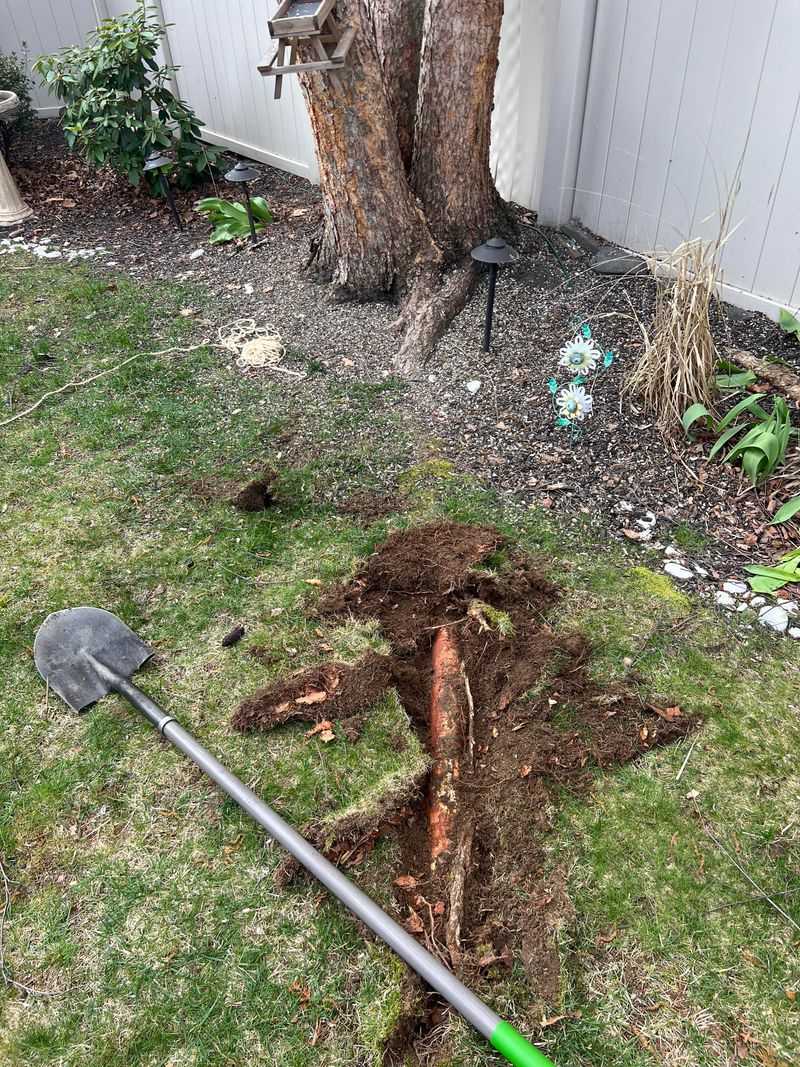
Here is a detail that catches a lot of homeowners off guard. When you cut tree roots, you take on some responsibility for what happens next.
If the tree becomes unstable because of your cutting and then falls onto your neighbor’s home or car, you could be the one writing the check for repairs.
This is not meant to scare anyone away from protecting their property. It is just a reminder that the self-help remedy has to be used thoughtfully.
Cutting a few surface roots is usually low-risk. Cutting major structural roots close to the trunk is a different story entirely.
Arborists use something called the “critical root zone” to describe the area around a tree that must stay intact for the tree to remain stable and healthy.
Cutting inside this zone can seriously weaken the tree. The size of the zone depends on the tree’s trunk diameter, so it varies from tree to tree.
If you are not sure where the critical root zone begins, do not guess. Hire a licensed arborist to mark it out before any cutting begins.
Document everything with photos and written reports. If your neighbor’s tree falls after you trimmed roots and you have no professional documentation, defending yourself becomes very difficult.
Smart documentation protects you from claims you never expected. Taking the time to do this right is far less expensive than dealing with a lawsuit over a fallen tree that you accidentally destabilized.
4. Proof Matters Before Anyone Pays For Repairs
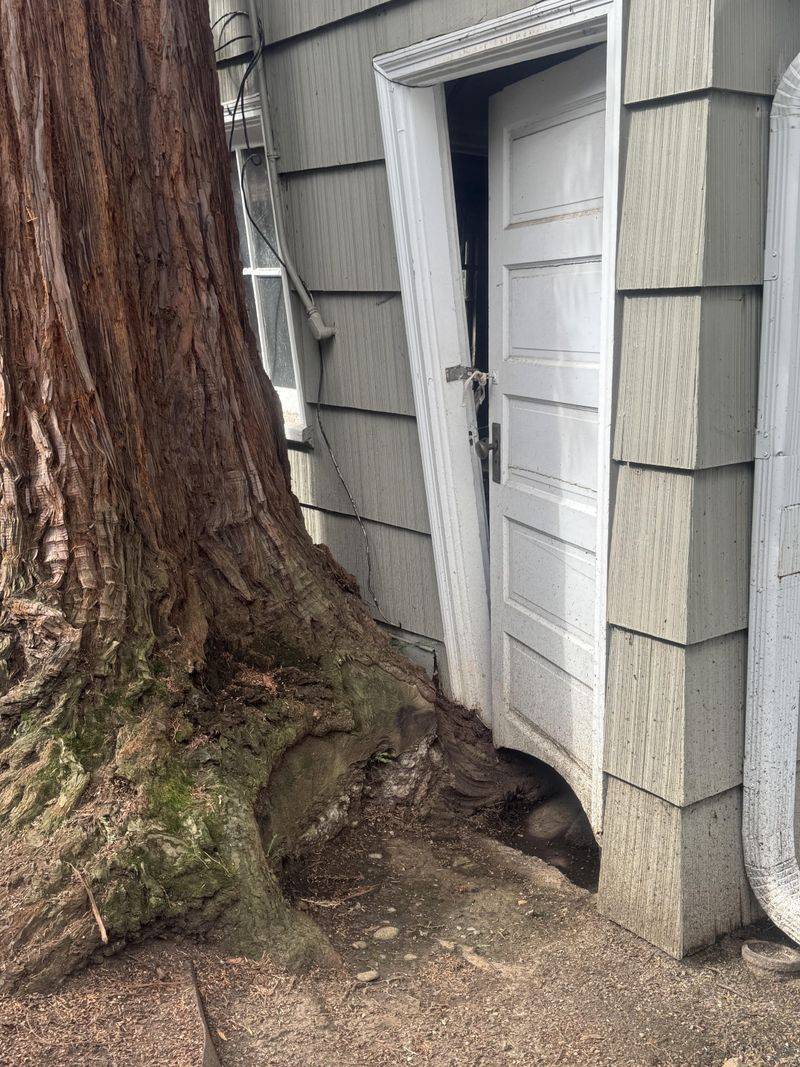
Saying a tree caused your foundation damage is one thing. Proving it is something else entirely.
Before any money changes hands or any legal action is taken, solid evidence needs to be gathered. Courts and insurance companies both want proof, not just a neighbor’s word.
Start by getting a written inspection from a licensed structural engineer or a certified arborist. These professionals can assess whether root intrusion is the actual cause of the cracking or settling.
Sometimes what looks like root damage is actually caused by soil shifting, poor drainage, or the age of the concrete.
Photographs are essential. Take wide shots showing the tree’s location relative to the damage, and close-up shots of every crack, lifted slab, or damaged section.
Date-stamp everything if possible. The more visual evidence you have, the stronger your case becomes.
You should also check whether your homeowner’s insurance covers root damage. Some policies do, and some do not.
Reading the fine print now saves a lot of frustration later. If your insurer covers the repair, they may pursue the tree owner on your behalf through a process called subrogation.
Keeping receipts for all repairs, inspections, and professional consultations is equally important.
A well-documented paper trail shows that you took the situation seriously and acted responsibly.
Without this kind of evidence, even a valid claim can fall apart quickly when it gets in front of a judge or an insurance adjuster.
5. Prior Notice Can Change The Responsibility Question
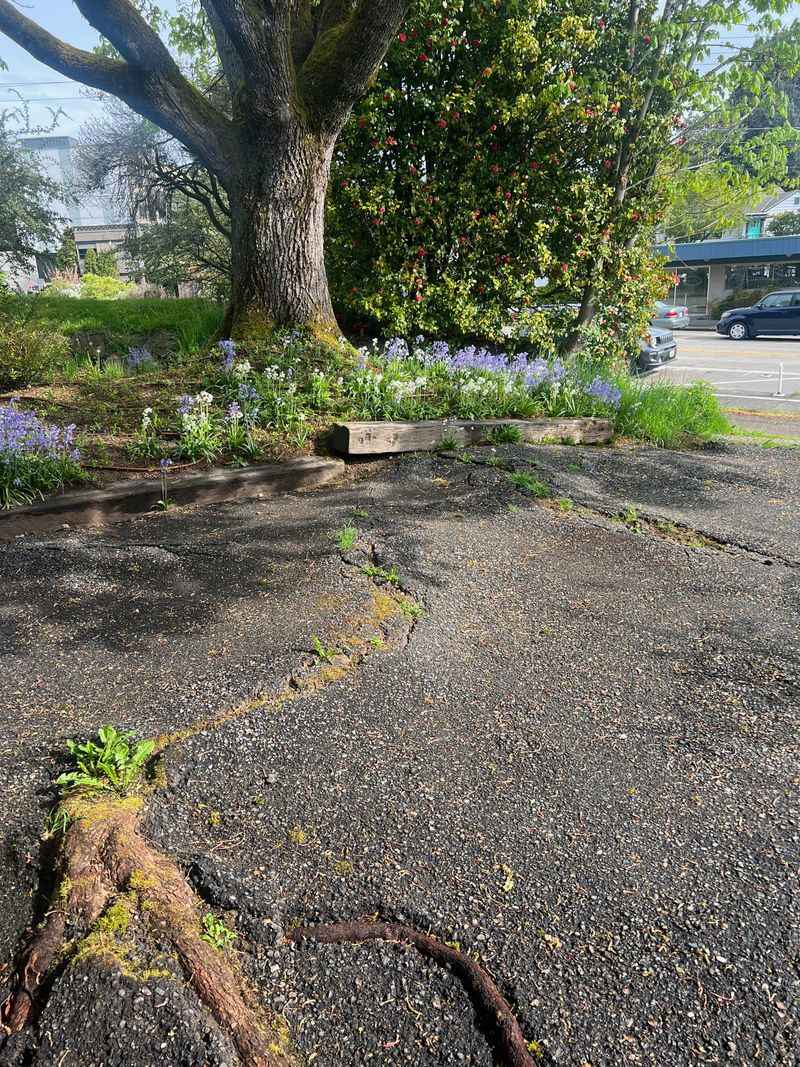
One of the biggest factors in Oregon tree damage disputes is whether the tree owner was warned before the damage got worse. Giving formal notice changes the legal picture significantly.
Once a tree owner knows about a problem, they have a duty to respond reasonably.
If you have already noticed roots pushing up your driveway and you say nothing to your neighbor, you may have a harder time holding them fully responsible later.
Courts look at whether both parties acted reasonably. Staying silent while damage grows is not considered reasonable behavior.
Sending a written notice, like a letter or even a documented email, creates a record that your neighbor was informed.
From that point forward, if they ignore the problem and the damage continues, their liability increases.
The written record shows exactly when they were notified and what they chose to do about it.
Verbal conversations are much harder to prove. A neighbor can simply say the conversation never happened or that they understood it differently.
Written communication removes that ambiguity entirely. It is also worth noting that local municipalities sometimes have ordinances requiring property owners to maintain trees that could become hazards.
If your neighbor’s tree violates a local code and you have reported it to the city, that adds another layer of documentation to your case.
Checking with your local city or county office is a quick step that could make a big difference.
Acting early and documenting everything puts you in a much stronger position if the situation ever escalates.
6. Foundation Damage Is More Serious Than Lifted Concrete
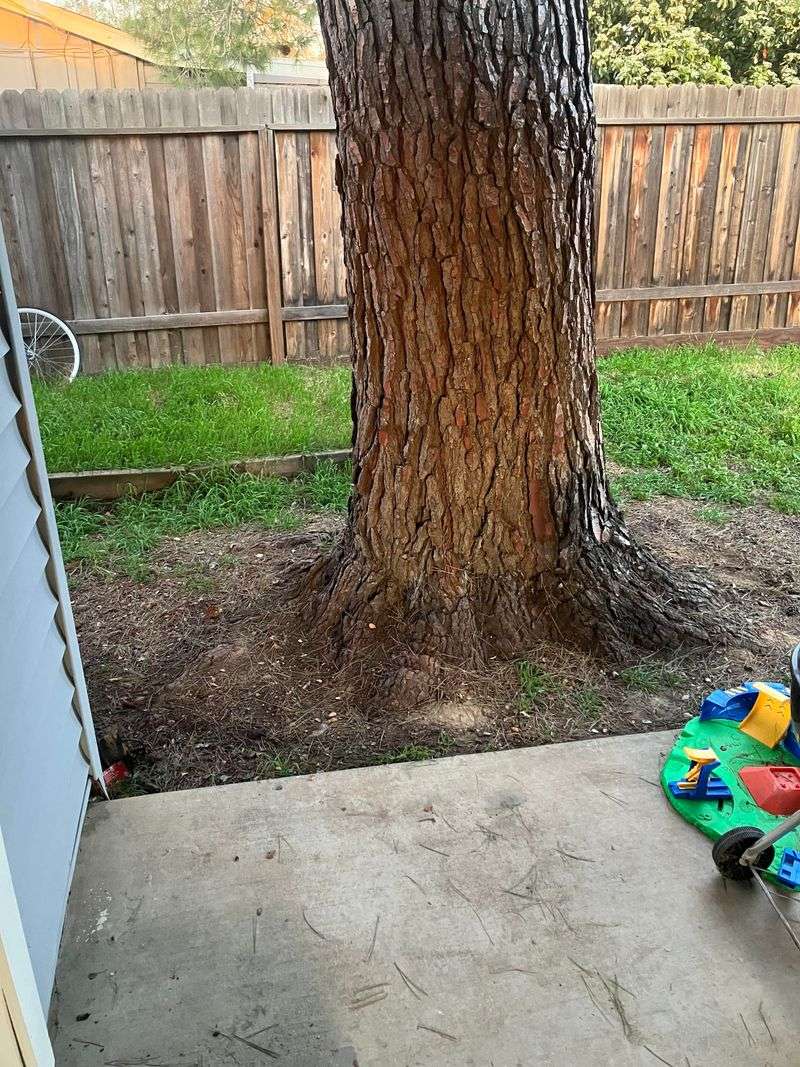
Not all tree root damage is equal under the law. A cracked or lifted sidewalk is frustrating, but a damaged foundation is a much bigger deal.
Foundation issues can affect the structural safety of a home, lower its market value, and cost tens of thousands of dollars to repair.
Because of the higher stakes, courts tend to take foundation damage claims more seriously. If root intrusion is proven to be the direct cause of foundation cracking or settling, the tree owner faces much greater potential liability than they would for a cracked driveway slab.
Foundation damage also tends to be harder to reverse. A lifted concrete panel can sometimes be ground down or replaced relatively easily.
Foundation repairs often require excavation, underpinning, or waterproofing work that is far more invasive and expensive. The longer the damage goes unaddressed, the worse it typically gets.
Homeowners dealing with potential root-related foundation issues should act quickly. Get a structural engineer involved as soon as possible.
Do not wait until the cracks widen or doors start sticking and floors start sloping. Early action limits the damage and strengthens your legal position.
Insurance coverage for foundation damage varies widely. Some policies exclude it entirely, especially if the damage is considered gradual rather than sudden.
Reviewing your policy now and speaking with your insurer before a problem starts is a wise move.
Knowing what is and is not covered helps you plan your next steps without any unpleasant surprises down the road.
7. Shared Or Boundary Trees Complicate The Answer
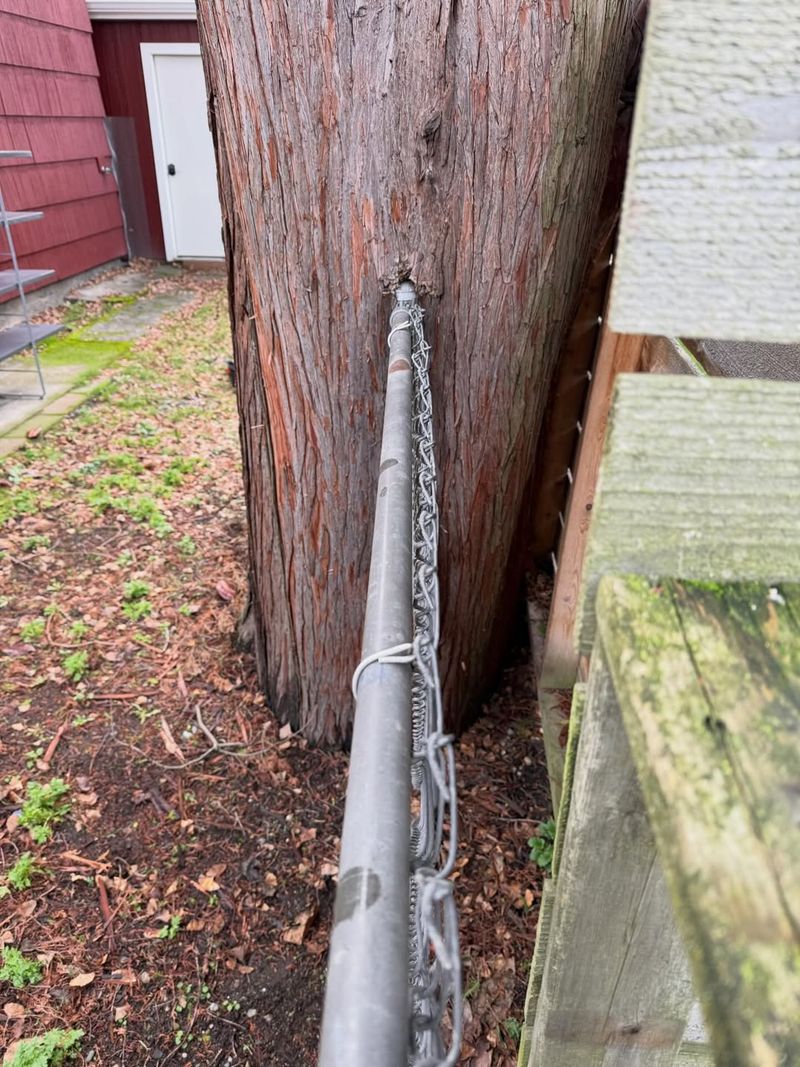
When a tree sits right on the property line between two neighbors, things get more complicated.
These are called boundary trees, and both owners technically share ownership of the trunk.
That shared ownership means shared responsibility, at least in theory.
Oregon courts have addressed boundary tree disputes in several cases. The general rule is that neither owner can remove or significantly alter a boundary tree without the other’s consent.
Both owners have a stake in the tree’s wellbeing, and both can share in the liability if the tree causes damage.
If roots from a boundary tree damage your foundation, you may share some responsibility simply because you are a co-owner of the tree. That might seem unfair, but it is the legal reality.
The best way to handle this is through a written agreement with your neighbor that spells out maintenance responsibilities before any problem arises.
A simple document signed by both parties and ideally notarized can clarify who is responsible for trimming, inspection costs, and any future damage claims. This kind of proactive planning prevents a lot of conflict down the road.
If you and your neighbor cannot agree on how to handle a boundary tree, consulting a local attorney who handles property disputes is a smart move.
Some disputes can be resolved through mediation without going to court, which saves both parties time, money, and stress.
Reaching an agreement early is almost always better than letting the situation grow into something much harder to resolve later.
8. Written Requests Are Safer Than Verbal Arguments
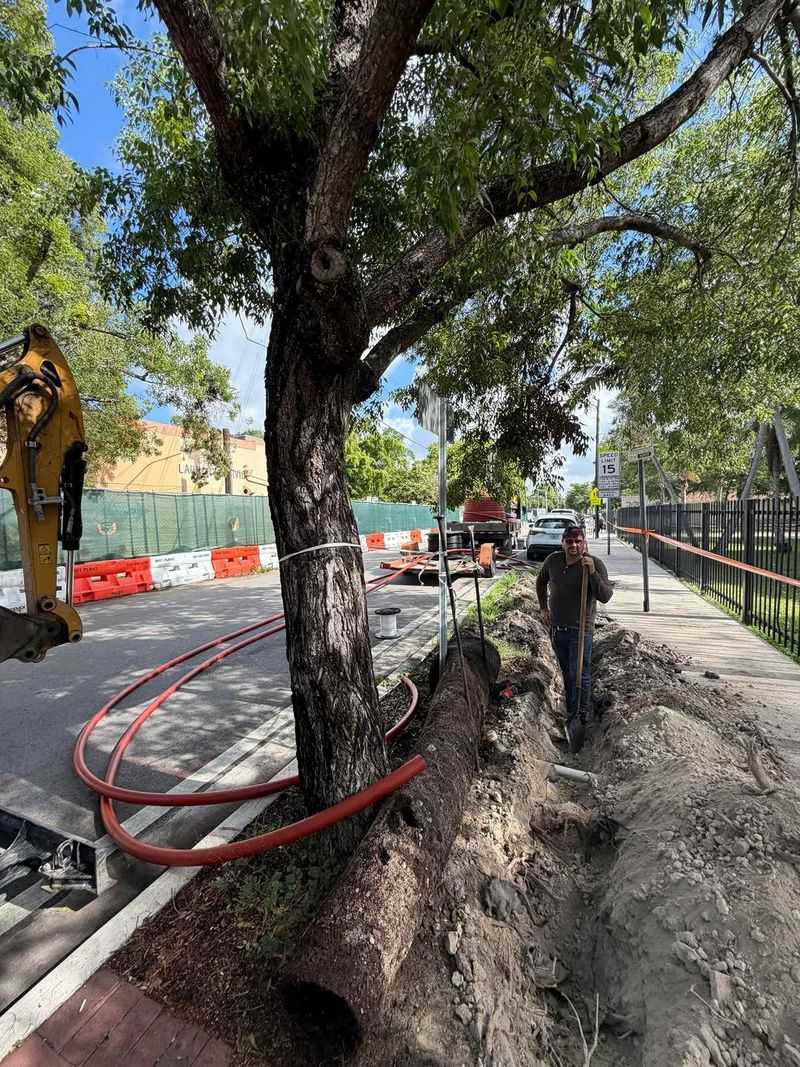
Neighborhood disputes about trees can get heated fast. What starts as a polite conversation can turn into a full argument before anyone realizes what happened.
That is why switching to written communication early in the process is one of the smartest things you can do.
A written request does several things at once. It creates a clear record of what you asked for and when.
It forces you to think through your request carefully before sending it. And it gives your neighbor something concrete to respond to, rather than leaving things open to misinterpretation.
Your written request does not need to be formal or aggressive. A friendly letter explaining the problem, sharing your concerns, and asking for a response is usually enough to get the conversation moving in a productive direction.
You can offer to split costs or suggest a joint inspection as a starting point.
If the situation escalates and you eventually need to involve an attorney or take the matter to small claims court, your written communications become evidence.
A paper trail showing that you tried to resolve things politely and reasonably makes you look responsible and fair-minded in front of a judge.
Keep copies of everything. Send letters by certified mail when possible so you have proof of delivery. Save all email threads and text messages related to the dispute.
Good record-keeping does not take much time, but it can make an enormous difference if the situation ever moves beyond a friendly neighborhood conversation into something that requires legal intervention.
9. A Nuisance Claim Is Usually The Last Step
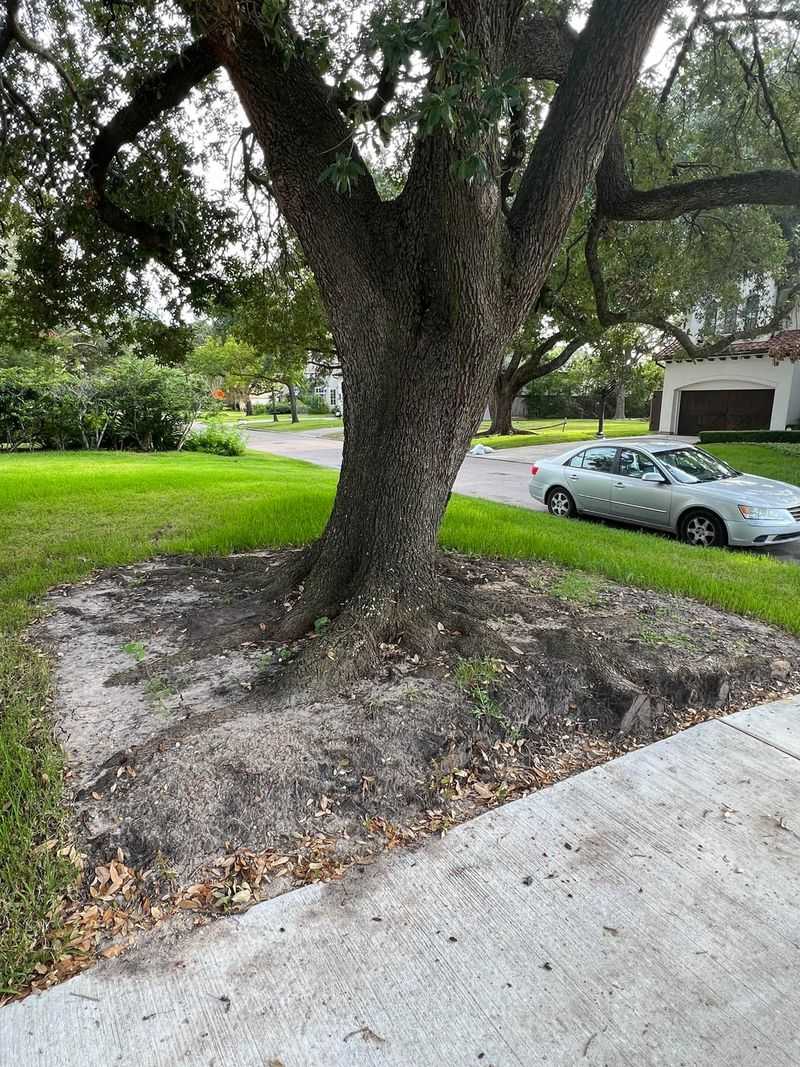
When everything else has failed, a homeowner in this state can pursue a legal nuisance claim against a neighbor whose tree is causing ongoing damage.
A nuisance claim argues that the tree or its roots are unreasonably interfering with your use and enjoyment of your property.
Oregon recognizes both private and public nuisance claims, but in tree damage cases, private nuisance is the more common path. To succeed, you generally need to show that the interference is substantial and unreasonable.
Minor inconveniences usually do not rise to the level of a legal nuisance. Courts weigh several factors when deciding nuisance cases.
They look at the severity of the damage, how long it has been going on, whether the tree owner was warned, and whether the affected neighbor took reasonable steps to protect their own property.
No single factor decides the case. Filing a nuisance lawsuit is not cheap or fast. Legal fees, court costs, and the time involved can add up quickly.
That is why it is considered a last resort rather than a first response. Many disputes that could have ended up in court are resolved earlier through mediation or a direct written agreement between neighbors.
Before filing anything, speak with a licensed Oregon attorney who handles property or real estate law. Many offer free initial consultations.
Getting professional legal advice tailored to your specific situation is far more valuable than any general information you can find online.
An attorney can tell you honestly whether your case is worth pursuing or whether another path makes more sense.