These 7 Oregon Native Perennials Grow So Thick Weeds Barely Get A Chance
Weeds are sneaky. They show up uninvited, spread fast, and make your garden look like a mess before you even notice they have taken hold.
One week the bed looks clean and intentional. The next week there are seedlings everywhere, and a whole weekend disappears into pulling them back out by hand.
But here is a secret that experienced Pacific Northwest gardeners already know: some Oregon native perennials grow so thick and so tough that weeds simply struggle to find room to establish themselves at all.
Instead of spending every weekend pulling unwanted plants, you can let nature do the heavy lifting for you, the way it has been doing it in Oregon’s forests and meadows for thousands of years.
The right native perennial, planted in the right spot, forms a living carpet or dense clump that shades out the soil, crowds out competition, and looks genuinely beautiful while doing it.
These plants evolved right here in Oregon, so they know how to handle the rain, the drought, the shade, and the sun better than most garden imports ever could.
Whether your yard has deep shade under a Douglas fir or a sunny dry slope baking in summer heat, there is a native perennial on this list ready to take over and make that space its own.
1. Oregon Iris Forms Tough Clumps
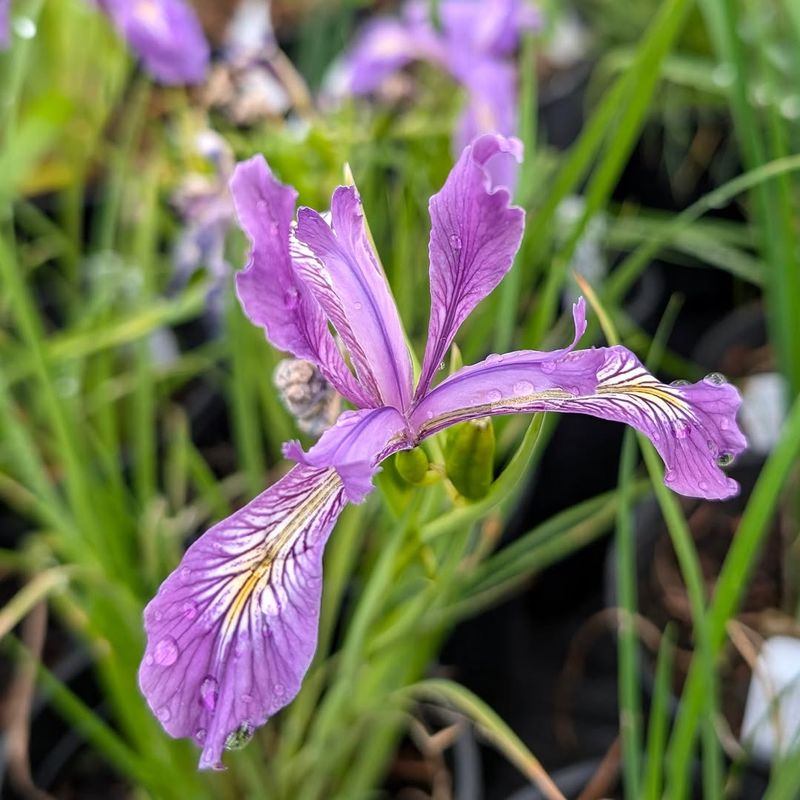
Tough, fibrous, and surprisingly beautiful, Oregon Iris earns its spot at the top of any weed-suppression list.
Known scientifically as Iris tenax, this native iris is the state flower of Oregon for good reason. Its clumping habit means it sends up tight bundles of grass-like foliage that get denser every single year.
Each spring, delicate purple to lavender blooms pop up above the leaves, adding real color before most other plants have woken up.
What makes Oregon Iris such a weed-blocking champion is how its root system works underground.
The rhizomes spread slowly but steadily, filling in gaps and leaving very little open soil for weed seeds to grab hold of.
Above ground, the strappy leaves stay dense enough to shade the soil surface for most of the growing season, and weeds that do manage to sprout rarely survive long in that kind of competition.
Oregon Iris thrives in full sun to part shade, making it flexible enough for many yard situations.
It handles dry summers well once established, which is a huge plus in western Oregon gardens where summer drought is a real challenge most years.
Plant it along borders, on gentle slopes, or in meadow-style beds where you want reliable coverage. Spacing clumps about 12 to 18 inches apart gives them room to fill in without overcrowding.
After a few seasons, those clumps knit together into a solid, low-maintenance mat that holds its own all year long without needing your help.
2. Inside Out Flower Covers Shady Soil
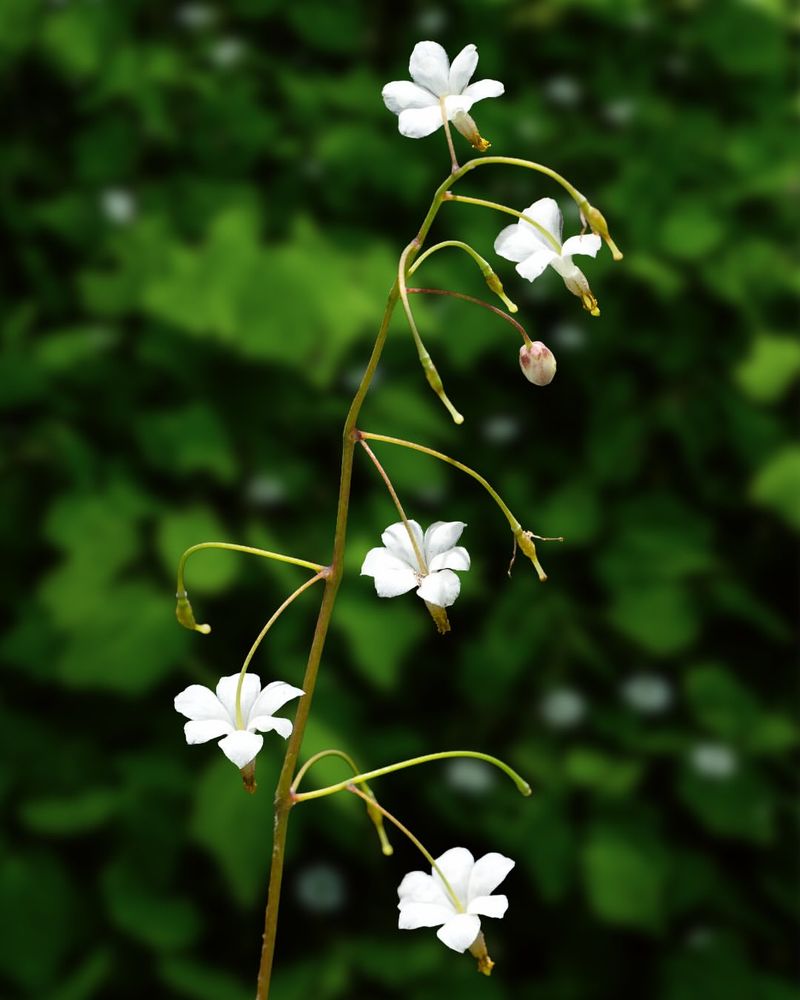
Many gardeners overlook this plant, and that is honestly a shame.
Vancouveria hexandra, commonly called Inside Out Flower, is one of the Pacific Northwest’s most underrated shade groundcovers.
Your Oregon Garden Changes Every Week. Your Plan Should Too.
Gardening in Oregon changes quickly throughout the season. Every Friday you’ll receive a simple weekly plan showing exactly what to plant, prune, fertilize, harvest, and protect so you never miss the right timing.
The name comes from its tiny white flowers, which have petals that fold back on themselves in the quirkiest way, but the real magic happens at ground level.
Shade gardens are often the hardest spots to manage because so few plants want to grow there.
Weeds like bittercress and hairy bittercress, however, are perfectly happy in those dim conditions. Inside Out Flower fights back by spreading through underground rhizomes that slowly but consistently claim new territory.
The canopy of soft, lobed leaves it creates stays dense enough to block light from reaching the soil surface, which is exactly what weed seeds need to sprout.
This plant loves the kind of dry to moist shade found under big conifers and deciduous trees throughout western Oregon.
It pairs beautifully with Western Sword Fern and Pacific Bleeding Heart for a layered woodland look that feels both natural and intentional.
Established plants need almost no supplemental water once summer arrives, making them a genuinely low-effort choice for difficult shaded corners.
Plant them in drifts of at least five to seven plants for the fastest coverage.
Once they settle in, Inside Out Flower takes over the ground and holds it without asking for much in return, season after season, with almost no intervention required.
3. Western Sword Fern Fills Deep Shade
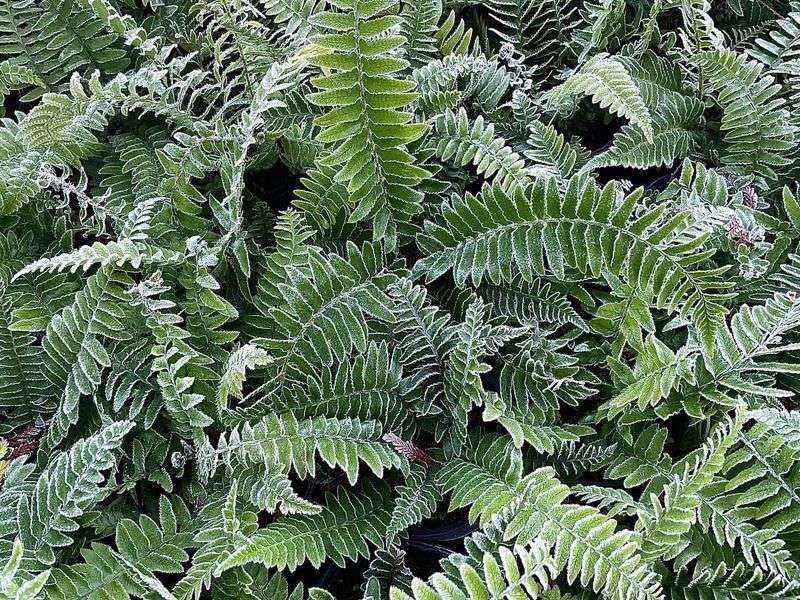
Walk into almost any old-growth forest in western Oregon and you will see it: massive, arching clumps of deep green fronds that fill the understory from the forest floor upward.
Western Sword Fern, or Polystichum munitum, is the backbone of Pacific Northwest shade gardening. It is evergreen, meaning it keeps those bold fronds all winter long, and it grows large enough to genuinely block out the soil beneath it.
A single mature clump can spread three to five feet wide over time, with fronds reaching up to four feet in length.
That kind of physical presence does a remarkable job of shading out the ground. Weed seeds that land under established sword ferns rarely get the light or warmth they need to take hold.
The dense root crown at the base of each plant also occupies the soil so thoroughly that few weeds can push through it.
Western Sword Fern is one of those rare plants that actually prefers deep shade, the kind of challenging spot where most gardeners give up and just let weeds take over.
It handles dry shade under Douglas firs and cedars far better than almost any other ornamental plant available. Established plants are extremely drought-tolerant and require almost no care once they get going.
For best results, plant them in groups of three to five and mulch lightly around the crowns at planting time. Within two to three seasons, those groups merge into a lush, unbroken sweep of green that shuts weeds out completely.
4. Pacific Bleeding Heart Spreads Softly
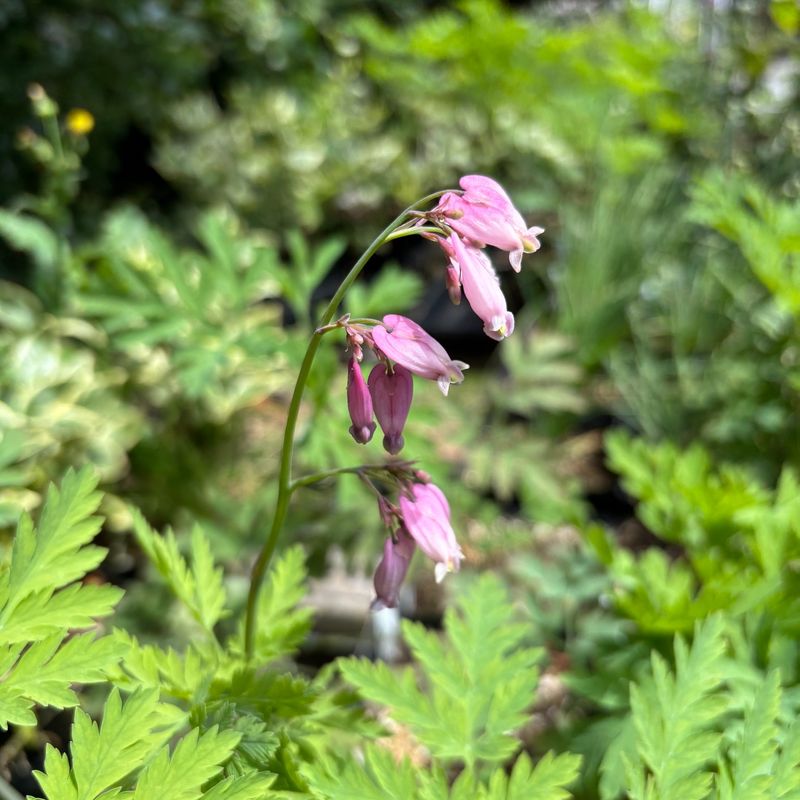
Few native plants manage to be both delicate-looking and genuinely aggressive spreaders at the same time. Pacific Bleeding Heart pulls that trick off beautifully.
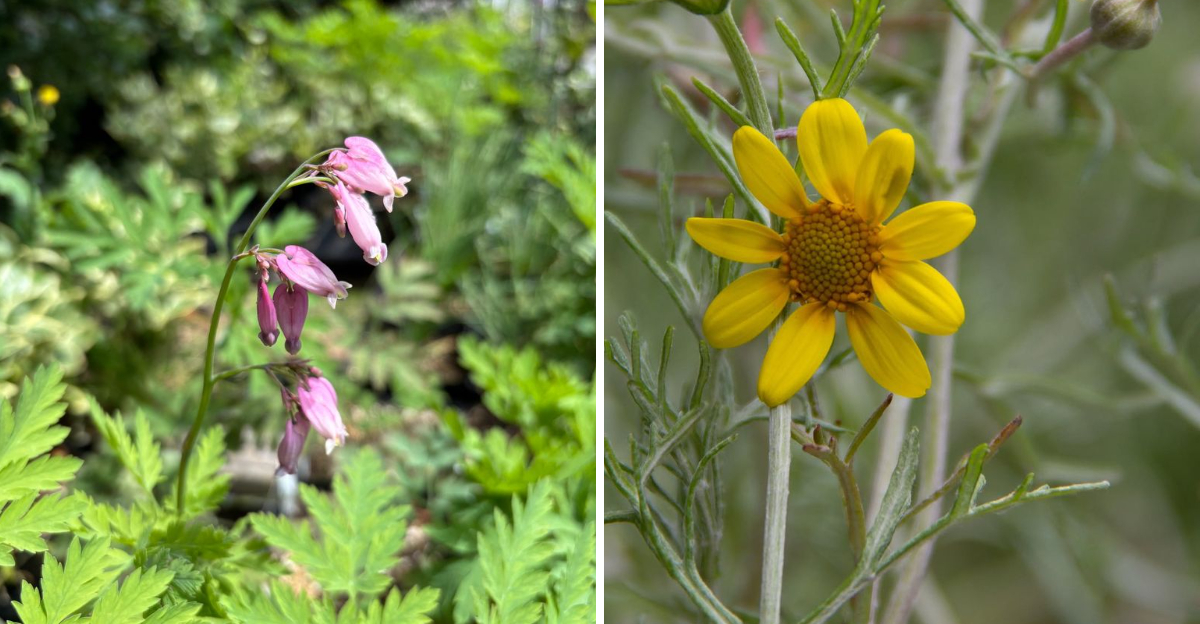
Dicentra formosa produces ferny, blue-green foliage that looks almost too soft to be a serious groundcover, but do not let the appearance fool you.
This plant spreads by rhizomes and self-seeds freely, filling in woodland beds with a lush carpet that gets thicker every spring.
The rosy-pink, heart-shaped flowers arrive early in the season, often starting in March in the Willamette Valley, and continue blooming in waves through early summer.
Pollinators love them, especially native bumblebees looking for early food sources after a long winter. After the flowers fade, the ferny foliage continues to shade the soil and suppress weeds right through the summer months that follow.
In drier spots, the leaves may go dormant by midsummer, so pairing Pacific Bleeding Heart with evergreen companions like sword fern fills in any seasonal gaps that develop.
This plant performs best in moist to moderately dry shade, making it ideal for the north side of buildings, under deciduous trees, or in shaded borders along fences.
It spreads at a pace that feels rewarding rather than alarming, gradually claiming new ground without becoming truly invasive.
Gardeners who want faster coverage can divide established clumps in early spring and replant sections throughout the bed for quicker results.
5. Redwood Sorrel Carpets Woodland Beds
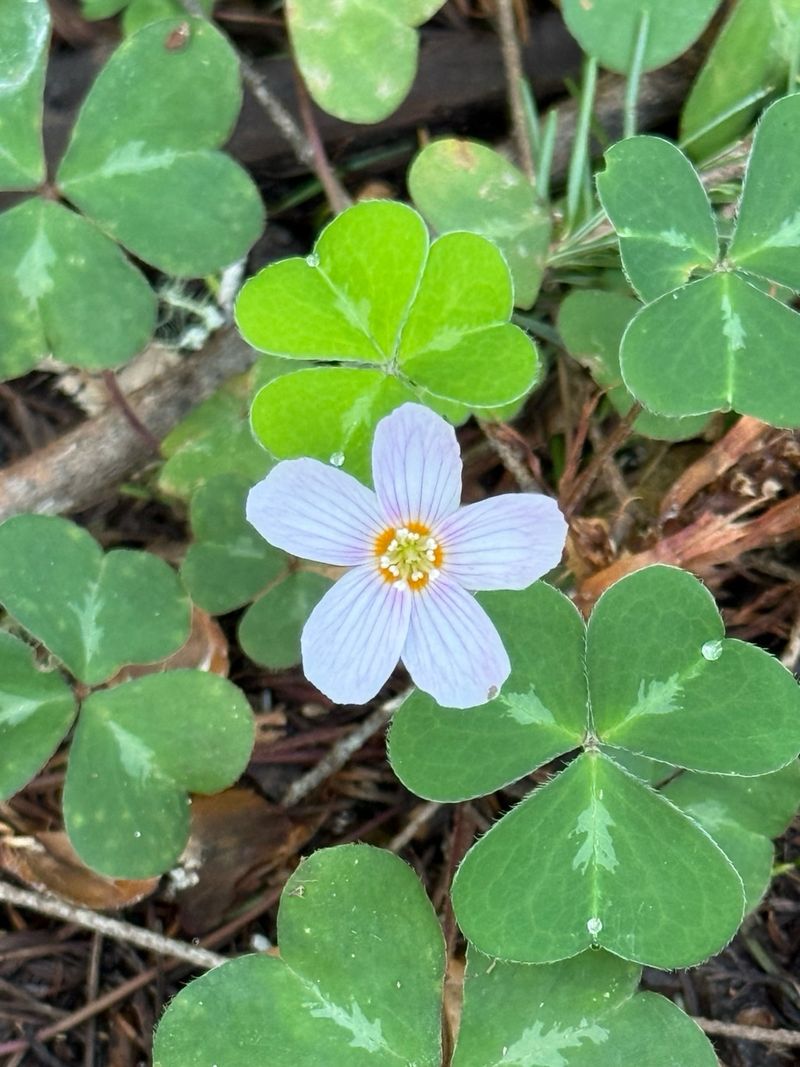
If you have a shady corner that feels impossible to fill, Redwood Sorrel might be exactly what you have been looking for.
Oxalis oregana is a native groundcover that forms one of the most satisfying carpets in all of Pacific Northwest gardening.
The heart-shaped, clover-like leaves stay low to the ground, rarely reaching more than six inches tall, and they spread in a dense, overlapping mat that covers bare soil with impressive thoroughness.
One of the coolest things about Redwood Sorrel is how it reacts to bright light.
When a shaft of sunlight hits the leaves, they actually fold down to protect themselves, then open back up once the shade returns.
This folding habit is a quirky little reminder that you are growing something with real personality, not just another generic groundcover.
The small white or pale pink flowers that appear in spring and early summer add a charming touch to the woodland floor without demanding any attention or maintenance from the gardener.
Redwood Sorrel thrives in the deep, moist shade found under conifers and along shaded stream banks throughout western Oregon.
It handles the dry summers that follow Oregon’s wet winters better than many shade plants, especially once it has been established for a full season.
The mat it forms is dense enough to crowd out most common weeds, including some of the sneakiest low-growing ones that plague shaded beds.
Plant it in drifts for maximum coverage and pair it with taller ferns for a layered woodland look that fills in beautifully over time.
6. Oregon Sunshine Covers Dry Slopes
Sunny, dry slopes are some of the most frustrating spots in any yard.
Irrigation is wasteful, conventional groundcovers struggle, and weeds seem to thrive no matter what you do to discourage them.
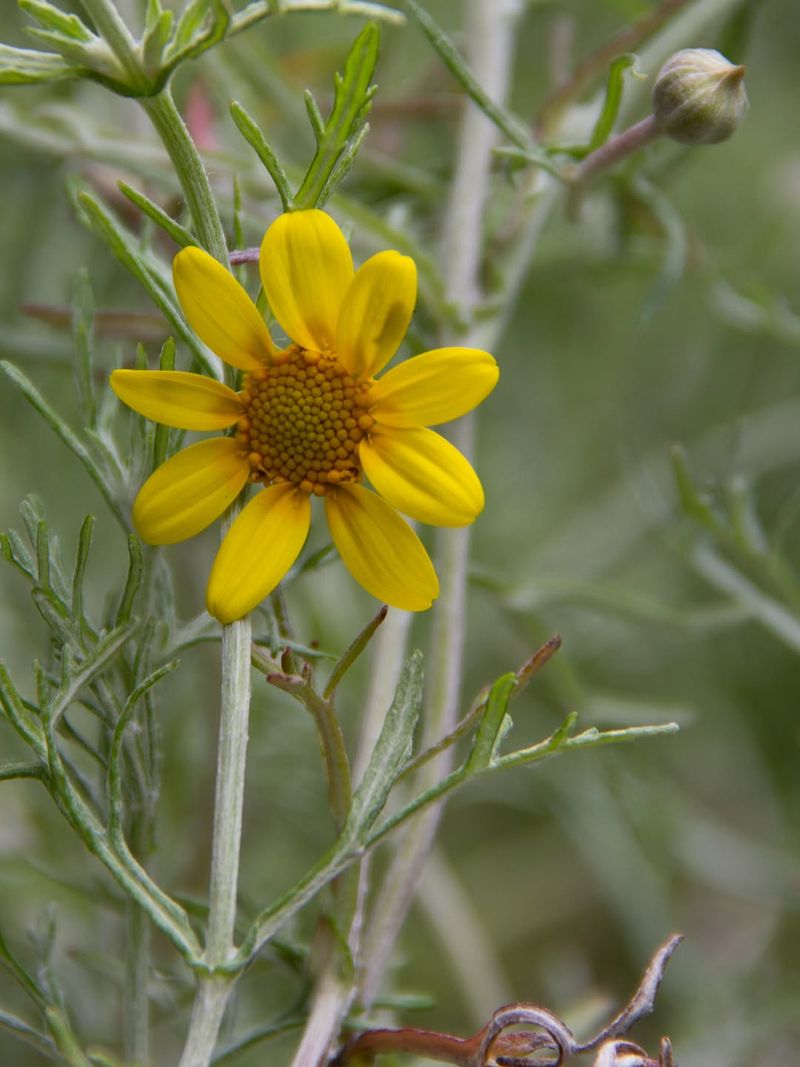
Oregon Sunshine, or Eriophyllum lanatum, was practically built for exactly this situation that frustrates so many homeowners.
This cheerful native perennial covers dry, rocky, and well-drained slopes with a spreading mound of silver-green foliage topped by bright yellow, daisy-like flowers that bloom from late spring right into summer.
The woolly texture of the leaves is not just for looks. That soft, silvery coating helps the plant reflect intense sunlight and conserve moisture during Oregon’s dry summers.
The low, spreading habit, usually staying under 12 inches tall, means Oregon Sunshine hugs the slope closely and shades the soil beneath it effectively.
Weed seeds landing on dry, shaded soil have a much harder time getting established, which is exactly the point of planting it there.
Oregon Sunshine is native to open, rocky habitats from the coast to the mountains across Oregon, so it handles a wide range of conditions.
It performs best in full sun with excellent drainage and minimal supplemental water once established, and overwatering is actually the most common mistake gardeners make with this otherwise forgiving plant.
Plant it in groups across a slope, spacing plants about 18 inches apart, and they will gradually merge into a flowing sweep of yellow and silver that solves the slope problem for good.
7. Yarrow Knits Sunny Borders Together
Yarrow has been growing across Oregon’s meadows, roadsides, and sunny hillsides for thousands of years, and there is a very good reason it keeps showing up everywhere across the state.
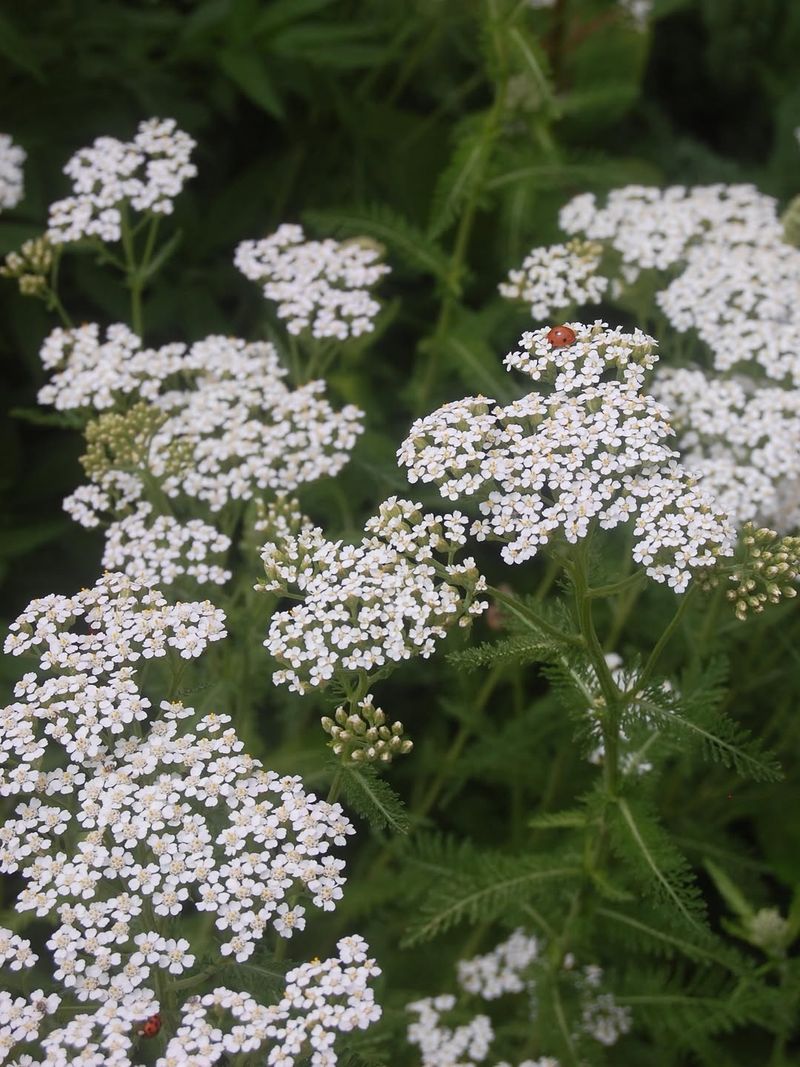
Achillea millefolium is a spreading perennial that forms a dense, feathery mat of finely cut foliage that stays green and lush even when summer gets seriously dry.
The flat-topped clusters of white flowers that appear from late spring through summer attract a parade of beneficial insects, from native bees to predatory wasps that help control garden pests.
What makes yarrow such an effective weed suppressor in sunny borders is the combination of its spreading rhizomes and its dense leaf canopy.
The roots travel horizontally through the soil, stitching together open ground and leaving little room for weeds to take hold.
Above ground, the feathery foliage overlaps in layers that shade the soil surface throughout the growing season, doing double duty as both groundcover and pollinator magnet.
Native yarrow grows best in full sun and tolerates poor, dry soil remarkably well.
Rich, moist soil actually causes it to spread more aggressively than most gardeners want, so lean soil is your friend here rather than something to fix with fertilizer.
Plant it along sunny borders, in dry meadow gardens, or on slopes where you want reliable, low-maintenance coverage.
Cutting plants back by about half after the first flush of bloom encourages a second round of flowers and keeps growth compact through the rest of the season.