The Late-Fall Feeding That Decides How Green Your New York Lawn Looks In Spring
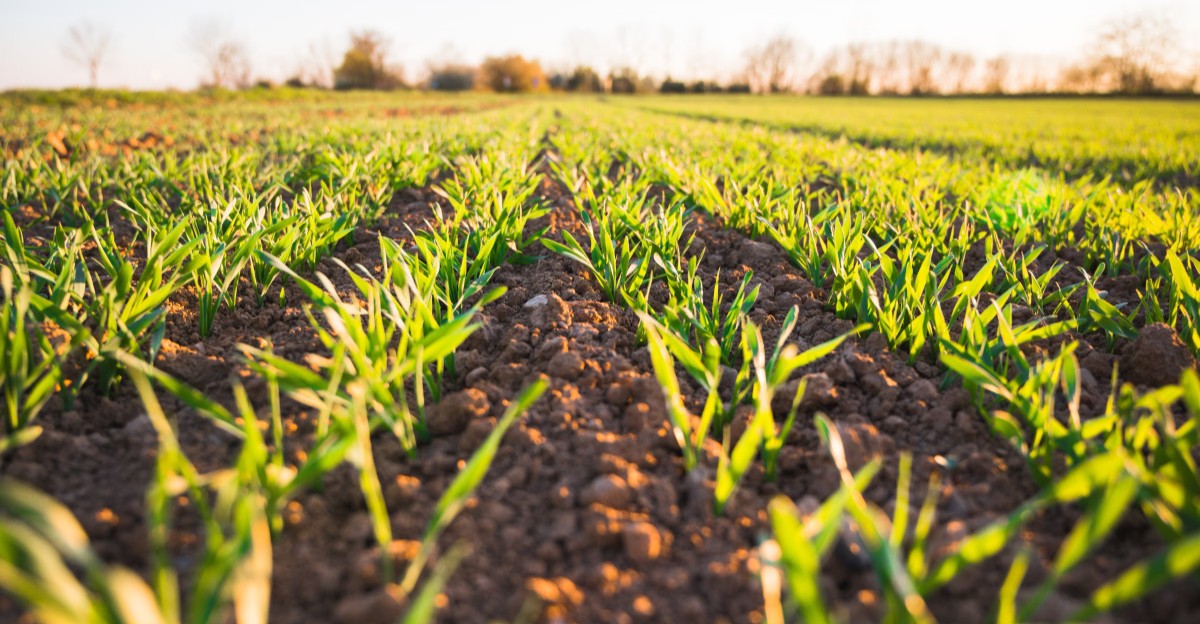
Grass roots keep growing in soil as cold as the low 40s, long after the blades stop needing a mower. That quiet underground shift caught me off guard the first time I learned about it.
I used to think the lawn simply shut down once the leaves dropped. Turns out the grass is busy stockpiling sugars, building roots, and getting ready for a fast start in April.
You might notice one yard on your street greening up weeks ahead of the others each spring. Luck rarely explains it.
A little evidence from Cornell turf research gave me a clearer picture, and in New York the timing window is shorter than most people expect.
Across New York lawns, the ones that win the spring race are often the ones fed in these late weeks.
The secret to that early green is sitting in a bag in many garages right now, and November is when it earns its keep.
Grass Roots Keep Working Under That Frosty Lawn
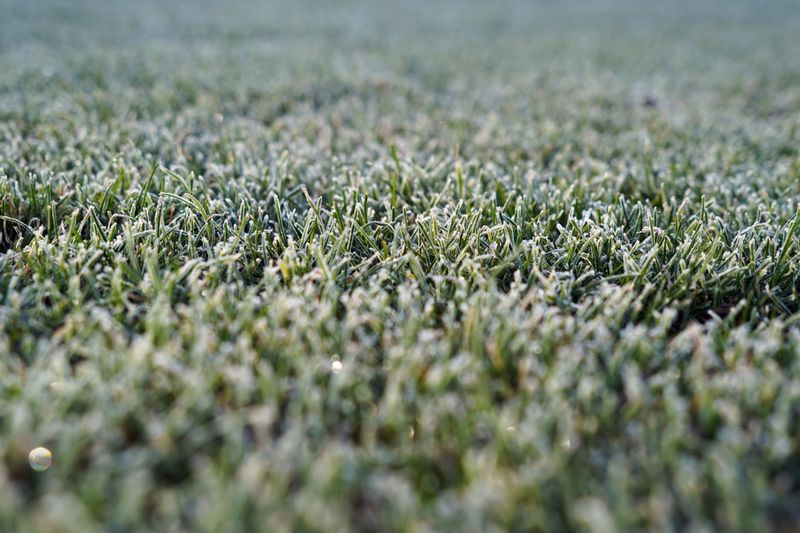
Frost on the blades fools a lot of us. The top of the grass looks sleepy, yet the roots below are still pulling in water and nutrients.
Cool-season grasses like Kentucky bluegrass, perennial ryegrass, and fine fescues slow their leaf growth when air temperatures drop.
Their roots, however, keep growing until the soil gets close to freezing. That gap between top growth and root activity is the secret behind the whole late-fall strategy.
When the blades stop asking for energy, the plant can send what it makes into storage. Sugars and starches pile up in the crowns, stems, and rhizomes. Think of the crown as a little pantry sitting right at the soil line.
I find this part pretty exciting. A lawn that looks finished for the year is quietly doing some of its most important work.
You can check it yourself on a mild November afternoon. Pull up a small plug with a trowel and look for bright white root tips. Fresh white tips mean active growth.
Those busy roots are the reason a well-timed feeding pays off. They are ready to take up what you give them and tuck it away for spring.
A Final Nitrogen Snack Fuels That Early Spring Green-Up
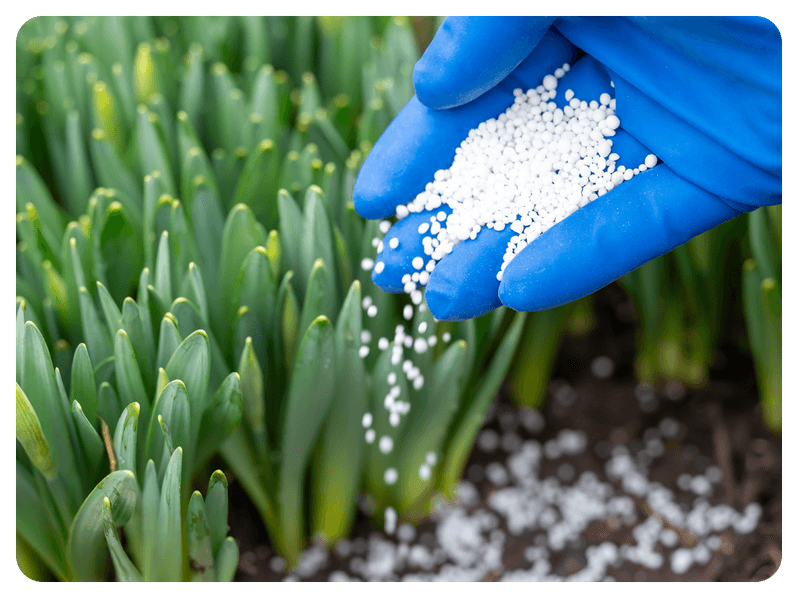
Here is the payoff in plain terms. A light dose of nitrogen applied while grass is still green, but barely growing, helps the plant store more energy and hold its color deeper into fall.
Penn State, Cornell, and other turf programs have studied this late-season feeding for years. Lawns that get it often green up earlier in spring and look denser than unfed turf.
The grass does not burst into heavy top growth in November because cool weather keeps it in check.
Instead, the nitrogen supports chlorophyll and root activity, and the extra carbohydrates get banked. Come April, the lawn draws on that savings account instead of starting from empty.
The amount matters more than you might expect. Most recommendations land around one-half to one pound of actual nitrogen per 1,000 square feet. Bigger doses mostly wash away or feed snow mold.
One bonus surprised me. A late feeding can reduce the need for a heavy early spring application, which often pushes leafy growth at the expense of roots.
So the spring color you admire really starts with a modest meal in fall. Small portion, smart timing, big difference.
Watch Your Last Mow and Soil Thermometer for Spreader Timing
Calendars help, but your mower gives a better clue. The ideal moment usually arrives right around your final mow of the year, when the grass is still green but growing very slowly.
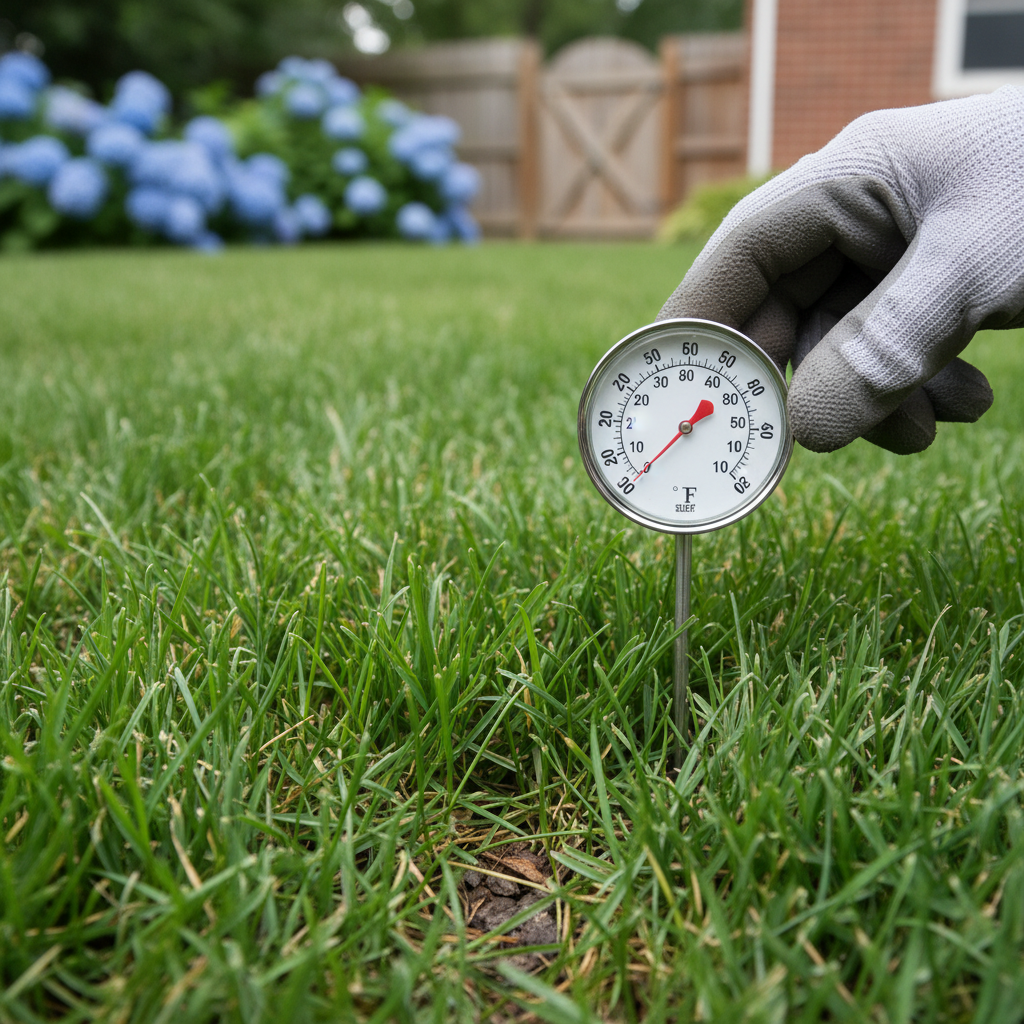
Soil temperature makes a handy guide. Many turf specialists aim for soil in the 40s to low 50s and dropping.
A simple probe thermometer pushed about four inches deep tells you more than the weather app.
Across New York, the window shifts a lot. The Adirondacks, North Country, and higher spots in the Southern Tier often hit these temperatures by mid to late October.
The Hudson Valley, Rochester, and Buffalo areas commonly land in early November. Long Island and New York City can stay workable later, though local rules may cut that short.
The ground should not be frozen, and the grass should not be dormant brown. Feeding a sleeping lawn wastes product and sends nutrients toward storm drains.
I like to check the forecast too. A dry day before a light rain helps granules settle into the soil without washing off.
Miss your perfect week? A slightly early application still helps more than a late, frozen-ground one.
Reading the Numbers on That Winterizer Fertilizer Bag
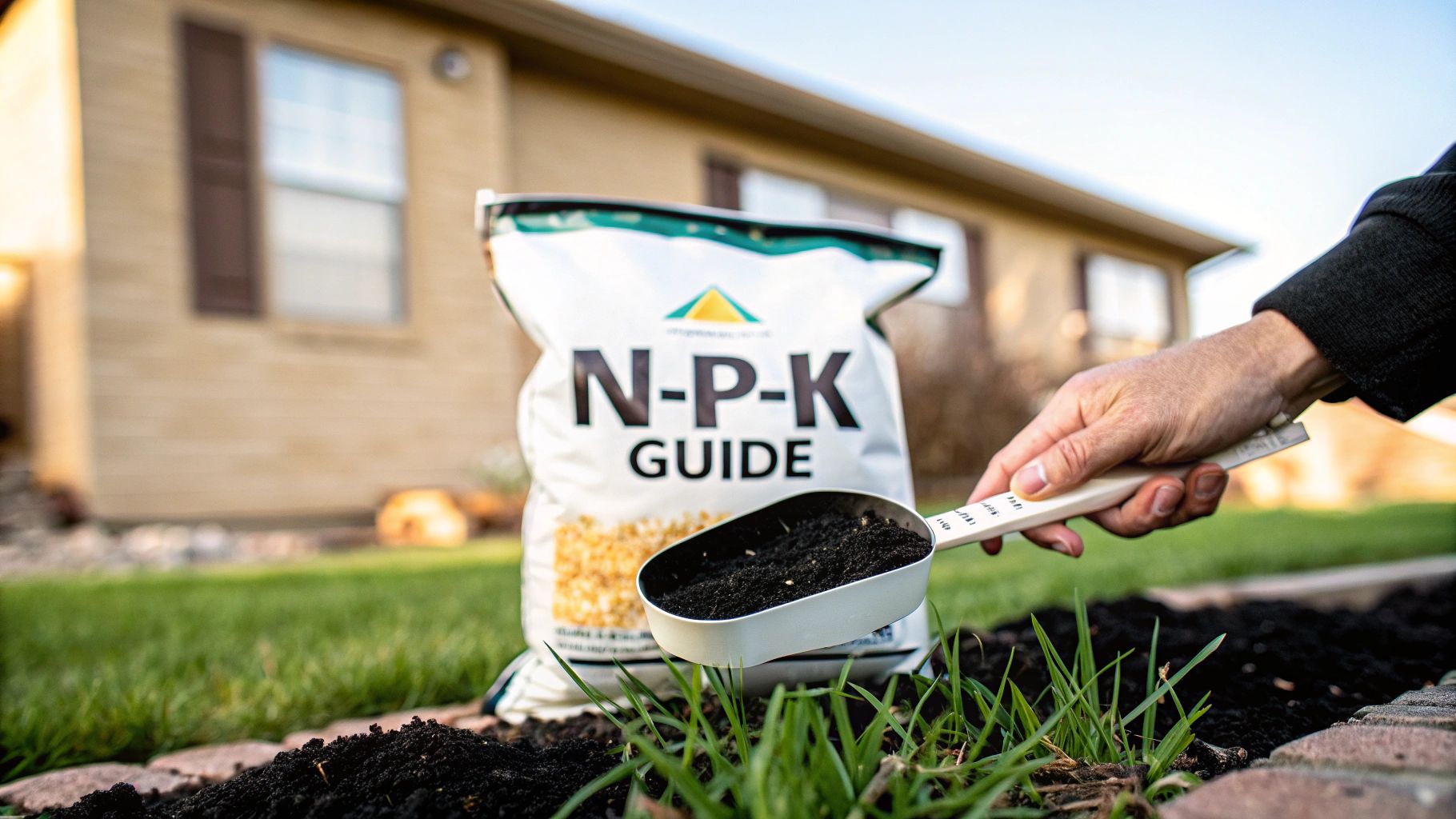
Those three numbers on the bag tell the whole story. They stand for nitrogen, phosphorus, and potassium, in that order.
Nitrogen is the star for this job. It drives the deep green color and helps the grass keep making food.
Potassium plays a supporting role, helping with cold tolerance and stress, though many New York soils already hold plenty of it.
Phosphorus is the number to watch. On established lawns, the middle number should read none unless a soil test shows a real shortage.
The state restricts phosphorus lawn fertilizer for good reason, since it fuels algae in lakes and streams.
Products labeled winterizer vary a lot, so ignore the marketing and read the label. Something like 24-0-10 or a similar phosphorus-free blend works well.
Quick-release nitrogen such as urea gets taken up fast in cool soil, which suits a late feeding. Slow-release forms depend partly on soil microbes, and those slow down as temperatures fall.
Fun fact: a soil test from your county Cornell Cooperative Extension office is usually inexpensive. It may save you from buying nutrients your lawn already has in abundance.
New York Fertilizer Cutoff Dates Can Sneak Up on You
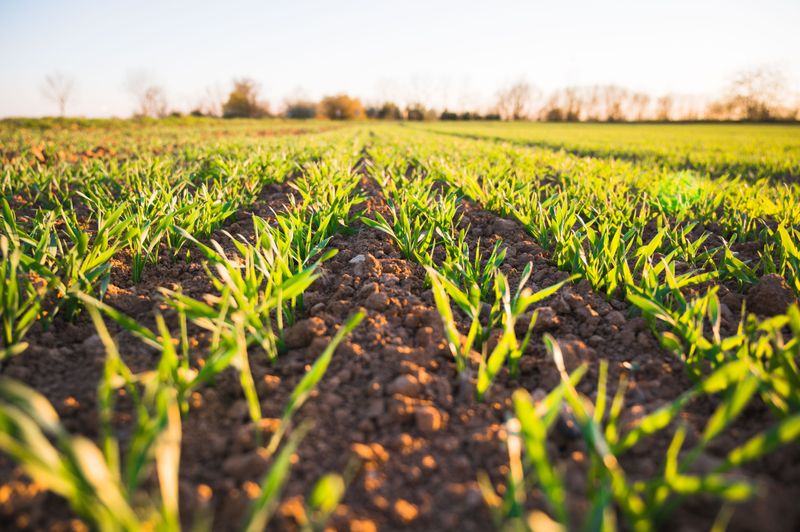
Mark this on the calendar now. New York law prohibits applying lawn fertilizer between December 1 and April 1 across the state.
The rule comes from the Nutrient Runoff Law, which also limits phosphorus and keeps fertilizer off paved surfaces. Frozen or sleepy turf cannot use nutrients well, so winter applications mostly end up in water.
Some places start earlier. Nassau County and Suffolk County on Long Island set stricter fall cutoffs, so check each county’s current rules before applying. Long Island sits over a sole-source aquifer, so local officials take nitrogen seriously there.
Westchester and a few other counties have their own fertilizer rules as well. Laws can change, so a quick look at your county website or extension office before buying is wise.
The law also asks you to stay at least 20 feet from water bodies, or 3 feet if using a drop spreader or with a vegetated buffer. Sweep stray granules off sidewalks and driveways back onto the grass.
I treat these dates as my real cutoff. Planning a week or two before the cutoff gives you wiggle room for rainy weekends.
Thin Pale Turf in April Often Means a Skipped Fall Feeding
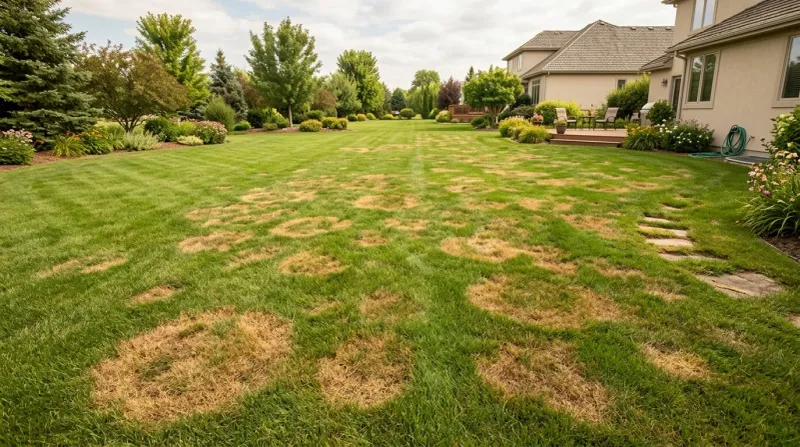
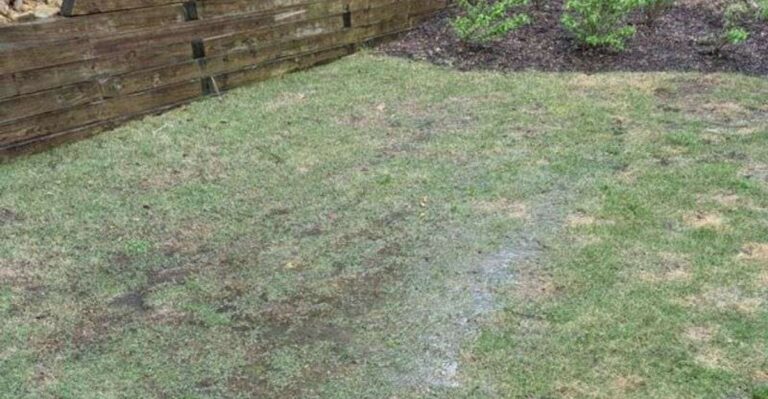
Spring has a way of exposing fall shortcuts. A lawn that went into winter hungry often wakes up slow, pale, and patchy.
Without stored carbohydrates, grass has less energy to push new leaves and roots. Neighbors with fed lawns may enjoy green color a couple of weeks sooner, while unfed turf lingers in that tired straw shade.
Thin spots bring their own trouble. Bare soil invites crabgrass, dandelions, and other opportunists once the ground warms. Weeds rarely struggle to find room in a sparse lawn.
To be fair, slow spring color is not tied to fertilizer alone. Compacted soil, shade, poor drainage, low pH, grubs, and snow mold can cause similar results. A soil test and a quick look at your yard conditions help sort out the real cause.
I skipped a fall feeding once during a busy year. The front lawn looked faded until nearly May, and I spent more on spring weed control than the fertilizer would have cost.
Lesson learned. A missed fall meal is not a disaster, yet it often costs you time and extra work when the growing season starts.
Too Much Fertilizer Can Invite Snow Mold Patches
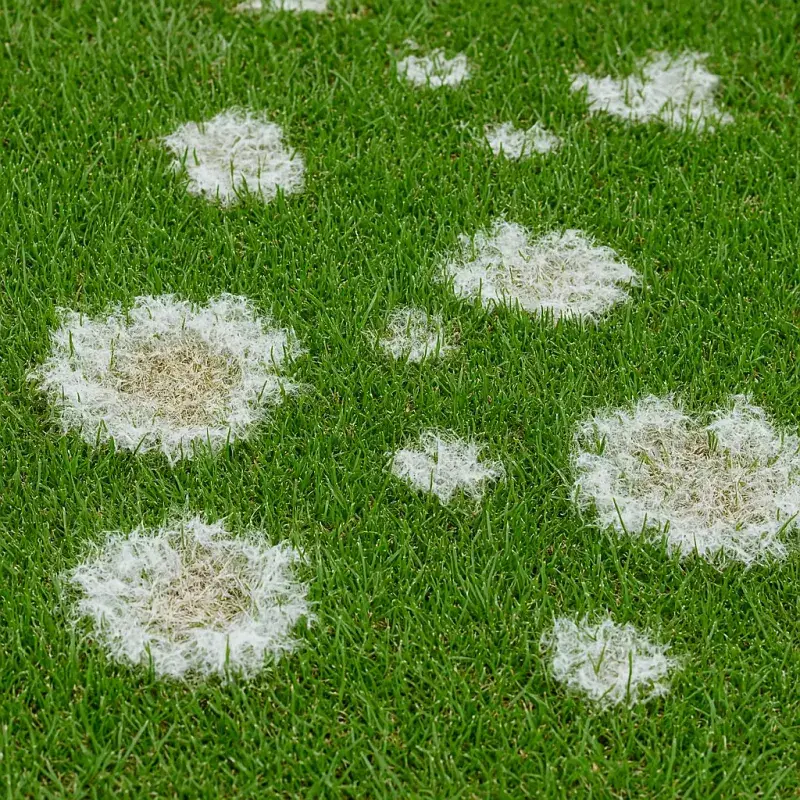
More is not better in late fall. Heavy doses of nitrogen can leave grass soft and lush right before snow arrives, and that lush growth is a favorite target for snow mold.
Gray snow mold and pink snow mold show up as circular, matted patches after snow melts. They are common in upstate areas with long snow cover, especially around the Tug Hill region and Western New York snowbelts.
Most lawns recover once things dry out. Gently rake matted patches in spring so air can reach the crowns.
Your fall routine can lower the risk a lot. Stick to the label rate, keep the application modest, and avoid feeding so late that granules sit on frozen ground.
Mowing height helps too. Long, floppy grass under snow tends to mat down, so a final cut slightly shorter than summer height is a smart move.
Leaves are another culprit. A thick blanket of wet maple or oak leaves traps moisture and smothers grass.
Mulch them with the mower or rake them off before the snow flies. Balanced feeding gives you color without the fuzzy surprises.
Mulched Leaves and a Final Mow Finish the Job
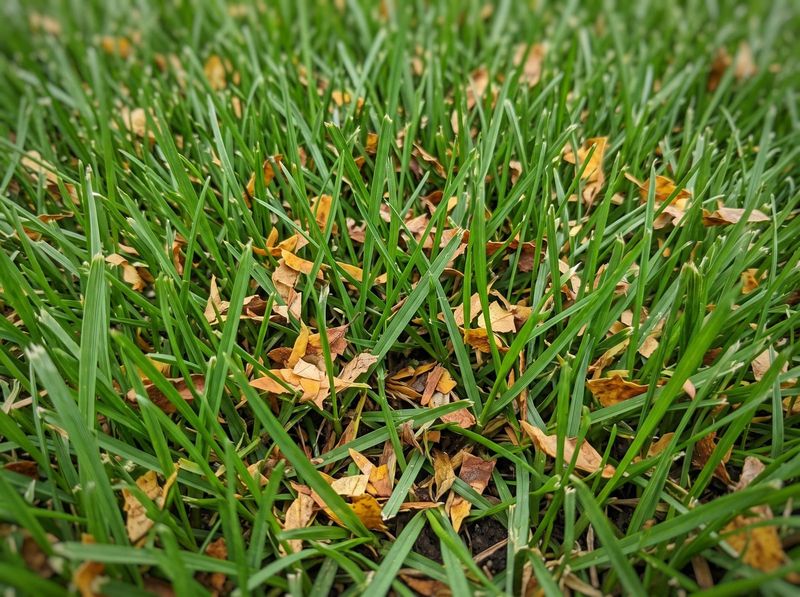
Feeding is the headline, but a few easy habits make it work better. My favorite is running the mower over a light layer of fallen leaves.
Shredded leaves break down into the soil and feed earthworms and microbes. Michigan State and other universities have found that mulching moderate leaf amounts does not hurt turf and may even help it.
Just keep the grass blades visible after mowing. Grass clippings count as free fertilizer too. Leaving them on the lawn all season returns a good chunk of nitrogen, so you can feed a little less overall.
Keep mowing until the grass stops growing. For the final cut, many experts suggest around 2.5 to 3 inches for bluegrass and fescue lawns.
Water matters if fall turns dry. Roots cannot use nutrients from parched soil, so a deep soak before the ground freezes can help.
Here is my takeaway for New York gardeners. Test your soil, feed lightly near the last mow, respect the cutoff dates, and tidy up the leaves. Do those few things, and you set up a spring lawn that greens up early.