8 Animals That Might Be Hibernating in Your New York Yard Right Now
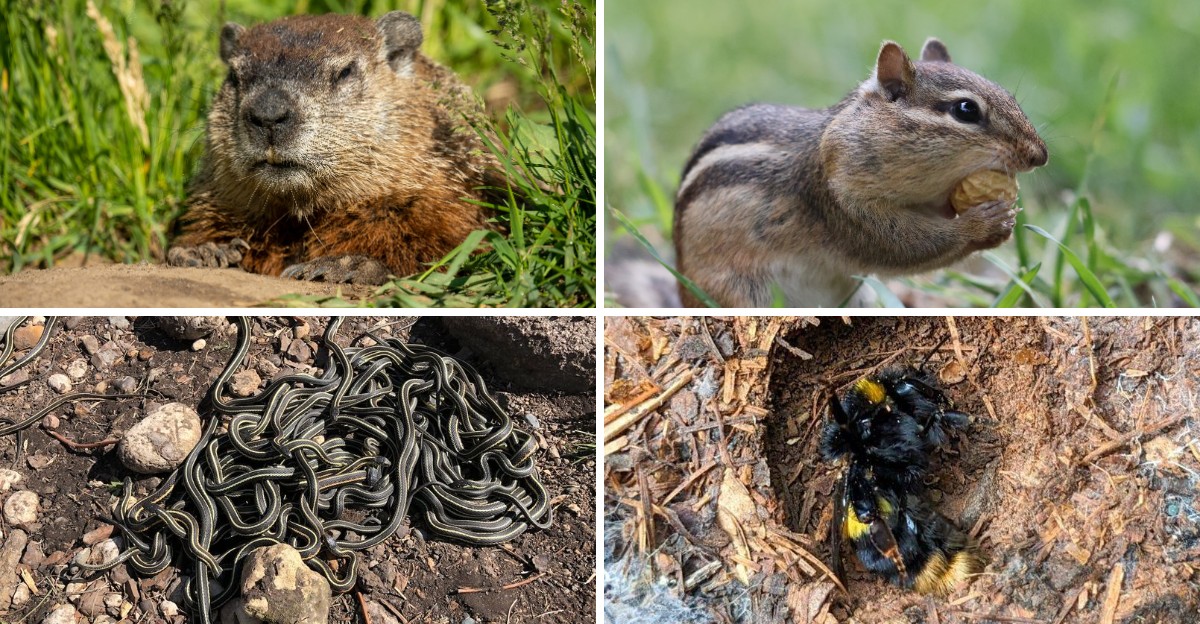
Somewhere under a frozen New York lawn, a furry heart might be thumping only four or five times per minute. That same sleeper once raced around at about eighty beats, and it will not eat a bite until spring.
Other backyard neighbors are tucked into leaf piles and soft garden soil just a few inches below your boots. A few even wake every couple of days for a quick snack from their private underground pantries.
I have to admit that I tidy my garden beds much more gently once the cold settles in. You might notice how quiet your yard feels, yet plenty of life is resting right beneath that stillness.
Some of these sleepers are true hibernators, while others simply doze through the coldest stretches. So who exactly is snoozing under your porch or inside that forgotten flowerpot by the shed this winter?
1. Woodchucks Snooze Deep Inside Backyard Burrows
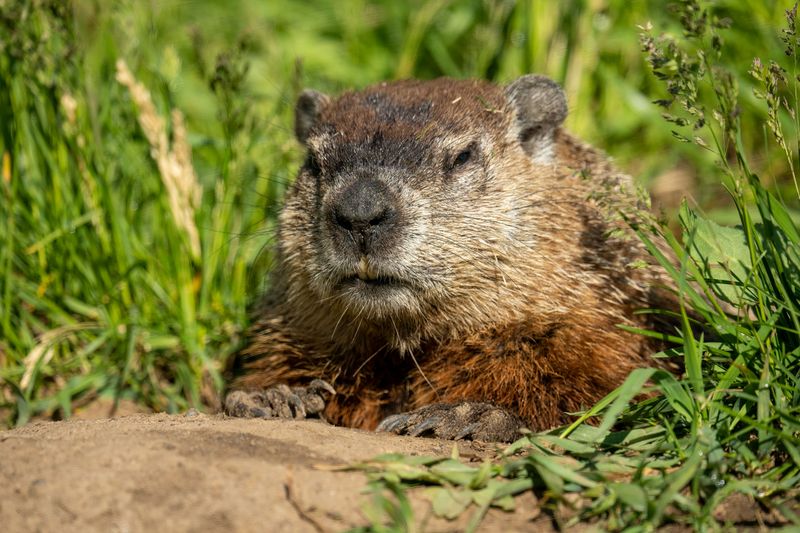
Woodchucks pack on so much fall fat that they can lose close to forty percent of their weight by spring. That chubby lawn bandit you chased away from your lettuce is now curled up in a grassy underground bedroom.
Most woodchucks head underground between mid-September and October, which feels early when your tomatoes are still ripening. Their burrows can reach two to five feet deep and stretch surprisingly long under lawns and garden edges.
Inside a snug chamber, the sleeper rests on a round nest of dry grass and other plant fibers. Its heart slows from around eighty beats per minute to just four or five, which still amazes me.
Body temperature also plunges to roughly the high thirties Fahrenheit, close to the chill of your refrigerator. Woodchucks do not get up to eat during this long sleep, so every bit of energy comes from stored fat.
You might spot a large burrow opening near a shed or along a fence line at the yard edge. Fresh mounds of dirt beside the hole are a solid clue that someone moved in before the frost.
Personally, I leave winter burrows alone, because disturbing a hibernating animal burns through its precious fat reserves. Late winter is a smart time to plan sturdy fencing buried about a foot deep around vegetable beds.
Males often stir first in late winter, wandering around to find mates before the main spring emergence. So when that famous groundhog forecast comes around, remember a real one might be napping under your grass.
2. Eastern Chipmunks Wake Up For Midwinter Snacks
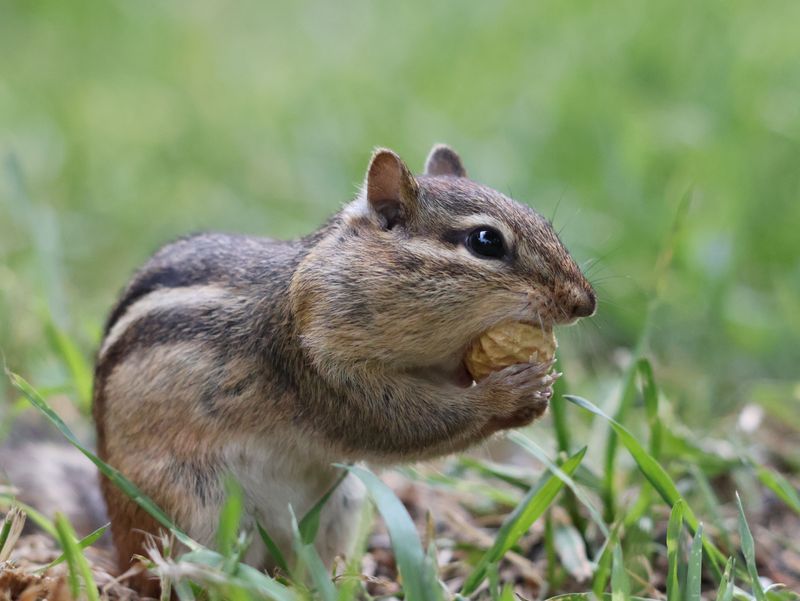
Chipmunks treat winter like a long series of naps broken up by midnight snack runs to the pantry. I love that these striped little hoarders plan ahead much better than I do for snowstorms.
Eastern chipmunks usually retreat underground in late October or early November, once the air turns crisp and cold. Unlike woodchucks, they skip the heavy fat buildup and rely on stashed food to get through winter.
Their burrows include a cozy nest chamber plus separate storage rooms packed with seeds and nuts gathered all fall. Every few days they wake up to nibble from the stockpile before drifting back into a chilly sleep.
During those resting spells, body temperature drops to around forty degrees Fahrenheit and the heart slows dramatically. Scientists call this pattern torpor, and it lets chipmunks save energy without starving in the dark.
Look for small, neat holes about two inches wide with no dirt piled around the entrance. Chipmunks carry soil away in their cheeks, so the opening blends right into your lawn or garden bed.
They love digging near stone walls and old logs, where hungry hawks have a harder time spotting them. If burrows sit beside a foundation, consider moving woodpiles and bird feeders farther away next season.
You may even catch one scampering across the snow on a mild sunny afternoon in late winter. That brief outing is perfectly normal, so enjoy the cameo and let the little forager head back home.
3. Garter Snakes Gather In Rocky Winter Dens
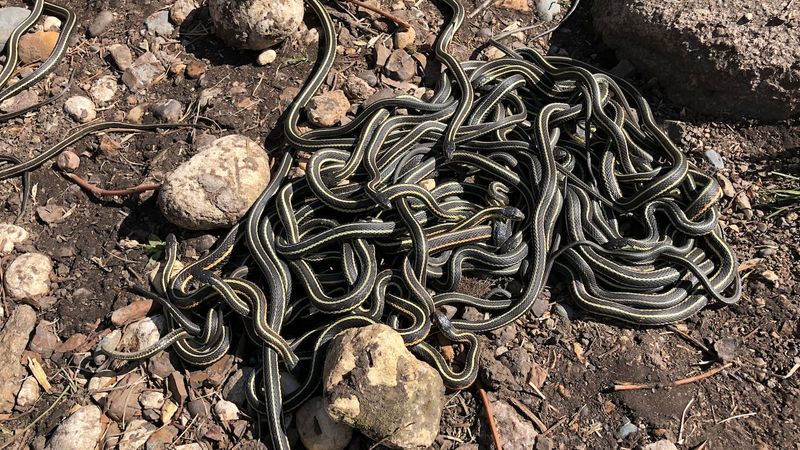
Hundreds of garter snakes sometimes pile into a single winter den, sharing warmth like a scaly slumber party. I can’t decide if that sounds adorable or alarming, but it is truly fascinating to think about.
Reptiles do not truly hibernate, so experts call their winter slowdown brumation instead of the usual term. Garter snakes cannot make their own body heat, so they must hide somewhere that stays above freezing.
In much of New York, this quiet season runs from around October until April, depending on the weather. Their winter shelters are called hibernacula, and they often sit deep underground below the frost line.
Old woodchuck burrows and rock piles make popular choices for these slender sleepers seeking safe winter quarters. Some even slip into cracks along house foundations, which explains a few surprise basement visitors each spring.
Garter snakes are harmless to people and help gardeners by eating slugs and other soft-bodied critters. Their main defense is a smelly musk, which is a good reason to admire them without picking them up.
If you find one curled beneath garden debris this winter, gently replace the cover and walk away. A chilled snake moves slowly and cannot easily find a new safe spot until warmer days arrive.
You need to think twice before clearing every stone pile from your property, since they shelter useful wildlife. Leaving one rocky corner wild gives these slug hunters a winter home close to your vegetable beds.
4. American Toads Dig Down Into Soft Garden Soil
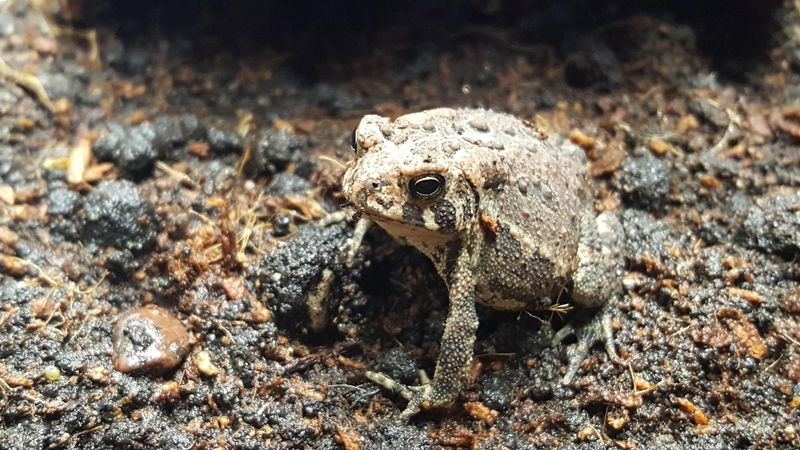
Backyard toads dig into the soil hind feet first, shuffling backward until they disappear like magic. I watched one vanish beside my hostas once, and I still grin thinking about that wiggly exit.
American toads are common across New York, and they spend most of their lives on land rather than water. Like snakes, they rely on outside temperatures for warmth, so winter forces them into a deep rest.
This amphibian version of brumation slows their breathing and heartbeat way down until spring warms the ground. Unlike some frogs, American toads cannot survive being frozen solid, so they dig below the frost line.
Loose garden soil and thick leaf litter make tempting winter hideouts, especially in quiet corners of the yard. They may also settle under rotting logs, where the ground stays a bit softer and more insulated.
Every toad in your yard can eat a huge number of slugs and insects during a single summer. That pest control is free, which makes protecting their winter beds worth a little extra care.
Personally, I hold off on deep digging or rototilling garden beds until late spring has fully arrived. A sleeping toad buried a few inches down could easily get injured by a shovel or tiller blade.
Toads usually reappear around late April, and soon their long, trilling songs fill the evening air near ponds. A shallow dish of water and a shady rock pile will make them feel welcome all season.
5. Eastern Box Turtles Rest Beneath Leaf Litter
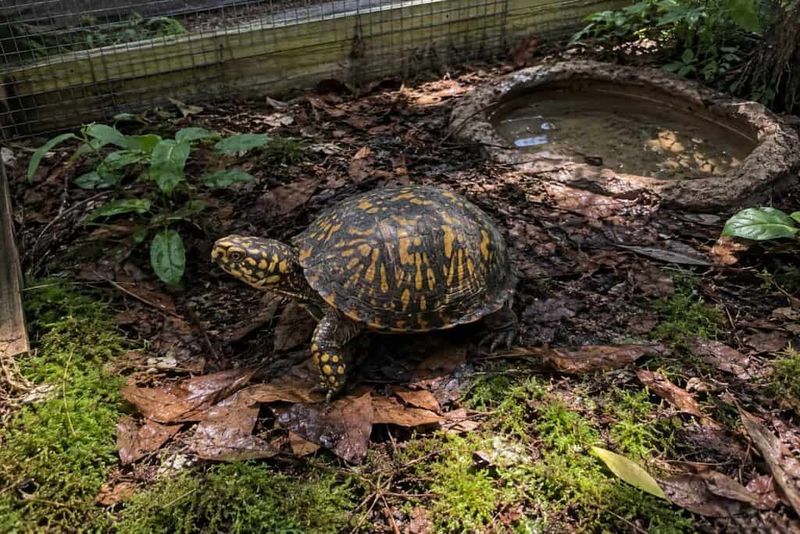
Eastern box turtles can live for decades, and some wild individuals are known to pass fifty years. I find it humbling that a turtle napping in my woods might be older than my garden.
Box turtles usually settle down for winter in October or November and wake in April or May. They dig shallow burrows into loose soil or leaf litter, often tucked beneath logs or rocks.
Their breathing and heart rate slow dramatically, letting them coast through months when food is scarce. As the ground cools, they may scoot a little deeper into the soil to stay just below the frost.
Box turtles are a species of special concern in New York, mostly because of habitat loss and road traffic. Collecting one as a pet requires a state permit, so please admire wild turtles right where they are.
They tend to live in wooded areas and nearby fields, so yards near forests have the best odds. Downstate and Hudson Valley gardeners are more likely to host one than folks in colder northern regions.
You need to rake gently in shady corners during winter, because a buried turtle sits only inches down. Better yet, leave a patch of leaves and fallen branches untouched as a ready-made winter shelter.
Mowing is another spring hazard, so raise your mower blade and scan the grass before cutting. Those bright orange and yellow shell patterns are easier to spot on sunny mornings than you might expect.
6. Little Brown Bats Hang Tight Through The Cold
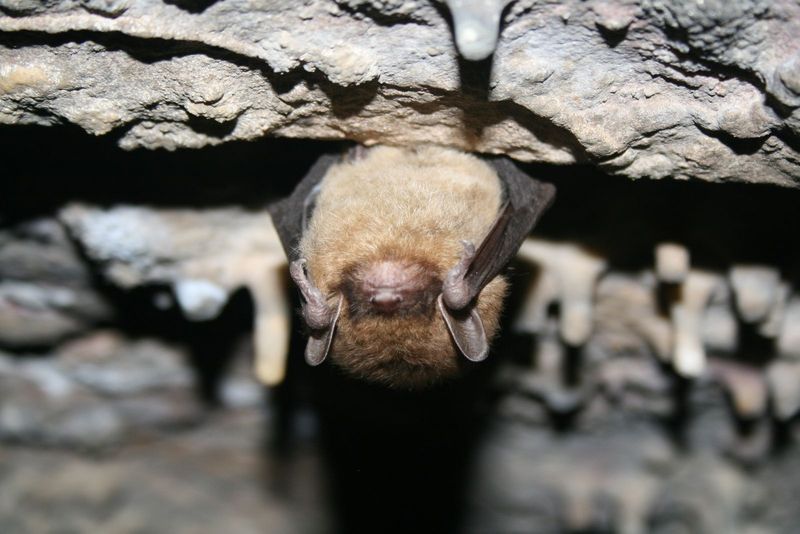
A hibernating little brown bat may go several minutes without taking a single breath, then gasp quietly and continue napping. Its heart, which races past two hundred beats per minute in flight, drops to roughly ten.
I have to be honest, though, since these bats rarely spend winter hibernating in a typical suburban backyard. Most head for caves and old mines, where temperatures stay steady and above freezing all winter long.
Still, some may tuck into buildings or deep tree crevices, so an attic visitor is not impossible. In New York, bats generally hibernate from about October through April, living off fat stored in autumn.
Little brown bats have suffered serious declines from white-nose syndrome, a fungal disease found in hibernation sites. The fungus disturbs their sleep, causing them to burn fat too quickly before spring insects return.
Each waking spell costs precious energy, so a sleeping bat should be left alone in every case. If one turns up inside your home, contact a licensed wildlife rehabilitator rather than handling it yourself.
Bats can carry rabies, which is another solid reason to keep bare hands far away from them. You can still help by planting night-blooming native flowers that draw in the moths bats love to eat.
Installing a bat house before spring gives returning females a warm spot to raise their single pups. Mount it high on a sunny pole or building, and you might enjoy free mosquito patrol by summer.
7. Striped Skunks Doze Under Decks And Sheds
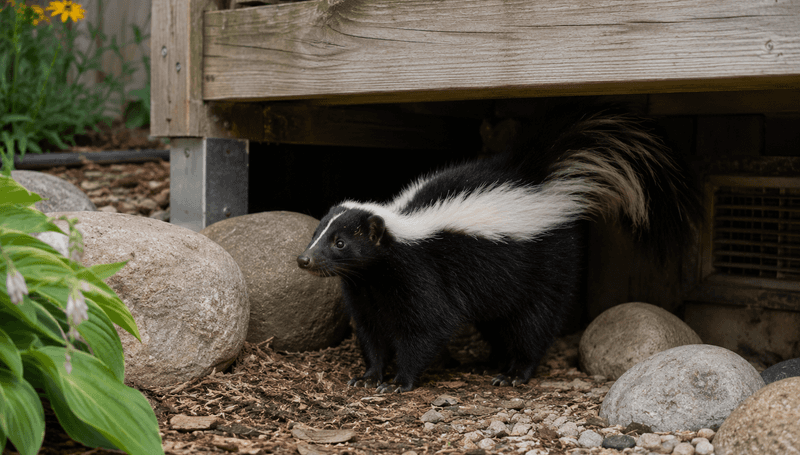
Skunks are the sleepyheads who cheat a little, dozing through cold snaps but strolling out on mild nights. If your porch smelled faintly funky in January, you probably have a striped tenant snoozing underneath.
Striped skunks do not truly hibernate, so biologists describe their winter state as a lighter torpor instead. Their metabolism slows down during harsh cold or deep snow, then picks back up during warmer spells.
Rather than storing food, skunks bulk up on body fat throughout the fall to fuel their winter rest. Females sometimes share a den for extra warmth, while adult males often prefer bunking alone in their own shelter.
Favorite den sites include spaces under decks and sheds, where the ground stays sheltered from biting wind. Woodpiles and crawl spaces beneath homes also work nicely for these quiet black and white backyard neighbors.
Honestly, I appreciate skunks more than most people, because they gobble up beetle grubs that damage lawns. Their digging leaves small cone-shaped holes in the turf, which look messy but signal pest removal at work.
Late winter is mating season, so you might notice more skunk activity and stronger odors around February. Babies arrive in spring, so avoid sealing a den then unless you know for certain nobody is inside.
To prevent future squatters, secure trash cans tightly and close any gaps under decks with buried wire mesh. Skunks can carry rabies, so call a wildlife professional if one acts strangely during daylight hours.
8. Queen Bumblebees Sleep Alone In Shallow Soil
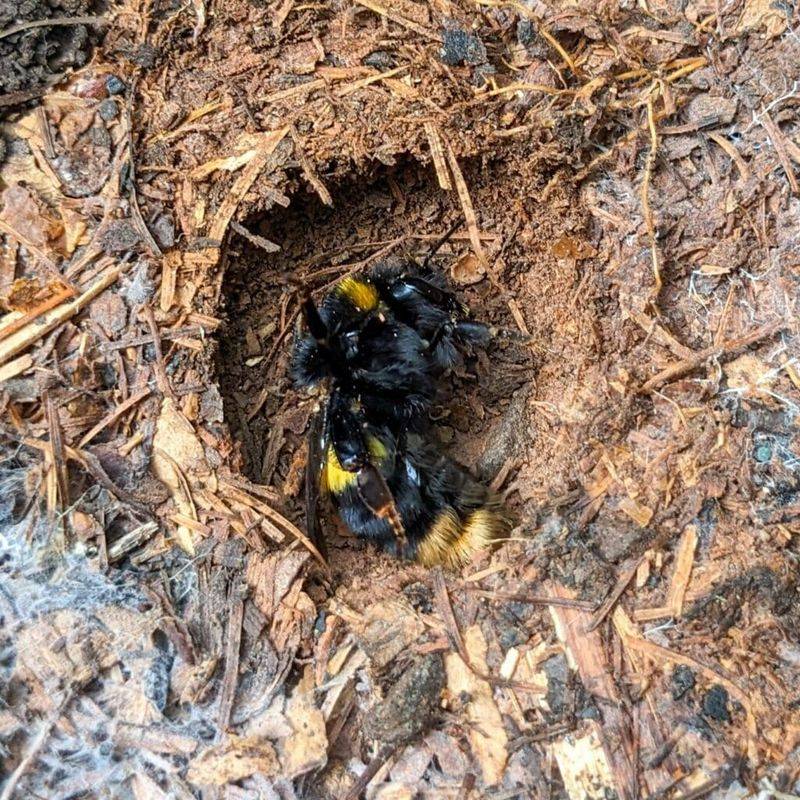
Each fall, an entire bumblebee colony fades away, and only the newly mated queens survive into the next year. What delights me most is that one fuzzy queen, sleeping alone in the soil, carries next summer’s buzz.
After mating, the queen leaves the old nest behind and searches for a quiet place to spend winter. She usually digs a small chamber in loose soil, often just a few inches below the surface.
Some queens also tuck themselves under leaf litter or into dense plant cover near the edges of gardens. Researchers have noticed that many prefer slightly sloped ground, where melting snow drains away instead of pooling.
Her metabolism slows dramatically during this dormant stretch, which scientists call diapause rather than true hibernation. She survives on fat and energy reserves built up by feasting on late-season flower nectar and pollen.
Several bumblebee species in New York have declined, including the rusty patched bumblebee, now federally endangered. That makes every overwintering queen in your yard a small but meaningful part of their recovery.
Skip the urge for a spotless fall cleanup next year, because bare ground offers queens fewer hiding spots. Leaving some leaves in place and avoiding heavy mulch over sunny patches gives them better winter options.
Come early spring, hungry queens emerge and search for flowers like willows and early native blooms. Planting spring bloomers such as wild columbine and Virginia bluebells hands those brave founders a much-needed first meal.