The Late Summer Mistake That Weakens Hydrangeas In Texas Before Winter
September in Texas still feels like a furnace somebody forgot to switch off after Labor Day weekend. The garden looks worn out and dusty, and honestly, so does anyone standing out there holding a hose.
Right about now, plenty of gardeners head outside with good intentions and a sudden urge to tidy everything. It feels productive and responsible, a little like finally cleaning out the garage on a slow Saturday.
Meanwhile, the shrubs along the fence are already drafting their plans for spring, and nobody asked you. One well-meant decision made in the wrong week can quietly rewrite the whole flower show next May.
By February, those bare stems will look like a polite accusation nobody in the family can explain. Plants hold grudges, and frankly, they manage it better than most neighbors on the street do.
The August Haircut That Costs Next Year’s Blooms
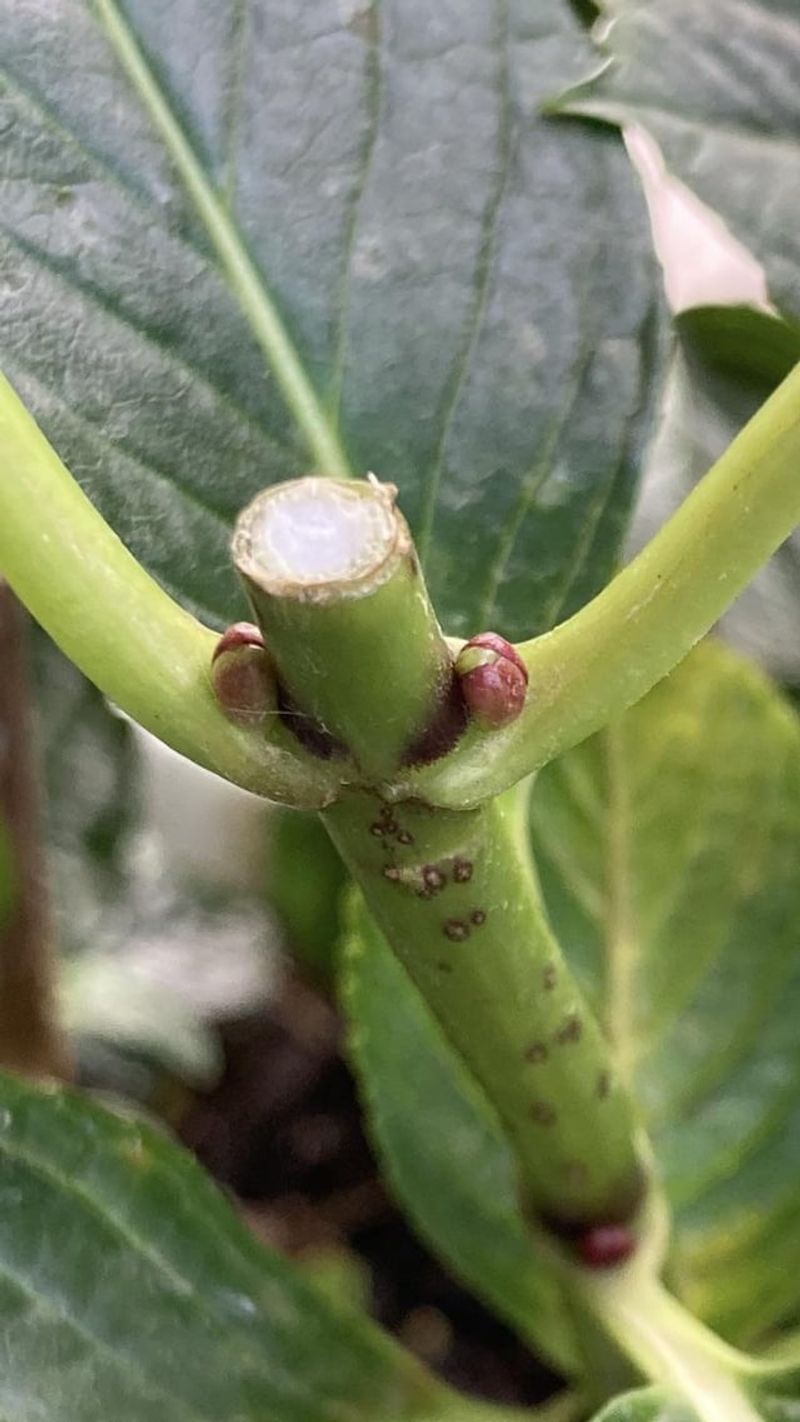
Your hydrangea quietly decided what next June will look like sometime back around the end of July. Those decisions sit inside the stems as tiny flower buds that nobody can see yet.
Shortening those stems in late August or September carries the buds away with the clippings. Feeding, coddling, or extra water afterward won’t bring those buds back.
Bigleaf and oakleaf hydrangeas are the ones that suffer most across North and East Texas. Both bloom on wood that grew the year before, which gardeners usually call old wood.
The shrub then spends energy pushing replacement shoots instead of storing starch down in its roots. That trade leaves the plant thinner, softer, and far less ready for a January freeze.
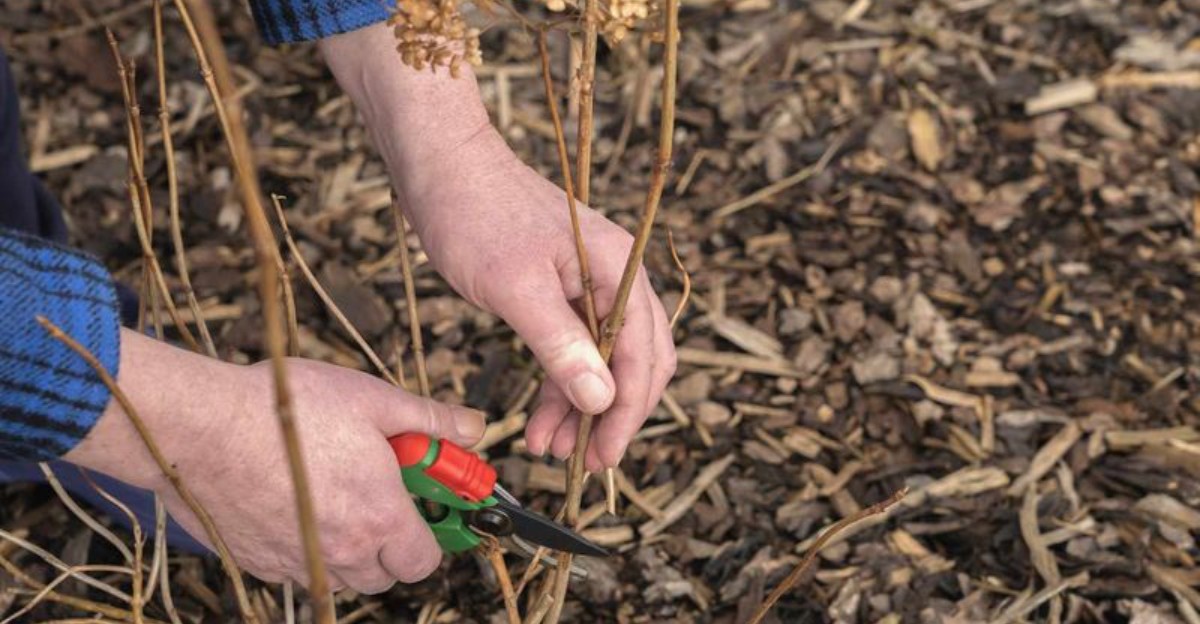
Most people reach for the clippers because the flower heads look papery and brown by September. Faded blooms do read as messy, yet they are harmless and can happily stay until spring.
Some Plano gardeners fall into the same trap year after year, trimming out of habit right around Labor Day. The result is usually the same: lush green mounds and almost no flowers.
Leaving the shrub untouched costs nothing and protects both the buds and the root reserves. Those dry old heads even shelter the buds beneath them from sudden Texas temperature swings.
If tidiness itches at you, cut one stem for a vase indoors and then walk away. Come June, standing in a haze of blue and pink, you will thank yourself.
Bud Set And The Texas Garden Calendar
Timing is the whole ballgame with hydrangeas, and Texas runs on its own strange schedule. Heat lingers into October here, which fools gardeners into believing the growing season still has room.
Bigleaf hydrangeas form next year’s flower buds from roughly late July straight through early September. By the time football season kicks off, that quiet work is finished and locked away.
Oakleaf types follow a similar rhythm, setting buds shortly after their early summer show fades. Panicle and smooth hydrangeas behave differently, since they bloom on stems grown during the same spring.
Knowing which kind grows in your bed changes everything about when clippers are welcome. Check the leaves: oakleaf foliage looks like oak leaves, while bigleaf foliage is thick and glossy.
Your Texas Garden Changes Every Week. Your Plan Should Too.
Gardening in Texas changes quickly throughout the season. Every Friday you’ll receive a simple weekly plan showing exactly what to plant, prune, fertilize, harvest, and protect so you never miss the right timing.
The safe pruning window for old-wood hydrangeas in Texas falls right after flowering, in June. Anything much later than midsummer starts nibbling into the buds you were hoping to enjoy.
Fertilizer follows a calendar too, and September is past the point of usefulness for growth. A last light feeding in June or early July gives the plant time to mature.
Gardeners in Houston and Austin often stretch the season because plants keep looking active. Green leaves in October do not mean the shrub still wants to be pushed harder.
Mark the calendar back in June instead, when hydrangea care actually pays you real dividends. Then treat September as the month you sit in the shade with iced tea.
Tender Shoots Ahead Of A Blue Norther
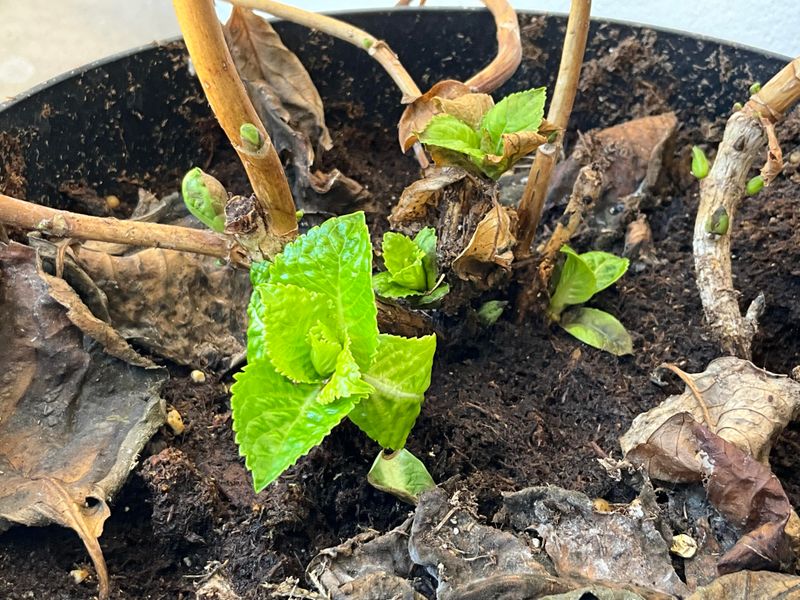
Anyone who has lived through a Texas cold front knows the temperature can drop thirty degrees fast. Soft new growth has no defense when that wind comes howling down from Amarillo.
Cutting or feeding in late summer wakes the plant up and triggers fresh, water-filled shoots. Those shoots stay green and floppy instead of turning firm and woody before winter arrives.
Hardening off is the slow process where stems thicken, toughen, and store sugars for protection. A shrub pushed hard in September simply runs out of weeks to finish that job.
When a hard freeze hits, the tender tips turn black and mushy within a day. The damage often runs several inches down the stem, taking healthy tissue along with it.
In Dallas, the first serious freeze usually shows up between mid-November and early December. Shoots that sprouted in September are barely two months old by then, still tender and soft.
Repeated freeze damage forces the plant to rebuild from the base almost every single spring. Those rebuilt shrubs stay small, bloom poorly, and look sad beside a neighbor’s healthy hedge.
Roots feel the pinch too, since starch spent on doomed shoots is starch not stored. A hungry root system means a slower, weaker start once real March warmth finally arrives.
Letting growth slow down naturally is the kindest thing you can do in September. The shrub is quietly packing for winter, and it does not need any extra luggage.
Late Nitrogen And Weak Stem Tissue
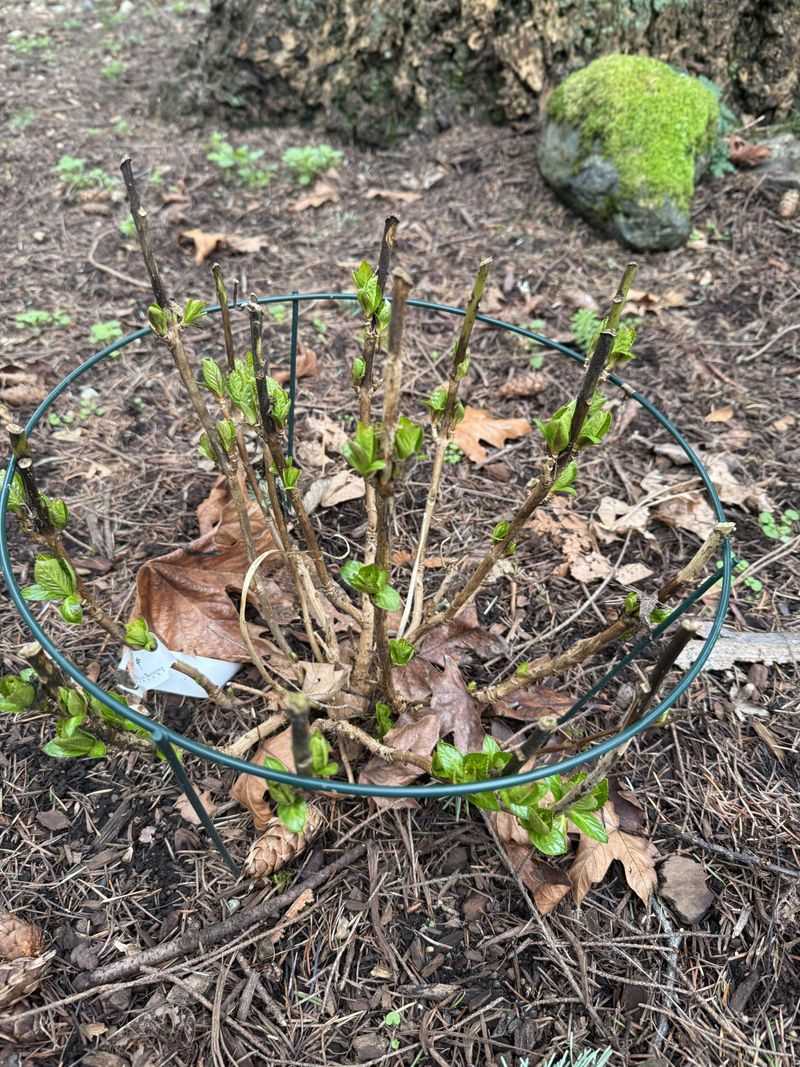
Fertilizer feels like a generous gift, but in September it works more like a double espresso. The plant jolts awake, pushes out leaves, and forgets that cold weather is coming soon.
High-nitrogen lawn food is the usual culprit, especially when granules drift into the nearby flower beds. Plenty of Texas homeowners feed St. Augustine turf in early fall and hit the shrubs too.
Nitrogen builds fast leafy growth with thin cell walls and lots of water stored inside. Thin walls rupture easily when ice forms, which is why the tips blacken after freezes.
Phosphorus and potassium behave differently, supporting roots and overall toughness rather than fast green shoots. A soil test from your county extension office shows what that bed actually needs.
Compost is the safer choice in early fall, since it releases nutrients slowly and gently. A one-inch layer spread over the root zone feeds the shrub without shouting at it.
Skip liquid feeds, blue crystals, and anything labeled bloom booster once late August winds down. Those products belong to spring, when fresh growth has months of warm weather ahead.
Watch for the telltale sign, which is a flush of oddly bright leaves during October. Bright, floppy foliage that late in the year usually means something pushed the plant hard.
Hold the fertilizer bag, and the shrub eases toward rest the way it prefers. Plants are surprisingly good at winding down once the humans stop offering them constant snacks.
Damage Control After A Late Trim
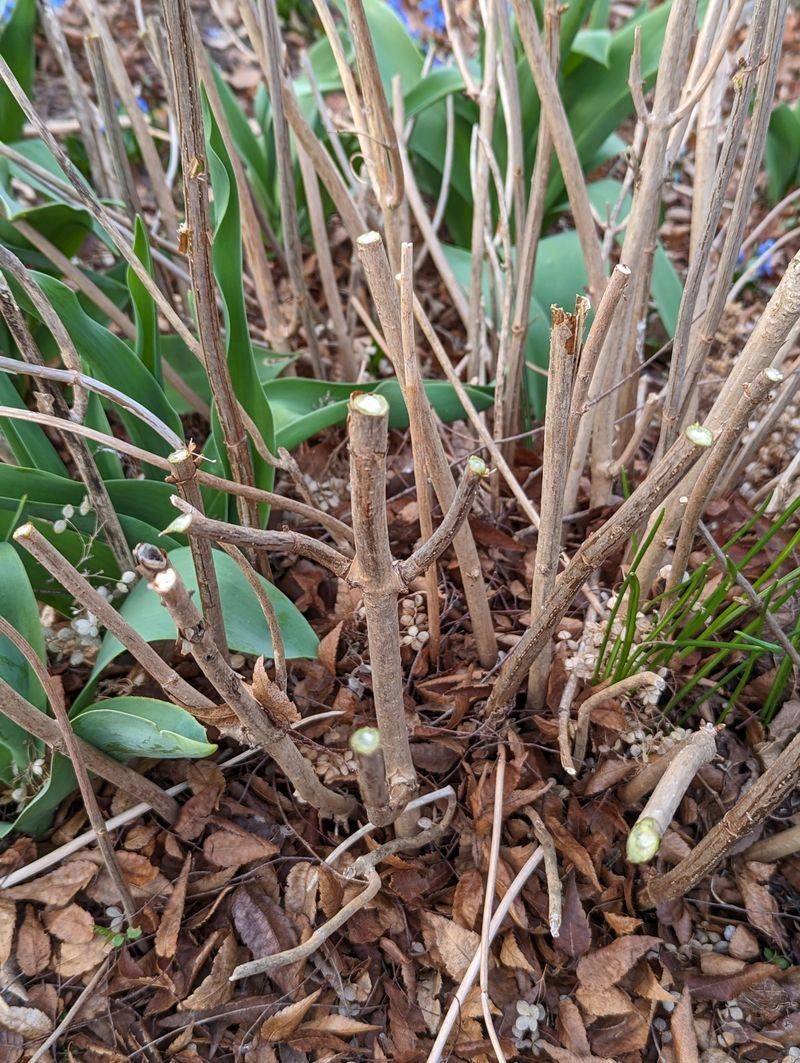
So you already cut the shrub back in August and now feel a twinge of regret. Relief arrives fast here, because one mistimed trim rarely does permanent harm to the plant.
Stop any further trimming immediately, even if the shape looks lopsided or awkward right now. Shape can be corrected next June, once the flowers have finished their summer run.
Water deeply about once a week through September and October, soaking the whole root zone. Steady moisture helps roots rebuild their reserves without triggering another burst of tender new growth.
Add two or three inches of shredded bark or pine mulch across the root zone. Mulch keeps soil temperature steady, which matters when Texas swings from eighty to thirty degrees.
Skip the fertilizer for the rest of this year and resist every temptation to help. The plant needs calm rather than encouragement while daylight shortens and the nights slowly cool.
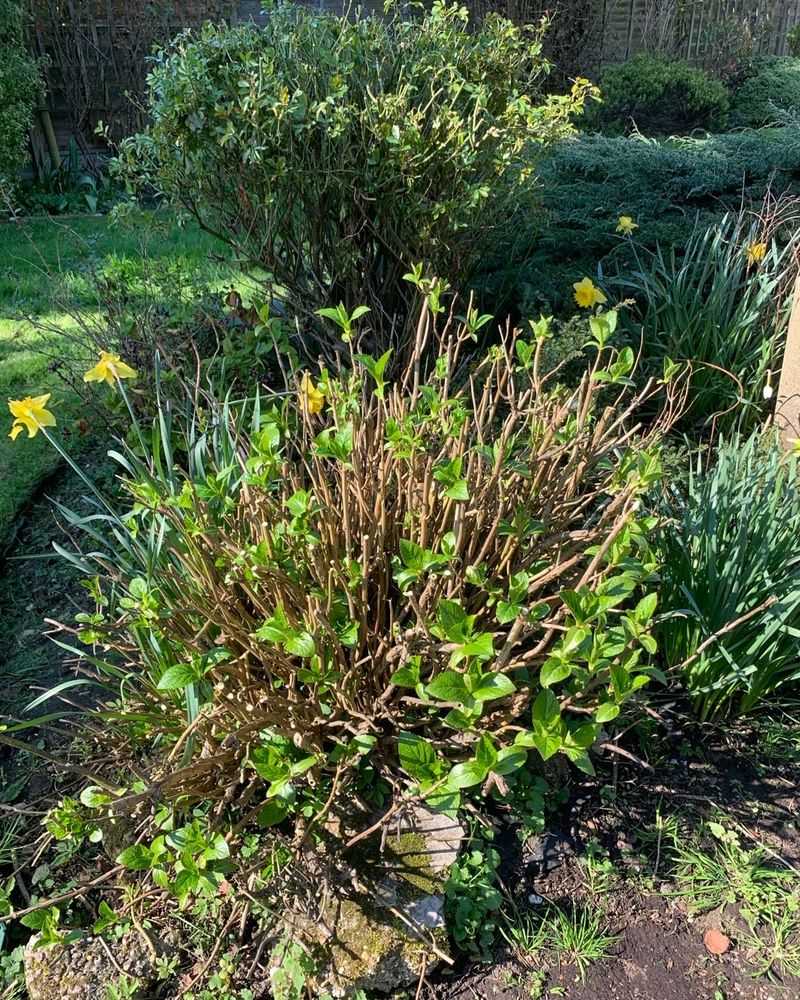
Expect fewer flowers next summer, and consider it tuition paid toward a useful lesson. Leaves will still fill in nicely, so the bed stays green even without big blooms.
Come late winter, cover the shrub with an old sheet during any hard freeze warning. Drape the fabric all the way to the ground so soil warmth stays near the stems.
Then wait, because hydrangeas forgive a lot faster than most gardeners expect them to. One quiet season off, and the shrub usually shows up again like nothing ever happened.
A Safer Pruning Window And Fall Root Care
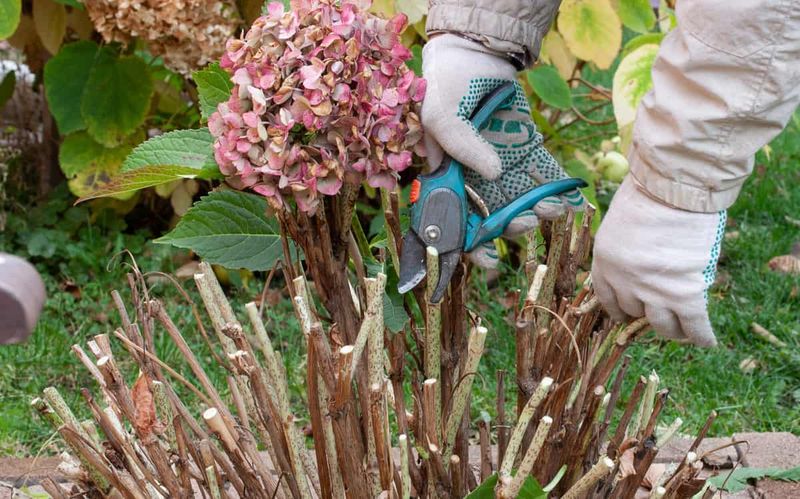
Prevention comes down to a single habit, which is putting the clippers away after June. Mark it on the calendar right now, while the memory of bare stems stays fresh.
Remove spent blooms right after flowering if neatness matters, cutting just beneath the faded head. That small snip does not reach down into the wood where next season’s buds form.
Through September, aim your attention at the roots instead of the top of the plant. Deep weekly watering matters most during dry Texas falls, when rain vanishes for weeks at a time.
Mulch is the quiet hero of fall hydrangea care across zones eight and nine. Keep it a few inches back from the main stems so moisture does not collect.
Afternoon shade helps enormously, so plant new shrubs on the east side of the house. Morning sun with afternoon shelter cuts stress and keeps the leaves from scorching in August.
Choose reblooming varieties such as Endless Summer if you tend to prune on pure impulse. Those bloom on both old and new wood, which forgives even a badly timed haircut.
Panicle types like Limelight also handle Texas heat well and prefer a late winter trim. Matching the plant to your habits beats fighting your own instincts every single August.
Follow that routine, and the shrubs reward you with fat buds waiting quietly through winter. By May, the yard looks good enough that the neighbors start asking for your secret.