What Fire Ants In Texas Garden Beds Are Really Telling You (And What To Do About It)

Finding a fire ant mound in your Texas garden bed is enough to ruin a perfectly good morning. That sudden sting, followed by several more before you even realize what happened, is a uniquely Texas experience that nobody enjoys twice.
Most people’s first instinct is to reach for the strongest treatment available and get rid of them as fast as possible. But before you do that, it’s worth understanding what fire ants in your garden bed are actually telling you.
Their presence is not random. Fire ants choose specific locations for very specific reasons, and where they build in your garden can reveal useful information about your soil, your moisture levels, and the overall condition of your garden beds.
Understanding why they’re there gives you a real advantage in dealing with them more effectively. The good news is that there are smart, targeted ways to handle fire ants in garden beds without doing more harm than good.
1. Your Garden Bed Has Become Prime Fire Ant Real Estate
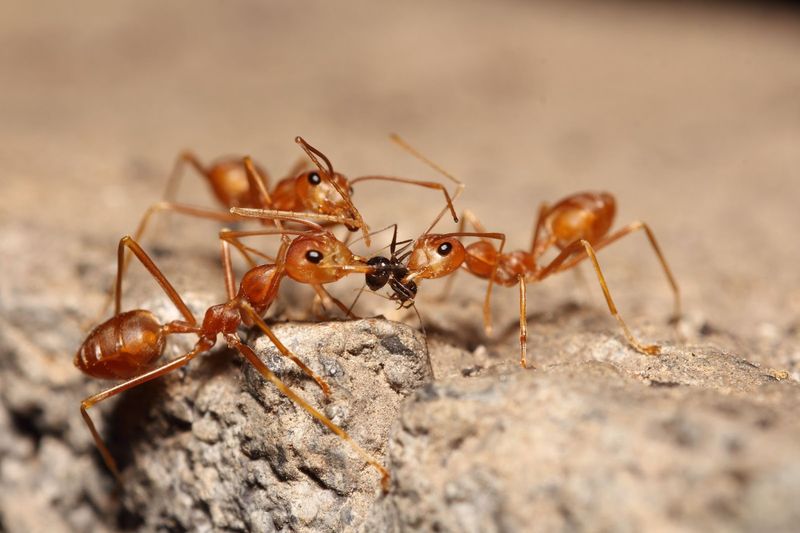
Picture your garden bed from a fire ant’s point of view. Warm soil, soft organic matter, and plenty of moisture make it one of the most attractive spots in your entire yard.
When fire ants move into a garden bed, they are not doing it randomly. They are choosing it because it checks every box on their list.
Fire ants love soil that is easy to tunnel through. Garden beds are usually loosened, amended, and watered regularly, which makes digging much simpler for a colony.
Compost-rich beds are especially appealing because they hold warmth and stay softer than packed ground. Mulched flower beds and raised vegetable beds are also common targets.
Once a colony settles in, it does not stay put. Fire ants tunnel through soil and can disturb plant roots along the way.
Their tunneling changes how water moves through the soil, which can leave some roots too dry and others waterlogged. Over time, this underground activity can stress your plants without you even realizing the ants are the cause.
A mound in your garden bed is a clear sign that your growing space is offering something fire ants want. The good news is that you can use this information to your advantage.
Start by inspecting your beds more often, especially after rain or irrigation. Look for new mounds near plant stems or along bed edges.
Early detection makes treatment much easier and keeps the colony from getting too established before you take action.
2. Moisture May Be Pulling Them In
Ever notice how fire ant mounds seem to pop up overnight after a big rainstorm? That is not a coincidence.
Moisture is one of the biggest factors that drives fire ant activity in garden beds. After rain or irrigation, colonies often rebuild or push mounds closer to the surface, making them suddenly visible when they were not there the day before.
In dry stretches, fire ants do not just disappear. They go looking for water wherever they can find it.
Your Texas Garden Changes Every Week. Your Plan Should Too.
Gardening in Texas changes quickly throughout the season. Every Friday you’ll receive a simple weekly plan showing exactly what to plant, prune, fertilize, harvest, and protect so you never miss the right timing.
Garden beds that are watered regularly become a magnet during drought conditions because the soil stays moist while the surrounding yard dries out. This is why vegetable beds are especially vulnerable during hot Texas summers.
Fire ants have also been spotted feeding on garden crops during dry periods. Okra pods and potato tubers are two vegetables that have been reported as targets.
If your plants look damaged near the soil line and you spot ant trails, moisture-seeking foraging could be part of the problem.
Managing moisture smartly can help reduce how attractive your beds are to fire ants. Drip irrigation is a better choice than overhead watering because it delivers water directly to roots without soaking the surface.
Watering in the morning instead of the evening also helps the soil surface dry out faster. Avoid overwatering, and make sure your beds have good drainage.
These small adjustments will not make fire ants vanish completely, but they can make your garden less appealing as a nesting spot and reduce the chances of new colonies moving in after every rain.
3. Your Mulch May Be Too Cozy
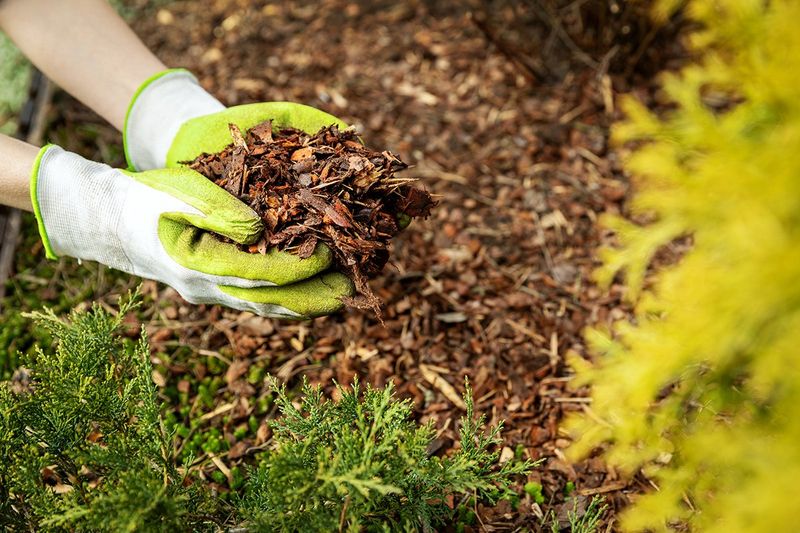
Mulch is one of the best things you can put in a garden bed. It holds moisture, regulates soil temperature, and breaks down into nutrients over time.
But there is a side effect that most gardeners do not think about: thick, undisturbed mulch is basically a five-star hotel for fire ants.
Fire ants love mulched beds because the material creates a warm, protected layer above the soil. It shields nests from rain, extreme heat, and predators.
Mulch that has been piled too deep or left undisturbed for a long time gives colonies a cozy, stable environment where they can grow without much interference. Flower beds and decorative mulched areas around trees and shrubs are especially common nesting spots.
The fix is not to stop using mulch altogether. Mulch is still valuable for your plants. The key is how you use it. Keep mulch no more than two to three inches deep.
Avoid piling it up against plant stems or tree trunks, which creates hidden nesting zones that are hard to inspect. Rake and turn your mulch regularly so it stays loose and does not compact into a thick, undisturbed mat.
Inspect your mulched beds every week or two, especially during warm months. Look for small mounds forming under the surface or near edges.
Catching a new colony early makes it far easier to treat. Some gardeners also leave a small gap of bare soil around plant stems so they can spot ant activity right at the base of the plant. A little extra attention goes a long way in keeping mulched beds ant-free.
4. The Mound Is Bigger Than It Looks
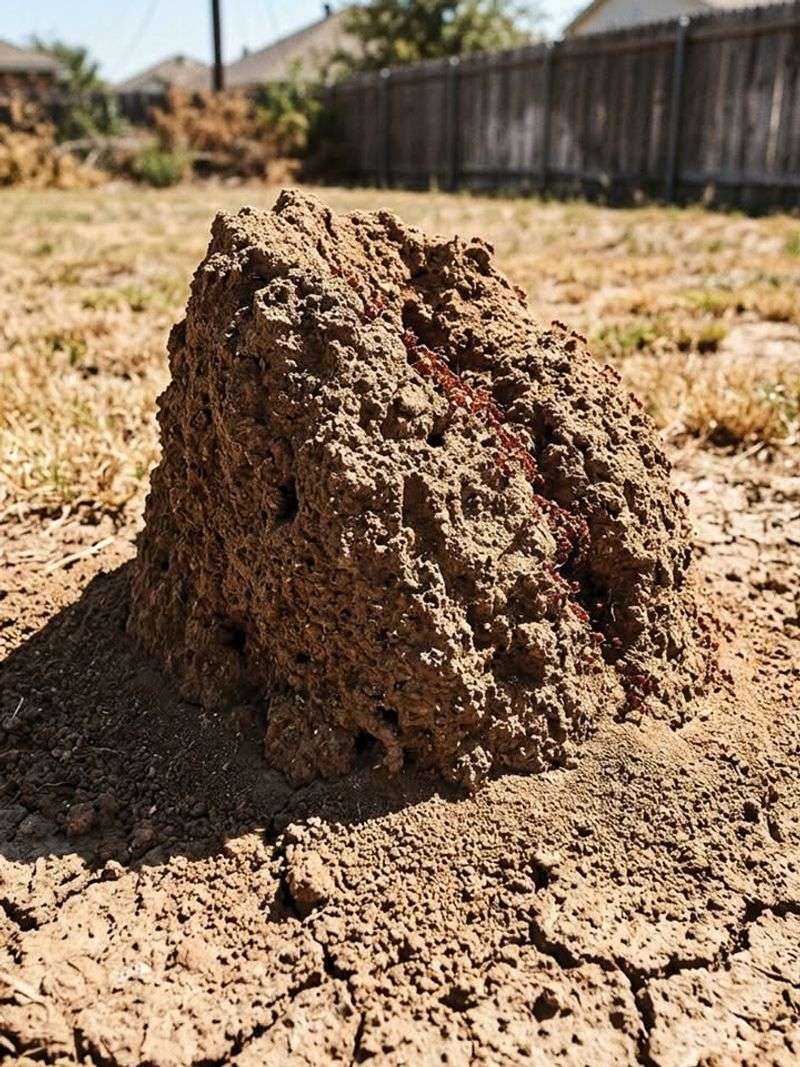
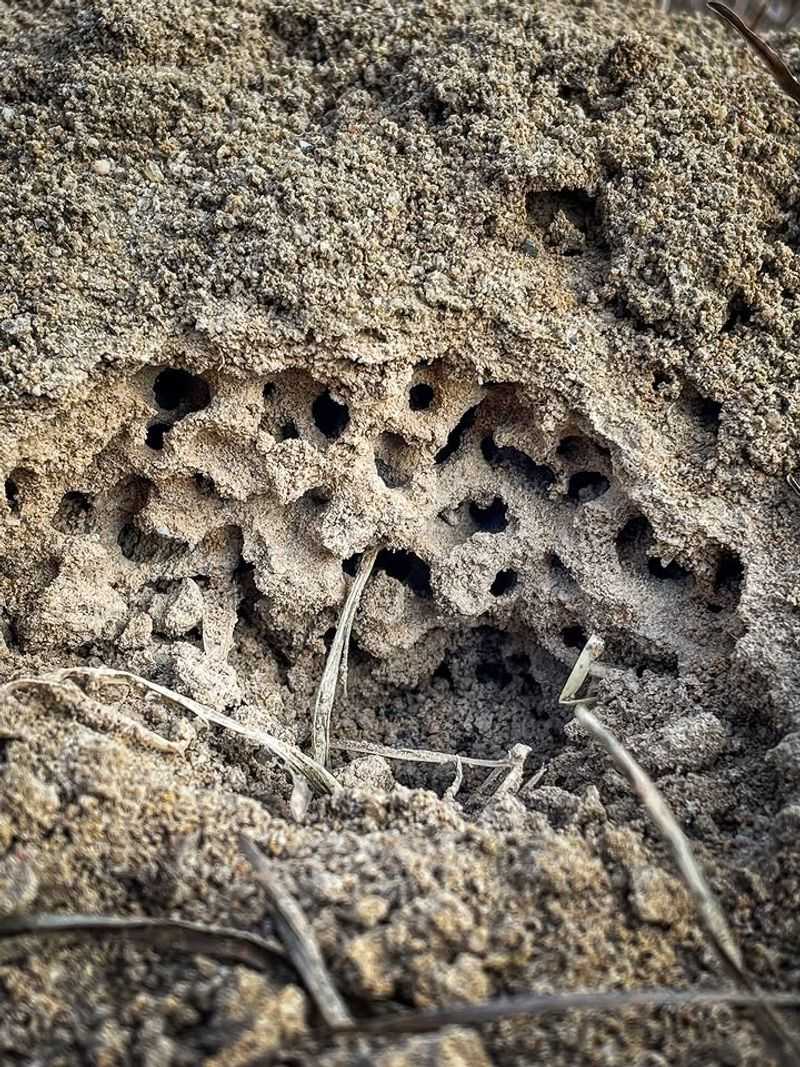
What you see above the soil is just a tiny piece of the story. A fire ant mound sticking up a few inches out of your garden bed can have an underground network that stretches much deeper and wider than most people expect.
The visible mound is more like a chimney than a house. The real activity is happening below.
Fire ant colonies build tunnels that can go several feet deep into the ground. These tunnels spread outward in multiple directions, creating a maze of chambers where workers, larvae, and the queen live.
Unlike some other ant species, fire ants do not have a single central opening at the top of the mound. They enter and exit through side tunnels near the base, which is one reason disturbing the mound from above does not always work as well as people hope.
Disturbing a mound without treatment is actually risky. Fire ants respond to any vibration or pressure near the nest with fast, aggressive swarming.
They move quickly and sting repeatedly, which can be painful and dangerous for people who are allergic. Even stepping near a mound can trigger a response.
Knowing how deep and wide a colony really is should change how you approach treatment. Poking, flooding, or digging a mound without a proper product often just scatters the colony to a nearby spot.
The goal is not to disrupt the mound but to eliminate it properly. Understanding the underground scale of a fire ant colony helps you choose treatments that actually reach the queen and the deeper chambers where the real work happens.
5. Spot-Treating Alone May Not Be Enough
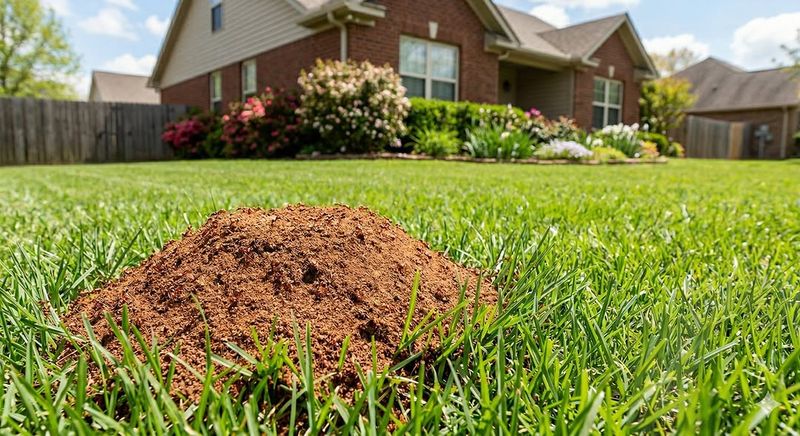
Grabbing a product and treating one mound might feel like a win. But if there are other colonies nearby that you have not treated, the problem is not really solved.
Fire ant colonies are not isolated units. They are part of a larger population that shares territory, and when one mound disappears, others can expand or move into the same space.
Texas A&M AgriLife Extension has studied fire ant management for years and makes one thing very clear: mound treatments only work if they reach the queen. The queen is the one producing all the workers and keeping the colony going.
If a treatment only removes the workers at the surface but does not reach the queen deep underground, the colony rebuilds. Some colonies also have multiple queens, which makes them even harder to fully address with a single spot treatment.
Reinfestations are common after spot-treating because colonies from untreated areas of your yard or even from a neighbor’s property can move back into the treated space within weeks.
This is especially frustrating when you have already put in the time and money to treat a mound, only to see a new one appear nearby.
Baits work differently than direct mound treatments. Worker ants pick up bait granules and carry them back into the nest to share with the colony, including the queen.
This makes baits a powerful option for reaching deeper into the colony. Using bait as part of your regular garden maintenance, rather than only reacting when you see a mound, gives you a much stronger and longer-lasting result across your whole garden area.
6. Use The Texas Two-Step
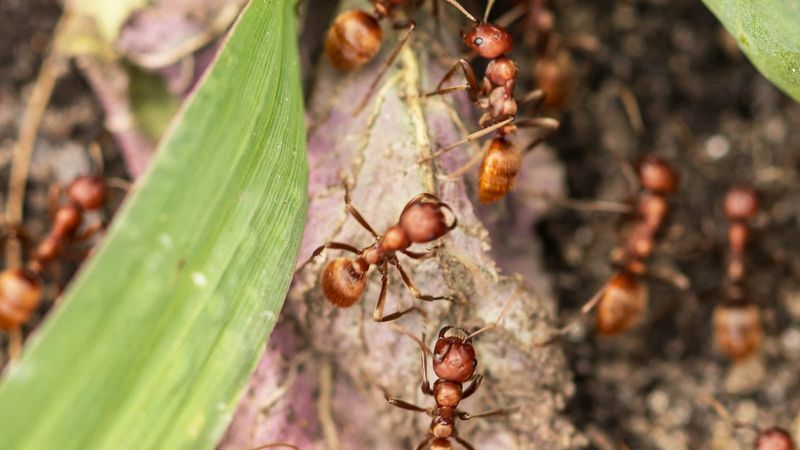
Texas A&M AgriLife Extension developed a practical fire ant management approach called the Two-Step Method, and it has become the go-to recommendation for homeowners dealing with widespread fire ant problems.
The method combines two actions taken at the right times to get much better results than either step alone. It is straightforward, affordable, and proven to work.
Step one is broadcasting a fire ant bait across the entire area where ants are active. Bait works best when ants are actively foraging, which usually means mild temperatures between 65 and 90 degrees Fahrenheit.
Avoid applying bait right before rain or when the soil is wet, because moisture breaks down the bait before ants can carry it back to the colony. Spring and fall are often the best seasons in Texas for broadcasting bait effectively.
Step two is treating individual problem mounds directly, especially ones near high-traffic areas or close to plant stems. You can use labeled mound drenches, granular products, or other approved treatments for this step.
Always read the product label carefully, especially when working in vegetable beds, because not every product is safe around edible plants.
For smaller gardens with just a few mounds, individual mound treatments or targeted bait applications may be all you need. But for larger beds or yards with recurring infestations, the Two-Step approach gives you much broader coverage.
Re-treat two to four times per year for best results. Staying consistent with this method, rather than only reacting when mounds appear, is what makes the biggest long-term difference in keeping your Texas garden beds protected and more comfortable to work in.