The Late Summer Mistake That Weakens New York Hydrangeas Before Winter
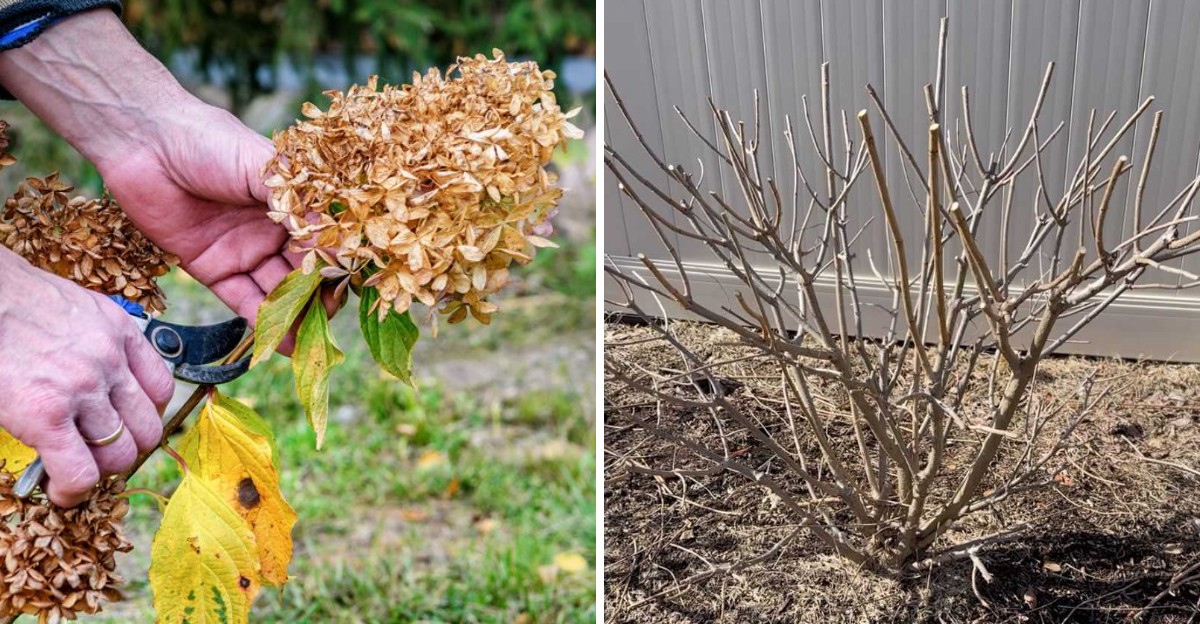
Late summer has a sneaky way of luring gardeners into one big, hydrangea-related trap. The air cools down just enough, those shrubs look a little wild, and your pruning shears start whispering sweet nothings from the porch railing.
You want to tidy everything up before winter rolls in.
Here’s the catch nobody tells you about: cutting back your hydrangeas at exactly the wrong moment can leave them weaker heading into the cold season, not tougher.
Instead of protecting your plant, you might be stripping away the very stems it needs to bounce back strong.
New York winters are not exactly gentle, so hydrangeas need every advantage they can get. The real secret is knowing your hydrangea’s type before those shears come anywhere near it.
Get that part right, and you skip the whole weakening mess entirely.
1. Late Summer Pruning Can Cost New York Hydrangeas Next Year’s Blooms
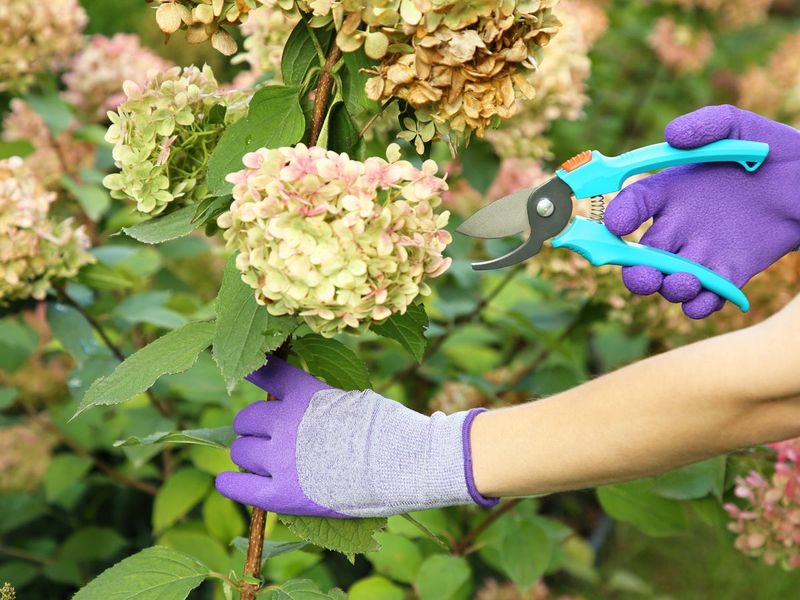
Snipping your shrubs in late summer feels like good housekeeping, but it can backfire when you are dealing with an old-wood hydrangea. Gardeners who trim these shrubs in August may unknowingly remove stems carrying flower buds for the following season.
Several familiar hydrangeas form flower buds on older stems. Once those buds are developing, cutting away the stems that carry them can mean fewer flowers the following year.
The shrub may still produce plenty of healthy foliage, which can make the situation confusing. You could end up with a large, leafy plant the following season but considerably fewer flowers than expected.
New York’s cold winters add another consideration because flower buds on some old-wood hydrangeas can already be vulnerable to winter injury.
Removing healthy bud-bearing stems through unnecessary late pruning reduces the number of buds available to make it through winter and flower the following season.
Your best move is to identify the hydrangea species or cultivar before pruning. Panicle and smooth hydrangeas generally bloom on new wood and follow different pruning rules from old-wood types.
A little patience now can protect the flower buds already developing on bigleaf, oakleaf, and other old-wood hydrangeas. Once you know what you are growing, pruning becomes much less of a guessing game.
2. Late Pruning Of Old-Wood Hydrangeas And Its Effect On Winter Flower Buds
Some hydrangeas bloom on what gardeners call old wood, meaning stems produced during a previous growing season. These are the shrubs where late pruning can have the greatest effect on the following year’s flower display.
By late summer, many old-wood hydrangeas are developing or have developed flower buds that will remain on the stems through winter. Those buds are already part of the plant’s preparation for the next flowering season.
When you prune those stems after the buds have formed, you may remove the buds along with the wood. The result can be fewer flowers the following year, even if the shrub itself continues producing healthy leaves and shoots.
Cold New York winters create another challenge. Flower buds on old-wood hydrangeas can be injured by low temperatures, particularly on less cold-hardy cultivars.
Your New York Garden Changes Every Week. Your Plan Should Too.
Gardening in New York changes quickly throughout the season. Every Friday you’ll receive a simple weekly plan showing exactly what to plant, prune, fertilize, harvest, and protect so you never miss the right timing.
Keeping healthy bud-bearing stems intact does not ensure that every bud will make it through winter, but it avoids unnecessarily removing viable buds before cold weather even arrives.
Flowering time alone is not a reliable way to determine whether your hydrangea blooms on old wood. Check the plant label, species, or cultivar information instead.
For old-wood types, pruning shortly after flowering is generally the safer approach. That gives you an opportunity to shape the shrub before the next season’s flower buds become established.
Once those buds are developing, leaving healthy stems in place helps preserve the plant’s potential flower display for the following year.
3. Careful Pruning Timing For Bigleaf And Oakleaf Hydrangeas
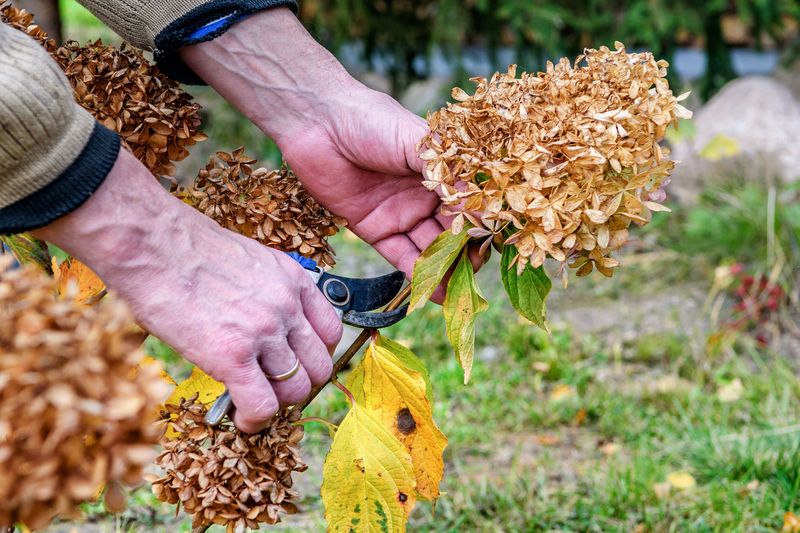
Two familiar choices in New York gardens are bigleaf and oakleaf hydrangeas, and both require attention to pruning timing because they generally flower on old wood. Cutting healthy stems after flower buds have developed can reduce the following year’s display.
Bigleaf hydrangeas are known for their mophead or lacecap flower clusters.
In cultivars capable of changing color, flower color is influenced by soil pH and the availability of aluminum, which helps explain why blooms can appear blue in some conditions and pink in others.
Oakleaf hydrangeas, named for their distinctive leaves, produce elongated flower clusters and attractive fall foliage. They also develop flowers from buds carried on older stems, making late pruning a concern.
For both types, pruning soon after flowering is generally the safer window when pruning is actually necessary. Working during this period reduces the likelihood of removing flower buds developing for the following season.
That does not mean every branch needs to be cut. Hydrangeas often require relatively little routine pruning, and unnecessary cutting can reduce flowering without providing much benefit.
If shaping is needed, remove selected stems carefully rather than cutting the entire shrub back. Wood that looks damaged or unproductive can be handled separately once it is identified.
Reblooming bigleaf cultivars complicate the picture slightly because some can flower on both old and new wood.
Even with those plants, knowing the cultivar and following its specific pruning recommendations provides a more reliable approach than pruning according to the calendar alone.
4. Late Season Cutting That Can Remove Next Year’s Hydrangea Flowers
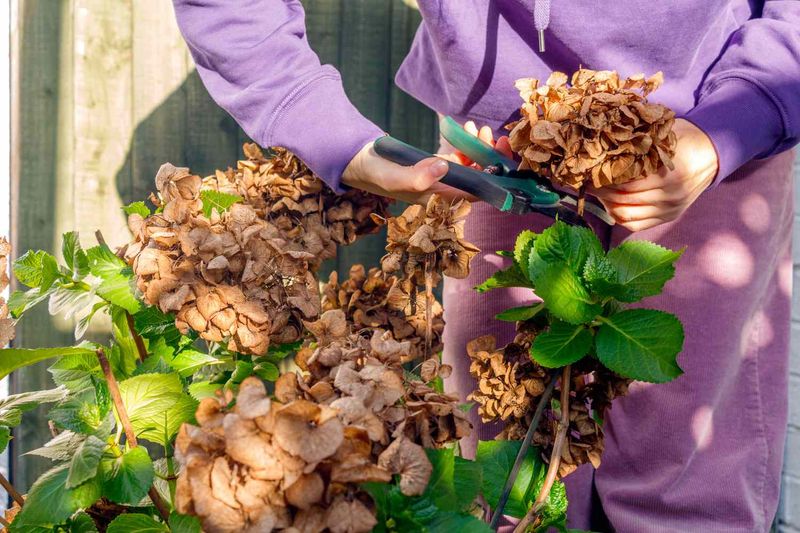
A hydrangea that looks bushy and green but produces few flowers can leave gardeners wondering what went wrong.
On an old-wood hydrangea, late-season pruning is one possible explanation because removing bud-bearing stems can reduce the following year’s flowers.
When you trim in late summer or fall, you might feel like you are preparing the shrub for winter. If the plant has already developed flower buds on its older stems, however, some of those buds can disappear with the branches you remove.
The shrub can still produce foliage the following year because vegetative growth and flowering are not the same process. That is why a hydrangea can appear leafy and vigorous while producing fewer flowers than expected.
However, a lack of flowers does not prove that pruning was responsible. Winter injury to flower buds, insufficient sunlight, cultivar characteristics, and other growing conditions can also affect flowering.
New York winters can be particularly important for some bigleaf hydrangeas because exposed flower buds may experience cold injury. That makes preserving viable flower buds through appropriate pruning even more worthwhile.
Your best defense is to identify whether your hydrangea flowers on old wood before making late-season cuts. If it does, leave healthy stems in place once the flower buds for the following season are developing.
A messy-looking branch can often wait until an appropriate pruning period. Unless there is a reason it needs immediate attention, delaying cosmetic pruning can preserve more of the shrub’s flowering potential.
5. Healthy Stems That Help Protect Next Season’s Blooms
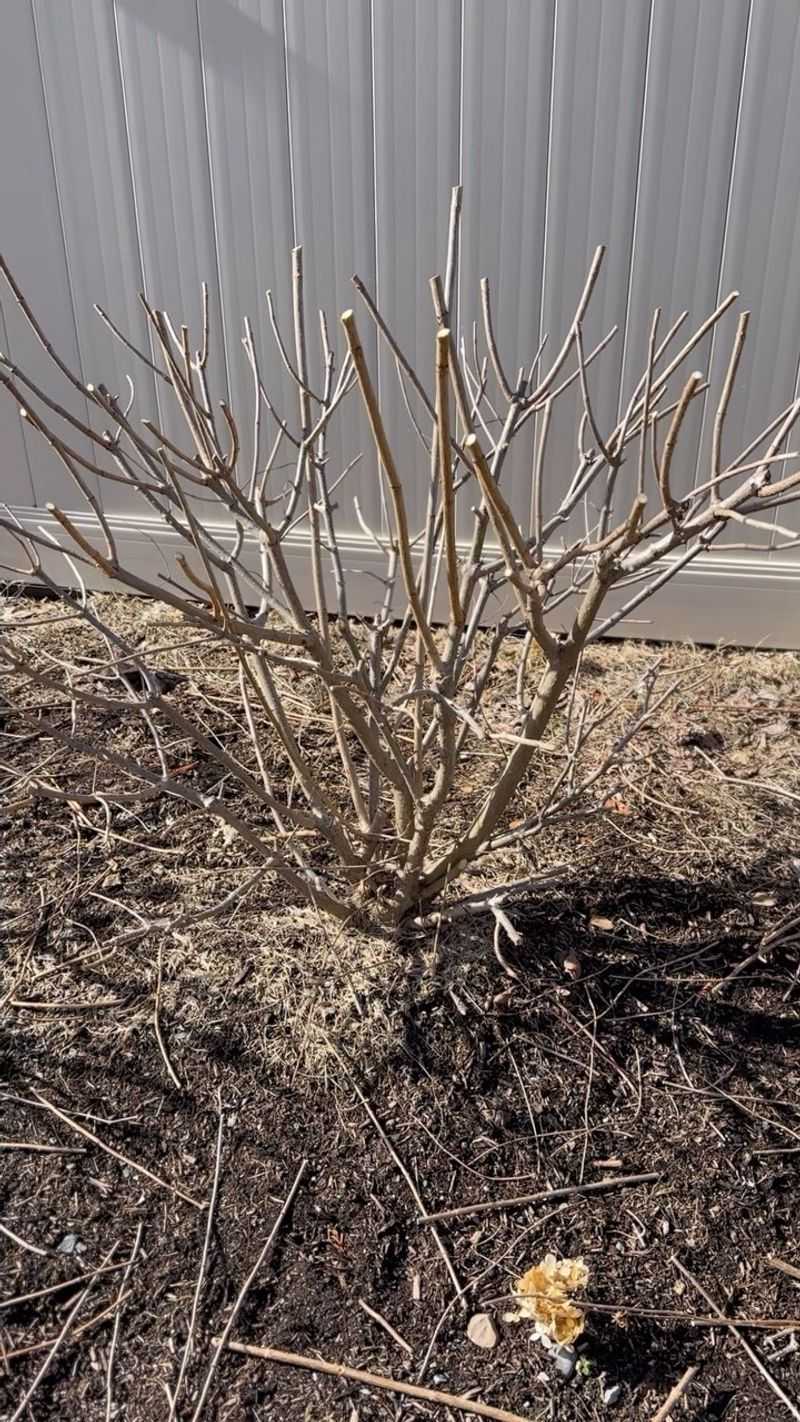
Healthy stems matter greatly on old-wood hydrangeas because those stems can carry the buds responsible for next season’s flowers. Leaving viable stems intact through fall prevents gardeners from accidentally removing flower buds that have already developed.
Those stems also provide the shrub’s natural framework through winter. They should not be viewed as insulation against New York weather, but keeping healthy wood intact preserves the places where viable flower buds are located.
Cutting healthy stems late in the season can therefore reduce flowering potential. The primary concern is not that pruning leaves the entire shrub structurally defenseless, but that the removed wood may contain buds that cannot flower once they are gone.
Good growing conditions can help hydrangeas enter winter in suitable condition. Appropriate watering during dry periods is particularly important, while unnecessary late-season fertilization should not be used simply to encourage more growth.
Excessive nitrogen can promote lush vegetative growth rather than providing the winter protection gardeners may expect.
Mulching around the base can help moderate soil temperatures and conserve moisture. Keep mulch away from direct contact with the stems rather than piling it against the plant.
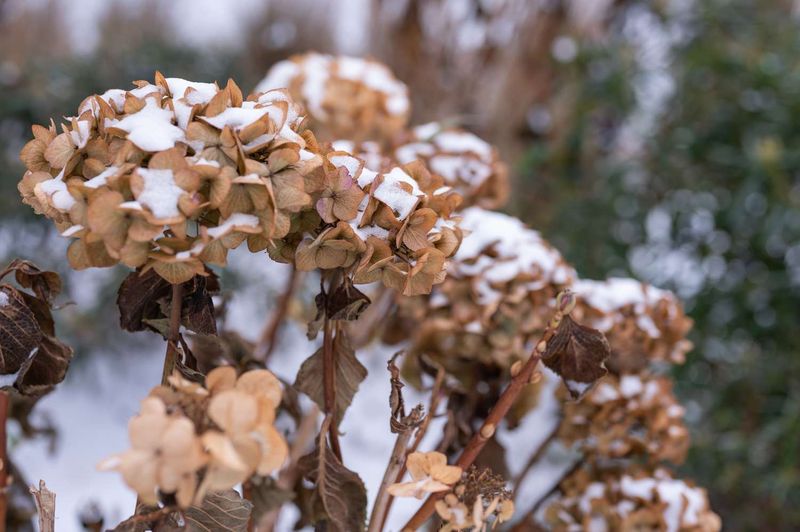
Old flower heads can also be left in place through winter if you enjoy their appearance. They provide winter interest, but gardeners should not rely on them as significant protection for flower buds.
The main goal is straightforward: preserve healthy, bud-bearing wood and avoid unnecessary late cuts. That gives old-wood hydrangeas more of their existing flower buds to carry into the next growing season.
6. Signs Your Hydrangeas Were Cut Back Too Late
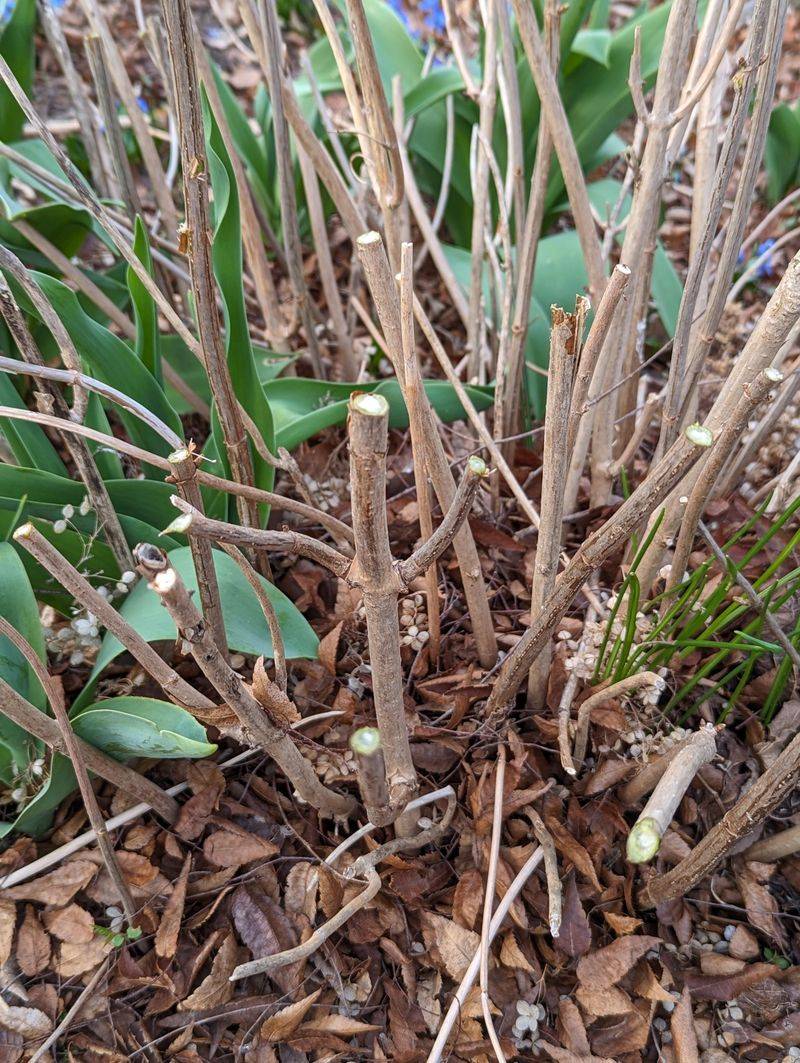
Sometimes a hydrangea’s flowering pattern can provide clues about what happened during the previous season.
An old-wood hydrangea that produces plenty of foliage but unexpectedly few flowers may have lost flower buds to pruning, although several other causes should also be considered.
If a shrub flowered well in previous years and then produced few blooms after being heavily cut back in late summer or fall, pruning becomes a reasonable possibility.
Removing older stems after flower buds have formed can directly reduce the number of buds available for the next season.
Flowers appearing on only part of the shrub can also provide useful information, but the pattern does not prove that pruning was responsible. Differences in winter exposure, stem condition, bud survival, and cultivar characteristics can create uneven flowering as well.
Stem thickness is not a reliable way to diagnose late pruning. Thin new shoots can develop for several reasons, so their appearance should not automatically be blamed on when the shrub was cut.
Winter injury deserves particular attention in New York. Old-wood flower buds can be affected by cold temperatures, which means a lack of flowers can sometimes occur even when pruning was handled correctly.
Think back to when and how the shrub was pruned, then identify the hydrangea type. If healthy old wood was removed after flowering, changing your pruning schedule may improve flowering in a future season.
A hydrangea that misses a flowering season can still remain healthy. Give it appropriate care and allow new stems and flower buds time to develop rather than trying to correct the problem with additional pruning.
7. Proper Pruning Timing That Supports Better Hydrangea Flowering
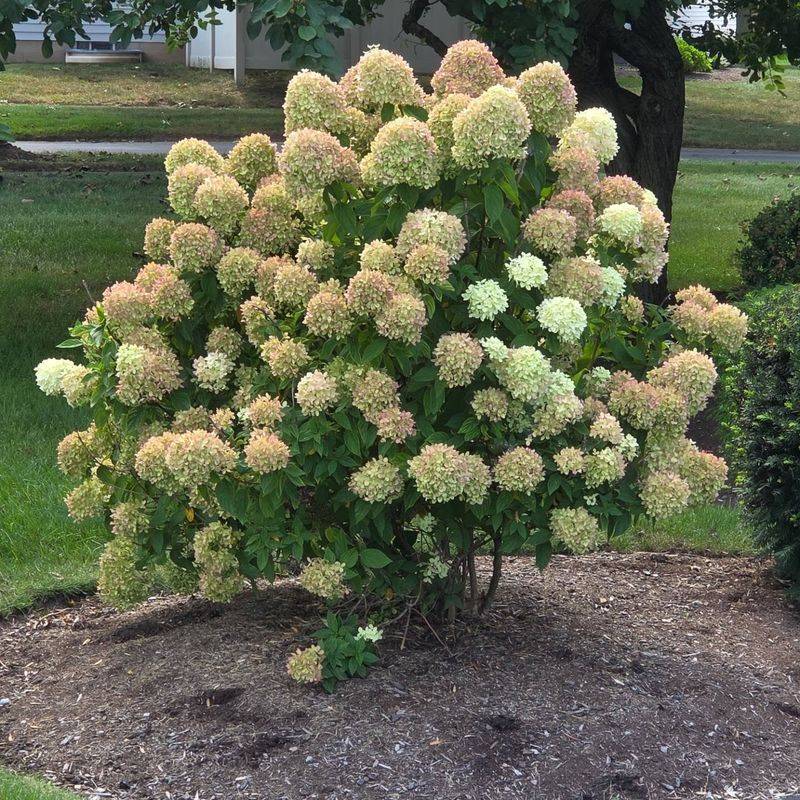
Getting the timing right turns hydrangea pruning from a guessing game into a much more predictable task. The key for New York gardeners is knowing whether the particular hydrangea flowers on old wood, new wood, or a combination of both.
For old-wood types such as traditional bigleaf and oakleaf hydrangeas, pruning shortly after flowering is generally the safer approach. This gives gardeners an opportunity to shape the shrub before flower buds for the following season become established.
New-wood hydrangeas follow a different schedule.
Smooth hydrangeas and panicle hydrangeas produce flowers on growth made during the current season, so they can generally be pruned while dormant without sacrificing established flower buds in the same way.
Some reblooming bigleaf cultivars can produce flowers on both old and new wood. That trait provides additional flowering potential if some old-wood buds are lost, but it does not mean pruning timing becomes irrelevant.
Knowing the species and cultivar makes all the difference. Check the plant tag or reliable cultivar information rather than relying solely on flower shape or flowering date to determine the pruning schedule.
Hydrangeas also do not necessarily require extensive annual pruning. Selective shaping, removal of unwanted stems, and appropriate maintenance may be sufficient depending on the plant.
For old-wood hydrangeas, preserving healthy stems after the appropriate pruning period protects existing flower buds.
Matching pruning timing to the hydrangea type provides a much better foundation for reliable flowering than treating every hydrangea the same way.
8. The Right Time To Stop Pruning Hydrangeas Before Winter
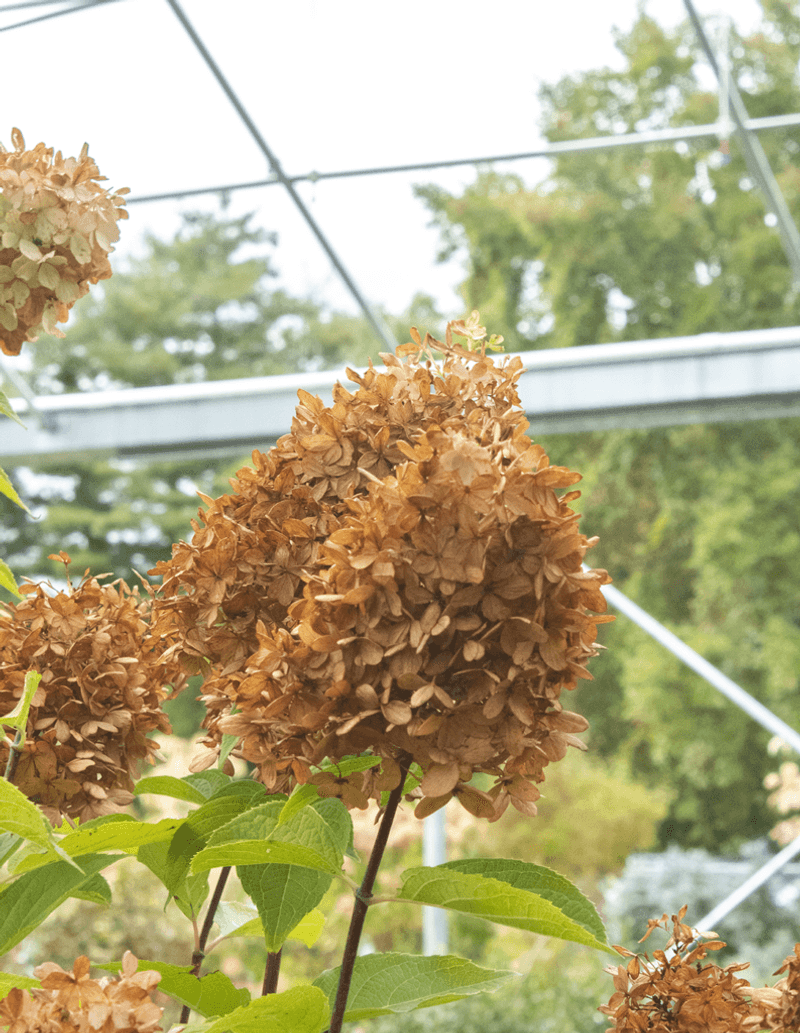
Knowing when to stop pruning depends primarily on which hydrangea you are growing. For old-wood hydrangeas in New York, late summer is generally a time to become cautious because flower buds for the following season may already be developing on healthy stems.
Once an old-wood hydrangea has entered that stage, routine shaping can remove potential flowers. Rather than using the first frost as a universal deadline, gardeners should base the cutoff on the species, cultivar, and whether the plant has already formed flower buds.
That distinction matters because not every hydrangea follows the same schedule.
Panicle and smooth hydrangeas bloom on new wood and can tolerate different pruning timing, while traditional bigleaf and oakleaf hydrangeas generally need their older flowering wood preserved.
Leaving faded flower heads through winter is also an option. The dried blooms can provide attractive winter interest, although they should not be considered essential protection for the flower buds below.
For old-wood types, cosmetic cleanup can often wait if the appropriate pruning window has passed. Damaged or unproductive wood is a different matter and can be addressed when necessary, but healthy bud-bearing stems are worth preserving.
Spring also provides an opportunity to assess winter injury. Waiting until growth begins can make it easier to distinguish viable stems from wood that was damaged during New York’s colder months.
The most useful rule is therefore not a single statewide cutoff date. Identify the hydrangea first, prune according to how it flowers, and avoid late-season cutting of healthy old wood once next year’s flower buds are developing.