The Lawn Fungus Spreading Across Virginia Yards That Mimics Drought Stress
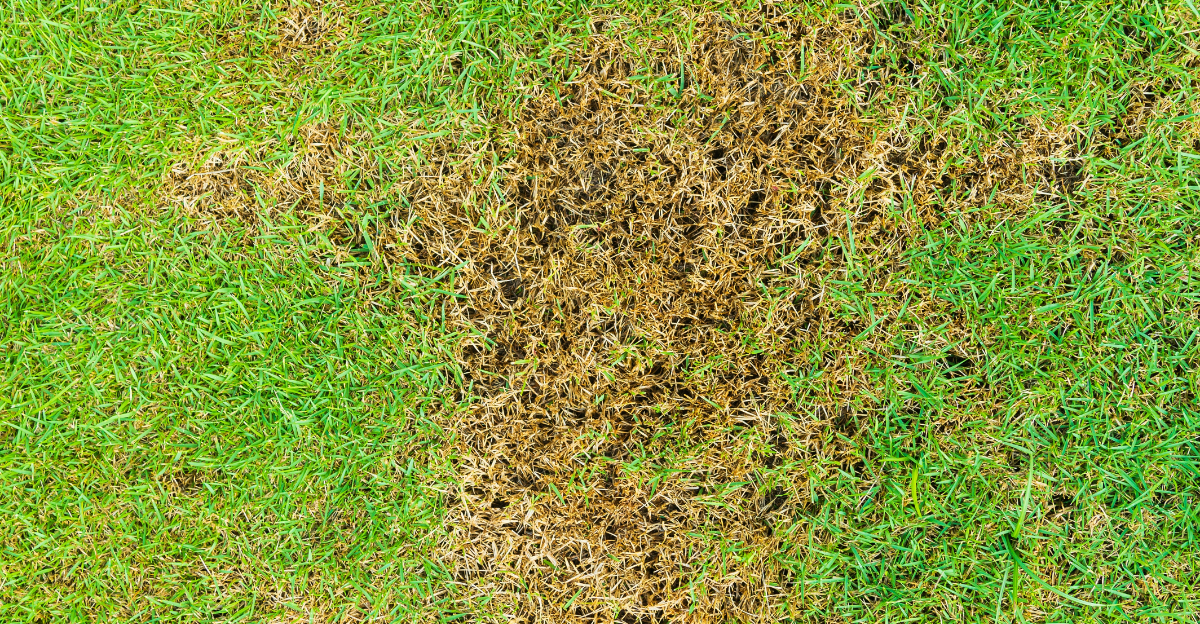
Your lawn got water yesterday. And the day before. Yet those pale, dried-out patches keep spreading like something is quietly working against you, because something is.
A fungus is moving through Virginia yards right now, traveling underground before it ever shows up on the surface. By the time you notice the damage, it has already claimed more ground than you think.
Most homeowners reach for the hose. That is the worst move you can make. Excess moisture is exactly what this fungus feeds on, and every extra watering session rolls out the welcome mat.
Fungal damage and drought stress look nearly identical from the curb, same brown patches, same wilting blades, completely different problem. Getting that diagnosis right changes everything about how you respond.
The Lawn Fungus Most Often Behind Virginia’s Drought-Like Patches
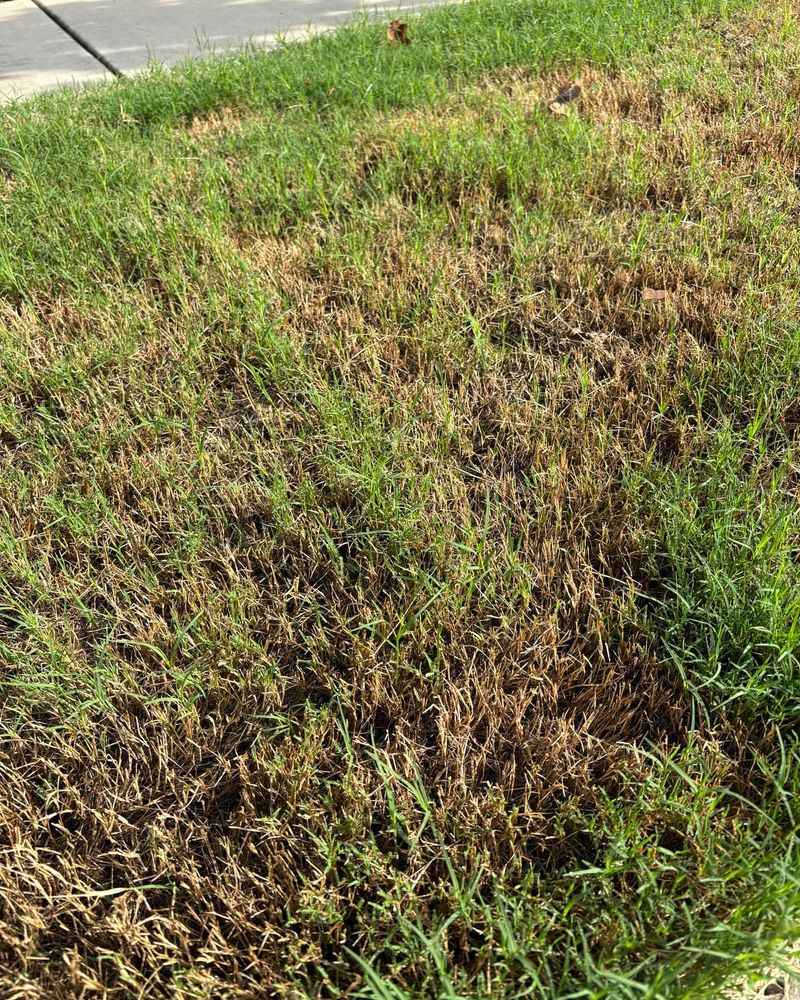
Brown, straw-colored patches appear overnight, and your first instinct is to grab the hose. That instinct is understandable, but it can backfire badly.
The most common culprit behind these patches is a fungal disease called Brown Patch, caused by the pathogen Rhizoctonia solani. It thrives in warm, humid conditions and spreads fast across turf grass.
Brown Patch targets cool-season grasses like tall fescue, which is extremely popular in the state. Patches can range from a few inches wide to several feet across.
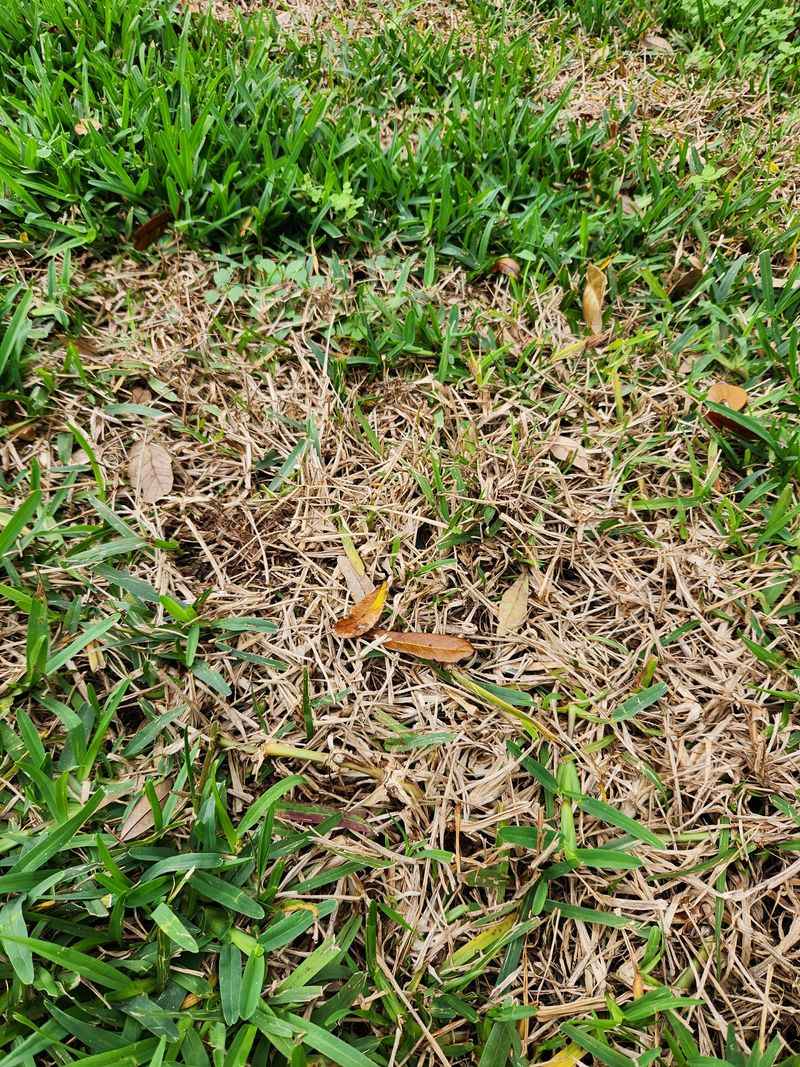
The grass blades inside the patch turn tan or light brown, looking exactly like drought-stressed turf. That visual similarity trips up even experienced gardeners season after season.
One key difference to look for is a darker, water-soaked ring around the patch edge. Lawn fungus often leaves what experts call a “smoke ring” border in the morning.
If you see that ring early in the day before the sun dries the dew, you are almost certainly dealing with a fungal problem. Drought stress does not leave a ring.
Knowing the right enemy matters because the treatments are completely opposite. Watering more feeds the fungus, while withholding water helps stop its spread.
Understanding this lawn fungus is the first step to reclaiming your yard. The next step is knowing why your local climate is practically a welcome mat for this problem.
Virginia’s Climate Gives This Fungus The Perfect Conditions to Thrive
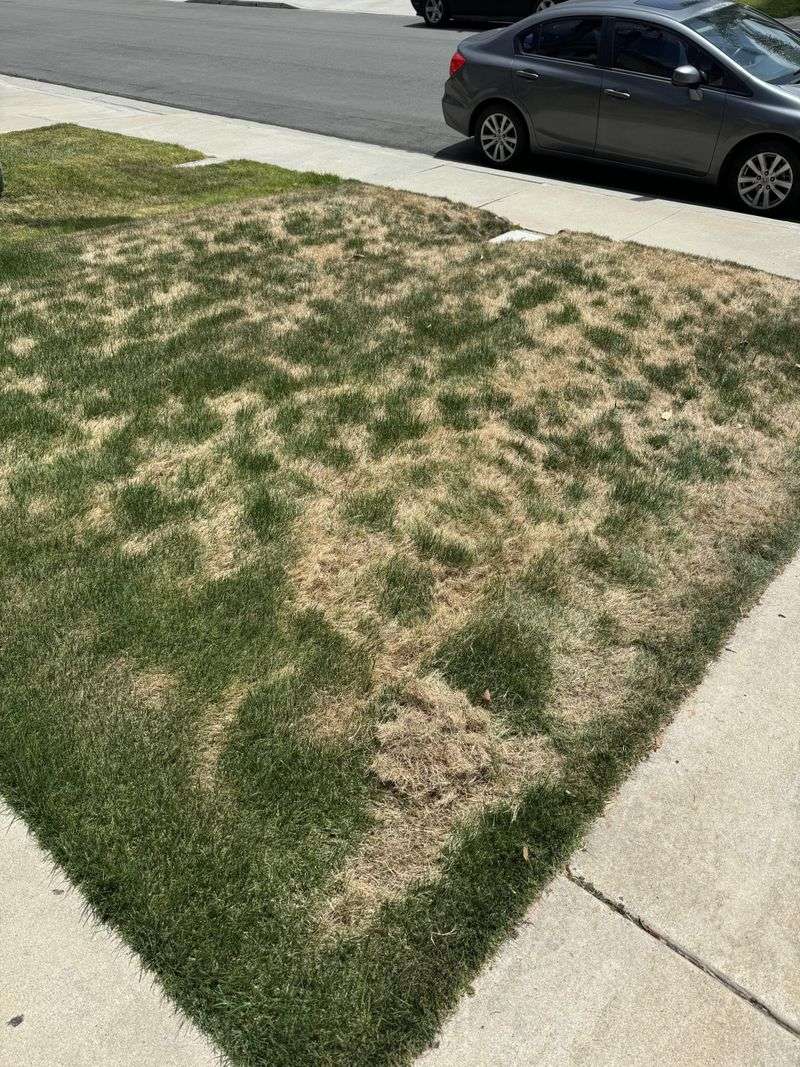
Sticky summers and mild springs create a fungal paradise right in your backyard. The state sits in a climate zone that delivers exactly what Rhizoctonia solani needs to explode.
Temperatures between 70 and 90 degrees Fahrenheit combined with high humidity are the sweet spot for Brown Patch. From June through September, those conditions are almost guaranteed across most of the region.
Night temperatures staying above 70 degrees are especially dangerous for lawns. The fungus does its worst damage during warm, wet nights when the grass stays damp for hours.
Coastal and Piedmont areas face even higher humidity levels, making fungal outbreaks a common occurrence most years. Homeowners in these zones often report patches appearing in the same spots year after year.
Heavy rainfall in late spring sets the stage weeks before visible symptoms show up. The spores are already active underground long before you notice a single brown blade.
Your Virginia Garden Changes Every Week. Your Plan Should Too.
Gardening in Virginia changes quickly throughout the season. Every Friday you’ll receive a simple weekly plan showing exactly what to plant, prune, fertilize, harvest, and protect so you never miss the right timing.
Clay-heavy soils, common across much of the state, hold moisture longer than sandy soils. That extra moisture retention gives the fungus more time to establish and spread.
Shade from mature trees slows drying time on the turf surface, adding another layer of risk. Shaded lawns stay wet longer, giving spores more opportunity to germinate and travel.
Knowing your local climate works against you is not meant to discourage you. It just means you need a smarter strategy, starting with learning how to tell fungal damage apart from true drought stress.
Fungal Damage Vs. Drought Stress
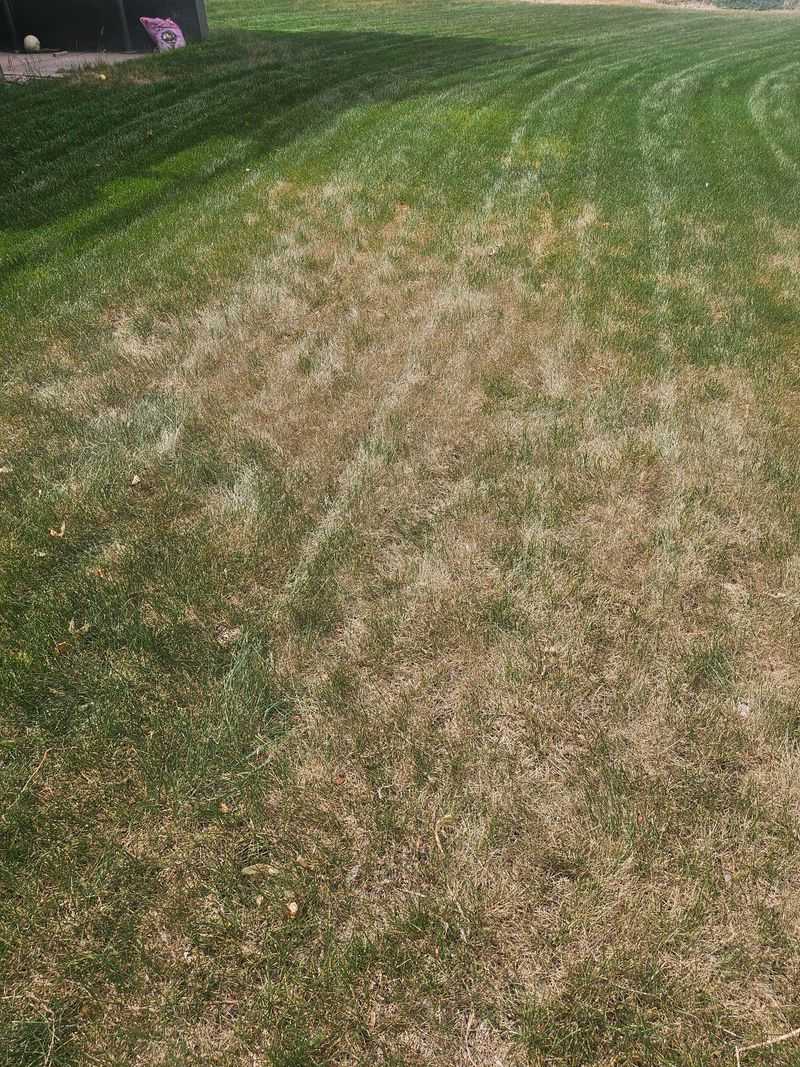
Both look brown, both look sad, and both make you want to water immediately. But treating the wrong problem can turn a fixable situation into a full lawn replacement.
Drought-stressed grass turns brown uniformly across large open areas, usually in the sunniest parts of the yard. The browning follows the sun pattern, not a circular or irregular shape.
Fungal damage creates defined patches with curved or circular edges. The shape is the giveaway that something biological is at work beneath the surface.
Pull a handful of grass from the edge of a brown patch. If the blades slide out easily with no root attached, fungal rot has likely weakened the plant at the crown.
Drought-stressed grass holds its roots firmly, even when brown. The plant is dormant and conserving energy, not rotting from the inside out.
Check the color of the affected blades closely. Drought turns grass an even tan color, while fungal damage often leaves lesions with tan centers and darker brown or reddish borders on individual blades.
Timing also tells you a lot. Drought stress builds gradually over days or weeks without rain, while fungal patches can appear within 24 to 48 hours after a humid night.
Morning is the best time to inspect your lawn for signs of the lawn fungus. Look for that telltale smoke ring, check blade lesions, and test root attachment before the dew burns off.
The Underground Path This Fungus Takes Across Your Yard
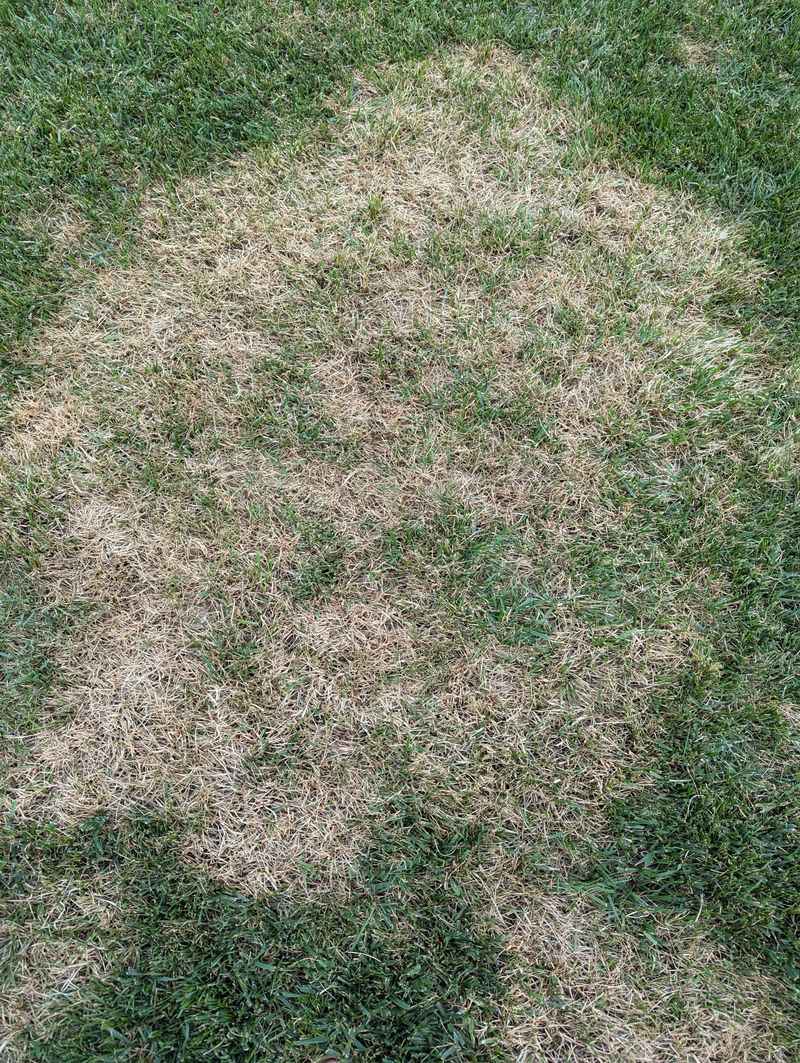
What you see on the surface is just the final chapter of a story that started underground weeks ago. The fungus spreads through thread-like structures called mycelium, invisible to the naked eye.
Mycelium weaves through the soil and thatch layer, connecting infected plants to healthy ones. It moves outward from a central point, which is why Brown Patch creates that classic circular shape.
Thatch is the spongy layer of brown grass stems and roots that builds up between the soil and the green blades. A thick thatch layer is a fungal highway, trapping moisture and spores together.
Lawns with more than half an inch of thatch are significantly more vulnerable to rapid fungal spread. The thatch acts like insulation, keeping conditions warm and moist right where the fungus thrives.
Spores also travel through water, so overhead irrigation and rain splash help carry the pathogen from one area to another. A single infected patch can seed multiple new patches within one watering cycle.
Foot traffic and lawn equipment spread spores too. Mowing over an infected patch and then crossing healthy turf deposits spores directly onto new grass plants.
Cleaning mower blades between sections of the yard sounds tedious, but it genuinely slows the spread. A quick wipe with a diluted bleach solution takes seconds and saves square footage.
Understanding how the fungus travels underground and above it helps you interrupt its path. Cutting off its movement is just as important as any chemical treatment you apply.
Treatment Options For Virginia Lawns With Fungal Damage
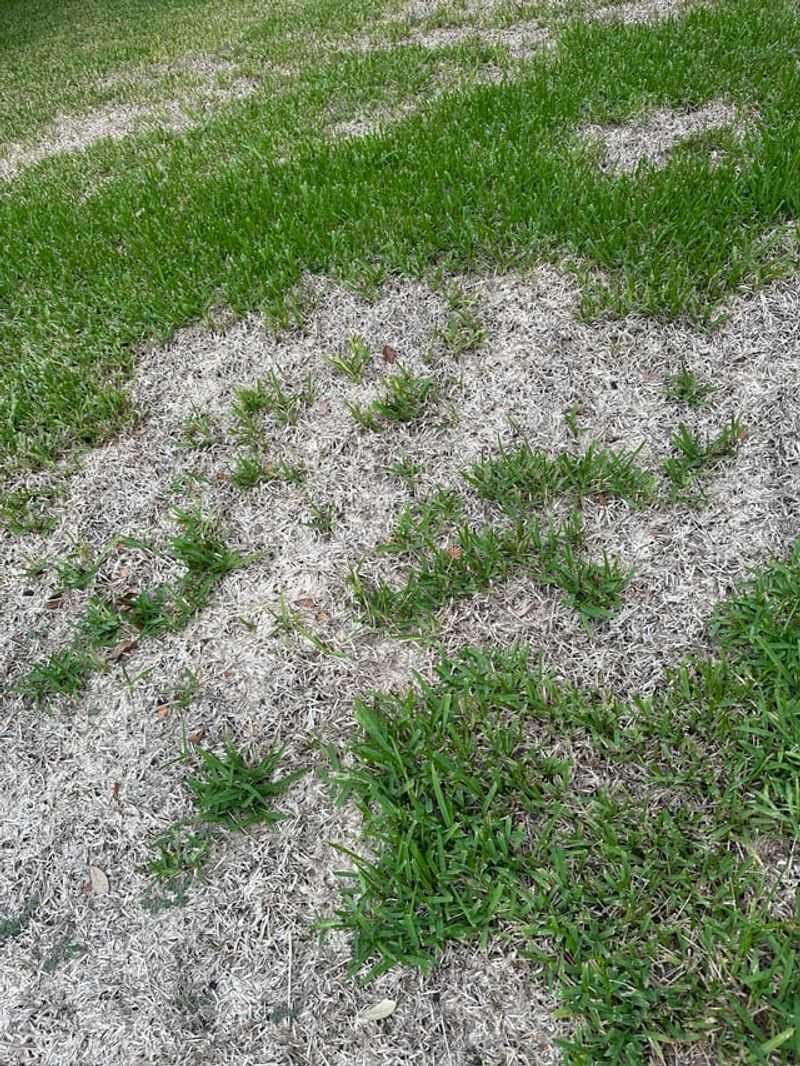
Once you confirm you are dealing with a fungal problem, treatment options range from cultural changes to chemical intervention. The right approach depends on how far the outbreak has spread.
For early-stage infections covering small areas, adjusting watering habits and improving air circulation may be enough to stop the spread. Catching it early keeps your options simple and affordable.
As a general rule, fungicide applications become necessary when patches are expanding rapidly or covering a significant portion of the lawn. Waiting too long limits how effective any product can be.
Contact fungicides like chlorothalonil work by protecting healthy grass blades from new spore contact. They do not cure already-infected plants, but they create a barrier around the outbreak.
Systemic fungicides like azoxystrobin and propiconazole move inside the plant and fight the pathogen from within. These are generally more effective for active, spreading infections.
Apply fungicides in the early morning when conditions are cooler and the product can dry onto the blades before evening humidity sets in. Timing your application matters as much as product choice.
Repeat applications are usually needed every 14 to 28 days depending on the product label. One treatment rarely resolves a full-scale outbreak during a humid summer season.
Organic options like neem oil and compost tea show some promise in mild cases. They work best as preventive tools rather than as rescue treatments for established lawn fungus outbreaks.
When To Call A Professional Lawn Care Service
Sometimes the outbreak is just too far along for a homeowner to manage alone. Knowing when to call in a professional saves you time, money, and a lot of frustration.
If fungal patches are covering a large portion of your lawn and still spreading after consistent treatment, professional intervention is worth the investment. Large-scale outbreaks require commercial-grade products and precise timing.
Licensed lawn care professionals have access to fungicide formulations not available in retail stores. These products are often more concentrated and longer-lasting than anything sold at a garden center.
A professional can also conduct a proper diagnosis using lab testing. Sending a grass sample to a plant pathology lab confirms the exact pathogen, so treatment is targeted rather than guesswork.
The Virginia Cooperative Extension network offers diagnostic services through local offices across the state. Many homeowners do not know this resource exists, but it is affordable and highly reliable.
Recurring outbreaks in the same spots year after year often signal a deeper issue like chronic drainage problems or compaction. A professional assessment can identify and address those root causes.
Lawn care companies that specialize in disease management can set up a seasonal fungicide program timed to your local risk calendar. Preventive programs applied at the right intervals dramatically reduce annual outbreak frequency.
Asking for help is not admitting defeat against the lawn fungus spreading through yards across the region. It is choosing the smartest and fastest path back to a healthy, green lawn.