The Mowing Habit That Speeds Up Lawn Damage During Indiana’s Dry Season
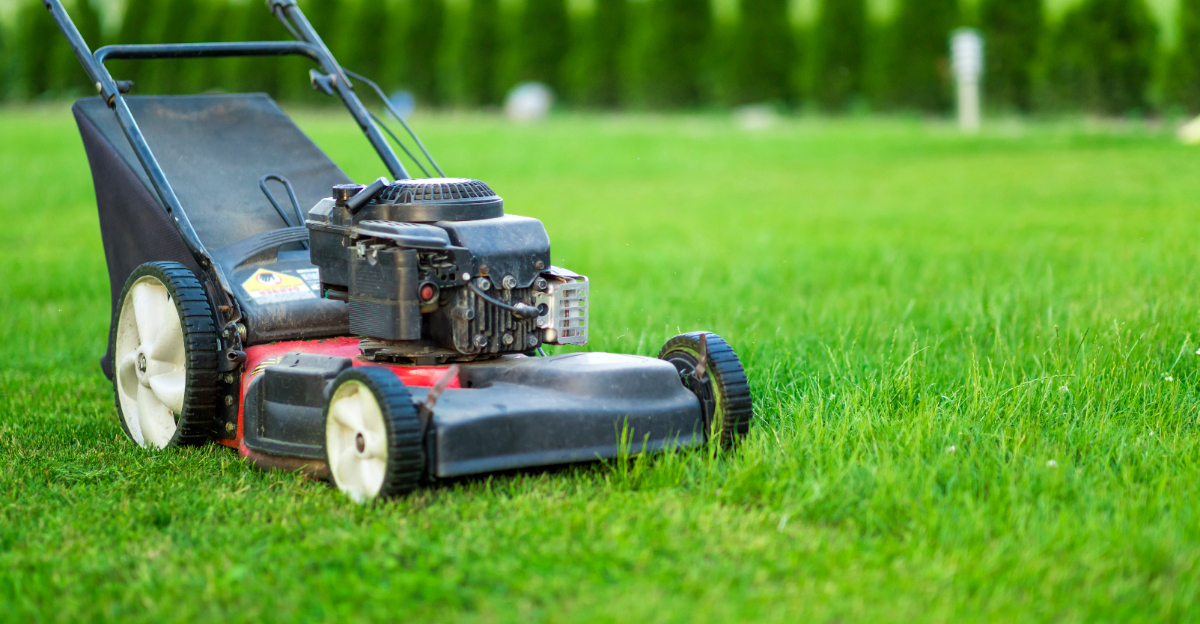
Indiana summers don’t ease into drought, they arrive fast and leave your lawn looking like it gave up overnight. You watered when you could, skipped the fertilizer like everyone said to, and still something went sideways.
The grass that looked thick and green in late spring is now brittle, patchy, and fading in ways that feel out of your control. Here’s the part most homeowners miss: the drought isn’t working alone.
Every time you fire up the mower and cut that grass down to the same height you always do, you’re handing the dry weather an advantage it didn’t have before.
Short grass in a drought isn’t just struggling, it’s exposed, stressed, and burning through its last reserves faster than it can recover. The mowing schedule that kept your lawn sharp all spring is the same one quietly setting it back all summer.
Cutting Grass Too Short During Dry Spells
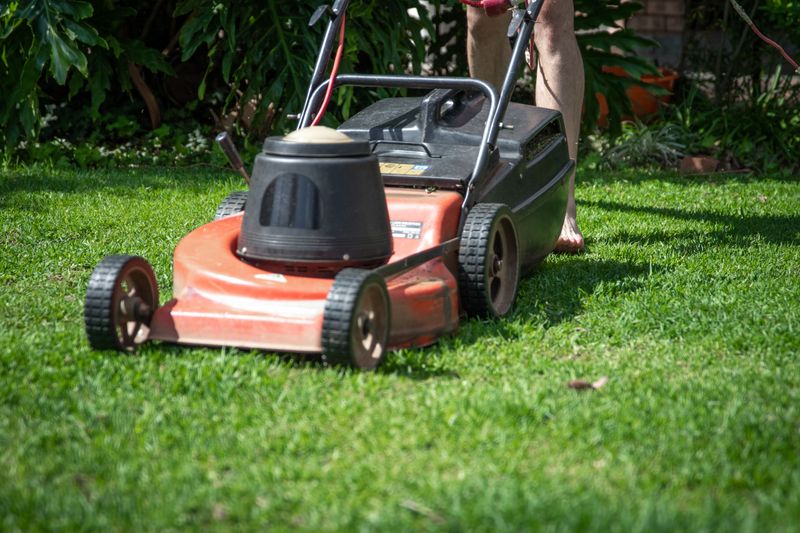
Scalped grass is struggling grass. When you cut your lawn too short during a dry stretch, you strip away the very blades that shade the soil below.
Grass needs those extra inches to protect its roots from the blazing summer sun. Short blades mean exposed soil, and exposed soil dries out fast.
Turfgrass in Indiana, especially tall fescue and bluegrass, grows best when kept at three to four inches tall. Cutting below two inches during a drought puts your lawn at a serious disadvantage.
Low mowing also forces the plant to spend precious energy growing new blades instead of pushing roots deeper. Deeper roots reach moisture that shallow ones simply cannot find.
Many homeowners never think to adjust their mower deck height once the season gets going. Leaving it at the same height year-round works fine in spring, but by July it can quietly become one of the worst things you do to your lawn.
A good rule of thumb is the one-third rule: never cut more than one-third of the blade at a single mowing. Following this keeps your grass healthier even when rain is scarce.
Raise your mower deck as summer heats up. That one small adjustment can make a surprisingly big difference in how your lawn handles the stress of a dry Indiana season.
Mowing Stressed Grass With Dull Blades
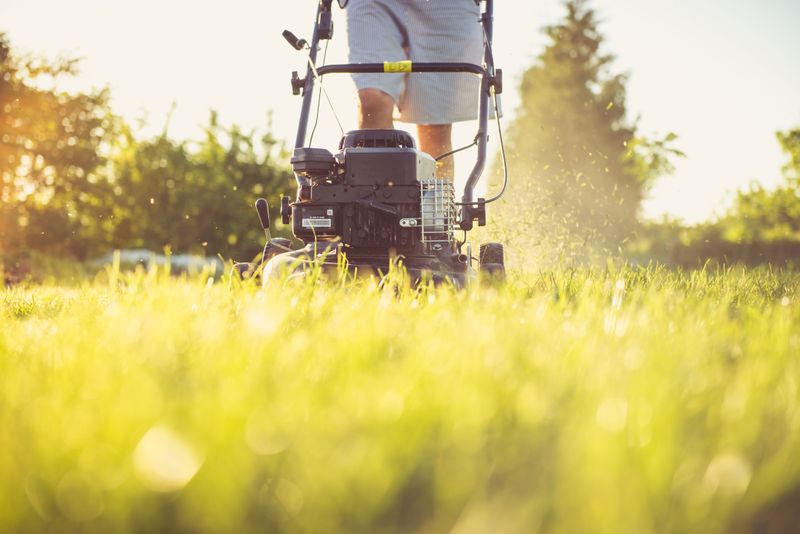
Dull blades do not cut grass cleanly. They tear and shred the tips, leaving ragged edges that dry out much faster than a clean cut would.
Think of it like cutting paper with dull scissors. The result is messy, and the damage goes deeper than what you can see at first glance.
Those torn tips turn brown within a day or two, giving your whole yard a grayish, stressed appearance. During dry conditions, that browning spreads more quickly than usual.
Torn grass also loses moisture faster through those ragged openings. When a lawn is already thirsty, that extra water loss can push it from stressed to visibly damaged within a matter of days.
Your Indiana Garden Changes Every Week. Your Plan Should Too.
Gardening in Indiana changes quickly throughout the season. Every Friday you’ll receive a simple weekly plan showing exactly what to plant, prune, fertilize, harvest, and protect so you never miss the right timing.
Sharp blades, on the other hand, slice cleanly and help the plant seal off quickly. A sealed cut heals faster and holds onto moisture much more effectively.
Sharpening your mower blade two or three times per season is a simple habit that pays off big. During the dry season especially, sharp blades are one of the best tools you have to protect your lawn from extra harm.
Mowing At The Hottest Part Of The Day
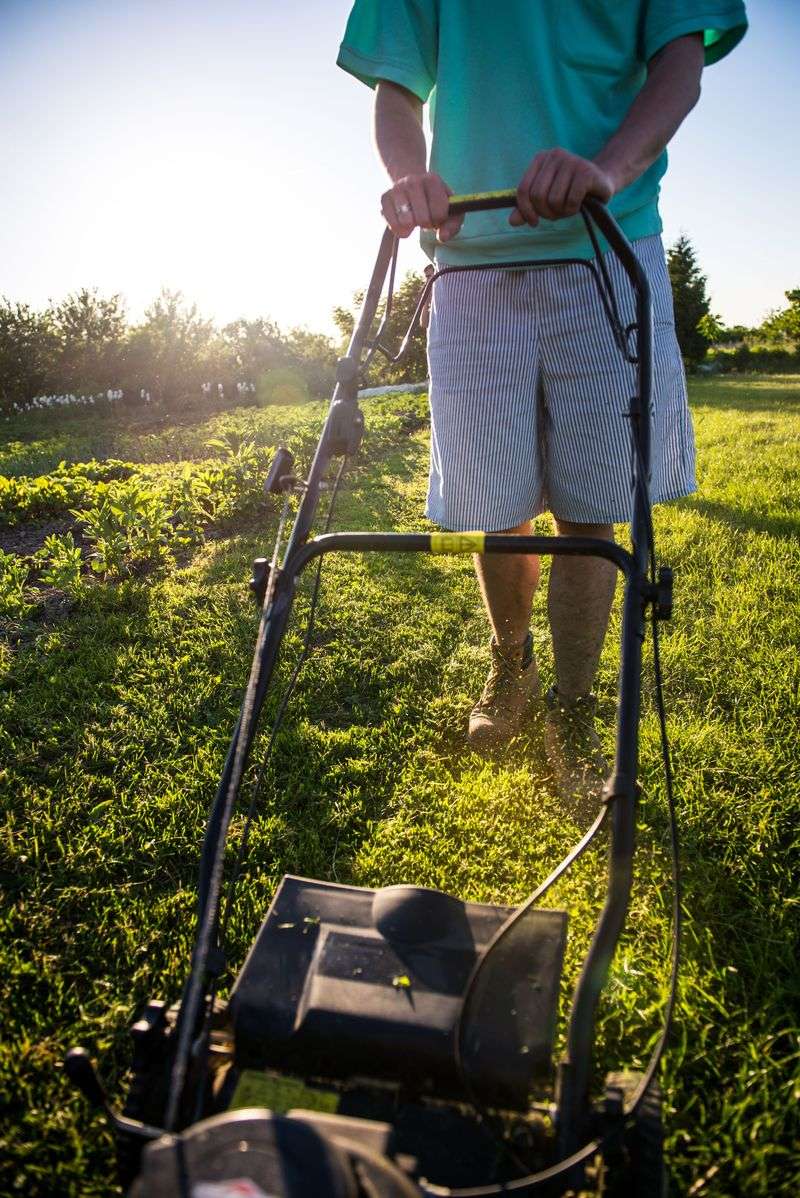
Mowing at noon puts your grass under unnecessary stress.
When temperatures climb above 85 degrees, grass is already working hard just to stay alive. Mowing at that moment adds physical injury on top of heat stress.
The freshly cut tips are the most vulnerable part of the blade. Exposed to direct afternoon sun right after cutting, those tips can scorch within hours.
Evening mowing sounds smarter, but it has its own risks. Cutting late in the day leaves moisture on the grass overnight, which can encourage fungal growth in humid Indiana summers.
Early morning is the sweet spot for mowing during a dry season. Temperatures are lower, the grass is firm, and the sun has not yet reached its most punishing angle.
Aim to finish mowing before 10 a.m. whenever possible. Your lawn recovers faster when it has the cooler morning hours to begin healing before the afternoon heat arrives.
Mowing Too Frequently Without Letting Grass Recover
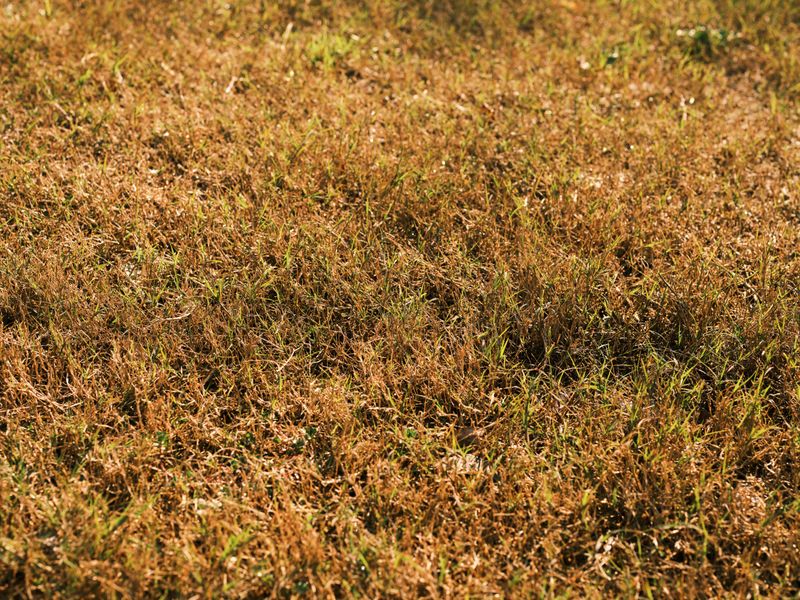
Grass is a living plant, and it needs time to bounce back. Mowing every four or five days during a drought does not give it that chance.
Each mowing puts some stress on the plant. During normal conditions, grass recovers quickly, but dry heat slows that recovery down significantly.
When you mow again before the lawn has healed, you are stacking stress on top of stress. Over time, those repeated cuts weaken the root system and thin out the turf.
Thin turf is an open invitation for weeds and bare patches. Once bare spots appear during a dry stretch, they are much harder to fill back in without extra watering and seeding.
A good signal that your lawn is ready to mow again is when it has grown back to about one-third above your target height. If it is not actively growing, there is no reason to run the mower over it again so soon.
Stretching your mowing schedule to once every seven to ten days during a drought is a smart move. Giving your lawn time to breathe is one of the simplest ways to protect it when rain is hard to come by.
Leaving Grass Clippings In Thick Clumps On Dry Lawns
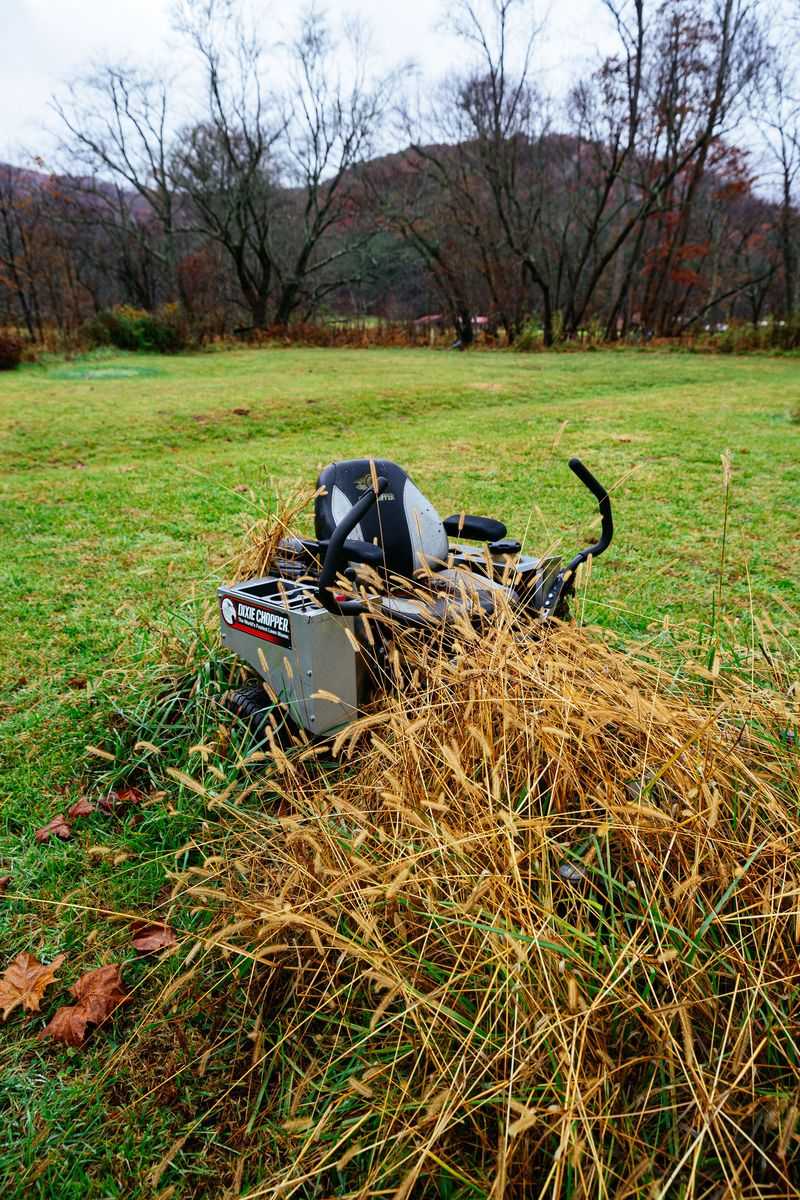
Clumps of clippings look harmless, but they cause real problems during a dry season. They block sunlight and trap heat right against the soil surface.
When clippings pile up in thick mats, the grass underneath cannot breathe. That trapped heat and moisture imbalance raises the risk of fungal problems and further browning.
Small, spread-out clippings are actually beneficial. They break down quickly and return nitrogen to the soil, acting like a light natural fertilizer for your lawn.
But thick clumps are a different story entirely. They sit on top of the turf, smothering what little green growth remains during an already tough dry stretch.
The fix is straightforward: mow more slowly or make a second pass to break up any clumps left behind. A mulching blade attachment can also help distribute clippings more evenly across the yard.
If clumps are unavoidable, rake them up and compost them instead of leaving them to smother your lawn. Keeping the surface clear gives stressed grass the best shot at holding on until rain finally returns.
Ignoring Lawn Hydration Before And After Mowing
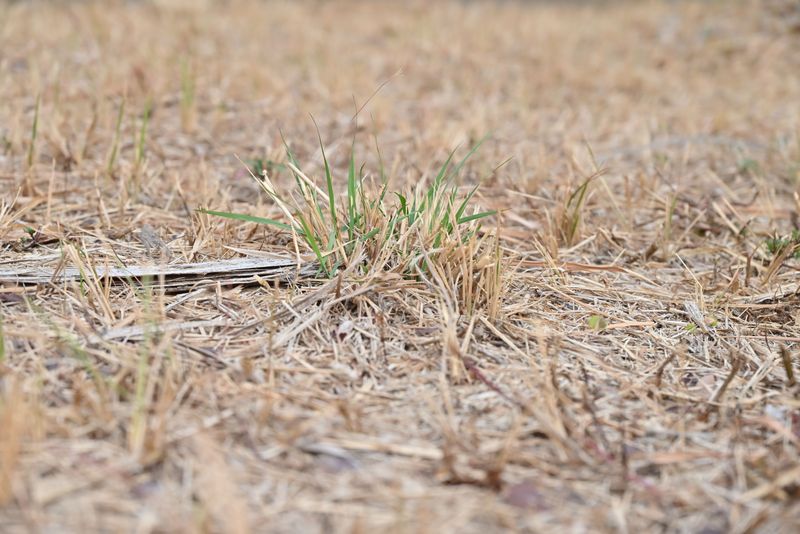
Mowing a lawn that has gone without water for several days can cause more damage than most homeowners expect. Grass that has not had water in days is already fragile and easy to injure.
When grass is dehydrated, its blades become brittle. Running a mower over brittle grass causes tearing and breakage far worse than what a healthy, hydrated lawn would experience.
Watering before mowing helps the grass stand upright, which leads to a cleaner, more even cut. Flat, wilted blades get missed by the mower and end up cut unevenly later.
Watering right after mowing is equally helpful during a dry season. Fresh clippings leave the plant open to moisture loss, and a light watering helps the grass begin recovering right away.
Timing your watering correctly matters too. Early morning watering gives the lawn time to absorb moisture before the heat of the day pulls it back out of the soil.
Skipping hydration around mowing days is a habit that quietly adds up to big lawn damage over a dry summer. Building a simple watering routine around your mowing schedule keeps your turf far more resilient when Indiana heat hits its hardest.
Mowing In The Same Direction Every Single Time
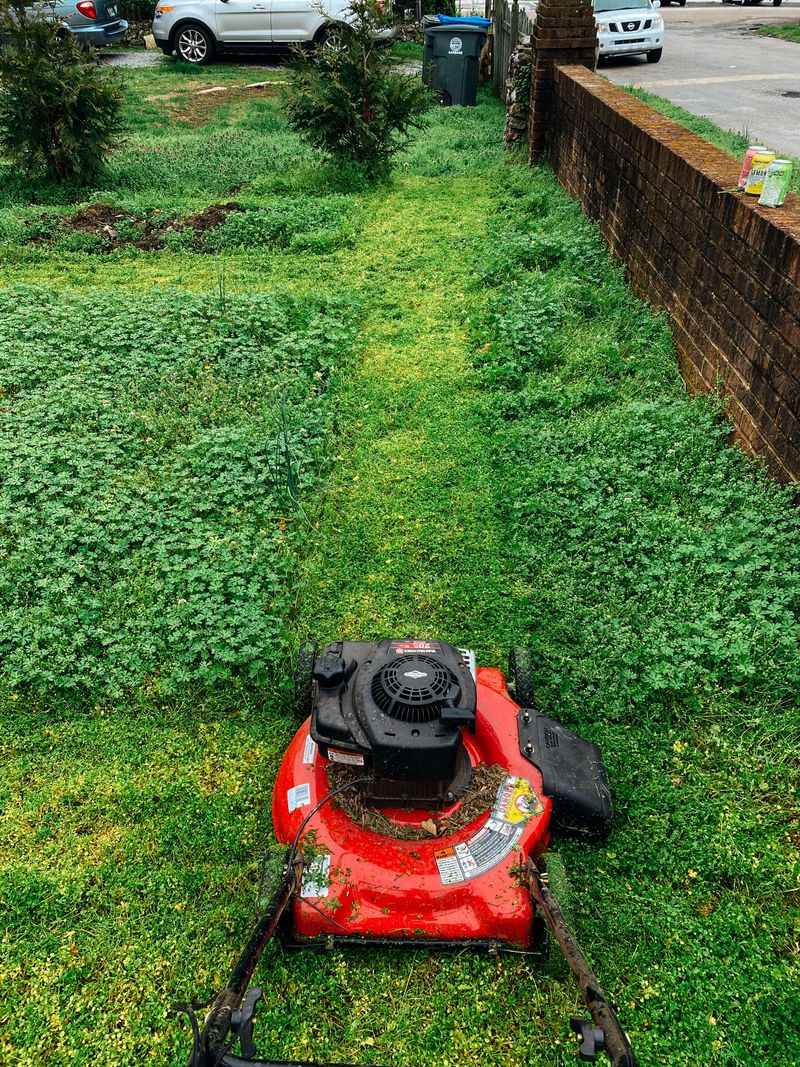
Habit is comfortable, but your lawn pays the price for it. Mowing in the same direction every week compacts the soil along the same tracks over and over.
Compacted soil cannot absorb water efficiently, which is the last thing you want during a dry Indiana summer. Rainwater and irrigation run off instead of soaking in where roots need it most.
Grass also begins to lean in the direction it gets pushed repeatedly. Leaning blades are harder to cut evenly, and uneven cuts leave some areas shorter and more exposed than others.
Changing your mowing pattern breaks up compaction before it becomes a serious problem. Alternating between horizontal, vertical, and diagonal passes keeps soil looser and more receptive to whatever moisture comes its way.
Varied patterns also give each blade of grass a chance to stand upright before the next cut. Upright blades get a cleaner cut, and cleaner cuts mean healthier, more resilient turf overall.
Rotating your mowing direction is a free and easy habit to adopt starting today. Small adjustments to when, how often, and how short you mow can go a long way toward keeping your Indiana lawn green through even the driest stretches.