The Lawn Mistake Michigan Homeowners Make Watering Right After Heavy Rain
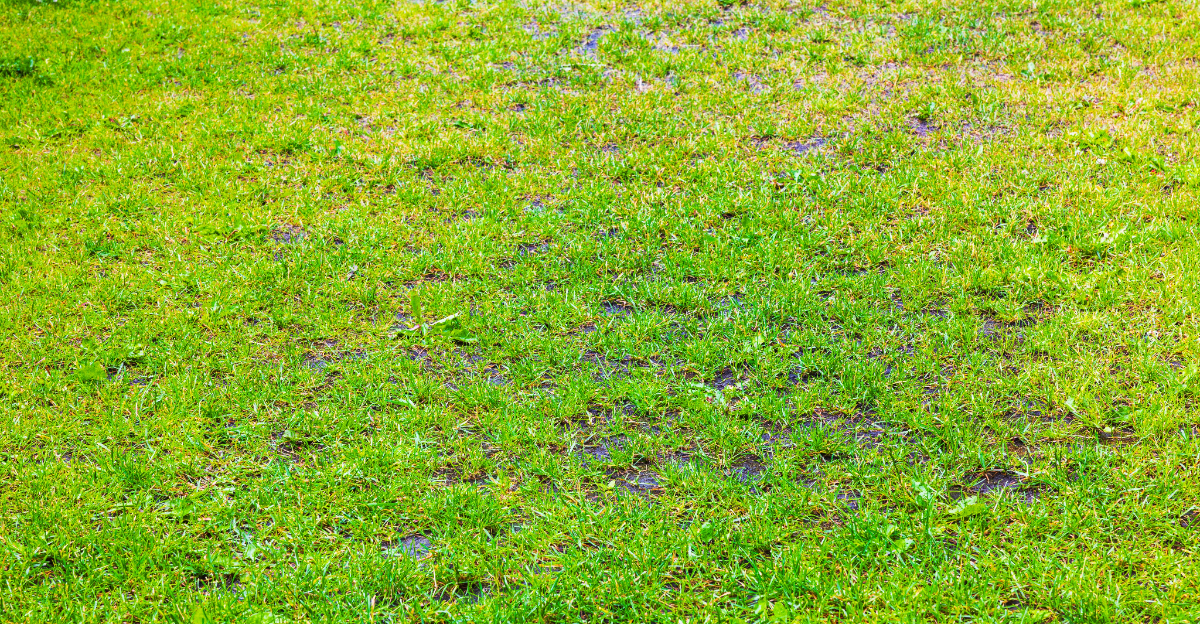
Watering a lawn immediately after heavy rain is a common mistake many Michigan homeowners make without realizing the potential harm involved.
Soil that’s already saturated from rainfall has little room left to absorb additional water, leading to standing puddles and oxygen deprived roots.
This oversaturation can suffocate grass roots, creating conditions similar to drought stress despite the obvious abundance of moisture.
Checking soil moisture several inches down, rather than judging by a wet surface, gives a much more accurate picture of actual need.
Waiting a day or two after significant rainfall usually allows soil to reach a healthier moisture balance naturally.
Overwatering during this recovery period can also encourage fungal issues that thrive in consistently soggy conditions.
Aerating compacted areas after major storms helps improve drainage for future rain events as well.
Avoiding this simple mistake protects lawn health more effectively than any amount of extra watering ever could.
1. The Mistake Is Watering Soil That Is Already Saturated
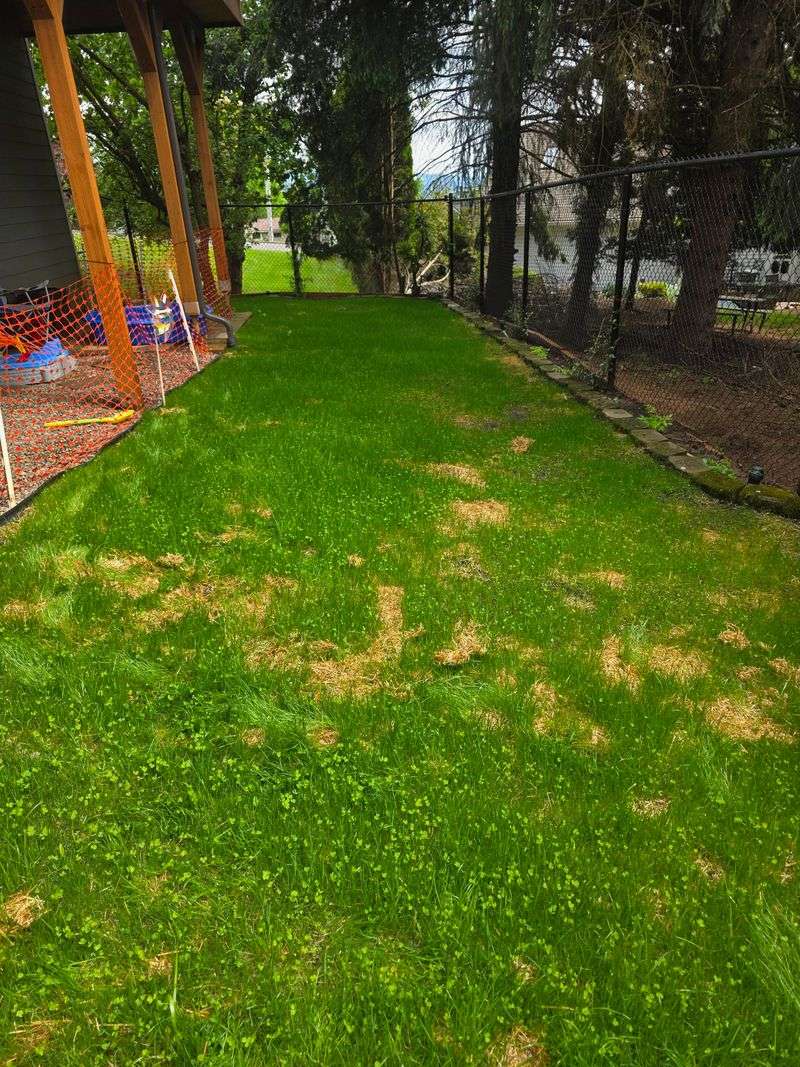
Automatic sprinkler systems are incredibly convenient, but they have one big blind spot: they run whether your lawn needs water or not.
After a heavy Michigan rainstorm, millions of gallons of water are wasted every year simply because irrigation systems stay on their regular schedule without anyone checking soil moisture first.
Irrigation was designed to supplement rainfall, not to add water automatically regardless of how saturated the ground already is.
A strong soaking storm can easily deliver an inch or more of water in just a few hours, which may cover everything your lawn needs for several days.
Running the sprinklers on top of that does not help the grass grow faster or greener.
Roots can only absorb so much at once, and waterlogged soil simply holds more water than the grass can use.
The excess has nowhere to go except to pool on the surface or run off into storm drains, carrying away nutrients with it.
Pausing your irrigation schedule after heavy rain is one of the simplest and most effective things you can do for your lawn.
Give the soil time to drain and allow the grass to actually use the moisture already available before adding any more.
Most cool-season Michigan grasses like Kentucky bluegrass and tall fescue are surprisingly resilient when given a chance to breathe between waterings.
Checking soil moisture before restarting your system takes only a minute and can make a real difference in how your lawn looks all season long.
2. Saturated Soil Leaves Grass Roots Short On Oxygen
Something interesting happens underground when a Michigan lawn gets too much water. Soil is not just dirt.
It is a living system full of tiny air pockets that plant roots depend on just as much as they depend on water itself.
Michigan State University has reported that oxygen levels in saturated soil can drop quickly, and that decline directly harms the turf root system.
When roots are starved of oxygen, they become far less efficient at absorbing both water and nutrients.
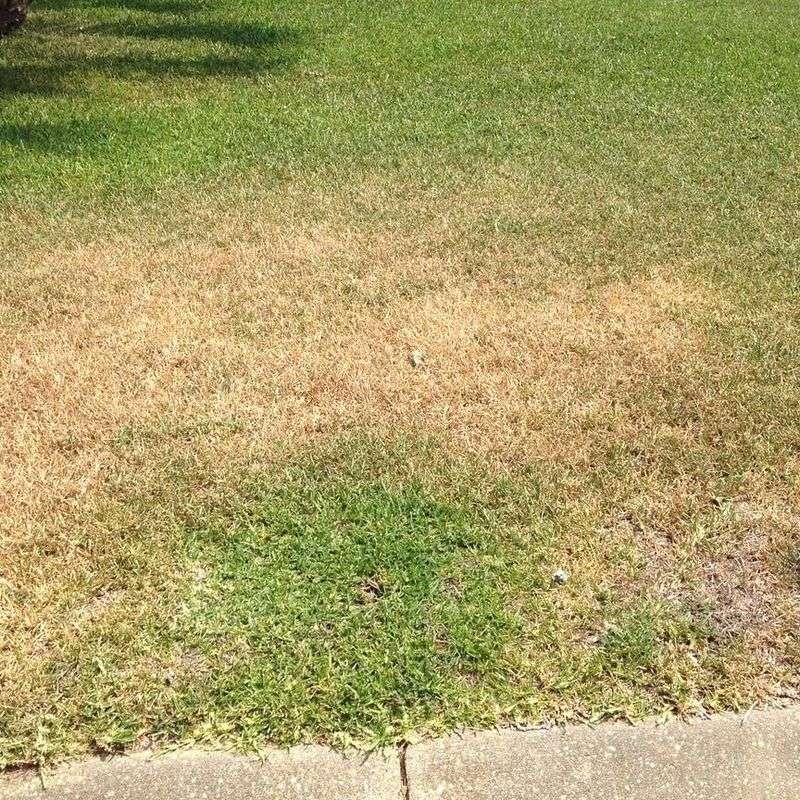
The result often shows up as yellow, weak, or thinning grass, which can look surprisingly similar to drought stress even though the soil is soaking wet.
Your Michigan Garden Changes Every Week. Your Plan Should Too.
Gardening in Michigan changes quickly throughout the season. Every Friday you’ll receive a simple weekly plan showing exactly what to plant, prune, fertilize, harvest, and protect so you never miss the right timing.
Clay-heavy soils, which are common across many parts of Michigan, hold onto moisture much longer than sandy soils do.
A lawn sitting on clay may stay saturated for days after a single heavy rain, especially in low-lying areas with limited drainage.
Adding irrigation on top of already saturated clay soil only extends the period of oxygen stress on the roots.
Sandy soils drain faster but can also lose nutrients more quickly when overwatered. Every soil type has a tipping point where more water stops being helpful and starts being harmful.
Knowing your soil type helps you predict how long you should wait before restarting irrigation after a major rain event.
Paying attention to what is happening below the surface, not just what the grass looks like from above, is a smarter way to care for a Michigan lawn all summer.
3. More Water Can Increase Lawn Disease Pressure
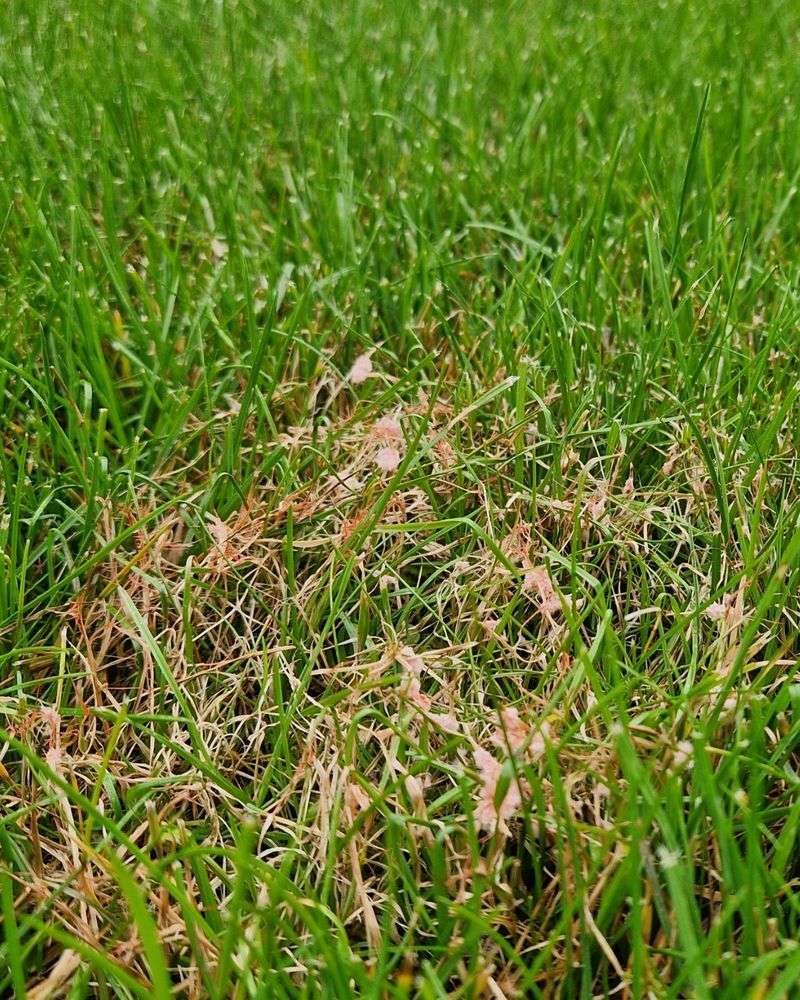
A wet lawn that stays wet for too long becomes a welcoming environment for turf diseases, and Michigan homeowners often do not realize that adding more water after heavy rain can make things worse.
Prolonged moisture on grass blades and saturated soil creates exactly the conditions that fungal pathogens love most.
Michigan State University has tracked increased turf disease activity during periods of excessive rainfall and poorly timed irrigation.
Brown Patch is one well-known example that tends to show up during warm, humid stretches when nighttime temperatures stay above 70 degrees Fahrenheit and the grass stays wet for extended periods.
It spreads quickly across a lawn and leaves behind circular patches of discolored, matted turf.
Pythium Blight is another disease that can flare up when heat combines with excessive soil moisture.
It moves fast and can damage large areas of turf in a short time, particularly in lawns with poor drainage or heavy thatch buildup. Both diseases become harder to manage once they get established.
One of the trickiest parts of dealing with lawn disease is that early symptoms can look a lot like drought stress, with yellowing, browning, or thinning areas of grass.
A homeowner who sees those signs and immediately reaches for the sprinkler timer is making a common but understandable mistake.
Adding more water to a diseased, saturated lawn rarely helps and often encourages the problem to spread further.
Letting the lawn surface dry between waterings is one of the best natural defenses against fungal disease pressure.
4. Turn Off The Automatic Irrigation Schedule
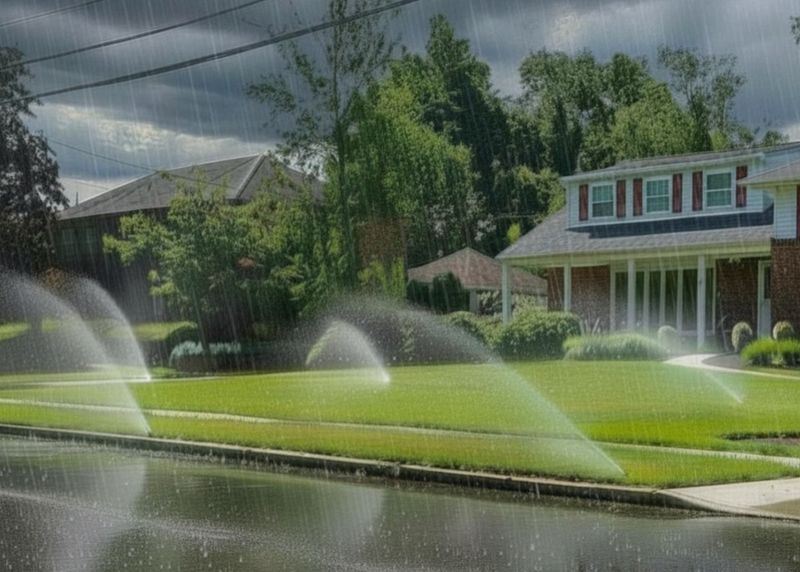
One of the fastest and most practical things you can do after a heavy Michigan rain is simply walk over to your irrigation controller and pause the schedule.
It sounds almost too simple, but most homeowners skip this step entirely because the system is set to automatic and they assume it will sort itself out.
Irrigation schedules are typically programmed for average conditions during a dry stretch, not for the day after a soaking storm.
Running that schedule anyway adds water the lawn does not need and can keep the soil saturated far longer than it should be.
Moisture management is not a one-size-fits-all situation, and a rigid timer does not know what the weather just did.
Many newer irrigation systems come with rain sensors or smart weather-based controls that can detect recent rainfall and automatically skip a scheduled cycle. If your system has one of these features, make sure it is properly installed and functioning.
Even so, visually checking your lawn and pressing a finger an inch or two into the soil before restarting is always a good habit.
The goal of irrigation is to replace moisture the soil has already used up, not to keep refilling soil that is already full.
Think of it like a glass of water: there is no point pouring more in when it is already full to the brim.
Adjusting your schedule after every significant rain event is a small habit that protects your lawn, conserves water, and saves money on your utility bill over the course of a season.
5. Measure How Much Rain Actually Fell
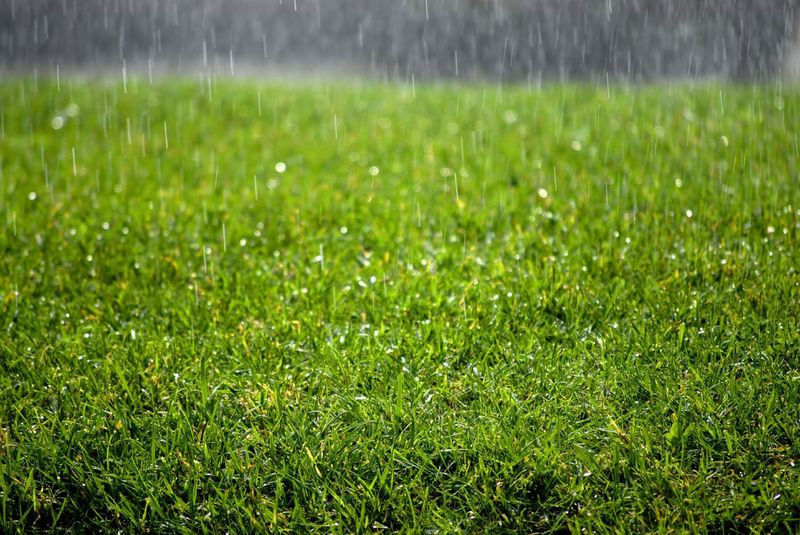
Rain can be tricky to judge just by watching it fall. A storm that looks dramatic and intense might deliver less water than expected, while a slow, steady overnight rain can quietly soak deep into the soil without much fanfare.
Guessing based on how a storm looked or sounded is rarely accurate enough to make good irrigation decisions.
Placing a basic rain gauge in an open area of your yard is one of the most affordable and useful tools a Michigan homeowner can add to their lawn care routine.
Michigan State University recognizes rain gauges as an inexpensive and practical way to make smarter irrigation choices and reduce unnecessary watering throughout the growing season.
A simple model costs just a few dollars and can last for years. Most established Michigan cool-season lawns need roughly one inch of water per week, combining rainfall and irrigation.
If your gauge shows that a recent storm already delivered three-quarters of an inch or more, you can safely delay irrigation for several days without stressing the grass.
Multiple smaller storms throughout the week can add up quickly too, so tracking each one helps you see the full picture.
Recording what your gauge shows after each storm takes only seconds but builds a valuable habit over time.
You start to understand your yard’s actual water needs rather than just following a programmed schedule that never changes.
Measured data always beats guesswork, and your lawn will reflect that accuracy in how evenly green and healthy it stays from spring through fall.
6. Check The Soil Instead Of Following The Calendar
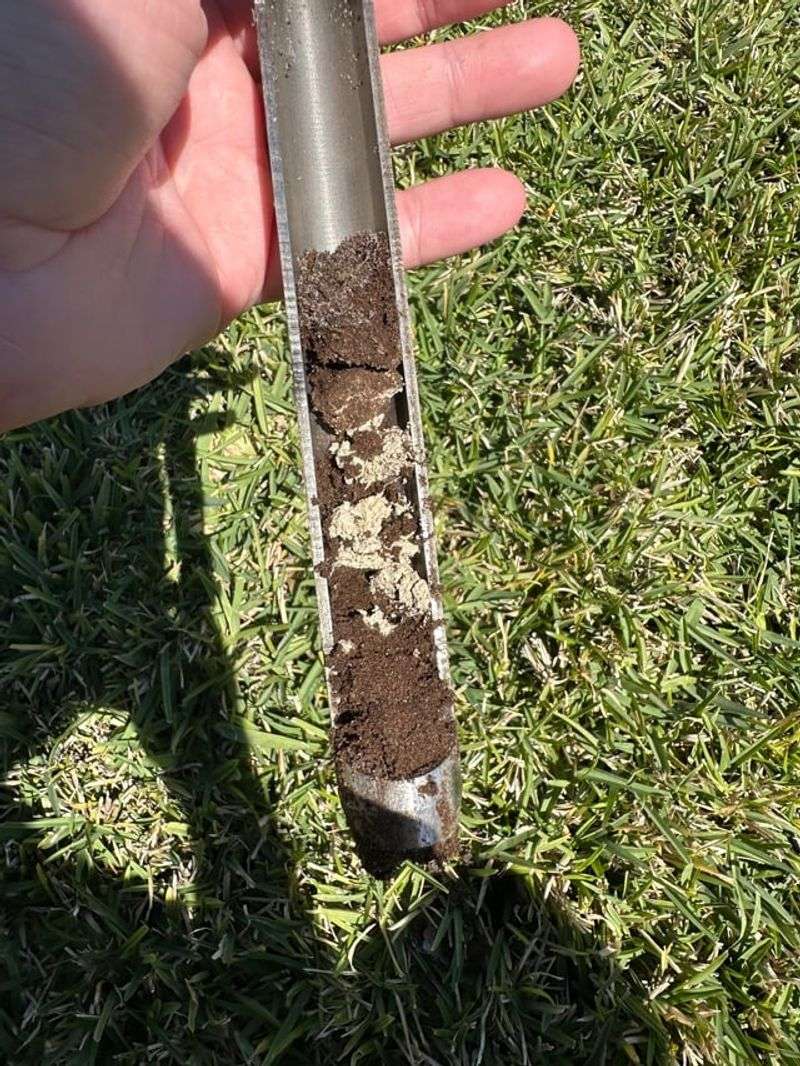
Calendars are great for scheduling appointments, but they are a poor guide for lawn watering.
Michigan weather shifts constantly throughout the growing season, and what the soil actually holds matters far more than what day of the week it happens to be.
Sandy soils, which appear in many parts of northern Michigan and some suburban areas, drain relatively quickly after rain and may need irrigation sooner than expected.
Clay-heavy soils, more common in the lower peninsula, hold onto moisture much longer and can stay saturated for days after a single heavy storm.
Neither soil type should be treated the same way on a fixed watering schedule.
Walking your yard after a rain event and checking a few different spots gives you a much clearer picture than any timer can.
A sunny south-facing slope might dry out faster than a shaded low area near the back fence. Compacted pathways or spots near driveways may drain differently than the open middle of the lawn.
Pressing your finger about an inch into the soil in several places only takes a couple of minutes.
Irrigation should resume when the root zone has drained enough and the grass is genuinely beginning to need moisture again.
There is no single correct number of days to wait because soil type, storm intensity, temperature, and drainage all vary from yard to yard and week to week.
Trusting what you feel in the soil beats trusting a calendar every single time, and your grass will reward you for paying that extra attention.
7. Fix Drainage Problems Instead Of Adding More Water
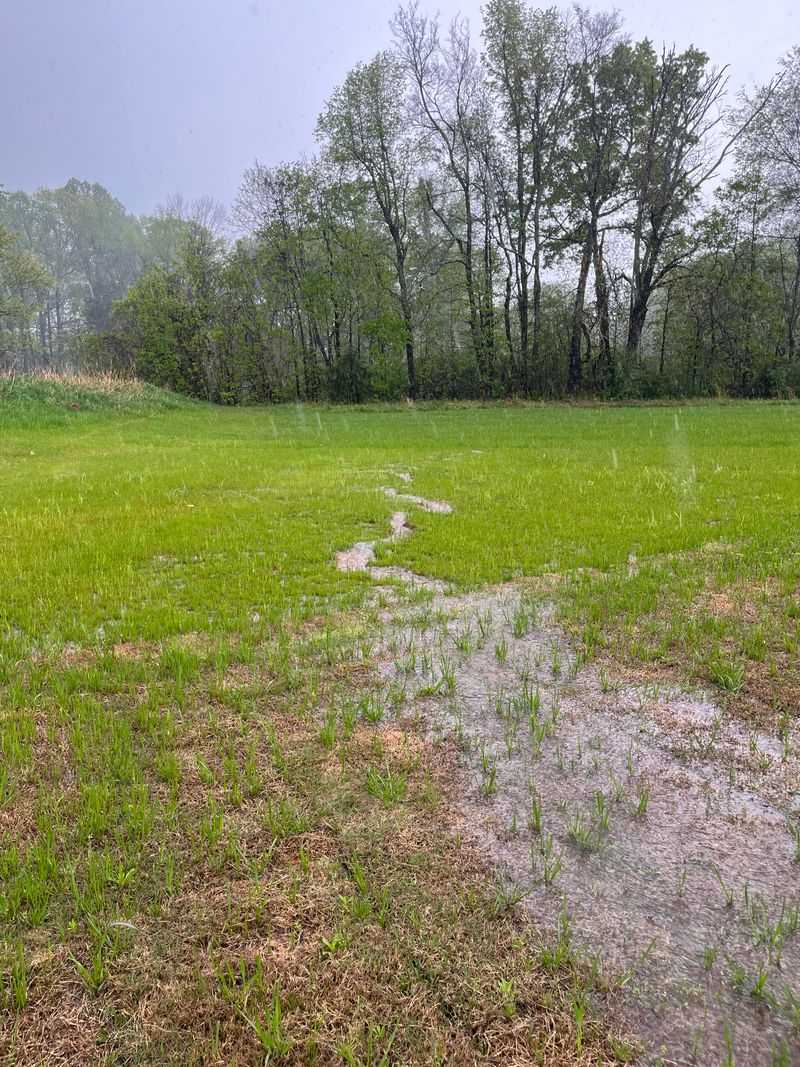
Some Michigan lawns stay soggy long after the rest of the neighborhood has dried out, and that is a sign worth taking seriously. Persistent wet spots are not just a watering timing issue.
They often point to something deeper going on with the soil structure or the way water moves across and through the property.
Common warning signs include puddles that linger for more than a day after rain, ground that feels spongy underfoot, thinning turf in low areas, recurring moss growth, or spots that always seem to be the last to dry.
Michigan State University connects chronically wet lawn conditions to drainage problems, compaction, or excessive irrigation applied over time.
Any one of those factors, or a combination of them, can keep water trapped near the surface longer than roots can tolerate.
Redirecting surface runoff away from problem areas can help in some cases, particularly when water drains from a neighboring property or from a hard surface like a driveway or patio.
Reducing foot traffic and equipment use over wet areas prevents further compaction from making the problem worse.
Core aeration, done at the right time of year for Michigan cool-season grasses, can improve drainage and oxygen movement through compacted soil over time.
Repeatedly watering a chronically soggy area will not fix the underlying drainage issue. It only adds to the water load the soil is already struggling to handle.
Addressing the root cause of poor drainage is the only lasting solution, and it almost always leads to a healthier, better-looking lawn in the seasons that follow.
8. Resume Watering Only When The Lawn Needs It Again
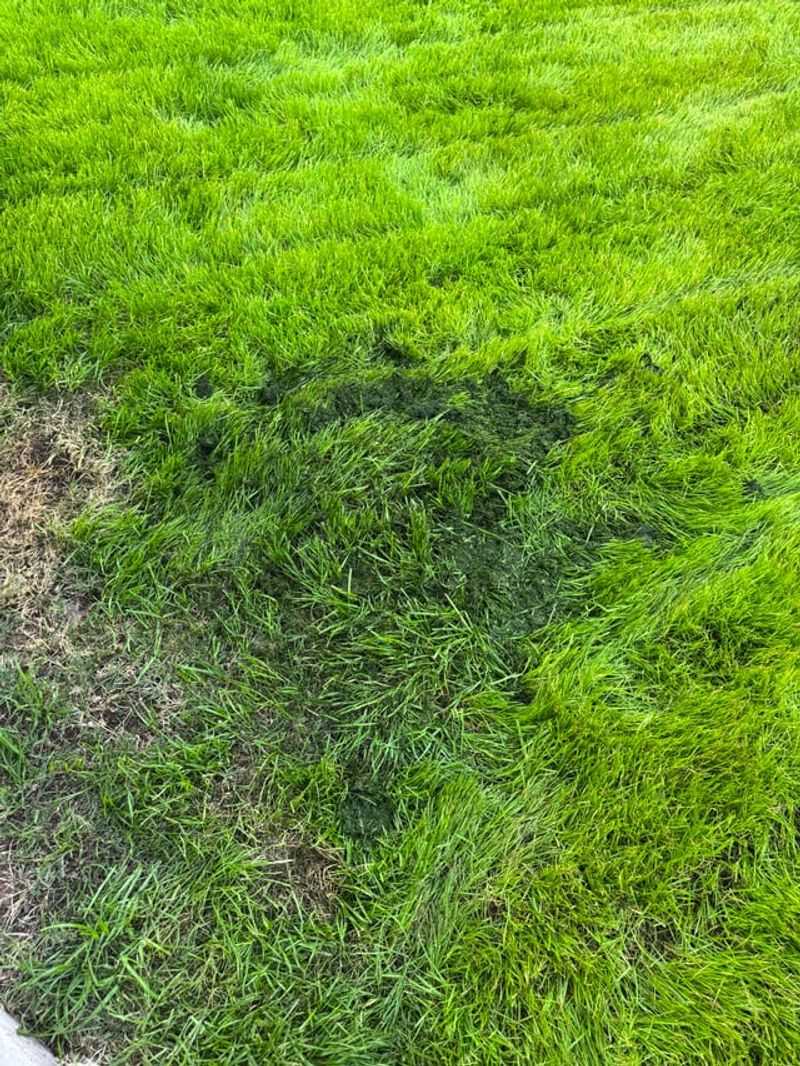
After a heavy Michigan rain, the best thing you can do for your lawn is give it time.
Pause the irrigation system, let the soil drain, and watch how the grass responds over the following days before reaching for the sprinkler controls again.
Different parts of your yard will likely recover at different speeds. A sunny open area might be ready for irrigation in two or three days, while a shaded low corner could still feel damp nearly a week later.
That variation is completely normal and just means you should check multiple spots rather than treating the whole yard as one uniform space.
Soil texture, slope, shade coverage, and drainage all play a role in how quickly each section returns to needing water.
When the time comes to restart irrigation, aim for early morning watering so the grass blades can dry out during the day.
Watering in the evening leaves moisture on the turf surface overnight, which increases the chance of fungal issues taking hold.
Apply water deeply but infrequently to encourage roots to grow downward rather than staying shallow near the surface.
There is no need to overwater in an attempt to make up for the days the system was paused. Your lawn did not lose anything during that break.
Grass is more adaptable than most homeowners give it credit for, and a well-timed restart after a rain event is far healthier than a rigid daily schedule that ignores what the soil already received.
Patience after a storm is genuinely one of the best lawn care moves you can make all season.