Michigan Blooms With Easy To Reach Pollen For Pollinators
Not all flowers make life easy for pollinators. Some hide their pollen deep inside complex blooms that only certain bees or insects with long mouthparts can reach, while others display it openly, allowing a much wider range of visitors to feed without extra effort.
For Michigan gardeners hoping to support local pollinators, this difference matters. Open, simple blooms tend to be more accessible than tightly structured ones, making it easier for bees, butterflies, and other insects to gather pollen efficiently.
This kind of accessibility can make a real difference in how many different pollinator species a garden actually attracts and supports.
Certain Michigan blooms stand out for offering this easy access, providing pollen without requiring pollinators to work hard to reach it.
1. Purple Coneflower
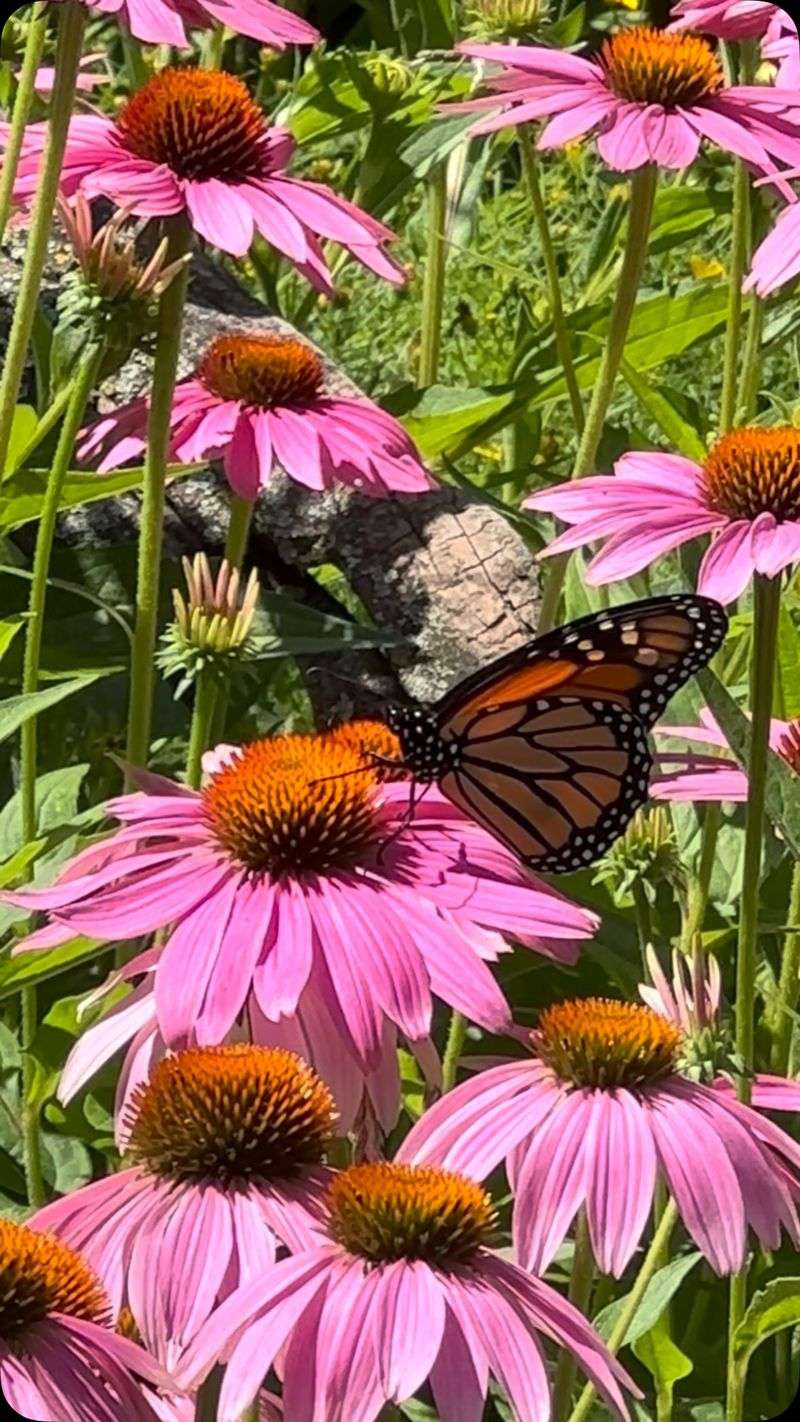
With its droopy pink-purple petals and a big spiky dome in the middle, purple coneflower looks like nature designed it for snacking. That raised center is the star of the show.
The dome, called a cone, is loaded with tiny florets that open a few at a time. As they open, they push out fresh pollen and nectar where visitors can reach it easily. A butterfly can perch on the wide cone and sip while its feet stay steady.
Native bees love this plant because the surface gives them plenty of room to work. Sweat bees, bumblebees, and even tiny solitary bees all show up. Since the florets open in stages, the flower keeps offering food over many days rather than all at once.
Coneflower handles Michigan’s clay soils and summer heat like a champ. Once it settles in, it comes back year after year with almost no help. The sturdy stems hold up in wind and rain, so the blooms stay upright and inviting.
People sometimes call it echinacea, the same name you see on herbal teas. Long ago, some communities used the roots as a folk remedy, though the flower’s real gift today is feeding wildlife. For the best results, plant it in full sun and give it space to spread.
Skip the fancy double-flowered varieties, because those often hide their pollen behind extra petals. Leaving the spent cones through winter provides seeds for finches and shelter for small insects.
2. Black Eyed Susan
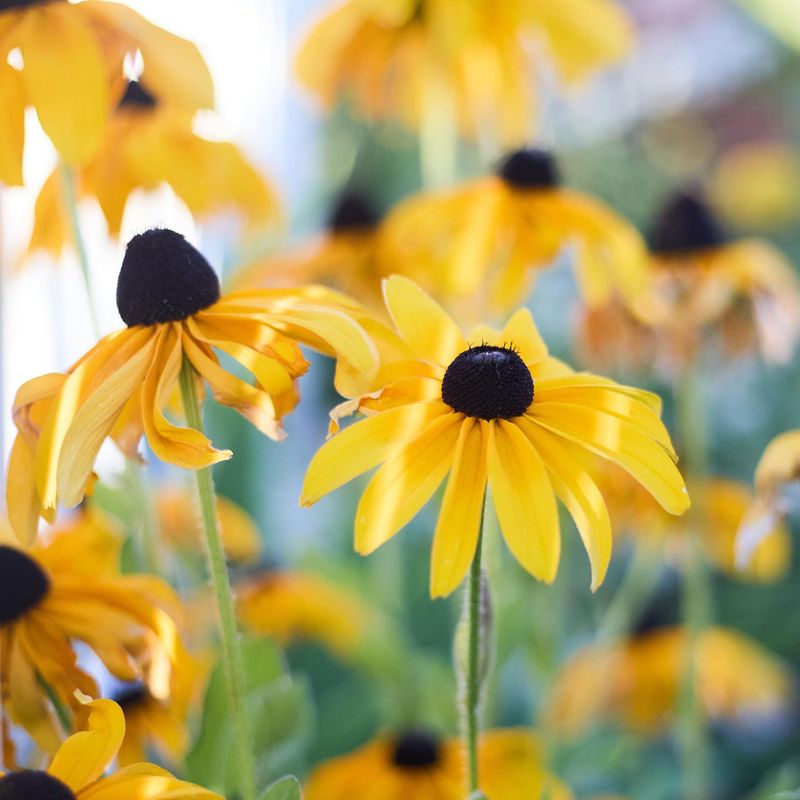
Bright yellow petals circle a chocolate-brown center, and that shape is no accident. The flat, open form works like a landing pad for anything that flies.
Bees, small wasps, and beetles touch down without a struggle. There is no narrow tube to squeeze into and no hidden chamber to search. The pollen sits right out in the open on the raised central cone, so visitors can gather it in seconds.
That central cone is actually made of hundreds of tiny flowers packed together. Each little floret holds its own bit of pollen and nectar, which means a single bloom can feed a pollinator for a while before it moves on.
Insects often walk in circles around the cone, brushing against grain after grain. Black eyed Susan thrives in Michigan’s sunny spots and handles dry stretches with ease.
Your Michigan Garden Changes Every Week. Your Plan Should Too.
Gardening in Michigan changes quickly throughout the season. Every Friday you’ll receive a simple weekly plan showing exactly what to plant, prune, fertilize, harvest, and protect so you never miss the right timing.
It blooms from midsummer into early fall, filling a gap when some other flowers have faded. Gardeners appreciate how little fuss it needs to keep going.
Here is a fun bit: this plant is part of the daisy family, and its wild ancestors once covered open prairies. Planting a cluster of them mimics that natural setting.
To help pollinators most, group several plants together instead of scattering single ones. A patch of gold is easier for insects to spot from a distance. Leave the seed heads standing in fall, and goldfinches will thank you for the extra meal.
3. Goldenrod
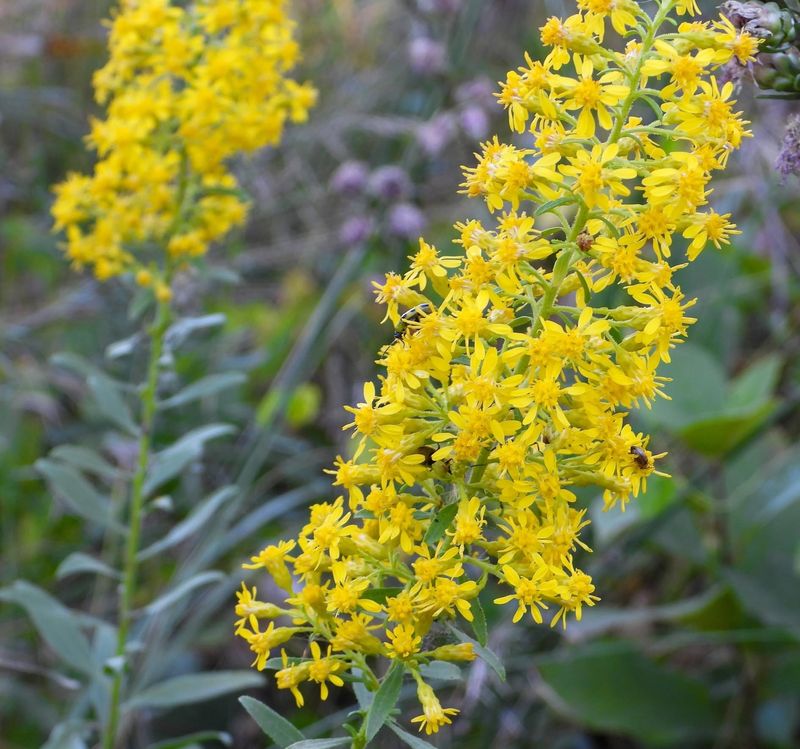
When most gardens start winding down, goldenrod throws a party. Its arching plumes light up roadsides and fields with a burst of late-season yellow.
Each of those fluffy plumes is packed with hundreds of tiny, open flowers. Because they are so small and shallow, almost any insect can reach the pollen and nectar inside. Short-tongued bees, flies, beetles, and wasps all pile on at once.
Timing is what makes goldenrod truly valuable. It blooms in late summer and fall, right when bees are stocking up for the colder months ahead. A single stand can feed a whole neighborhood of pollinators during that critical stretch.
Michigan has many goldenrod species, from tall roadside types to shorter, tidier ones fit for gardens. They grow in sun and tolerate poor soil without complaint. Some spread quickly, so choosing a clump-forming variety keeps things under control.
Here is a myth worth clearing up: goldenrod does not cause hay fever. Its pollen is heavy and sticky, so it clings to insects instead of floating in the air. The real culprit is ragweed, which blooms at the same time and often gets the blame.
To welcome the most visitors, plant goldenrod near asters for a color combo that pollinators adore.
Give it a sunny back corner where it can stretch out. Watch closely on a warm fall day, and you may spot migrating monarchs fueling up before their long journey south.
4. New England Aster
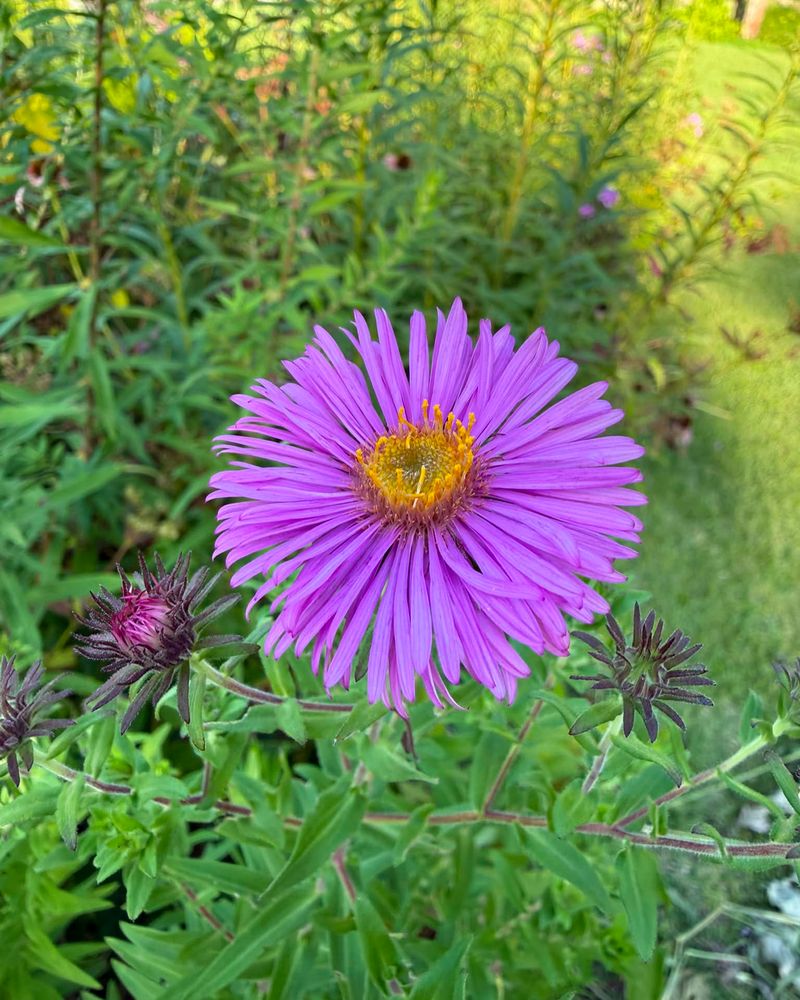
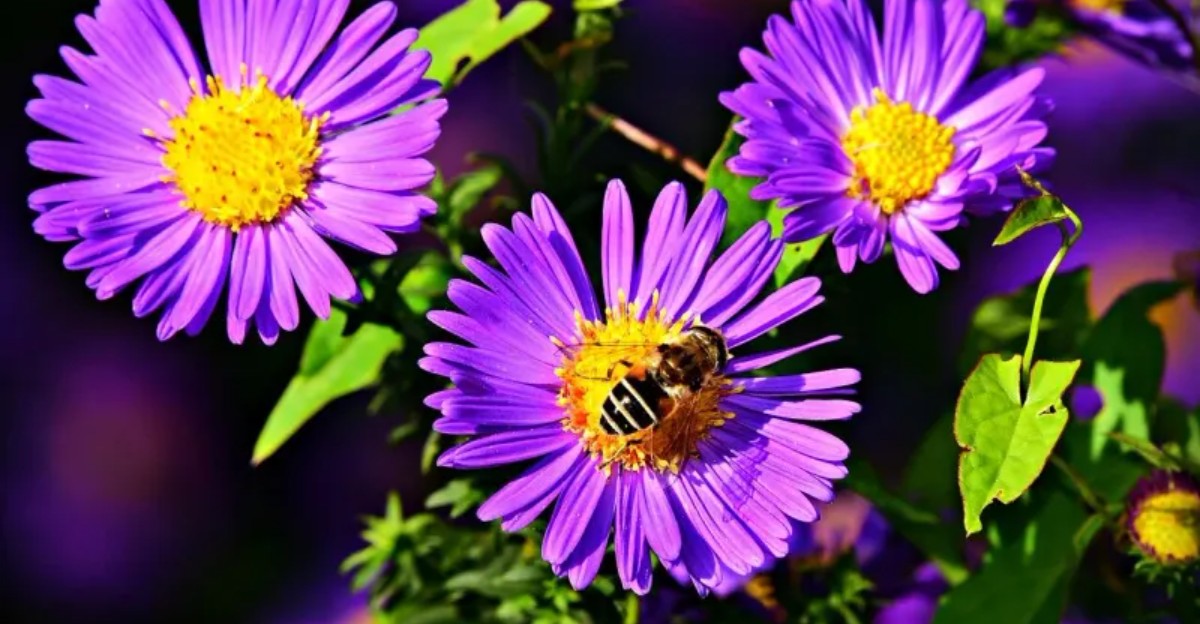
As autumn creeps in, New England aster steals the spotlight with waves of violet-purple blooms. Those cheerful daisy shapes are a lifeline when few other flowers remain.
Each flower head is wide open with a sunny yellow center. That yellow middle holds the pollen and nectar out where every visitor can grab a share. Bees crawl across the center while butterflies balance on the flat rim to drink.
This aster blooms from late summer into fall, matching the timing of monarch migration through Michigan.
Traveling butterflies need quick fuel, and these flowers deliver it in easy-to-reach portions. Bumblebees also load up on pollen to feed their final broods of the season.
The plant grows tall and bushy, sometimes reaching several feet high. It prefers moist soil and full sun, though it forgives a little shade. Pinching the stems back in early summer keeps it fuller and covered with even more blooms.
One neat detail: the vivid purple color acts like a billboard for insects. Their eyes pick up purple and blue tones especially well, so they zoom straight toward the display. A cluster of asters becomes a magnet you can watch buzzing all day.
Pair it with goldenrod for a classic fall duo that supports pollinators right up to the first frost. Plant several together so the color really pops.
Leaving plant stems standing through winter can provide valuable overwintering habitat for insects, including some native bees.
5. Lanceleaf Coreopsis
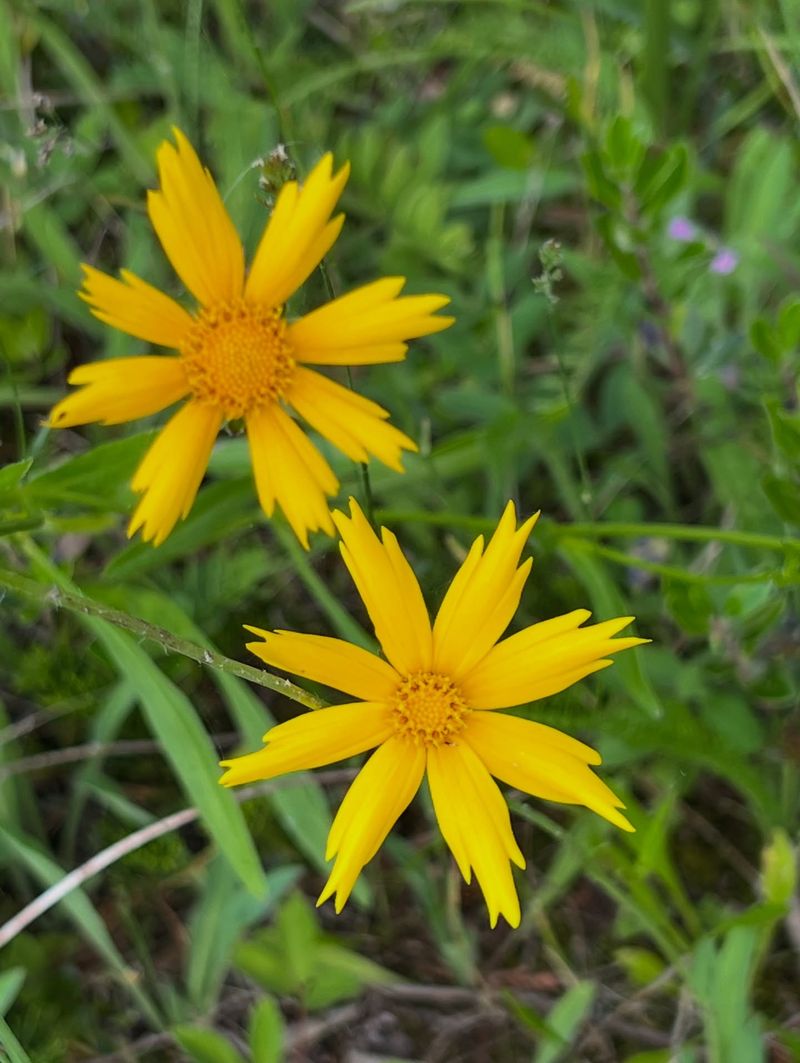
Sunny and cheerful, lanceleaf coreopsis scatters bright yellow blooms across gardens like little bursts of light. It looks delicate but works hard for hungry insects.
The flowers open flat and wide, with petals fanning out around a low, accessible center. Nothing blocks the pollen or nectar, so even tiny bees with short tongues can dine with ease. Small butterflies and hoverflies join the crowd too.
Blooming from late spring through summer, coreopsis fills an important stretch of the growing season. It keeps producing flowers for weeks, especially if you snip off the faded ones.
That steady supply gives pollinators a reliable place to return again and again. This plant loves Michigan’s sunny, well-drained spots and shrugs off dry weather.
It stays fairly short and neat, making it a good choice for the front of a flower bed. The slender stems sway in the breeze without flopping over.
The name ‘lanceleaf’ comes from its narrow, lance-shaped leaves, while ‘tickseed’ refers to the small seeds that resemble tiny bugs.
For a longer show, mix coreopsis with other prairie plants that bloom at different times. That way something is always flowering for the local bees. Deadheading not only encourages more blooms but also keeps the plant tidy.
Leave a few seed heads at the end of the season, and small songbirds will happily peck at them during cooler days.
6. Mountain Mint
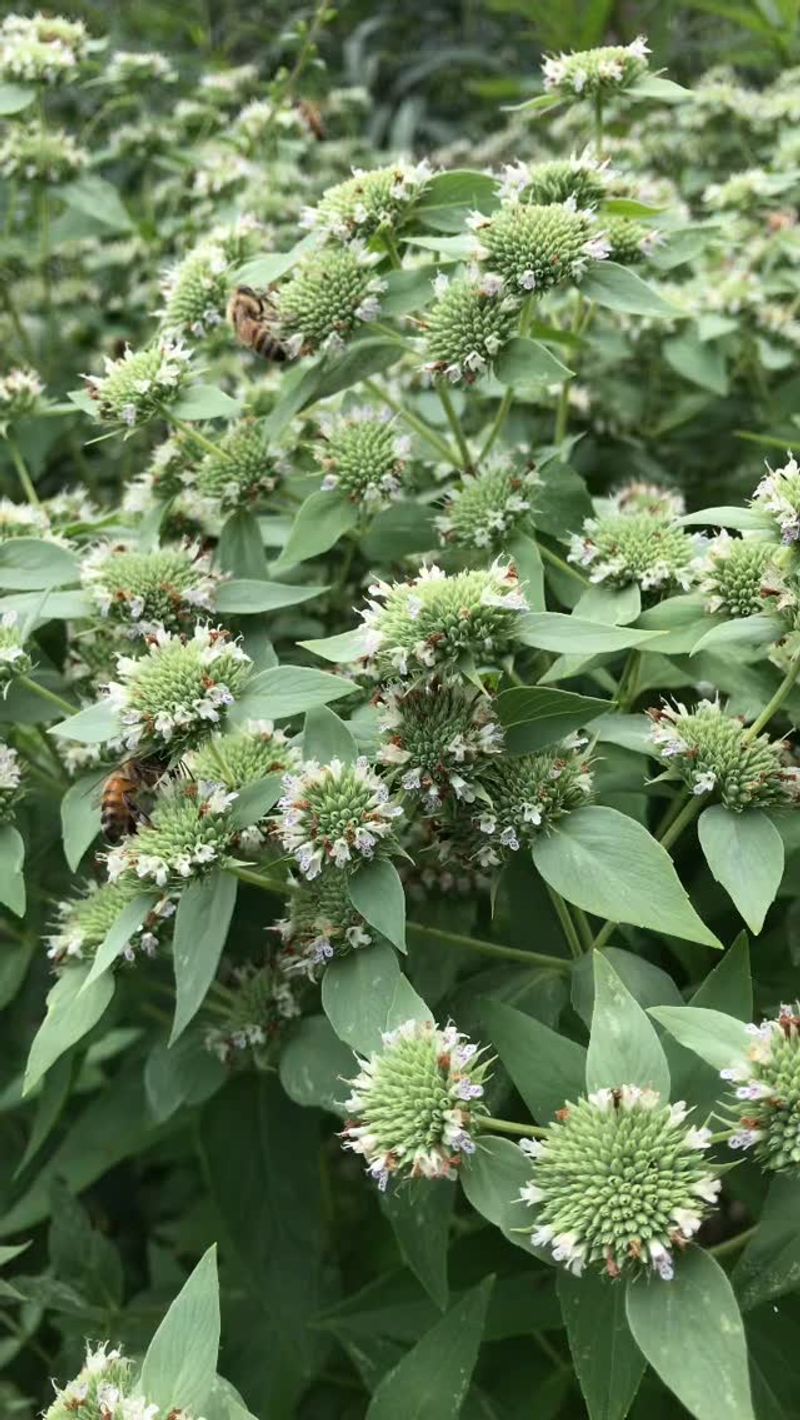
Do not let the plain looks fool you, mountain mint is a pollinator superstar. Its frosty silver-tipped leaves surround clusters of the tiniest white flowers you can imagine.
Those little blossoms are shallow and wide open, which is exactly why so many insects flock to them.
Pollen and nectar sit right at the surface, welcoming bees, wasps, flies, beetles, and butterflies alike. Watch a patch on a summer day and you might count dozens of different visitors.
Studies of pollinator gardens often rank mountain mint among the very top plants for insect variety.
The sheer number of tiny flowers means the food supply keeps coming for weeks. Even beneficial predatory insects show up, and they help keep garden pests in check.
Mountain mint grows well in Michigan’s sun and part shade, handling both moist and average soil. It spreads by underground runners, so giving it a defined space keeps it from wandering too far. A container or a bordered bed works nicely.
Crush a leaf between your fingers and you will catch a cool, minty scent. That aroma comes from natural oils that many hungry animals tend to avoid, so the plant usually stays untouched by browsers.
To make the most of it, place mountain mint where you can sit and watch the action up close. The nonstop buzzing is genuinely fun to observe.
Cut it back in early summer for a bushier shape, and enjoy one of the hardest-working blooms your garden can grow.
7. Sunflower
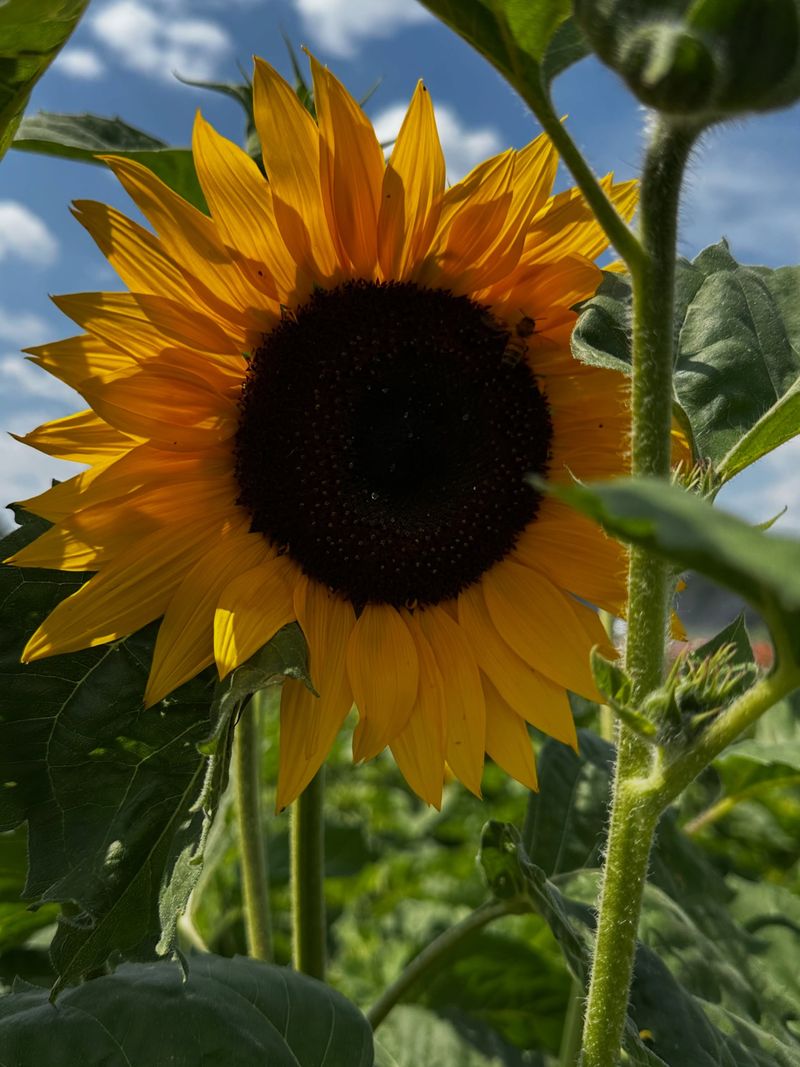
Big, bold, and impossible to miss, the sunflower turns its cheerful face toward the light. That giant face doubles as a roomy dining table for bees.
The wide center is covered with hundreds of tiny florets brimming with pollen. Because the surface is flat and open, bees can stroll across it and gather grain after grain without any trouble. Larger bumblebees especially appreciate the sturdy landing space.
Native sunflowers are far more generous with pollen than some fancy garden types. Certain ornamental varieties are bred to be pollen-free for cleaner bouquets, which leaves nothing for the bees.
Choosing wild or native-type sunflowers keeps the buffet fully stocked. Michigan summers give sunflowers all the heat and light they crave.
They shoot up quickly and bloom into early fall, offering food during a busy time for foraging insects. Their height also makes them easy for pollinators to spot from across a yard.
Here is a neat trick these plants do: young sunflowers actually follow the sun across the sky each day, a movement called heliotropism. As they mature, they usually settle facing east to catch the morning warmth.
Plant a row along a fence for a living wall that hums with activity. Give each seed plenty of room and full sun for the biggest blooms.
When fall arrives, resist cutting the heads right away, because the seeds feed chickadees, finches, and other birds well into the chilly months. A sunflower feeds two crowds in one.