Native Oregon Groundcovers Gardeners Are Using Instead Of Bark Mulch
Bark mulch can make a bed look finished, but it does not stay perfect for long. It fades, shifts, breaks down, and leaves you topping it off again next season.
Native Oregon groundcovers offer a livelier way to cover bare soil. They spread low, soften hard edges, and bring texture that mulch alone cannot match.
Many also fit naturally into shady corners, woodland beds, slopes, and borders where a loose layer of bark can look flat or wash out. The best choices do more than fill space.
They help the garden feel settled, planted, and connected to the landscape around it. Some even bring flowers or berries while keeping the ground covered through changing weather.
Once these plants settle in, bare patches start looking intentional instead of unfinished. That is why more gardeners are trading bags of bark for living cover.
1. Evergreen Violet Covers Shady Soil With Low Native Greenery
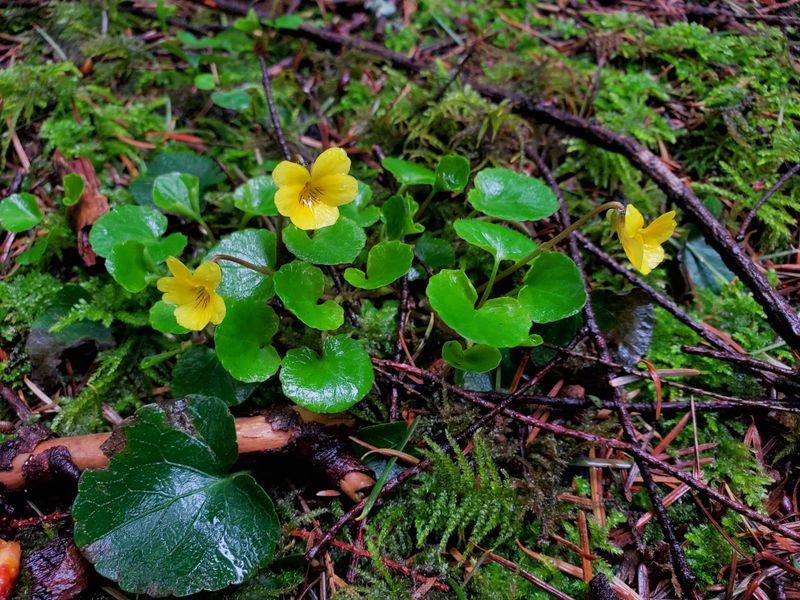
Most gardeners do not think about violets as groundcovers, but the evergreen violet earns that role beautifully. Known by its scientific name Viola sempervirens, this little plant stays green all year long.
That is a big deal in shady spots where most plants go dormant or look rough through the colder months.
It grows only about three inches tall, which makes it perfect for tucking under trees or along shaded pathways. The leaves are round, glossy, and dark green.
They form a tight mat over time that keeps bare soil covered without getting too aggressive or spreading into places you do not want it.
In early spring, tiny yellow flowers appear above the foliage. They are not showy, but they add a cheerful touch to otherwise dark corners.
Bees and other small pollinators visit them regularly, which gives your garden a quiet ecological boost that bark mulch simply cannot offer.
One of the best things about this plant is how low-maintenance it really is. Once it settles in, it handles dry shade surprisingly well.
It does not need fertilizer, regular watering, or much attention at all. Just give it some decent soil and a shady spot, and it will do the rest on its own.
Gardeners who have made the swap from bark to evergreen violet often say they wish they had done it sooner. It looks tidy, stays put, and improves every season.
2. Western Starflower Adds A Soft Woodland Layer Instead Of Bark
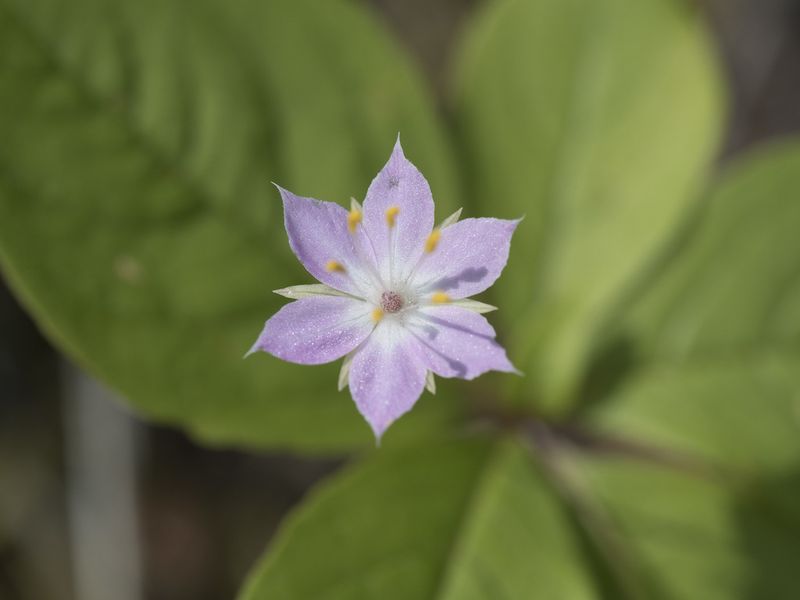
There is something almost magical about finding a patch of western starflower growing in the wild.
The small pink blooms sit on slender stems above a whorl of leaves, looking delicate and perfectly placed.
Bringing that same look into a home garden feels like capturing a piece of the forest floor.
Trientalis latifolia is native to woodlands throughout our state and grows best in shaded, moist spots. It spreads slowly through underground tubers, forming loose colonies that fill in over time.
The coverage is soft and open rather than dense, so it works well alongside other low plants.
It typically grows four to eight inches tall, which keeps it below most shrubs and perennials. The star-shaped flowers bloom in late spring and last for several weeks.
Your Oregon Garden Changes Every Week. Your Plan Should Too.
Gardening in Oregon changes quickly throughout the season. Every Friday you’ll receive a simple weekly plan showing exactly what to plant, prune, fertilize, harvest, and protect so you never miss the right timing.
After blooming, the foliage stays tidy through summer before dying back in fall, which is a natural and easy-to-manage cycle.
This plant thrives in the kind of deep, rich, woodland soil that builds up under conifers and big-leaf maples. Adding some compost when planting gives it a great head start.
Once established, it needs very little water and no extra feeding.
For gardeners looking to replace bark under large trees, western starflower pairs beautifully with other woodland natives.
It layers nicely with ferns and trilliums, creating a naturalistic look that feels intentional and grounded in the local landscape.
3. False Lily-Of-The-Valley Spreads Through Cool Shade Like Living Mulch
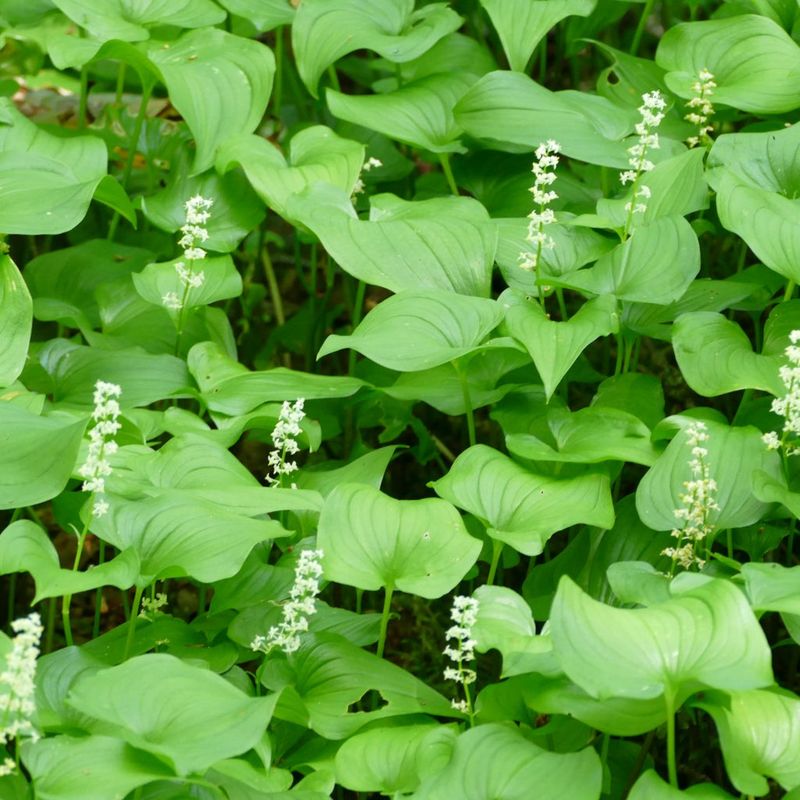
Few native plants spread as confidently and as gracefully as false lily-of-the-valley. Maianthemum dilatatum moves through shaded areas on underground rhizomes, quietly filling gaps between trees and shrubs.
Over a few seasons, it can blanket a large area with lush, broad leaves that look intentional and polished.
The leaves are heart-shaped and a rich, deep green. They grow about six to twelve inches tall and create a layered canopy at ground level that shades out weeds naturally.
That weed-suppressing quality is exactly why so many gardeners are choosing it over bark mulch in heavily shaded spots.
In late spring, clusters of tiny white flowers rise above the foliage. They are fragrant and attract small native bees and flies.
By late summer, red berries replace the flowers, adding a pop of color and providing food for birds like thrushes and robins.
This plant does best in moist, cool conditions. It loves the kind of deep shade found under conifers and near stream edges.
In drier spots it can slow down, so giving it a good deep watering during the first summer helps it establish well.
One thing to keep in mind is that it can spread assertively once it gets comfortable. Planting it in a defined bed or using natural borders helps keep it where you want it.
For large shaded areas, though, that spreading habit is exactly the point.
4. Blue-Eyed Mary Brings Low Spring Color To Bare Garden Soil
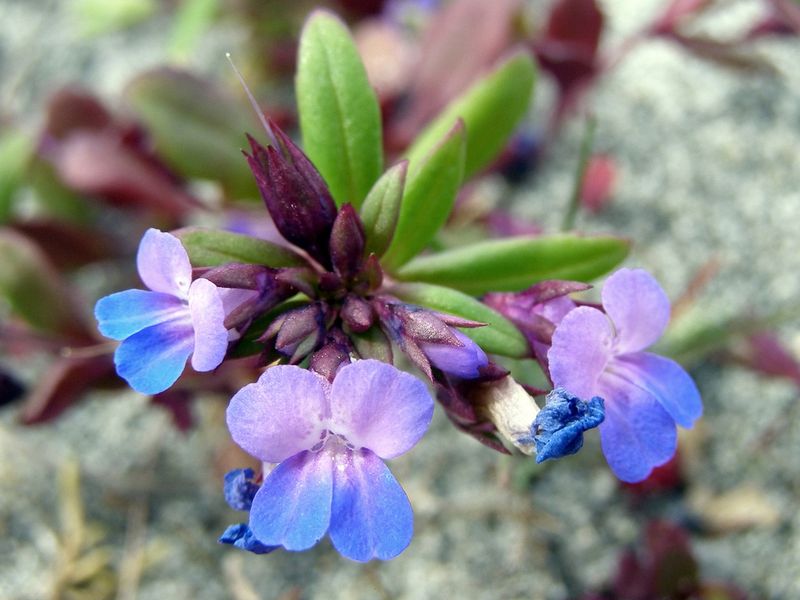
Spring in the Pacific Northwest gets a whole lot prettier when blue-eyed Mary shows up. Collinsia parviflora is a small annual wildflower that self-seeds freely, coming back year after year without any help from the gardener.
Once you get it started in a spot, it tends to take care of itself reliably.
The flowers are tiny but striking. Each one is two-toned with a white upper lip and a blue or purple lower lip.
They appear in early to mid-spring and cover bare soil in a soft haze of color. The effect is subtle from a distance but absolutely charming up close.
Plants grow only about four to ten inches tall, making them ideal for filling the space between larger perennials or along the front edge of a native garden bed.
They do not crowd out other plants, but they do cover enough ground to slow down weed germination early in the season.
Blue-eyed Mary prefers open, disturbed soil in partial to full sun. It actually does well in poor soil, which makes it a great option for spots where not much else wants to grow.
Scatter seeds in fall or early winter and let the cold and rain do the work of germination.
After the plants finish blooming, they set seed and fade away. Leaving the seed heads in place ensures a good return the following spring.
It is one of the easiest native plants to get going in any garden.
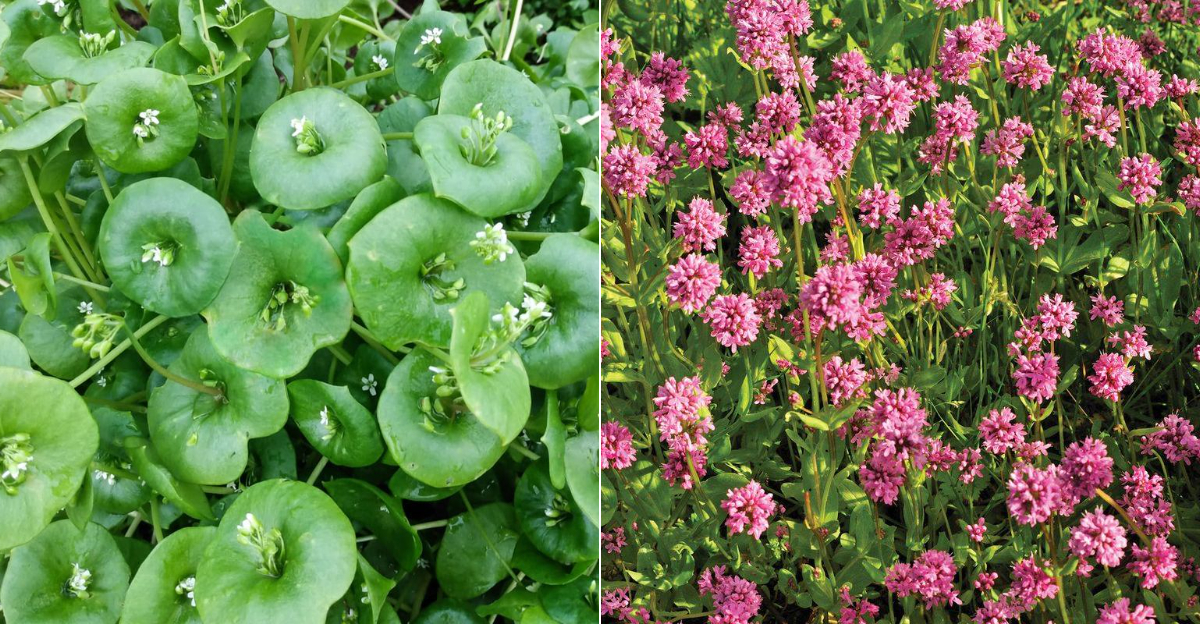
5. Miner’s Lettuce Fills Open Soil Before Weeds Move In
Weeds are opportunists. The moment soil sits open and bare, something is going to move in.
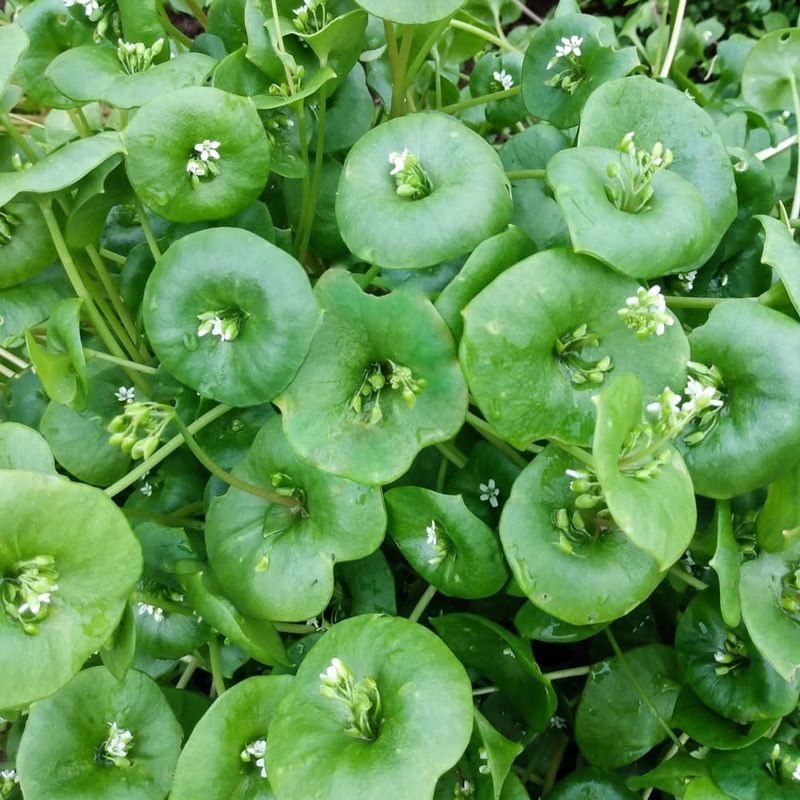
Miner’s lettuce, known scientifically as Claytonia perfoliata, beats weeds to the punch by germinating fast and covering ground quickly in late winter and early spring. That speed is one of its greatest strengths as a groundcover.
The leaves are round and fleshy, and the stem appears to grow right through the center of the upper leaves, which gives the plant a quirky and recognizable look.
Tiny white or pale pink flowers appear in the center of those leaves, adding a delicate charm to what is otherwise a very practical plant.
Miner’s lettuce thrives in cool, moist conditions and does well in both sun and shade. It naturally grows along stream banks, in disturbed meadows, and in the edges of forests throughout our region.
In the garden, it fills gaps between other plants and suppresses early weed growth without any fuss.
As a fun bonus, the leaves are completely edible and have a mild, slightly sweet flavor. Historically, miners and settlers in the West ate it as a fresh green during winter and spring when other vegetables were scarce.
That is exactly how it got its common name. Once temperatures rise in late spring, miner’s lettuce sets seed and fades back.
Leaving spent plants in place allows it to reseed and return the following year, making it a no-effort annual groundcover for cool-season gaps.
6. Sea Blush Turns Sunny Bare Patches Into Soft Native Color
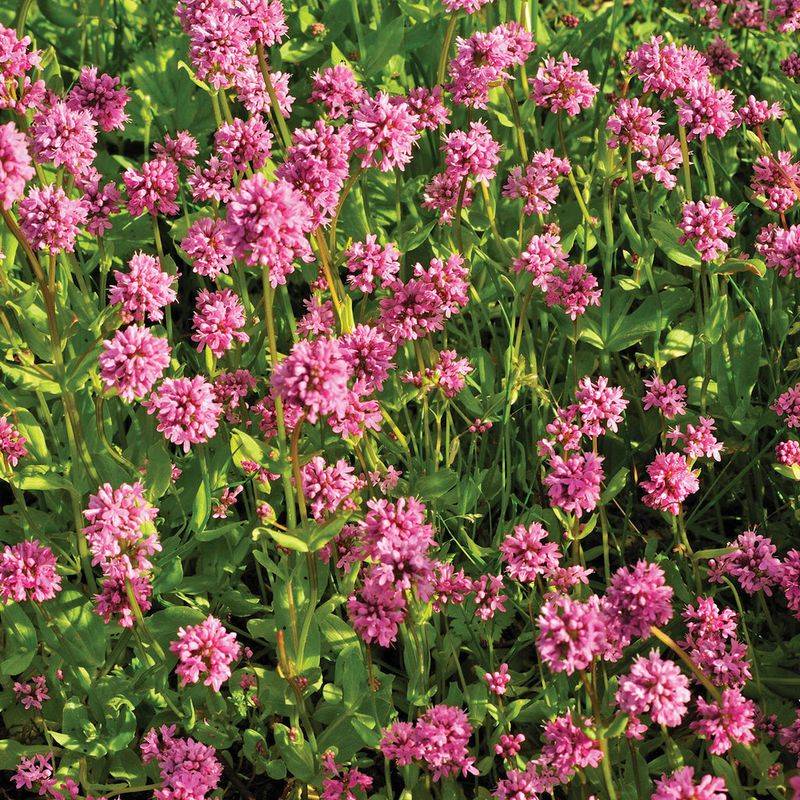
Bare, sunny patches of garden soil can look neglected and dull, especially in spring when everything else is waking up.
Sea blush, or Plectritis congesta, is a native annual that solves that problem with a wave of rosy pink blooms that seems almost effortless.
It is one of those plants that makes a garden look like it has been tended for years.
Growing eight to sixteen inches tall, sea blush forms loose upright stems topped with rounded clusters of tiny pink flowers.
In the wild, it often grows in large drifts across open meadows and rocky outcroppings, creating a soft pink haze across the landscape.
That same effect translates beautifully into a home garden setting.
It blooms from mid-spring into early summer, which is a helpful window when many other native annuals are just getting started. The flowers are attractive to native bees, butterflies, and other pollinators, making it a productive choice for anyone trying to support local insect populations.
Sea blush grows best in well-drained, lean soil with plenty of sun. It does not need rich soil or extra watering once it gets going.
In fact, too much fertilizer can make it floppy and less floriferous. Lean and dry conditions suit it just fine.
Scatter seed in fall for spring germination. Once established in a spot, it reseeds year after year with minimal effort.
Over time, a sunny patch that once held bark mulch becomes a reliable source of seasonal native color.
7. Meadowfoam Covers Damp Ground With Cheerful Spring Blooms
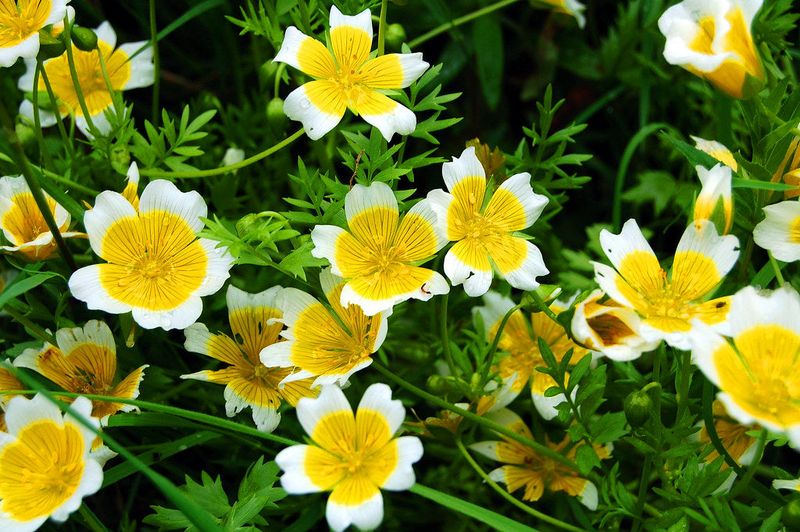
Not every garden spot is dry and sunny. Damp, low-lying areas can be tricky to plant, and bark mulch tends to get soggy and moldy in wet conditions.
Meadowfoam, or Limnanthes douglasii, was practically made for those spots. It loves moisture and blooms enthusiastically in the conditions that challenge most other plants.
The flowers are cup-shaped with white petals and a bright yellow center, which has earned the plant its other common nickname, poached egg plant.
They appear in spring and cover low foliage in a cheerful, dense blanket of color.
From a distance, a patch in full bloom looks like a miniature field of floating blooms.
Meadowfoam grows about six inches tall and spreads outward in a low, mounding habit. It works well along the edges of rain gardens, near downspouts, or in any area that stays damp in winter and spring.
The foliage is finely cut and bright green, which keeps it looking fresh even when not in bloom.
Pollinators absolutely love this plant. Native bees, honeybees, and hoverflies visit the flowers in large numbers.
It is considered one of the best native annuals for supporting early-season pollinators in our region, which makes it a smart addition to any pollinator-friendly yard.
Seed it in fall for best results. It germinates readily in cool, moist soil and needs no special treatment.
Once a patch gets established, it reseeds reliably and fills damp ground every spring without any extra effort from the gardener.
8. Oregon Saxifrage Tucks Into Moist Edges Where Bark Looks Heavy
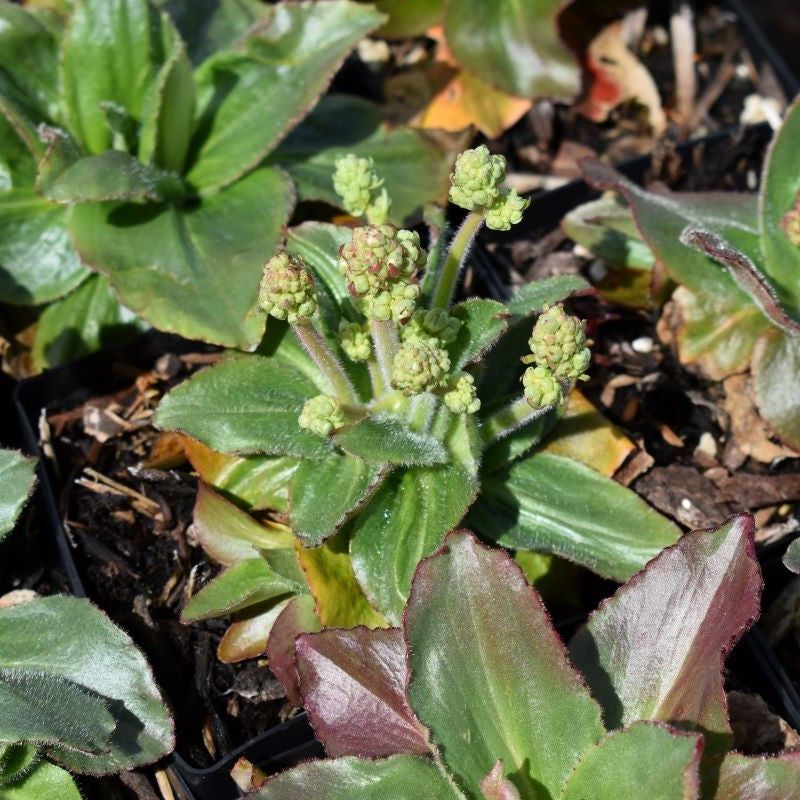
Along stream edges, in wet meadows, and beside garden ponds, there are spots where bark mulch just looks wrong. It floats, it molds, and it constantly needs replacing.
Oregon saxifrage, Micranthes oregana, fits those moist and tricky edges in a way that bark never could. It grows naturally in exactly those conditions.
The plant forms a low basal rosette of toothed, lance-shaped leaves. The foliage stays close to the ground, making it a tidy and unobtrusive groundcover in spots where you want coverage without height.
In spring and early summer, slender flower stalks rise up to about two feet and carry clusters of small white flowers that look airy and elegant.
Native to wet habitats throughout our state, this saxifrage handles seasonal flooding and saturated soil without complaint. It also tolerates partial shade, which makes it useful under the canopy of streamside trees or in the shadier edges of rain gardens.
Wildlife benefit from this plant in quiet but meaningful ways. Small native bees and flies visit the flowers for pollen and nectar.
The dense rosettes provide shelter for ground beetles and other beneficial insects that help keep garden pest populations in check.
Getting it established is straightforward. Plant it in moist, humus-rich soil and give it regular water through the first season.
After that, it relies mostly on natural rainfall. It is a plant that rewards patience, filling in slowly but looking more beautiful with each passing year.
9. Lowly Penstemon Adds Native Color To Rocky Garden Edges
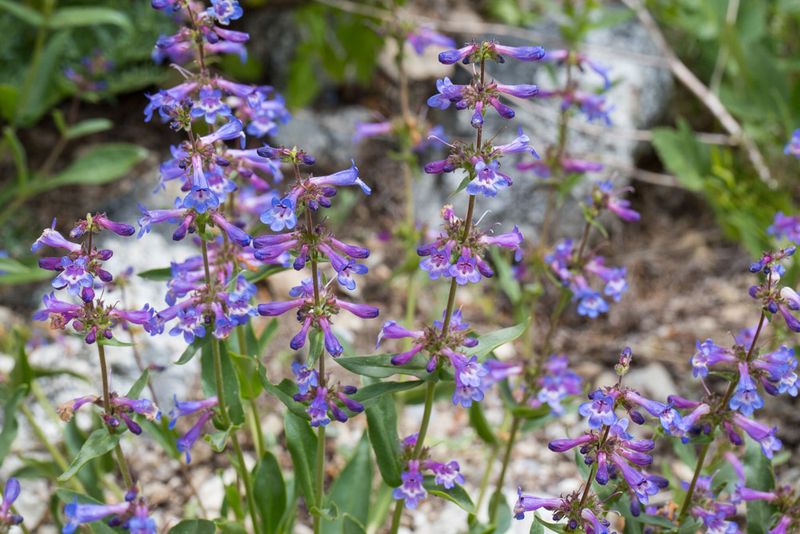
Rocky garden edges are often forgotten spaces. Bark mulch slips off, weeds push through, and the area ends up looking neglected by midsummer.
Lowly penstemon, Penstemon humilis, was built for exactly those tough, rocky, sun-exposed spots.
It clings to the edges of the garden with confidence and puts on a surprisingly bold show for such a small plant.
Growing only about six to twelve inches tall, this penstemon forms tidy clumps of narrow green leaves.
In late spring and early summer, upright stems carry clusters of tubular blue-purple flowers that attract hummingbirds and native bees with impressive regularity.
The blooms are vivid and lasting, providing weeks of color in spots that typically look bare.
Like most penstemons, this one demands sharp drainage and full sun. Wet, heavy soil is its one true weakness, so raised beds, rock gardens, and dry hillside edges are ideal locations.
Once planted in the right spot, it establishes quickly and spreads into a small colony over time.
The foliage is semi-evergreen in milder winters, which means the plant provides some ground coverage even after blooming ends. That year-round presence is a clear advantage over bark mulch, which looks dull and weathered by late fall.
For gardeners who want a native plant that handles neglect gracefully and still looks polished, lowly penstemon checks every box.
Pair it with lineleaf daisy or sea blush for a dry native border that blooms in waves from spring through midsummer with almost no upkeep required.