The Legend Behind The Strange Mushroom Circles In New York Yards
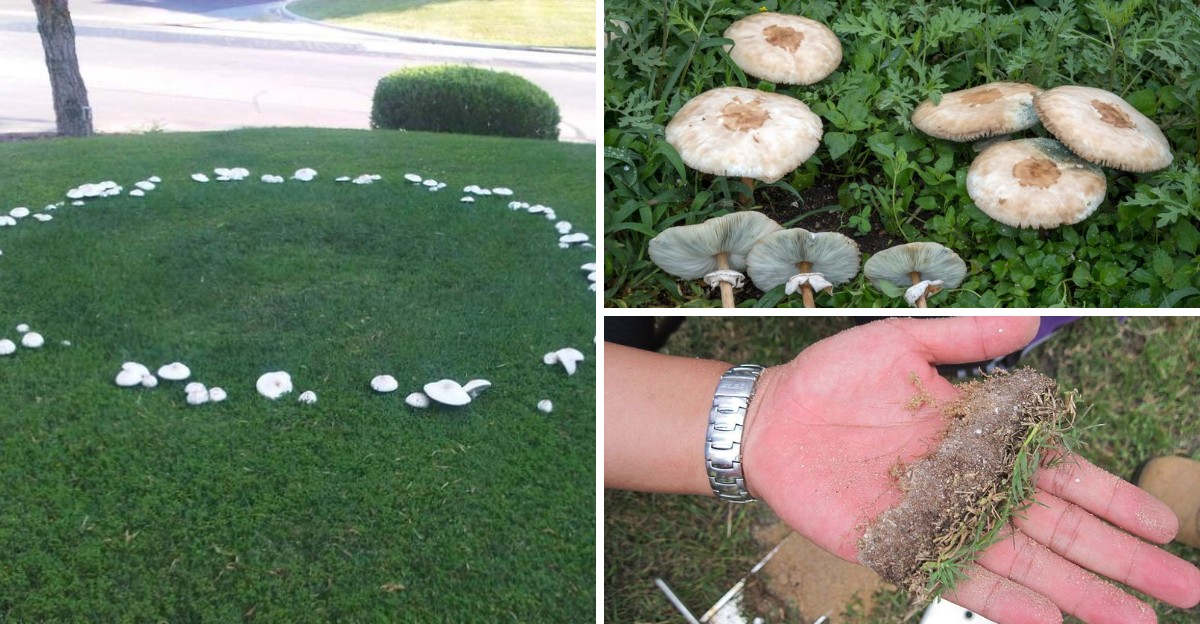
One ring of fungus in France is believed to stretch nearly 2,000 feet across and may be around 700 years old. Smaller versions of that same strange shape pop up in lawns every year.
They often appear overnight after a soaking rain, perfectly round, as if someone traced them with a giant compass. Personally, I can’t walk past one without slowing down.
People in old Europe swore these circles marked secret midnight dances, and stepping inside was a risky move.
Here in New York, late summer and fall bring the right mix of warm soil and steady moisture. You might spot a full loop near an old stump or a half-moon arc along the driveway.
So what is really drawing those circles under your grass? The answer is hiding in the soil, and it is stranger than any fairy tale.
That Perfect Ring Of Lawn Mushrooms Starts Underground
Mushrooms are only the tip of the story. Each cap you see is like an apple on a tree, while the real organism lives out of sight in the soil.
That hidden part is called mycelium. It is a web of thin white threads that spreads through the ground as it feeds.
Scientists call the finished pattern a fairy ring, a name borrowed straight from old folklore.
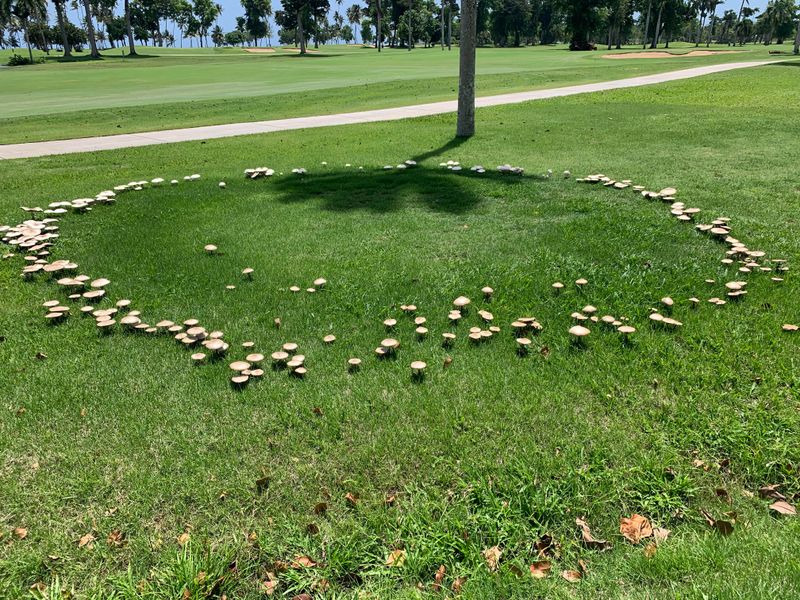
The circle shape comes from how the fungus grows. It starts at one spot and spreads outward evenly in every direction, a bit like ripples from a pebble dropped in a pond.
As the threads use up food near the center, the active edge keeps moving outward. Mushrooms pop up along that edge, which is why you get a ring instead of a solid patch.
Rings can grow several inches to over a foot per year, depending on the fungus and the soil. Some lawn rings last for decades, quietly getting bigger every season.
I love that a lawn you mow every week can hold a living thing older than your house. Next time you spot one, try finding the center.
You are standing near the place where it all began, maybe many years ago.
Grab a tape measure and check the width each fall if you want a fun backyard science project.
Buried Stumps And Thatch Feed The Fungus Below Your Grass
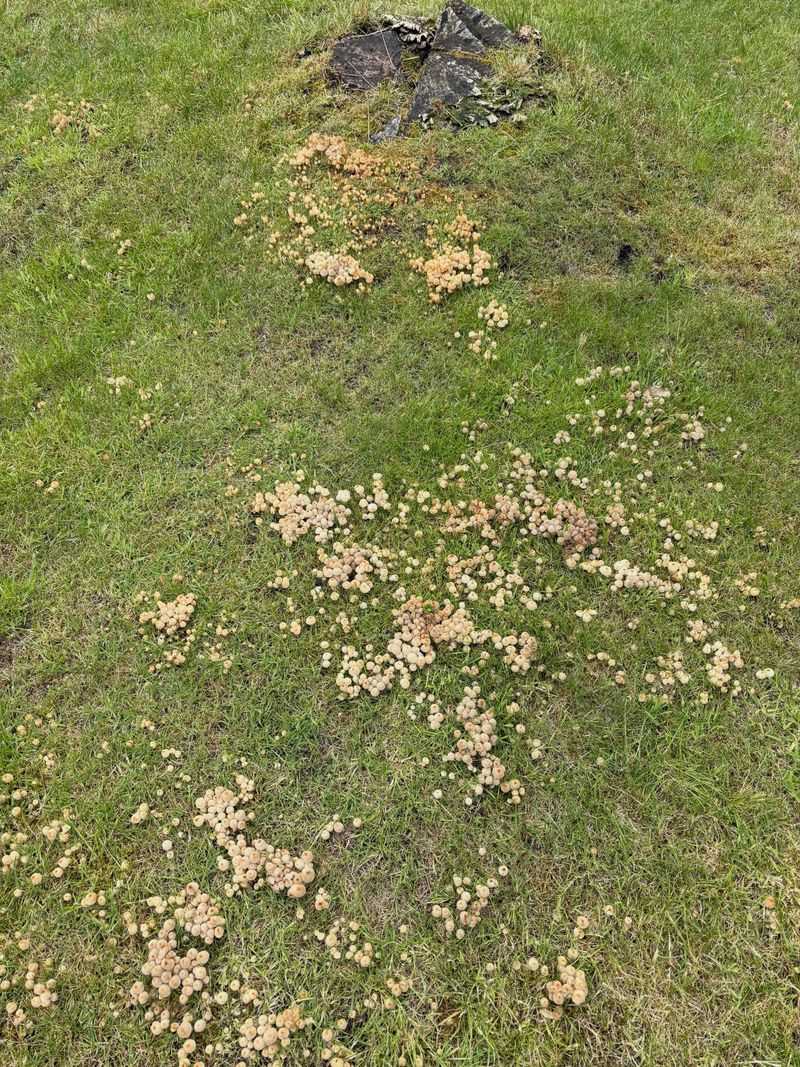
Old tree roots make a fungus very happy. Fairy ring fungi are decomposers, which means they eat decaying plant material in the soil.
Common food sources include rotting stumps, buried roots from trees removed years ago, scrap lumber left after building, and thick layers of thatch. Thatch is the spongy mat of stems and roots that sits between green blades and the soil.
Penn State and Utah State extension experts both point to buried organic matter as the main fuel. That is why rings often show up in newer neighborhoods where builders buried debris, or in yards where a big maple once stood.
As the fungus breaks down this material, it releases nutrients back into the soil. In a way, it is a free recycling crew working night and day.
Weather decides when you notice them. Warm soil plus a stretch of rain wakes up the mushrooms, so New York lawns often show rings from late summer into October.
Here is a handy trick. If a ring keeps returning in the same area, think about what used to be there.
A quick chat with an older neighbor might reveal a long-gone tree or an old shed foundation.
Knowing the food source helps you decide whether to live with the ring or work to reduce it.
Dark Green Grass Rings And Brown Patches Tell Different Stories
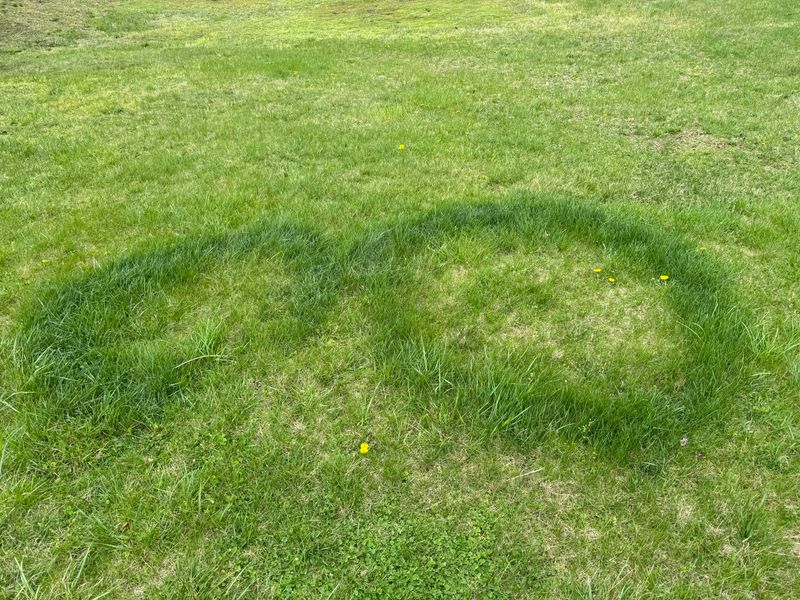
Not every fairy ring shows off with mushrooms. Turf experts sort them into three types, and each one looks different from your front steps.
Type 1 rings are the troublemakers. The thick mycelium makes the soil water-repellent, so the grass above turns brown or thin, often with a darker green band beside it.
Type 2 rings show a lush, dark green circle. The fungus releases nitrogen as it breaks down organic matter, and the grass soaks it up like a free fertilizer snack.
Type 3 rings are the classic storybook kind. You see mushrooms or puffballs in a loop, but the grass itself may look normal.
One ring can switch between looks during the year. A green circle in June might sprout mushrooms after September storms.
So which one do you have? Walk the lawn after a dry week.
If a band of grass looks stressed even though you water, poke a screwdriver into the soil there. Dry, hard, or white-threaded soil points to a Type 1 ring.
Green-only rings are mostly cosmetic and usually need no action. Brown rings deserve more attention, and we will get to the fixes soon.
Snapping a photo each month makes it much easier to track changes.
Dancing Fairies And Witches Once Got The Blame For These Mushroom Circles
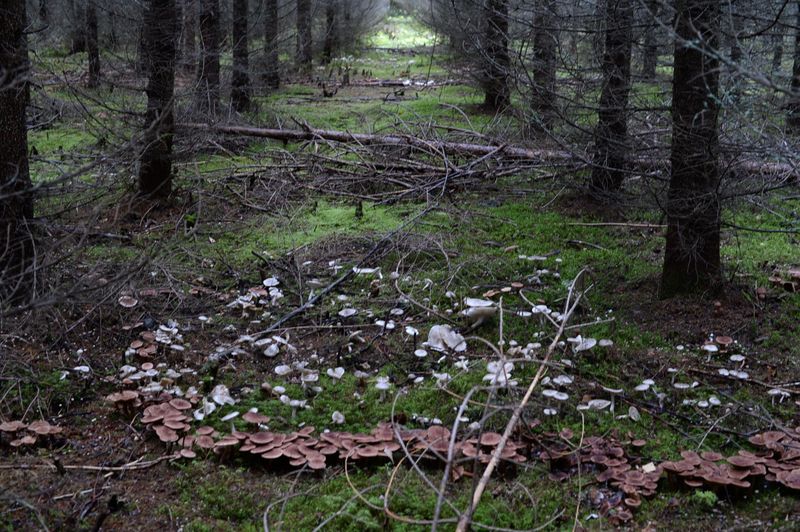
Long before anyone owned a microscope, people needed an explanation. A perfect circle of mushrooms appearing overnight seemed too neat to be natural.
In the British Isles, folks said fairies or elves danced there under the moon, and the mushrooms sprang up where their feet had stomped. Stepping inside the ring was risky in these tales.
You might be forced to dance until you dropped, or you could wake up years later in a strange land.
German stories told a darker version. People called the circles Hexenringe, or witches rings, and believed witches gathered there at night.
Some Dutch legends claimed the brown inner grass marked where the devil set his milk churn. Other tales said dragons resting in fields left behind the scorched patches.
Not every story was spooky, though. Some folks thought a ring near a home brought good luck or a rich harvest.
I find it charming that these myths match real details. The brown patch, the sudden appearance after rain, and the perfect shape all show up in the science too.
European settlers carried these stories to places like New York, where the name fairy ring stuck. Share one of these legends with your kids the next time a circle appears, and watch their eyes light up.
Watch Out For The Green-Spored Parasol Mushroom In Your Ring
Some of those pretty lawn mushrooms can make people very sick. Safety comes first with any wild fungus in your yard.
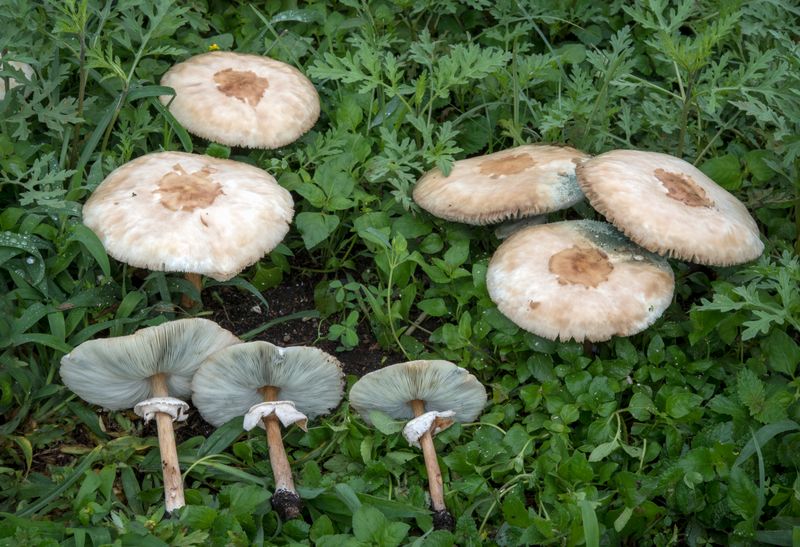
One of the most common culprits is the green-spored parasol, known by scientists as Chlorophyllum molybdites. It often forms large rings in lawns during warm, wet weather and shows up in the New York area.
The caps are big, white, and dotted with tan scales, so they can look a lot like edible mushrooms. Eating one can cause severe vomiting, cramps, and diarrhea, and it is a leading cause of mushroom poisoning in North America.
A clue experts use is the gills. As the mushroom ages, the gills turn a grayish green, and a spore print comes out green instead of white.
Please do not eat any lawn mushroom based on a photo or app. Even skilled foragers get help from local mycological clubs before tasting anything new.
Kids and dogs are the biggest worry. Dogs especially like to sniff and nibble on fresh caps.
Pick or rake up mushrooms when they appear, and toss them in the trash. Wear gloves if you prefer.
If someone swallows one, call Poison Control at 1-800-222-1222 right away. For pets, contact your vet or an animal poison hotline.
Aerating And Deep Watering Help A Struggling Fairy Ring Lawn
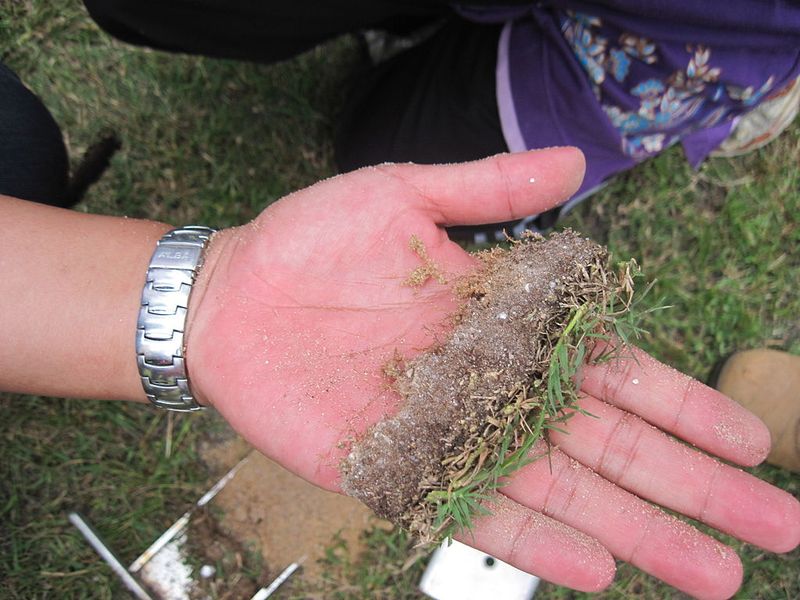
Thirsty soil is the main problem with brown fairy rings. Fixing that is easier than many homeowners expect.
Start by poking holes. Core aeration or even a simple garden fork breaks through the dense mat of fungal threads.
Extension guides suggest spiking holes every few inches across the ring and a foot or two beyond it.
Next, water slowly and deeply. Let a soaker hose or sprinkler run until moisture reaches several inches down, then repeat for a few days.
Adding a lawn wetting agent can help a lot. These products help water move into soil that the fungus has made water-repellent.
Timing matters in New York. Aerate cool-season lawns like Kentucky bluegrass and fescue in late summer or early fall, when grass recovers fastest.
A light dose of nitrogen fertilizer helps too. It encourages the rest of the lawn to green up, so a dark Type 2 ring blends right in.
Honestly, I think this step solves most backyard ring complaints. The mushrooms may still return after rain, but the grass stays healthier and the brown band fades.
Keep notes on what you tried and when. Patience pays off, since soil changes take a few weeks to show.
Fungicides And Digging Out Rings Are Last-Resort Moves
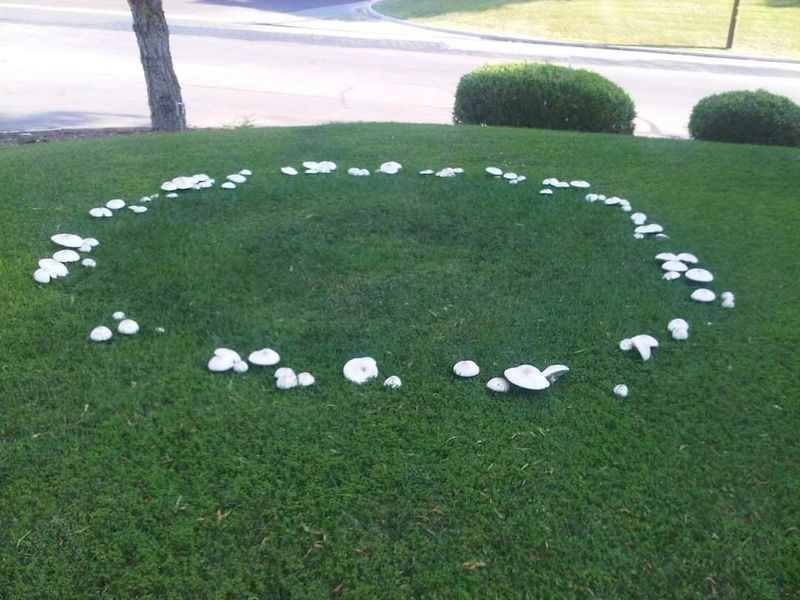
Spraying chemicals sounds like a quick answer, but it often disappoints. The fungus lives deep in the soil, sometimes a foot or more down, where sprays struggle to reach.
University turf experts note that fungicides work best on golf courses, where pros apply them carefully with special wetting agents. For most home lawns, results are spotty and the cost adds up.
If you still want to try, look for products labeled for fairy ring and follow every direction on the label. Aerating first helps the treatment soak in.
Digging is the other big option. You remove soil about 12 inches deep and roughly 2 feet beyond the visible ring, then refill with clean soil and reseed.
That is a heavy job, and one stray shovel of infected soil can restart the problem somewhere else. Clean your tools before moving to other parts of the yard.
Some people try mixing the soil thoroughly with a tiller instead. Breaking up the fungal network this way can sometimes do the trick.
Removing a buried stump or old lumber is worth it, though. Take away the food and the fungus slowly runs out of fuel.
Save these bigger steps for rings that keep wrecking your grass year after year.
A Mushroom Ring In Your Yard Means The Soil Is Alive
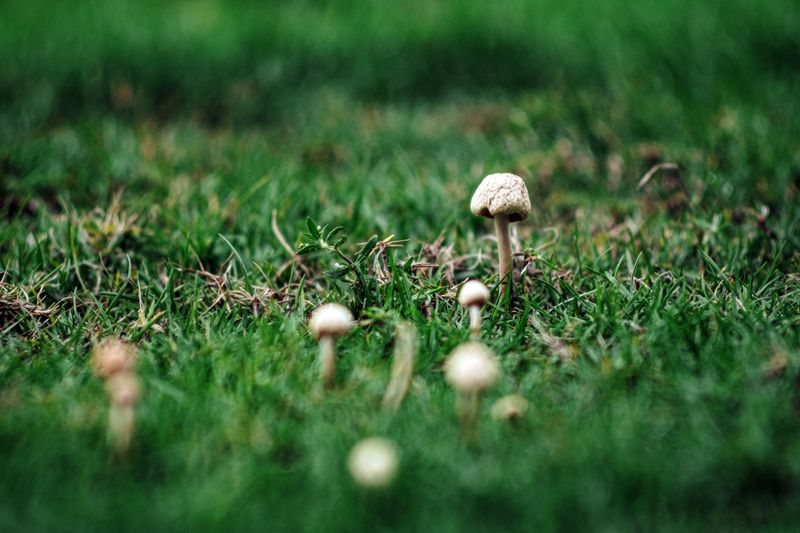
Mother Nature left you a calling card. A fairy ring tells you there is plenty of activity happening under your grass.
Fungi like these break down old wood and roots, turning them into nutrients plants can use. That recycling keeps soil rich and crumbly over time.
So for many New York gardeners, the best plan is simply to enjoy the show. Green rings and mushroom loops rarely hurt a healthy lawn.
A few easy habits keep things balanced:
Mow at about 3 inches to keep grass strong. Rake thatch if it gets thicker than half an inch.
Water deeply but less often.
Pick mushrooms when kids or pets play outside. Remove buried wood when you redo garden beds.
If a brown ring keeps spreading, call your local Cornell Cooperative Extension office. Their experts can help identify the fungus and suggest steps that fit your county and soil.
I like to think of these circles as a small reminder that a lawn is more than a green carpet. Fungi, worms, and tiny critters all share that space with us.
Next fall, grab a cup of tea and walk your yard after a good rain. You might find the fairies left you a new dance floor.