Summer Watering Mistakes That Make Your Washington Plants Struggle
Summer in Washington is almost perfect. Until it isn’t.
The same region that gets drenched all winter turns bone dry by July, and your plants feel every bit of it. But here’s the thing: most Washington gardeners aren’t losing plants to the heat. They’re losing them to how they water.
It’s an easy mistake to make. Washington’s reputation for rain makes it tempting to underwater in spring and overcompensate in summer.
Throw in Washington’s heavy clay soils, unpredictable heat waves, and the fact that no two gardens have the same needs. Watering starts to feel like guesswork.
The frustrating part is that the damage often shows up weeks after the mistake. By the time your tomatoes are wilting or your shrubs are dropping leaves, the problem started long before.
Knowing which habits are quietly working against you is the first step to turning things around.
1. Watering At The Wrong Time Of Day
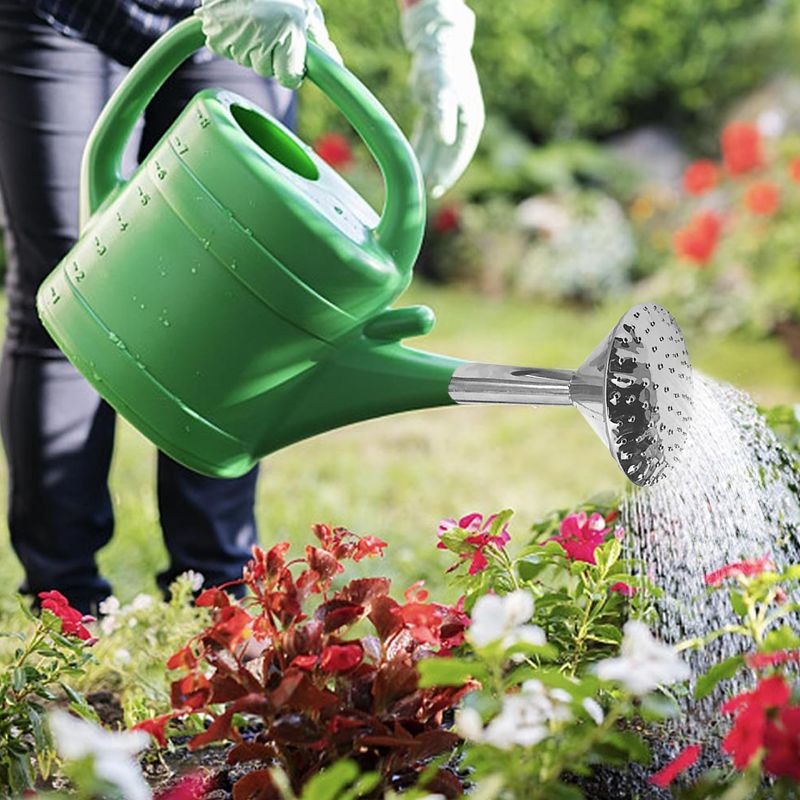
Noon is the worst time to water your garden. When the sun is blazing overhead, water evaporates before it ever reaches the roots.
Think of it like pouring a glass of water onto a hot skillet. Most of it disappears into steam before anything useful happens. Your plants end up thirsty no matter how long you run the hose.
Morning is the golden window for watering. Somewhere between 6 and 9 a.m. gives roots time to absorb moisture before the heat kicks in. The leaves also have time to dry off, which cuts down on fungal problems.
Evening watering is the second-best option if mornings are not possible. Water settles into the soil overnight without evaporating.
The one downside is that wet foliage in the dark can invite mildew and rot, so aim the water low at the base of plants. Most fungal issues in summer gardens trace back to wet leaves sitting overnight.
Summer watering mistakes often start with timing. Changing when you water costs nothing and makes an immediate difference.
Your plants will show you the results within just a few days of switching to morning watering. A simple timer on your hose bib can automate this completely. Set it once and forget it.
Consistent morning watering is one of the easiest upgrades any Washington gardener can make this summer.
2. Watering Too Shallowly Too Often
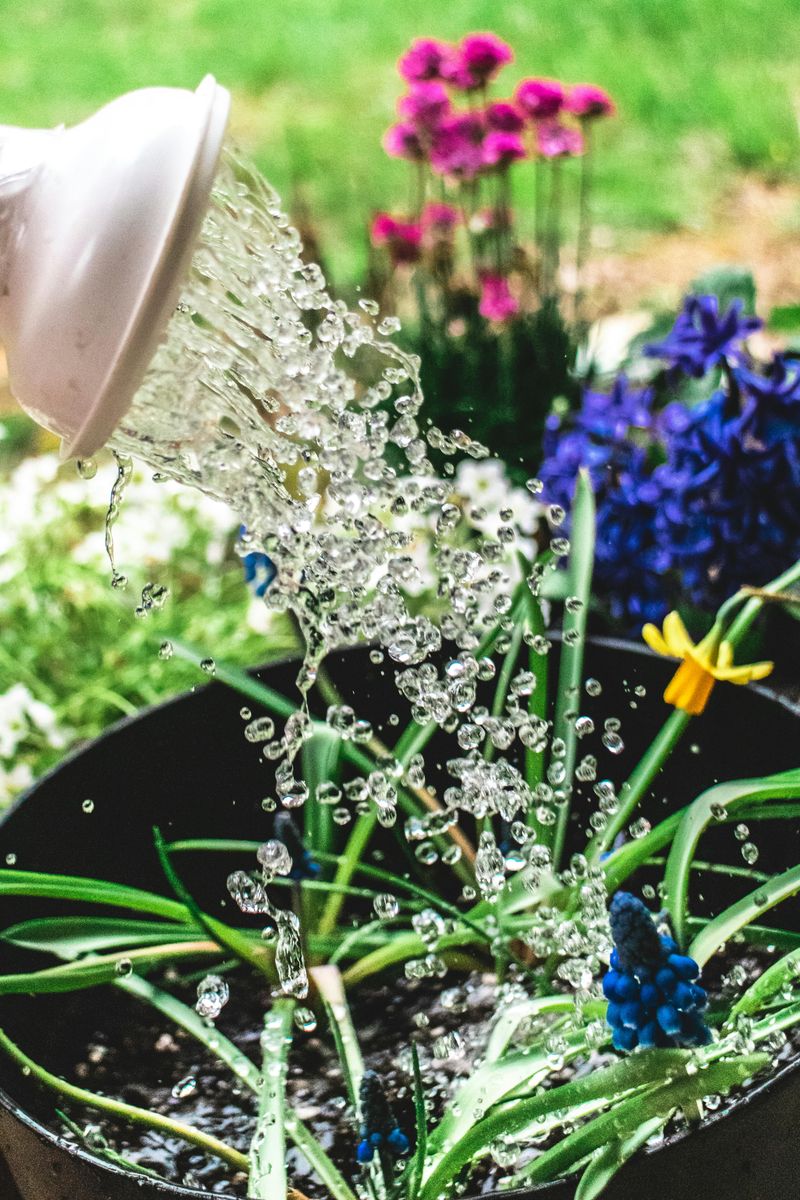
A quick sprinkle every day sounds responsible, but it might be the thing hurting your plants most. Shallow, frequent watering keeps moisture near the surface and trains roots to stay up high.
Roots follow water. When water never goes deep, roots never go deep either. Shallow-rooted plants are fragile and far more likely to struggle during a hot dry stretch.
Deep, infrequent watering is the smarter approach. Soaking the soil thoroughly two or three times a week encourages roots to push downward. Deep roots can tap into cooler, moister soil layers that surface roots never reach.
A good rule of thumb is to water until the top six to eight inches of soil are moist. You can check this by pushing a wooden dowel or finger into the ground after watering. If it comes out damp that deep, you have done the job right.
Your Washington Garden Changes Every Week. Your Plan Should Too.
Gardening in Washington changes quickly throughout the season. Every Friday you’ll receive a simple weekly plan showing exactly what to plant, prune, fertilize, harvest, and protect so you never miss the right timing.
Drip irrigation and soaker hoses do this naturally. They deliver water slowly and steadily, giving the soil time to absorb it rather than letting it run off. They also keep water off the leaves, which is a bonus.
One of the most overlooked summer watering mistakes in Washington gardens is confusing busy watering with effective watering.
Doing less, but doing it deeply, builds stronger plants that can handle the heat with ease.
3. Giving Every Plant The Same Amount Of Water
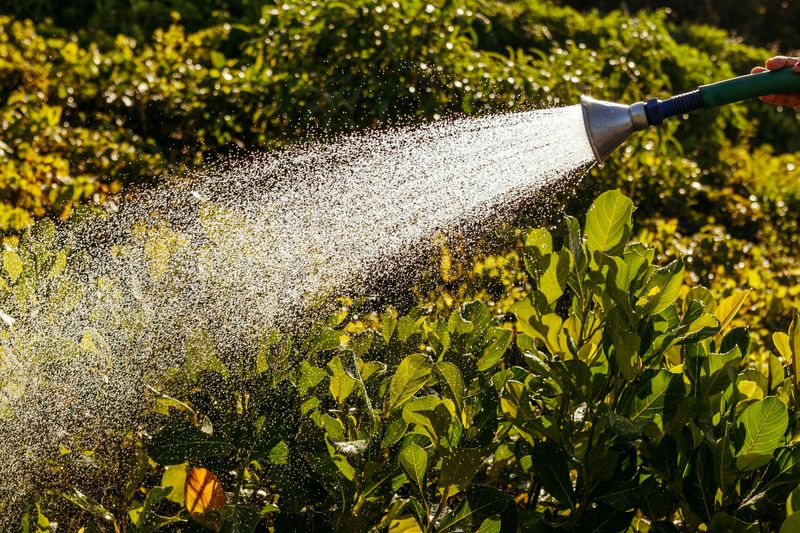
Not all plants are created equal, and your watering schedule should reflect that. Treating a lavender bush the same as a hydrangea is a recipe for frustration on both ends.
Hydrangeas are drama queens. They want consistent moisture and will droop loudly the moment things get dry. Lavender, on the other hand, prefers to be left alone and actually performs better with less water.
Vegetables are some of the thirstiest plants in any garden. Tomatoes, cucumbers, and squash need regular, steady moisture to produce well. Without it, tomatoes crack and cucumbers turn bitter.
Native plants and ornamental grasses often need far less once they are established. Overwatering them can cause root rot and make them look worse than if you had left them alone. A single overwatered season can undo years of healthy root development.
The good news is that most plants will tell you what they need if you pay attention. Yellowing leaves, soggy soil, and wilting despite wet ground are all signs that something is off.
Learning what each plant actually needs takes the guesswork out of watering. Try grouping plants by water needs when you plan or replant beds.
Gardeners call this hydrozoning, and it makes irrigation much more efficient. High-water plants go together, low-water plants go together, and you stop wasting effort on the wrong spots.
Paying attention to individual plant needs is one of those summer watering mistakes that is easy to overlook but simple to fix. A little research goes a long way toward a healthier, happier garden all season long.
4. Ignoring The Difference Between Clay And Sandy Soil
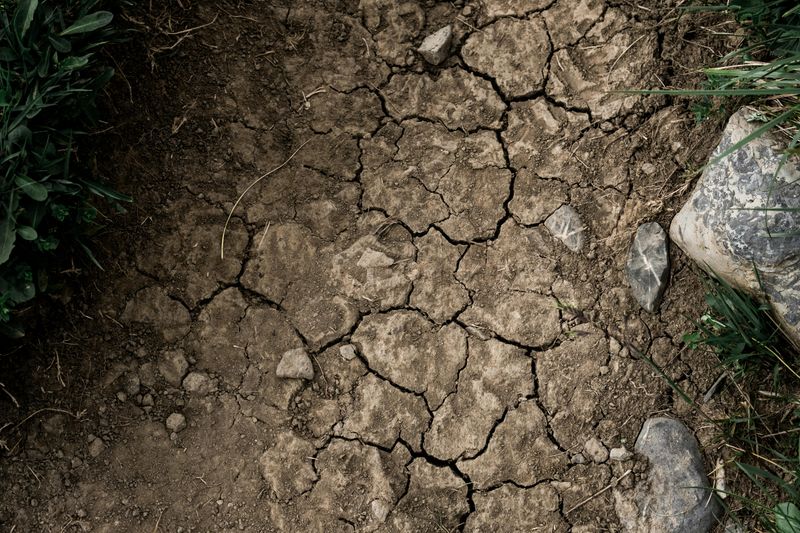
Your soil type matters more than most gardeners realize. Clay and sandy soils behave in completely opposite ways, and ignoring that difference leads to serious watering problems.
Clay soil holds water for a long time. It absorbs slowly and releases slowly, which means overwatering is easy to do without even noticing. Roots sitting in waterlogged clay can suffocate and rot within days.
Sandy soil is the opposite extreme. Water passes through it fast, almost too fast for roots to grab onto. Plants in sandy ground can look dry just hours after watering, even if you gave them what seemed like plenty.
Western Washington tends to have heavier clay soils in many areas. Eastern Washington is drier and tends toward sandier or rockier soils in many areas, though conditions vary widely.
Knowing what you are working with helps you water smarter rather than harder.
A simple squeeze test tells you a lot. Grab a handful of moist soil and squeeze it. Clay holds its shape in a ball. Sandy soil falls apart immediately. Loamy soil, the ideal middle ground, holds loosely and crumbles easily.
Amending your soil with compost helps both types. Compost opens up clay and helps sandy soil retain moisture longer. It is one of the best long-term investments you can make in your garden.
Fixing your soil first makes every other summer watering strategy work better.
5. Skipping Mulch And Wondering Why The Soil Dries Out So Fast
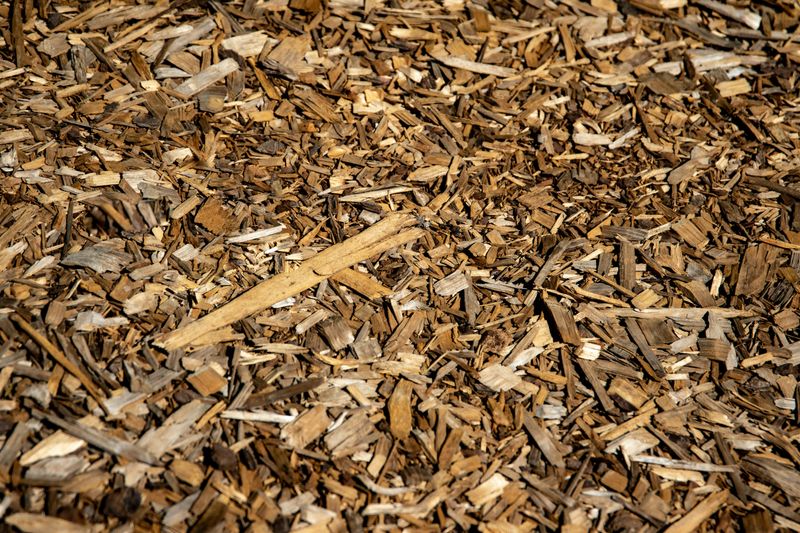
Bare soil in summer is basically an open invitation for moisture to escape. The sun bakes it, the wind pulls from it, and before long your plants are gasping.
Mulch is like a blanket for your garden bed. A two-to-three-inch layer of wood chips, straw, or shredded bark holds moisture in the soil by blocking evaporation.
It can significantly reduce how often you need to water during peak summer heat.
Beyond moisture retention, mulch keeps soil temperatures cooler. Roots are sensitive to heat, and mulched soil stays several degrees cooler than bare ground.
That cooler environment encourages roots to stay active and absorb water more efficiently.
Mulch also suppresses weeds, which compete with your plants for water. Fewer weeds mean more moisture available for the plants you actually want. It is a two-for-one benefit that takes about an afternoon to set up.
Organic mulches break down over time and feed the soil as they decompose. Topped off once or twice a year, they build soil health season after season. This is a long-game strategy that pays off with less work over time.
Skipping mulch is one of the most common summer watering mistakes made in Washington gardens. Adding it now, even mid-season, will immediately slow down how fast your soil dries out.
Your plants will thank you before the week is out.
6. Not Adjusting Your Watering Schedule During Heat Waves
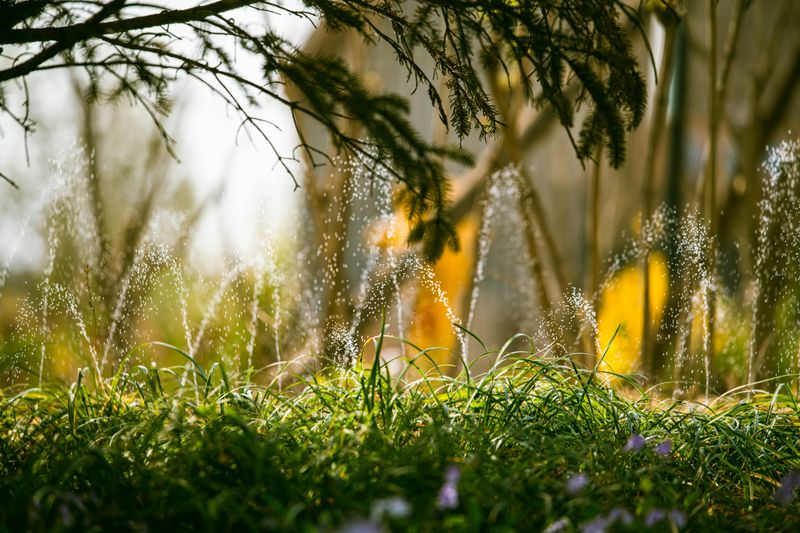
A heat wave hits and you keep watering on the same schedule as always. That is a mistake that can cost you weeks of plant progress in just a few days.
During extreme heat, plants lose moisture through their leaves at a much faster rate. The ground dries out faster too. What worked fine at 75 degrees is not enough when temperatures climb past 95.
Washington summers have seen record-breaking heat in recent years. Gardens that seemed fine one week can look completely different the next if watering habits don’t change with the weather.
Plants that had been thriving suddenly collapsed because nobody adjusted their watering in time.
During a heat wave, check your soil daily instead of relying on a set schedule. Stick your finger two inches into the ground. If it feels dry at that depth, water right away regardless of what day it is.
Container plants need extra attention during hot stretches. Pots heat up fast and dry out much quicker than garden beds. Some containers may need watering more than once a day when temperatures are extreme.
Having a flexible mindset about your watering routine is one of the most powerful tools a gardener can develop. Rigid schedules work in mild weather but fall apart under pressure.
Responding to what your garden actually needs is what separates struggling plants from thriving ones. The calendar doesn’t know your soil. You do.
7. Overwatering Drought-Tolerant Plants
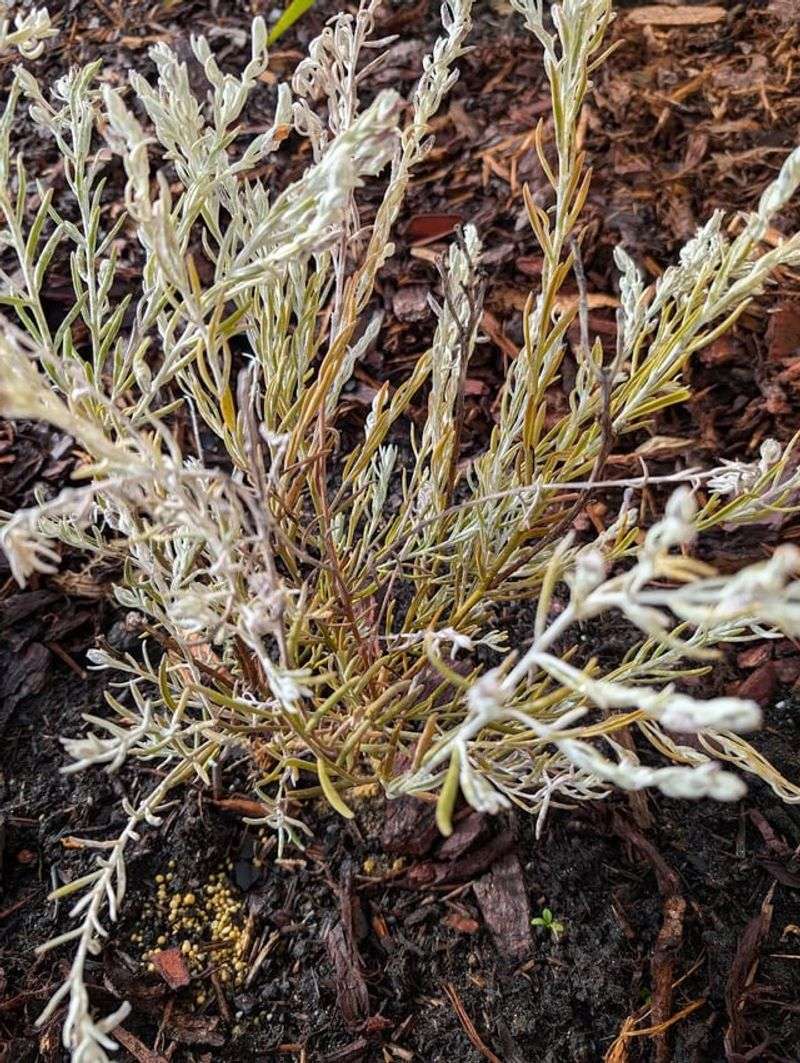
Lavender does not want your love. Neither does salvia, yarrow, or most ornamental grasses. Giving drought-tolerant plants too much water is one of those well-meaning mistakes that quietly destroys them.
These plants evolved in dry, lean conditions. Their root systems are built to search for water, not to sit in it. When soil stays too wet around them, their roots begin to rot from the bottom up while the plant looks okay on top.
The first signs of overwatering in drought-tolerant species are subtle. Leaves may yellow slightly or look dull instead of vibrant. The plant might seem fine until one day it just collapses without obvious warning.
Washington gardeners sometimes struggle with this because the instinct is always to water more when plants look off. But with drought-tolerant species, the opposite is often the fix.
Backing off the water and letting the soil dry out completely between sessions is usually the right move.
Many of these plants thrive beautifully in Washington with almost no supplemental watering once established. They pull enough from the soil naturally. Watering them the same as your vegetable garden is treating them like something they are not.
The fix is simple: know your plants before you water them. A quick search on any plant’s care needs takes two minutes.
8. Forgetting To Water Newly Planted Trees And Shrubs
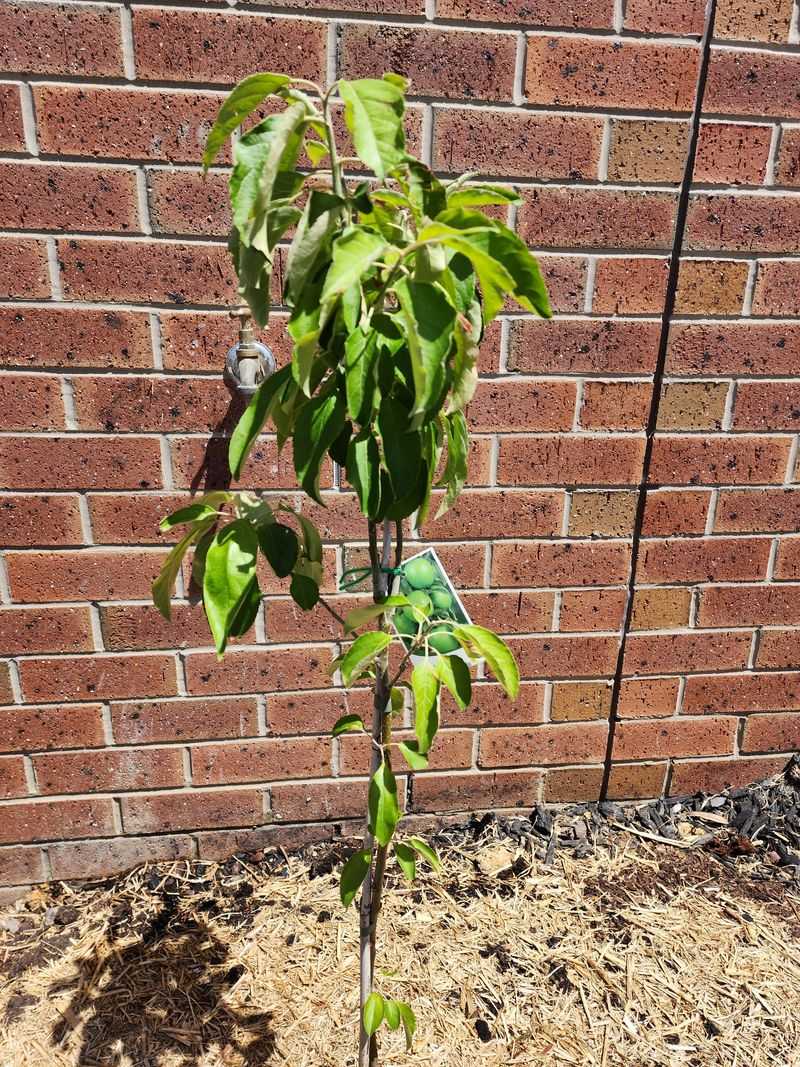
That new tree you planted in spring looks established. It is not. The first summer is critical.
Many plants are lost simply because gardeners stop paying attention too soon. Newly planted trees and shrubs have small, limited root systems.
They have not yet spread out into the surrounding soil. All the moisture they can access sits in a small zone right around the root ball, and that zone dries out fast in summer heat.
Established trees can go weeks without water. New ones cannot. During the first growing season, young trees typically need deep watering two to three times per week depending on the heat and soil type.
Skipping even one week during a hot stretch can set them back significantly. A watering ring or berm built around the base of the tree helps direct water exactly where it needs to go.
It keeps water from running off and forces it to soak down into the root zone. This simple technique makes every watering session far more effective.
Watch the leaves closely on new plantings. Wilting in the morning, before the heat builds, is a red flag that the plant is seriously stressed.
Afternoon wilting alone is normal, but morning drooping means it needs water right away. Avoiding summer watering mistakes with new plantings is about staying engaged even after the excitement of planting day fades.
Keep showing up for that new tree, and it will reward you for decades.