What Friday’s Freeze Will Do To The Mums On Your Michigan Porch

The porch looks perfect. The mums are full, the pumpkins are arranged just right, and then Friday’s forecast arrives with a freeze warning that makes the whole setup feel suddenly precarious.
Michigan fall has a well-documented habit of doing exactly this, delivering warm golden afternoons right up until the moment it doesn’t.
Before reaching for the phone to find out how bad the damage will be, it helps to know that porch mums are considerably tougher than their cheerful appearance suggests.
A freeze is not automatically a disaster, and the outcome depends a lot on what stage the plant is at, how the pots are positioned, and what happens in the hours before the temperature drops.
Most gardeners overestimate the damage and underestimate what their mums can actually handle.
1. Open Blooms Will Take The First Hit

Petals are the drama queens of the mum world. They are soft, thin, and full of water, so they feel the cold before anything else does.
When Friday night drops below freezing, ice crystals can form inside those delicate petals. By Saturday morning, fully open flowers on your Michigan porch may look brown, limp, or a little see-through at the edges.
Don’t panic if you spot that. The damage is mostly cosmetic, like a bad hair day for your plant.
Flowers that are wide open and already a few weeks old will show the most harm. Their cells are worn out, so they can’t bounce back from ice the way younger tissue can.
A light frost around 30 or 31 degrees often just nips the outer petals. A hard freeze in the mid-20s can brown entire blooms overnight.
Here is a handy trick. Before Friday, snip off any flowers that are already fading.
Those spent blooms will not survive the cold anyway, and removing them makes your pots look tidier after the freeze.
You can even bring a few of the prettiest cut blooms indoors. Pop them in a small vase on your kitchen table, and you get to enjoy that fall color a while longer.
2. Tight Buds Are Michigan’s Hidden Survivors

Good news hides in the smallest places. Look closely at your mums, and you will likely see tight little buds that haven’t opened yet.
Those buds are wrapped up like tiny packages. Their outer layers protect the soft parts inside, which gives them a real edge against Friday’s chill.
Many Michigan gardeners are surprised to find that buds often come through a light frost just fine. A few days later, they open up as if nothing happened.
So how can you tell which plants will rebound best? Count the buds.
A mum covered in closed buds still has most of its show ahead of it. One that is fully open has already spent its energy and may not offer much more color after a freeze.
When you shop for mums in fall, it pays to pick plants that are mostly buds with just a peek of color. They last longer on the porch and handle cold snaps better.
Your Michigan Garden Changes Every Week. Your Plan Should Too.
Gardening in Michigan changes quickly throughout the season. Every Friday you’ll receive a simple weekly plan showing exactly what to plant, prune, fertilize, harvest, and protect so you never miss the right timing.
Here is a detail worth knowing: garden mums are triggered to bloom by longer nights as daylight shortens, not primarily by cooler weather. That is why stores sell them in late summer, right as the dark hours start to grow.
Temperature plays a supporting role, but it is the length of uninterrupted darkness that does the real work.
Keep an eye on those buds over the weekend. If they still feel firm and look green underneath, your porch party is far from over.
3. Michigan Mum Leaves Can Tell You The Real Story
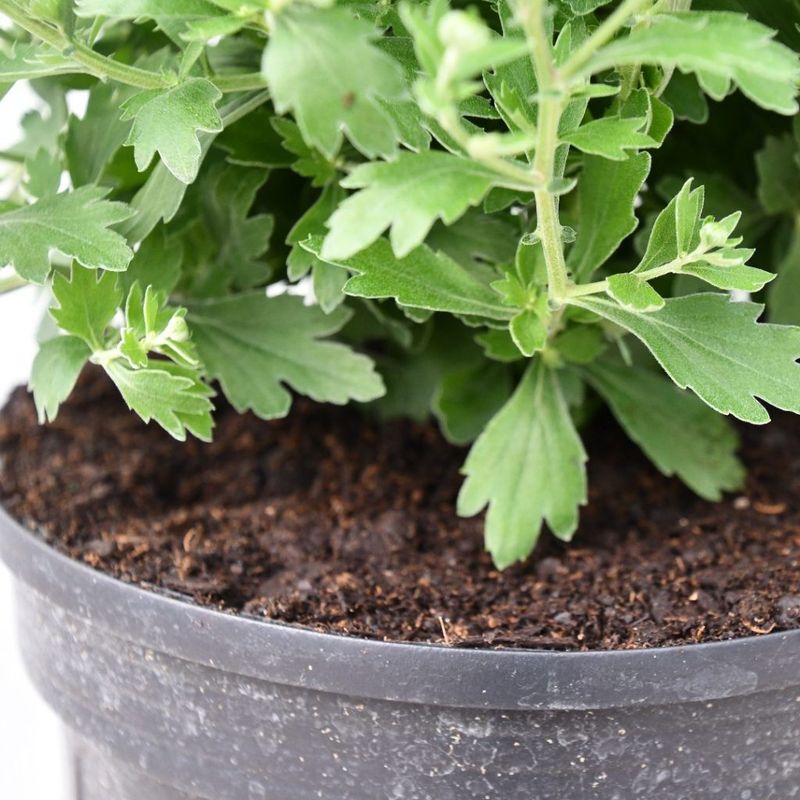
Think of the leaves as your mum’s report card. While petals get all the attention, the green foliage quietly shows how well the plant handled the cold.
After a freeze, check the top leaves first. If they look dark green, wet, or mushy, ice likely formed inside them overnight.
Leaves lower down and tucked near the center usually stay healthier. They get a bit of shelter from the plant’s own branches, kind of like kids huddling together at a Michigan bus stop.
Here is what to do on Saturday. Wait until the sun has warmed things up before you touch anything, because handling frozen leaves can bruise them more.
Once the plant has thawed, gently trim off any leaves that feel slimy. Leaving soggy foliage in place can invite mold, especially if the weather turns damp afterward.
Firm, green leaves mean the plant is still working hard. It can keep feeding those buds and holding its color for weeks.
A little browning on the edges is not a big deal. Even the toughest porch mums look slightly weathered by late October, and that rustic look fits right in with pumpkins and corn stalks.
4. Your Pots Are Colder Than The Ground

Here’s something most people never think about. A mum in a pot feels the cold far more than a mum planted in the yard.
Soil in the ground holds onto daytime warmth like a giant heating pad. A plastic pot sitting on porch boards has cold air hitting it from every side, including underneath.
That means roots in containers can freeze much faster during a chilly Michigan night. Roots are actually more sensitive than leaves, so this matters a lot.
The fix is easier than you might expect. Group your pots tightly together before Friday evening so they share warmth and block the wind.
Move them close to the house wall, too. Brick and siding soak up sun all day and release a bit of heat after dark.
If your pots sit on a cold concrete step, slide a piece of cardboard or an old doormat underneath. That small layer cuts down on the chill seeping up from below.
Thin plastic nursery pots are the worst offenders. Slipping them inside a bigger decorative planter adds an extra pocket of air that acts like insulation.
Small moves like these can make a real difference by Saturday morning.
5. An Old Bedsheet Is Michigan’s Best Frost Shield
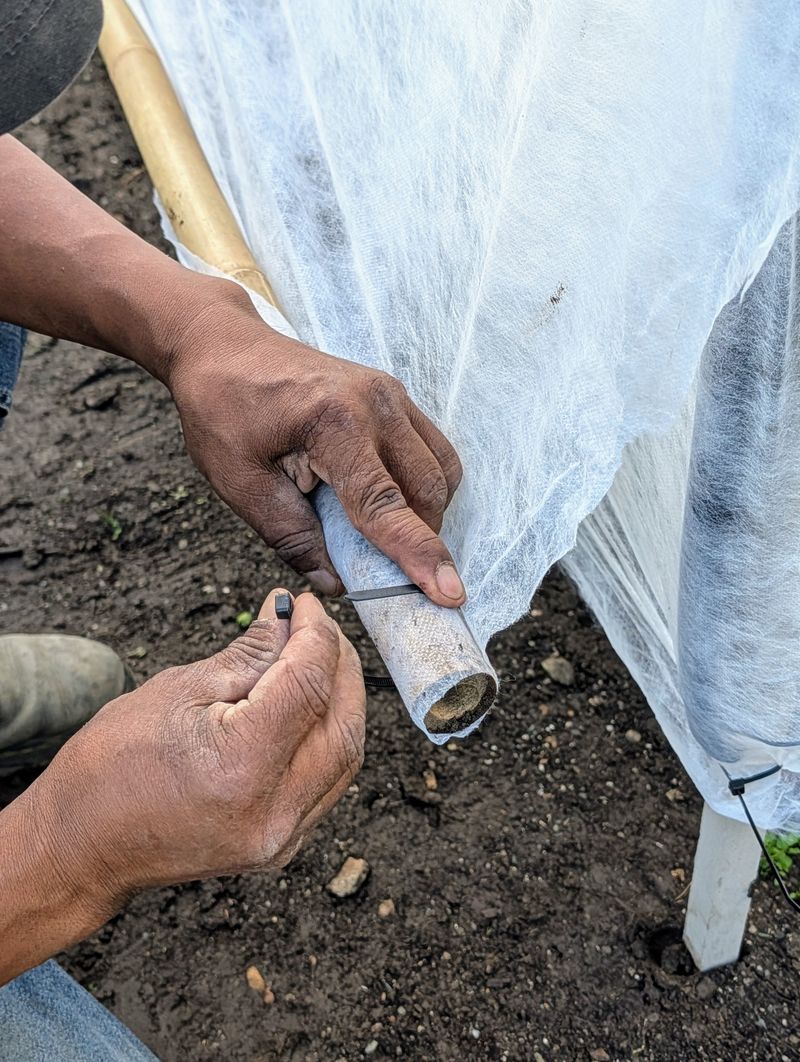
Grandma knew this trick long before weather apps existed. Toss a sheet over your plants, and you can shave off a few critical degrees.
Covers work by trapping the warmth rising from the soil. Without one, that heat floats right up into the clear, cold Michigan sky.
Cotton sheets, old towels, burlap, and light blankets all do the job. Frost cloth from the garden center works best because it lets air through while holding warmth in.
Skip plastic if you can. It touches the leaves and conducts cold straight into them, which can cause more harm than good.
Timing matters as much as the cover itself. Drape your fabric over the mums in late afternoon, while the soil is still warm from the day.
Let the sheet reach all the way to the porch floor. A cover that stops halfway lets warm air escape out the bottom, sort of like wearing a coat with no zipper.
A couple of stakes or an upside-down bucket can keep heavy fabric from crushing the blooms. Weigh the edges down with bricks so the wind doesn’t steal your sheet.
Pull everything off by mid-morning Saturday so the plants can soak up sunshine again.
6. Watering Before Freeze Really Helps
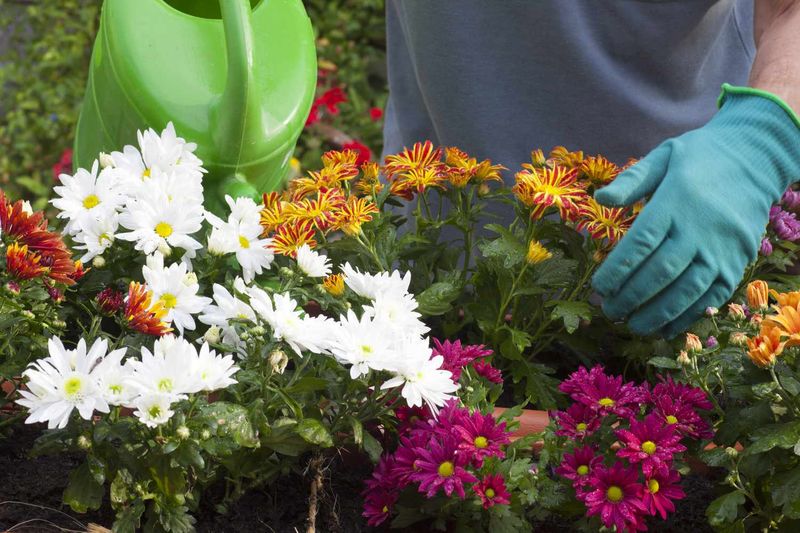
It sounds backward, but a good drink before a cold night is one of the smartest moves you can make. Wet soil holds heat much better than dry soil.
Dry dirt is full of air pockets that let cold sneak in quickly. Moist soil soaks up the afternoon warmth and slowly gives it back overnight.
Thirsty plants also handle stress poorly. A mum that is already wilting going into Friday night has fewer resources to fight off the chill.
Water your pots around midday on Friday, while the temperature is still comfortable. Aim to soak the soil until a little runs out the bottom.
Avoid splashing the leaves and flowers. Water sitting on petals can freeze into ice and make the damage worse.
Mums in pots dry out fast, especially on breezy Michigan porches. Many folks are shocked to learn these plants may need water every single day in warm fall weather.
Here’s a quick test. Push your finger an inch into the soil, and if it feels dry, it is time to water.
Don’t drown them, though. Soggy, cold roots can rot, so let any extra water drain away before nightfall.
7. Garage Sleepovers Work For Mums

Sometimes the easiest answer is simply bringing your plants inside for the night. A quick garage sleepover can keep your mums out of trouble.
An attached garage usually stays several degrees warmer than the outdoors. That small boost is often enough to protect blooms from a hard Michigan freeze.
Move the pots in Friday evening, before the sun goes down. Bring them back out Saturday morning once the frost has melted off the lawn.
A dark garage is fine for one or two nights. Mums won’t mind missing a little light, but keeping them inside for days can make them leggy and pale.
Unheated sheds work, too, though they are usually colder. A mudroom, enclosed porch, or basement stairwell can also do the trick.
Skip the warm living room. Jumping from chilly air to cozy indoor heat can shock the plants and make their flowers fade faster.
Got huge, heavy pots? A cheap plant dolly with wheels makes moving them a breeze and saves your back.
Honestly, the mums seem to enjoy the vacation. Many porch decorators swear their plants look perkier after a night or two tucked safely indoors.
8. Saturday Morning Care For Mums
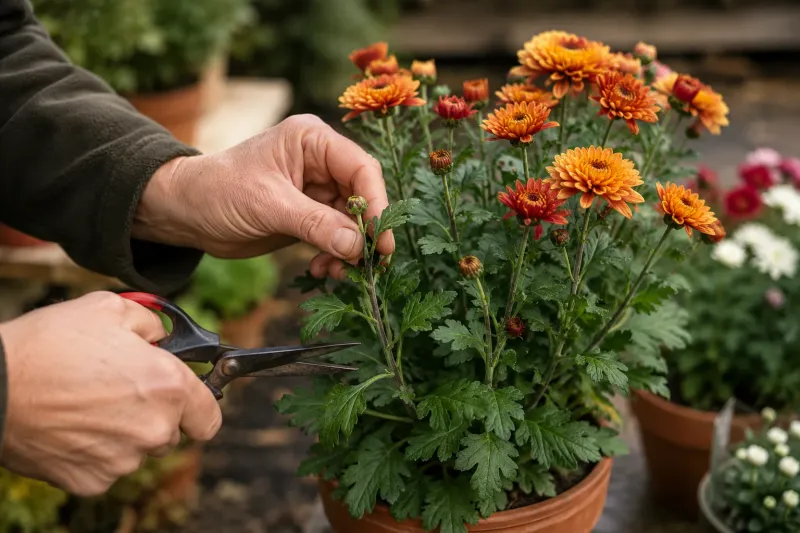
Patience is your secret weapon after a freeze. Resist the urge to rush outside and start snipping the minute you wake up.
Frozen plant tissue is fragile, like a popsicle that cracks when bent. Touching it before it thaws can turn small damage into big damage.
Let the morning sun warm your porch first. By late morning, the ice inside the plant has melted, and you can see what really happened.
Walk around each pot and look for three things. Check for brown blooms, mushy leaves, and soft stems near the top.
Gently pinch off spent flowers with your fingers or small snips. Trim soggy foliage back to healthy green growth.
Give the soil a feel and water if it is dry. A thawed plant is thirsty after a stressful night in the Michigan cold.
Skip the fertilizer for now. Feeding a stressed mum in fall only pushes tender new growth that the next frost will nip right away.
Fluff the plant a bit after trimming so the remaining flowers fill in the gaps. With a little grooming, most porch mums look surprisingly fresh again by lunchtime, ready for trick-or-treaters.
9. Keeping Mums Alive Through Winter

Plenty of people toss their mums in the compost after Halloween. Others wonder if those plants could come back next year, and the answer is maybe.
Most porch mums are bred as florist plants, built for big color instead of long life. Still, some hardy varieties can return in a Michigan garden with a little help.
The trick is planting them early. Mums placed in the ground by mid-September have a much better shot than those planted in late October.
If you want to try anyway, pick a sunny spot with soil that drains well. Wet, soggy ground in winter is harder on mums than cold itself.
Leave the old stems standing after they brown. They catch snow, which works like a fluffy blanket for the roots.
Once the ground starts to freeze, pile four to six inches of straw or shredded leaves around the base. Pull that mulch back in spring when new green shoots appear.
Another option is storing potted mums in an unheated garage all winter. Water them lightly once a month so the roots don’t dry out.
Mums have been grown for over 3,000 years, starting in China, where they were first cultivated as a medicinal and culinary herb. With some luck, yours could stick around for a few more seasons too.