The Longest Blooming Perennials For Oregon Gardens
You finally get your garden looking full and colorful, and then one by one, those blooms start to fade just as summer begins to settle in. It is a familiar moment for many Oregon gardeners.
The season starts strong with cool, wet spring conditions, but the shift to drier weather can shorten the show for many flowers. That is where long-blooming perennials really stand out.
Some keep producing color for weeks or even months, helping your garden stay vibrant through the changing seasons.
Choosing the right ones can make a noticeable difference in how your Oregon garden looks and feels all summer long.
1. Yarrow Keeps Blooming Through Oregon Summers
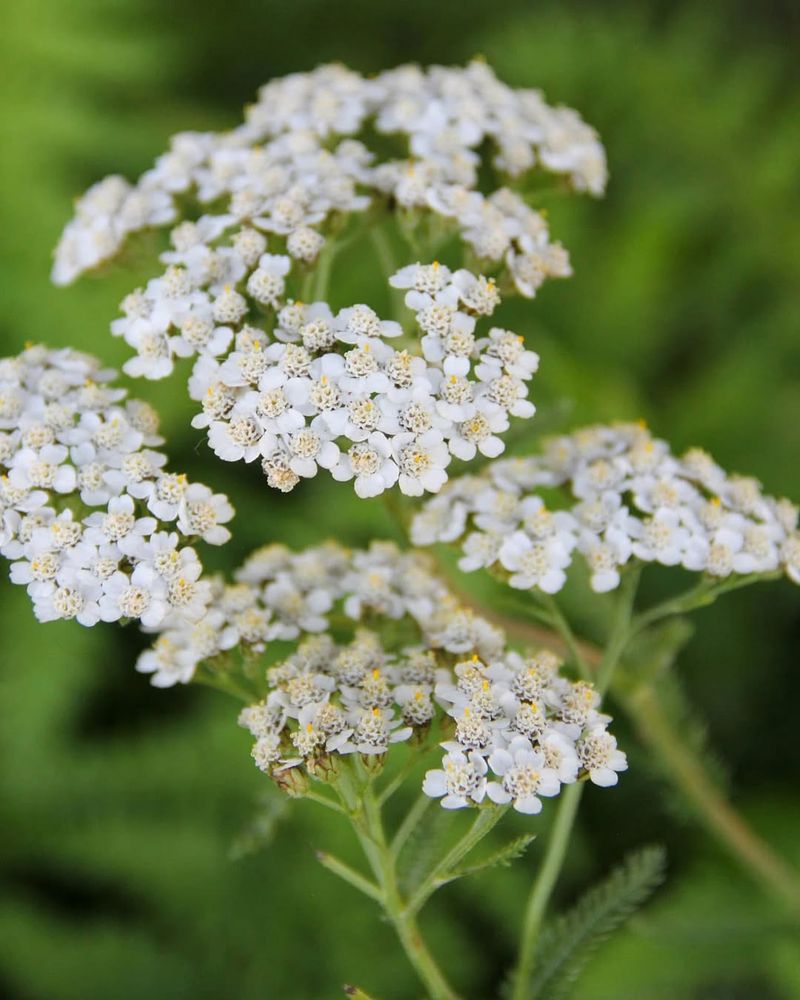
Few plants handle Oregon’s dry summer stretch quite like yarrow, a tough and cheerful perennial that seems almost unbothered by heat and low rainfall.
Once established in well-drained soil and full sun, yarrow can bloom from late spring all the way through late summer, giving gardens a reliable pop of color when other plants start to fade.
Colors range from classic yellow and white to warm shades of red, pink, and coral.
Deadheading spent flower clusters encourages yarrow to push out fresh blooms rather than putting energy into seed production. Cutting stems back by about a third after the first big flush of flowers often triggers a strong second wave of color.
This simple step can meaningfully extend the overall bloom period through the warmer months.
Yarrow also attracts butterflies and beneficial insects, making it a smart choice for pollinator-friendly Oregon gardens.
It handles poor, sandy, or rocky soil surprisingly well, which suits many parts of western and eastern Oregon.
Once planted, it needs very little supplemental watering during summer, making it a low-maintenance option that keeps delivering color season after season.
2. Coreopsis Brings Bright Color For Weeks
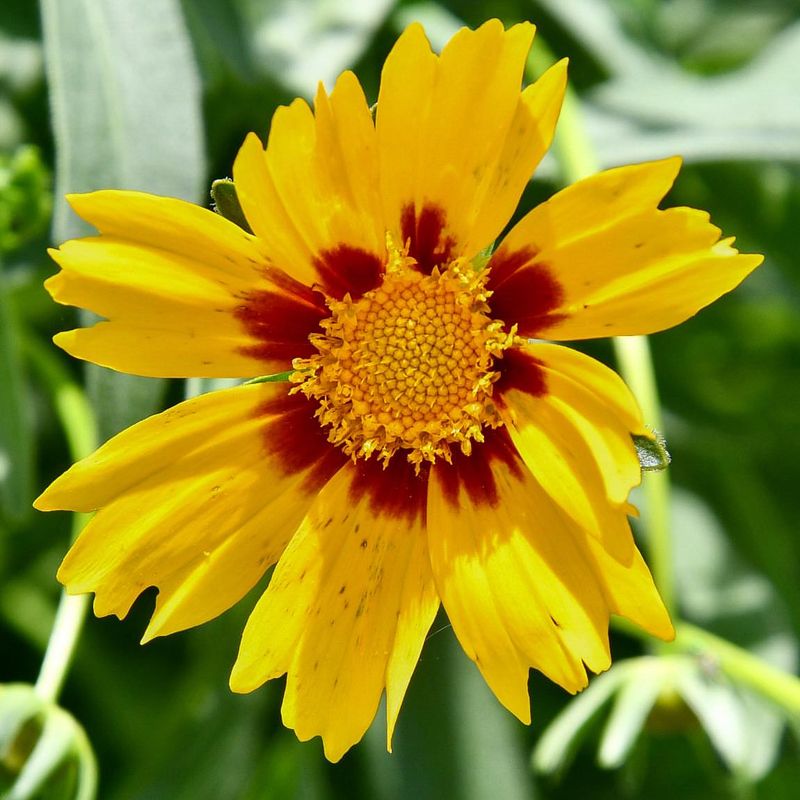
Walk past a patch of coreopsis in full bloom and it’s hard not to stop and admire the cheerful burst of golden yellow that seems to glow in the summer sun.
Also called tickseed, this perennial begins flowering in early summer and keeps producing blooms well into fall, making it one of the longest-performing plants available to Oregon gardeners.
The flowers are small, daisy-like, and produced in large quantities, creating a dense, colorful display.
Coreopsis thrives in full sun and well-drained soil, which suits many Oregon garden conditions nicely. It becomes drought-tolerant once established, handling the dry spells that arrive in July and August without much stress.
Regular deadheading removes spent flowers and encourages the plant to continue producing new buds rather than shifting focus toward seed development.
Some newer varieties, including the ‘Moonbeam’ cultivar, are especially well-regarded for their extended bloom season and compact growth habit.
Coreopsis pairs well with other summer perennials like salvia and black-eyed Susan, creating layered combinations that keep garden beds looking full and colorful.
It also attracts bees and butterflies, adding ecological value alongside its visual appeal in Oregon landscapes.
3. Coneflower Adds Long-Lasting Summer Blooms
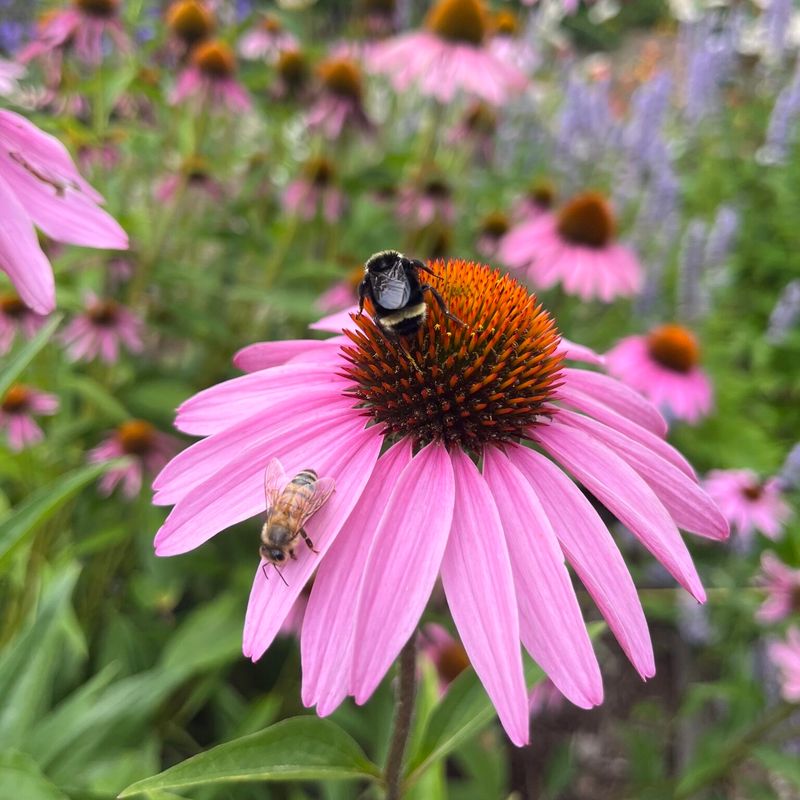
Echinacea, better known as coneflower, has become a staple in Oregon gardens for good reason.
Your Oregon Garden Changes Every Week. Your Plan Should Too.
Gardening in Oregon changes quickly throughout the season. Every Friday you’ll receive a simple weekly plan showing exactly what to plant, prune, fertilize, harvest, and protect so you never miss the right timing.
Its bold, daisy-like flowers with raised central cones begin opening in early summer and continue through late summer or early fall, providing weeks of reliable color with relatively little effort from the gardener.
The flowers come in shades of purple, pink, white, orange, and red, giving gardeners plenty of options to match their existing color schemes.
Full sun and well-draining soil give coneflowers the conditions they need to perform at their best.
They handle Oregon’s summer dry periods well once established, though a deep watering once a week during extended heat waves can help maintain strong bloom production.
Deadheading extends the flowering season, but leaving some seed heads intact at the end of the season provides food for birds like goldfinches through fall and winter.
Beyond their extended bloom period, coneflowers are known for attracting pollinators, including native bees and butterflies.
They tend to spread gradually over time, slowly filling in a garden bed without becoming invasive.
Many Oregon gardeners find that established clumps actually produce more flowers each year as the plants mature, making coneflower one of the most rewarding long-term investments in a perennial garden.
4. Catmint Produces Waves Of Soft Purple Flowers
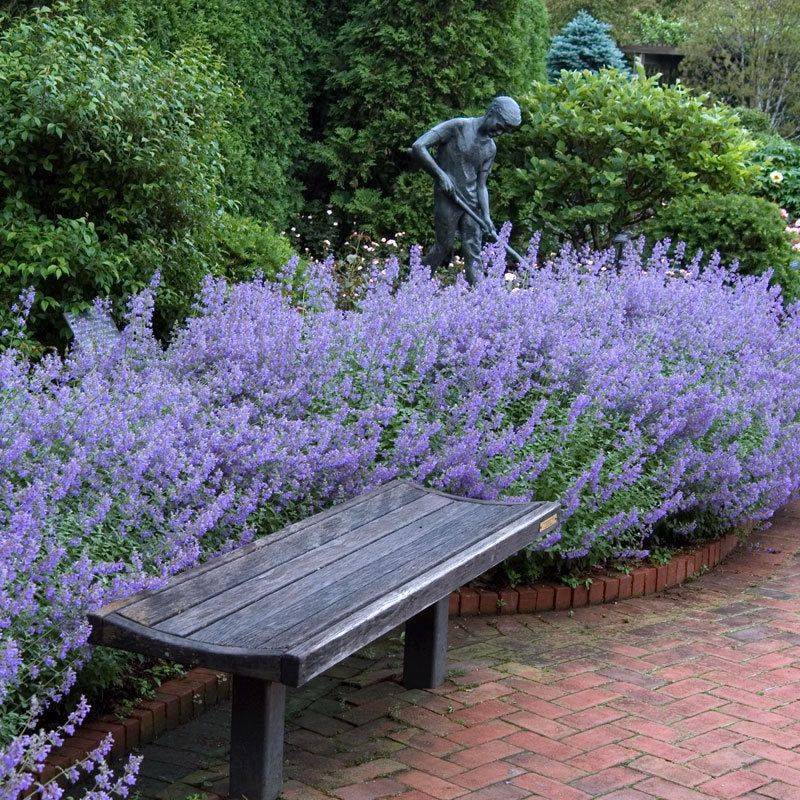
Catmint has a way of softening the whole feel of a garden bed, filling edges and borders with billowing mounds of fragrant, silver-green foliage topped with clouds of lavender-blue flowers.
It blooms heavily in late spring and early summer, then takes a brief pause before reblooming in late summer if cut back after the first flush fades.
That two-season performance makes it especially valuable in Oregon gardens where continuous color is the goal.
Cutting catmint back by about half after the first bloom wave is the key to encouraging that second round of flowers. New growth emerges quickly, and within a few weeks the plant is typically covered in fresh buds again.
This approach works well in Oregon’s climate, where cooler late-summer temperatures can actually support strong rebloom.
Catmint adapts well to a range of light conditions, performing in full sun as well as partial shade, which gives Oregon gardeners flexibility when placing it in the landscape.
It is drought-tolerant once established, handles poor soils reasonably well, and is largely resistant to deer browsing.
The fragrant foliage also discourages many common garden pests, making catmint a low-fuss, high-reward perennial for both new and experienced gardeners across Oregon.
5. Hardy Geranium Flowers Over A Long Season
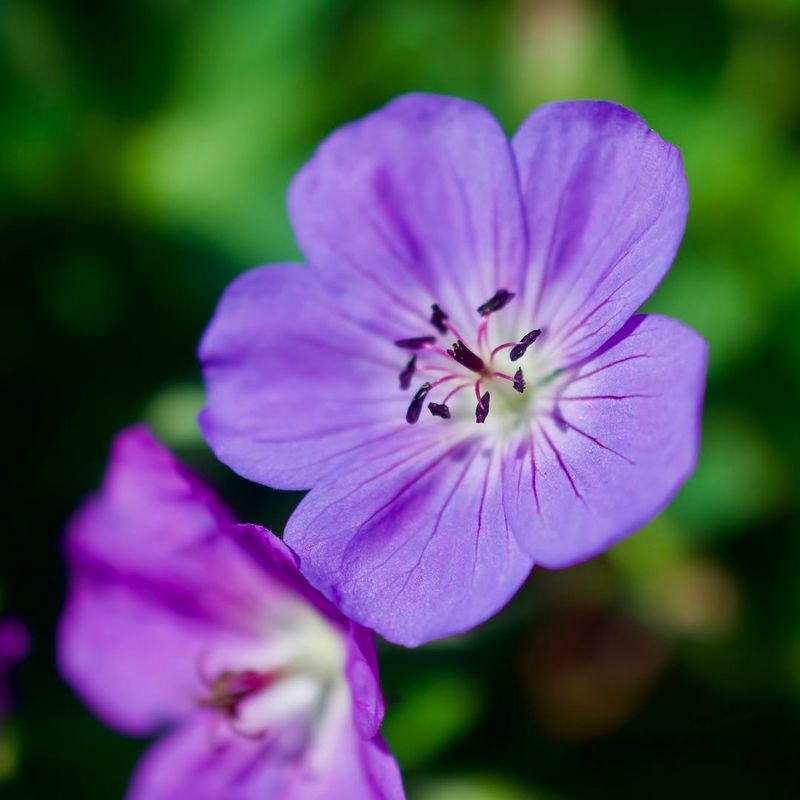
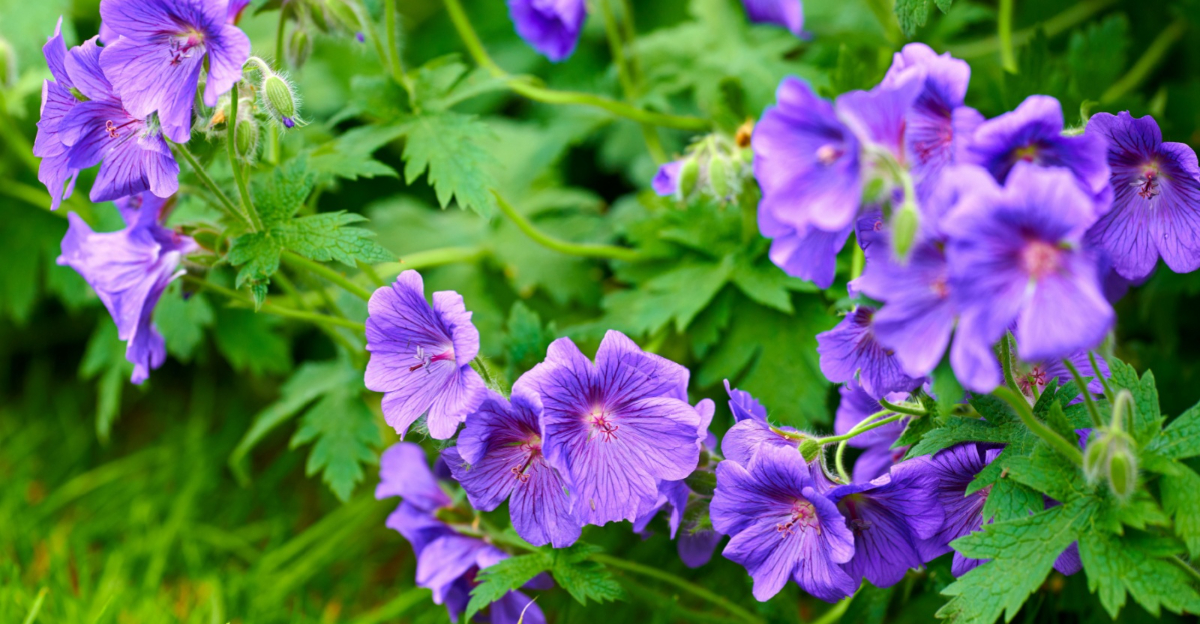
Hardy geraniums, sometimes called cranesbills, are not to be confused with the tender annual geraniums sold in hanging baskets each spring.
These true perennials are built for Oregon’s climate, handling both the wet winters and the dry summers with an easygoing resilience that makes them reliable year after year.
Depending on the variety, bloom time can stretch from late spring well into summer, and some types rebloom if cut back after the first flowering.
Flower colors include violet, blue, pink, magenta, and white, with many varieties also offering attractive foliage that turns warm shades of red and orange in fall.
Hardy geraniums work well at the front of borders, as ground covers, or tucked beneath taller plants where they fill space without crowding their neighbors.
They tolerate partial shade, which makes them useful in Oregon gardens where larger trees or shrubs create filtered light conditions.
Watering needs are moderate, and established plants handle dry spells reasonably well without much supplemental irrigation.
Cutting the plant back hard after the main bloom period encourages fresh foliage and often triggers a second round of flowers later in the season.
For Oregon gardeners looking for a plant that combines long bloom time with attractive leaves and low maintenance, hardy geranium checks nearly every box.
6. Salvia Keeps Color Going With Repeat Blooms
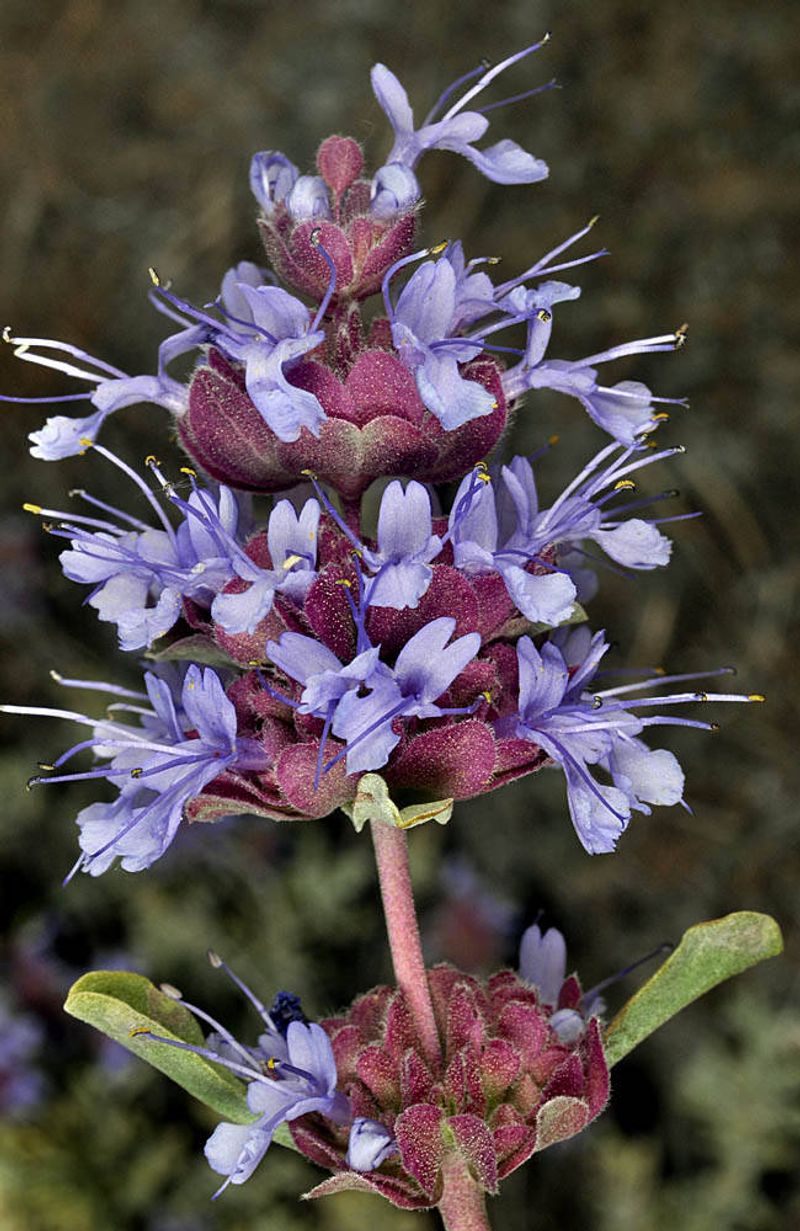
There is something almost theatrical about a clump of salvia in full bloom, with its tall, vertical spikes of deep blue, purple, or red flowers rising above the surrounding garden in a bold, upright display.
Perennial salvias begin flowering in late spring and continue through summer, often reblooming in fall after a light trim.
That extended performance, spanning several months in many Oregon gardens, is a big part of why salvia has built such a loyal following among Pacific Northwest gardeners.
Full sun and well-drained soil are the main requirements for strong salvia performance. In Oregon’s wetter regions, good drainage matters especially during winter, since sitting in soggy soil through the rainy season can weaken the plant over time.
Raised beds or amended garden soil with added compost and grit can improve drainage in heavier clay soils common across parts of the Willamette Valley.
Removing spent flower spikes promptly encourages the plant to redirect energy into producing new blooms.
Salvia is highly attractive to hummingbirds and bees, making it a favorite for pollinator gardens across Oregon.
It pairs beautifully with coreopsis, catmint, and coneflower in mixed borders, creating color combinations that shift and evolve throughout the growing season without requiring constant replanting or major intervention.
7. Black-Eyed Susan Adds Steady Summer Color
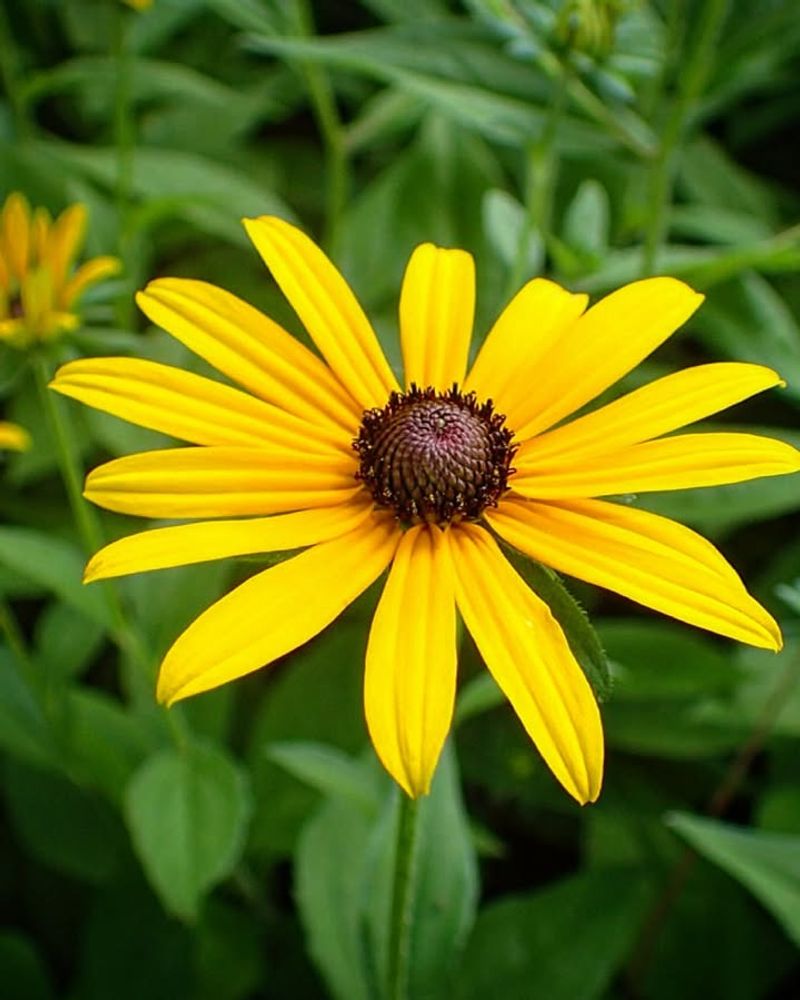
Black-eyed Susan has the kind of warm, sunny personality that makes a garden feel welcoming even on an overcast Oregon day.
The golden-yellow petals surrounding a dark brown center create a classic wildflower look that suits both formal borders and casual cottage-style gardens equally well.
Bloom time typically runs from midsummer through early fall, giving Oregon gardens a reliable source of color during the months when spring flowers have long since faded.
This perennial thrives in full sun and tolerates a range of soil conditions, including the clay-heavy soils found in many parts of the Willamette Valley.
Once established, it handles Oregon’s dry summer months without needing frequent watering, though younger plants benefit from consistent moisture during their first growing season.
Deadheading spent flowers extends bloom time and keeps the plant looking tidy, though leaving some seed heads at the end of the season offers food for birds.
Black-eyed Susan spreads gradually over time, slowly expanding into larger clumps that can be divided every few years to maintain vigor and share plants with other areas of the garden.
It also self-seeds lightly, which can fill in gaps in a naturalistic planting.
Pollinators, including native bees and butterflies, visit the flowers regularly, making it a valuable addition to Oregon wildlife-friendly gardens.
8. Gaillardia Thrives In Sunny, Dry Conditions
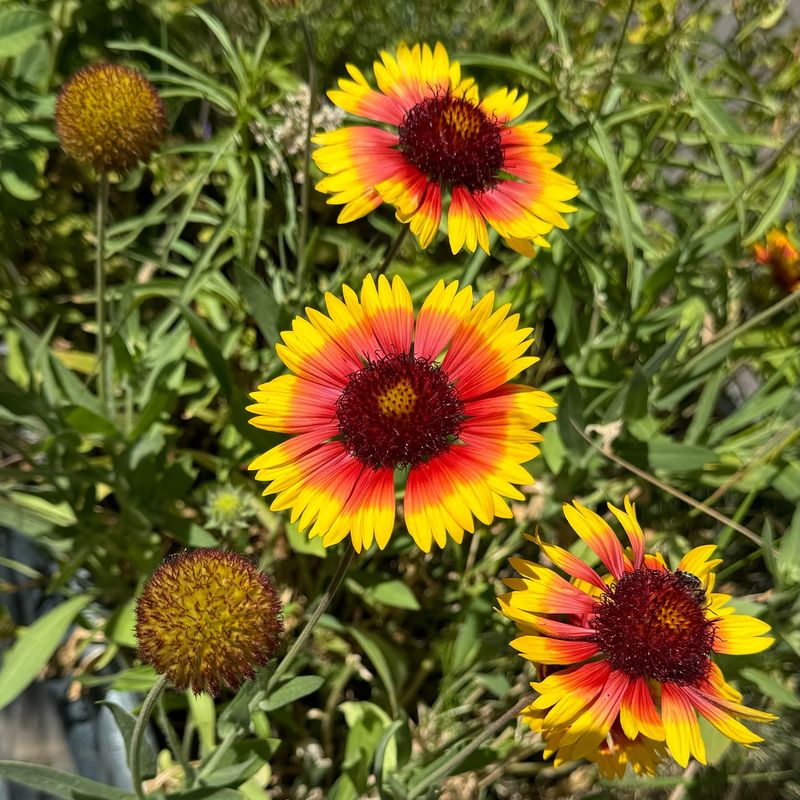
Gaillardia, commonly called blanket flower, earns its nickname with bold, flame-colored blooms that look like they were painted in shades of red, orange, and yellow all at once.
It starts flowering in early summer and keeps producing blooms well into fall, making it one of the longest-blooming perennials available to Oregon gardeners.
The flowers are large, showy, and produced continuously on branching stems that hold up well even in summer heat.
Hot, sunny conditions and well-drained soil bring out the best in gaillardia, which suits the drier parts of Oregon particularly well.
In the wetter western regions of the state, good drainage is important since gaillardia can struggle in overly moist or heavy soil.
Raised beds or garden spots with natural slope and good air circulation tend to give this plant the conditions it needs to perform reliably year after year.
Deadheading spent blooms keeps gaillardia flowering at full strength throughout the season. Without regular deadheading, plants may slow their flower production as energy shifts toward seed development.
Gaillardia is a strong pollinator plant, drawing bees and butterflies throughout its long bloom season.
Its drought tolerance and sun-loving nature make it especially well-suited to eastern Oregon gardens and any sunny, dry garden spot across the state.
9. Penstemon Brings Color With Minimal Care
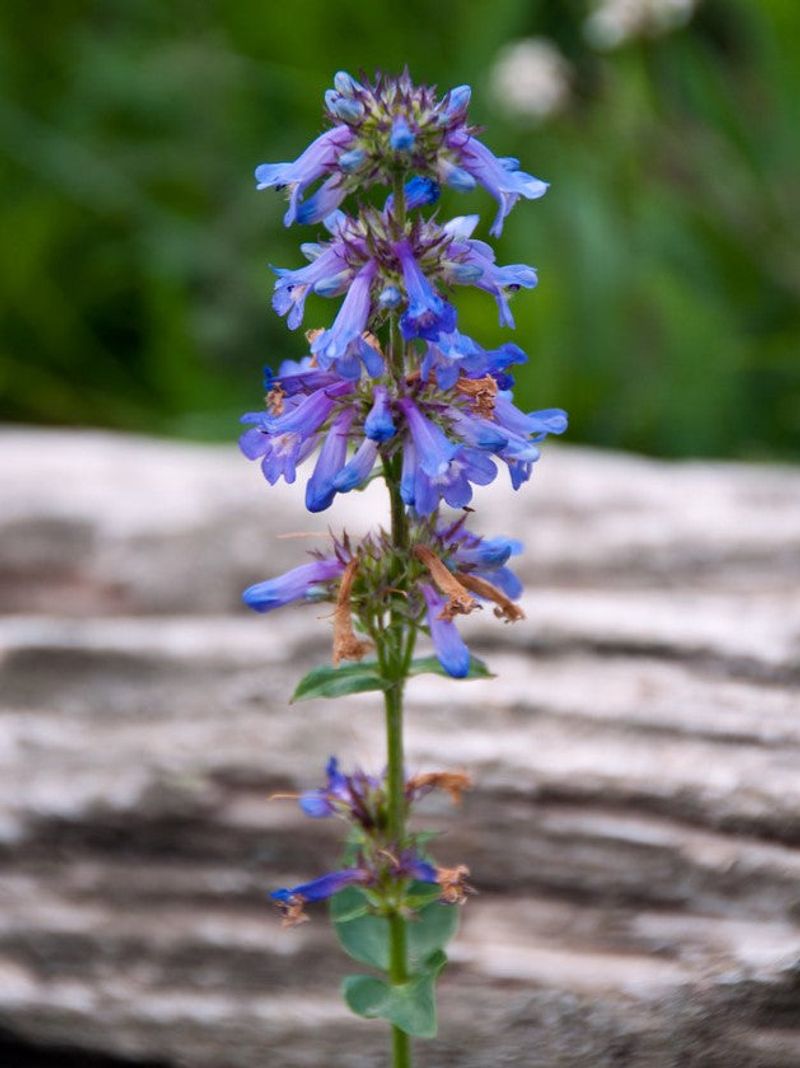
Penstemon is one of those plants that feels genuinely at home in Oregon, and for good reason – many species are native to the Pacific Northwest.
The tubular flowers, which come in shades of red, pink, purple, blue, and white, are designed for hummingbirds, and watching those tiny birds visit a blooming penstemon patch is one of the seasonal pleasures Oregon gardeners look forward to each year.
Bloom time varies by species but generally runs from late spring through midsummer.
Most penstemons prefer full sun and very well-drained soil, and they genuinely thrive with less water rather than more once established.
Overwatering or heavy, moisture-retaining soil is one of the most common reasons penstemons underperform in Oregon gardens.
In the state’s wetter western regions, planting in raised beds or on slopes where water drains away quickly can make a meaningful difference in plant health and longevity.
Cutting stems back after the first bloom flush can encourage some varieties to produce a second round of flowers later in summer.
Native penstemon species tend to be especially well-adapted to Oregon’s climate and soil conditions, often requiring almost no supplemental irrigation once established.
For gardeners looking for a plant that supports wildlife, offers beautiful flowers, and asks very little in return, penstemon is a genuinely rewarding choice.