The Low Maintenance North Carolina Native Shrub That Feeds Birds All Season
Most shrubs feed birds during one narrow window and then go quiet for the rest of the year. This native North Carolina shrub operates on a completely different schedule.
It produces food resources across multiple seasons in forms that attract a genuinely diverse range of bird species, from early summer visitors moving through to the year-round residents that depend on reliable winter food sources.
It handles clay soil, humidity, and the kind of neglect that would stress less adapted plants without losing any of its productivity.
North Carolina gardeners who have added it consistently describe it as one of the highest-return plants on their entire property relative to the effort it asks for in return.
1. The Evergreen Overachiever Your Yard (And Local Birds) Have Been Waiting For
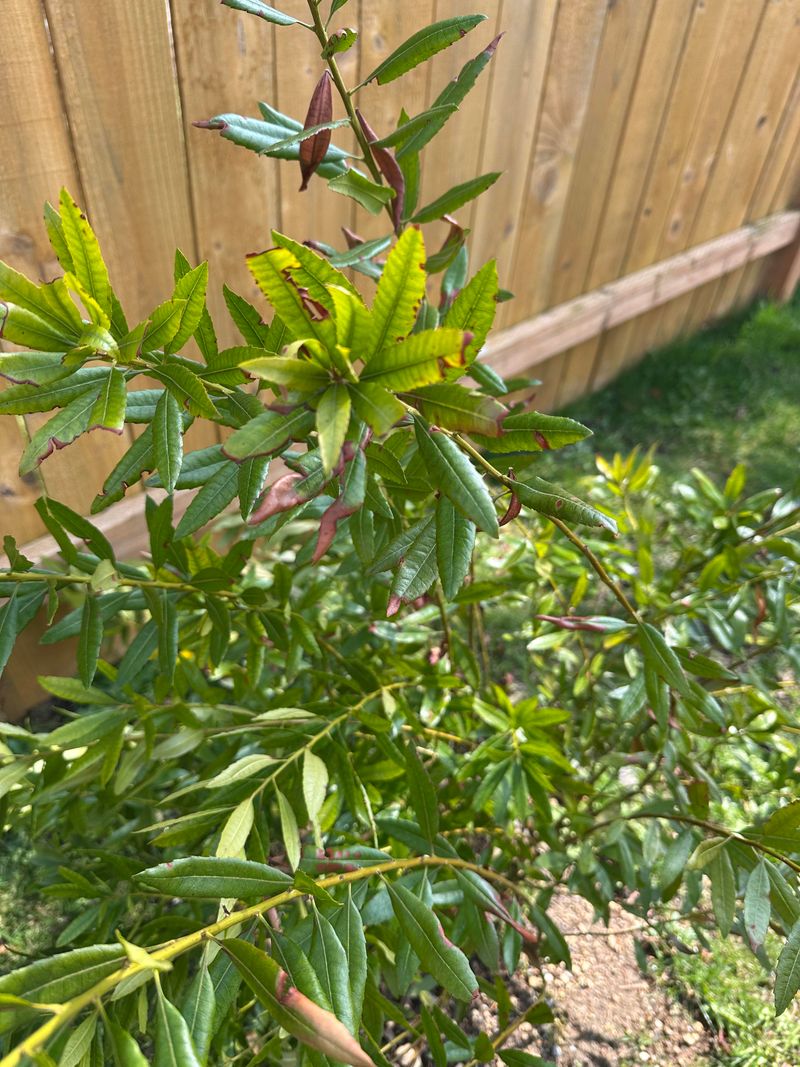
Meet Wax Myrtle, the evergreen overachiever of the native plant world. Known by its scientific name Morella cerifera, and sometimes called Southern Bayberry, this shrub packs a lot of value into one tough, fragrant plant.
The leaves carry a pleasant spicy scent when brushed, and the dense growth habit makes the whole shrub look full and lush through most of the year.
Wax Myrtle grows naturally along the North Carolina coast, through the Piedmont, and into many other parts of the Southeast.
It can behave as a large evergreen shrub or grow into a small multi-stemmed tree depending on conditions and pruning habits.
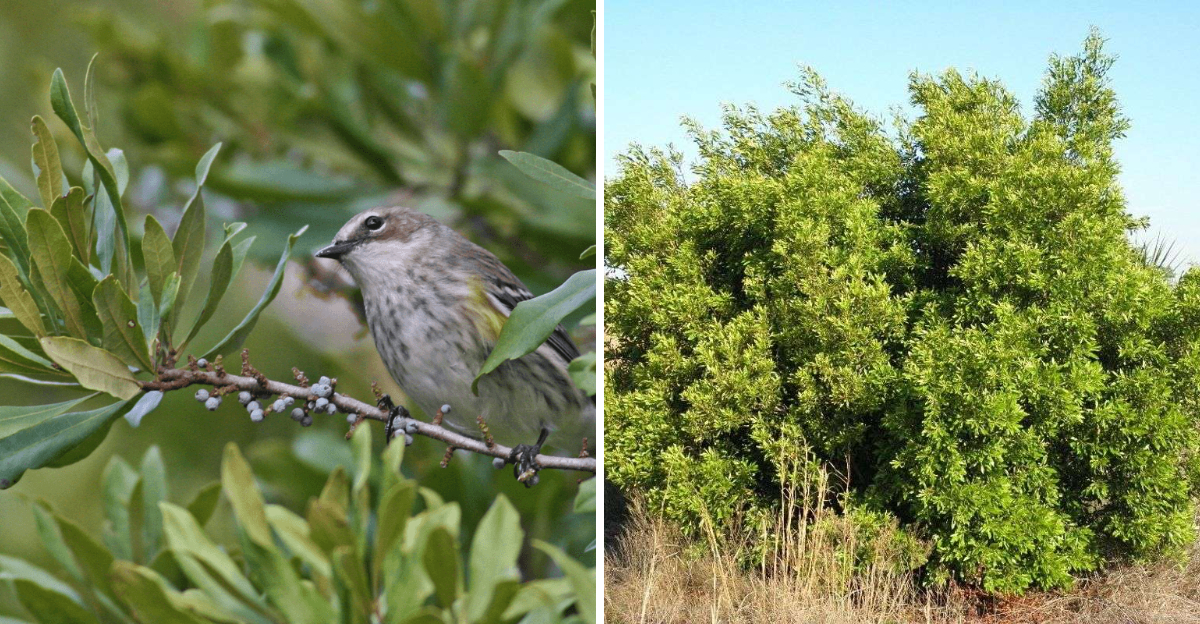
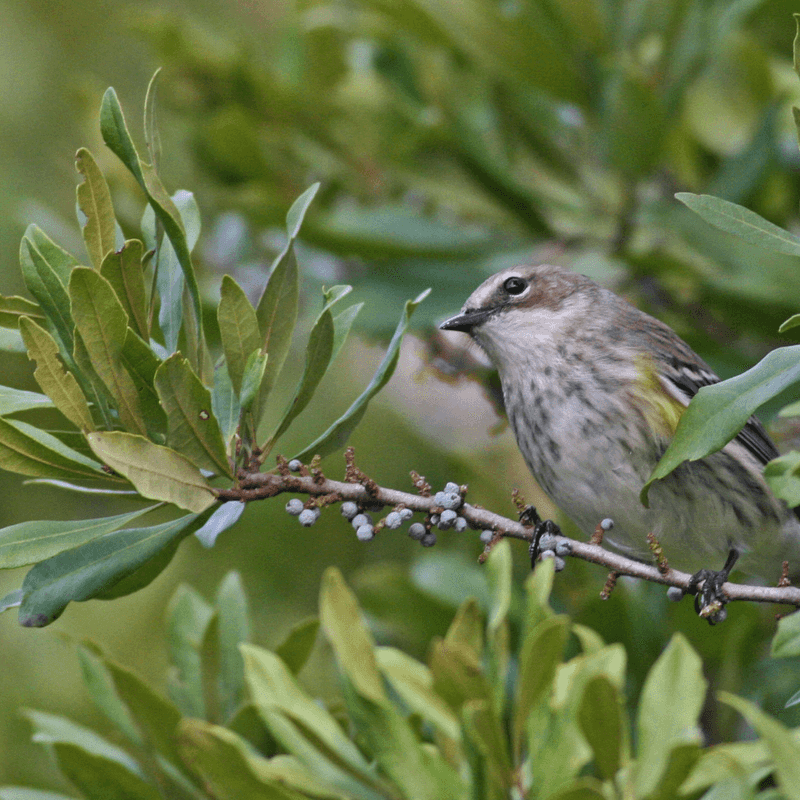
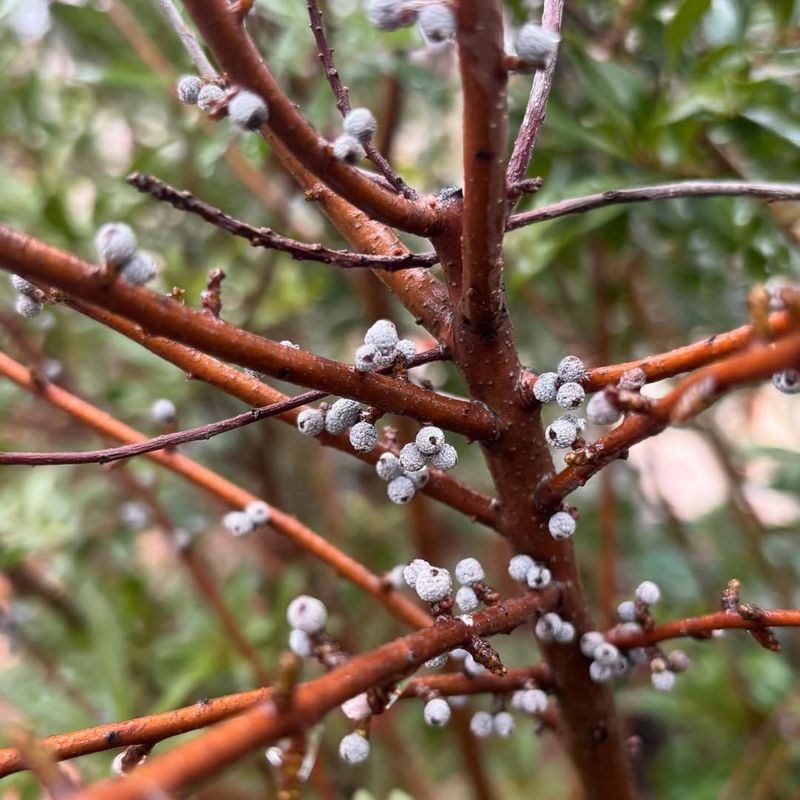
The blue-gray, waxy fruits that appear along older stems are one of its most recognizable features and a major reason birds seek it out.
Fall and winter are when the shrub really earns its reputation as a bird feeder. The berries hold on through cold months, giving birds a reliable food source when many other garden plants have stopped producing.
Beyond the berries, the dense structure gives birds shelter and cover through every season. Wax Myrtle is not just a plant; it is a living wildlife station that works quietly and consistently in the background of your yard all year long.
2. It Feeds Birds With Waxy Fruits
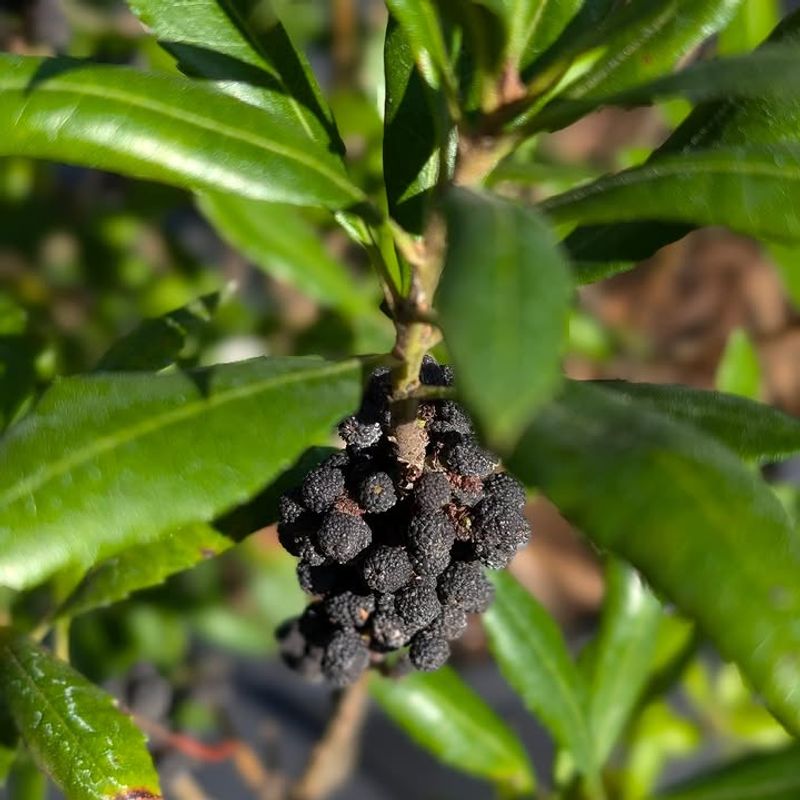
One of the most practical things a bird-friendly shrub can offer is fruit, and Wax Myrtle delivers. Female plants produce small, round, blue-gray berries coated in a thin layer of natural wax.
These fruits cluster tightly along older woody stems rather than hanging from branch tips, giving the plant a distinctive look that is easy to recognize once you know what to look for.
Fruit typically begins forming in late summer and becomes most visible and useful going into fall. Unlike many garden berries that disappear within days of ripening, Wax Myrtle fruits can persist well into colder months.
That staying power is a big deal for birds that need food sources during the lean season when insects are scarce and other berry-producing plants have long since been stripped bare.
Gardeners who want to support birds through fall and winter will find Wax Myrtle to be one of the most reliable choices available. The berries do not require any special care to maintain, and the plant produces them year after year once established.
Your North Carolina Garden Changes Every Week. Your Plan Should Too.
Gardening in North Carolina changes quickly throughout the season. Every Friday you’ll receive a simple weekly plan showing exactly what to plant, prune, fertilize, harvest, and protect so you never miss the right timing.
Planting a Wax Myrtle means setting up a seasonal buffet that refills itself automatically. For birds navigating a yard in November or December, spotting a loaded Wax Myrtle is like finding a snack station right when they need it most.
3. Yellow-Rumped Warblers Are The Famous Visitors
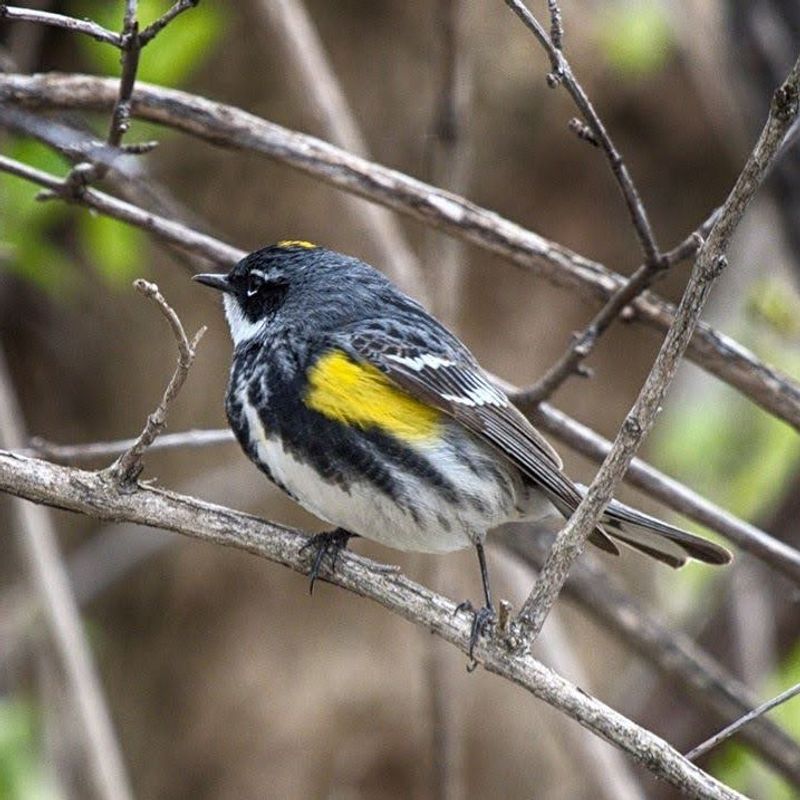
Few connections in the bird world are as well-known among birders as the one between Yellow-Rumped Warblers and Wax Myrtle.
Most warblers eat insects almost exclusively, but Yellow-Rumped Warblers have a special digestive ability that sets them apart.
They can break down and absorb the waxy coating on Wax Myrtle fruits, which most other small birds simply cannot do.
This unique skill allows Yellow-Rumped Warblers to spend winters in the Southeast rather than migrating all the way to the tropics. Wax Myrtle is a big part of what makes that possible.
In North Carolina, these cheerful little birds arrive in fall and can be spotted flitting through Wax Myrtle shrubs, picking off berries with quick, energetic movements.
Their yellow patches on the rump, crown, and sides make them easy to identify even from a distance.
Planting Wax Myrtle in a North Carolina yard is one of the most direct ways to attract these birds during the colder months.
Birding enthusiasts often describe seeing Yellow-Rumped Warblers in Wax Myrtle as one of the most satisfying moments in a backyard bird season.
The shrub and the bird are so closely linked that some birders jokingly call Yellow-Rumped Warblers “Myrtle Warblers,” which is actually a name the species carried for many years before a scientific reclassification combined it with the Audubon’s Warbler.
4. Other Birds May Visit For Fruit And Cover
Yellow-Rumped Warblers get most of the attention when people talk about Wax Myrtle, but they are not the only birds that may show up.
A healthy, well-placed Wax Myrtle shrub can attract a surprisingly varied crowd depending on your location, the season, and what else is growing nearby.
Bird activity around any plant is never fully predictable, but Wax Myrtle gives birds plenty of reasons to investigate.
Tree Swallows are known to eat Wax Myrtle fruits during migration. Cedar Waxwings may sweep through in flocks when berries are abundant.
Northern Mockingbirds and Brown Thrashers, both bold and territorial, can sometimes be seen around Wax Myrtle in yards where shrubby cover is available.
Blue Jays may also visit, along with various woodpecker species and thrushes passing through during migration seasons.
No single plant guarantees a specific bird will appear in your yard. Bird sightings depend on regional populations, habitat quality, and seasonal movement patterns.
What Wax Myrtle does offer is a combination of food and structure that makes a yard more attractive to a wide range of species. Pairing it with other native plants increases the chances of seeing more variety.
Think of Wax Myrtle as one important piece of a larger bird-friendly puzzle rather than a magic solution on its own.
5. It Gives Birds Shelter Through The Year
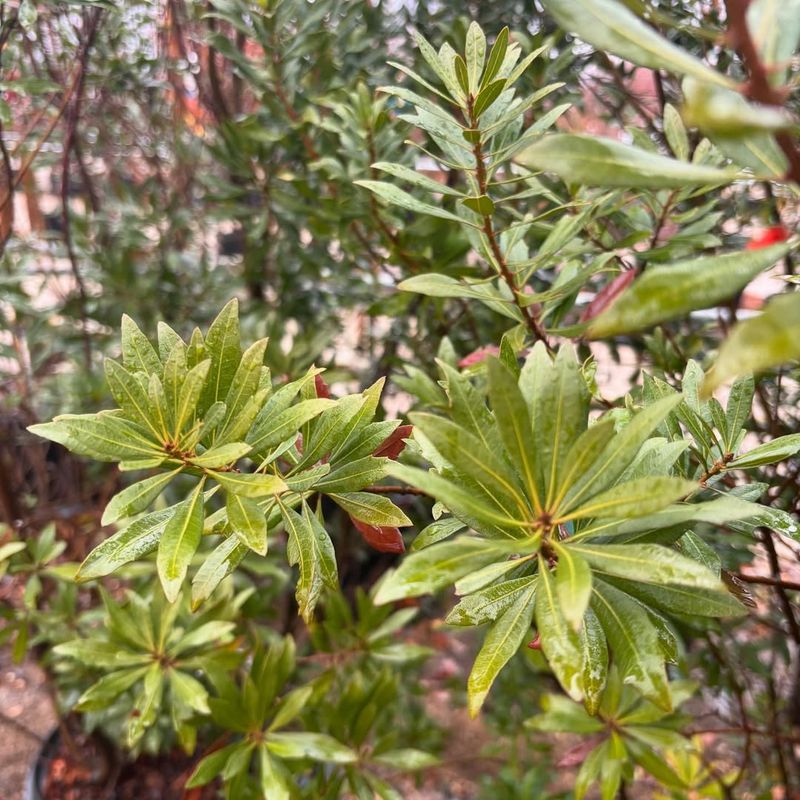
Berries get a lot of credit when people talk about bird-friendly plants, but shelter matters just as much. A yard full of open space and exposed feeders does not give birds the sense of safety they need to stick around.
Wax Myrtle solves that problem naturally because its dense, leafy growth creates exactly the kind of structure birds look for when they want to rest, hide, or move through a yard without feeling exposed.
Wax Myrtle is evergreen or semi-evergreen depending on your location and the severity of winter weather. In most of North Carolina, it holds its foliage through the cold months, which is when shelter matters most.
Birds can tuck into the interior branches to escape wind, rain, and cold snaps. The thick growth also gives smaller birds a place to retreat when a hawk passes overhead.
During spring and summer, the dense canopy can provide nesting cover for some species, though Wax Myrtle is primarily known for its fall and winter value.
A shrub that stays full and leafy year-round is far more useful to wildlife than one that goes bare for half the year.
When you plant Wax Myrtle, you are not just adding a berry source; you are building a structure that birds can rely on in every season, through every kind of weather your North Carolina yard throws at them.
6. Spring Flowers Support The Insect Food Web
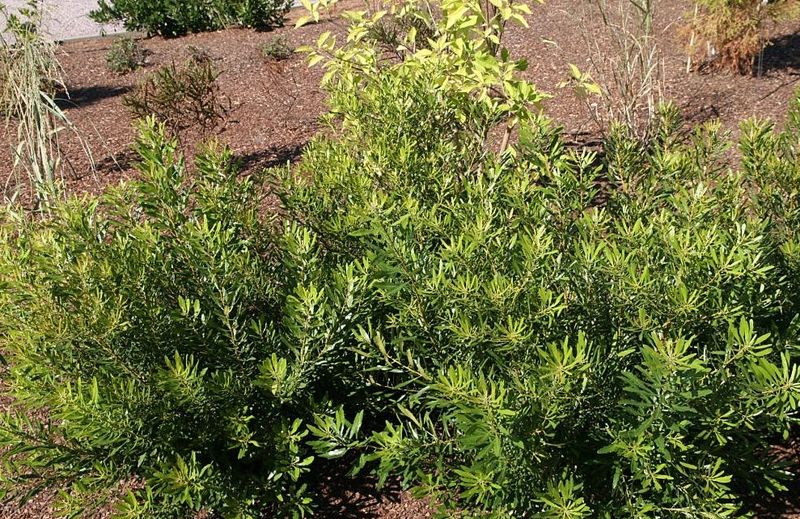
Wax Myrtle flowers are not the kind that stop people in their tracks. They are small, greenish, and easy to overlook.
But understated does not mean unimportant. The flowers appear in early spring and can attract bees, small native pollinators, and other insects that are just becoming active after winter.
That insect traffic turns out to be surprisingly valuable for the broader garden ecosystem.
Many birds that visit yards in spring are actively raising young, and baby birds need soft, protein-rich food to grow. Insects are that food.
Native shrubs like Wax Myrtle that support insect populations indirectly help birds feed their nestlings during the most demanding weeks of the breeding season. The connection is not always visible, but it is real and meaningful for backyard bird activity.
Native plants tend to support far more insect species than non-native ornamentals, which is one of the strongest arguments for choosing plants like Wax Myrtle over imported alternatives.
Research from entomologist Doug Tallamy has shown that native oaks, cherries, and other native plants support hundreds of caterpillar species that birds depend on.
While Wax Myrtle may not top that list, it contributes to the web of life in a yard where native plants are prioritized.
Every native shrub you add strengthens the whole system, and spring flowers are one quiet but consistent way Wax Myrtle pulls its weight.
7. It Works In Many North Carolina Yard Conditions
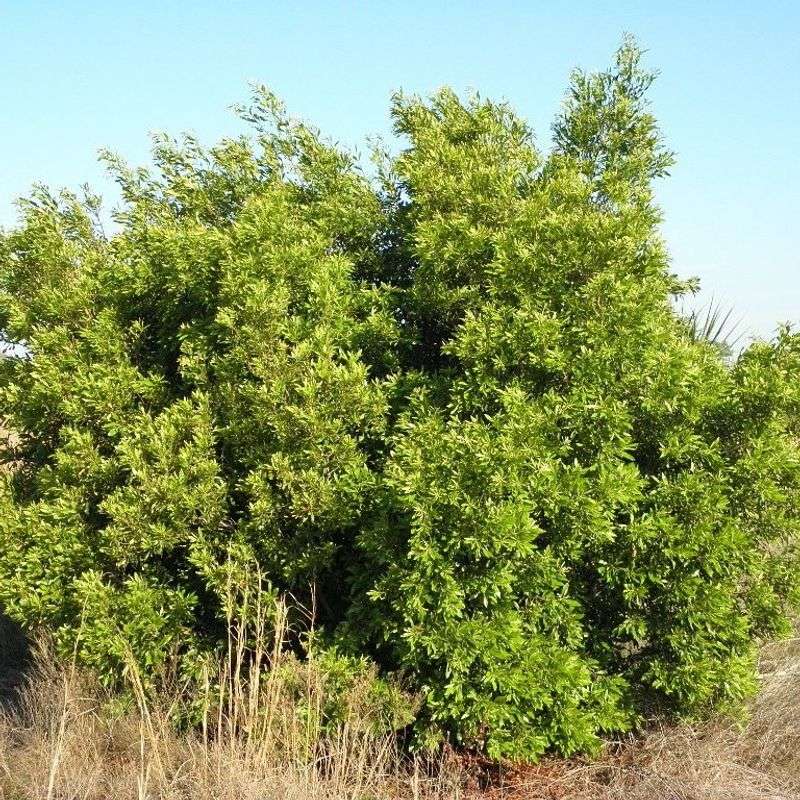
Low maintenance is a phrase that gets thrown around a lot in gardening, but Wax Myrtle actually earns it. Once established, this shrub is remarkably adaptable to a wide range of growing conditions that would stress or slow down many other plants.
That flexibility is one of the biggest reasons it shows up in so many different North Carolina landscapes.
Wax Myrtle grows well in full sun and handles partial shade without much complaint. It tolerates sandy soils, which makes it a natural fit for coastal yards where many plants struggle.
Salt spray does not bother it, and it handles wind exposure better than most ornamental shrubs. It also grows in moist or occasionally wet areas, making it useful near ponds, rain gardens, or low spots in the yard that collect water after heavy rain.
Piedmont gardeners find it just as useful as coastal ones. Wax Myrtle can handle periods of dryness once its root system is established, though it does best with consistent moisture during that first growing season.
Giving a newly planted Wax Myrtle regular water for the first year sets it up for a long, healthy life with very little intervention afterward. Fertilizer is rarely needed.
Pest problems are minimal. For gardeners who want a plant that works hard without demanding much in return, Wax Myrtle is genuinely hard to beat.
8. It Can Become A Screen Or Wildlife Edge
Beyond bird feeding and shelter, Wax Myrtle is a genuinely versatile landscaping plant.
Its fast growth rate and dense branching make it one of the best native options for creating a natural privacy screen without the stiff, formal look of a trimmed boxwood hedge.
A row of Wax Myrtles along a fence line or property edge fills in quickly and creates a living wall that feels natural rather than constructed.
Homeowners near water features will find Wax Myrtle especially useful. It grows happily along pond margins and the edges of rain gardens, where its roots help stabilize soil and filter runoff.
Coastal yards benefit from its salt and wind tolerance, and it works well as a buffer along roadsides or property boundaries that take the brunt of weather exposure.
For bird gardeners, using Wax Myrtle as a wildlife edge is one of the smartest moves you can make.
Birds move through yards along edges rather than crossing open spaces, so a shrubby border of Wax Myrtle gives them a safe corridor to travel, feed, and rest.
Combine it with other native shrubs for a layered edge that supports even more wildlife.
Whether you are screening a neighbor’s fence, softening a property line, or creating a naturalized border that doubles as a bird highway, Wax Myrtle handles the job beautifully and with very little fuss.
9. The Best Bird-Friendly Planting Plan
Wax Myrtle is most powerful when it is part of a larger native plant community rather than standing alone.
North Carolina gardeners who want to support birds through every season should think about combining it with other native shrubs and trees that produce fruit at different times of year.
That layered, staggered approach keeps food available from early spring all the way through winter.
Serviceberry blooms and fruits early in spring, giving birds a boost right when they need energy most. Dogwoods follow with fruit in summer and fall.
Viburnum species offer berries in late summer and into fall. Elderberry produces fruit in midsummer that many birds find irresistible.
Winterberry holly, a native deciduous holly, holds its bright red berries well into winter and pairs beautifully with Wax Myrtle in the colder months.
American beautyberry adds a pop of vivid purple in late summer and fall that both birds and gardeners love.
Wax Myrtle anchors this kind of planting plan with its evergreen structure, reliable fall and winter berries, and adaptability to a wide range of site conditions.
It brings fragrance, year-round cover, seasonal fruit, and a low-maintenance growing habit all in one plant.
For any North Carolina gardener who wants to do something genuinely good for local birds while also enjoying a beautiful, easy-care yard, Wax Myrtle is one of the smartest native shrubs you can choose to grow.