The Meaning Behind An Eastern Tiger Swallowtail Visiting Your Pennsylvania Garden Repeatedly This Summer
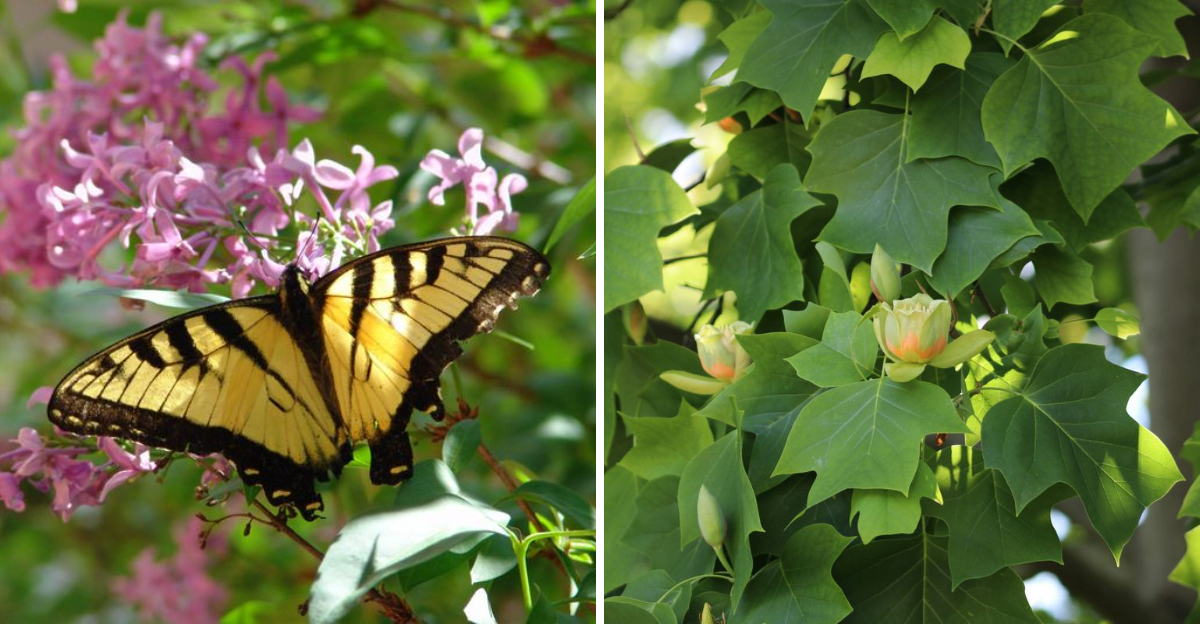
Few butterfly encounters in a Pennsylvania garden feel quite as special as an Eastern tiger swallowtail. That bold yellow and black wingspan, the unhurried way it moves from flower to flower, the sheer elegance of watching one navigate your garden on a warm summer afternoon.
A single visit is memorable. But when the same butterfly, or what feels like the same one, keeps coming back repeatedly through the season, it starts to feel like something more than coincidence.
Most gardeners find themselves genuinely curious about what it means. Eastern tiger swallowtails don’t return to a garden without reason.
They’re selective about where they feed, where they lay their eggs, and where they spend their time, and a butterfly that keeps choosing your garden is responding to specific conditions your outdoor space is providing.
That consistency tells you something real and worth knowing about your garden’s health and ecological value.
Beyond the practical, these butterflies carry symbolic meaning that many people feel deeply when a repeated encounter occurs. Here’s what it means when an Eastern tiger swallowtail keeps finding its way back to your Pennsylvania garden.
1. Your Flowers Are Providing A Reliable Nectar Source
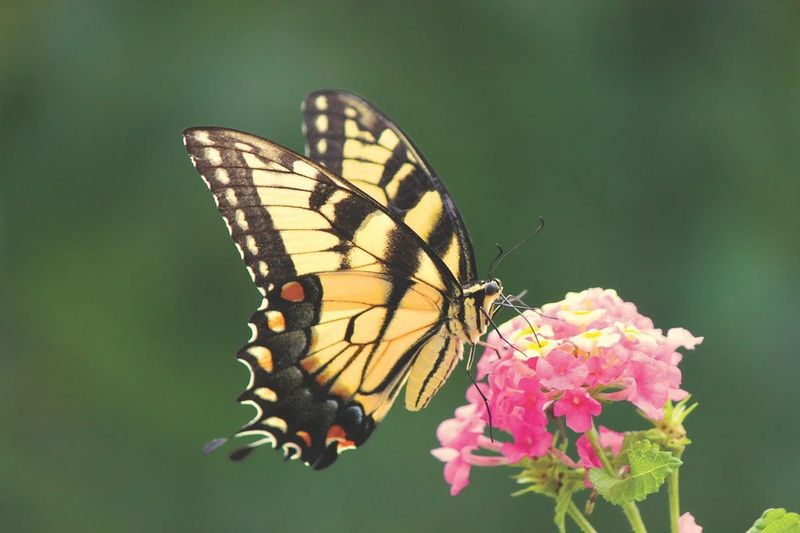
Picture a warm July afternoon in Pennsylvania, with a large yellow-and-black butterfly drifting from one flower to the next without ever leaving your yard. That kind of repeated behavior is a strong signal that your garden is doing something very right.
Eastern tiger swallowtails are drawn to reliable food, and if your flowers keep delivering, they will keep coming back.
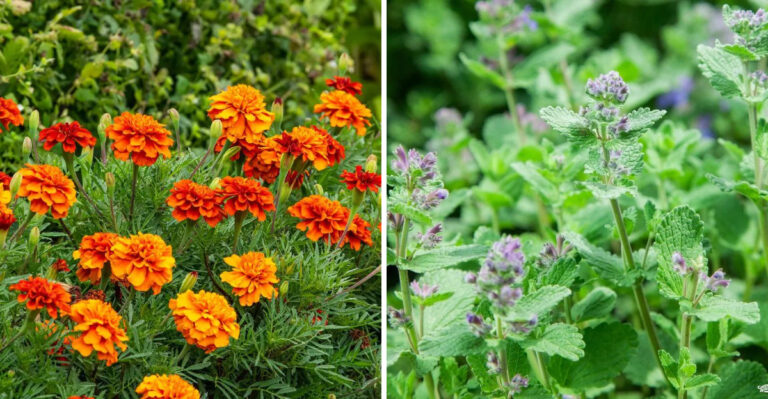
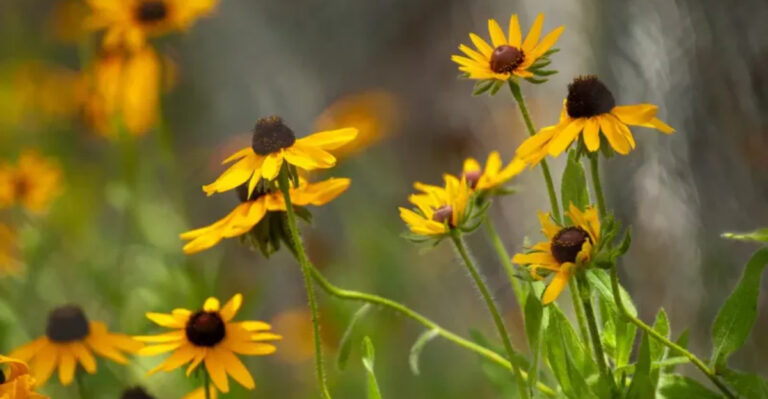
These butterflies feed from a wide variety of flowering plants. Nectar-rich blooms like Joe-Pye weed, wild bergamot, phlox, ironweed, milkweed, and coneflower are some of their favorites.
When these plants are in full bloom, they act almost like a flashing sign that says “food here” to passing butterflies.
Planting flowers in clusters rather than spreading them out one by one makes a big difference.
A single flower is easy to miss, but a large patch of purple coneflowers or pink phlox is hard to overlook. Butterflies use both color and scent to locate nectar, so bigger groupings work better.
Choosing native plants is also a smart move. Native Pennsylvania wildflowers have evolved alongside local butterflies, so they tend to produce more nectar that is easier for these insects to access.
Many native plants also bloom at different times throughout the summer, which means your garden can offer a steady food supply from late spring all the way through early fall.
If you want to attract even more swallowtails, try staggering your plantings so something is always in bloom. A garden that offers consistent, dependable nectar is one that butterflies will visit again and again throughout the entire season.
2. A Caterpillar Host Tree May Be Growing Nearby
Not every butterfly visit is about finding a meal. Sometimes, a female eastern tiger swallowtail is on a very different kind of mission.
She is searching for the perfect plant on which to lay her eggs, and she can be surprisingly picky about where she chooses.
Your Pennsylvania Garden Changes Every Week. Your Plan Should Too.
Gardening in Pennsylvania changes quickly throughout the season. Every Friday you’ll receive a simple weekly plan showing exactly what to plant, prune, fertilize, harvest, and protect so you never miss the right timing.
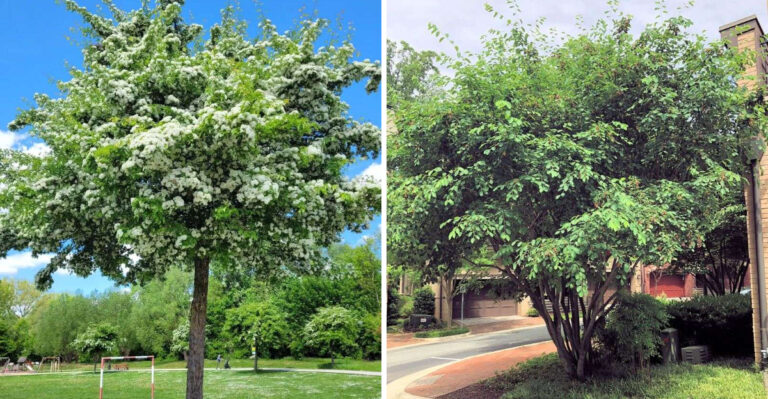
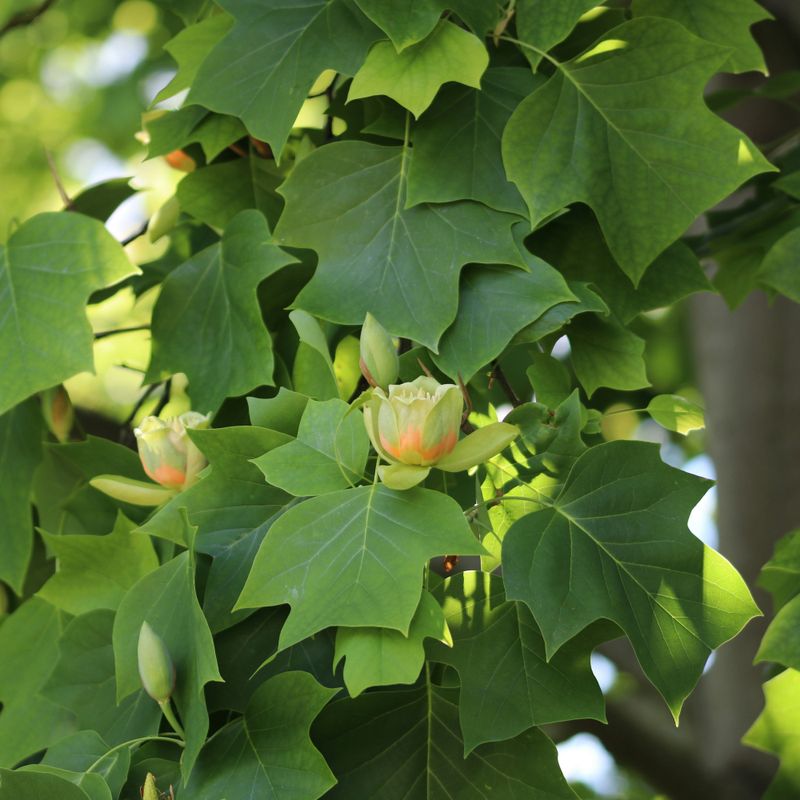
In Pennsylvania, the eastern tiger swallowtail uses several specific trees as host plants. Tuliptree, wild black cherry, and ash are among the most commonly used.
The female will carefully inspect leaves before deciding to lay a single round, green egg on the upper surface. She may visit the same tree multiple times before she is satisfied.
This explains why you might see a swallowtail repeatedly flying low around a particular tree in your yard rather than heading straight for your flowers. She is doing an inspection, not a feeding run.
Her instincts are guiding her toward the right plant so her caterpillars will have food once they hatch.
If you have a tuliptree or wild black cherry growing on or near your property, that tree could be a major reason why a female swallowtail keeps patrolling your garden. You might even find tiny green eggs or small caterpillars on the leaves if you look closely enough.
Planting native host trees is one of the most powerful things a Pennsylvania gardener can do for local butterfly populations. Nectar plants feed adult butterflies, but host trees are where the next generation begins.
Supporting both stages of the butterfly life cycle makes your yard a true habitat, not just a pretty place to visit.
3. Your Yard Resembles Its Preferred Habitat
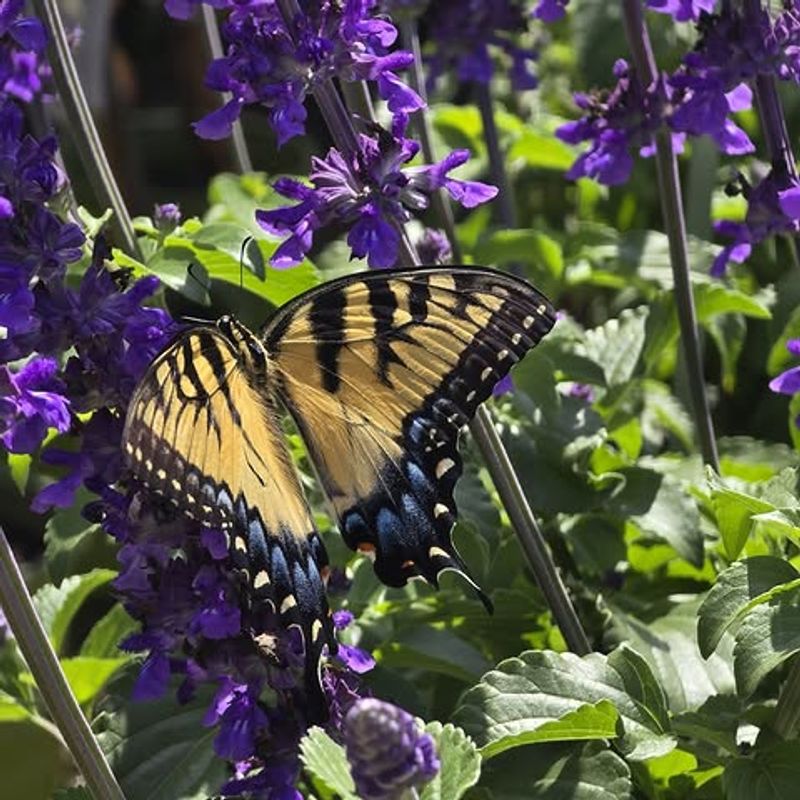
Eastern tiger swallowtails are not random wanderers. They have clear preferences when it comes to where they spend their time, and a yard that matches those preferences will naturally attract them more often.
Understanding what their ideal habitat looks like can help you see your own garden through a butterfly’s eyes.
In the wild, these butterflies thrive along woodland edges, stream corridors, parks, and open meadows near trees. They like places that combine sunny, open areas with nearby shade and shelter.
A wide-open lawn with no trees or shrubs does not offer much to a swallowtail. But a yard with flower beds, a few mature trees, and some shrubby borders starts to feel a lot more like home.
Pennsylvania properties that sit near a wooded area, a creek, or a tree line have a natural advantage.
These locations already provide the mix of sun, shelter, and plant variety that swallowtails prefer. Even a suburban backyard can mimic this setup with some thoughtful planting.
Adding layers to your garden helps a lot. Think of it as creating different zones: low flowering plants near the ground, mid-height shrubs in the middle, and taller trees or large shrubs toward the back or edges.
This layered structure gives butterflies places to feed, rest, and shelter all in one space. You do not need a large property to make a difference.
Even a small yard with the right combination of plants and features can become a regular stop for eastern tiger swallowtails.
The key is variety, and giving them multiple reasons to linger rather than just passing through on their way somewhere else.
4. Damp Ground May Be Supplying Essential Minerals
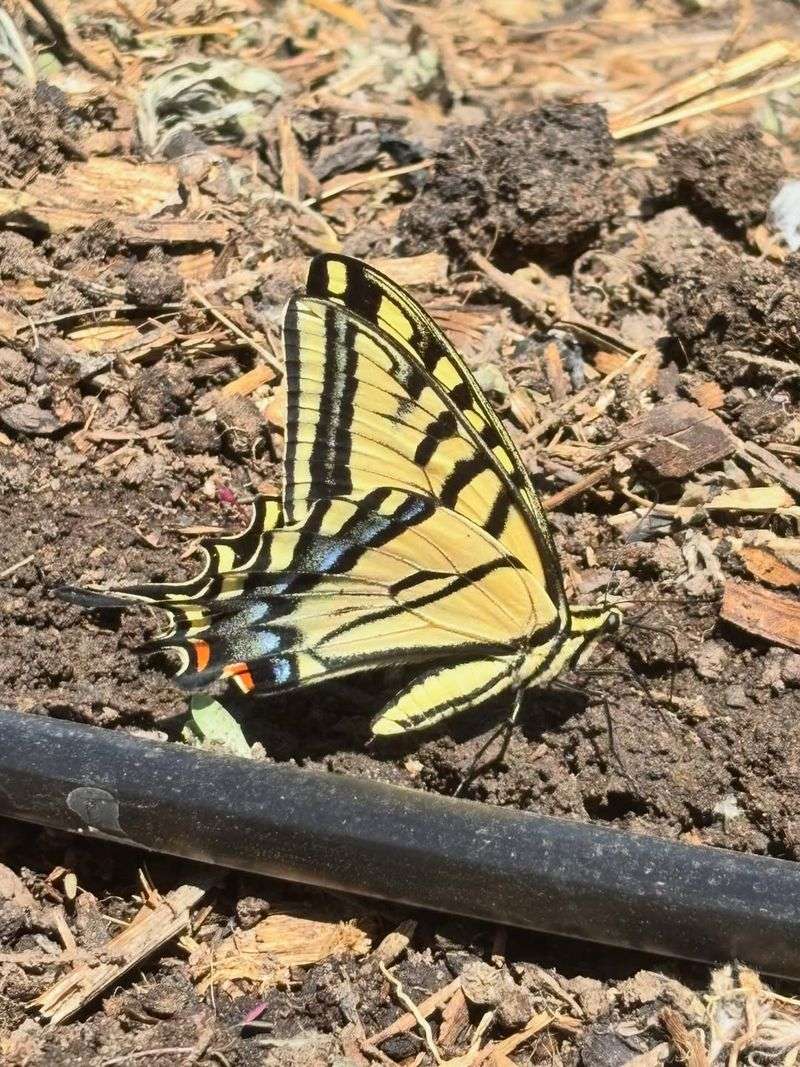
Here is something that surprises a lot of gardeners: butterflies do not just visit flowers. Sometimes they land on wet soil, muddy gravel, or the edge of a puddle and seem to just sit there.
This behavior has a name, and it is called mud-puddling, and it is actually a very important part of how some butterflies meet their nutritional needs.
Eastern tiger swallowtails, especially males, engage in mud-puddling to absorb sodium and other dissolved minerals from moist ground.
Flower nectar is a great energy source because of its sugar content, but it does not always supply enough sodium or certain amino acids. Wet soil, puddles, and even damp compost can fill that gap.
If you have noticed a swallowtail repeatedly landing near a garden hose drip, a low spot that stays wet after rain, or a gravel path that holds moisture, that is almost certainly what is going on. The butterfly is not confused or lost. It is getting exactly what it needs from that spot.
You can actually encourage this behavior by creating a simple mud puddle station in your garden. Fill a shallow dish or tray with sand, add a pinch of salt, and keep it moist with water.
Place it in a sunny, open spot near your flower beds. Male swallowtails in particular may visit this kind of setup regularly throughout the summer.
Knowing about mud-puddling changes the way you see butterfly behavior. A swallowtail on the ground is not struggling.
It is thriving, and your garden is giving it exactly what it needs to stay healthy and active all season long.
5. Your Garden May Offer A Safer Place To Feed And Rest
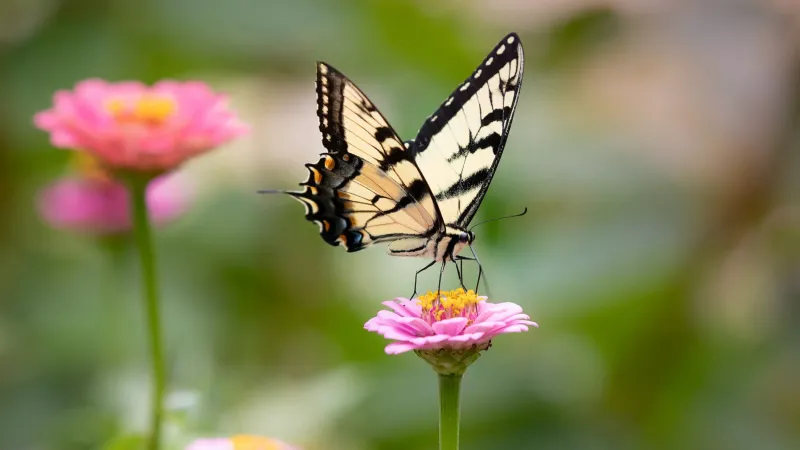
Safety matters to butterflies just as much as food does. A garden that feels exposed, noisy, or chemically treated is not a place where a swallowtail will linger.
But a yard that offers shelter, continuous blooms, and a low level of disturbance? That becomes a go-to destination that a butterfly will return to time and again.
Dense plantings of shrubs and tall perennials give butterflies places to pause between feeding flights. When the wind picks up or a cloud passes overhead, having a sheltered spot nearby makes a big difference.
Butterflies are cold-blooded, so they also rely on warm, sunny patches to regulate their body temperature throughout the day.
One of the biggest things you can do to make your garden safer for swallowtails is to reduce or eliminate pesticide use. Even products that are not intended to harm butterflies can affect them when sprayed on or near flowers.
Systemic pesticides can move through plant tissue and end up in nectar, which is especially harmful to pollinators that feed regularly from treated blooms.
Choosing organic gardening methods and accepting a little leaf damage from caterpillars goes a long way. A few chewed leaves are a small price to pay for a garden full of butterflies.
Tolerating natural processes, rather than trying to control every little imperfection, creates a much more welcoming space for wildlife.
Gardens that stay in bloom from late spring through early fall also provide more consistent opportunities for butterflies to feed and rest.
Planting a mix of early, mid-season, and late-blooming plants ensures your yard stays useful to swallowtails throughout the entire warm season, not just for a few weeks in July.
6. It Is An Ecological Compliment, Not A Mystical Sign
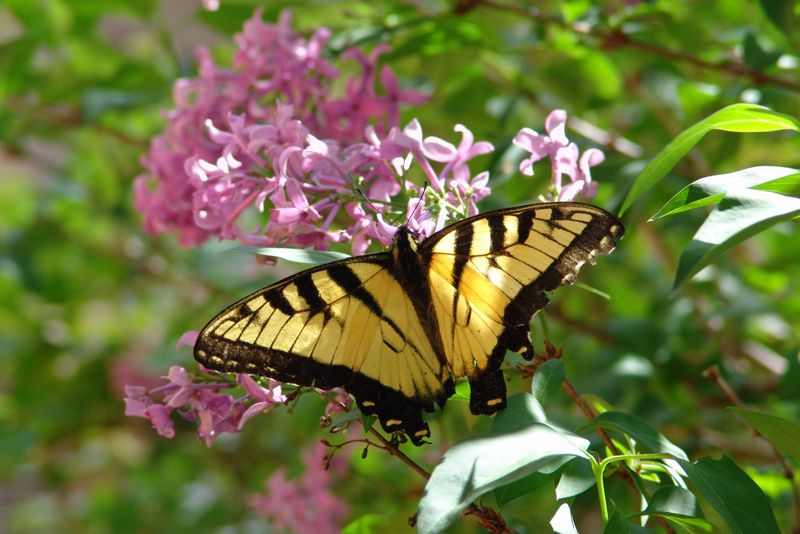
Seeing a beautiful butterfly repeatedly visit your garden can feel meaningful, and in a real way, it is. But the meaning is ecological, not mystical.
A swallowtail keeps coming back because your garden is genuinely meeting its needs, and that is something worth feeling proud of as a gardener.
Repeated appearances by a swallowtail tell you that your yard contains something useful: nectar, host plants, moisture, shelter, or some combination of all four. That is direct, measurable feedback about the quality of your garden as a habitat.
No weather forecast or personal prediction is attached to it. The butterfly is simply responding to its environment in the way nature designed it to.
It is also worth knowing that the swallowtail you see on Monday and the one you spot on Friday might not be the same individual.
Eastern tiger swallowtails have overlapping generations during the summer, and multiple individuals may be visiting your garden on different days.
Males and females behave differently too, so what looks like one butterfly returning could actually be several different butterflies drawn to the same resources. That does not make the experience any less special. In fact, it makes it more impressive.
Multiple swallowtails choosing your garden means your yard has built a real reputation among local butterflies as a reliable, welcoming place to be.
Celebrating these visits for what they actually are, which is a sign of a healthy, well-planted, ecologically thoughtful garden, is the most honest and satisfying way to enjoy them.
You have created something real and valuable for local wildlife, and these beautiful butterflies are the living proof of that effort every single time they arrive.