Why Kale Performs Better When North Carolina Gardeners Start It Before Fall Arrives
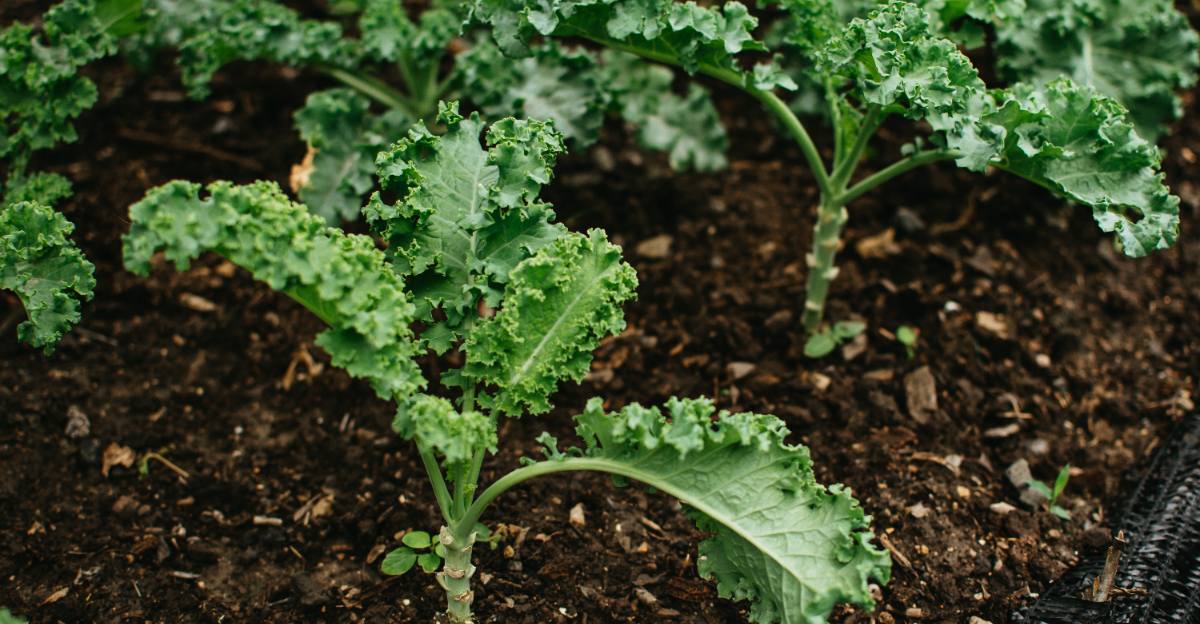
Kale thrives on a head start, and North Carolina gardeners who plant before fall officially begins tend to see stronger, more flavorful results.
Starting in late summer allows kale to build a solid root system while temperatures are still warm enough for steady growth.
As the weather cools, the plant shifts its energy toward producing sweeter, more tender leaves. Kale planted too late often struggles to reach full size before growth slows down completely.
Early planting also gives gardeners a longer harvest window, sometimes stretching well into winter. The plant handles light frost with ease, which actually improves its taste over time.
Consistent watering during the first few weeks helps young kale establish before temperatures drop. Getting ahead of fall means a bigger, better harvest with far less stress on the plant.
1. Kale Reaches Harvest Size Before Growth Slows
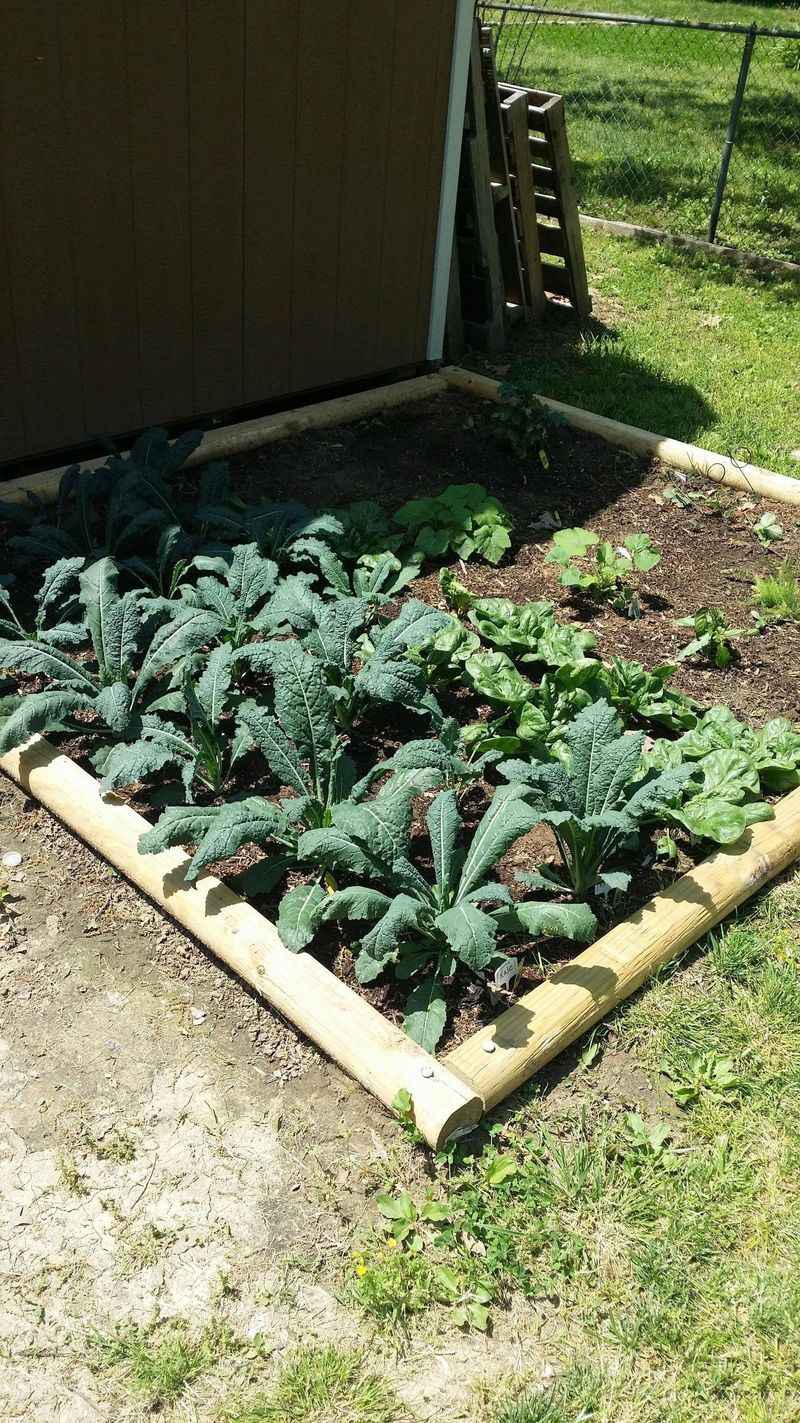
Timing your kale planting right could mean the difference between a full, productive harvest and a garden bed full of tiny, underdeveloped leaves.
Baby kale leaves can be ready to pick as soon as 20 to 30 days after seeding, which is exciting for gardeners who love quick results.
Mature, full-sized leaves typically take around 50 to 75 days depending on the variety you choose.
Starting in late summer gives your kale the runway it needs to reach a useful size before cooler temperatures begin to slow everything down. Once fall fully settles in, shorter days and dropping temperatures naturally reduce plant growth.
A plant that already has strong, established leaves at that point is in a much better position to keep producing throughout the season.
Waiting until the first hints of fall arrive before planting means your kale may still be very small when the slowdown begins. That can leave you with plants that never quite deliver the harvest you were hoping for.
Always check the seed packet or plant tag for the days-to-maturity number listed for your specific variety.
Knowing that number helps you count backward from your expected first frost date to find your ideal planting window. Some varieties mature faster than others, so choosing the right one for your timeline matters.
Getting that timing right is one of the simplest and most effective things you can do for a stronger fall kale harvest in North Carolina.
2. Strong Roots Develop Before Cooler Weather Arrives
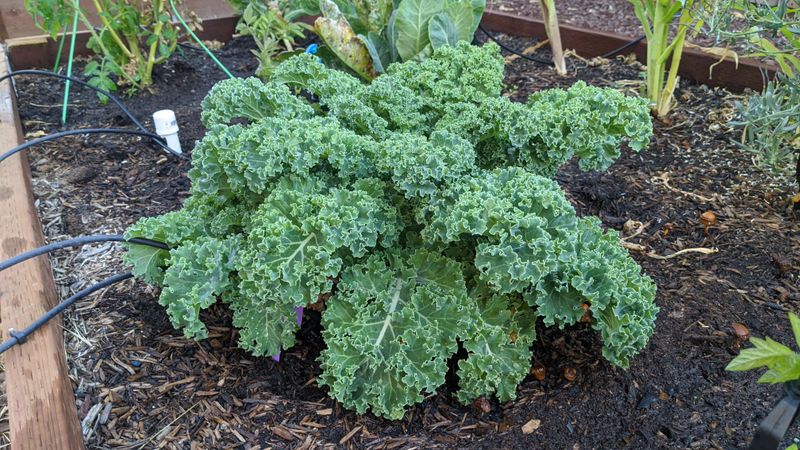
Roots are the quiet powerhouse behind every thriving kale plant, and giving them time to grow in warm soil before fall arrives is one of the smartest moves a gardener can make.
Warm soil encourages faster root development, which means seedlings planted during late summer can build a strong underground network before temperatures begin to drop.
That foundation is what allows the plant to pull in water and nutrients efficiently as the season changes.
Loose, well-drained soil gives those roots room to spread without fighting compaction. Adding compost based on your specific garden conditions can improve soil structure and fertility, setting young kale up for success from the very start.
Consistent moisture is also important, especially during the first few weeks when roots are still getting established. Proper spacing matters more than many gardeners realize.
Your North Carolina Garden Changes Every Week. Your Plan Should Too.
Gardening in North Carolina changes quickly throughout the season. Every Friday you’ll receive a simple weekly plan showing exactly what to plant, prune, fertilize, harvest, and protect so you never miss the right timing.
Crowding kale plants together forces them to compete for the same water and nutrients, which weakens the root systems of every plant in the group.
Giving each plant enough room to breathe and grow creates a healthier, more productive garden bed overall.
Young kale seedlings still need some protection from intense afternoon heat while they get settled in. Shade cloth or nearby taller plants can help buffer that heat during the hottest part of the day.
Once roots are well established and the plant shows steady new growth, it becomes much more capable of handling whatever the North Carolina fall weather brings its way.
3. Longer Summer Days Support Early Leaf Production
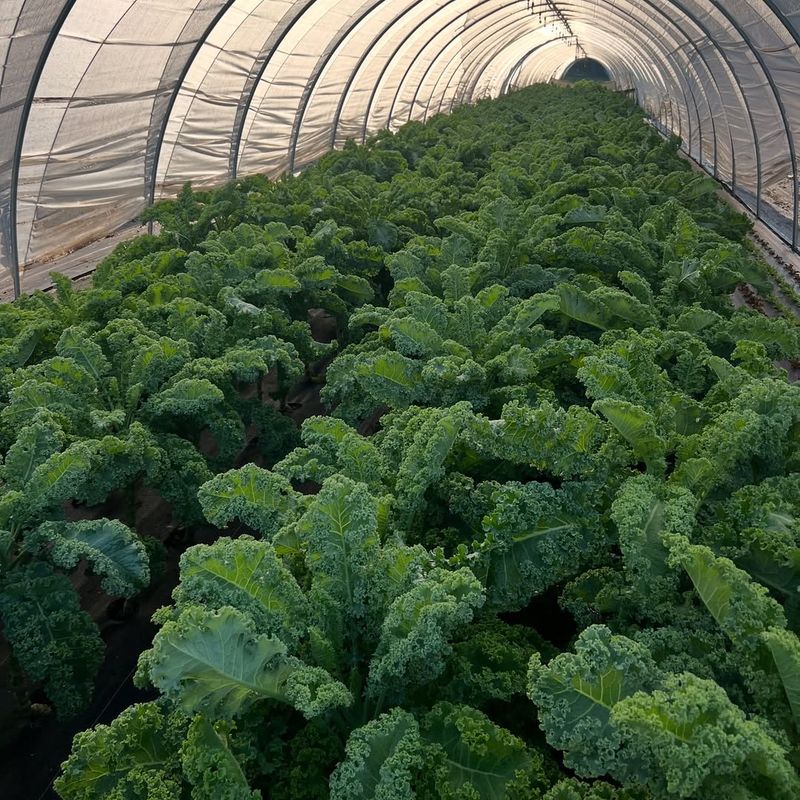
Sunlight is one of kale’s greatest allies during early growth, and late summer delivers plenty of it. The longer days of August and early September provide more hours of light than what kale would receive if planted later in the fall.
More light means more energy for the plant to push out new leaves quickly and build a solid structure before the season shifts.
Kale planted too late often stays frustratingly small, even though it handles cool weather without trouble.
The issue is not temperature but rather the shorter days that come with late fall, which limit how much energy the plant can produce through photosynthesis.
Without enough light hours, growth simply crawls along rather than moving at a useful pace.
Starting before fall allows kale to produce several healthy leaves while daylight is still relatively generous. Those early leaves give the plant a strong foundation that carries it through the cooler months ahead.
A plant with established foliage and a solid structure going into fall is far more productive than one that is just starting to sprout when nights are already getting long.
Think of late summer planting as giving your kale a running start in a race against the calendar. Every extra week of longer daylight the plant gets to use during its early growth is an advantage.
North Carolina gardeners who take advantage of that window often find their fall kale harvest is noticeably fuller and more satisfying than in years when they waited too long.
4. Established Kale Handles Fall Cold More Successfully
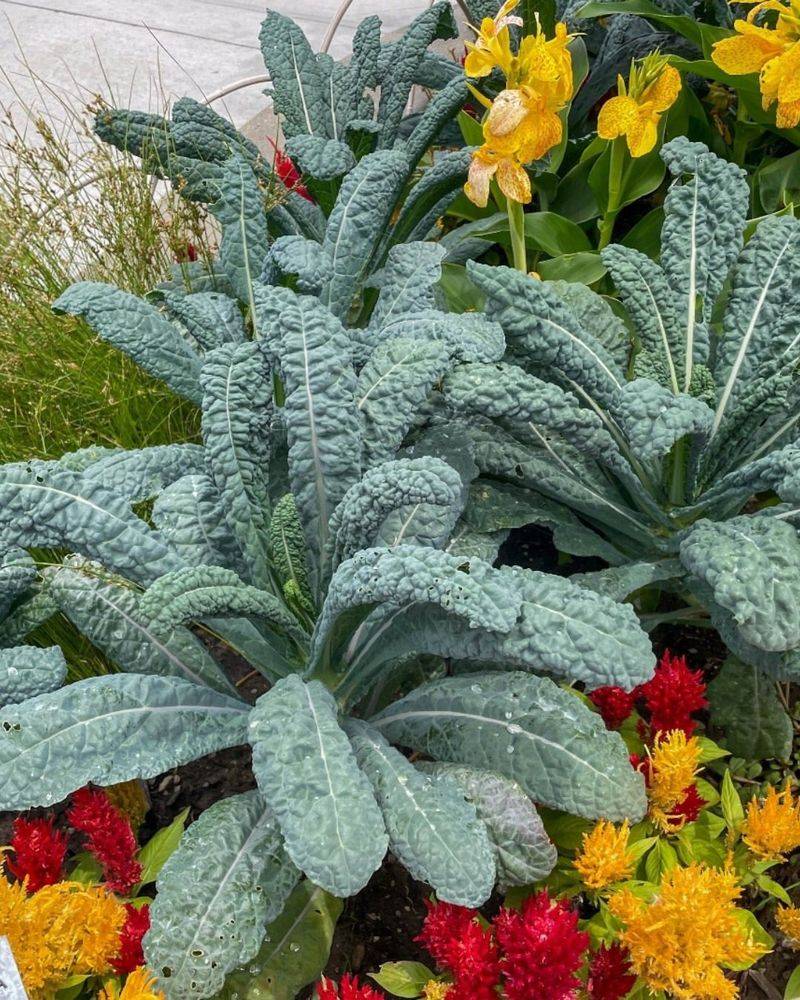
There is a real difference between a kale plant that has been growing for several weeks and one that just sprouted when cold weather arrives.
Established plants carry more stored energy, have deeper roots, and are simply better equipped to handle dropping temperatures.
A seedling that is only a week or two old when the first cold snap hits is at a much greater disadvantage.
Kale is genuinely cold-hardy and can continue growing through cool fall temperatures without much trouble. Some varieties can even tolerate light frost without any protection at all, which makes them a favorite for North Carolina fall gardens.
That tolerance, though, is much stronger in plants that are already mature and well rooted before the cold begins.
Several factors influence how well kale holds up in cold conditions, including the specific variety you chose, how much moisture is in the soil, and how quickly temperatures drop.
A gradual cooling trend is easier on plants than a sudden hard freeze, especially for younger or more tender growth. Keeping that in mind helps you plan your care routine as fall progresses.
Frost cloth is a practical option to have on hand when unusually cold nights are in the forecast. Draping it over established plants provides a buffer against extreme temperature drops without trapping harmful moisture.
With a little planning and the right protection when needed, kale that was started before fall can keep producing well into the cooler months across North Carolina.
5. Earlier Planting Creates A Longer Harvest Period
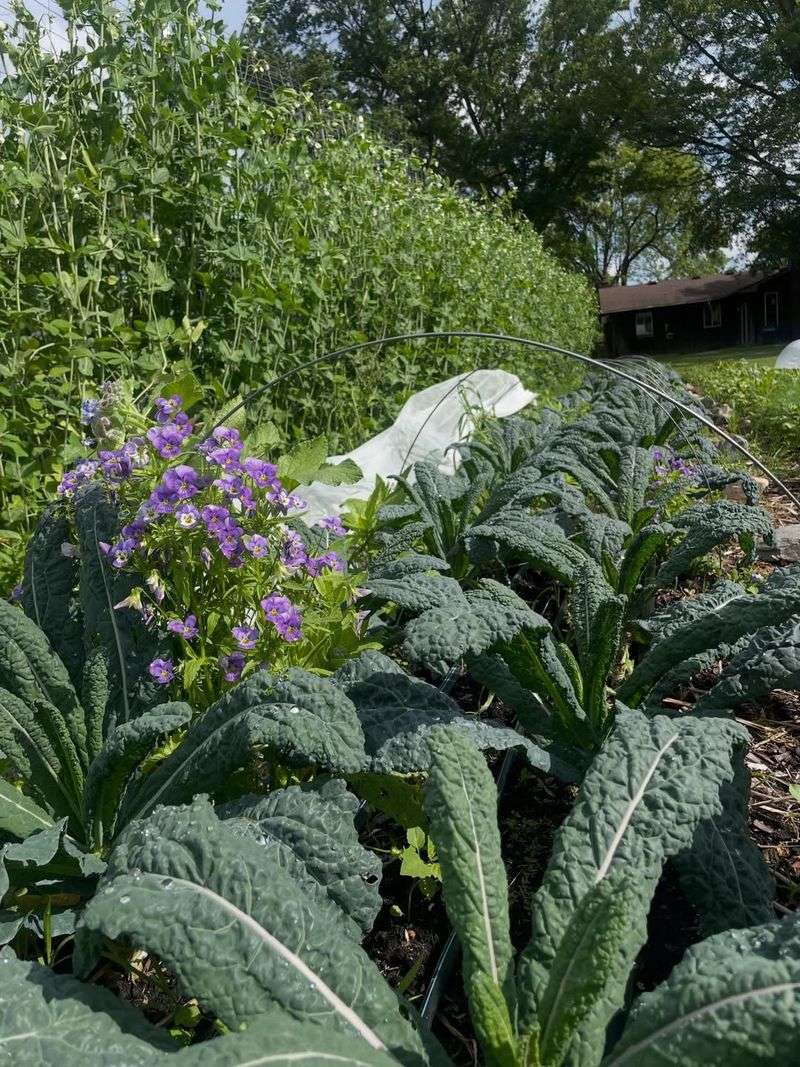
One of the most satisfying things about growing kale is how long it can keep producing when you manage it well.
Starting before fall gives you a much longer window to enjoy that harvest compared to planting late and rushing to collect whatever you can before cold weather limits growth.
The earlier your plants get established, the more harvests you can realistically take from them throughout the season.
Baby leaves are usually the first to be ready, and picking them early actually encourages the plant to keep pushing out new growth. As the plant matures, you can shift to harvesting the larger outer leaves while leaving the central growing point untouched.
That central point, sometimes called the growing tip, is where new leaves continue to emerge, so protecting it keeps your harvest going week after week.
Very late plantings simply do not have enough time to build this kind of momentum before winter growth slows to a near stop.
You might get a few leaves here and there, but the repeated, generous harvests that make kale such a productive crop become much harder to achieve.
Starting earlier solves that problem by giving plants enough time to reach full productivity before the slowdown begins.
North Carolina gardeners who plan their planting window carefully often find they are still picking fresh kale well into November and sometimes even December depending on the year and their location.
That kind of extended harvest is one of the real rewards of getting the timing right, and it starts with simply planting a few weeks earlier than you might have otherwise considered.
6. Cooler Weather Can Improve Leaf Quality
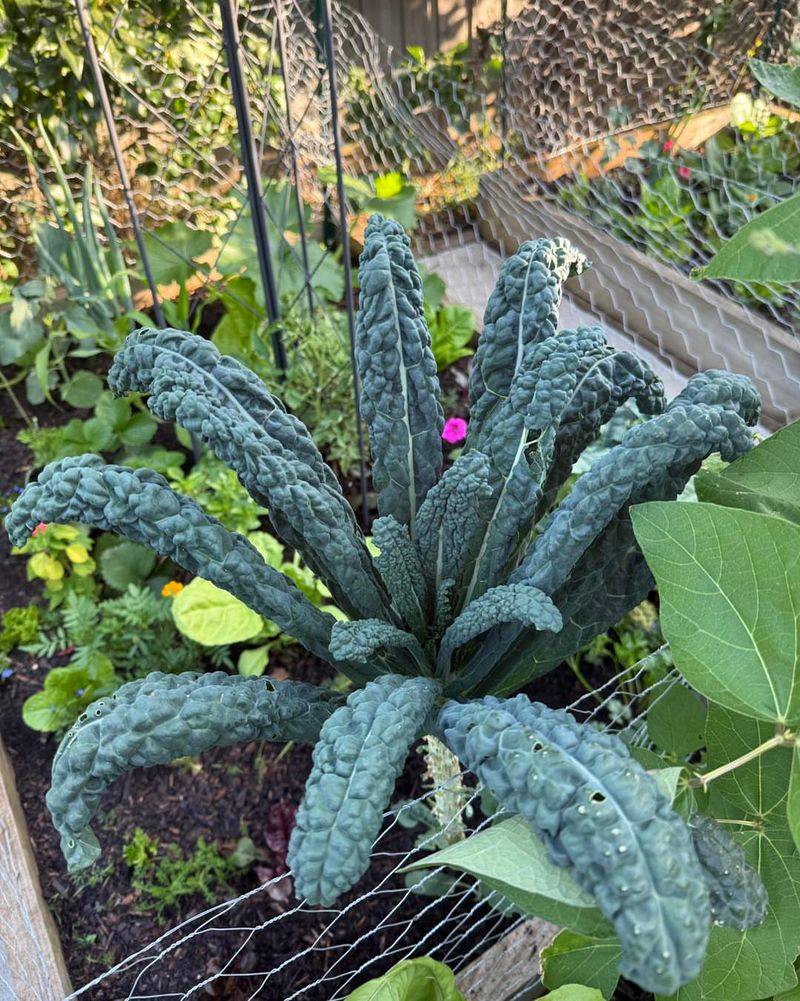
Ask any experienced kale grower about their favorite time to harvest, and many will tell you it is after a cool night or the first light frost. Something genuinely interesting happens to kale when temperatures drop.
The plant converts some of its stored starches into sugars as a natural response to cold, which results in leaves that taste noticeably sweeter and more mild than summer-grown kale.
Starting kale before fall positions your plants to be productive and fully established right when those favorable cool conditions arrive.
A plant that is already mature when temperatures begin dropping is ready to take full advantage of that quality boost.
One that is still small and developing may not reach peak productivity until much later, missing the best part of the season.
Leaf quality is influenced by more than just temperature, though. Variety selection plays a big role, since some types naturally produce more tender or flavorful leaves than others.
Consistent moisture, appropriate fertility, plant age, and harvest timing all contribute to how your kale looks, feels, and tastes when it reaches your kitchen.
Picking leaves at the right time makes a noticeable difference too. Younger leaves tend to be more tender, while older outer leaves can become tougher if left on the plant too long.
Harvesting regularly keeps the plant producing fresh, high-quality growth and prevents older leaves from becoming overly fibrous.
With the right timing and a little attention, North Carolina gardeners can enjoy some truly exceptional kale straight from their own backyard.
7. Early Establishment Reduces Pressure From Fall Weather Changes
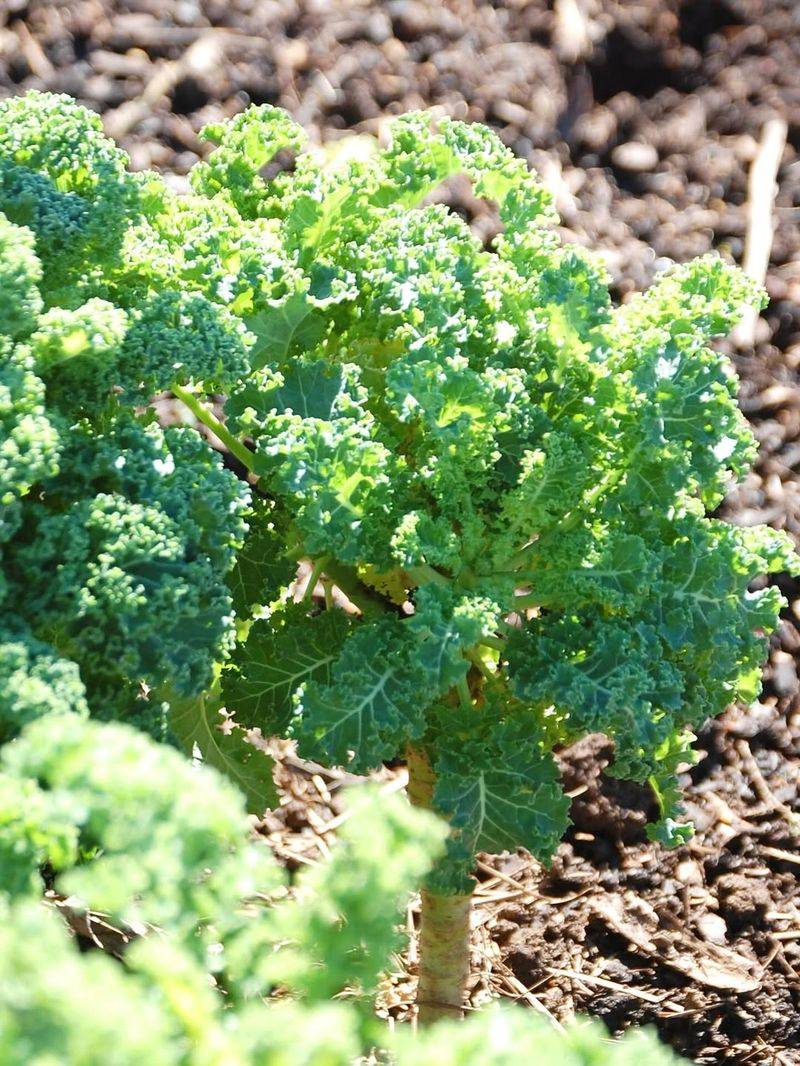
North Carolina fall weather has a personality of its own. One day can bring warm afternoon sunshine, and the next might deliver cool nights, heavy rain, or a sudden cold front that nobody saw coming.
That kind of variability can be tough on plants that are still in their early, fragile stages of growth, but well-established kale tends to handle those swings with much more ease.
Kale that was started during late summer has had weeks to adjust gradually to shifting conditions rather than being thrown into them right away. That gradual adjustment builds resilience.
A plant with a developed root system and several mature leaves is simply more capable of bouncing back after a rough weather stretch than a seedling that is still finding its footing.
Steady morning watering is one of the most helpful habits you can build during this time of year. Watering in the morning gives the soil time to absorb moisture before temperatures drop at night, which reduces the risk of sitting water around the roots.
Organic mulch spread around the base of each plant helps retain moisture and keeps soil temperatures from fluctuating too dramatically between warm days and cold nights.
Good drainage is just as important as regular watering. Soggy soil during cool weather creates problems for root health, so make sure your garden bed drains well after heavy rain.
Checking your plants regularly for any signs of stress, like yellowing leaves or wilting, lets you catch small issues before they become bigger ones. Consistent attention goes a long way in keeping kale thriving through unpredictable fall conditions.
8. Regional Timing Helps Kale Perform At Its Best
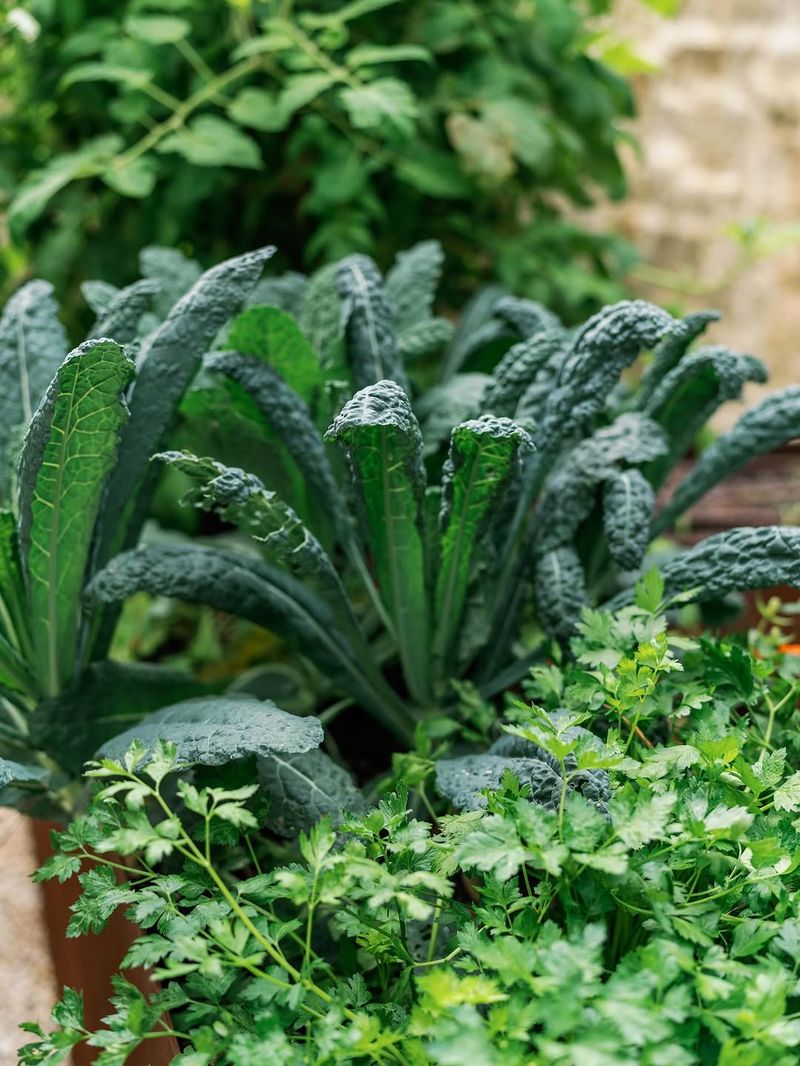
North Carolina stretches from the Appalachian Mountains in the west to the Atlantic Coast in the east, and that geography creates very different growing conditions across the state.
What works perfectly for a gardener in Asheville may not match the timing needed for someone growing kale in Wilmington.
Following a single statewide planting date without considering your local region can lead to disappointing results.
Western mountain counties typically experience cooler temperatures earlier in the season, which means fall arrives sooner and planting needs to happen earlier to give kale enough time to establish before the cold sets in.
Gardeners in those areas often need to get their kale started in late July or early August to stay ahead of the season.
Missing that window can significantly limit how much the plants grow and produce before winter.
Piedmont gardeners, including those in the Raleigh and Charlotte areas, commonly begin their fall cool-season planting during August.
The timing there offers a solid balance between warm enough conditions for germination and enough growing days before frost arrives.
Coastal Plain gardeners in the eastern part of the state often have a somewhat later planting opportunity since frost arrives later in that region.
Using your local first frost date as an anchor point is one of the most reliable ways to plan your kale planting. Count backward from that date using the maturity period listed for your chosen variety, then add a week or two as a buffer.
The North Carolina Cooperative Extension also publishes planting calendars specific to each region, which are worth bookmarking as a go-to resource every season.