The Meaning Behind Bats Circling Your Pennsylvania Yard At Dusk
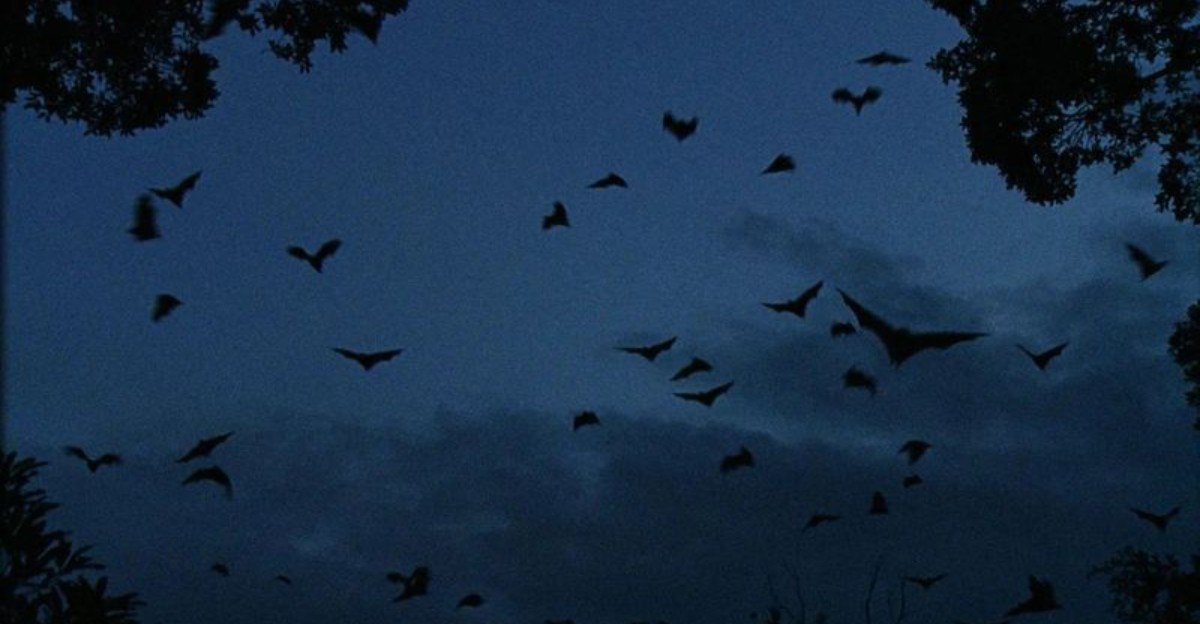
Bats circling your Pennsylvania yard at dusk is one of those wildlife encounters most people notice without stopping to think much about. The erratic, fast moving silhouettes against the fading sky are familiar enough to seem unremarkable.
But if bats have been circling your yard consistently, what’s happening is more purposeful and more interesting than it might appear. Bats don’t circle randomly. They’re hunting.
And the fact that they keep returning to your yard specifically tells you something real about the conditions your property is creating at dusk.
The insect populations, the vegetation, the water features, even the light sources around your home all factor into why bats choose certain yards over others as reliable hunting grounds.
Understanding what’s drawing them in is genuinely useful information for any Pennsylvania homeowner curious about their own outdoor environment.
1. They Are Feasting On Insects
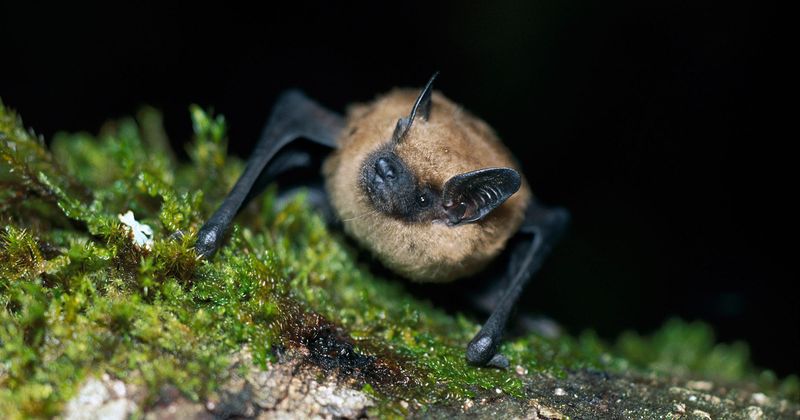
The number one reason bats swirl over your yard is dinner. Pennsylvania evenings bring out clouds of mosquitoes, moths, and beetles, and bats treat these bugs like a buffet.
A single little brown bat can snap up thousands of insects in just one night. That kind of appetite makes them one of the best natural pest controllers around.
If your yard has plenty of flying bugs, you have basically set up a five-star restaurant for them.
Watch closely and you might notice their zigzag flight. Those sharp turns happen when they lock onto a target and change direction fast.
Bats use echolocation, sending out sounds that bounce off insects, helping them find food even in near darkness.
Standing water, tall grass, and porch lights all attract bugs, which in turn attract bats. If you want fewer bats but still like the bug control, you can reduce outdoor lighting or empty water that collects in buckets and gutters.
On the other hand, many gardeners welcome them with open arms. Fewer mosquitoes mean more comfortable summer nights and fewer itchy bites for your family.
Fun fact for you here: bats can eat their body weight in insects during a busy feeding session. That is like a person eating dozens of pizzas in one evening.
So when you see them circling, remember they are simply working hard for their meal. Their presence usually signals a healthy backyard full of life.
Instead of shooing them away, you might just thank them for keeping the pests in check.
2. A Roost Is Hiding Nearby
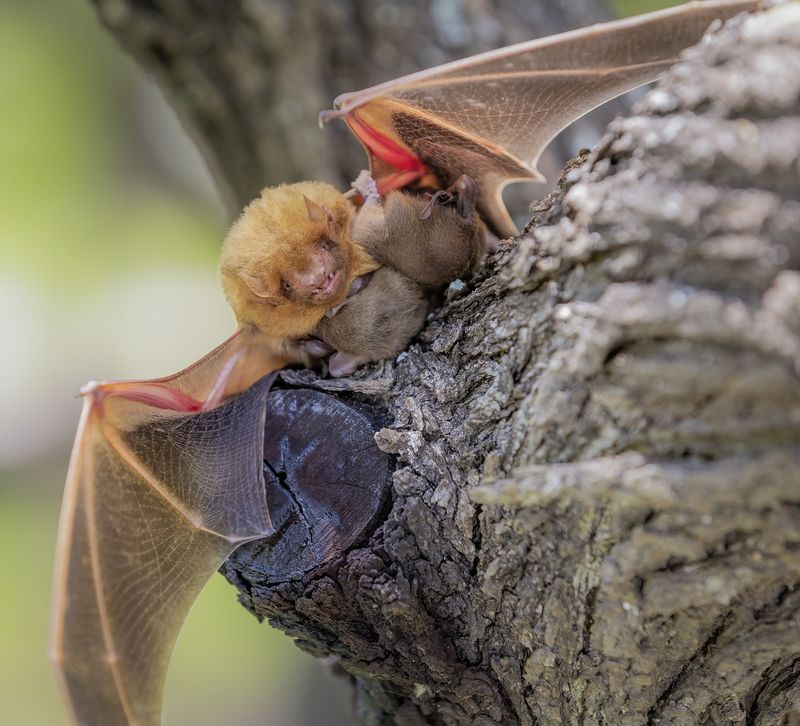
When bats keep returning to the same spot night after night, there is a good chance a roost sits close by. Roosts are the safe places where bats rest during the day and raise their young.
Old barns, attics, hollow trees, and gaps under roof shingles all make cozy shelters. Pennsylvania has plenty of older homes and wooded areas, which gives bats loads of hiding spots to choose from.
If you notice them flying out around the same time each evening, try to spot where they come from. Following their flight path at dusk can reveal an entry point you never knew existed.
Your Pennsylvania Garden Changes Every Week. Your Plan Should Too.
Gardening in Pennsylvania changes quickly throughout the season. Every Friday you’ll receive a simple weekly plan showing exactly what to plant, prune, fertilize, harvest, and protect so you never miss the right timing.
Small droppings, called guano, often collect below a roost. Finding a pile near your siding or attic vents is a strong clue that bats have moved in above you.
Having a roost nearby is not automatically bad news. Bats keep to themselves and mostly stay out of your living space.
Still, if they get inside walls or attics, sealing gaps after they leave for the season is the safest fix.
Never block an entrance during summer months, since baby bats might be stuck inside. Waiting until fall protects both your home and the animals.
Some folks install bat houses on poles or trees to give them a proper home away from the roof. This simple box keeps bats around for pest control while steering them clear of your attic.
Spotting a roost means you are living alongside a small colony. With a little planning, you can share the neighborhood peacefully.
3. The Season Is Shifting
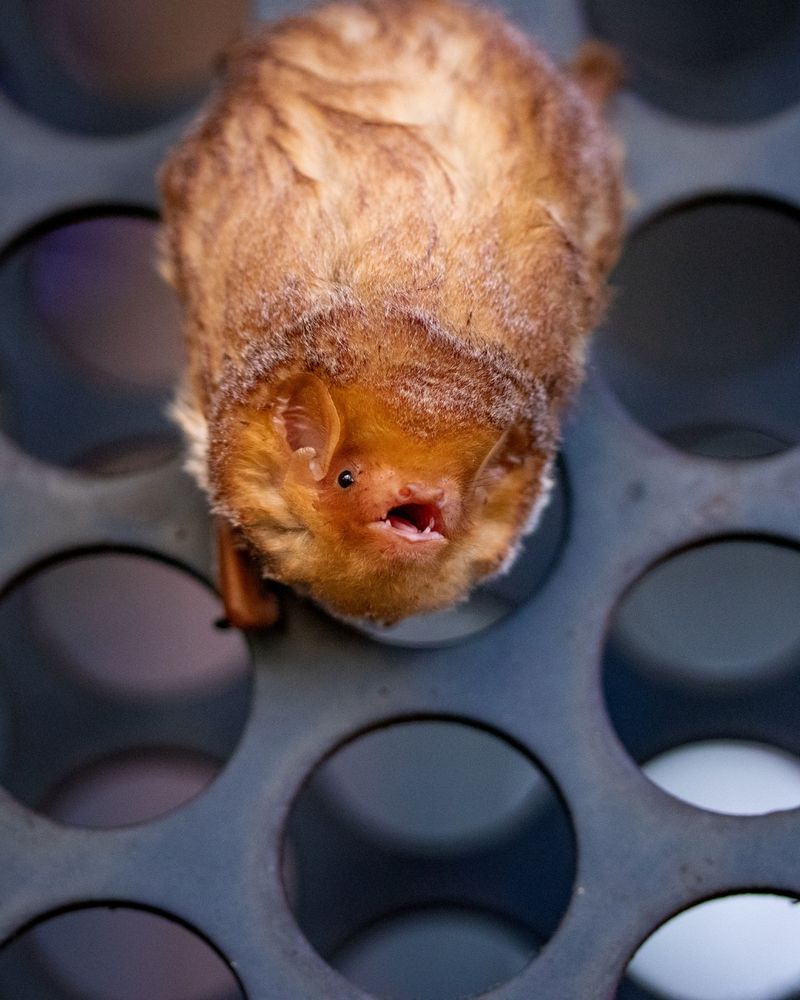
Bats pay close attention to the calendar in their own way. Their behavior changes a lot depending on the time of year, and busy circling can signal a seasonal shift.
During late summer and early fall, bats feed heavily to build up fat. They need those extra reserves to survive the cold months ahead when insects vanish.
Spring brings another burst of activity as bats wake up hungry and search for food after a long rest. You might see more of them flitting around as the weather warms.
In Pennsylvania, cooler autumn evenings often push bats to feed earlier and more intensely. Watching them swirl in September can mean they are fueling up for the journey or hibernation ahead.
Some species migrate to warmer areas, while others hunker down in caves and mines. The ones in your yard might be passing through or making last-minute stops before settling in.
Paying attention to these patterns helps you predict when bats will appear. Warm, still evenings usually bring the most action, since bugs are plentiful and easy to catch.
Here is something neat to know: some Pennsylvania bats travel many miles to reach winter homes. Their timing lines up with dropping temperatures and shrinking food supplies.
If the circling suddenly stops in late fall, the bats have likely settled down for the season. Do not worry, because they usually return once spring arrives again.
Seasonal flights remind us how connected these animals are to nature’s rhythm. Their comings and goings mark the turning of the year right in your backyard.
4. Water Sources Are Drawing Them In
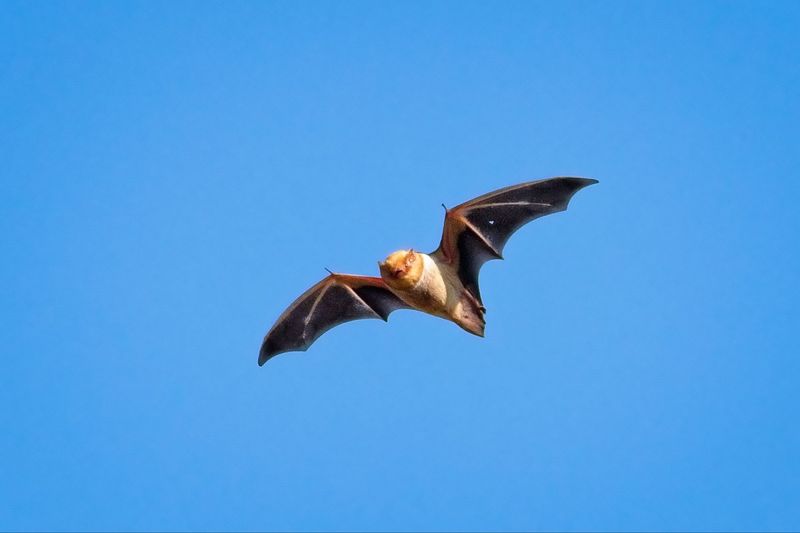
Thirsty bats need to drink, and your yard might offer the perfect watering hole. Ponds, birdbaths, pools, and even puddles can pull bats in for a quick sip.
Bats drink in a clever way. Instead of landing, they swoop low and skim the surface, scooping up water while still in flight.
It is a smooth, graceful move worth watching.
If you have any standing water on your property, expect a few visitors at dusk. The bigger the water source, the easier it is for them to grab a drink mid-flight.
Water also attracts insects, so bats get a two-for-one deal near ponds and pools. They can hunt bugs hovering above the surface while topping off their thirst.
Homes with swimming pools sometimes notice extra bat traffic on warm nights. The open water gives bats a clear runway to swoop across without obstacles.
You do not have to remove your water features to keep peace. Bats rarely cause trouble and simply pass through for a moment before moving on.
If bats near the pool bother you, a solar cover or nighttime cleaning routine can help. Reducing nearby lights also cuts down the bugs that draw them in.
A quick fact to enjoy: bats need to drink often because flying uses so much energy. Staying hydrated keeps them strong for a long night of hunting.
Seeing bats dip toward your water means your yard supplies something they truly need. Their brief visits are just part of the natural give-and-take of a lively landscape.
5. Your Yard Offers Great Shelter
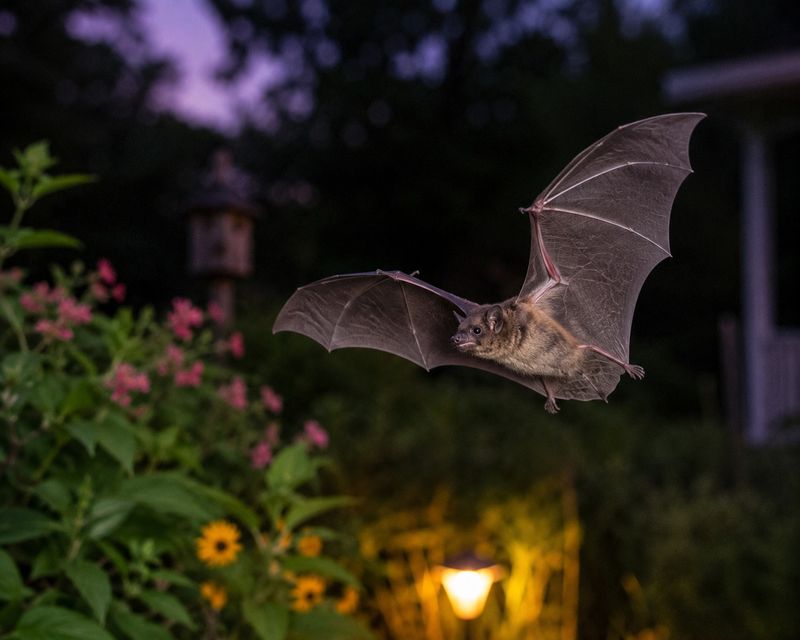
Beyond food and water, bats look for places that feel safe. A yard packed with trees, shrubs, and shady corners can seem like a welcoming hideaway.
Thick branches give bats protection from wind and larger predators. Tall trees also serve as landmarks they use to navigate through the twilight.
Properties near woods, creeks, or open fields tend to attract more bats. These natural features connect to the larger habitats bats depend on every day.
Bats often follow tree lines and edges rather than crossing wide open spaces. That is why you might see them circling along the border of your yard.
Old trees with loose bark or hollow spots double as resting spots. A bat can tuck itself into these snug gaps between hunts.
If your yard feels like a mini forest, you are basically rolling out the welcome mat. The more cover you provide, the more comfortable bats become.
Homeowners who enjoy wildlife can lean into this by planting native trees and flowers. These plants support insects, which then feed the bats in a healthy chain.
Should you prefer fewer bats, trimming dense vegetation can make the space less inviting. Just remember that many creatures rely on that same cover.
An interesting tidbit: bats prefer yards that stay quiet and calm after dark. Loud noise and bright lights can push them toward more peaceful spots.
Circling bats often mean your yard checks all their boxes for safety and comfort. Their choice is a small compliment to the little wild refuge you have created outside.
6. Mating Or Raising Young Is Underway
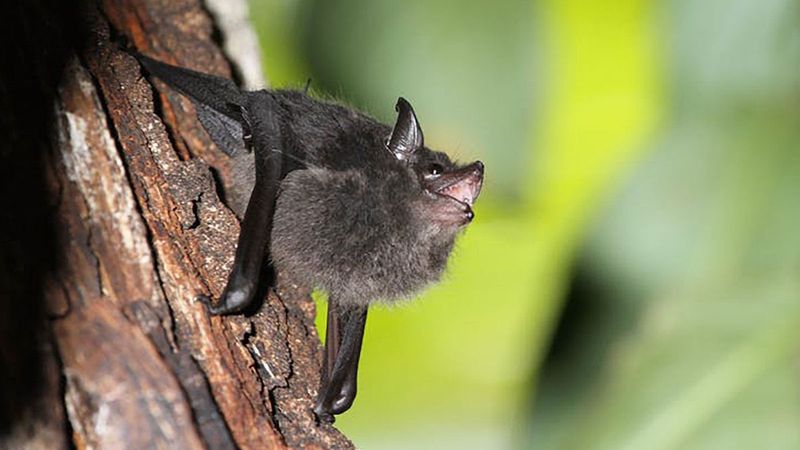
Sometimes those busy flights connect to family life. During certain months, bats gather to find mates or care for their pups.
Female bats form nursery colonies in warm, sheltered spots during early summer. They pick safe places to give birth and raise their tiny young together.
Baby bats, called pups, cannot fly at first and depend fully on their mothers. Moms leave the roost each evening to feed, then return to nurse.
You might see extra circling as mothers hunt hard to keep their strength up. Feeding a growing pup takes plenty of energy and lots of insects.
Later in the year, mating season sparks another round of activity. Bats become more social as they search for partners in the cooling air.
If you notice a jump in bat numbers over summer, a nursery could be nearby. The colony grows as pups mature and start joining the nightly flights.
This is a delicate time, so avoid disturbing any roost you find. Blocking entrances now could trap helpless pups who cannot escape on their own.
Waiting until the young can fly, usually by late summer, keeps everyone safe. After that, you can seal gaps if you want them out of your attic.
Here is a sweet fact: mother bats can find their own pup among hundreds by sound and smell. That bond shows how caring these animals really are.
Circling bats during family season reveal a hidden world of parenting above your yard. Their hard work keeps the next generation ready to take flight.